History guide
Granada after 1492: the Moriscos
From the surrender of 1492 to the expulsion of 1609: how Granada's Muslims became Moriscos, rose in revolt and were scattered, and what the Christian crown built in their place.
Written by
James Walker Seven years resident in Granada. Specialist in Nasrid architecture, Al-Andalus history, and Andalusian walking routes.
Published
Granada's last Nasrid ruler surrendered the city on 2 January 1492, but the city's Muslims did not leave with him. They stayed, were pressed into baptism and became the Moriscos, and for roughly 120 years their presence decided what was built, banned and burned here. It ended with the expulsion decreed in 1609. This page follows that story from the terms of surrender to the Renaissance city that the Castilian crown laid over the Nasrid one.
It starts where two other pages stop. The Granada history guide runs from Roman Iliberis to Lorca, and Moorish Granada covers the dynasty and what survives of it. For tickets, opening hours and what to look at inside the buildings mentioned below, use the Granada Cathedral guide and the Royal Chapel guide.
Jump to a section
What did the 1492 surrender promise Granada's Muslims?
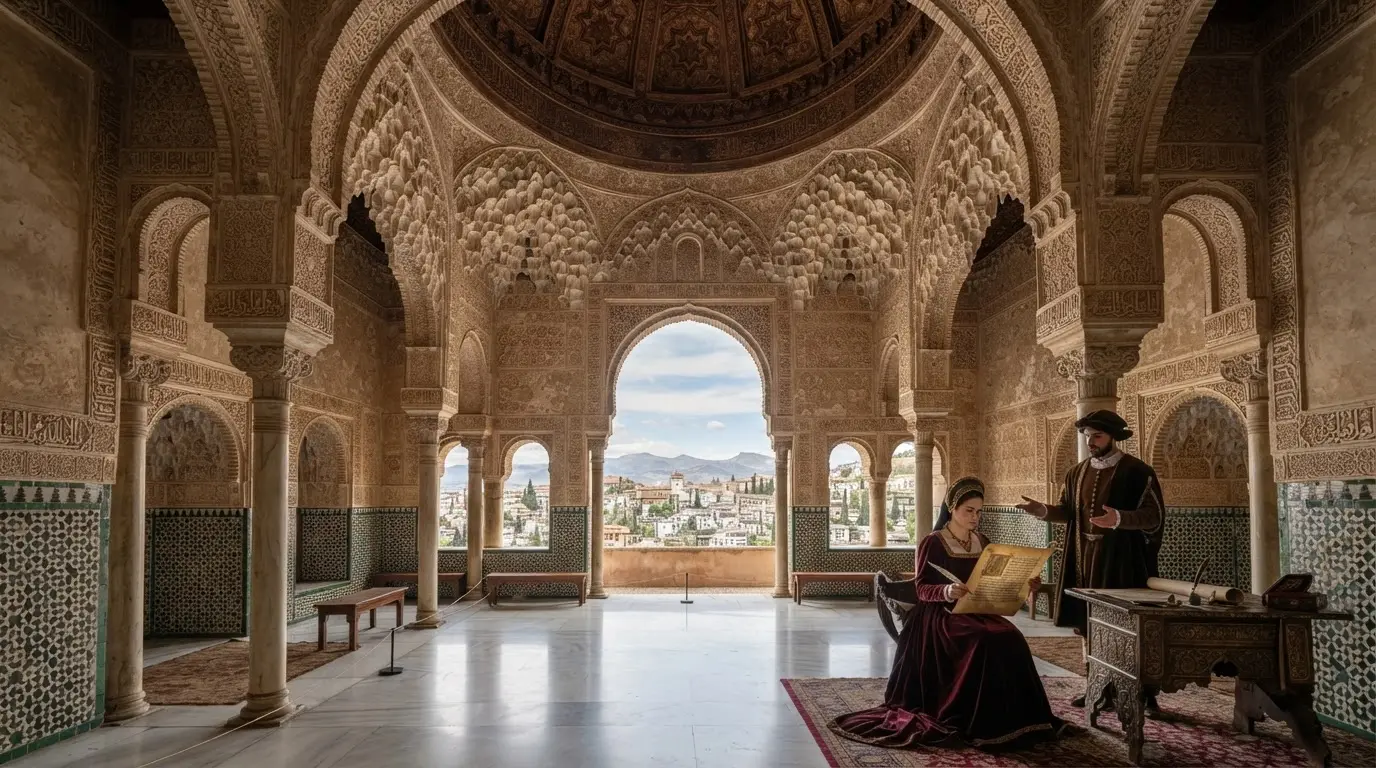
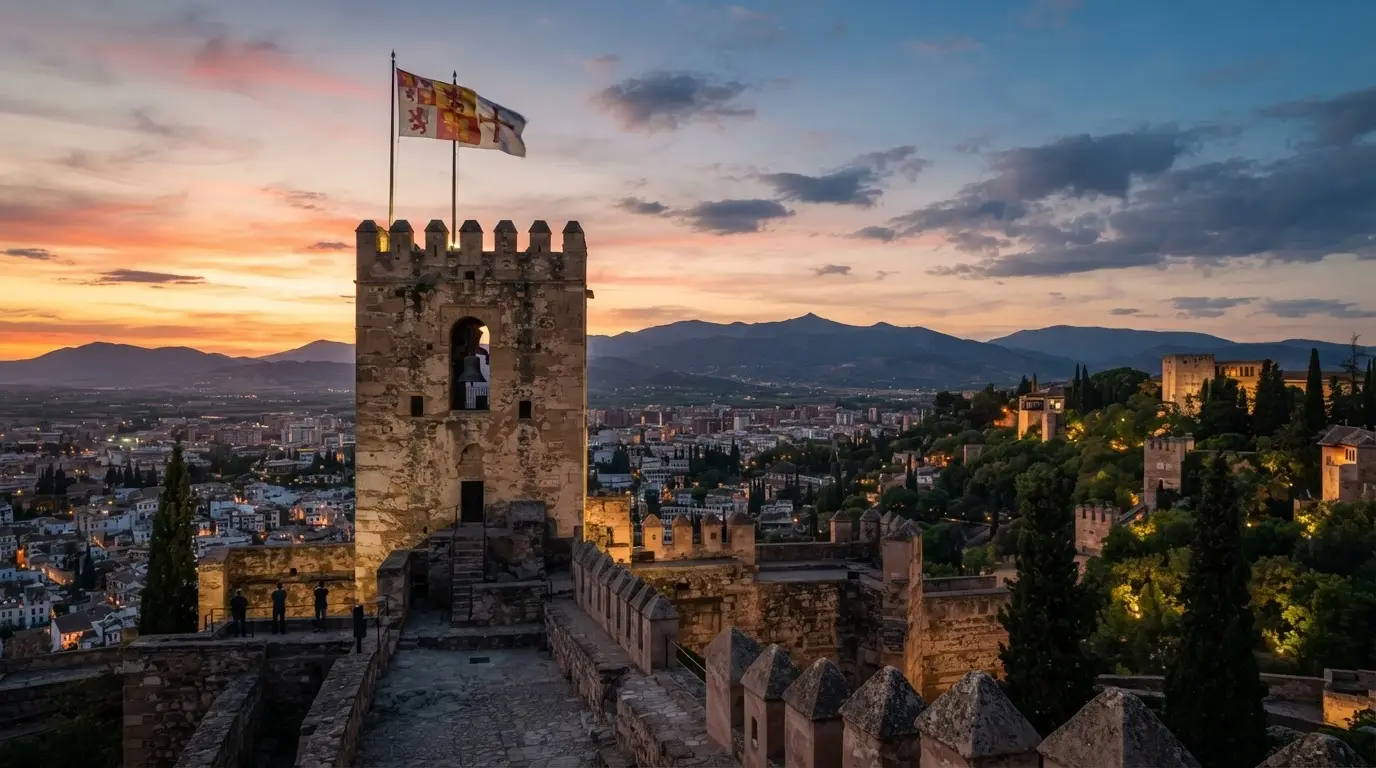
Boabdil, the last Nasrid ruler, surrendered Granada to Ferdinand and Isabella on 2 January 1492[2]. The treaty that preceded it guaranteed that mosques and their religious endowments would stay as they had been under Islam, and that Christians who had embraced Islam could not be forced back to their former creed[1]. Those two clauses are the promise the next century broke.
The Granada War had begun in 1482 and ended in a siege that opened in spring 1491[1]. The usual account says the treaty was signed and ratified on 25 November 1491; two texts survive, one of 25 November 1491 and a definitive privilege dated 30 December 1491[16]. Either way it was agreed weeks before the surrender, and the keys of the Alhambra changed hands on the January day[3]. The article on the 1491 treaty follows its clauses one by one.
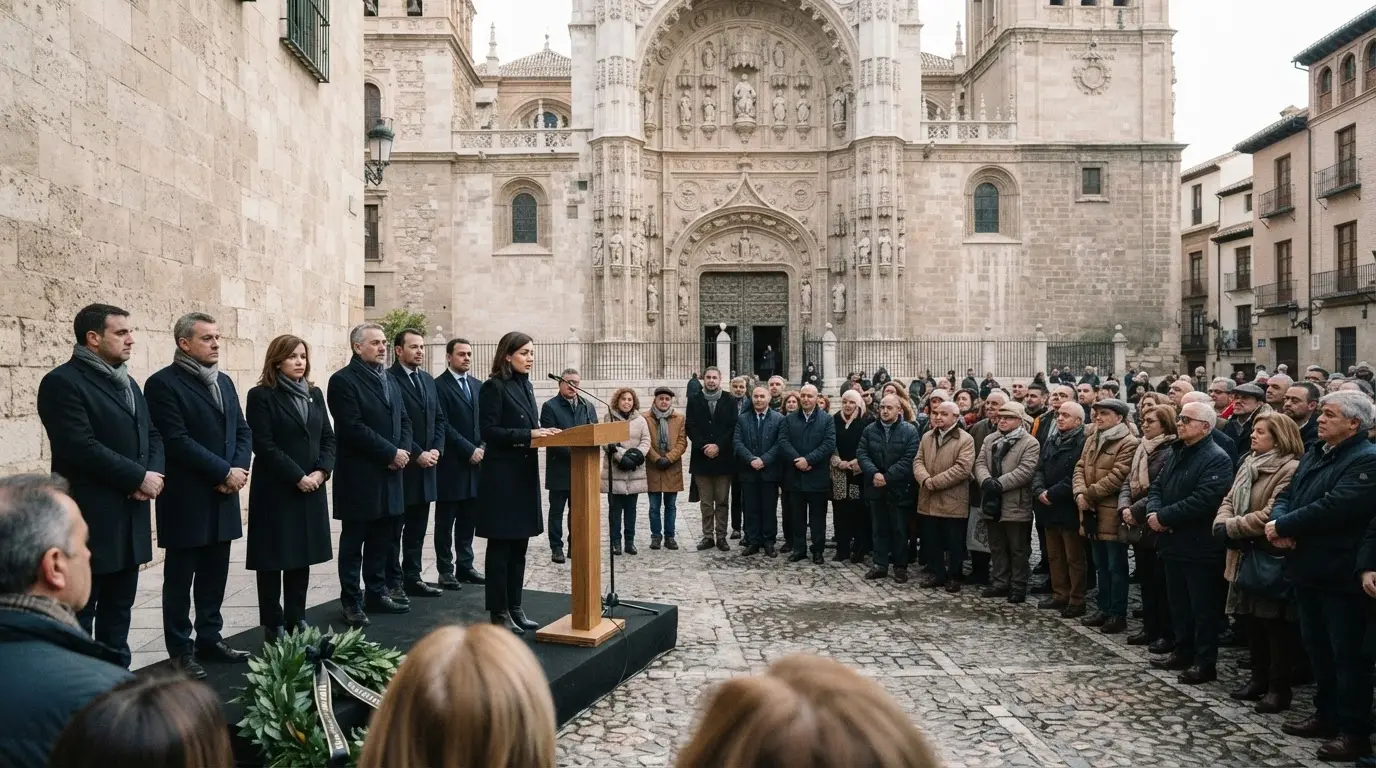
The people around the handover each have their own article: the surrender and its siege in the 1492 Reconquista, the king who gave up the keys in Boabdil, last Moorish king, and the first Christian governor of the Alhambra in the Count of Tendilla. The same year's expulsion of the Jews is told in the Alhambra Decree article. How the city remembers the surrender today is contested, as covered in the Toma festival controversy.
How did Granada's Muslims become Moriscos?
A Morisco was a descendant of Moors who had formally agreed to repent and abandon Islam[5]. In Granada that agreement was extracted rather than offered. When Archbishop Francisco Jiménez de Cisneros arrived in late 1499 he began a campaign of coercive proselytizing and book burning[4], and the treaty of 1491 stopped meaning much.
Cisneros disliked the gentler approach of Granada's first archbishop, Hernando de Talavera, and began sending uncooperative Muslims, noblemen above all, to prison, where they were treated harshly until they agreed to convert[1]. In December 1499 the Albayzín, the Muslim quarter, rose in open and armed revolt. Mass conversions followed, the whole city nominally became Christian, and the treaty began to unravel[1].
Two articles cover the two men. Hernando de Talavera is the case for persuasion, and the Bib-Rambla book burning is the case against it. For what the new Christians were called, how they lived and what the crown said of them, read the Moriscos of Granada. The quarter that rose in 1499 is today the Albaicín.
When did the Inquisition reach Granada?
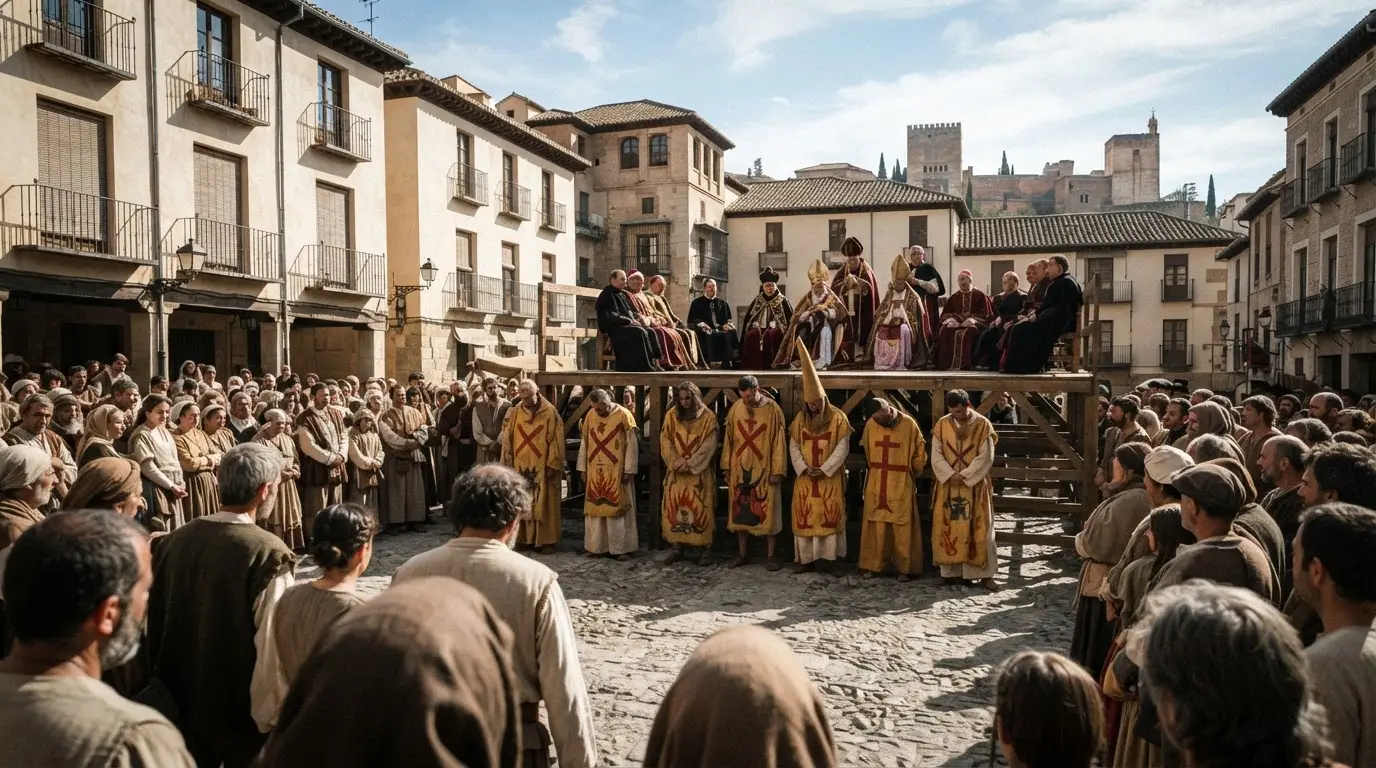
The Holy Office entered Granada in November 1526[6], a generation after the conversions, and it was the Moriscos who filled its files. The number of people condemned in the Kingdom of Granada rose from 1605 onwards[7], four years before the expulsion decree.
The tribunal's workings, jurisdiction and notable trials are in the history of the Granada tribunal. One individual case, that of a surgeon from Alhama, is told in Eleno de Céspedes.
Why did the Alpujarras revolt of 1568 begin?
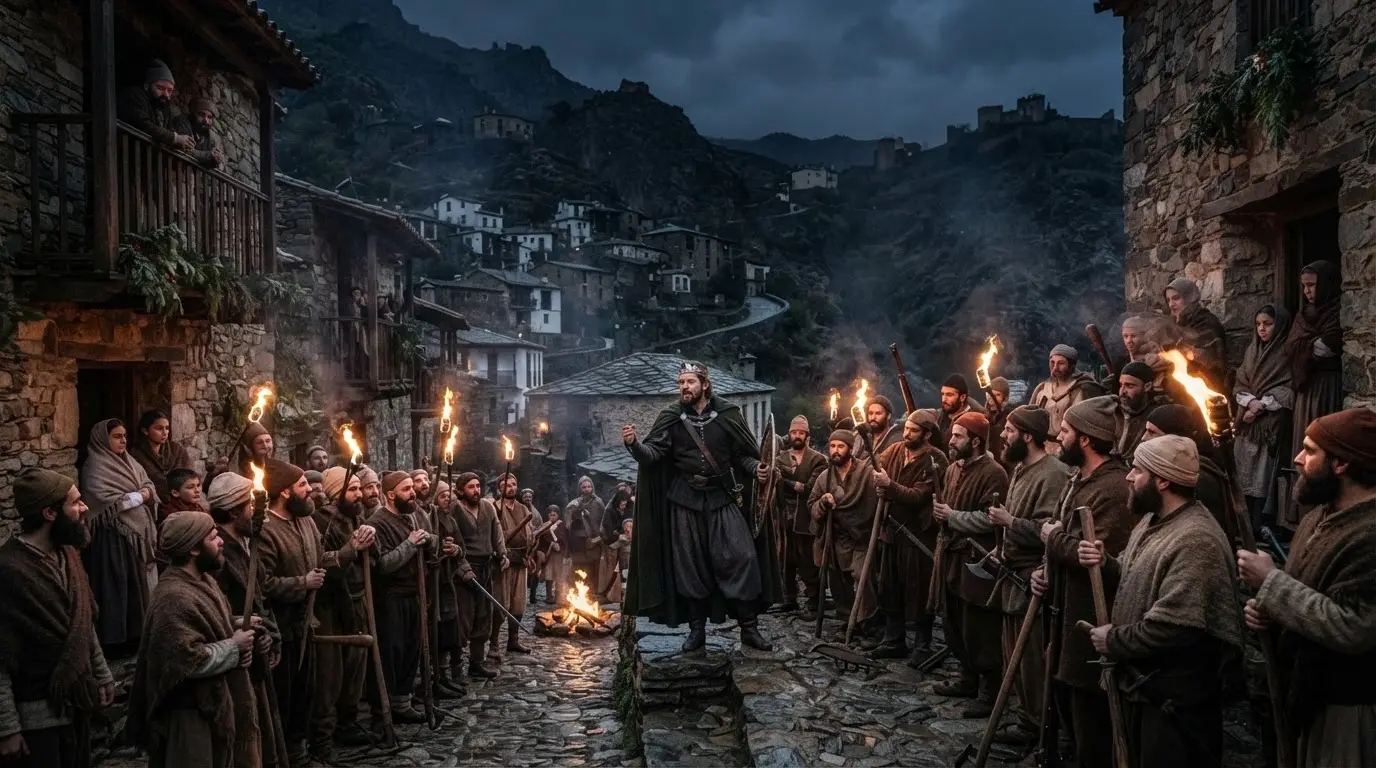
Philip II's Pragmatic Sanction of 1567 triggered it[8]. The revolt began on Christmas Eve 1568 at Béznar, in the Lecrín valley south of Granada, where Hernando de Córdoba y Valór, who took the name Aben Humeya, was named king[8].
It grew fast. The French and Genoese ambassadors in Madrid estimated 4,000 rebels in January 1569 and 25,000 by the spring of 1570[8]. John of Austria finally suppressed it in 1571[8].
The reprisal was the dispersal. Philip II decided to divide and scatter the whole Morisco community and to repopulate the old kingdom with Christian settlers from other regions[9]. Many of Granada's Moriscos were dispersed through Castile.
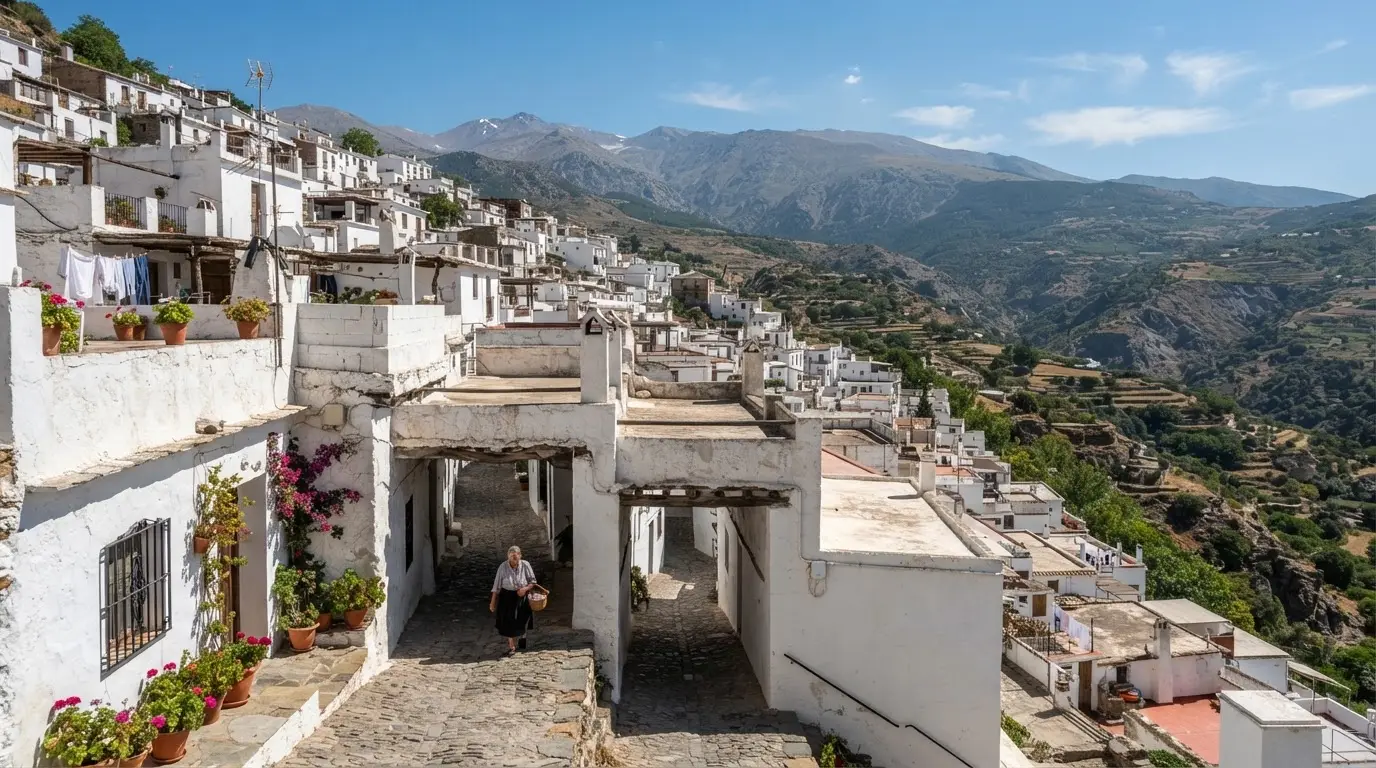
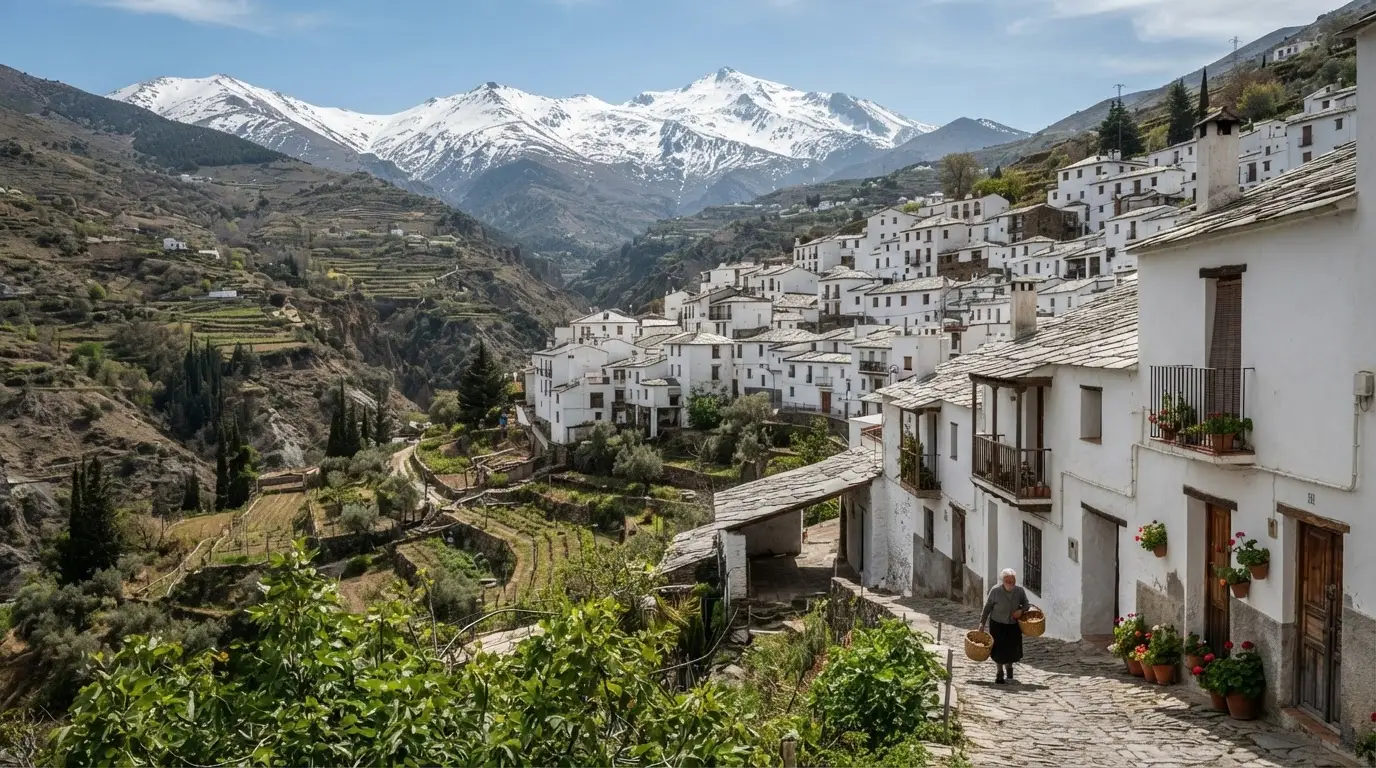
The revolt has its own article, Aben Humeya and the 1568 rebellion, and the mountain villages it emptied are in the Morisco villages of the Alpujarras.
How many Moriscos were expelled in 1609?
Philip III decreed the expulsion of the Moriscos on 9 April 1609[10], and Britannica estimates that about 275,000 had left Spain by 1614[11]. Historians' estimates differ, so read that figure as a scale rather than a count.
Granada's own Moriscos had by then been scattered across Castile for nearly forty years, which is why the expulsion fell hardest elsewhere. The kingdom of Valencia lost approximately 130,000 people, almost a third of its population[5]. Most of the expelled eventually settled on the Barbary Coast, the Maghreb[10]. In the city of Granada itself, only about 2,000 were expelled in 1609-14[8].
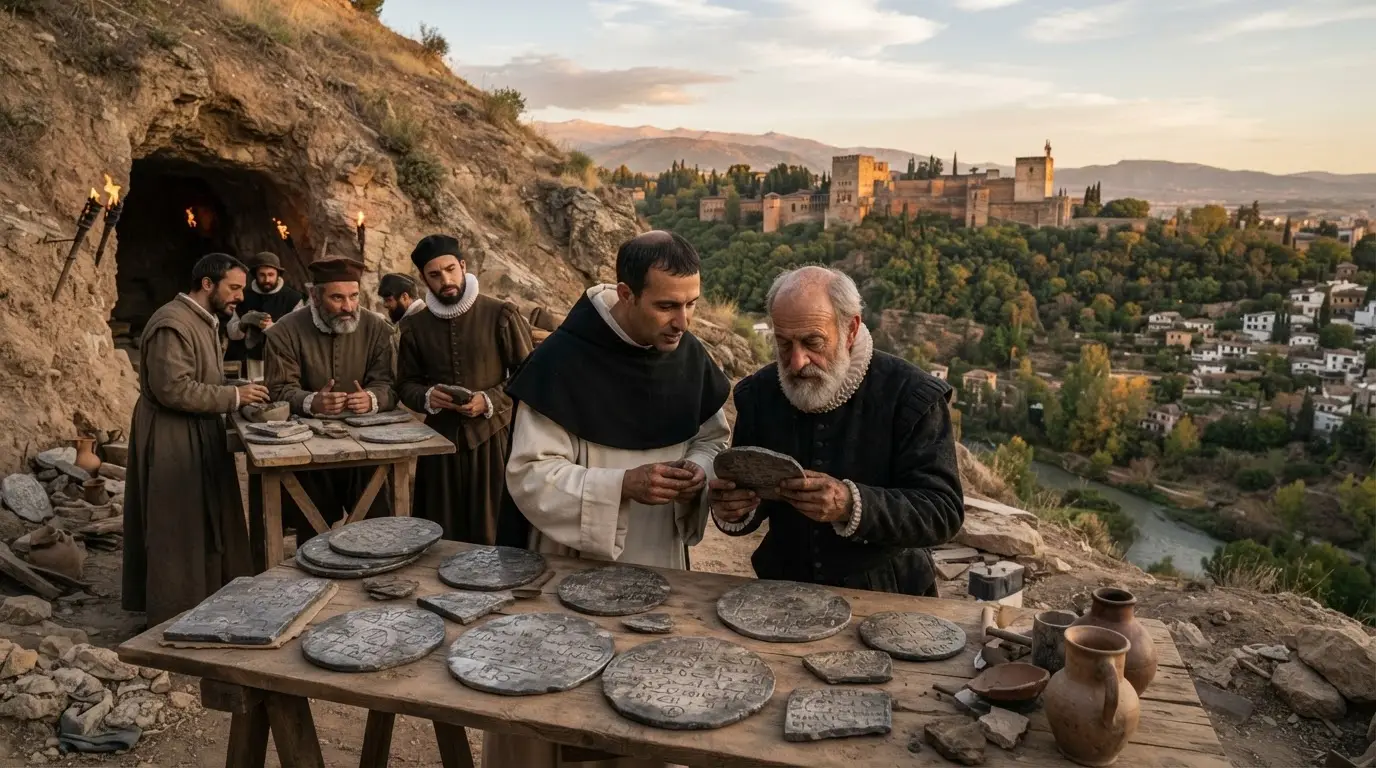
What remains of the Morisco world in Granada is mostly in the street plan, the craft traditions and the architecture. Mudéjar art in Granada traces the building style, and the Lead Books of Sacromonte follows a late-16th-century Sacromonte episode that belongs to the same world.
What did Christian Granada build over the Nasrid city?
Four things mark the Castilian takeover in stone: the Royal Chapel, the cathedral, Charles V's palace inside the Alhambra, and, by omission, the Albayzín. The first three were built by the Catholic Monarchs and their grandson Charles[14], and the fourth is a street plan that stayed.
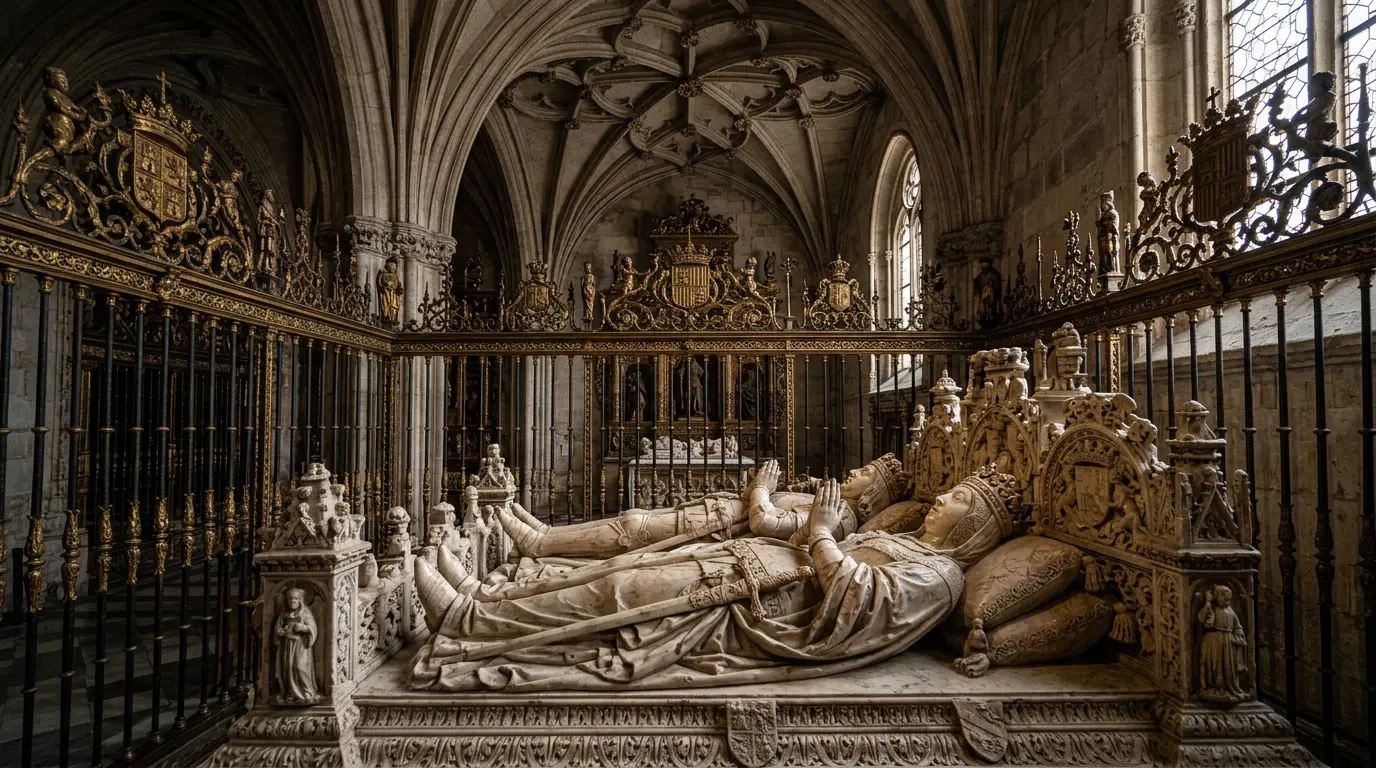
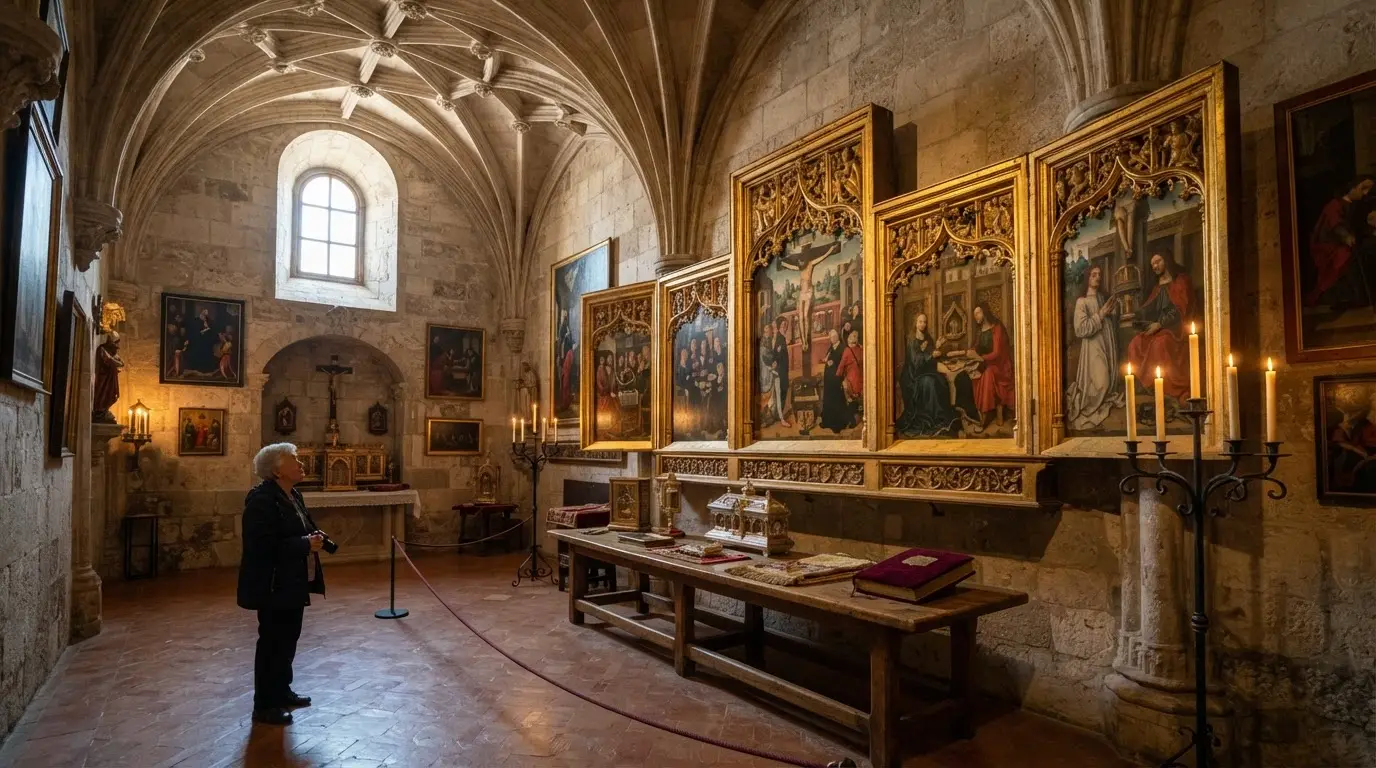
- Royal Chapel. On 13 September 1504 Isabella and Ferdinand declared that they wanted their remains taken to Granada. The chapel was built between 1505 and 1517, first as part of the cathedral complex[14]. See Isabella's burial connection to Granada and, for the sacristy's collection, the Flemish paintings.
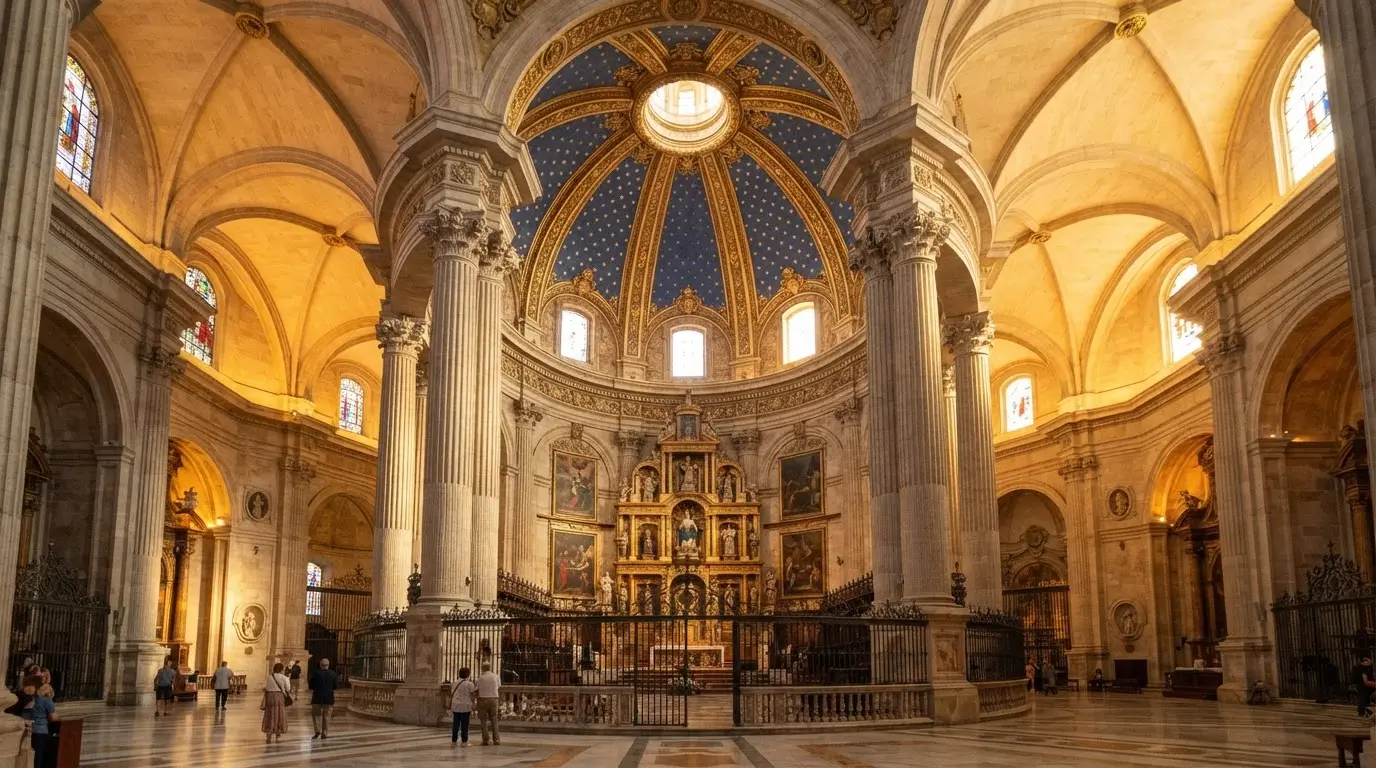
- Cathedral. Foundation trenches are recorded in March 1523, and Diego de Siloé's collaboration on the project begins around 1528[13]. The design story is in the cathedral's Renaissance architecture.
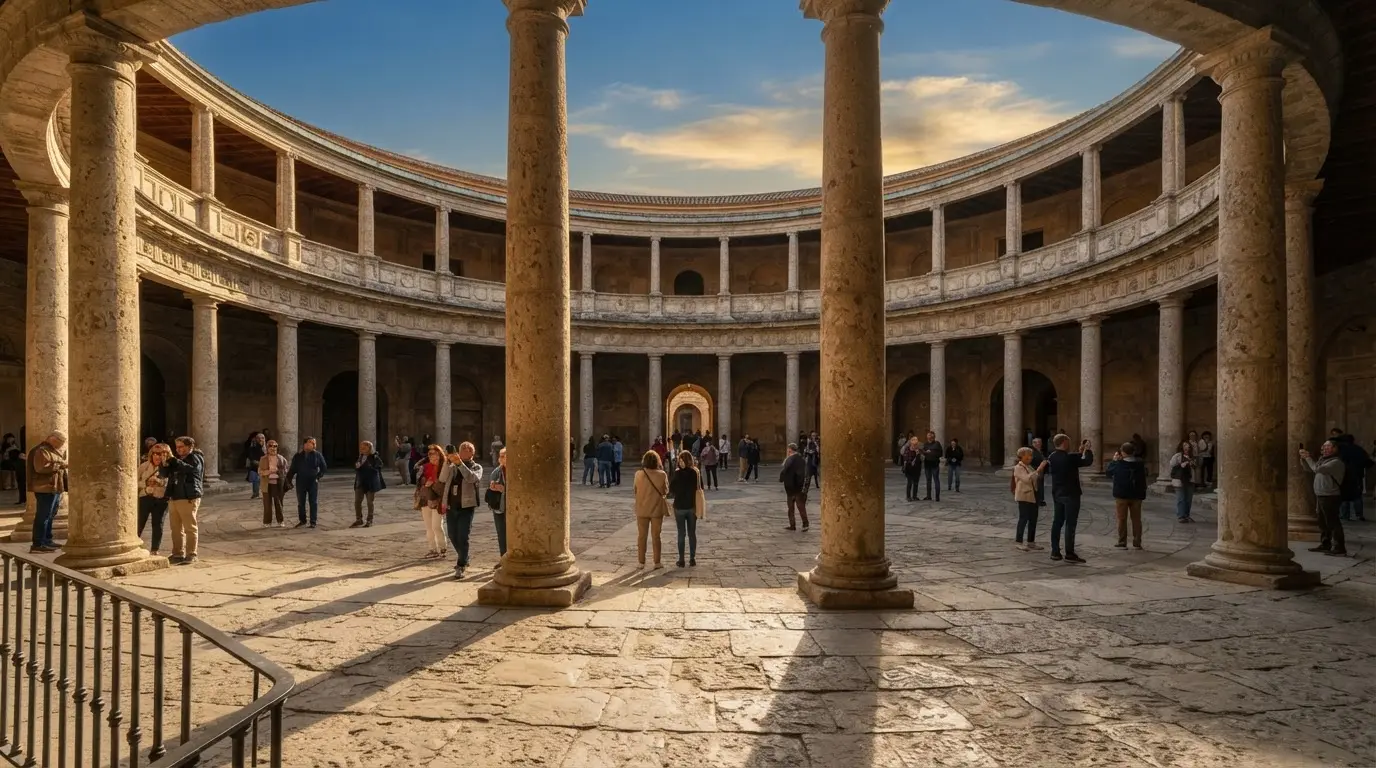
- Palace of Charles V. The emperor decided in 1526 to build it in the "Roman" style, and Pedro Machuca designed it and supervised the works from 1533 until his death in 1550[12]. The 1568 rebellion stopped work for 15 years, and it was abandoned for good in 1637 with the roof unfinished[12]. More in the Palace of Charles V article.
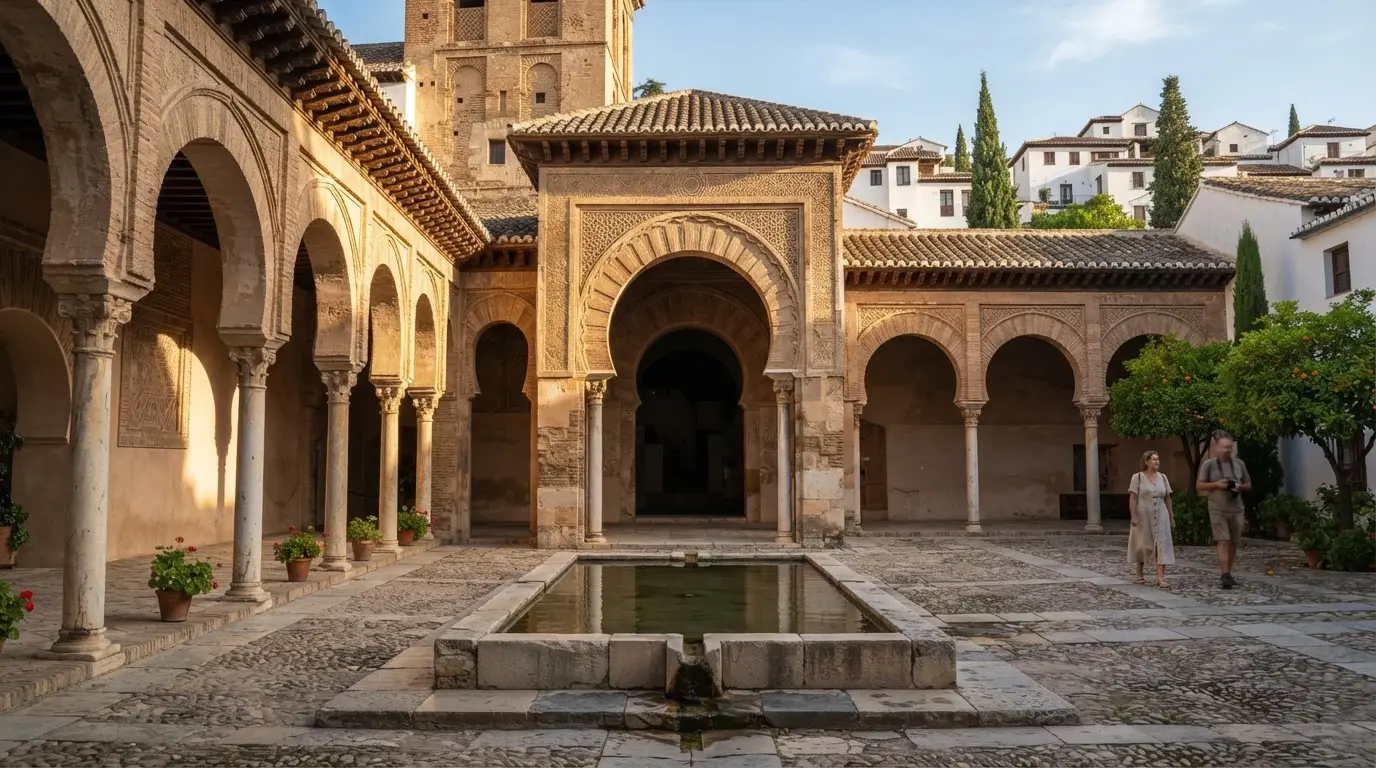
- Albayzín. UNESCO notes that the quarter was not changed when it was adapted to Christian life after the conquest[15]. The Albaicín you walk today keeps that layout.
The monument pages carry the facts a visitor needs: the Granada Cathedral, the Royal Chapel and the Alhambra.
The full story: conquest and Moriscos
Every article in this cluster picks up one thread of the story above: the treaty and its breaking, the archbishops and the governor, the Inquisition, the Alpujarras revolt and the buildings of the new Christian city. Read them in any order; each one stands alone.
Frequently asked questions
Who were the Moriscos of Granada?
The term Moriscos designates the descendants of the Moors who, after the Christian conquest, formally agreed to repent and abandon Islam. In Granada the label applied to the city's former Muslim population after the mass conversions that followed Archbishop Cisneros's arrival in late 1499. The longer account is in our article on the Moriscos of Granada and their expulsion.
Did the Inquisition operate in Granada?
Yes. The Holy Office entered Granada in November 1526, and the number of people condemned in the Kingdom of Granada rose from 1605 onwards. The history of the Granada tribunal covers how it worked.
What was the Alpujarras rebellion?
A Morisco revolt triggered by Philip II's Pragmatic Sanction of 1567. It began on Christmas Eve 1568 at Béznar in the Lecrín valley and was suppressed by John of Austria in 1571. Philip II then ordered the Morisco community scattered through Castile and the old kingdom repopulated with Christian settlers. See the article on Aben Humeya and the 1568 rebellion.
How many Moriscos were expelled in 1609?
Philip III decreed the expulsion on 9 April 1609, and Britannica estimates that about 275,000 Moriscos had left Spain by 1614. Estimates differ between historians, so treat that as a rough scale. The kingdom of Valencia alone lost around 130,000 people, almost a third of its population, and most of the expelled settled in the Maghreb.
Why did Charles V's palace in the Alhambra stay unfinished?
Charles V decided to build the palace in 1526, and the works were abandoned for 15 years after the 1568 Morisco rebellion. They were definitively abandoned in 1637 with the roof unfinished. Read more in the article on the Palace of Charles V.
Further reading
Sources
16 references Show Hide
- Treaty of Granada (1491), Wikipedia (opens in a new tab)
“signed and ratified on November 25, 1491”
- Muhammad XII, Britannica (opens in a new tab)
“After a siege that began in 1491, he too surrendered, on January 2, 1492, bringing an end to Muslim rule in Spain, and the Christian Reconquista was completed.”
- The Conversation (opens in a new tab)
“handed over the keys of the Alhambra to the Catholic monarchs Ferdinand II of Aragon and Isabella I of Castile”
- Szpiech, eHumanista/IVITRA vol. 26 (opens in a new tab)
“When Archbishop of Toledo Francisco Jiménez de Cisneros (d. 1517) arrived in Granada in late 1499, initiating a process of coercive proselytizing, book burning”
- The Expulsion of the Moriscos, Digital History (Unite) (opens in a new tab)
“The term Moriscos was used to designate the descendants of the Moors, after the Christian Reconquista, that had formally agreed to repent and abandon Islam.”
- Baetica, University of Málaga (opens in a new tab)
“From 1605 onwards, the index of condemned people increases in the Kingdom of Granada.”
- Rebellion of the Alpujarras (1568-1571), Wikipedia (opens in a new tab)
“estimated that there were 4,000 rebels in January 1569 and 25,000 by the spring of 1570”
- The Alpujarras and the Moriscos, Digital History (Unite) (opens in a new tab)
“King Philip II took the decision to divide and scatter the whole community of the Iberian Moriscos, while repopulating the old kingdom of Granada with Christian settlers brought from other regions.”
- Expulsion of the Moriscos, Wikipedia (opens in a new tab)
“was decreed by King Philip III of Spain on April 9, 1609.”
- Expulsion of the Moriscos, Britannica (opens in a new tab)
“In 1609, the government ordered their expulsion, leading to an estimated 275,000 Moriscos leaving Spain by 1614.”
- Palace of Charles V, Patronato de la Alhambra (opens in a new tab)
“the works continued until they were definitively abandoned in 1637, leaving the roof unfinished.”
- Royal Chapel of Granada, Wikipedia (opens in a new tab)
“Constructed between 1505 and 1517, it was originally integrated in the complex of the neighbouring Granada Cathedral.”
- Alhambra, Generalife and Albayzín, UNESCO (opens in a new tab)
“which was not changed when it was adapted to the Christian way of life after the conquest.”
- Treaty of Granada facsimile, Facsimile Finder (opens in a new tab)
“Dated December 30, 1491, it outlines the terms of the upcoming surrender”