Articles · Festivals & traditions
Granada's Festivals and Traditions
This section follows Granada's yearly calendar of celebration: the Día de la Toma reenactment, zambra performances in the Sacromonte caves, Corpus Christi and Holy Week processions, and the flower-strewn Cruces de Mayo. Written for visitors timing a trip around a festival.
3 articles
Festivals & traditions: the big picture
Written by
James Walker Seven years resident in Granada. Specialist in Nasrid architecture, Al-Andalus history, and Andalusian walking routes.
This collection covers Granada's living rituals and the controversies attached to them. Two of them, the baths and zambra flamenco, were banned or suppressed at some point before resurfacing in a different form. The Arab bath tradition runs from El Bañuelo, an 11th-century Zirid-era hammam financed by the Jewish vizier Samuel Ibn Nagrela, through Philip II's 1567 ban on public baths, to the modern hammam revival that opened in Granada in the late 1990s after a 430-year gap.
Zambra cave flamenco traces a different survival story: a Moorish wedding ritual absorbed by the Romani community of Sacromonte after 1492, banned by the Inquisition in the 16th century, and preserved privately through families for two centuries before flamenco's UNESCO recognition in 2010. The article covers the form's three-act structure, the alboreá, cachucha, and mosca, and the cave venues, such as María la Canastera's roughly 70-year-old, 55-seat space, where that lineage still performs today.
The Día de la Toma controversy covers the most contested of Granada's annual observances: the 2 January ceremony marking the 1491 surrender, whose Capitulations promised Granada's Muslims protections broken within a decade. The modern municipal ceremony dates only to 1752 and has become a recruiting stage for the far-right party Vox since 2019, against a 30-year counter-campaign by the platform Granada Abierta to reframe the day as a festival of coexistence.
Read all three together for the fullest picture of how Granada's public rituals carry centuries of unresolved history: a bath tradition banned and later reopened, a wedding dance banned and preserved in secret, and a surrender ceremony still fought over today.
All festivals & traditions articles
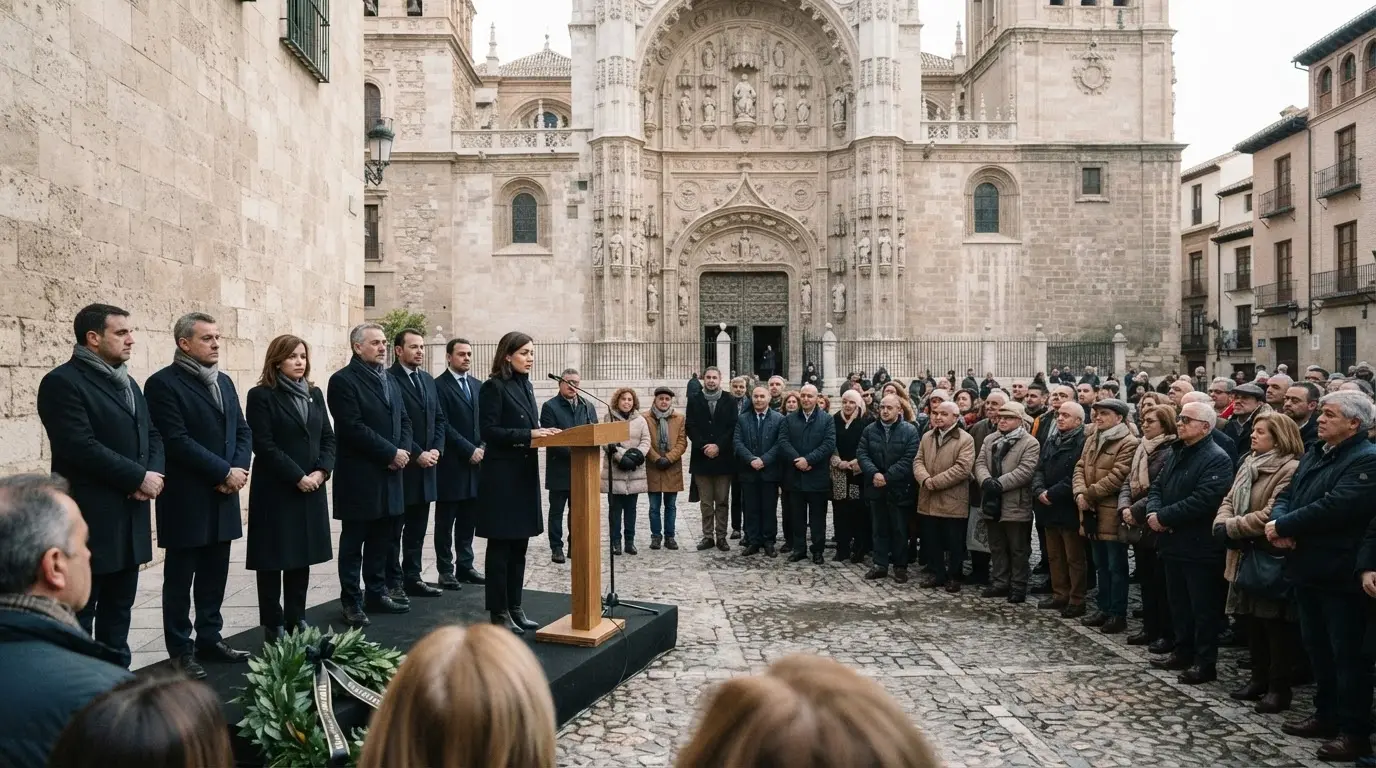
The Festival of the Toma: Granada's Most Controversial Holiday
James Walker
Granada's Día de la Toma marks 1492's surrender, a promise the Crown broke within a decade. Vox now rallies there each January while activists demand it end.
Read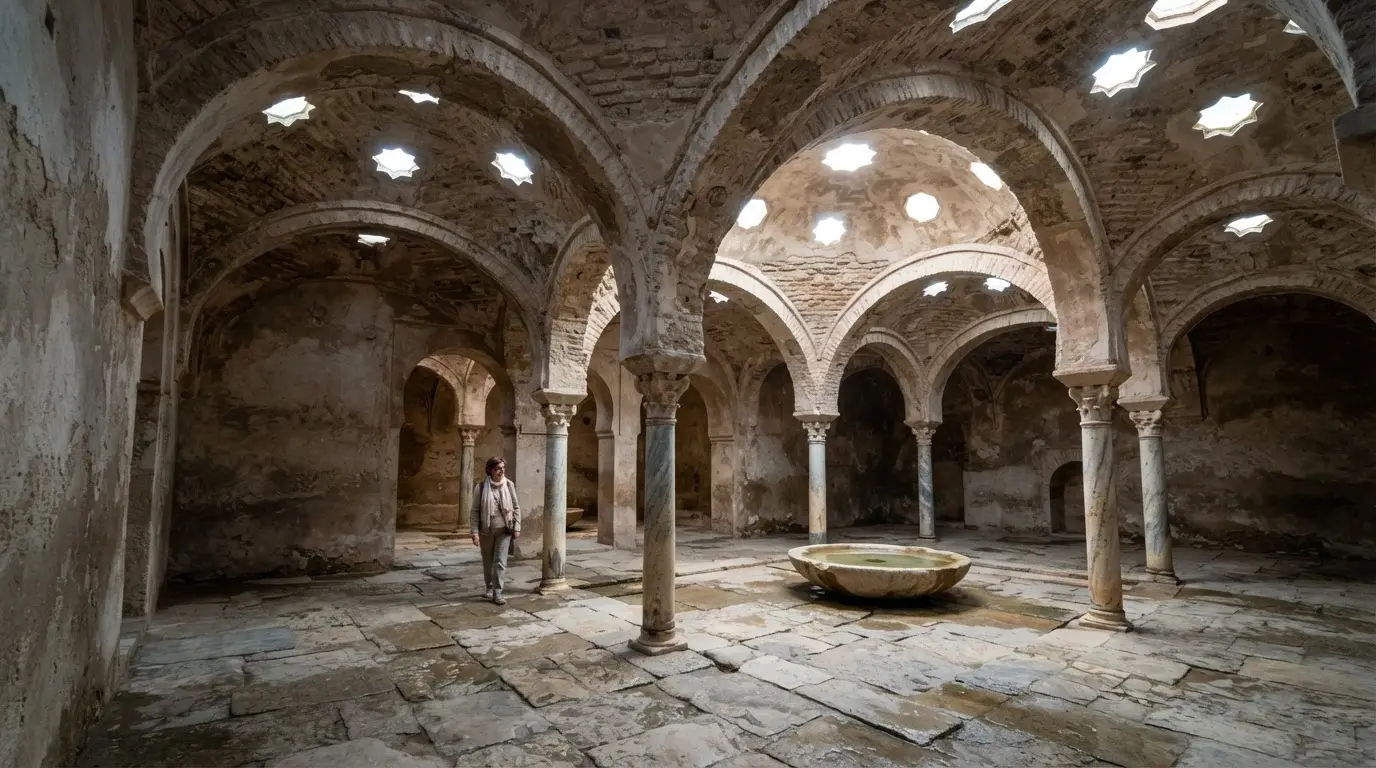
Arab Bath Tradition Granada: From Bañuelo to Hammam
James Walker Updated
Granada had 21 public hammams at its Nasrid peak. From El Bañuelo's 11th-century star skylights to Philip II's 1567 ban and the modern Albaicín revival.
Read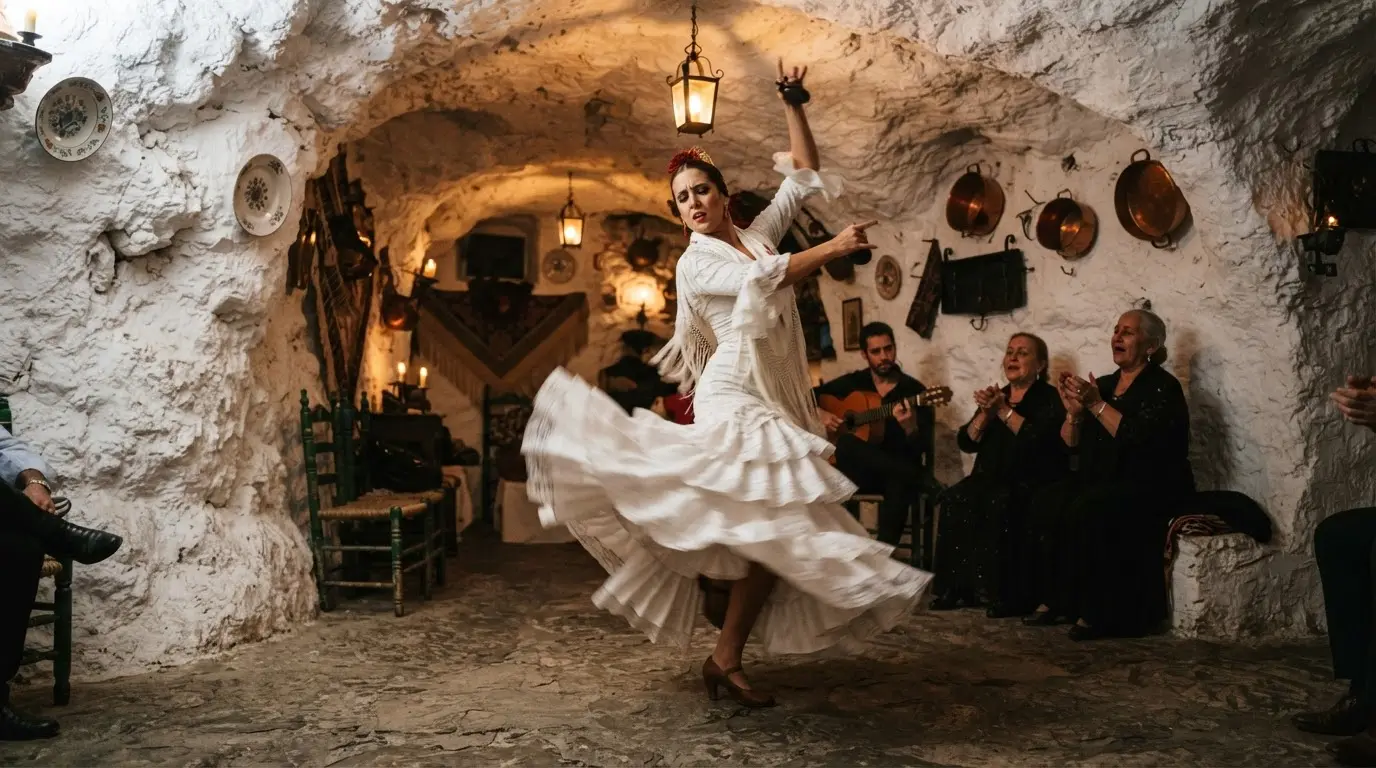
Zambra Cave Flamenco: Sacromonte's Living Ritual
James Walker Updated
Zambra is Granada's flamenco form, born in Sacromonte's limestone caves from a Moorish-Romani fusion. Three acts, 500 years of history, still performed nightly.
ReadFrequently asked questions
What was El Bañuelo used for?
An 11th-century Islamic public bath on the Carrera del Darro, financed by the Jewish vizier Samuel Ibn Nagrela during the Zirid period. It followed the standard three-chamber hammam layout and survived because it was converted to a public laundry after 1492.
Why were public baths banned in Granada?
Philip II's Pragmática of 1 January 1567 banned public hammams alongside Arabic language and Moorish dress, on the grounds that Moriscos who bathed ritually had not genuinely converted to Christianity. Most of Granada's roughly 21 hammams were demolished or converted to bakeries afterward.
What is zambra flamenco and how is it different from tablao?
Zambra is a three-act ceremonial form rooted in the Gypsy wedding ritual, performed in Sacromonte's cave dwellings rather than a theatre stage. Unlike tablao flamenco's sequence of independent dance forms, zambra follows a single narrative arc: the alborea, cachucha, and mosca.
Why is the Día de la Toma controversial?
The 2 January ceremony marks the 1492 surrender whose written protections for Granada’s Muslims were broken within a decade. Since 2019, Vox politicians including Javier Ortega Smith have used the same ceremony to celebrate the historical expulsion, while the platform Granada Abierta has campaigned for over 30 years to reframe it.