Articles · Food & drink
Granada's Food and Drink
This collection covers what Granada eats and drinks: the tradition of free tapas with every drink, the local vermouth scene, Trevélez ham from the Alpujarras, and the piononos and convent sweets that define its pastry counters.
7 articles
Food & drink: the big picture
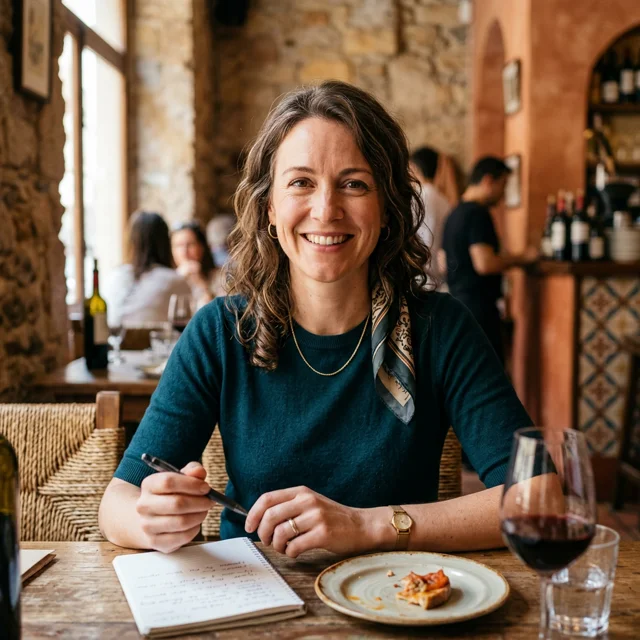
Written by
Sarah Mills Ten years in food journalism specialising in Spanish and Andalusian cuisine. Four years focused on Granada's food scene.
Granada's food culture runs on specific, traceable histories rather than generic Andalusian cliché. Start with why Granada's tapas are free, the tradition that survived here after Seville, Málaga, and Córdoba dropped it, most likely tied to bartenders covering wine glasses with bread to keep flies out rather than the more famous, probably apocryphal royal decree. Pair it with the vermut hour ritual that still brings a free tapa with a midday glass of vermouth at bodegas like Castañeda, serving its house vermouth since 1927.
Three dishes carry their own origin stories. Jamón de Trevélez is cured above 1,200 metres in the Alpujarras under an IGP designation, not the DOP most guides claim, and graded on a blue, red, or black seal tied to 17 to 23 months of curing. Pionono, the rolled sponge pastry, was invented in 1897 by a Santa Fe baker as a devotional portrait of Pope Pius IX. And tortilla del Sacromonte, built from lamb offal, came directly out of the economic marginalisation of the cave-dwelling families pushed to the hillside after 1492, still tied to the winter slaughter season around the feast of San Antón.
The collection closes with Granada's convent sweets, sold through a revolving wooden hatch called the torno by nine cloistered convents whose recipes trace to the same Moorish almond-and-honey kitchen.
Begin with the free tapas article for the broadest introduction to how Granada eats, then follow the individual dishes outward.
All food & drink articles
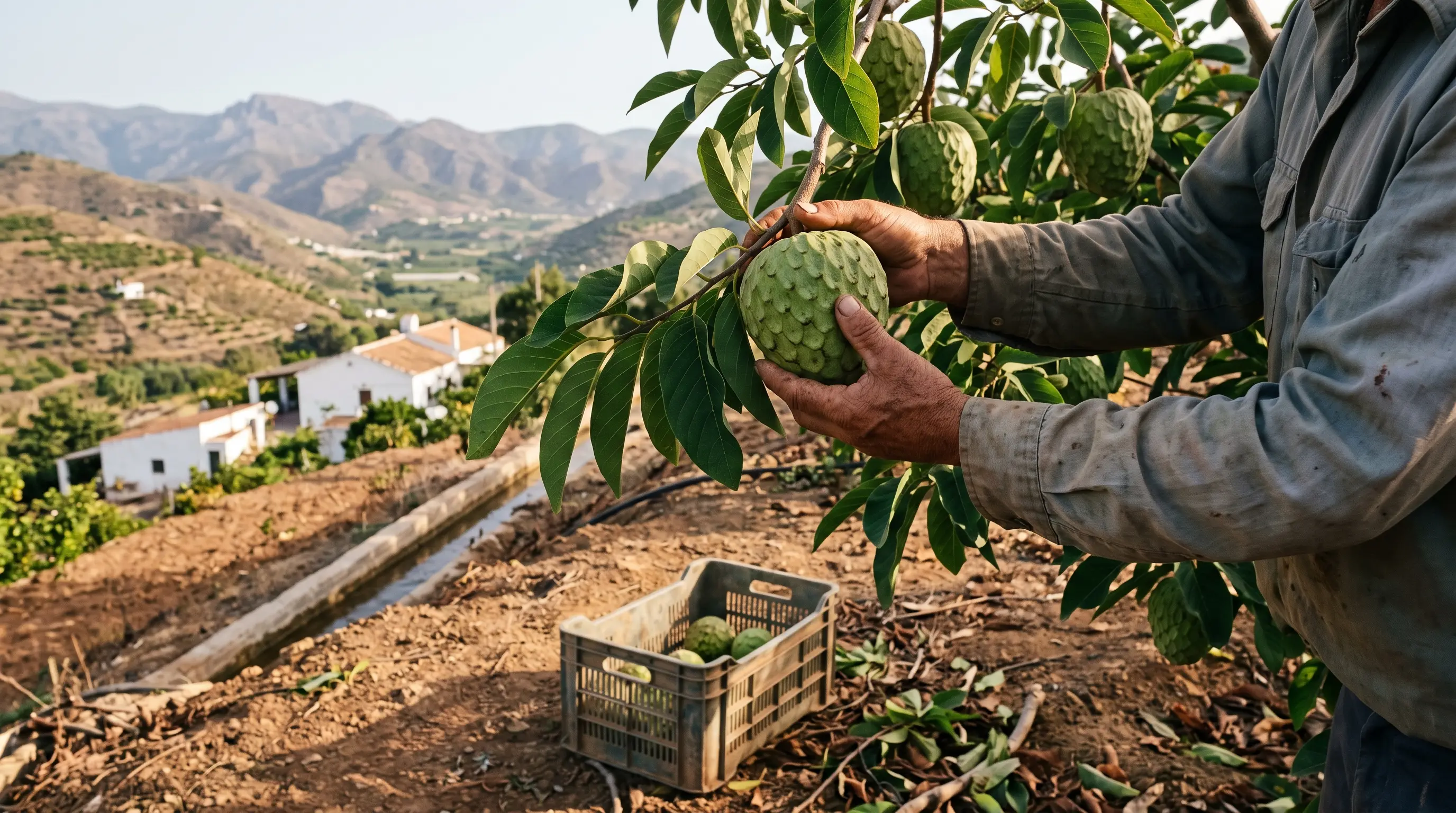
Chirimoya Costa Tropical: How an Andean Fruit Won a PDO
Sarah Mills
How the Andean chirimoya reached Granada's Costa Tropical, why it only mattered from the mid-20th century, and what PDO and Fino de Jete mean on the label.
Read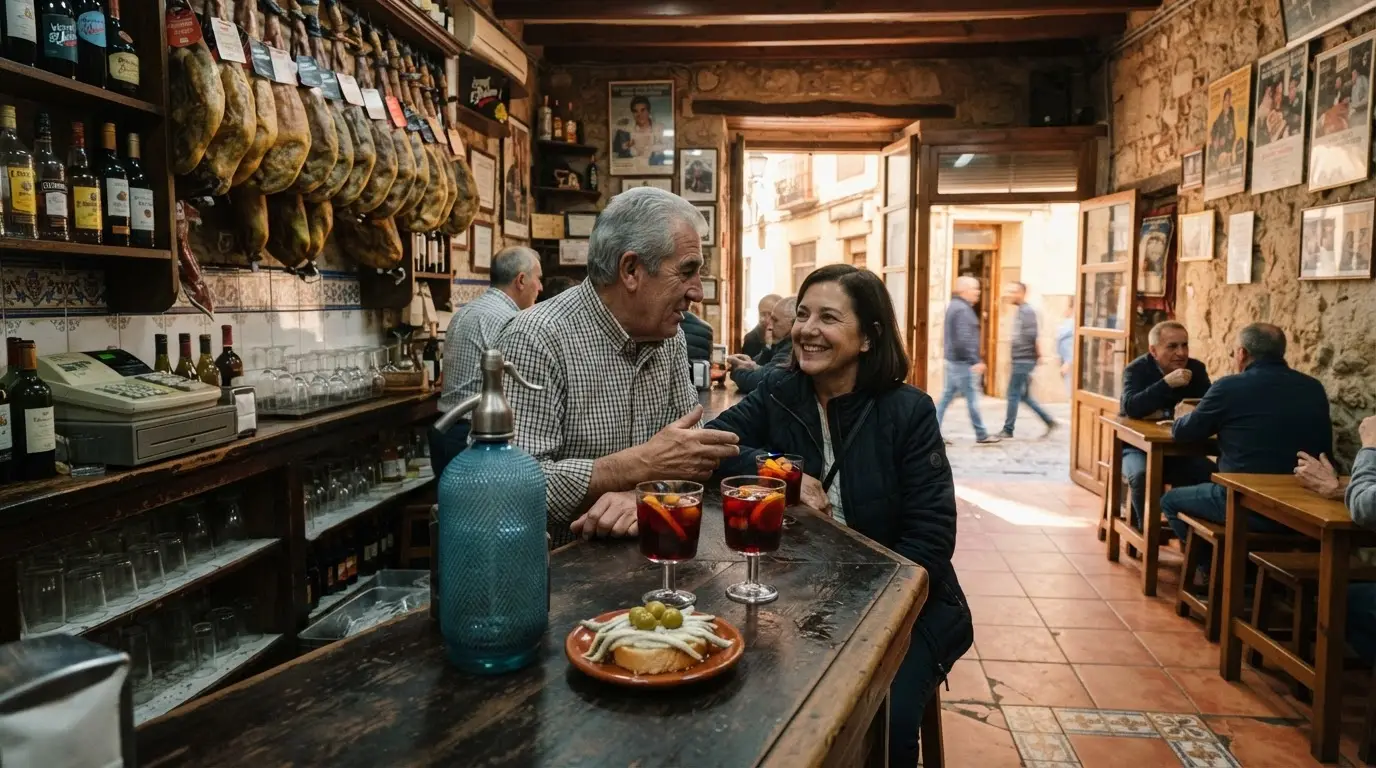
Why Granada Drinks Vermouth: The Bodega Ritual
Sarah Mills
In Granada, ordering a vermouth around noon still gets a free tapa, unasked, at bodegas like Castañeda, serving vermouth as its signature drink since 1927.
Read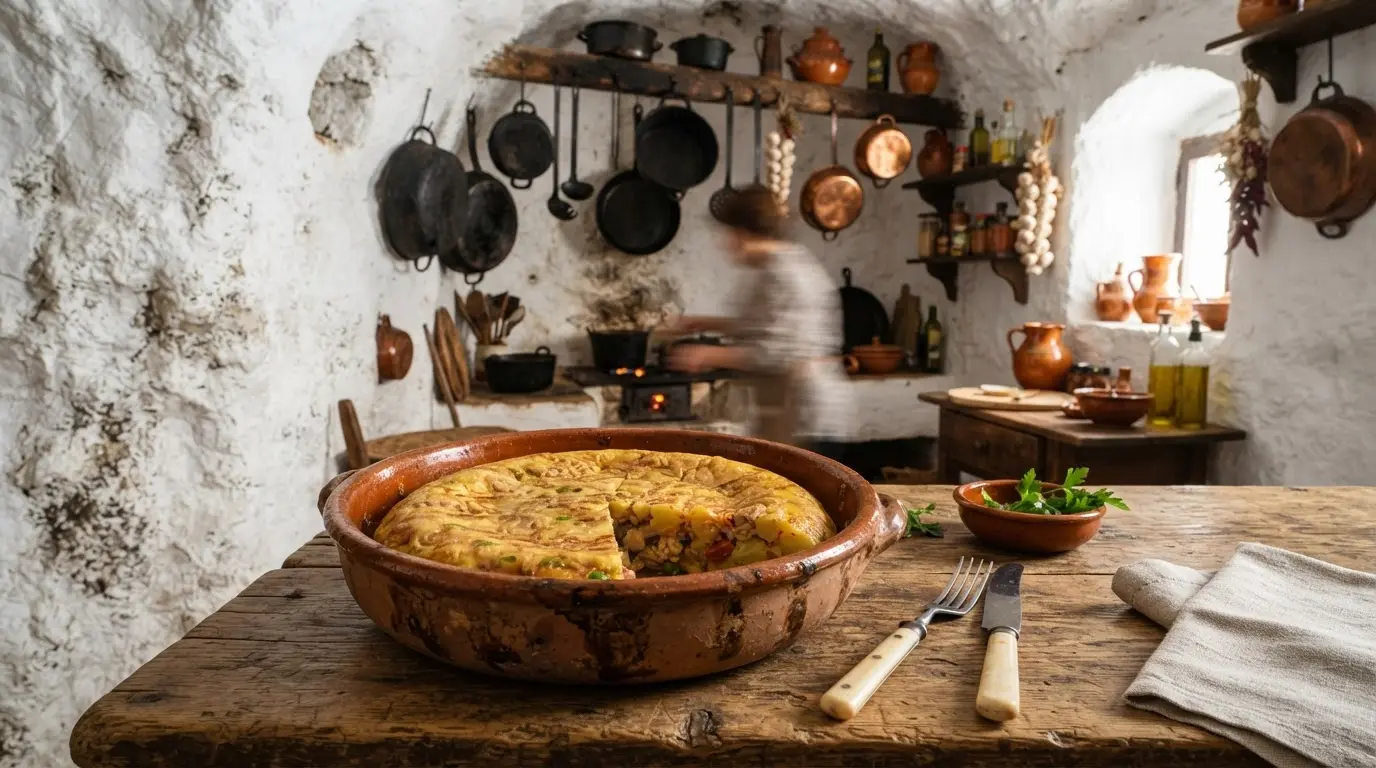
Tortilla del Sacromonte: history of Granada's cave dish
Sarah Mills Updated
How 16th-century refugees in Granada's Sacromonte caves turned sheep offal into a fiercely local dish, and the feast day that keeps the tradition alive.
Read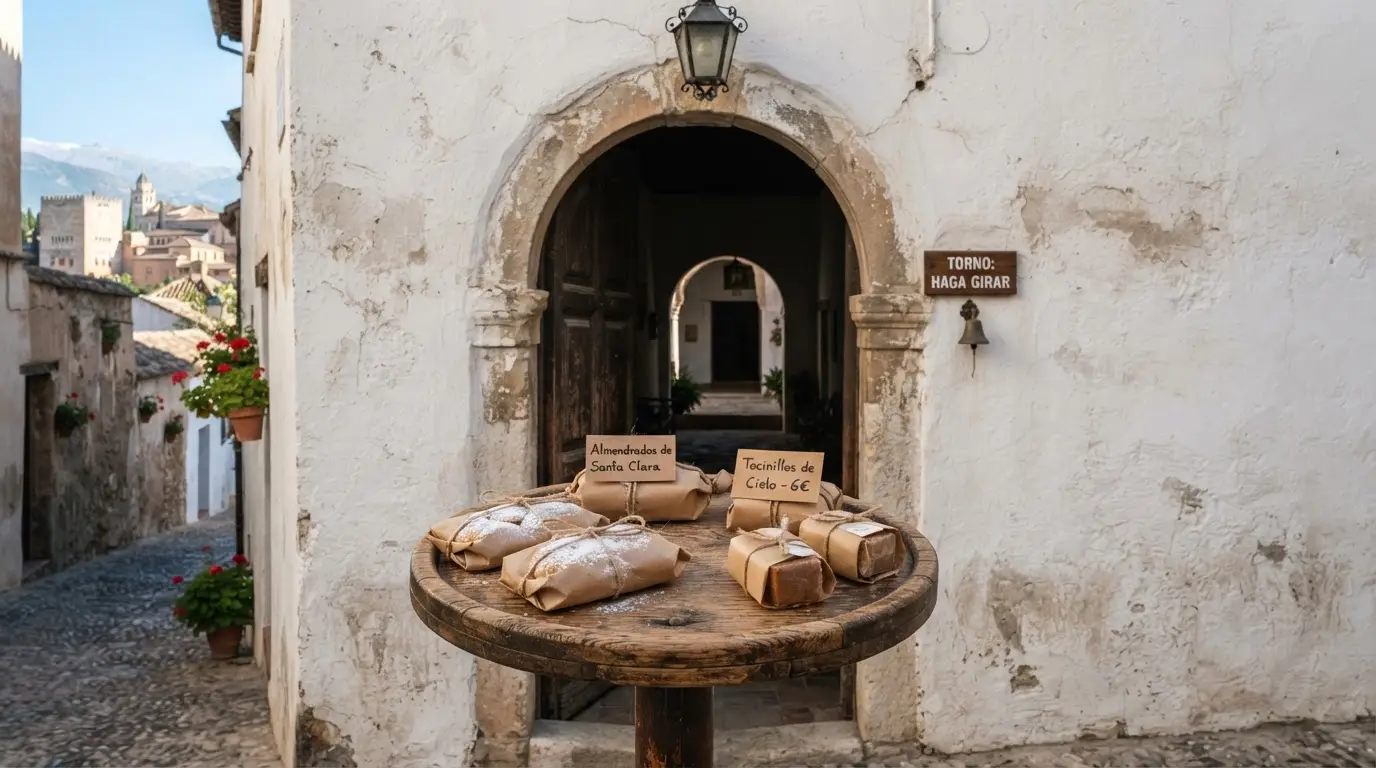
Convent Sweets in Granada: Buying Dulces Through the Torno
Sarah Mills Updated
Nine convents in Granada sell sweets through the torno, a revolving shelf in the convent wall. Cash only, mornings only, and the greeting ritual is mandatory.
Read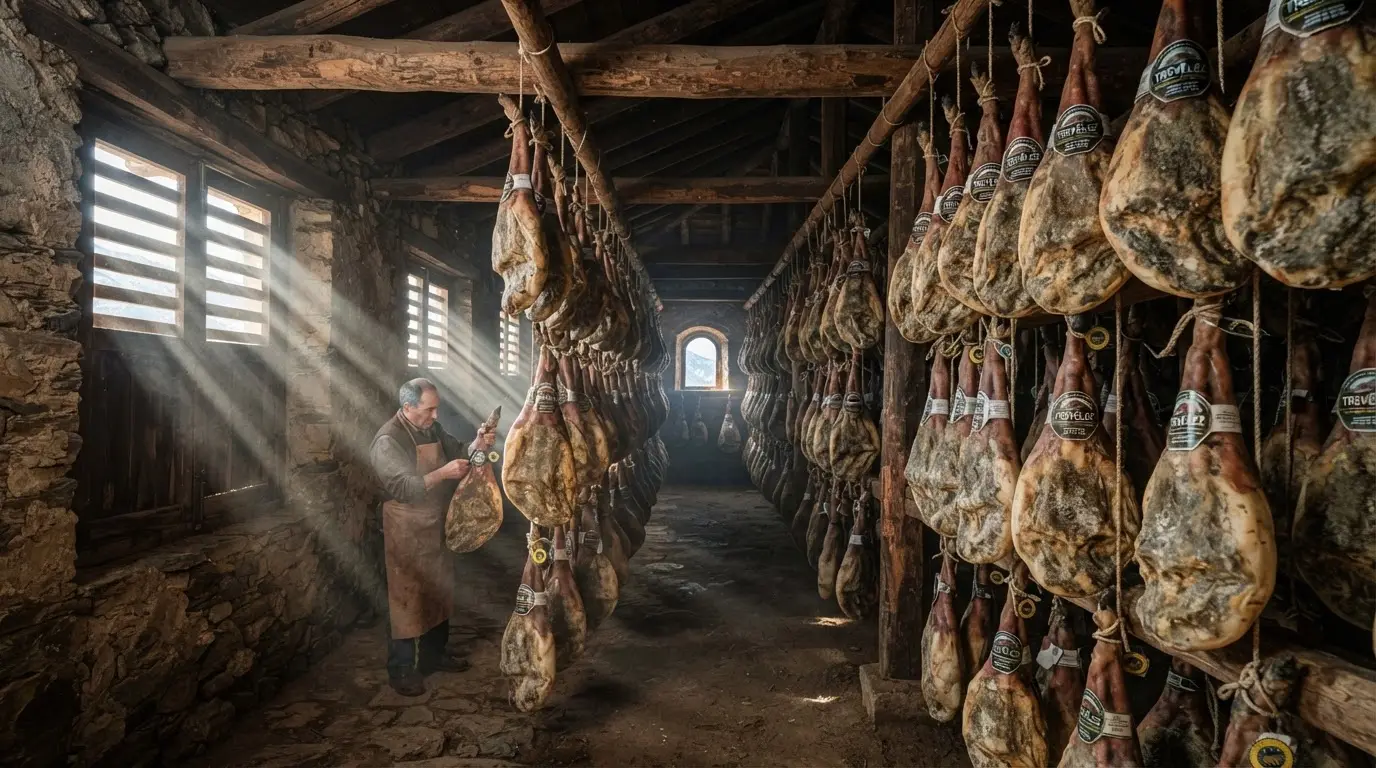
Jamón de Trevélez and Alpujarras: altitude curing
Sarah Mills Updated
Jamón de Trevélez is officially IGP, not DOP: cured at 1,476m with salt under 5%. How the blue, red and black seals work, and where to buy it in Granada.
Read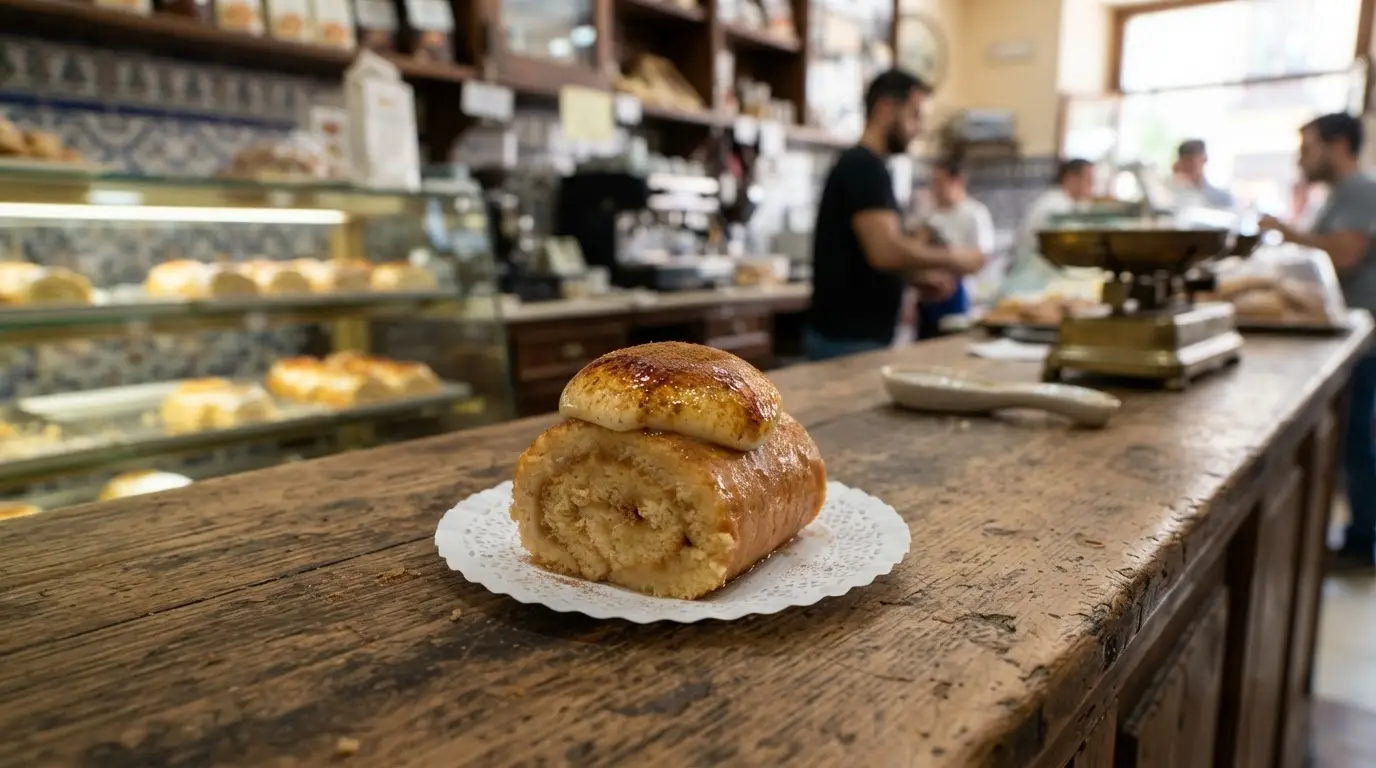
Pionono pastry: Granada's papal sweet and its 1897 origin
Sarah Mills Updated
A single pastry chef in Santa Fe, 1897, rolled sponge around egg-yolk cream and named it after a pope. Why Granada's iconic sweet has outlasted everything else.
Read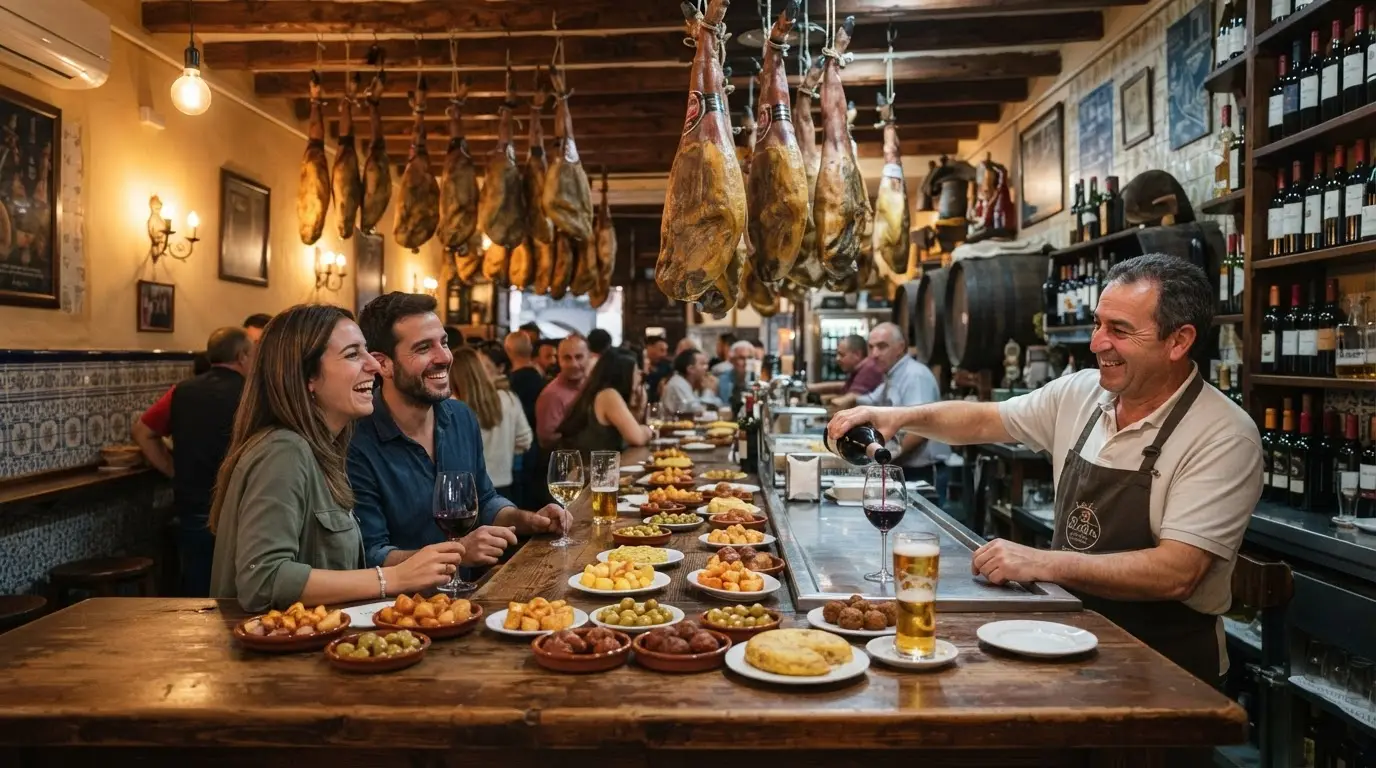
Why Granada Tapas Are Free: The History Behind the Tradition
Sarah Mills Updated
Granada is one of the last cities in Spain where every drink comes with a free tapa. The real history, the unwritten rules, and the best bars to find it.
ReadFrequently asked questions
Why are tapas free in Granada?
No single explanation is confirmed. The most credible theory ties the tradition to bartenders covering wine glasses with bread to keep flies out, with the food itself later encouraging more drink orders. Granada kept the custom when Seville, Málaga, and Córdoba largely dropped it.
Who invented the pionono pastry?
Ceferino Isla González created it in 1897 at his Santa Fe bakery, Casa Ysla, designing it as a devotional portrait of Pope Pius IX: the rolled sponge represents his body, the paper wafer his vestments, and the caramelised cream dome his skullcap.
Why does tortilla del Sacromonte use offal?
Sixteenth-century cave-dwelling families in Sacromonte, pushed to the hillside after 1492, cooked with what the city's markets did not value: sheep's brains, kidneys, and testicles. The dish became linked to the feast of San Antón on 17 January, during winter slaughter season.
Is Trevélez ham a DOP product?
No, despite what most tourist guides claim. Jamón de Trevélez carries an IGP (Protected Geographical Indication), not a DOP. The distinction matters legally: IGP requires only that curing happen in the designated zone, the high Alpujarras above 1,200 metres.
What is Granada's vermut hour?
Spain’s midday aperitivo tradition, roughly noon to one, when a vermouth ordered at a bodega arrives with a free tapa. Bodegas Castañeda, serving vermouth as its signature drink since 1927, is the clearest surviving example of the ritual in Granada.
What is the torno at a Granada convent?
A revolving wooden shelf built into a convent wall that lets cloistered nuns sell sweets without breaking clausura, the rule of strict enclosure. Nine Granada convents still operate this way, selling recipes whose almond-and-honey base traces to Moorish al-Andalus.