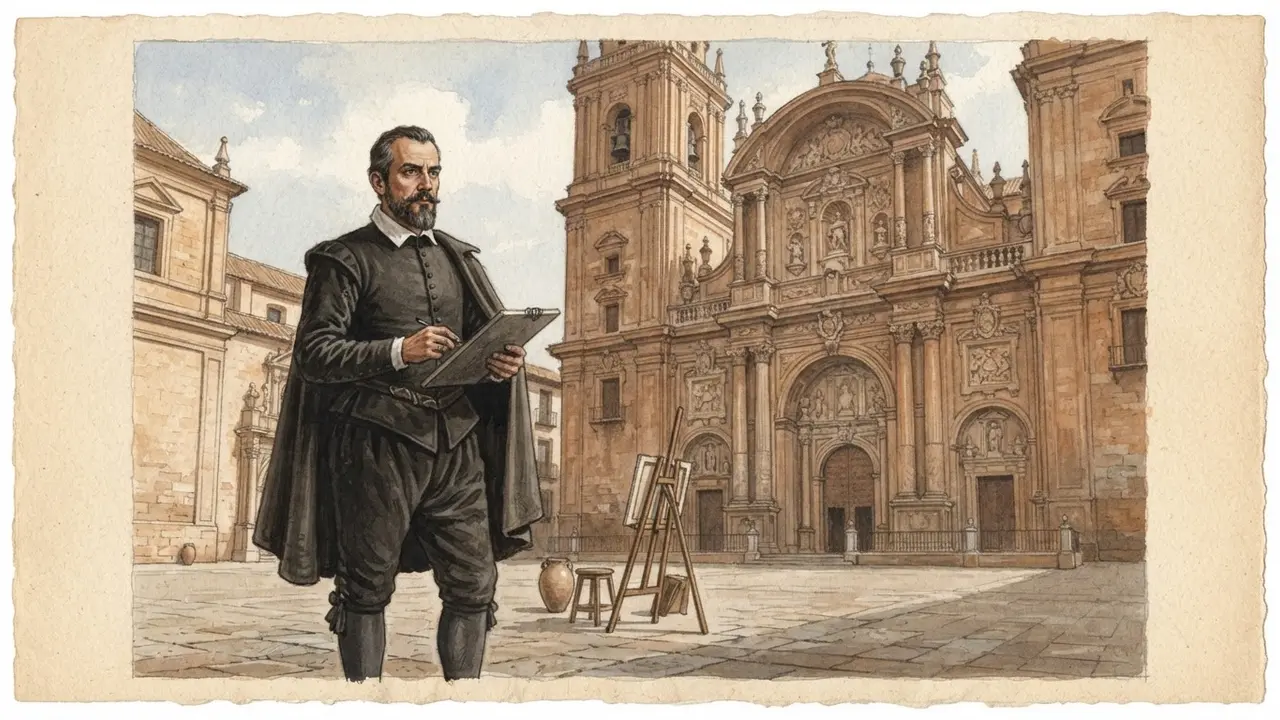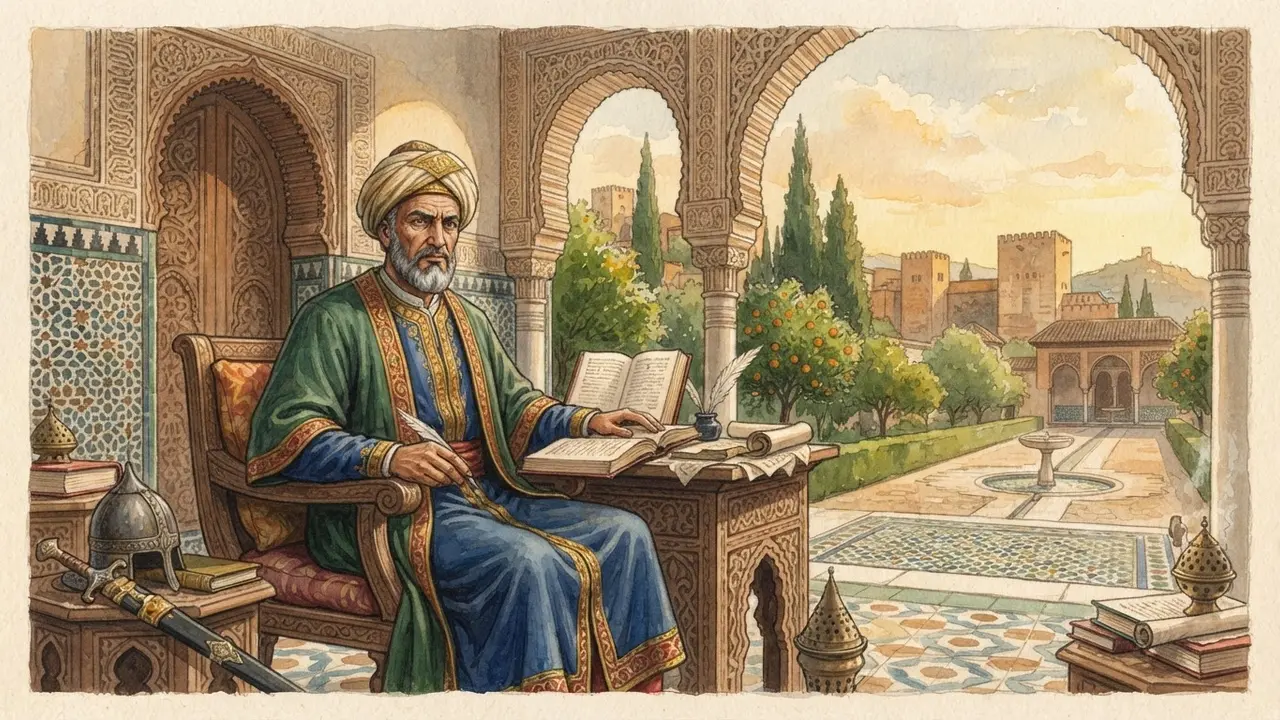
Samuel Ha-Nagid
c. 993–1056
Early Islamic, Zirid & Almohad · 711–1238 Poet Military Scholar
Nagid and vizier of Granada who commanded its army and was a noted Jewish poet.
Read the profile
Sultans, viziers, poets, monarchs and writers, grouped by the era they lived in.
Granada's history is easiest to follow through the people who shaped it. Nasrid sultans, viziers and poets of the Zirid and Nasrid courts, the Catholic Monarchs and the architects who built for them, Morisco leaders, and the writers and musicians of the 19th and 20th centuries all left a mark here. Some were born in the city, some ruled it, and some came to serve a court or to lodge in the Alhambra. Ibn Zamrak was born in Granada, Ibn Khaldun in Tunis and Washington Irving in New York.
The page runs in order of era, from the Zirid and Almohad period to modern Granada. The earliest figure was born around 993 and the latest died in 2010. A timeline strip lays out the periods, and each figure has one card. A card leads to a short page on that person, and most of those pages point on to a fuller article.
Medina Elvira leads until 1013; then the Zirids take the hilltop and 1066 ends the Jewish Golden Age.
After Arab forces took the peninsula in 711, the settlement on the Albaicín hill became Gharnata, while nearby Medina Elvira served as the regional capital until 1013, when the Zirids moved the capital to the hilltop. They left walls, cisterns and a street plan still legible today. Under the vizier Samuel ha-Nagid the city reached the Jewish Golden Age, which ended on 30 December 1066 when a mob killed his son Joseph and thousands of Jews in a single day.
Samuel Ha-Nagid fled Córdoba in 1013, became Nagid of Granada's Jewish community and vizier, and led its army.
Twenty-three sultans, the Alhambra, and a kingdom kept alive by tribute to Castile.
Muhammad I founded the emirate in 1232, became Fernando III's vassal and began the Alcazaba on the Alhambra hill. Yusuf I added the Comares Tower and the Hall of Ambassadors, and Muhammad V finished the Court of the Lions around 1380. In all, 23 sultans ruled for 260 years before the city surrendered in 1492.
Founder Muhammad I, builders Yusuf I and Muhammad V, the poet Ibn Zamrak and the last sultan, Boabdil, run through the dynasty.
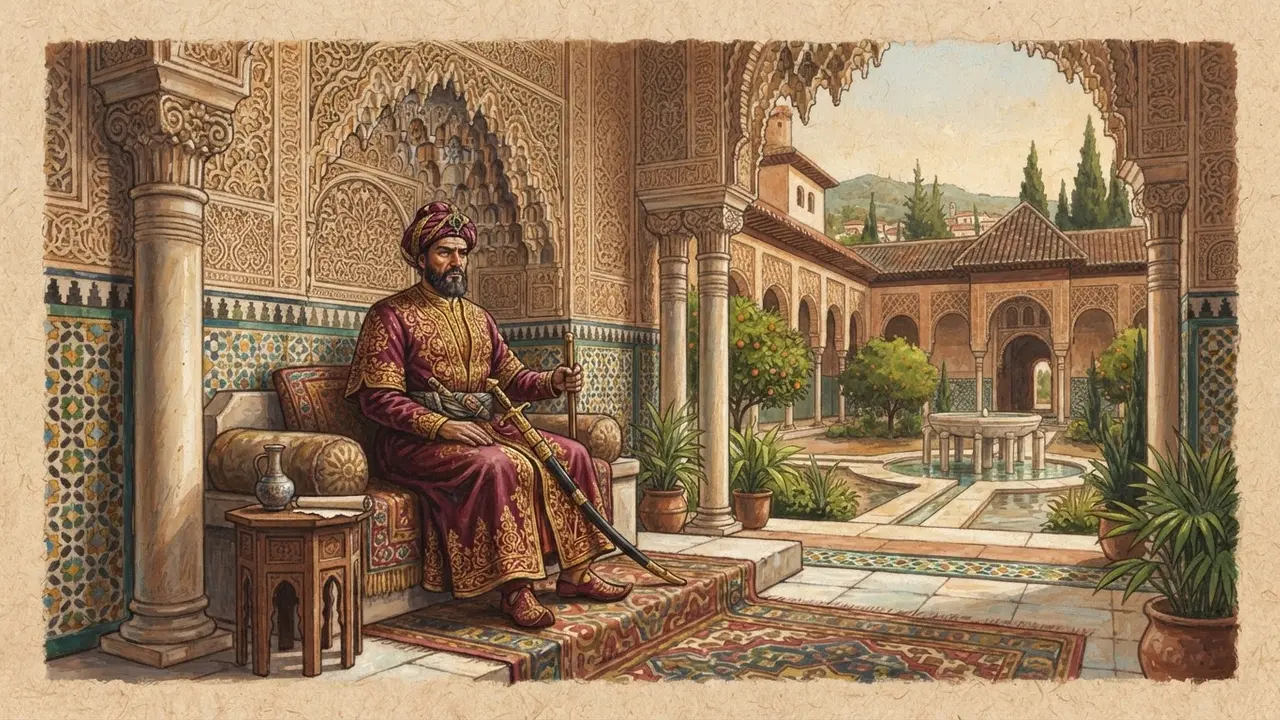
c. 1195–1273
Founder of the Nasrid dynasty and first ruler of the Emirate of Granada.
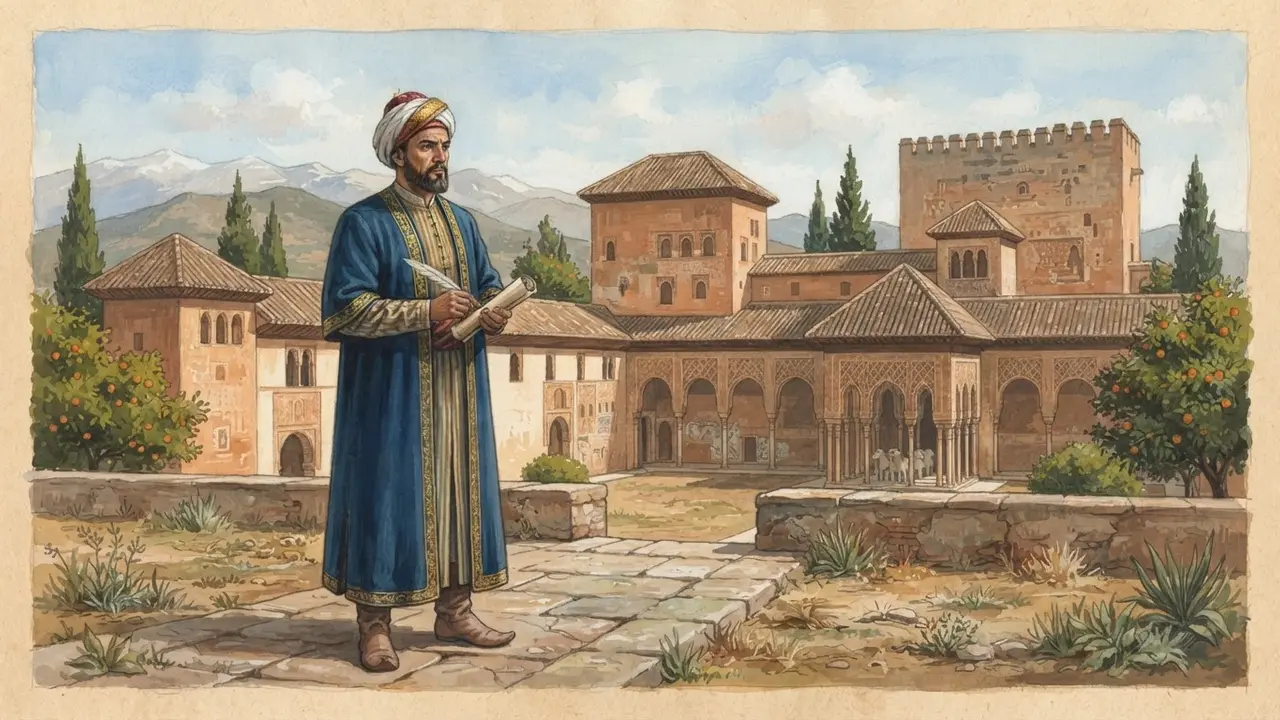
1313–1374
Nasrid vizier, poet and physician from Loja whose verse decorates the Alhambra walls.
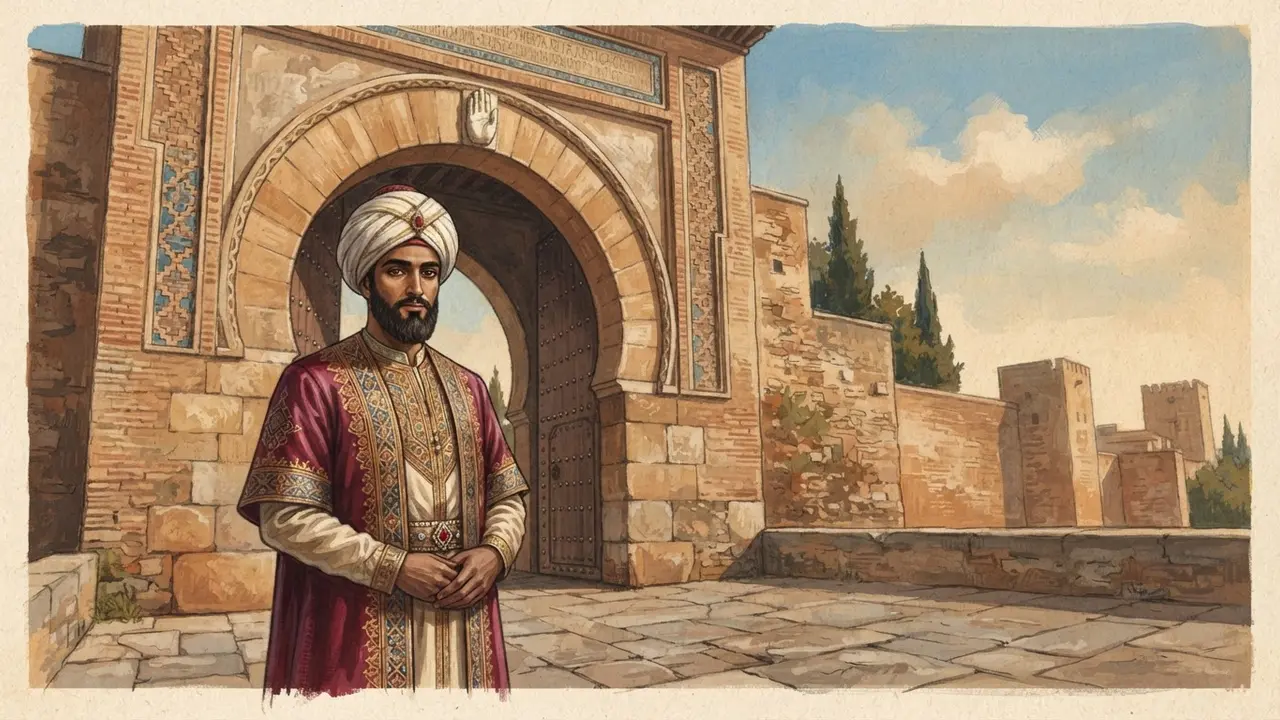
1318–1354
Nasrid sultan who built the Puerta de la Justicia and founded the Madraza in Granada.
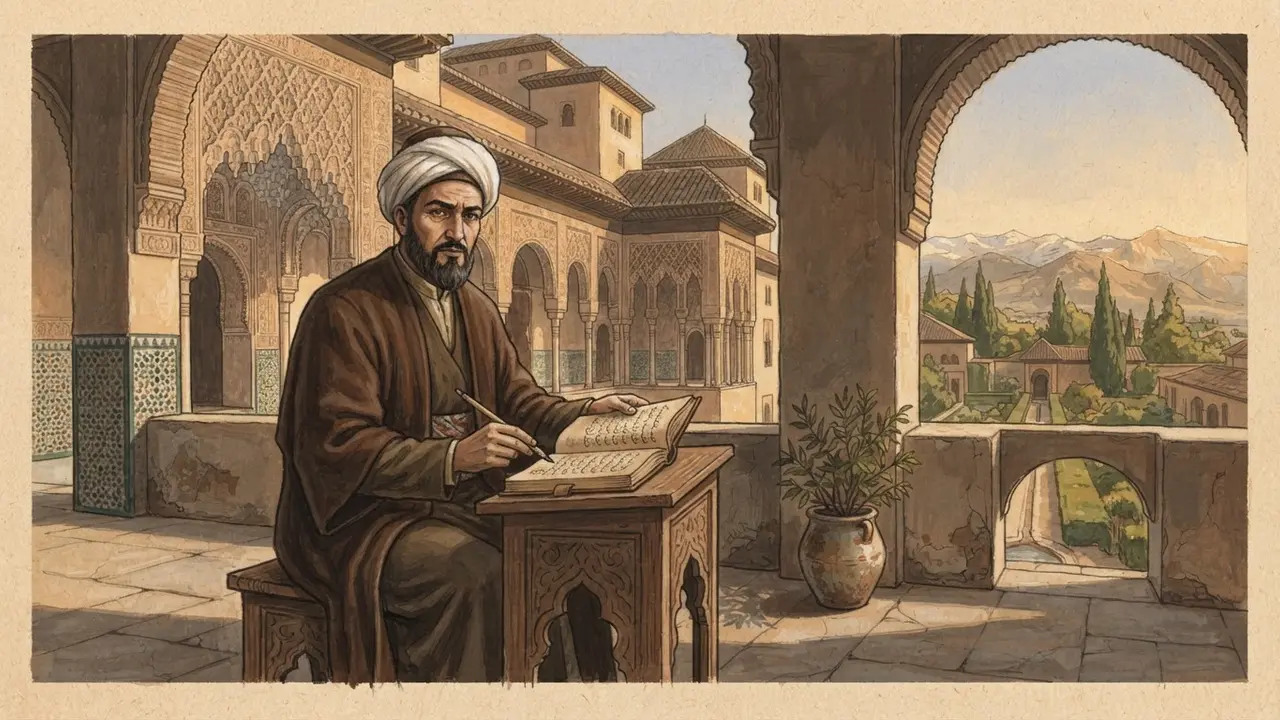
1332–1406
Tunis-born historian who served the Nasrid court of Granada under Muhammad V.
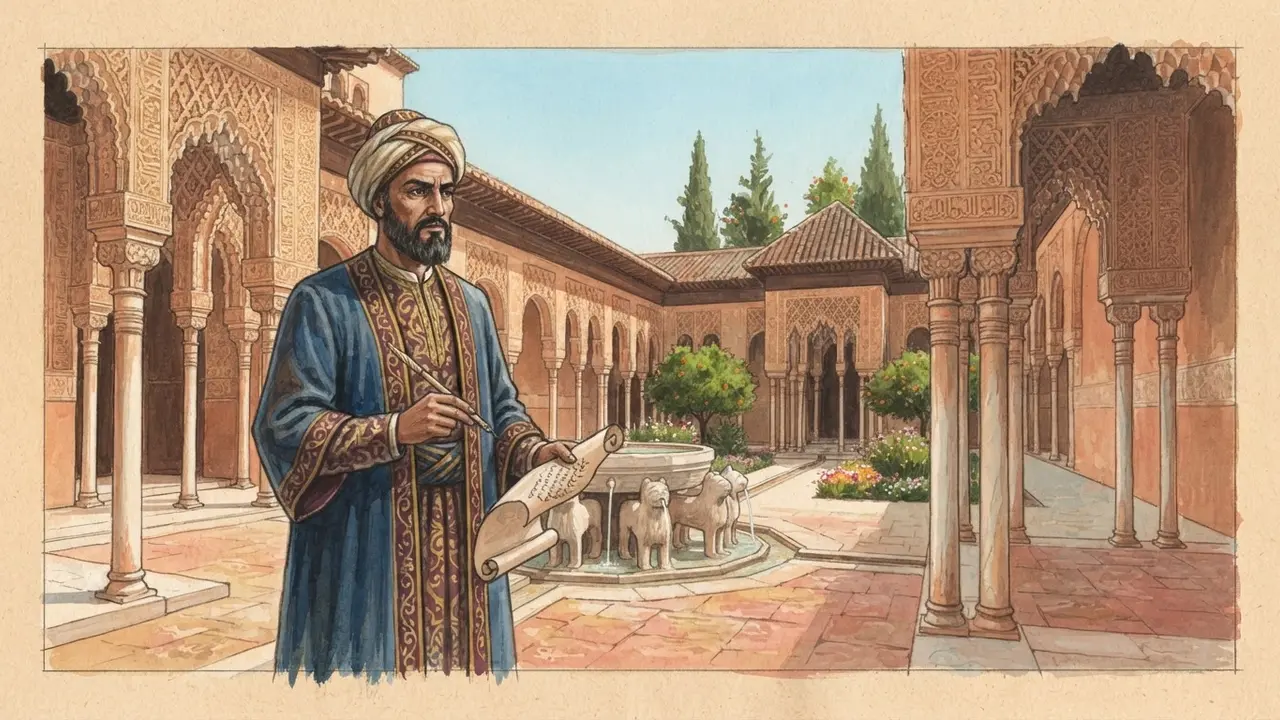
c. 1333–1393
Nasrid vizier and poet whose poems still decorate the Alhambra's palaces and fountains.
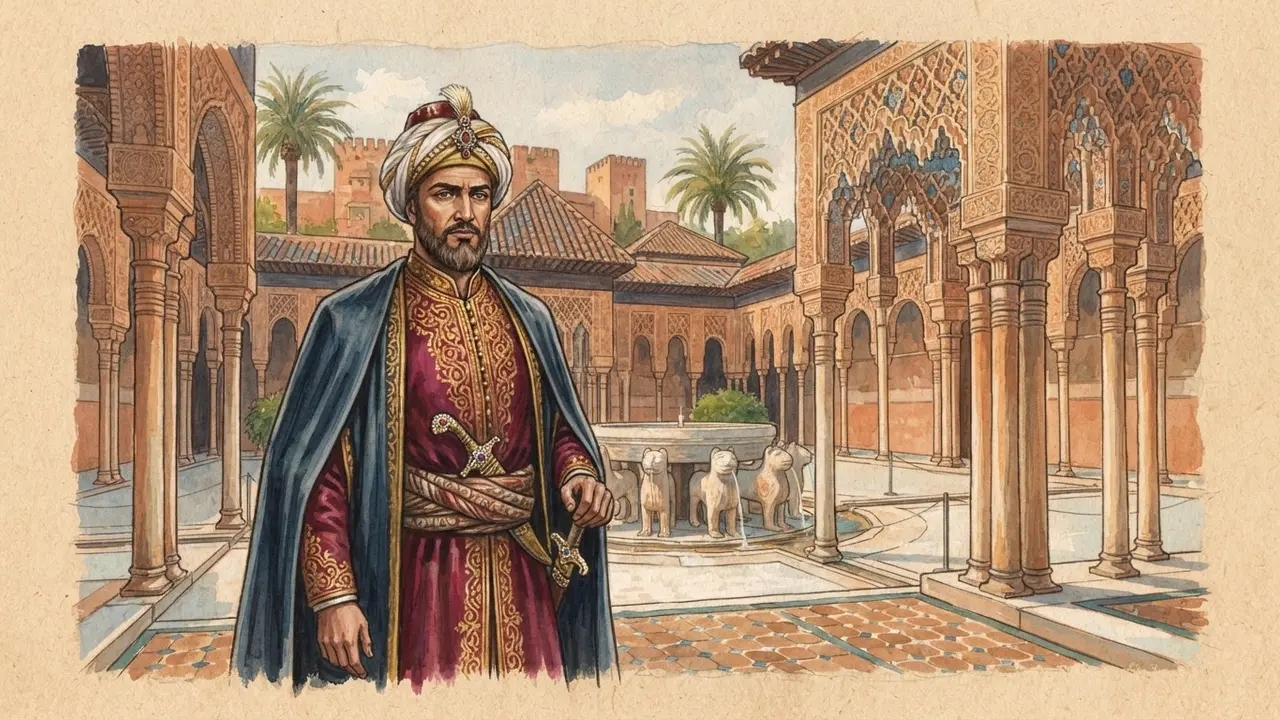
1339–1391
Nasrid sultan who ruled Granada twice and inspired the Palace of the Lions.
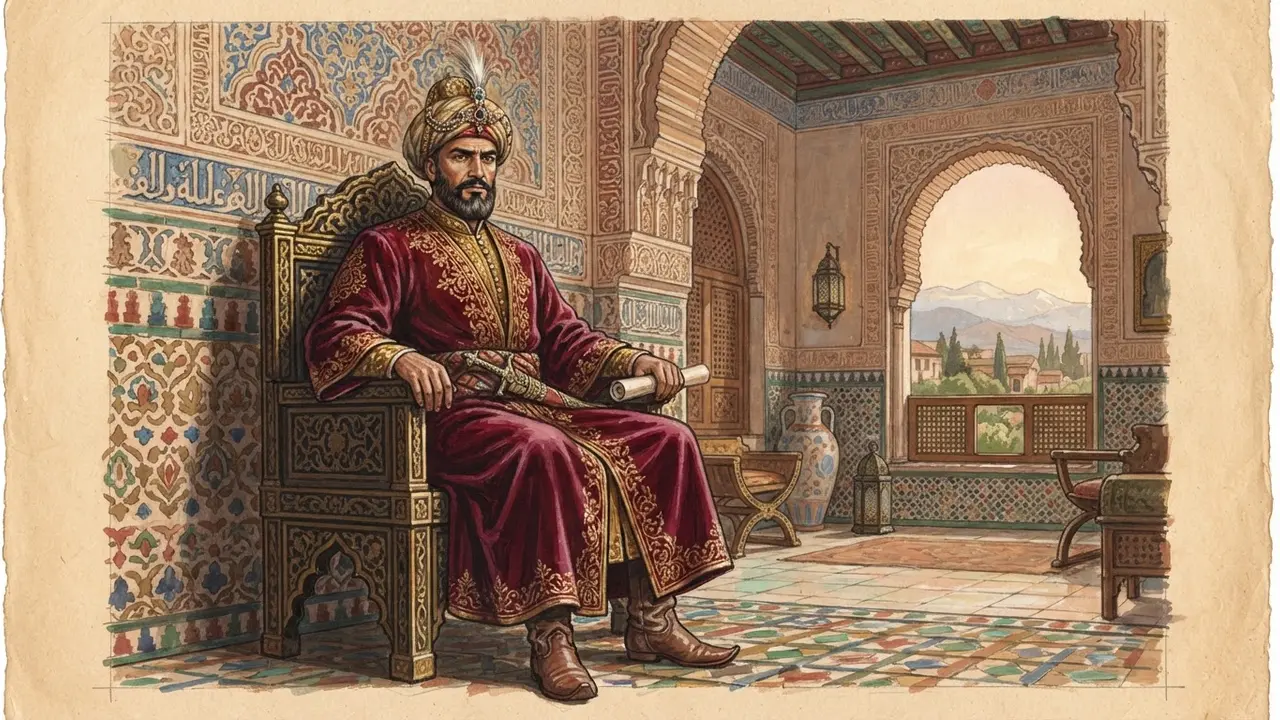
c. 1436–1485
Nasrid ruler of Granada, deposed by his brother in 1485 and namesake of Mulhacén.
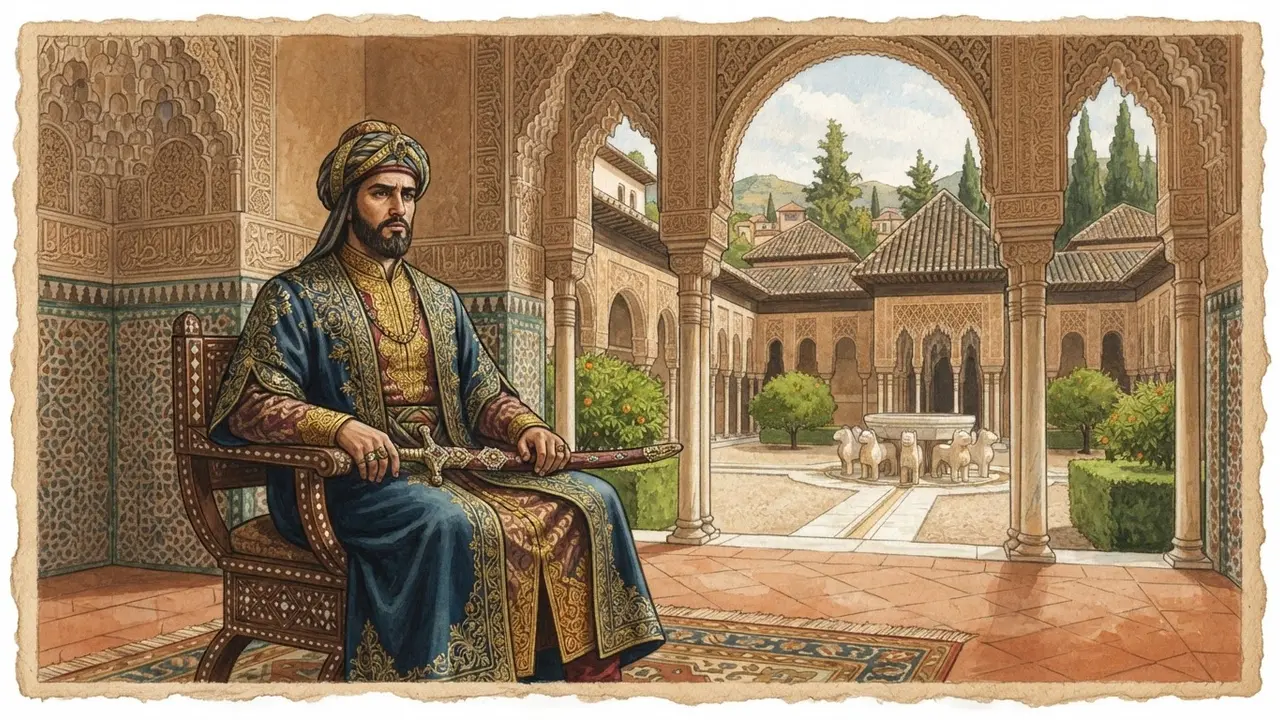
c. 1460–1533
Last Nasrid sultan of Granada, who surrendered the city on 2 January 1492.
The last Muslim kingdom falls in 1492 and Siloé raises Spain's first Renaissance cathedral.
Boabdil handed Granada to Ferdinand and Isabella on 2 January 1492, after a siege whose camp became the town of Santa Fe. Enrique Egas drew a Gothic plan for the cathedral in 1518 and building began in 1523. Diego de Siloé, master builder from 1529, changed it into Spain's first fully Renaissance cathedral, with a circular capilla mayor.
Isabella I and Ferdinand II are joined by the architects Diego de Siloé and Pedro Machuca, and by the Morisco leader Aben Humeya.
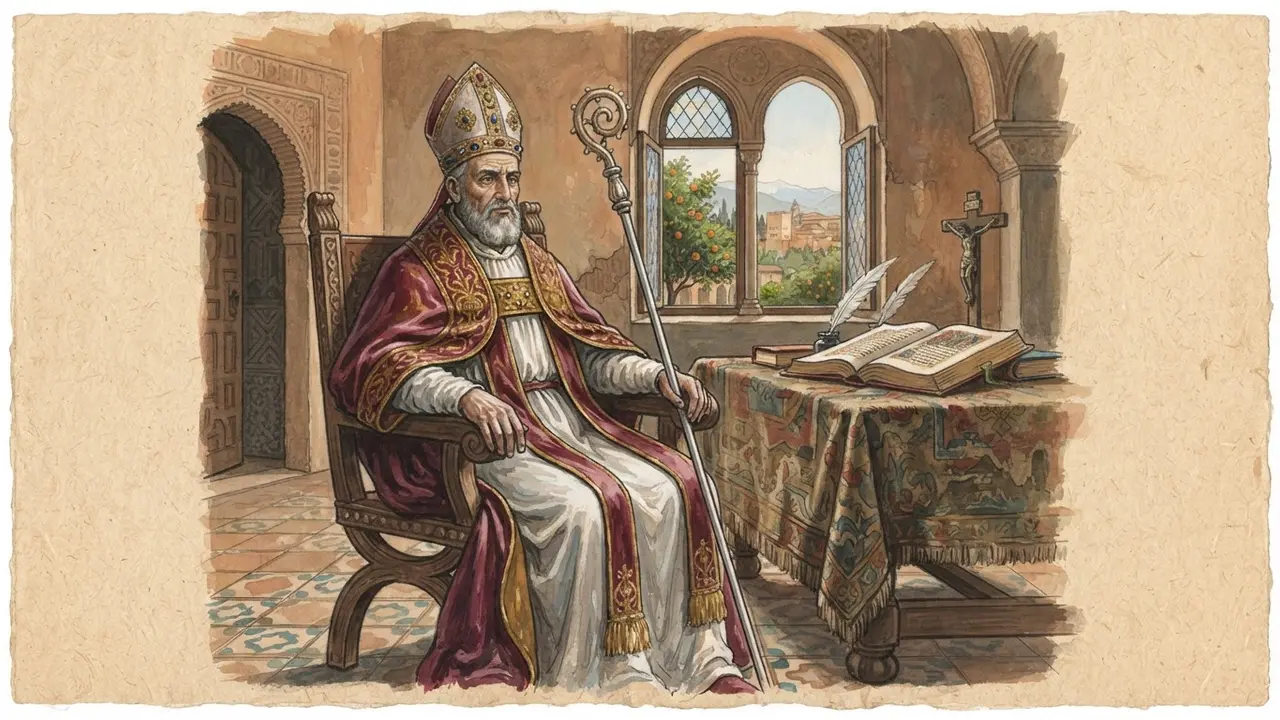
c. 1430–1507
Hieronymite friar and Isabella's confessor who became Granada's first archbishop in 1493.
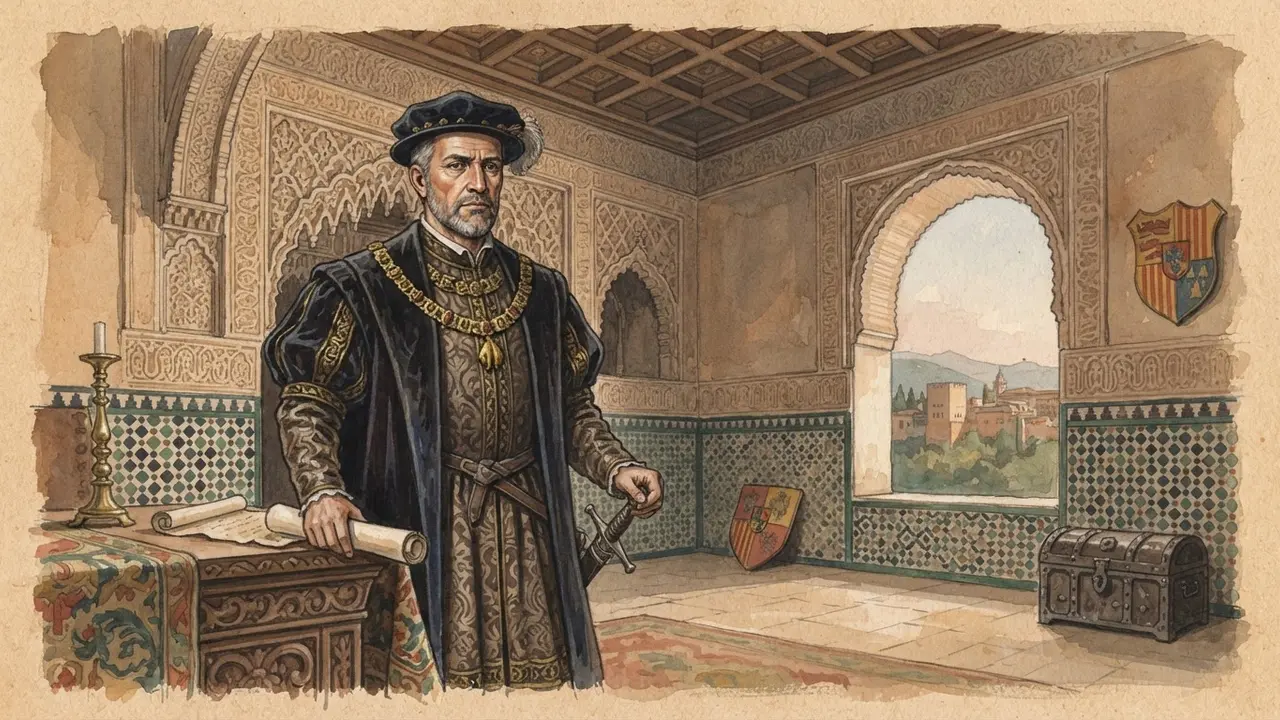
c. 1440–1515
Governor of the Alhambra from 1492, who set up house in a Nasrid palace there.
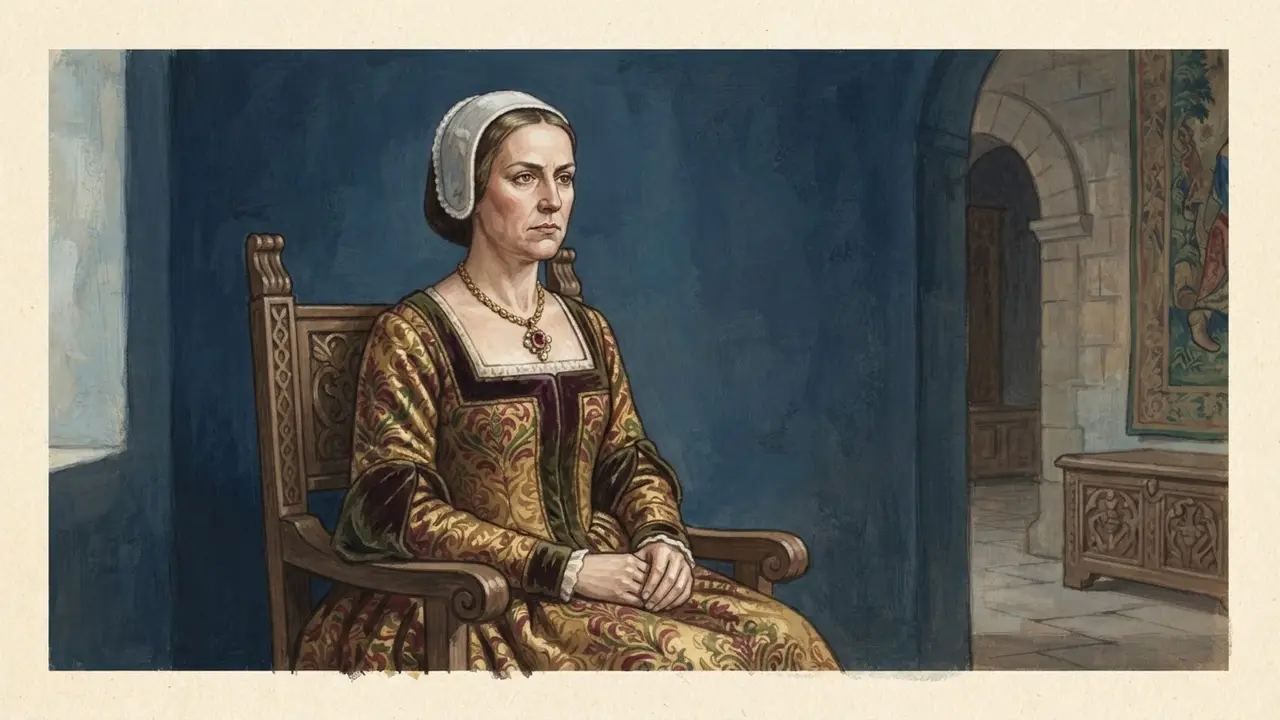
1451–1504
Queen of Castile 1474-1504 who chose Granada's Royal Chapel as her burial place.
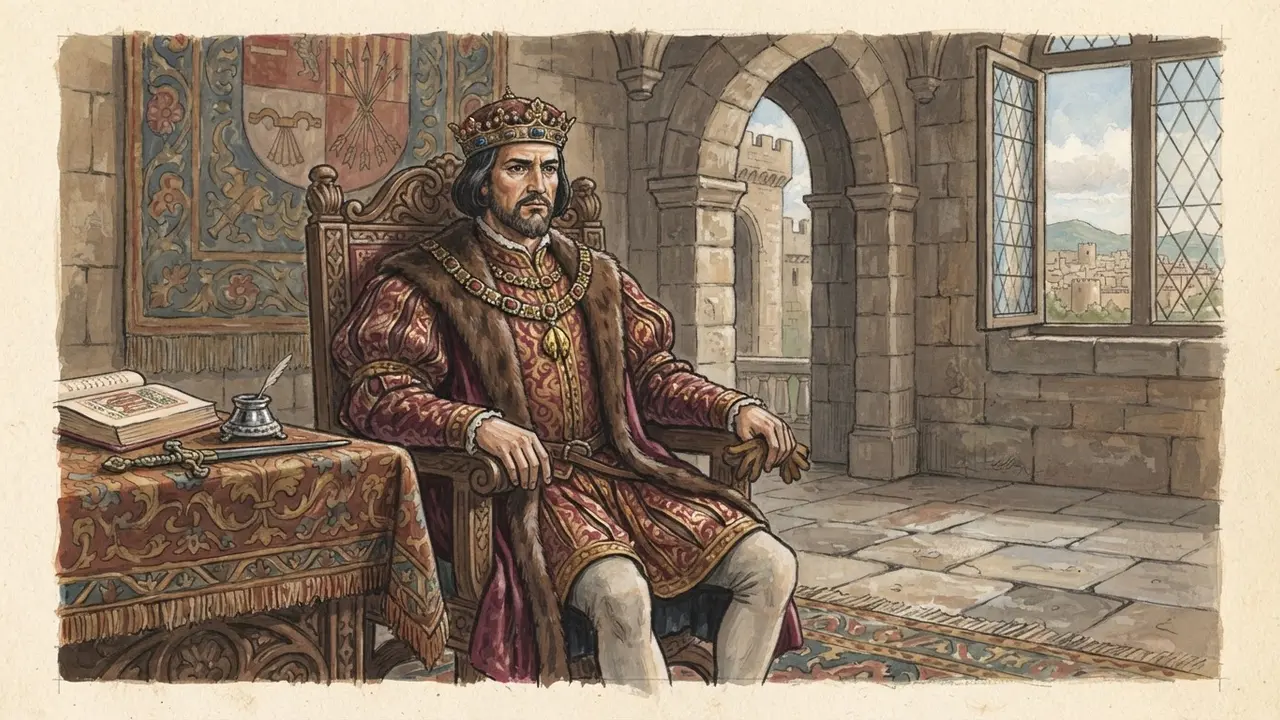
1452–1516
King of Aragon who co-ruled with Isabella and lies in Granada's Royal Chapel.
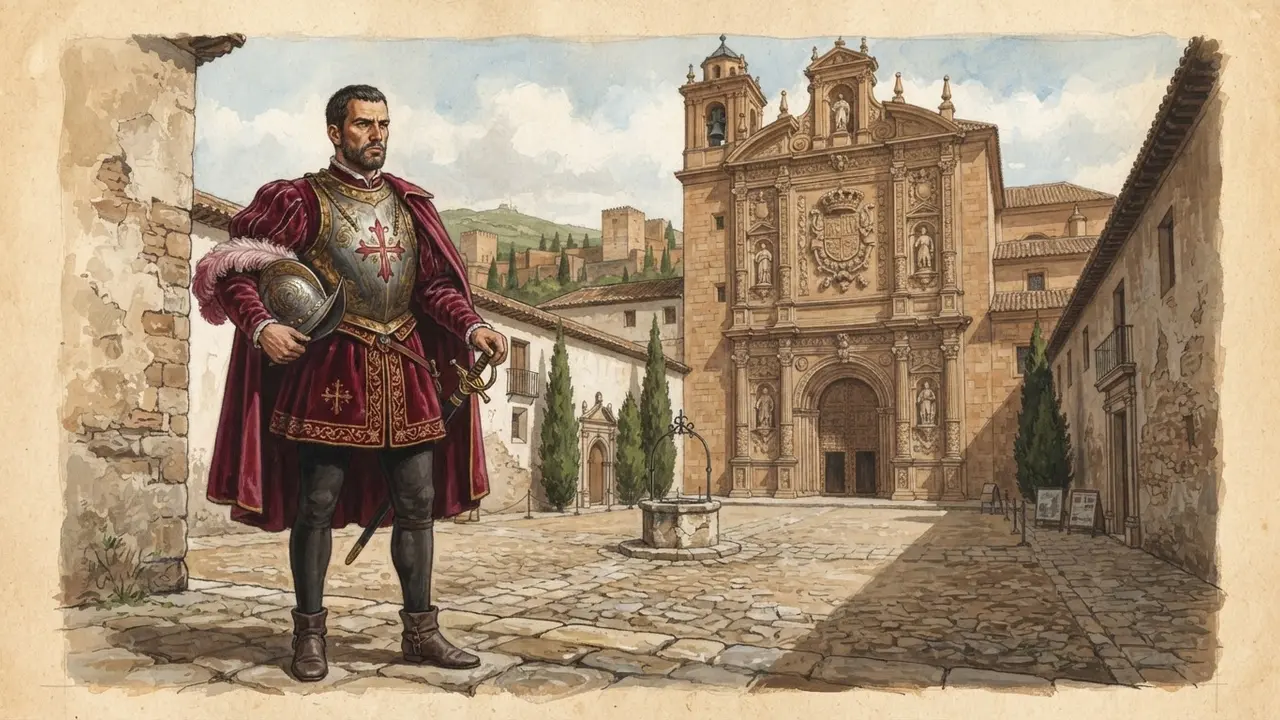
1453–1515
Spanish general who helped arrange the surrender of Granada in 1492.
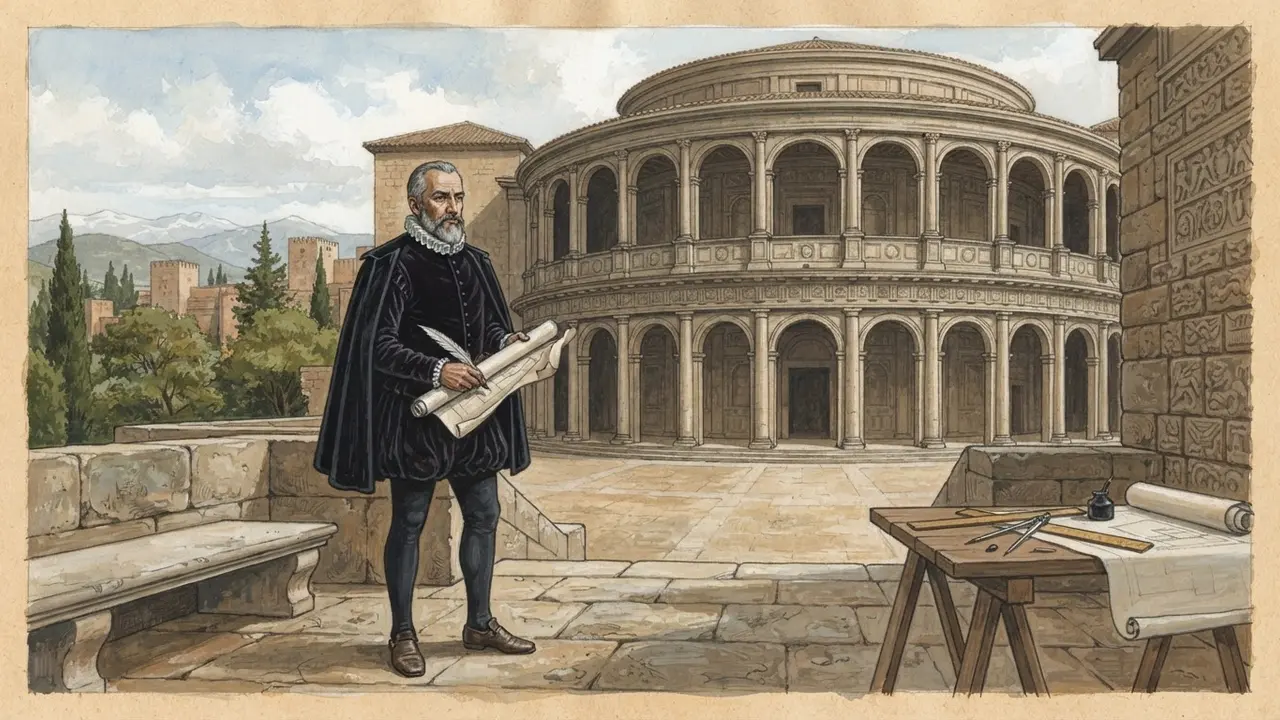
c. 1490–1550
Architect and painter who designed the Palace of Charles V in the Alhambra.
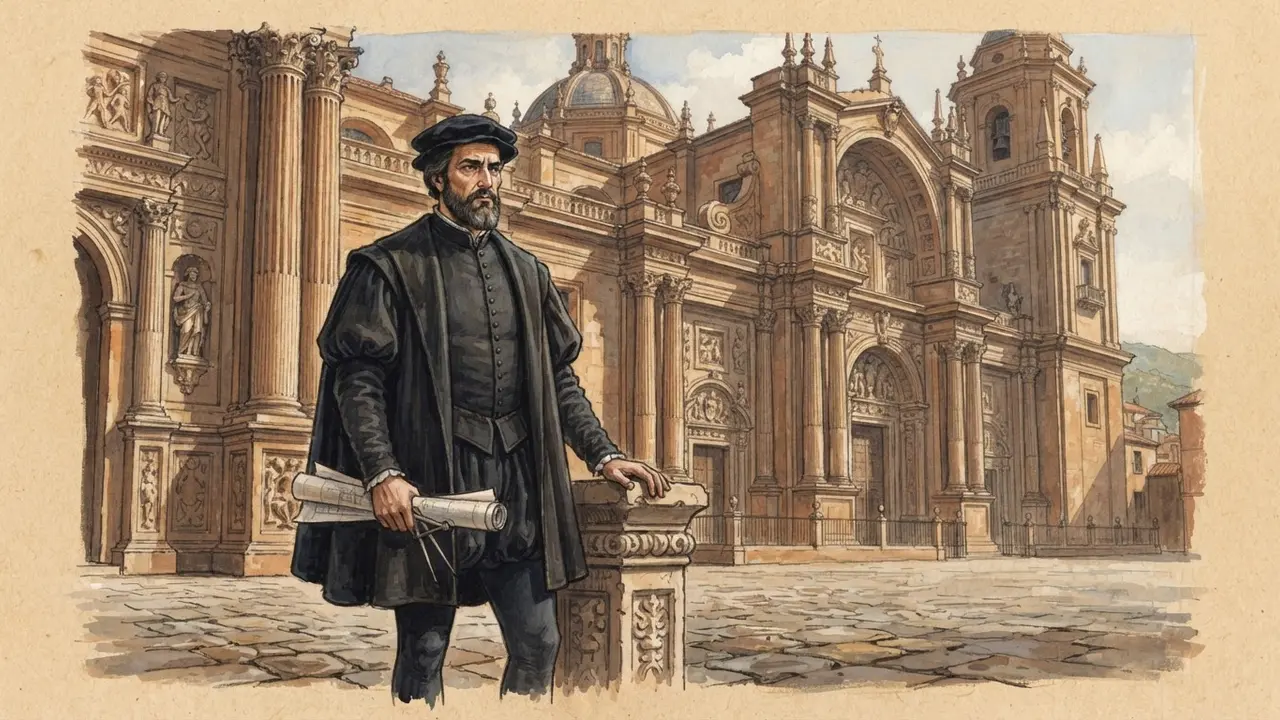
c. 1495–1563
Renaissance architect and sculptor who designed Granada Cathedral from 1528.
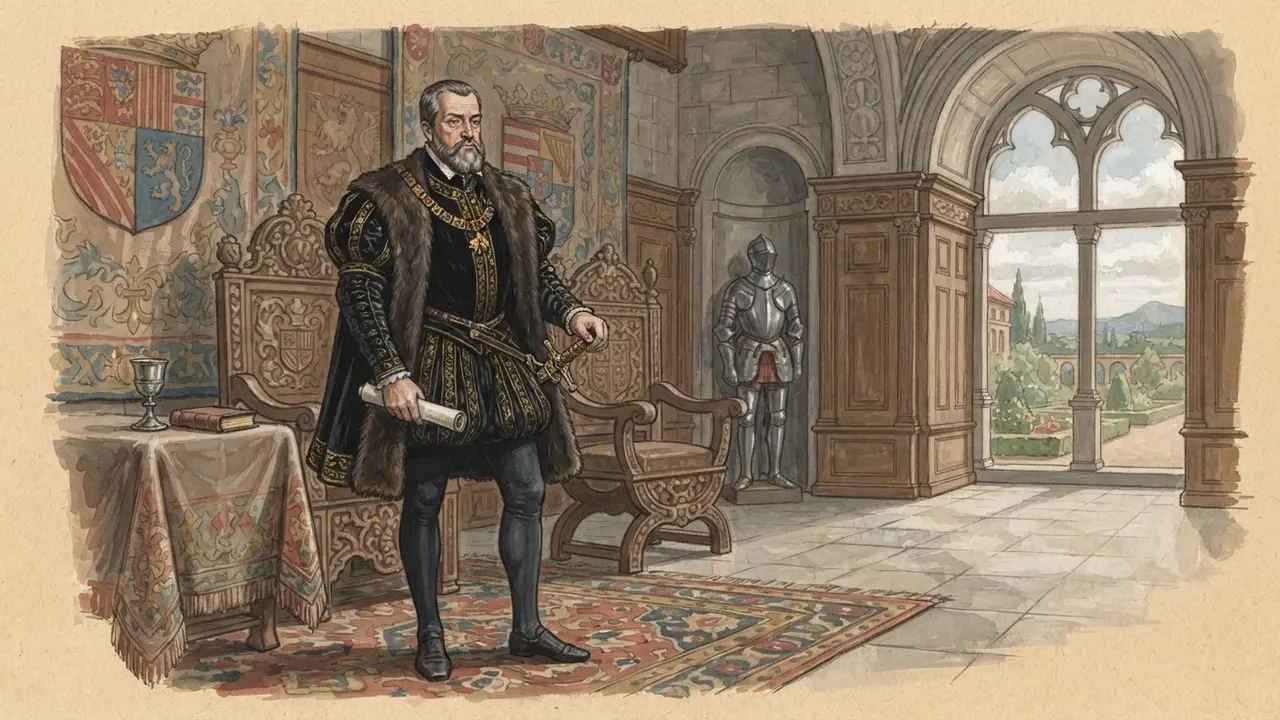
1500–1558
Holy Roman Emperor and king of Spain who decided to build his own palace in the Alhambra.
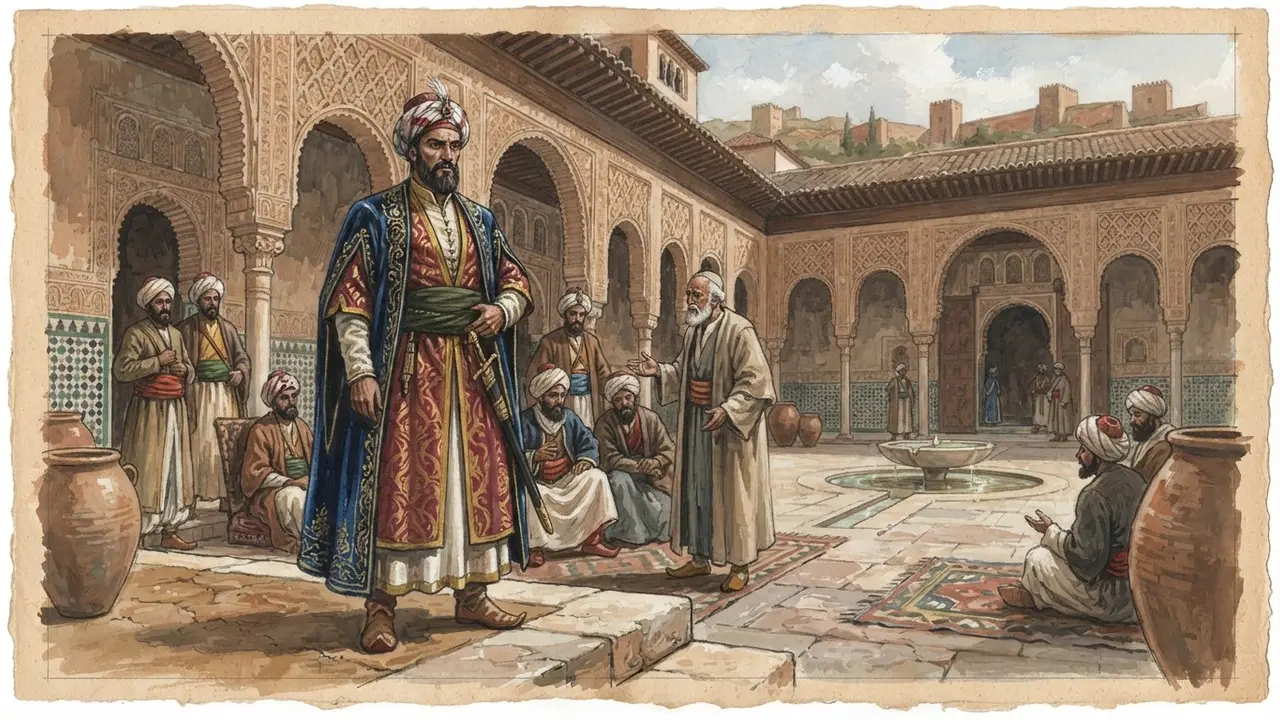
c. 1546–1569
Morisco leader proclaimed king of the Moriscos in 1568, killed on 20 October 1569.
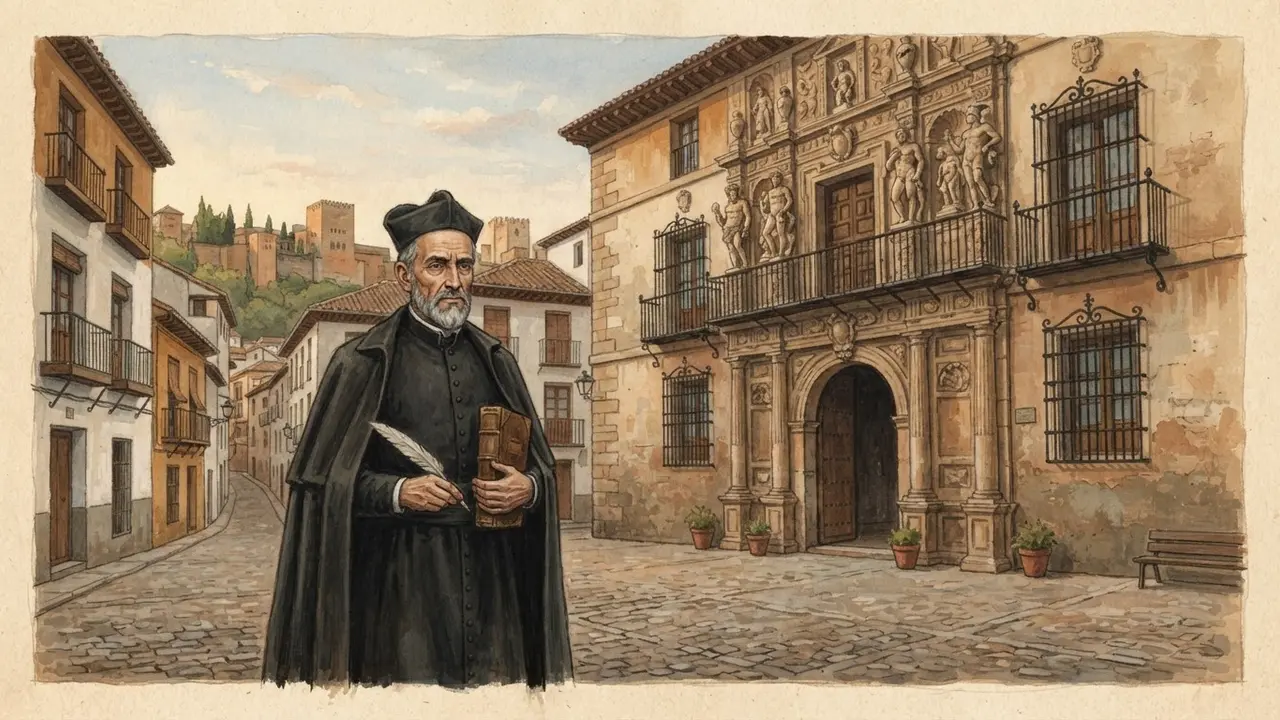
1548–1617
Jesuit philosopher born in Granada, who published the Disputationes Metaphysicae in 1597.
Alonso Cano and the Granadan school of polychrome saints shape the Baroque city.
Alonso Cano, painter, sculptor and architect, died in Granada in 1667 and designed the front of Granada Cathedral, which was finished in 1704. The Granadan school of sculpture matured in the 17th century under Pablo de Rojas, Cano and their pupils. Their polychrome saints, with glass eyes and gilded drapery, still leave the churches for Holy Week.
Alonso Cano, Granada-born painter, sculptor and architect, died in the city in 1667.
French mines under the Alhambra, the 1884 quake, and the garrison revolt of July 1936.
French troops held Granada from 1810 until 17 September 1812 and mined the Alhambra's towers on leaving; eight fell. On Christmas night 1884 a Mw 6.7 earthquake wrecked villages around Alhama de Granada, though not the city itself. On 20 July 1936 a garrison revolt took the centre, and the Albaicín held out under artillery fire until the 23rd.
Poet Federico García Lorca, composer Manuel de Falla, flamenco singer Enrique Morente and writer Washington Irving belong to this era.
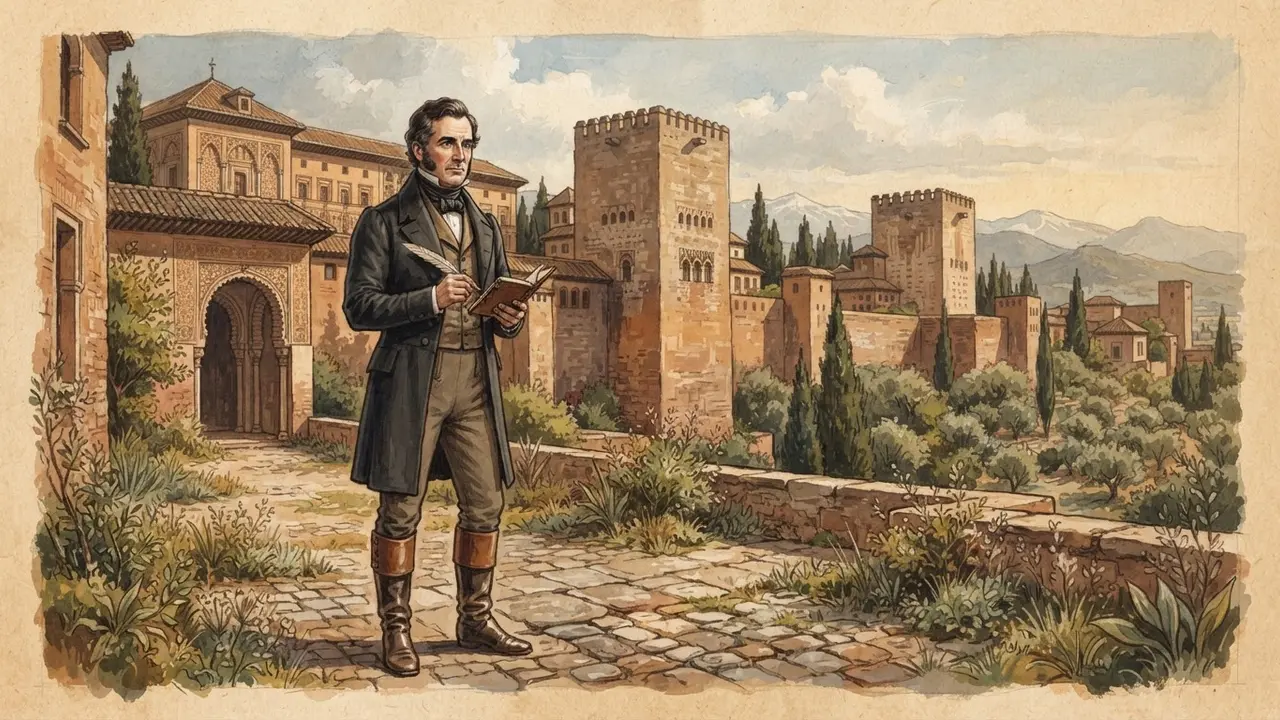
1783–1859
American writer who lodged in the Alhambra in 1829 and published Tales of the Alhambra.
1865–1898
Granada-born writer and consul, a precursor of the Generation of '98.
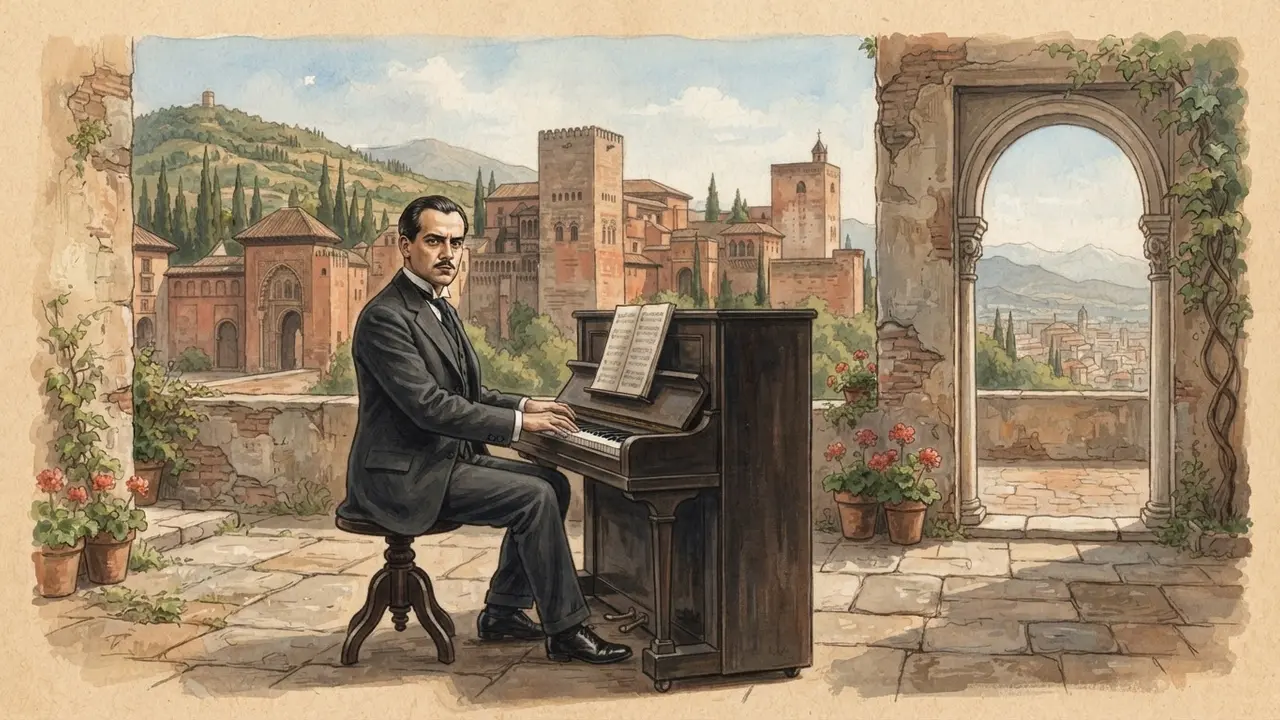
1876–1946
Cádiz-born composer who organised the 1922 Concurso de Cante Jondo in Granada.
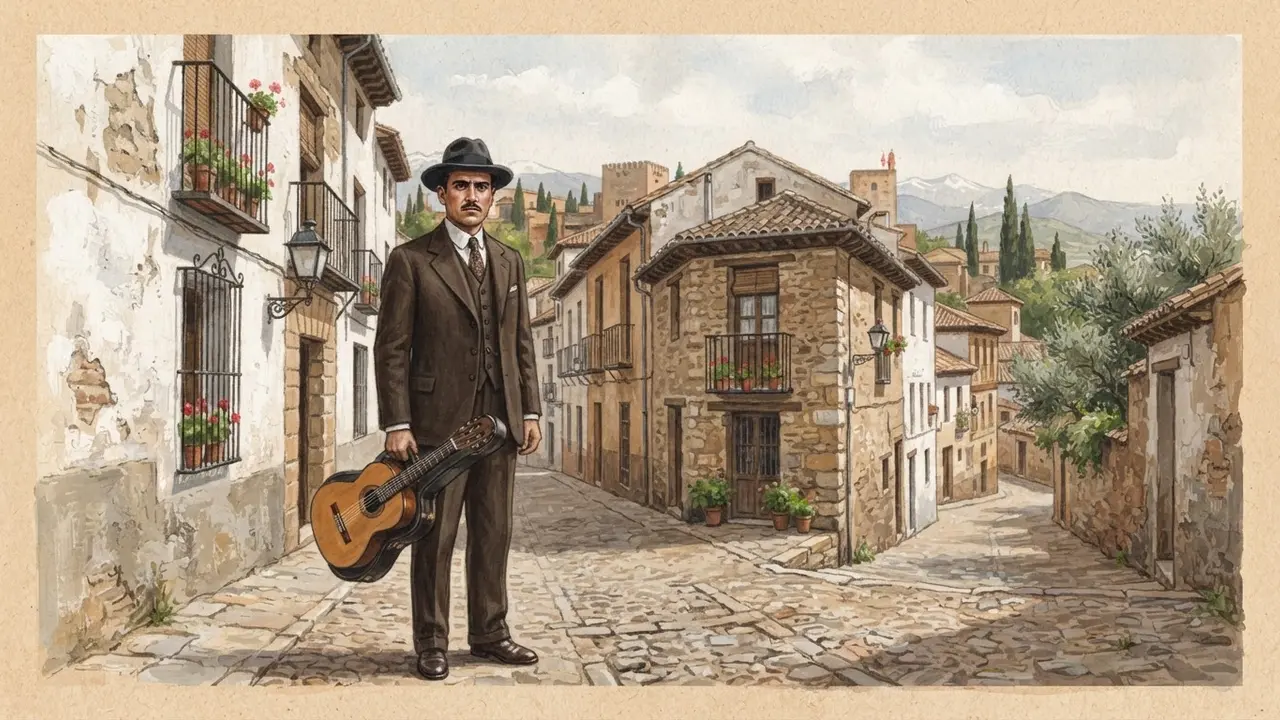
1882–1964
Granada composer and guitarist who founded the Trío Iberia and was Falla's landlord.
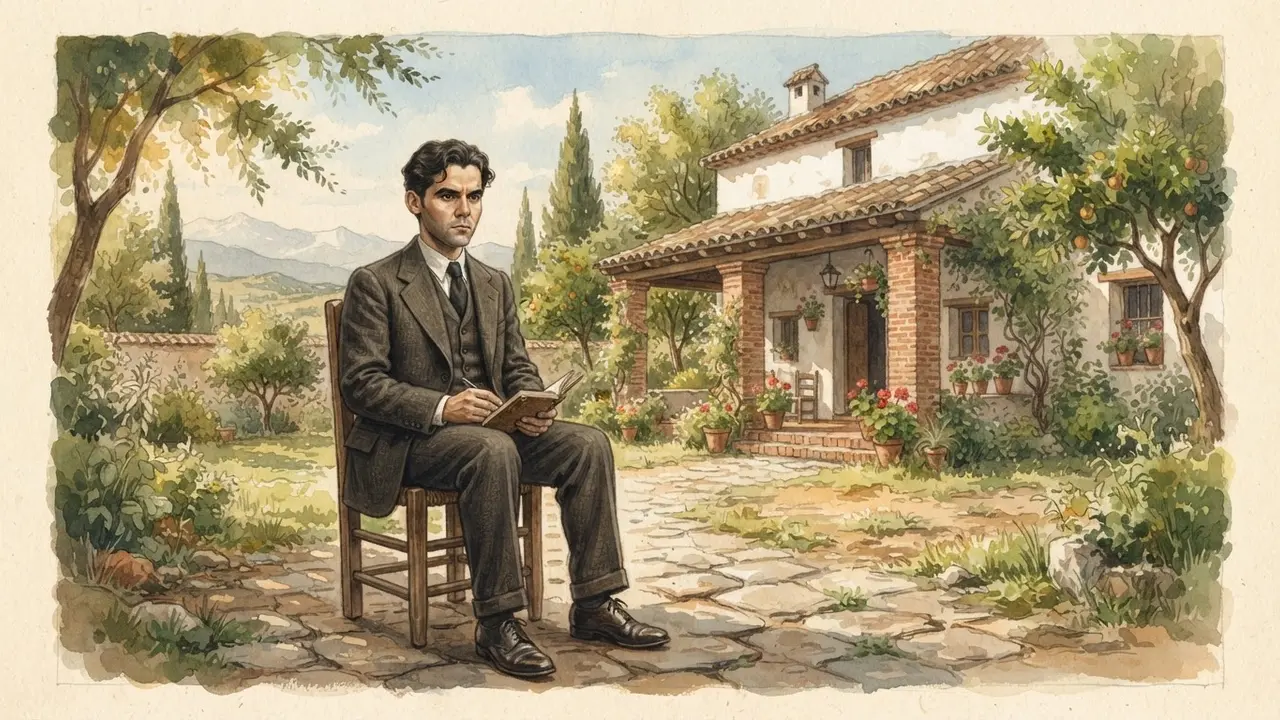
1898–1936
Spanish poet, playwright and theatre director born near Granada in 1898.
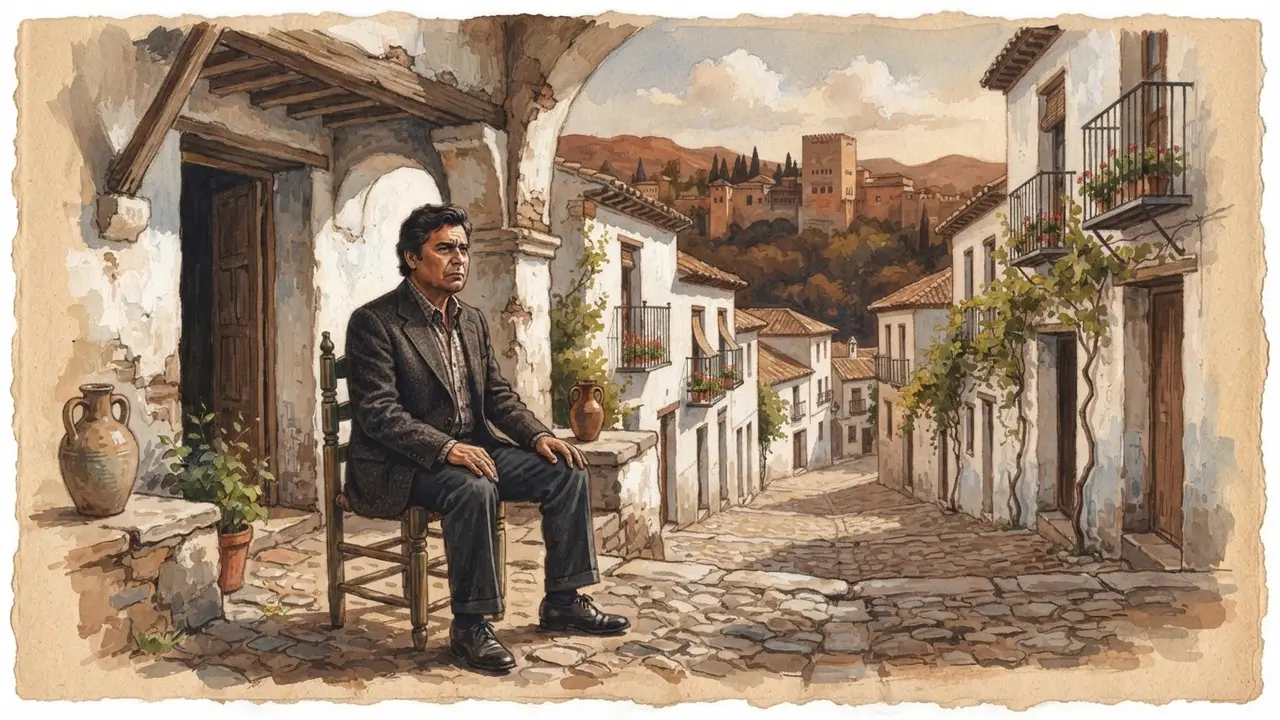
1942–2010
Albaicín-born flamenco singer who set poets to cante and recorded Omega.