Articles · People & legends
Granada's People and Legends
This section profiles the people who shaped Granada, from the last Nasrid sultan Boabdil and vizier-chronicler Ibn al-Khatib to poet Federico García Lorca. It also covers the city's persistent legends, the tales locals still tell about its streets and hills.
21 articles
People & legends: the big picture
Written by
James Walker Seven years resident in Granada. Specialist in Nasrid architecture, Al-Andalus history, and Andalusian walking routes.
This category profiles the people whose choices shaped Granada, and the ones the city later mythologised. It runs from the Nasrid court, where Boabdil surrendered the city on 2 January 1492 after a decade of family civil war, and where the women of the Alhambra such as Aisha al-Hurra wielded power through faction rather than the throne, through to the sultan-builders and their viziers: Muhammad V, crowned at sixteen, exiled, then restored to build the Court of the Lions, and Ibn al-Khatib, the polymath vizier who wrote a plague treatise five centuries ahead of European medicine before his own student helped bring him down.
A parallel strand follows Granada's Jewish court: Samuel HaNagid, a Córdoba refugee who rose from a Málaga spice shop to command an 11th-century Muslim army as vizier of Granada, and Isabella of Castile, who chose to be buried in the city her conquest defined rather than in Toledo.
The collection also follows the writers and artists Granada absorbed centuries later: Washington Irving, who lived inside the Alhambra in 1829 and published the book that made it famous, and Federico García Lorca, whose murder in 1936 remains one of Spain's unresolved historical wounds.
Start with Boabdil, Ibn al-Khatib, and Washington Irving for the broadest entry points into how Granada's rulers, thinkers, and visitors each left their mark.
More people & legends articles
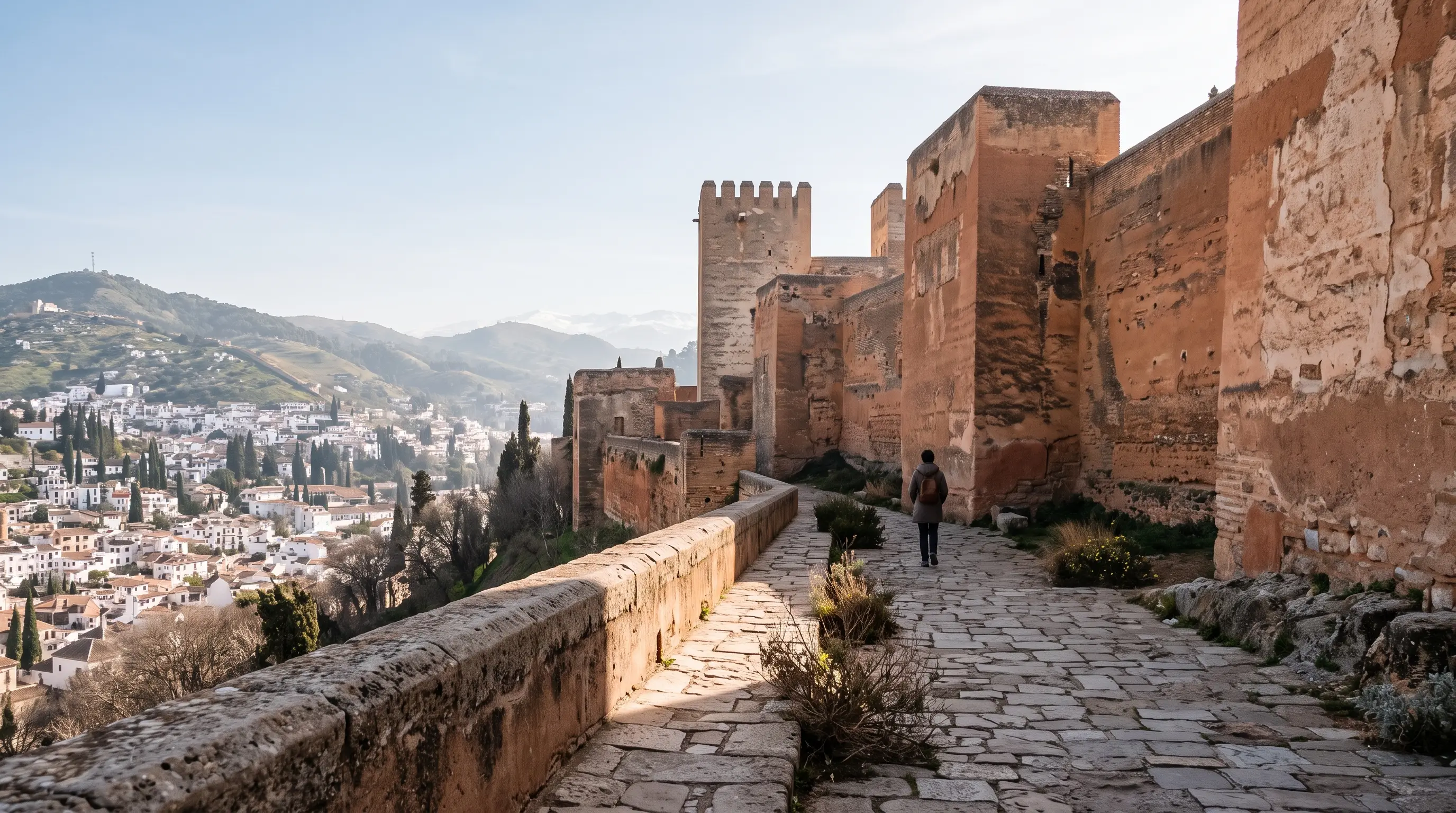
Count of Tendilla Alhambra: First Governor After 1492
James Walker
Íñigo López de Mendoza, Count of Tendilla, ran the Alhambra from 1492 to 1515. See how Granada's first Christian governor lived, ruled and wrote 6,000 letters.
Read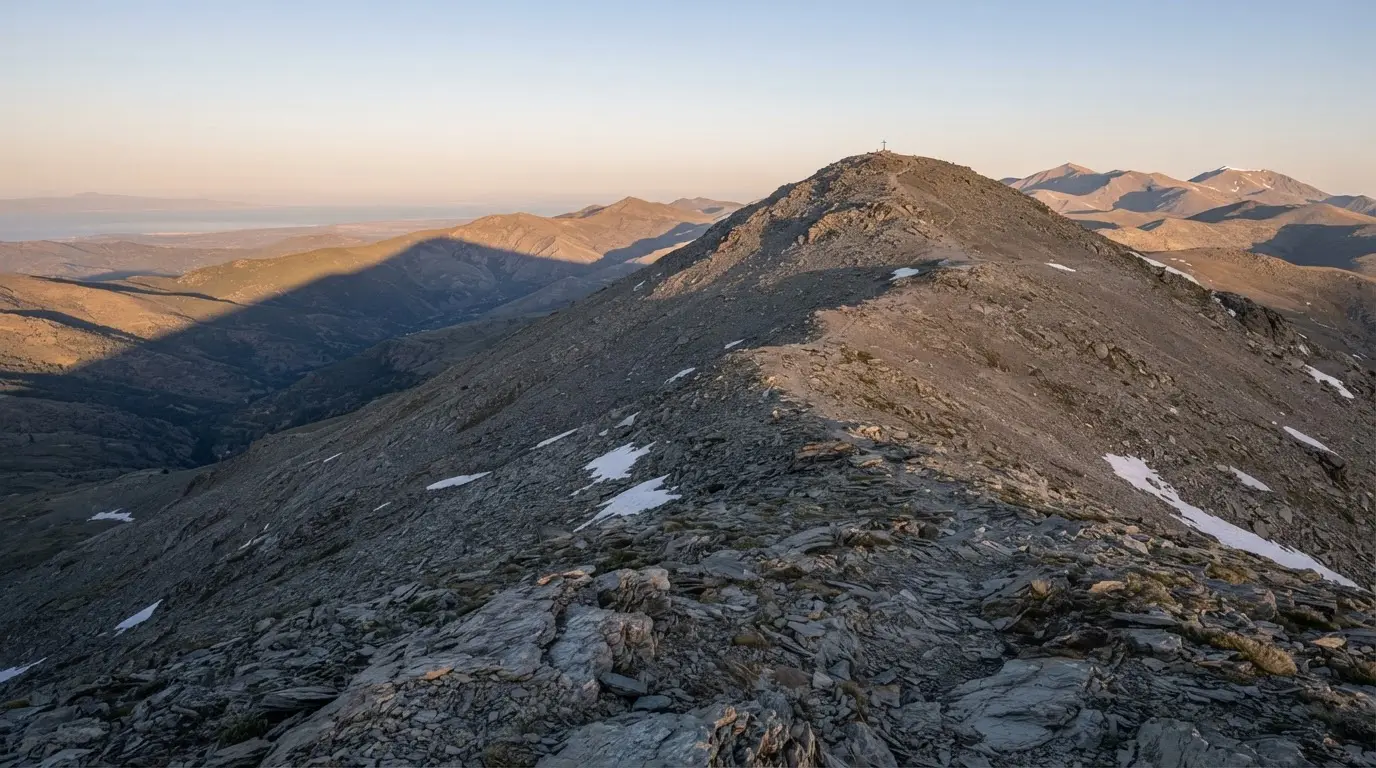
Mulhacén Name Origin: Sultan Said to Be Buried There
James Walker
Mulhacén is named for Sultan Muley Hacén, said to lie on its summit. What the name means, what records say about his death and where Nasrid kings were buried.
Read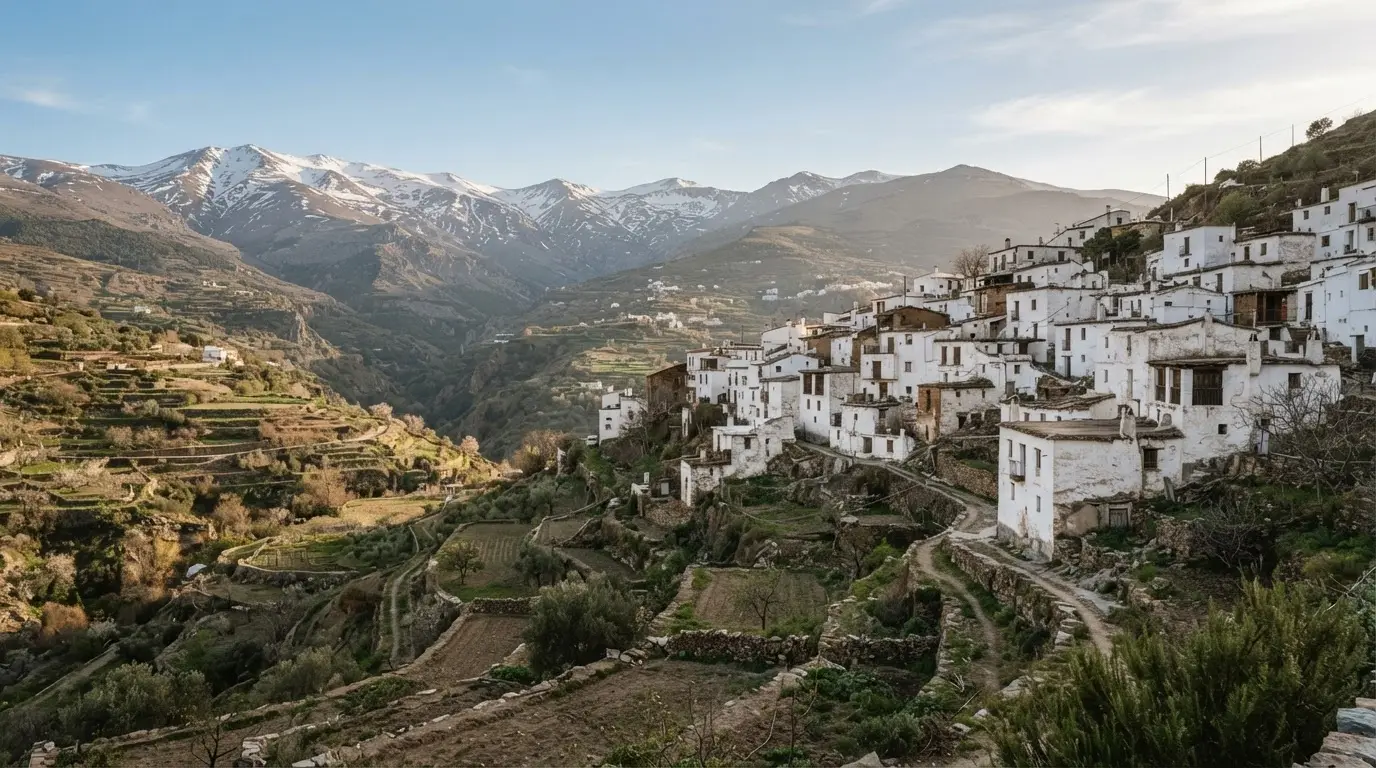
Gerald Brenan in Yegen: When Bloomsbury Came to the Alpujarras
James Walker
Gerald Brenan in Yegen: how Strachey, Carrington and the Woolfs reached his Alpujarran hamlet, what South from Granada records, and what you can still see.
Read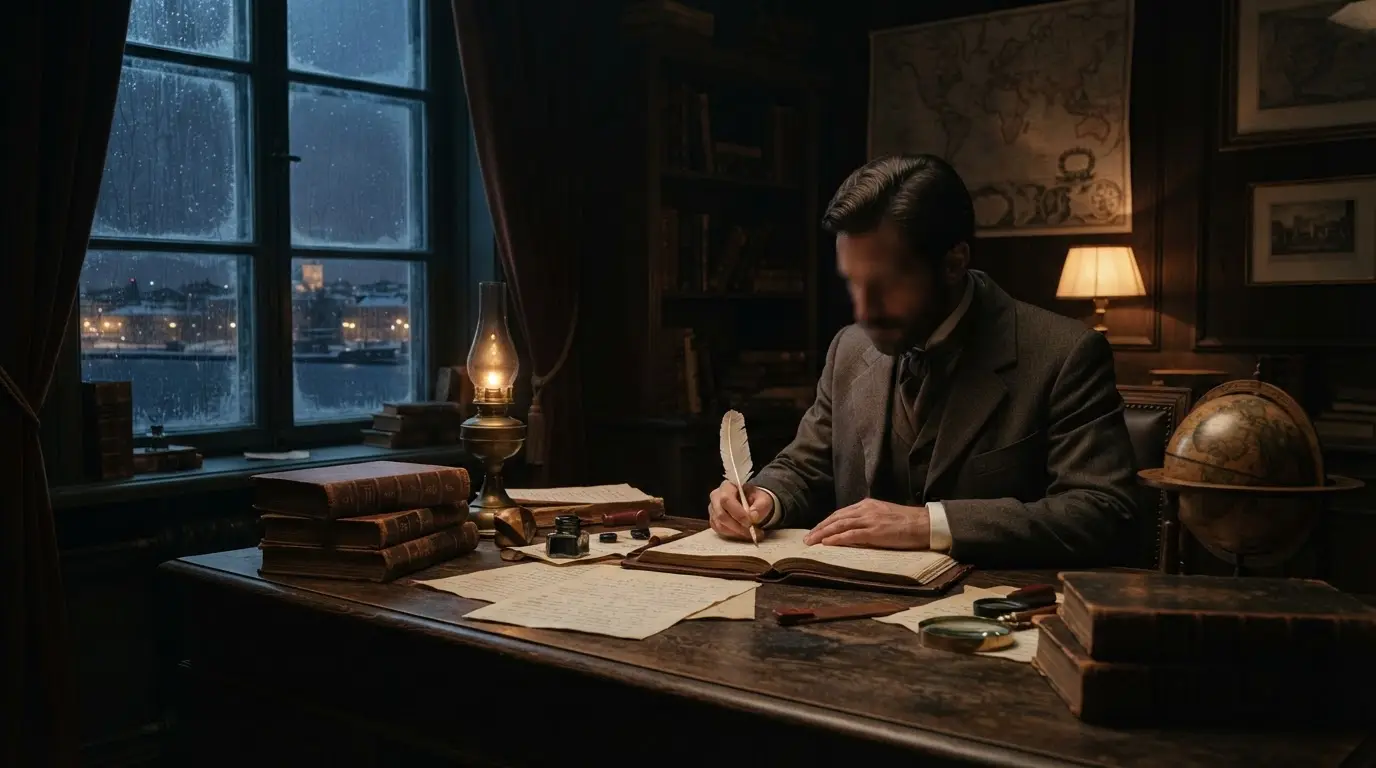
Ángel Ganivet: Granada's Writer and Diplomat
James Walker
Ángel Ganivet, Granada's own writer-diplomat, wrote Idearium Español from Helsinki, drowned in Riga in 1898, and returned to San José cemetery in 1925.
Read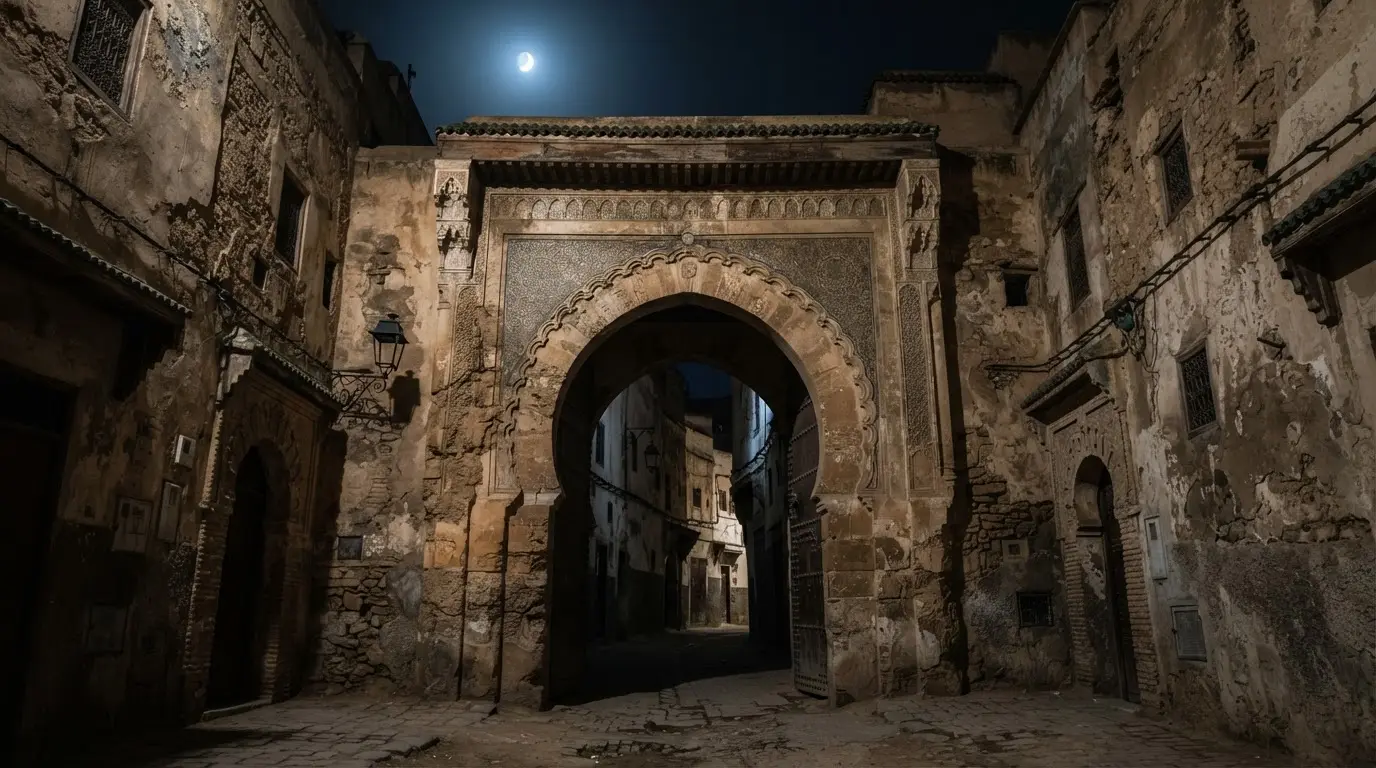
Boabdil's Lost Tomb: Searching for It in Fez, Morocco
James Walker Updated
Where is Boabdil buried? A 17th-century account points to a shrine outside Fez's Bab Mahrouk gate, and a 2013 scan detected bones nobody was allowed to test.
Read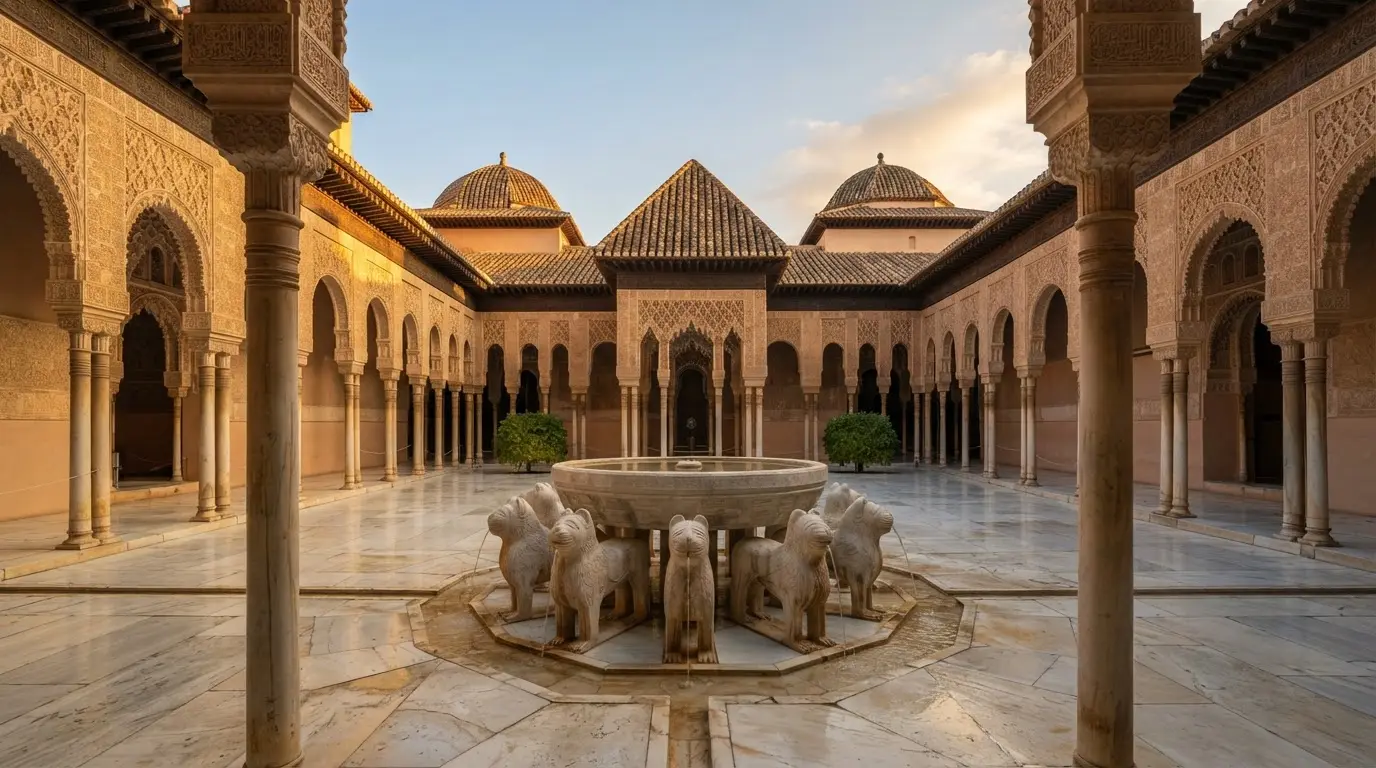
Muhammad V, the Nasrid Sultan Who Built the Alhambra
James Walker
Muhammad V ruled Granada twice, survived exile in Fez, and returned in 1362 to build the Alhambra's Palace of the Lions during Nasrid Granada's golden age.
Read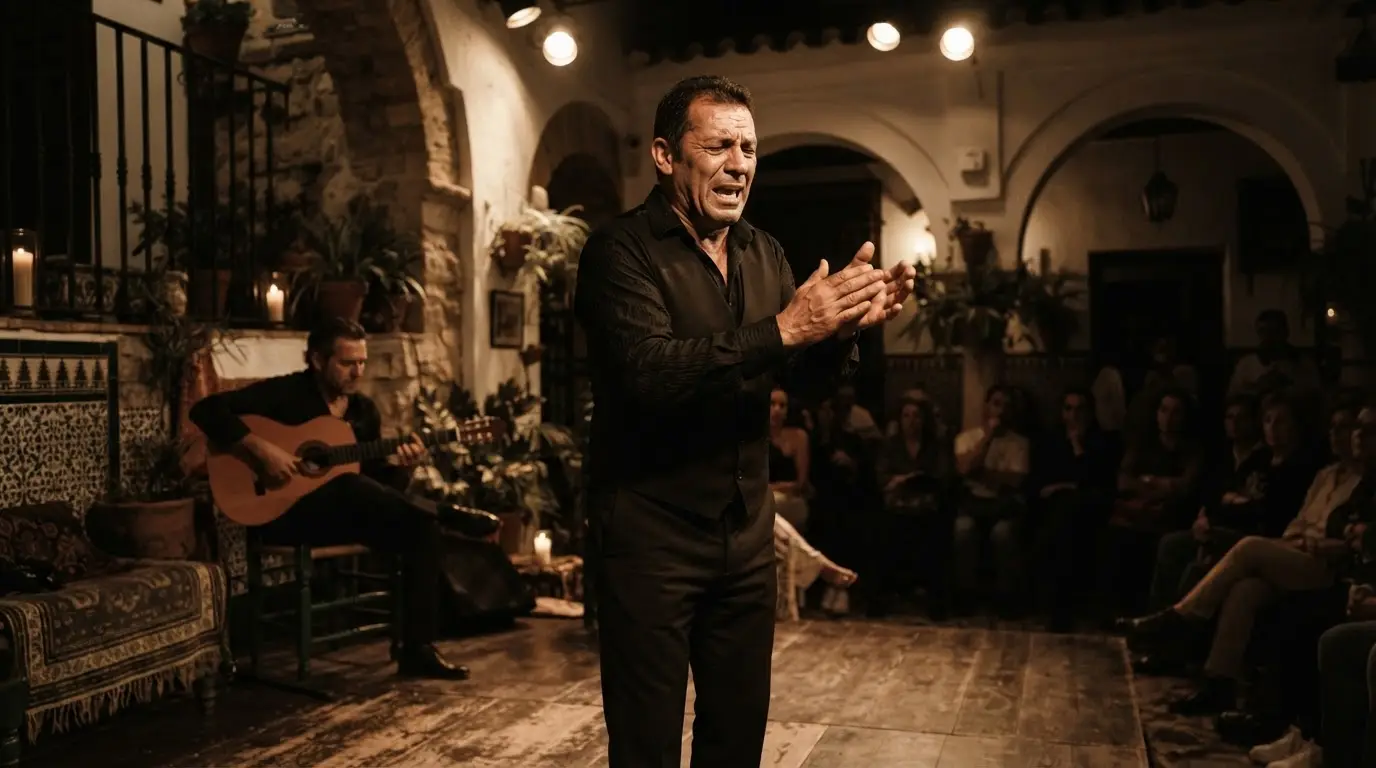
Enrique Morente: Granada's Flamenco Revolutionary
James Walker
Enrique Morente went from Albaicín choirboy to flamenco's most radical voice, reviving cante, setting Lorca to song, and fusing it with rock on Omega (1996).
Read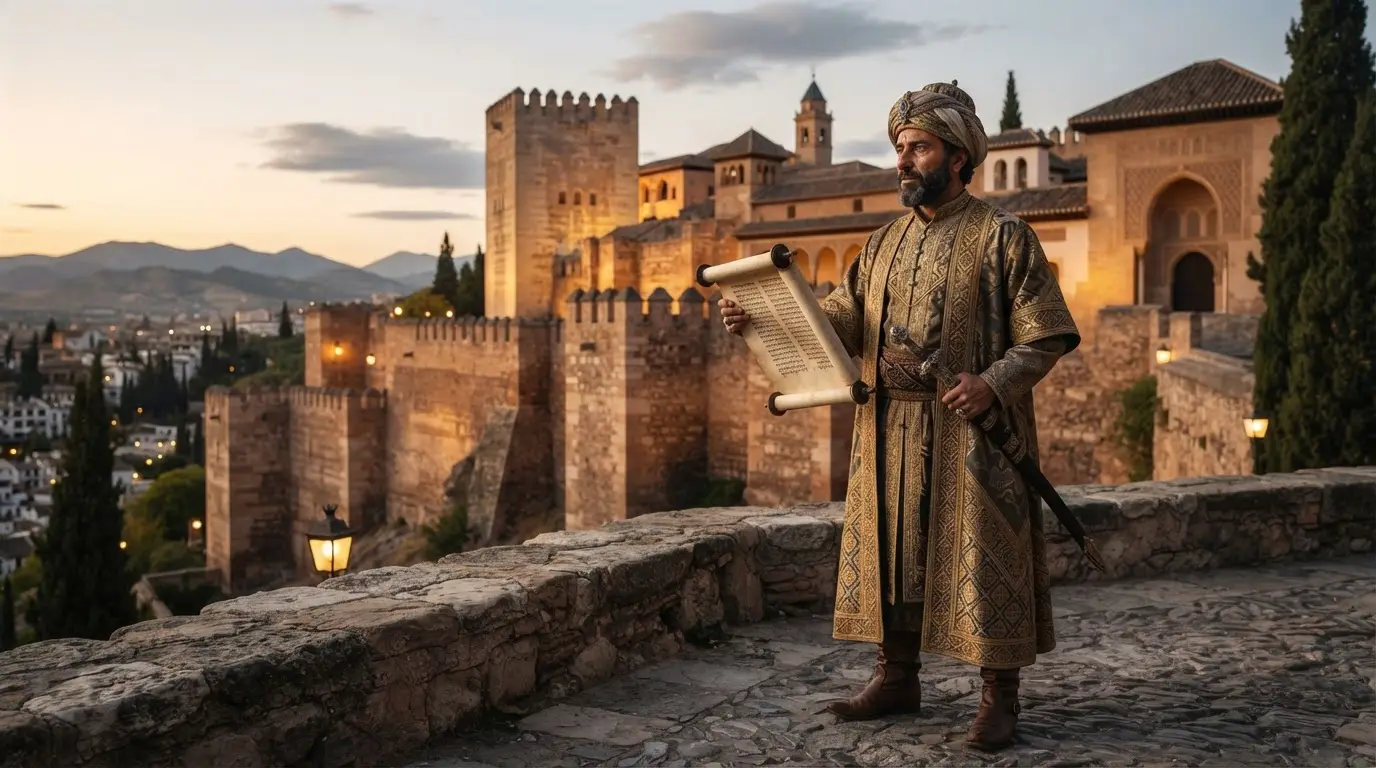
Samuel Ha-Nagid: Granada's Warrior Poet-Vizier
James Walker
Samuel ha-Nagid fled Córdoba in 1013, rose from a Málaga spice shop to command Granada's Muslim army as vizier, and helped define Hebrew's Golden Age poetry.
Read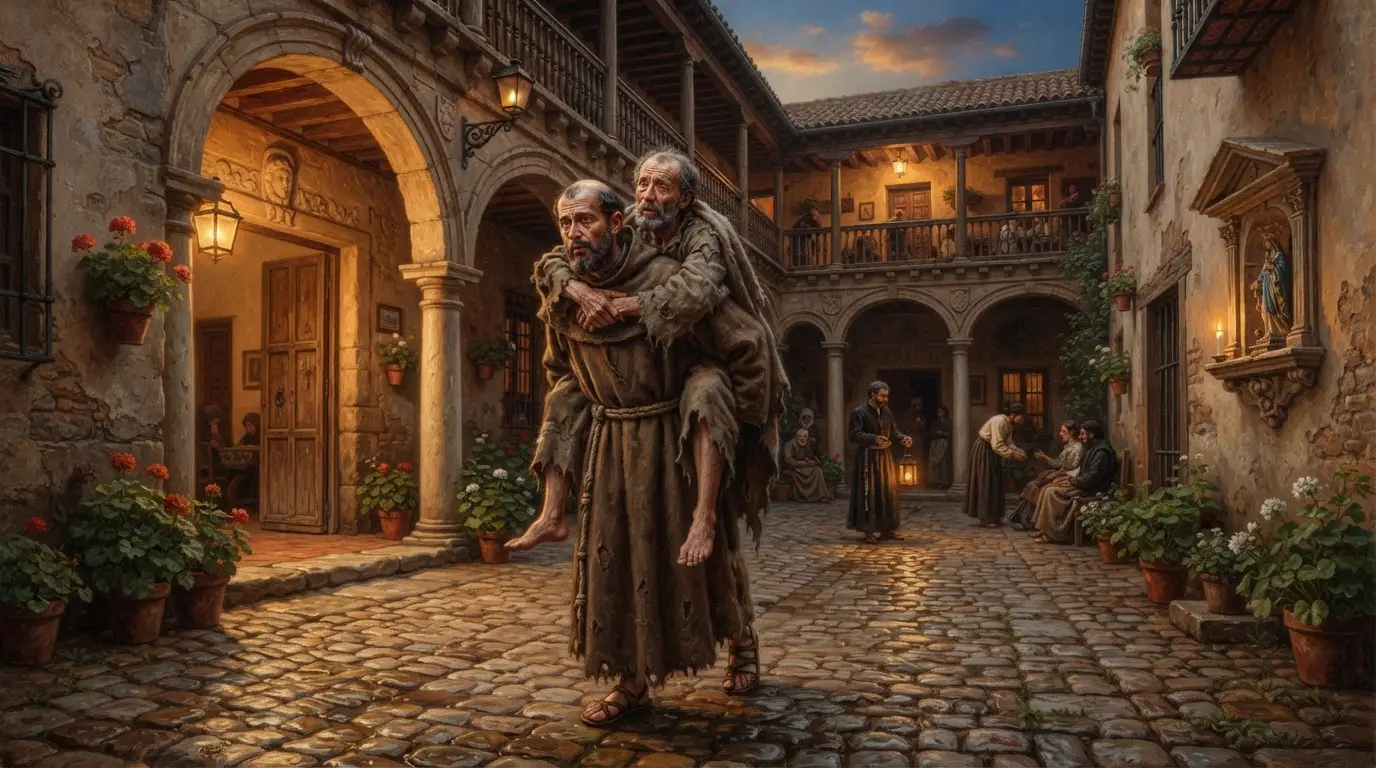
San Juan de Dios: The Saint Who Built Granada's Hospitals
James Walker
Before sainthood, Juan Ciudad was a soldier, a beggar, and an asylum inmate in Granada — until a 1537 breakdown founded a hospital order still running today.
Read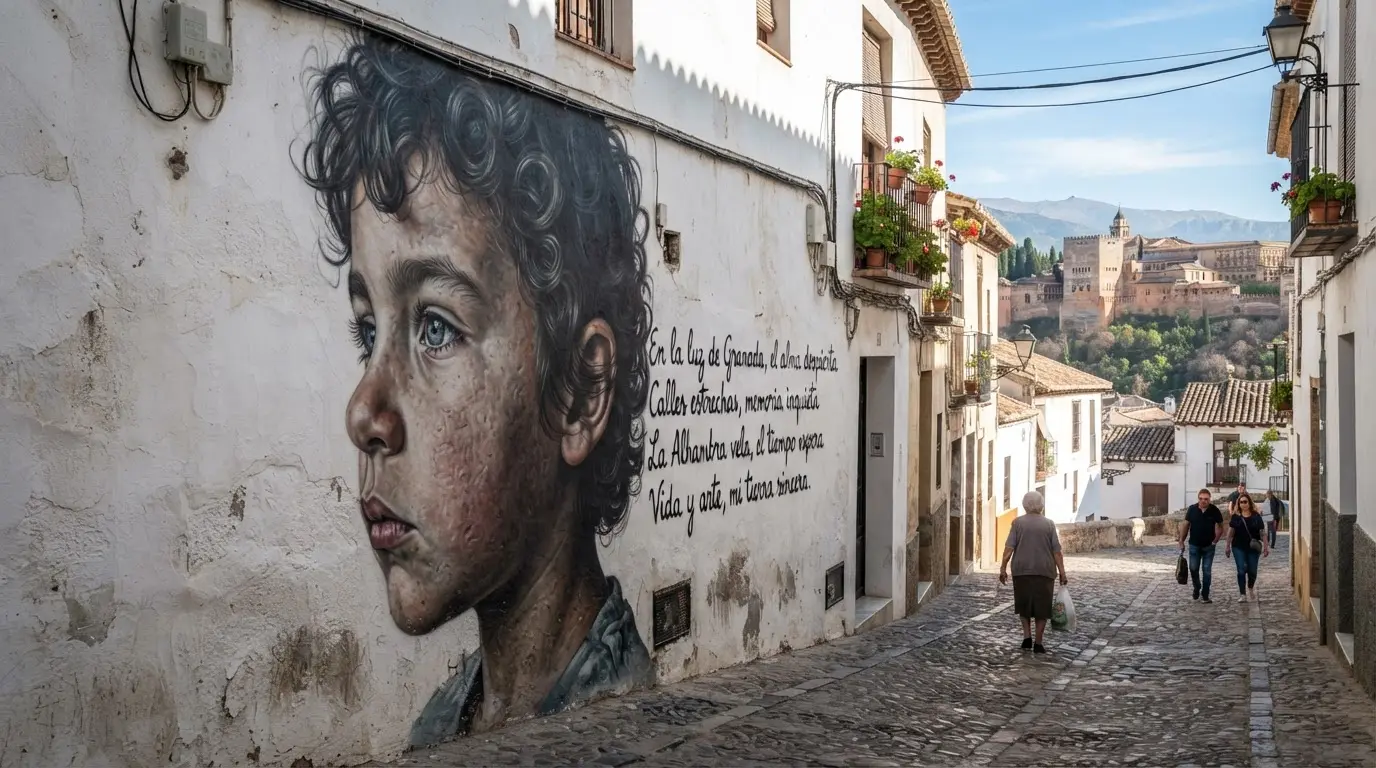
El Niño de las Pinturas: The Artist of the Realejo
James Walker
Raúl Ruiz is El Niño de las Pinturas, the Granada street artist who made the Realejo an open-air gallery and painted his celebrated Lorca mural in New York.
Read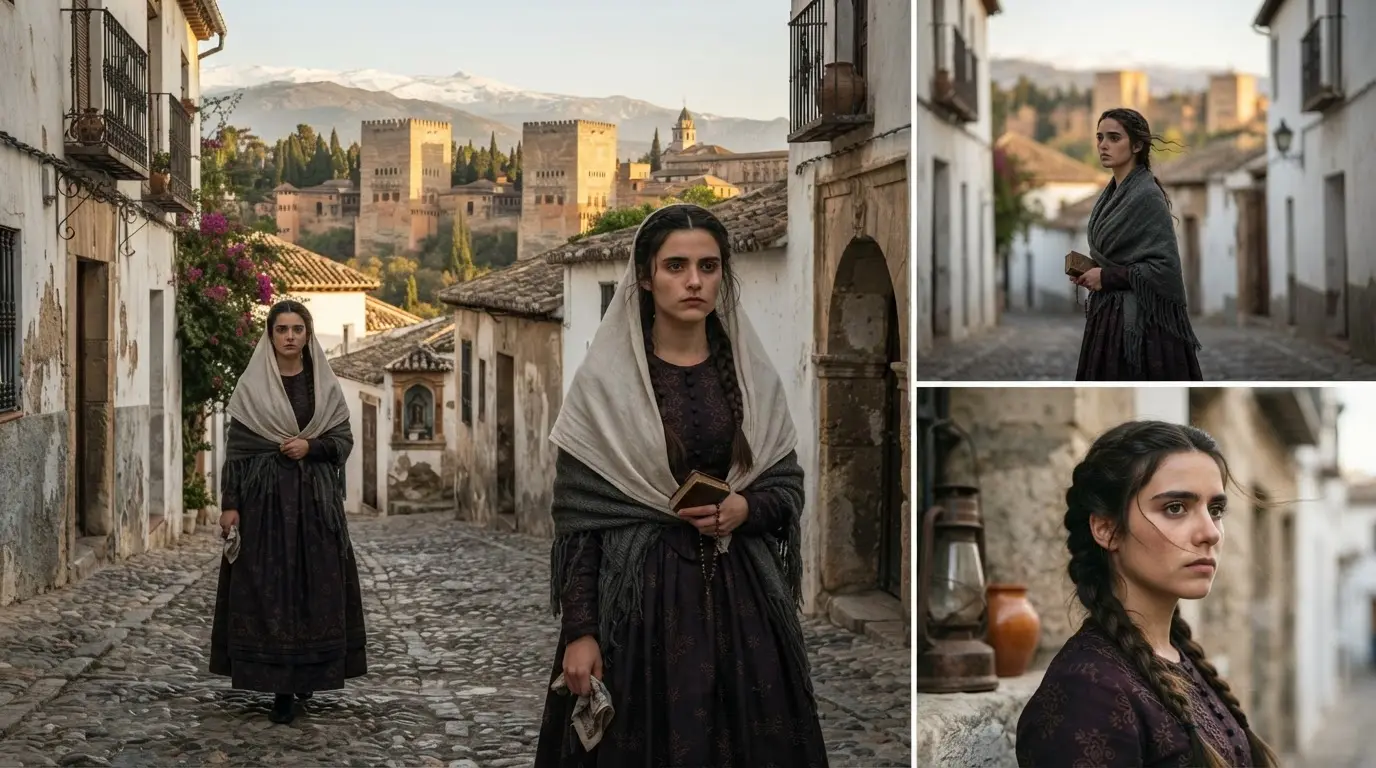
Mariana Pineda: Granada's Liberal Heroine Executed for Freedom
James Walker Updated
Mariana Pineda, Granada's liberal heroine, was executed by garrote vil in 1831 for a flag found in her house. Her story shaped Lorca's play and Granada's Plaza.
Read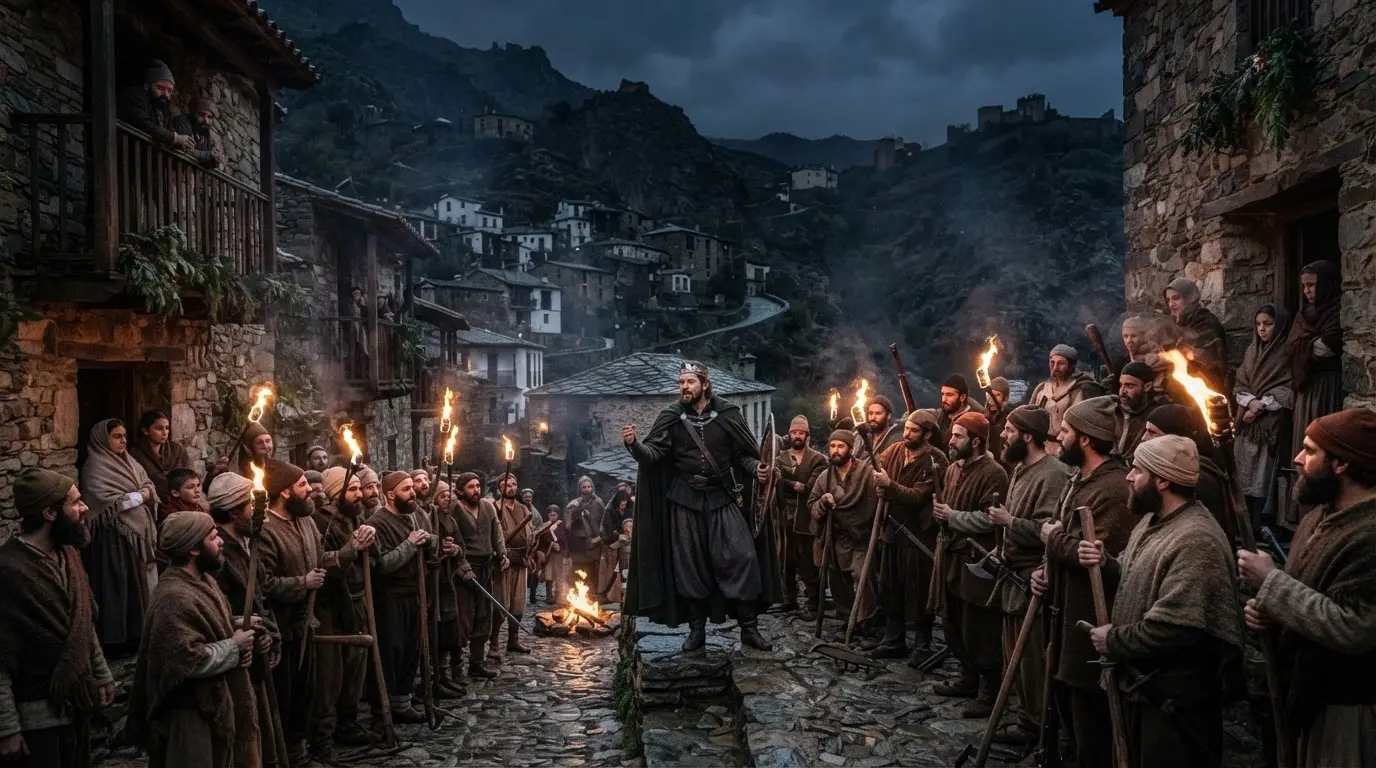
Aben Humeya: The Morisco King Who Led Andalusia's Last Rebellion
James Walker Updated
Fernando de Válor became Aben Humeya, rebel king of Granada, on Christmas Eve 1568. His guerrilla war lasted less than a year before his own men killed him.
ReadFrequently asked questions
Who was Boabdil?
Boabdil, born Abu Abdallah Muhammad and later called Muhammad XII, was the 22nd and final Nasrid sultan of Granada. He came to power through a 1482 palace revolt against his own father and surrendered the city to Ferdinand and Isabella on 2 January 1492, ending Muslim rule in Iberia.
Why did Washington Irving live inside the Alhambra?
In May 1829, the already-famous American author secured rare permission from the Alhambra’s governor to reside inside the half-ruined palace for about three months. The book he wrote from that stay, published in 1832, sparked the European Romantic interest that turned the Alhambra into a major tourist destination.
Who was Samuel HaNagid?
Samuel HaNagid was a Jewish refugee from Córdoba who rose from a Málaga spice shop to become vizier and military commander of 11th-century Granada, commanding Muslim armies in battle for sixteen of eighteen years while also writing major collections of Hebrew poetry.
How did Federico García Lorca die?
Granada’s most famous poet was arrested on 16 August 1936, at the start of the Spanish Civil War, and shot by a Nationalist firing squad near Víznar days later. His body has never been found despite repeated archaeological searches since 2009.
Did women hold real power in the Nasrid court?
A small number did, though never as sovereigns in their own right. Aisha al-Hurra deposed her own husband in 1482 to enthrone her son Boabdil and later negotiated his release from Castilian captivity, working through faction and family rather than an independent throne.
What did Muhammad V build at the Alhambra?
Muhammad V, sultan for 29 years after returning from exile in 1362, built the Palace of the Lions, including the Court of the Lions with its twelve-lion fountain, and founded Granada’s first hospital, the Maristan, in 1365.