Alonso Cano Granada: Painter, Sculptor, Architect
Alonso Cano's Granada: a Seville duel in 1638, a disputed canonry, and the cathedral paintings and facade left behind by Spain's tempestuous Michelangelo.
Read the full story
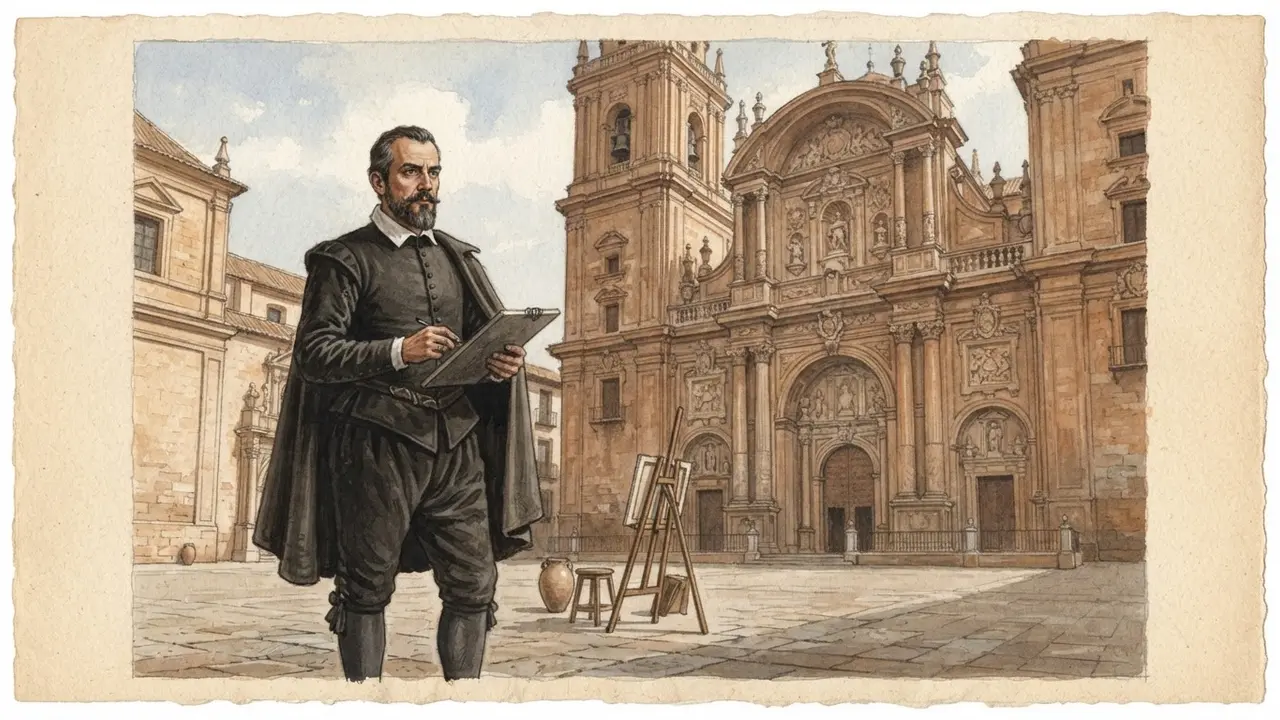
Alonso Cano was born in Granada on 19 March 1601 and baptised that day in the church of San Ildefonso. His family moved to Seville in 1614, and in August 1616 his father contracted him to study painting under Francisco Pacheco. He left Seville in 1638 after a duel and won the favour of the court in Madrid; that career ended in 1644, when he fled to Valencia as a suspect in his wife's murder. Later he obtained a canonry at Granada Cathedral, was expelled for misbehaviour, and ended his life as the cathedral's chief architect. He died in Granada on 3 September 1667.
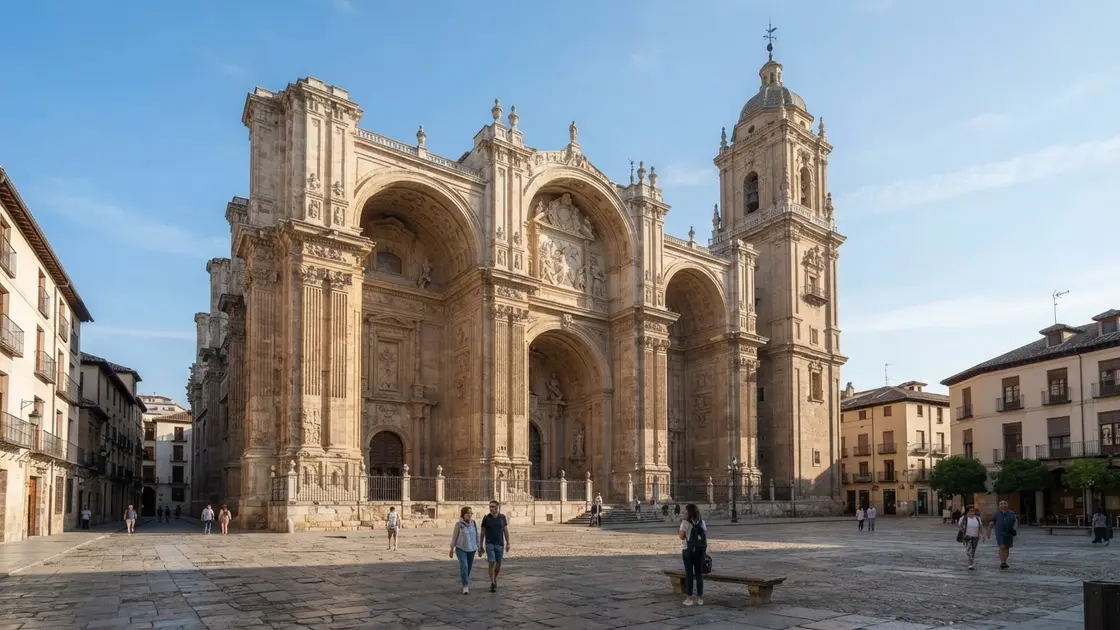
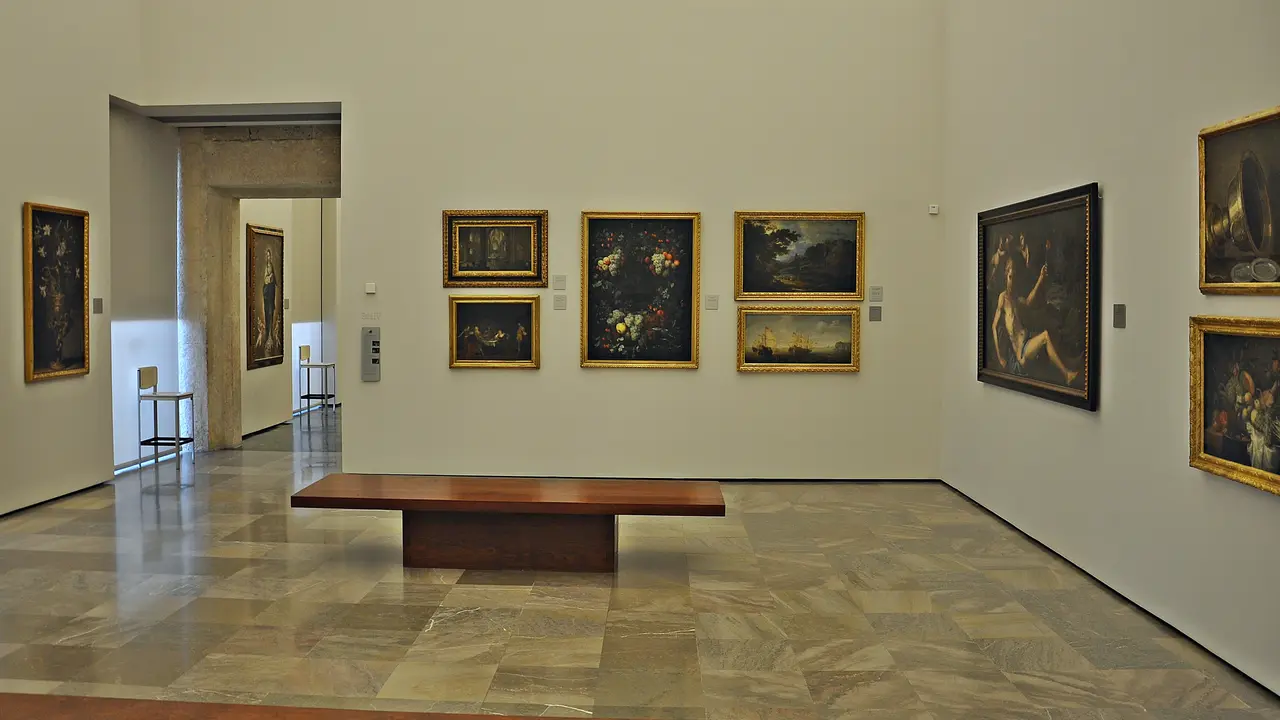
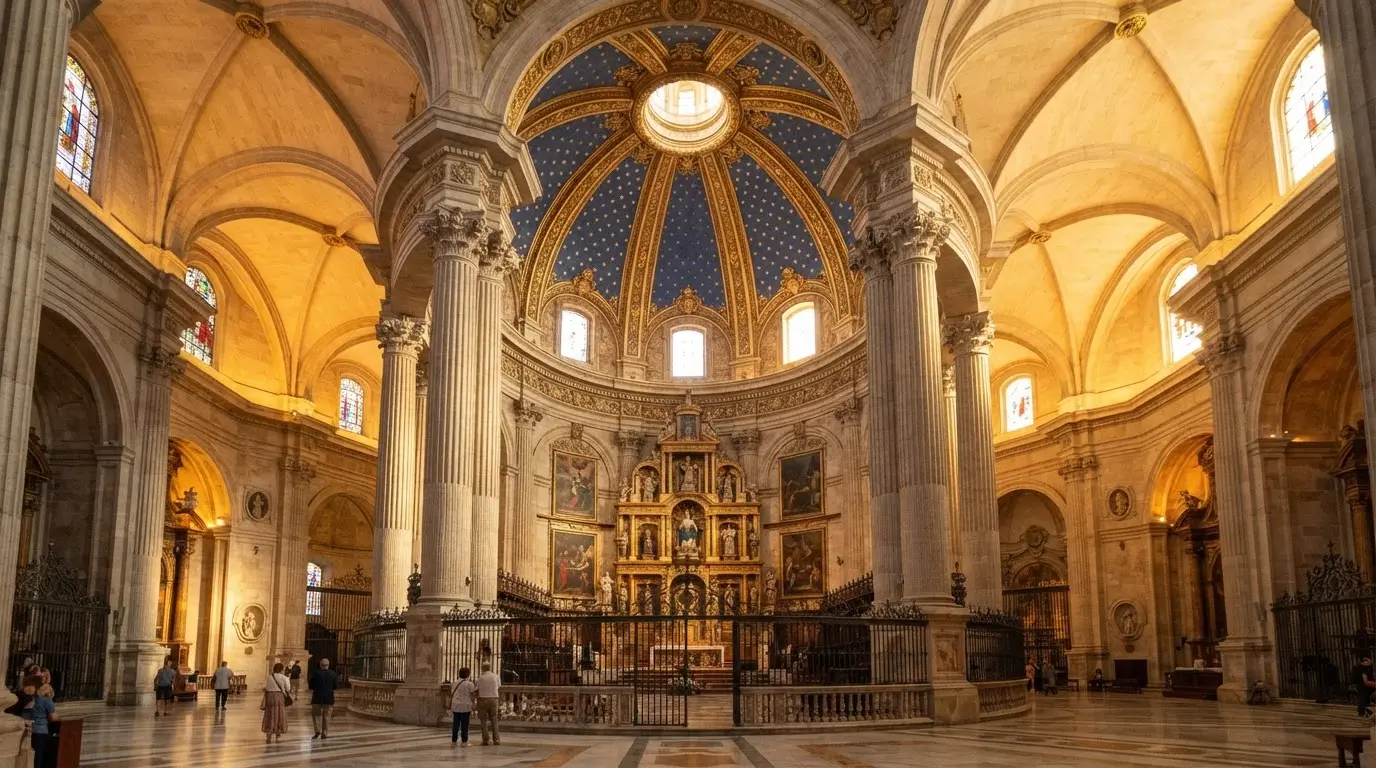
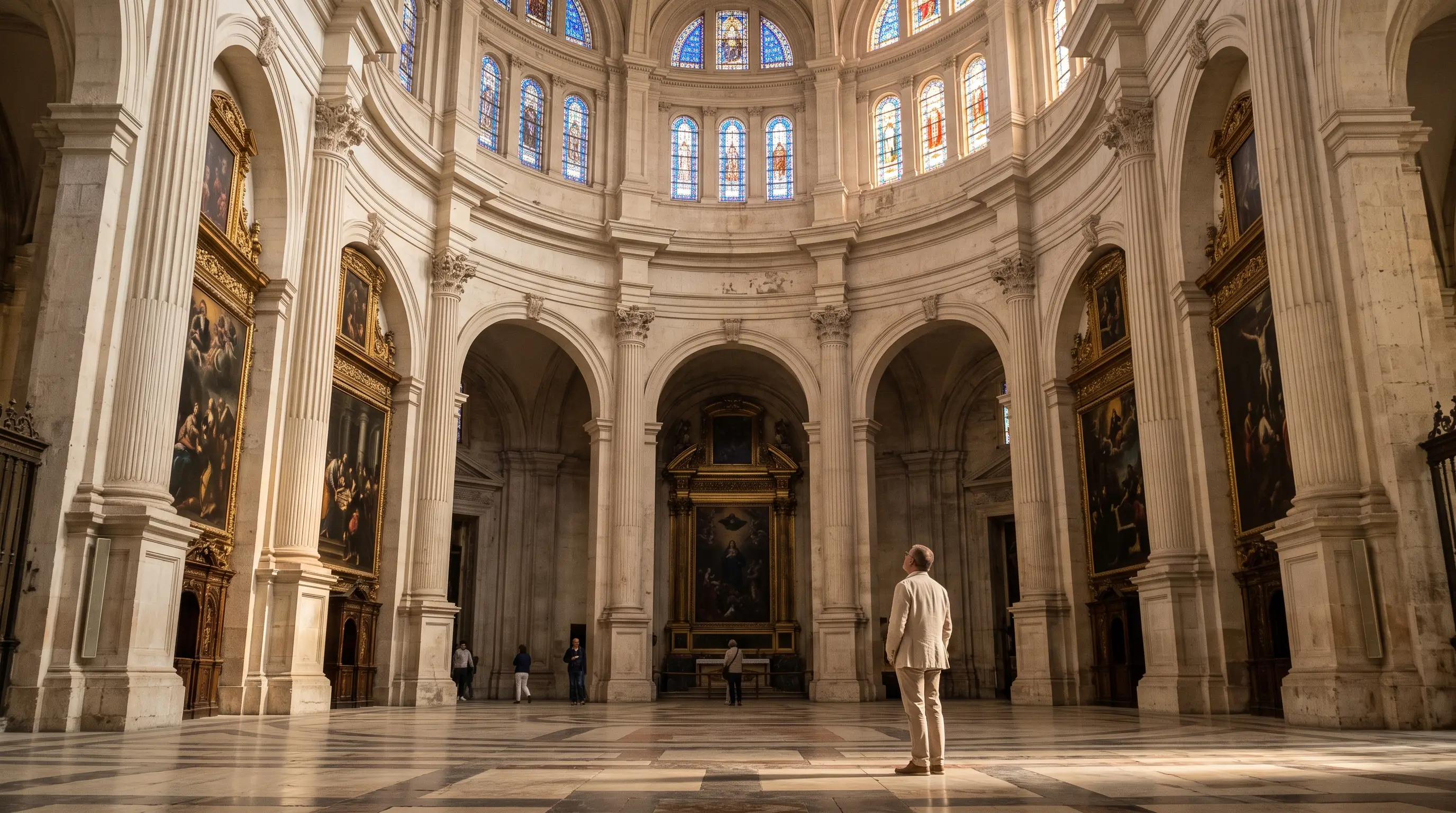
His trace in the city starts at Granada Cathedral: his polychrome cedarwood Inmaculada of 1655-56 is in the sacristy, and Spain's tourism board credits him with sculptures and paintings in the Capilla Mayor dome. The Museo de Bellas Artes de Granada names him among the authors on show.
For the cathedral's earlier designer, read Renaissance architecture at Granada Cathedral. The full story is in the article below.
1610–1808
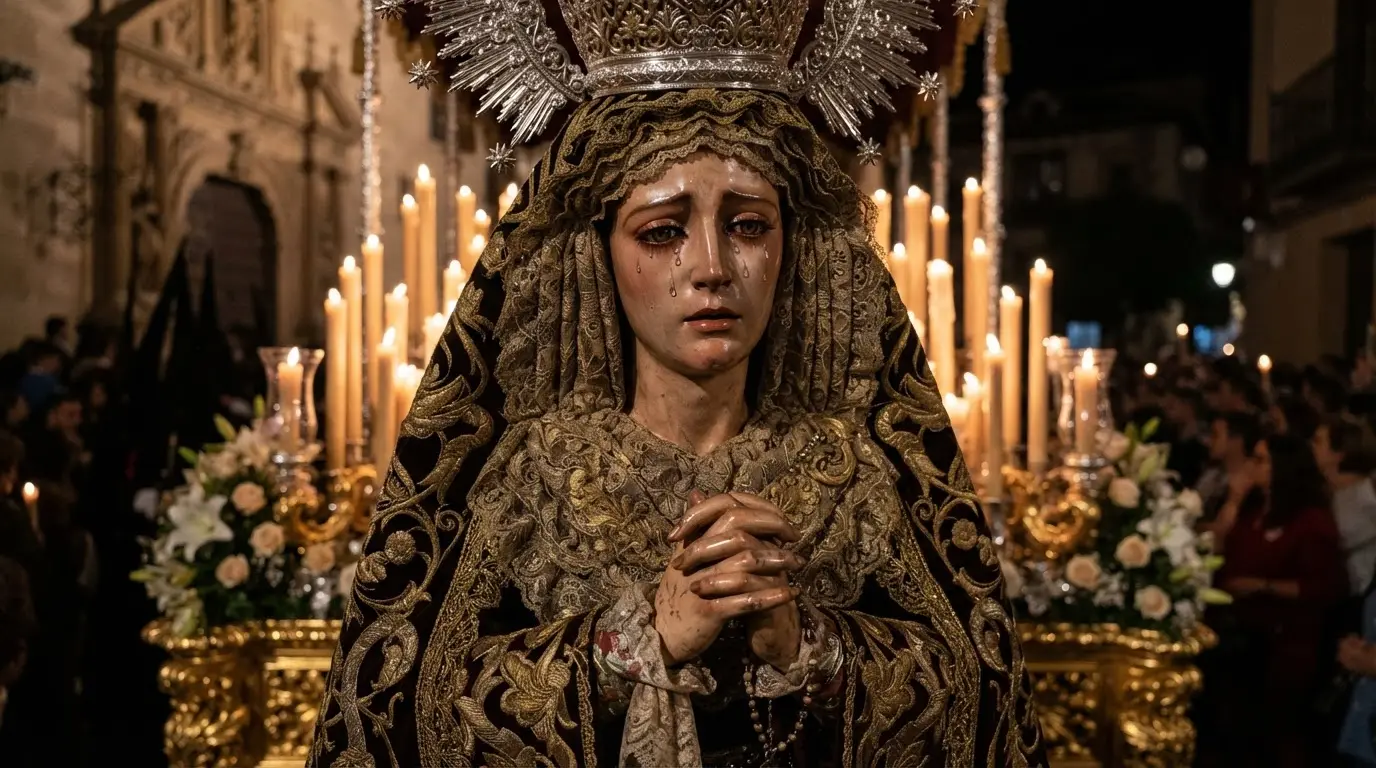
Alonso Cano, painter, sculptor and architect, died in Granada in 1667 and designed the front of Granada Cathedral, which was finished in 1704. The Granadan school of sculpture matured in the 17th century under Pablo de Rojas, Cano and their pupils. Their polychrome saints, with glass eyes and gilded drapery, still leave the churches for Holy Week.
1737 Monument
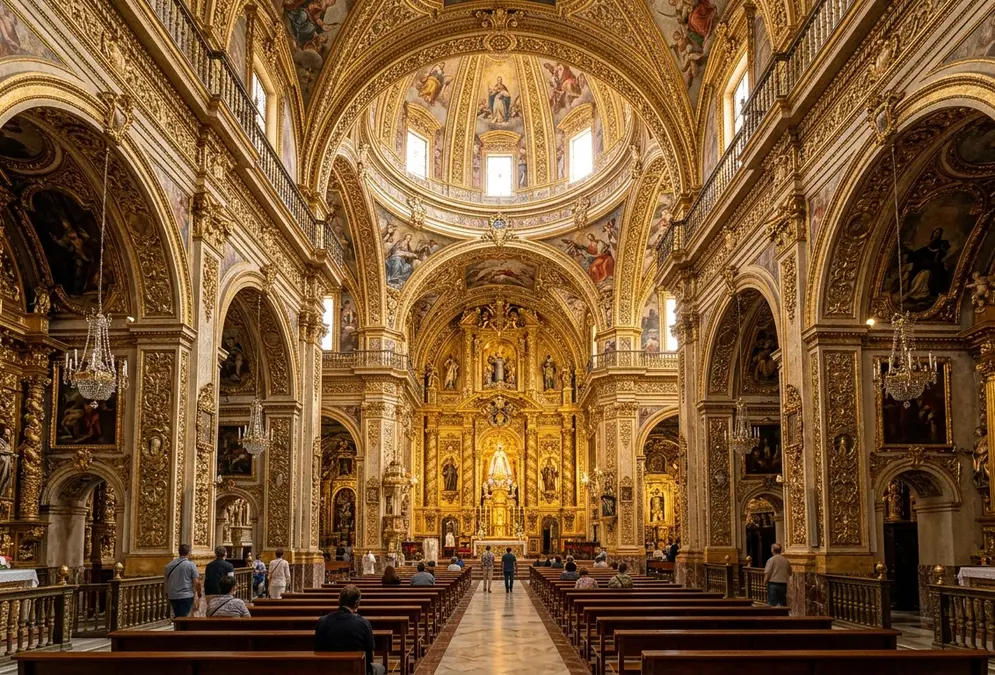
Built in 1737, Granada's most opulent baroque church hides gold leaf on every surface, 190 mirrors, and the relics of St John of God kept in a silver urn.