Boabdil: Last Moorish King of Granada
Boabdil (c.1460–1533) was Granada's last Nasrid sultan, who surrendered the city to Ferdinand and Isabella on 2 January 1492, ending 781 years of Moorish rule.
Read the full story
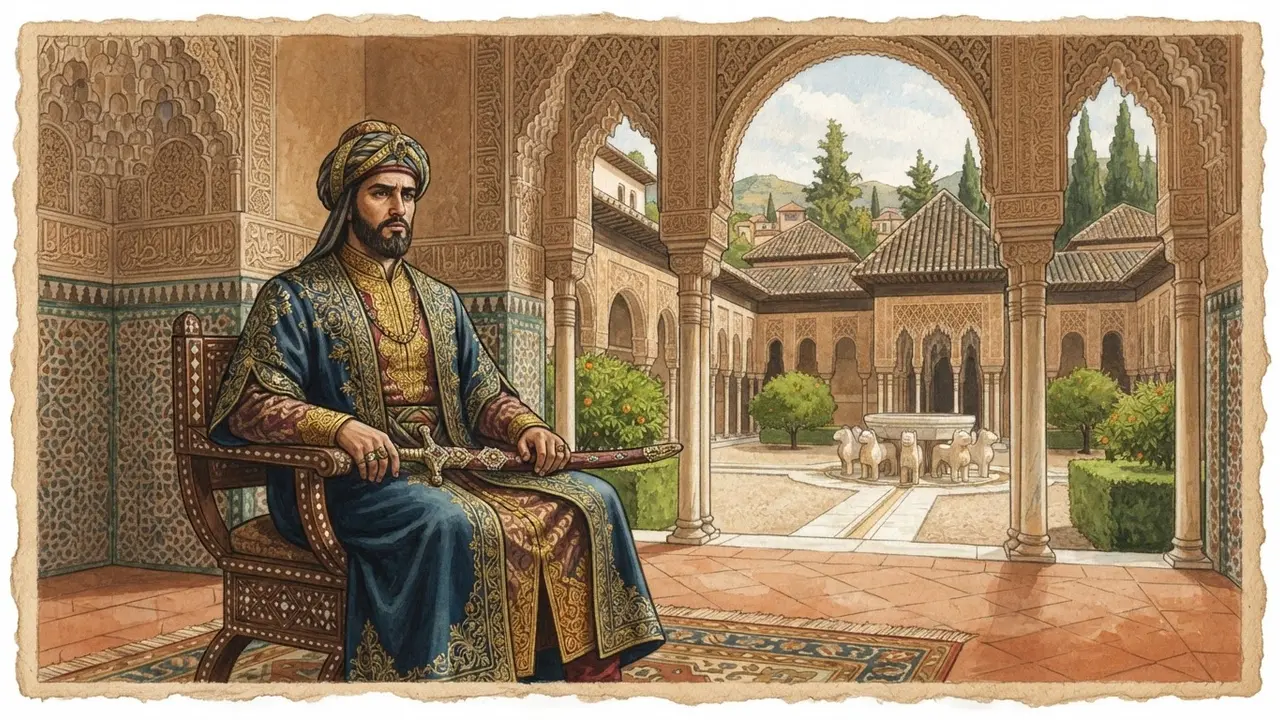
Boabdil was the last Nasrid ruler of Granada. His reign, 1482 to 1492, was marked by civil strife and ended with the surrender of the city on 2 January 1492. Castilians called him el rey chico, "the little king". In October 1493 he left Adra for exile in North Africa and settled in Fez, in Morocco. Sources differ on when he died, with dates running from the 1520s to the 1530s, and his life is given here as c. 1460 to c. 1533.
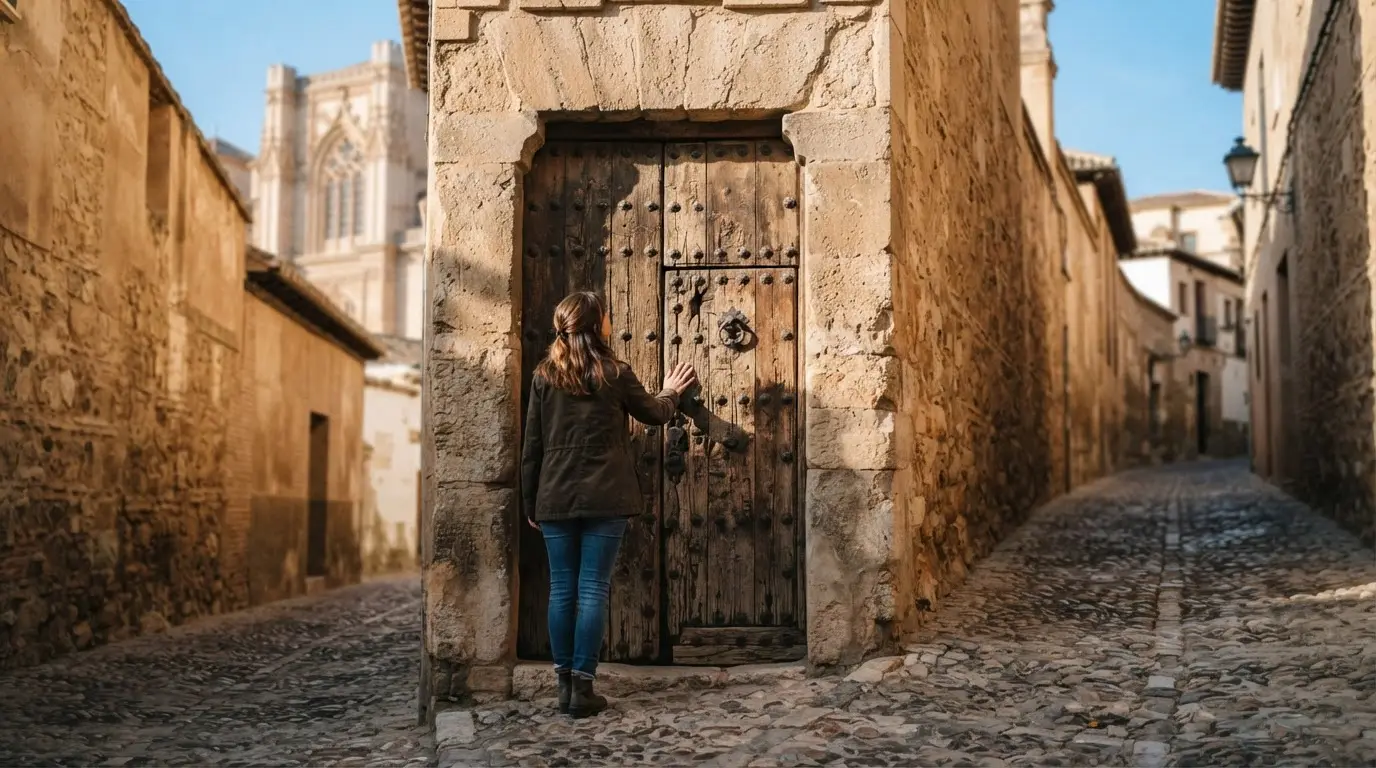
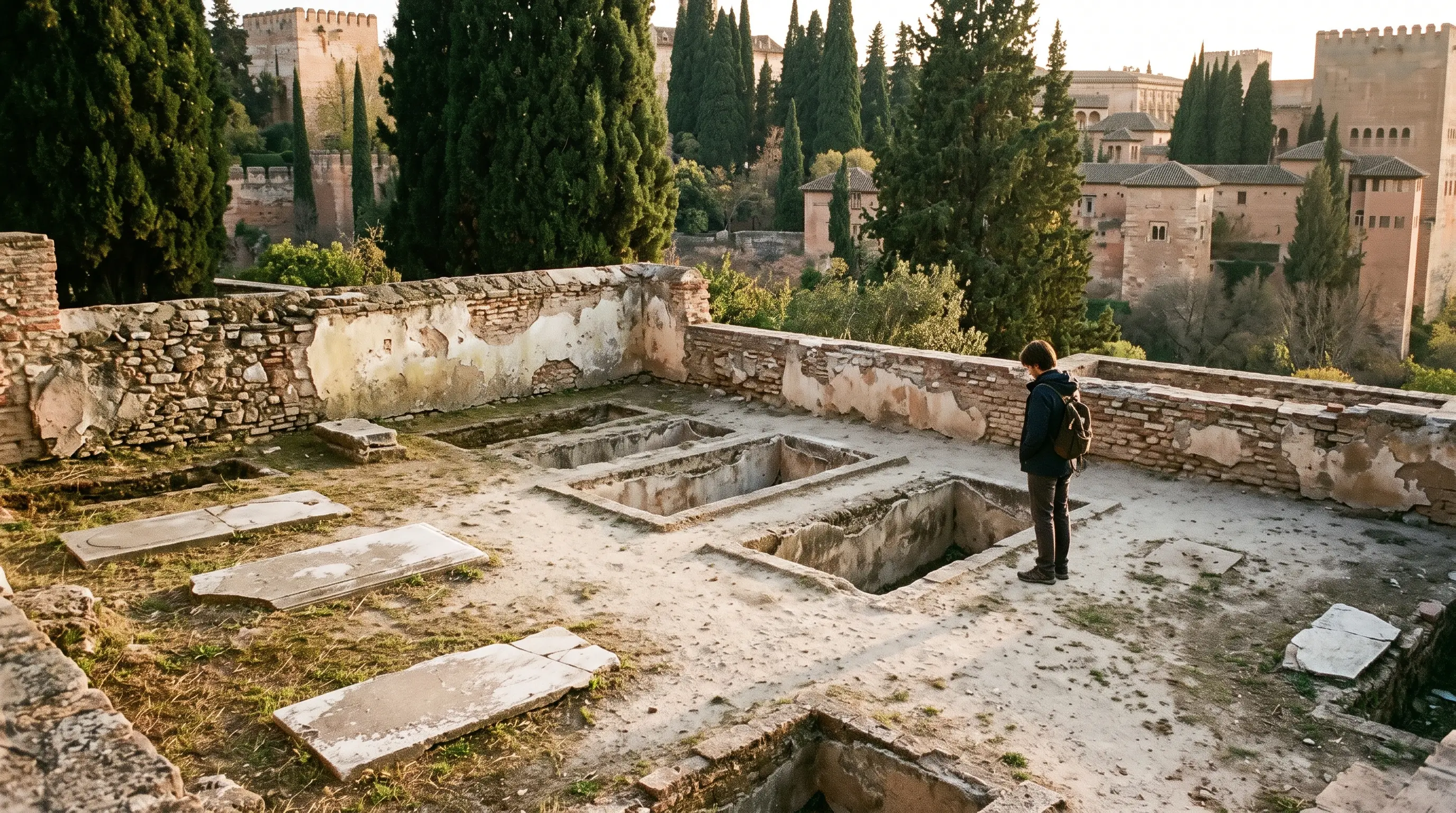
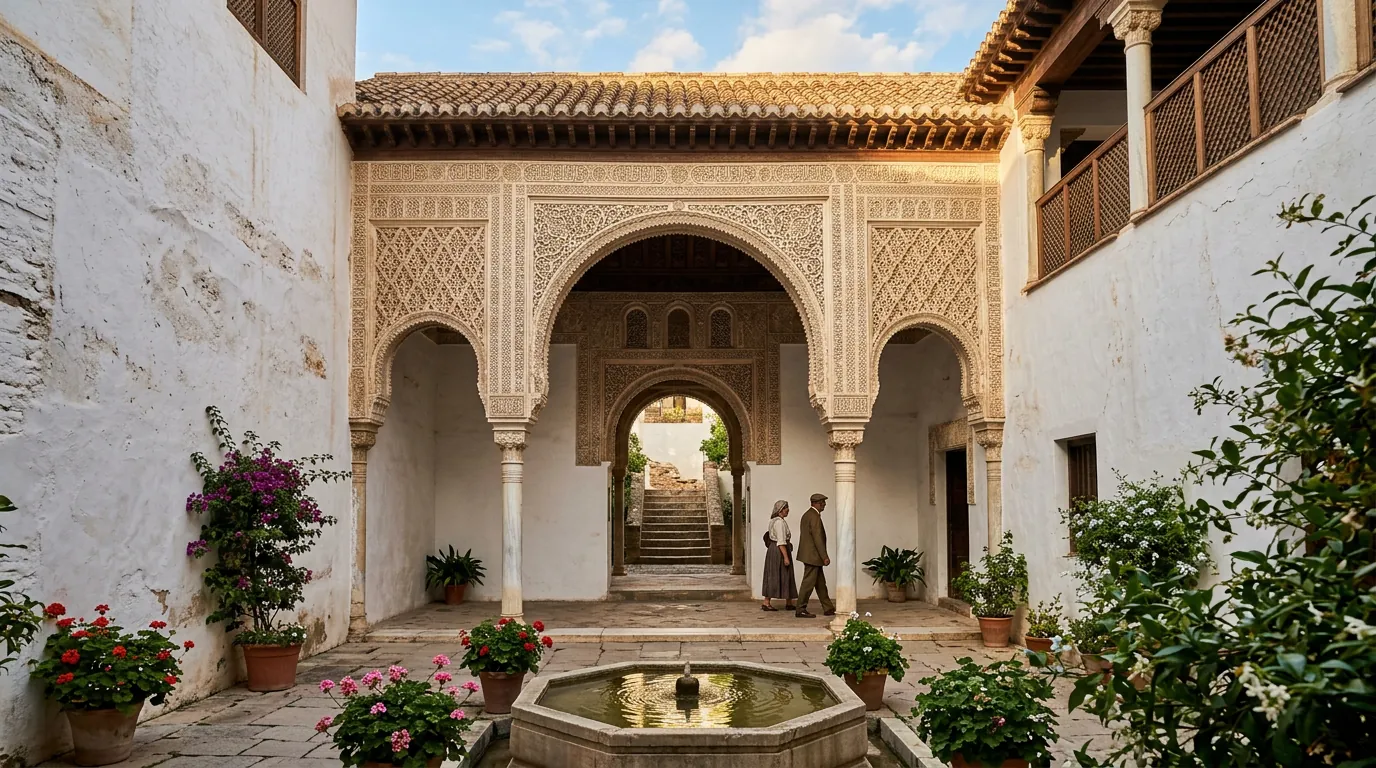
In Granada his trace is closest at Dar al-Horra, the palace on the Albaicín hill that his mother, Aixa, used as her residence near the end of the dynasty.
For the Moroccan end of the story, read Boabdil's lost tomb. The full account of the reign and the surrender is in the main article: Read the full story.
1238–1492
Muhammad I founded the emirate in 1232, became Fernando III's vassal and began the Alcazaba on the Alhambra hill. Yusuf I added the Comares Tower and the Hall of Ambassadors, and Muhammad V finished the Court of the Lions around 1380. In all, 23 sultans ruled for 260 years before the city surrendered in 1492.
c. 1195–1273 Historical figure
Muhammad I of Granada founded the Nasrid dynasty and began the Alhambra in 1238. His life, from Arjona to the Sabika hill, and where to see his trace today.
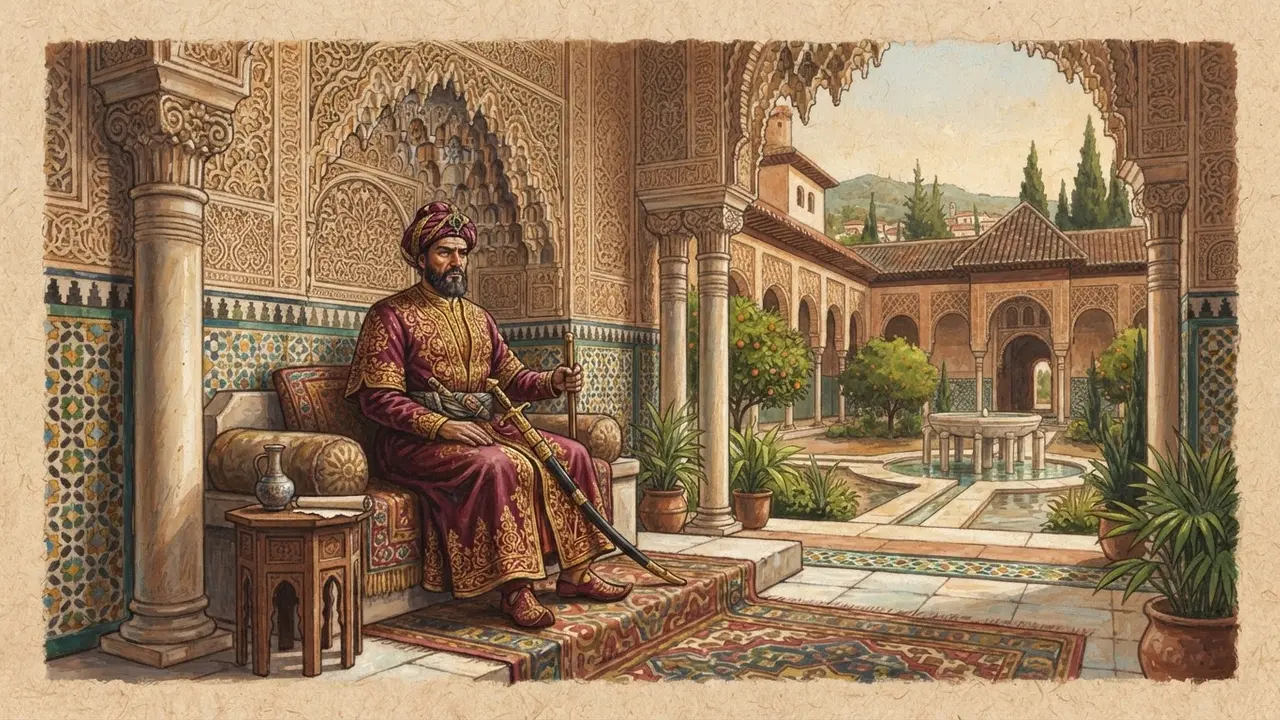
1313–1374 Historical figure
Ibn al-Khatib, born in Loja in 1313, was vizier to Nasrid kings Yusuf I and Muhammad V, and a poet and physician whose verse decorates the Alhambra walls.
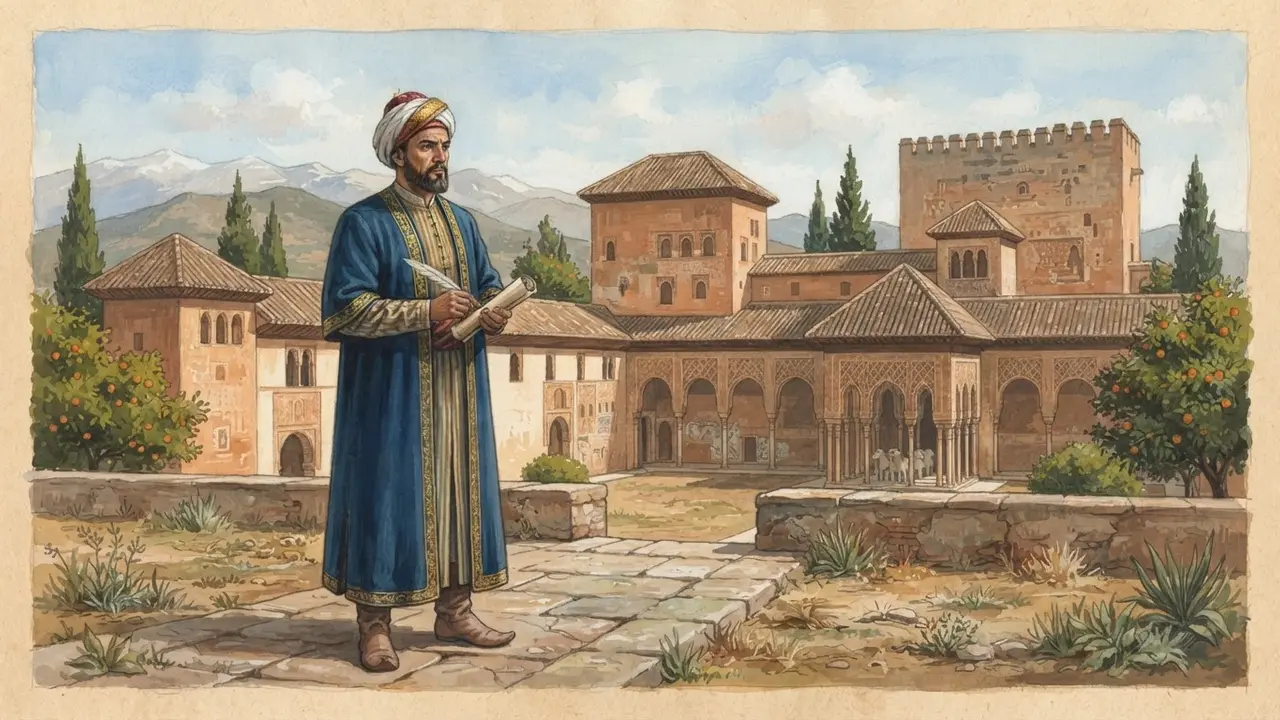
1318–1354 Historical figure
Yusuf I of Granada ruled the Nasrid sultanate from 1333 to 1354 and left the Alhambra's Puerta de la Justicia and the Madraza. His life and where to find him.
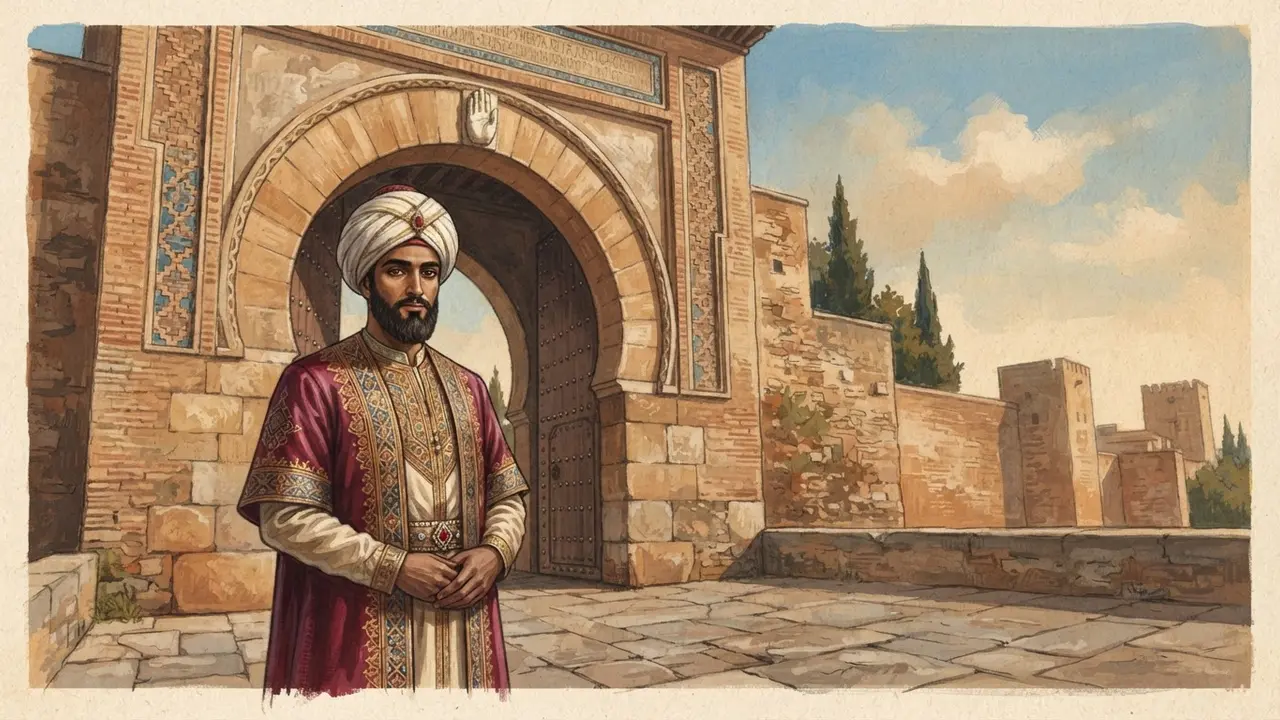
1332–1406 Historical figure
Ibn Khaldun, the Tunis-born historian, served the Nasrid court of Granada under Muhammad V. His life, the Alhambra that housed it, and where to read more.
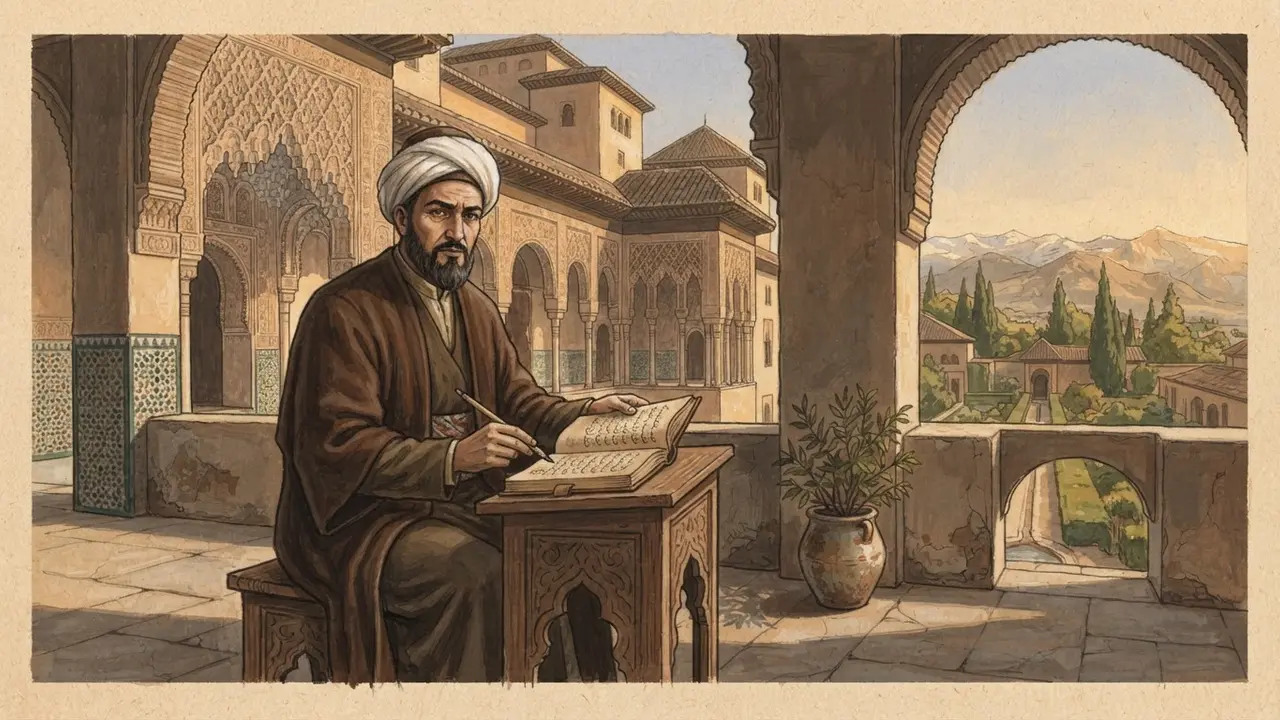
c. 1333–1393 Historical figure
Ibn Zamrak was a Nasrid vizier and poet from Granada. See where his verses survive in the Alhambra, from the Court of the Lions to the Lindaraja fountain.
Undated
Monument
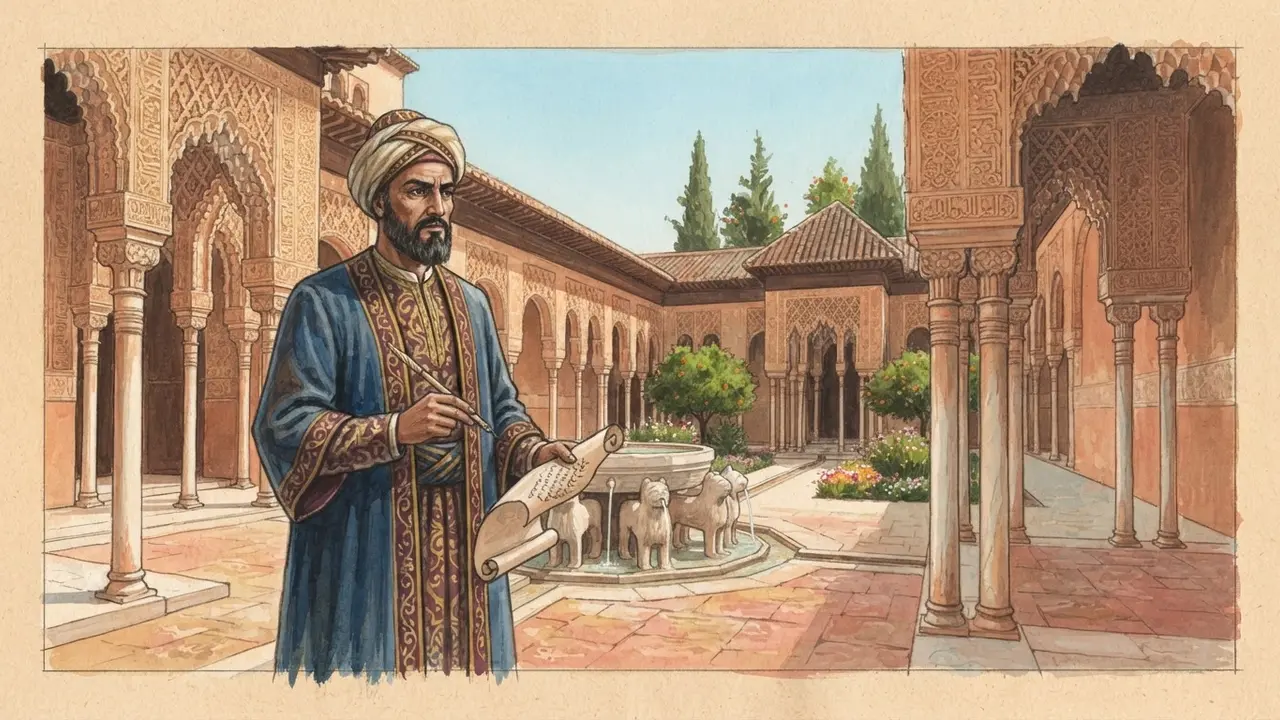
Granada's historic silk market, rebuilt after 1843 in Neo-Moorish style. Small shops sell ceramics, taracea woodwork, spices, and leather goods. Free to enter.
Monument
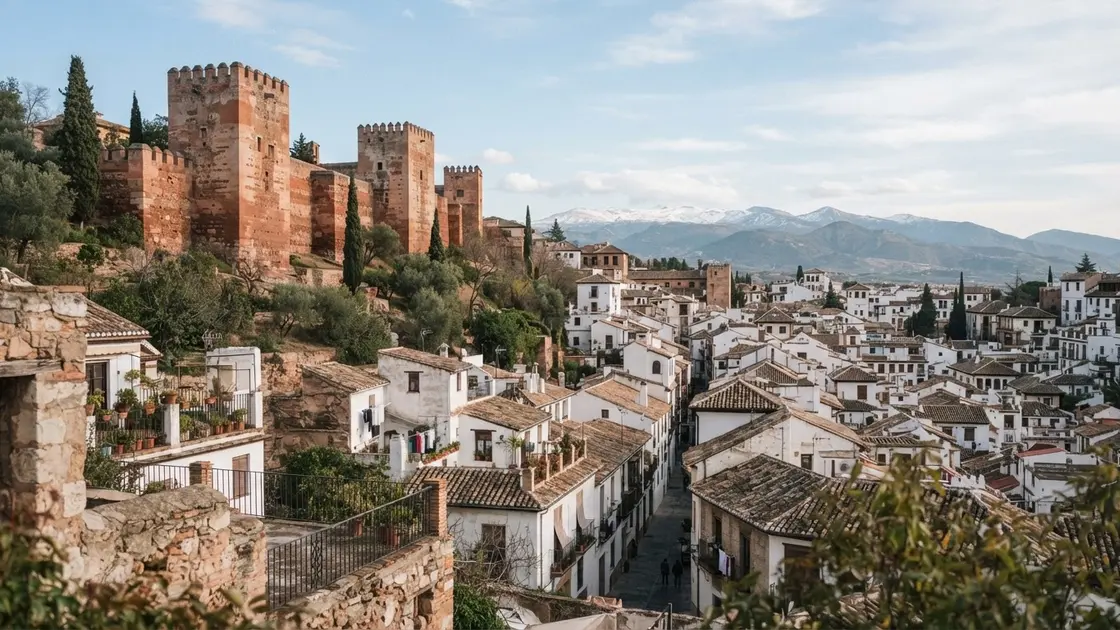
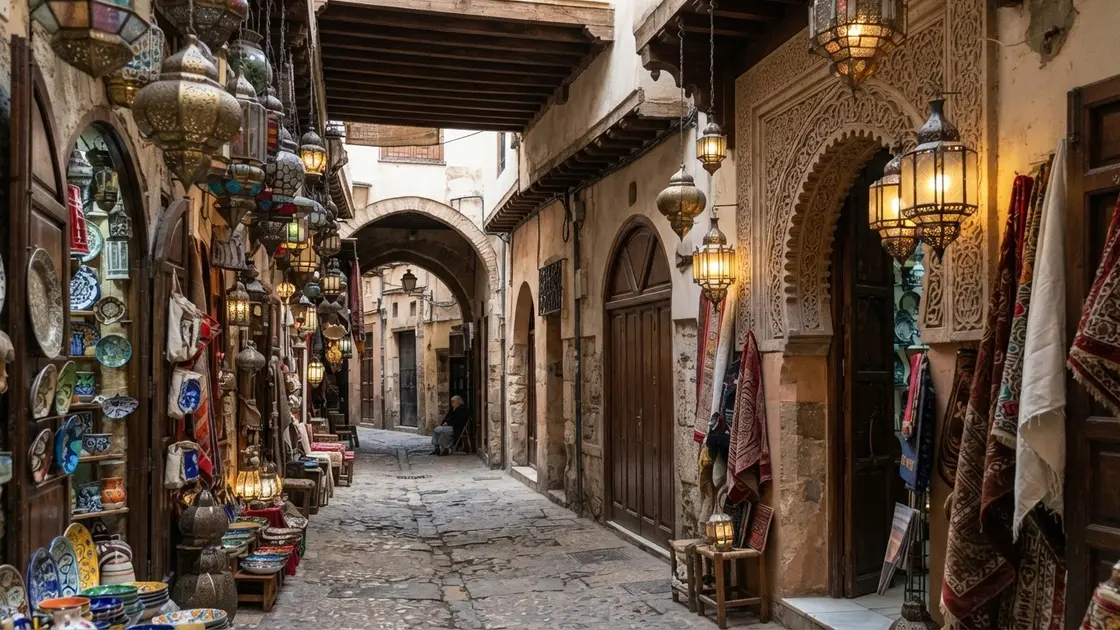
The Alhambra is Granada's UNESCO fortress-palace: Nasrid Palaces, Alcazaba and Generalife gardens. Tickets sell out weeks ahead; book via the Patronato site.
Monument
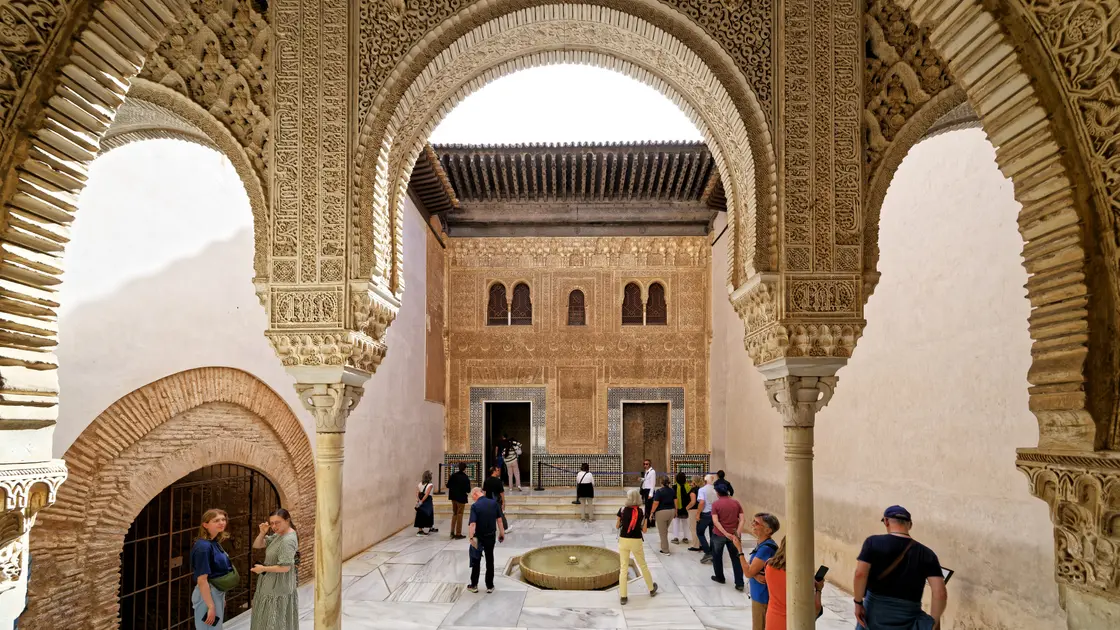
Granada's oldest Arab monument, the Corral del Carbón was built before 1336 as a Nasrid merchant inn, entered through an ornate horseshoe-arch portal.
Monument
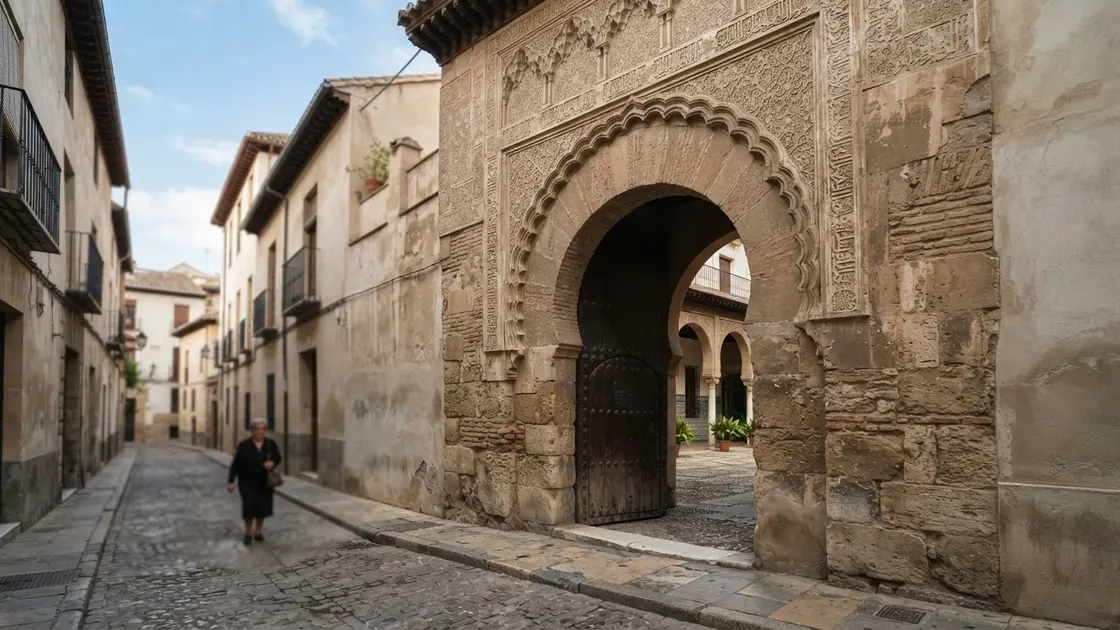
15th-century Nasrid palace in the upper Albaicín, home of Aixa, mother of Granada's last sultan Boabdil. Less visited than the Alhambra, almost as beautiful.
Monument
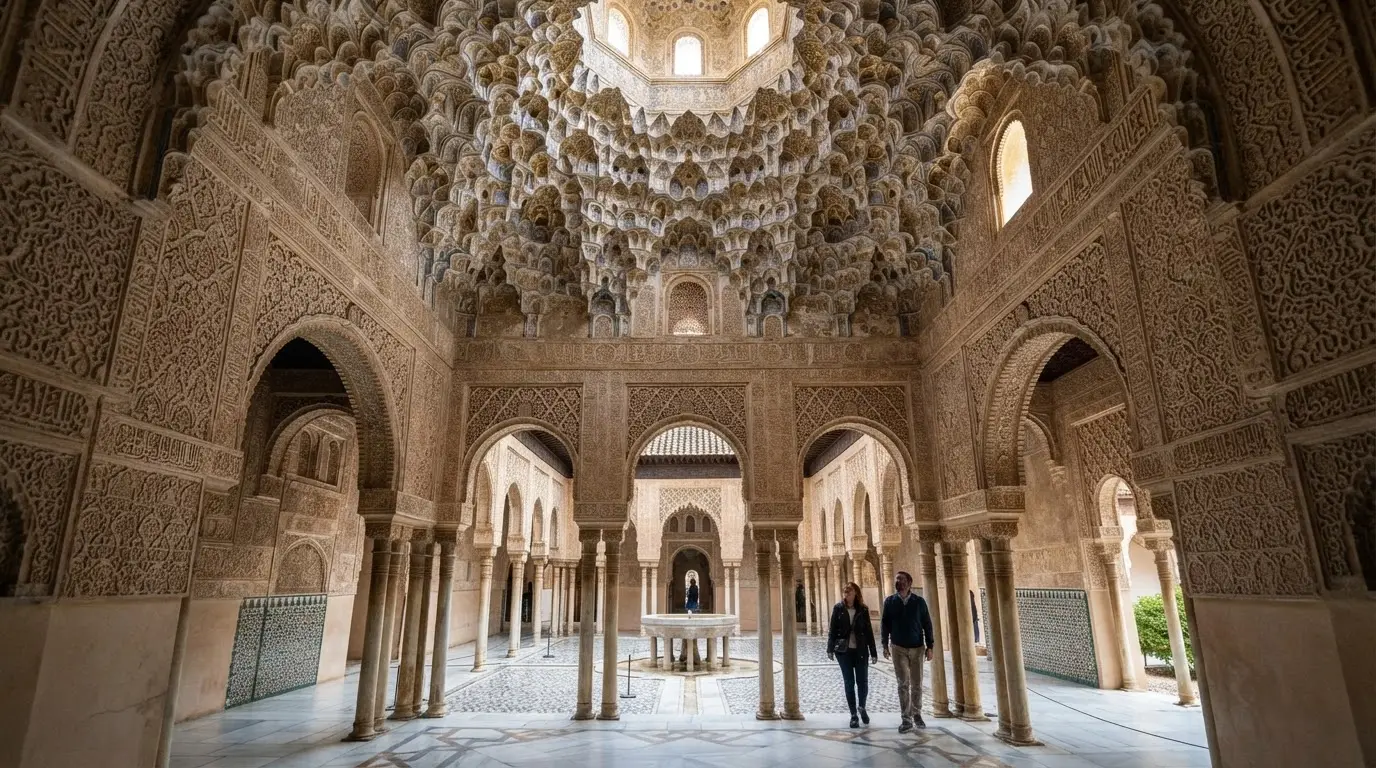
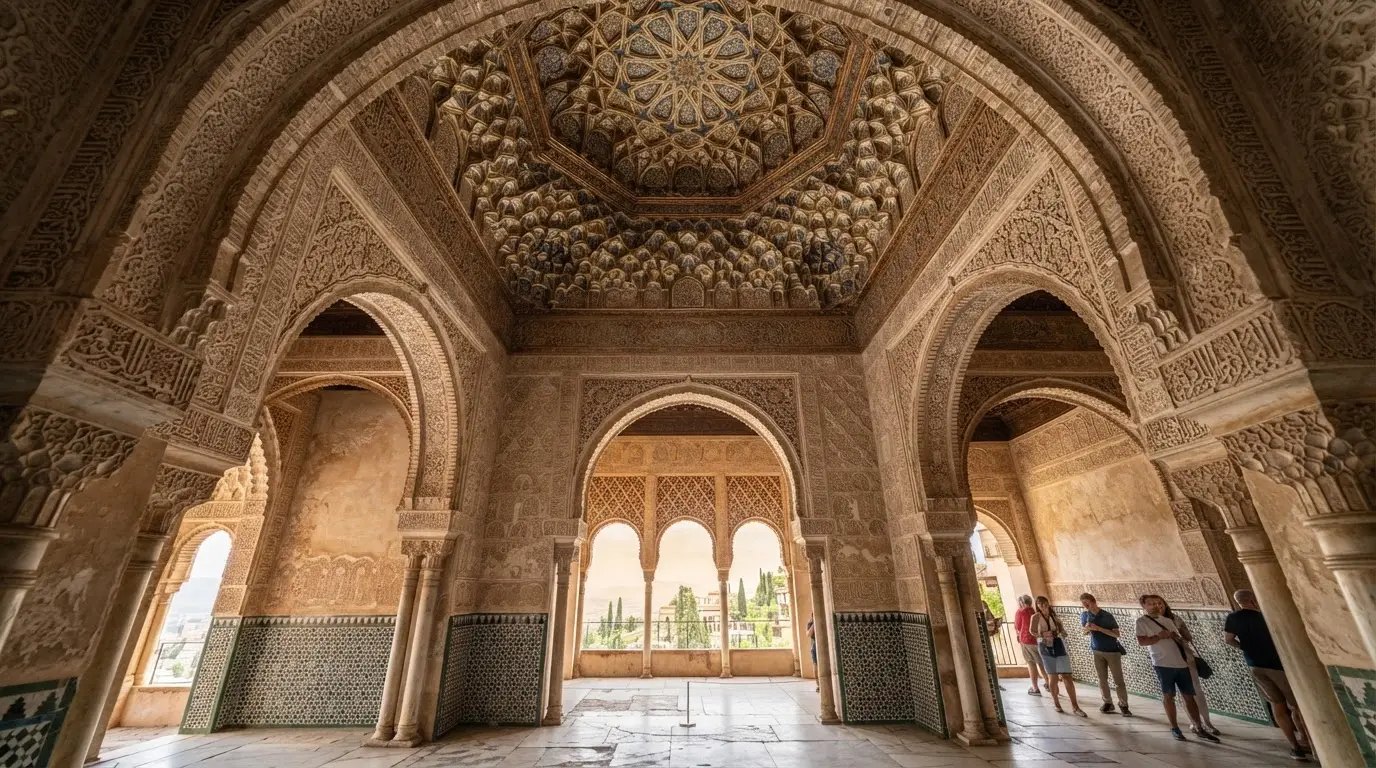
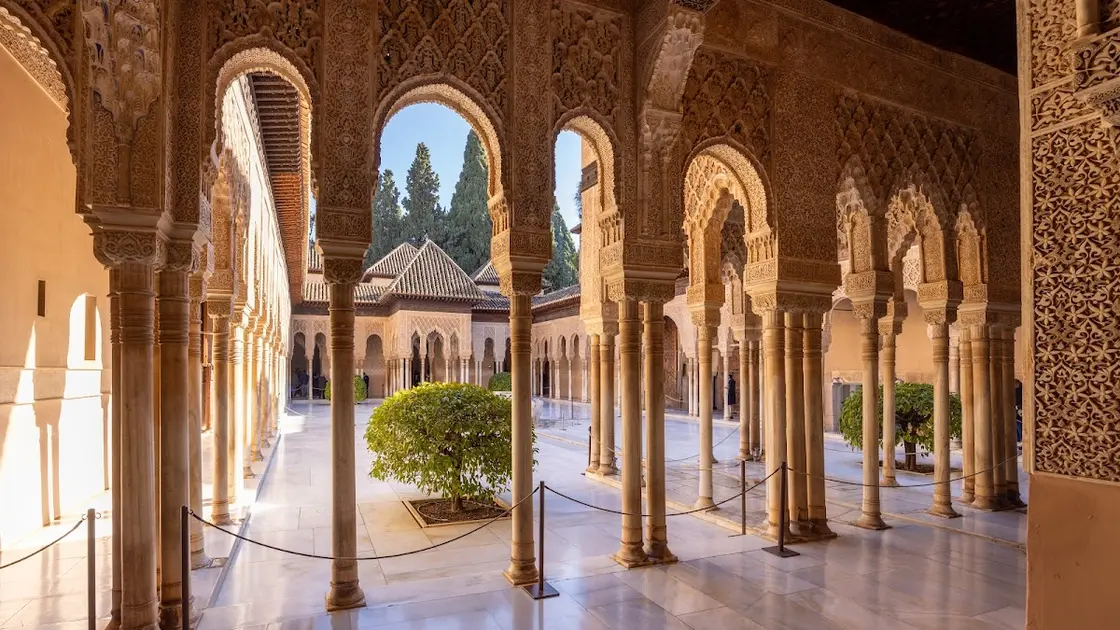
Three royal Nasrid palaces inside the Alhambra, including the Patio de los Leones and Hall of the Ambassadors. Entry is timed: arrive within your booked slot.
Go deeper