- Also known as
- Diego de Siloe
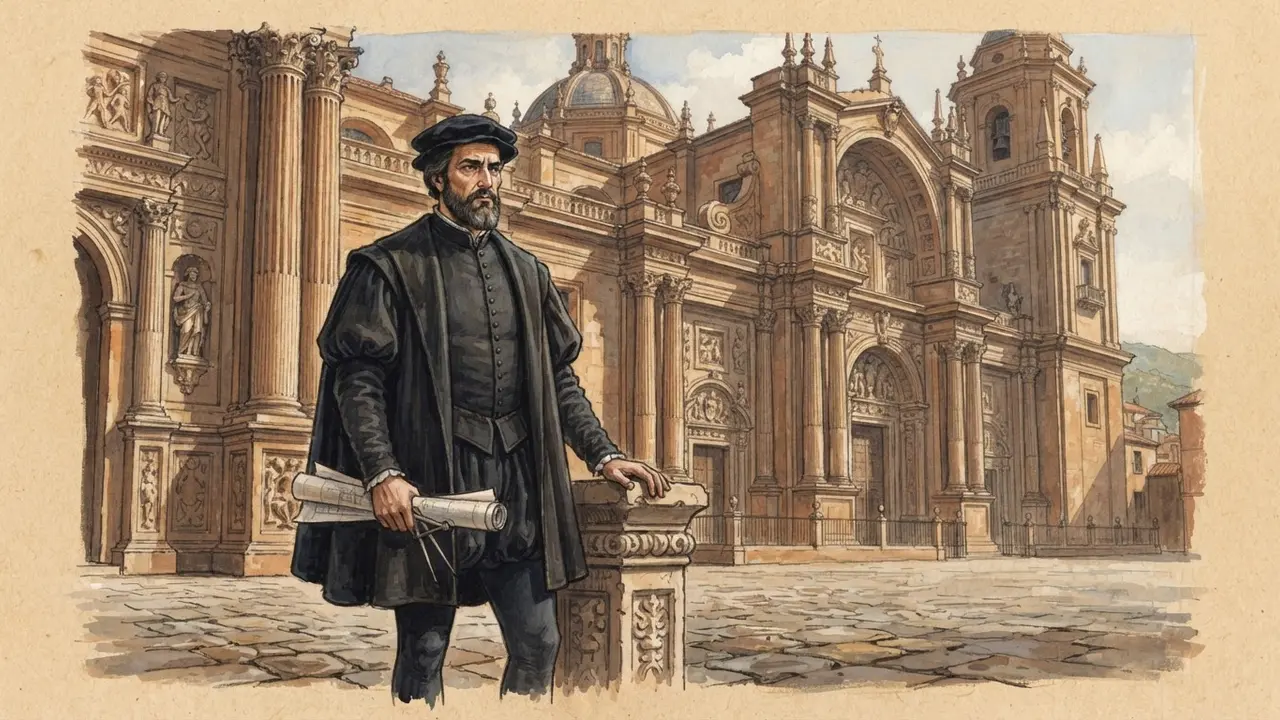
Diego de Siloé (also written Diego Siloe) was a Spanish Renaissance architect and sculptor, born around 1495 in Burgos. He was most likely the son of the Gothic sculptor Gil de Siloé. Back in Burgos in 1519 he drew many designs for altarpieces, and the gilded staircase of Burgos Cathedral, also dated 1519, is his most important work of that period.
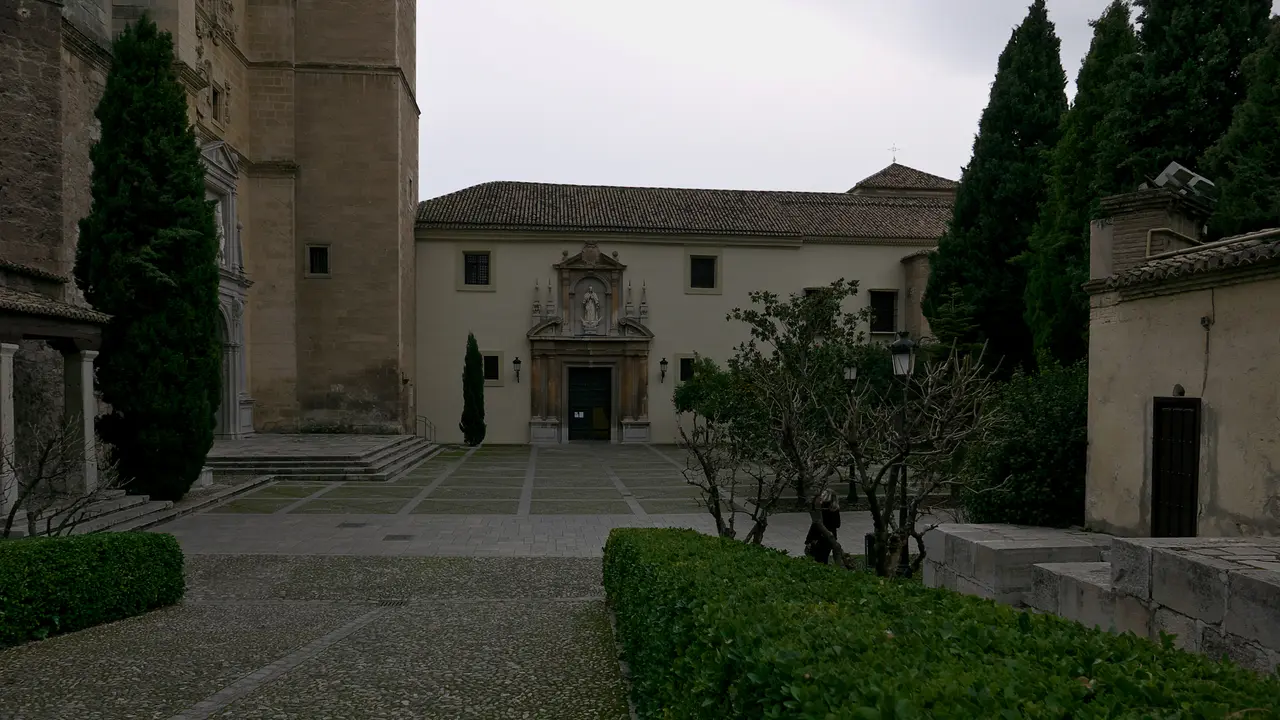
In April 1528 he left for Granada, where he designed the cathedral (1528–43). He was also commissioned to complete the church of the Monastery of Saint Jerome, and he is counted as the progenitor of the Granadan school of sculpture. He died in Granada on 22 October 1563.
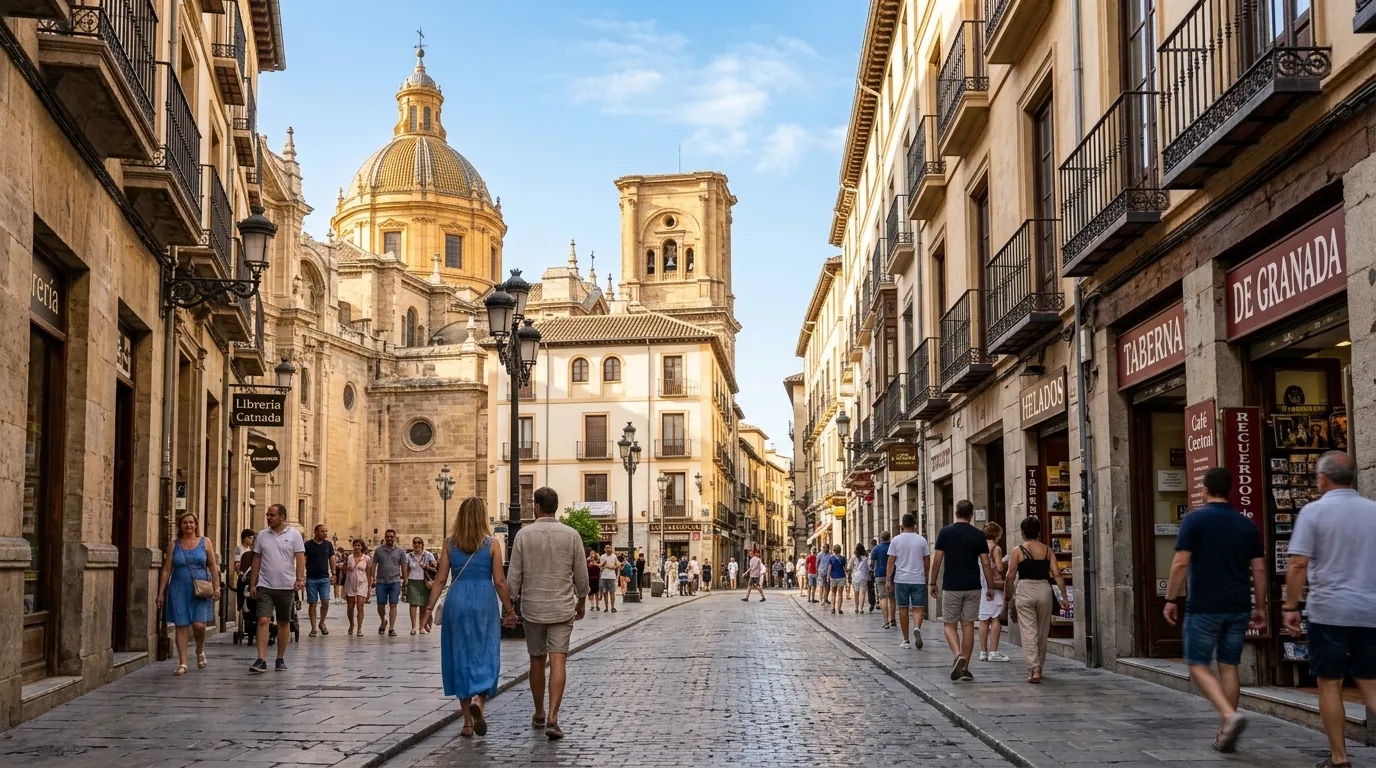
His trace in the city starts at the Cathedral of Granada and the Monasterio de San Jerónimo. The Baroque and Renaissance walk links the period's buildings on foot. For more, read Renaissance architecture at Granada Cathedral and the Granadan school of sculpture.
Places to see
In their time
-
Castilian conquest & the Moriscos
1492–1610
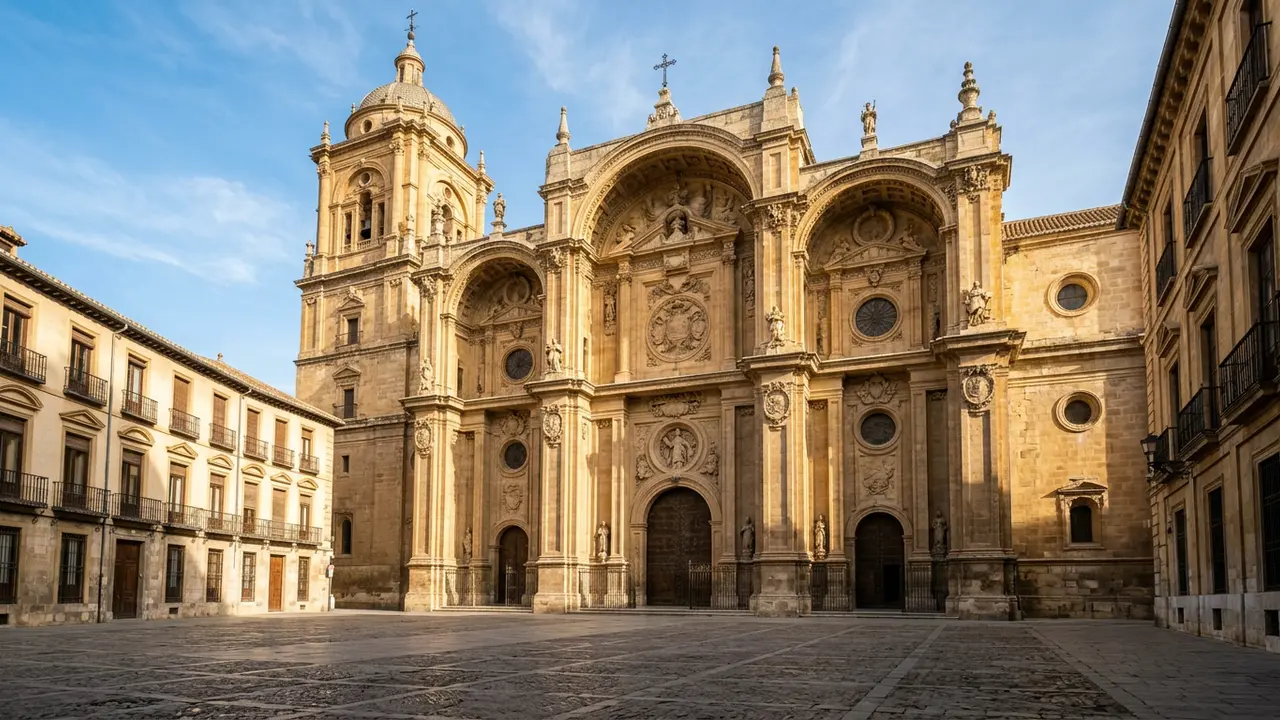
Boabdil handed Granada to Ferdinand and Isabella on 2 January 1492, after a siege whose camp became the town of Santa Fe. Enrique Egas drew a Gothic plan for the cathedral in 1518 and building began in 1523. Diego de Siloé, master builder from 1529, changed it into Spain's first fully Renaissance cathedral, with a circular capilla mayor.
-
Monastery of San Jerónimo
1504 Monument
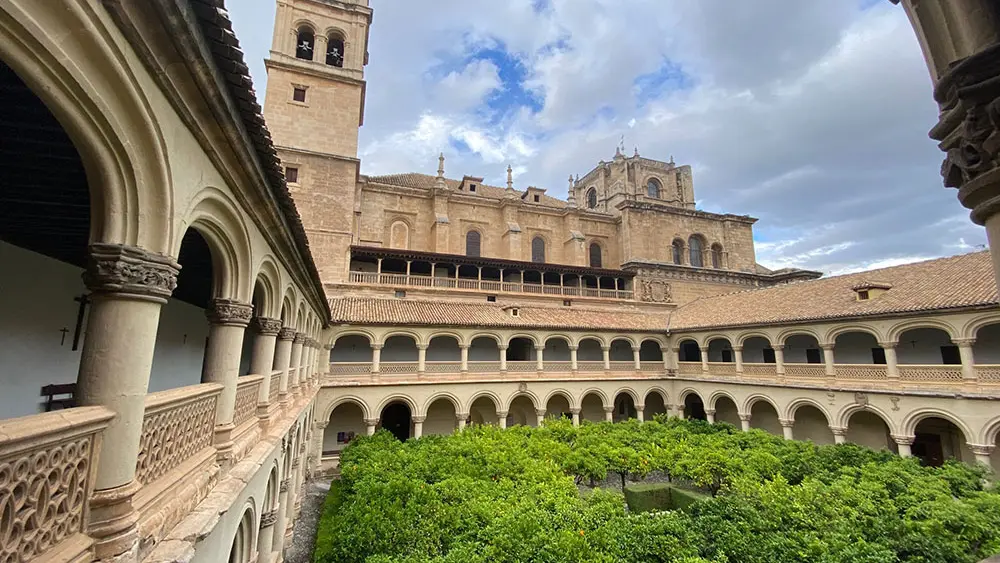
San Jerónimo holds the tomb of the Great Captain in a Renaissance church completed in 1522, with a carved altarpiece and gilded ceilings of exceptional quality.
-
Royal Chapel of Granada
1504 Monument
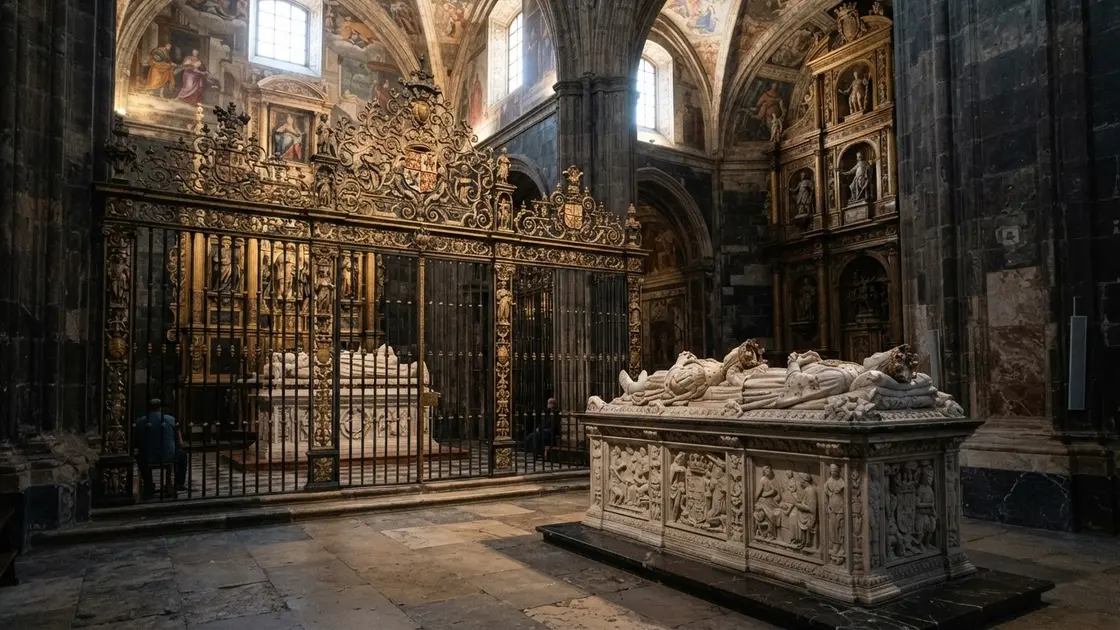
Isabelline Gothic chapel with the tombs of Isabella I and Ferdinand II. The sacristy holds royal regalia and paintings by Memling, Botticelli, and Bouts.
-
Monasterio de la Cartuja
1516 Monument
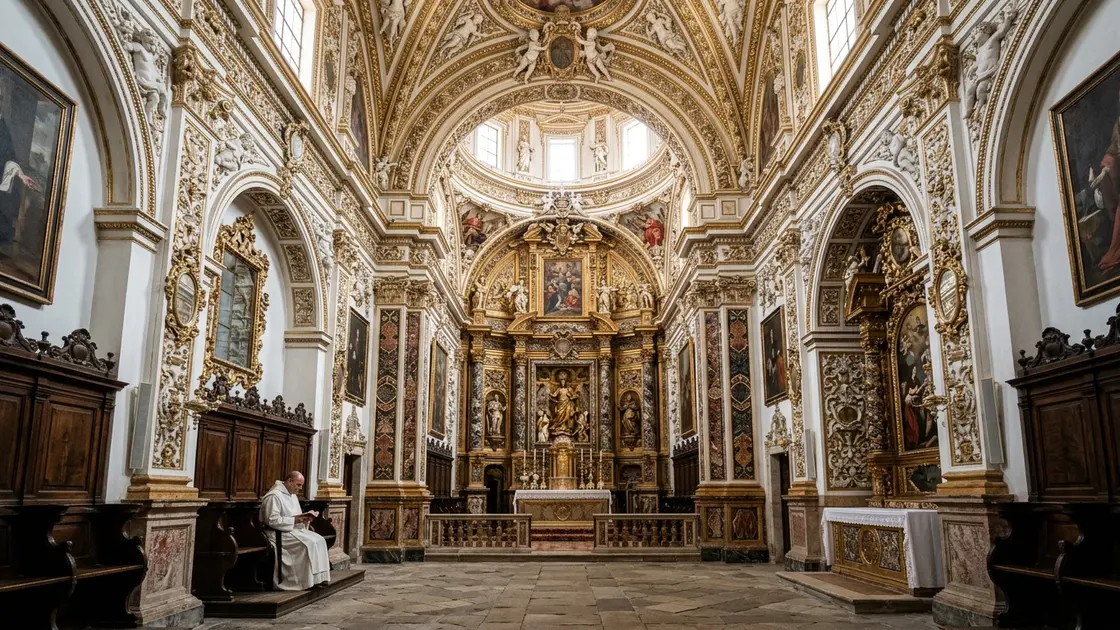
Founded in 1516 by El Gran Capitán, La Cartuja's sacristy is one of Spain's most ornate Baroque spaces — marble inlay, gilded altars, and near-total silence.
-
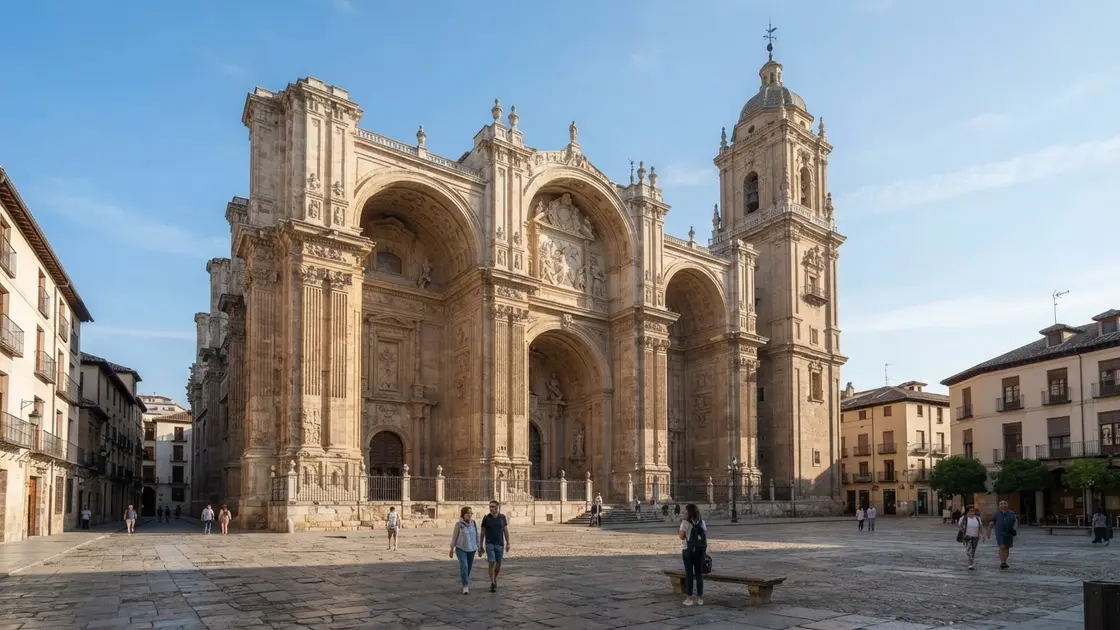
Granada Cathedral
1523 Monument
Granada Cathedral in Spain took 181 years to build from 1523, blending Gothic foundations with a Renaissance interior of five naves and a gilded dome chapel.
-
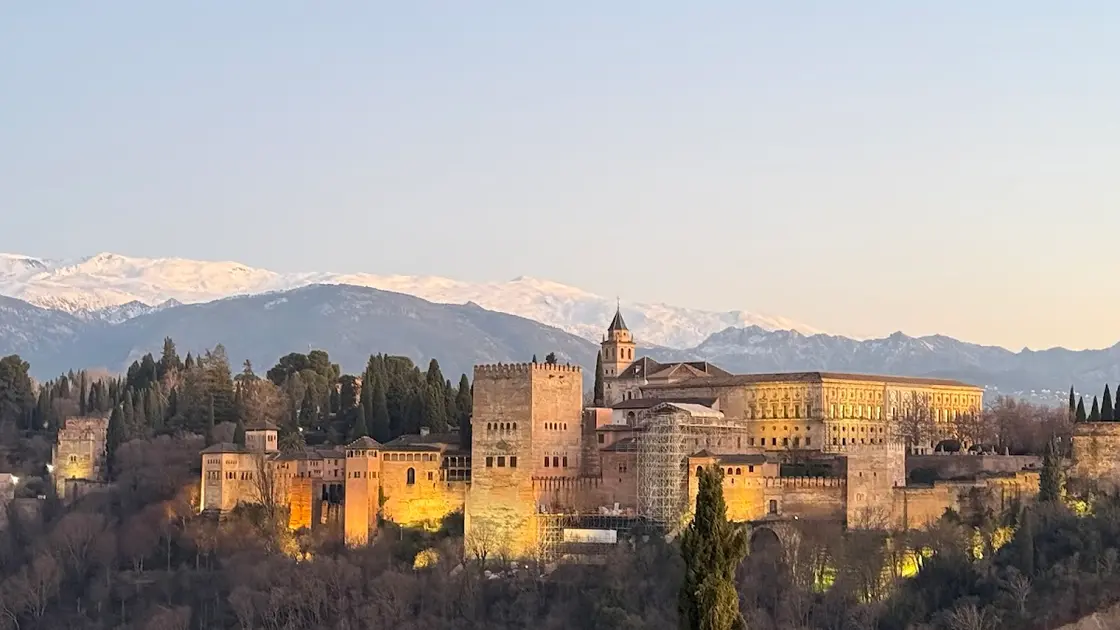
Mirador de San Nicolás
1525 Monument
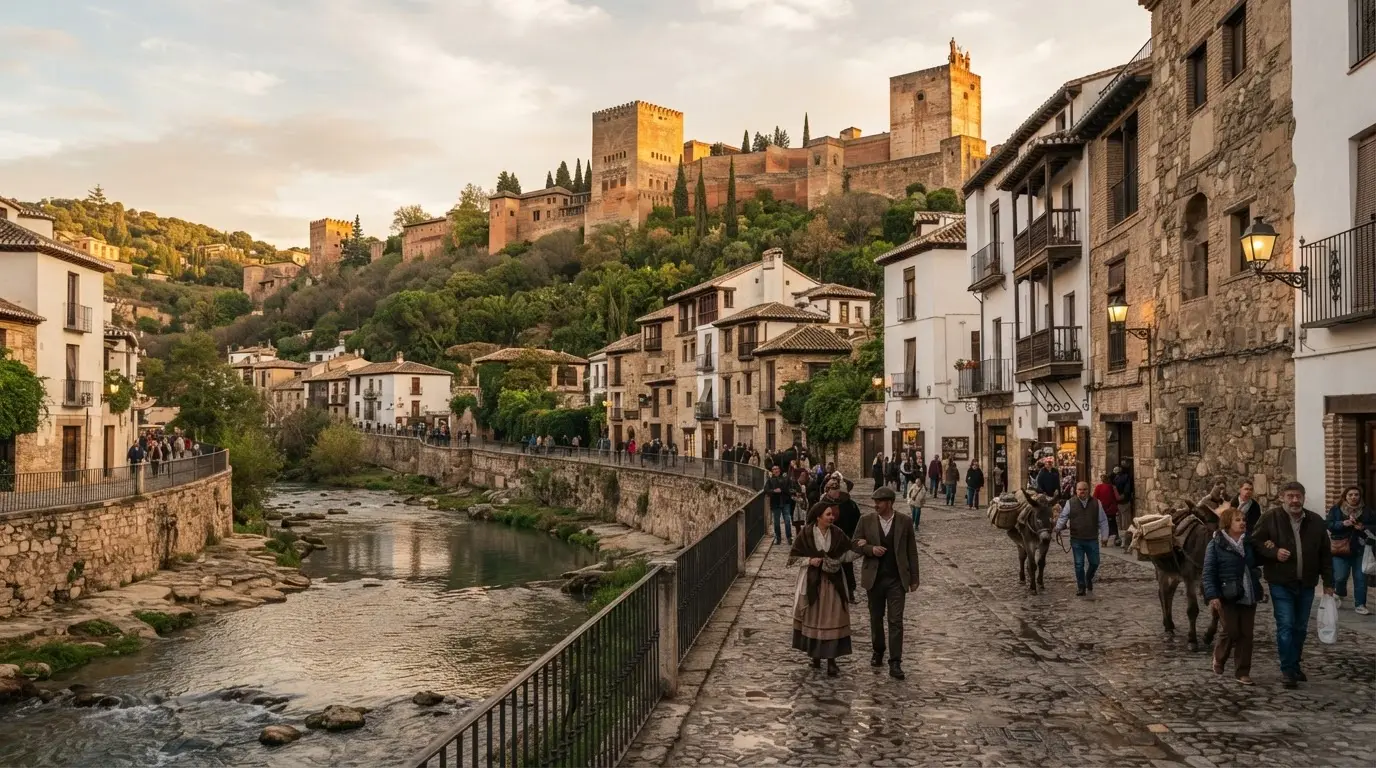
Free 24-hour viewpoint in the Albaicín with unobstructed Alhambra views and the Sierra Nevada as backdrop. Crowds peak at sunset; early morning is far quieter.
-
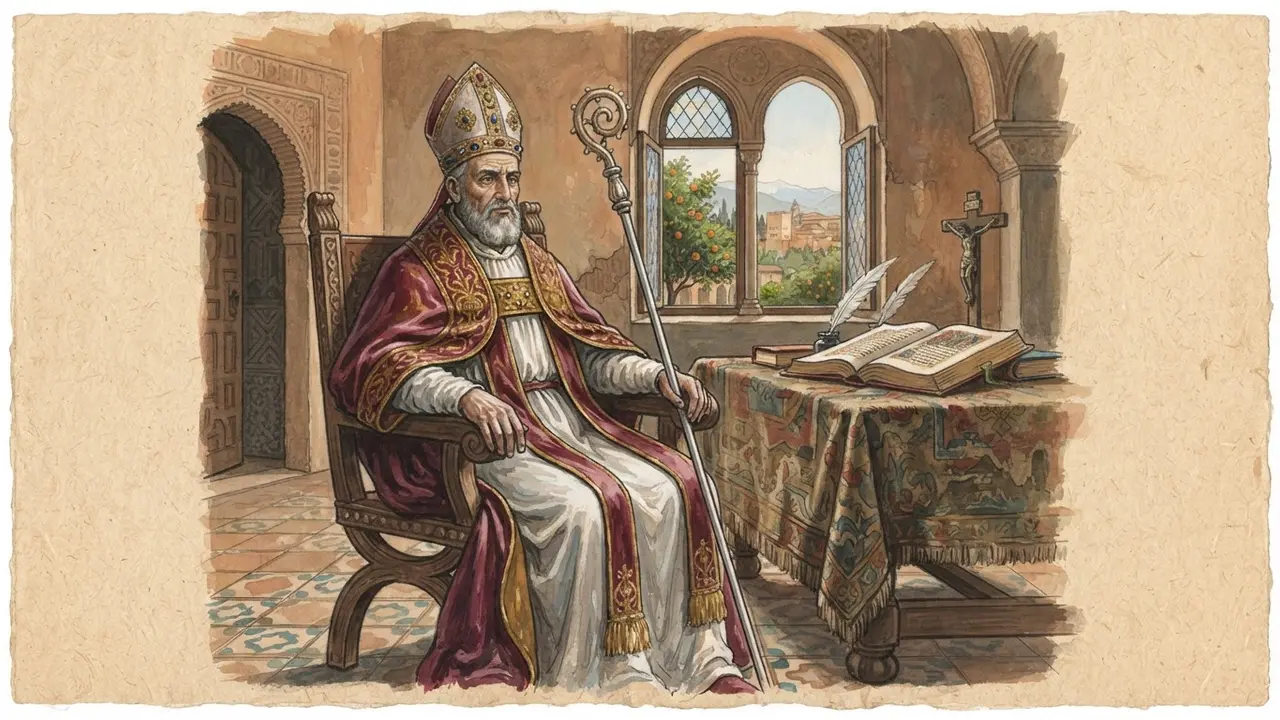
Hernando de Talavera
c. 1430–1507 Historical figure
Hernando de Talavera, Isabella's confessor, became Granada's first archbishop in 1493. He learned Arabic himself and encouraged his clergy to do the same.
-
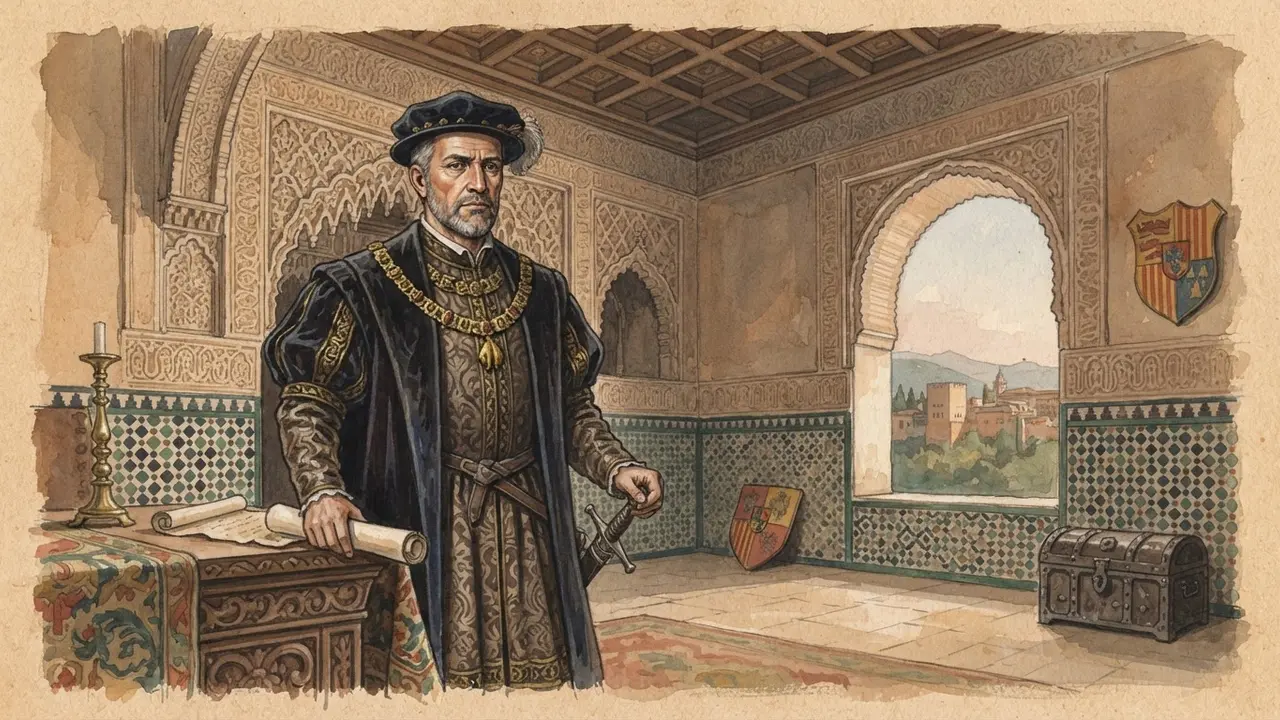
Count of Tendilla
c. 1440–1515 Historical figure
Íñigo López de Mendoza, Count of Tendilla, governed the Alhambra from 1492 and died in 1515. Find his trace on the Alhambra hill and what to read next.
-
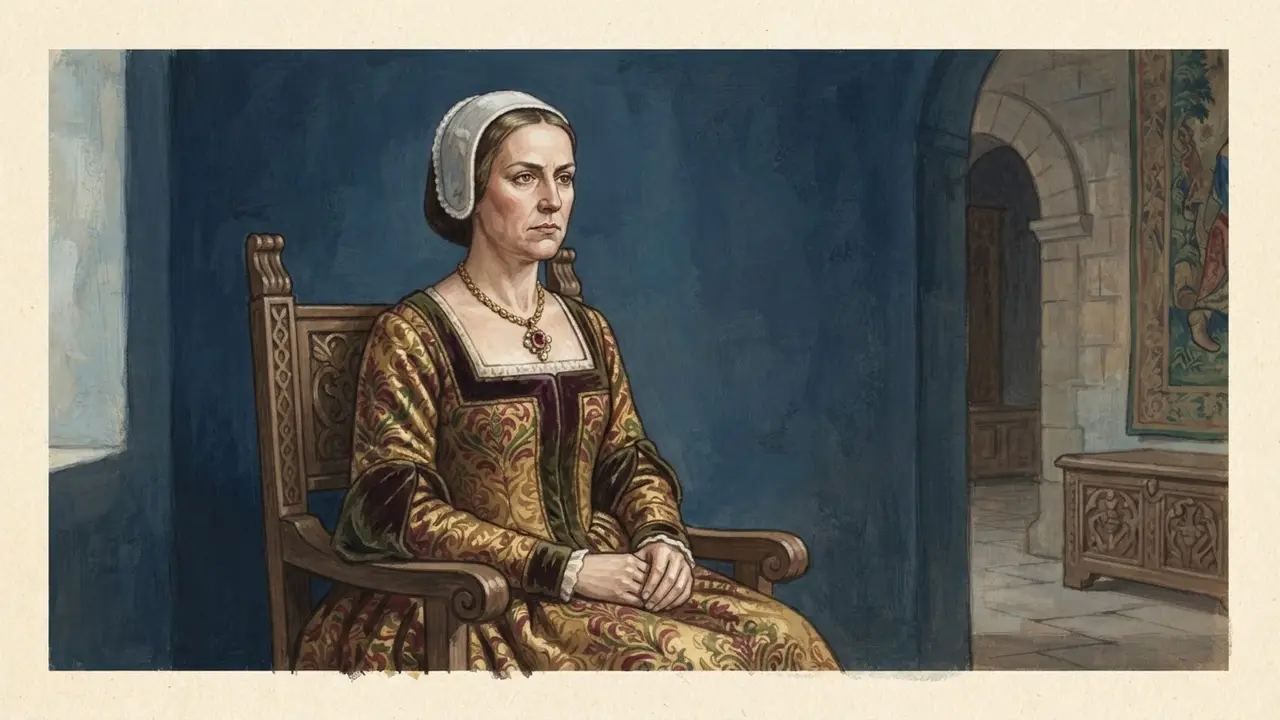
Isabella I
1451–1504 Historical figure
Isabella I of Castile, queen 1474–1504, chose Granada for her tomb in 1504. Her life in brief and where her trace survives in the Royal Chapel and the city.
-
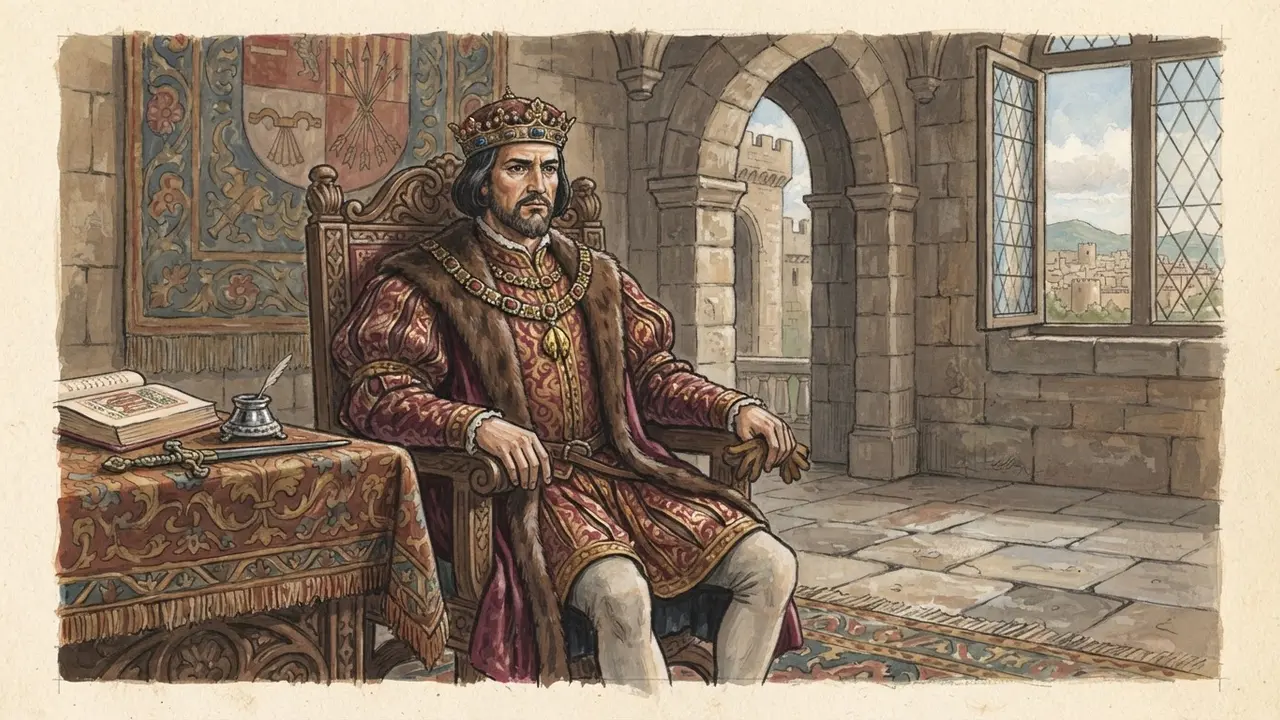
Ferdinand II of Aragon
1452–1516 Historical figure
Ferdinand II of Aragon co-ruled with Queen Isabella through the Granada War, which ended on 2 January 1492, and is buried in the Royal Chapel of Granada.
-
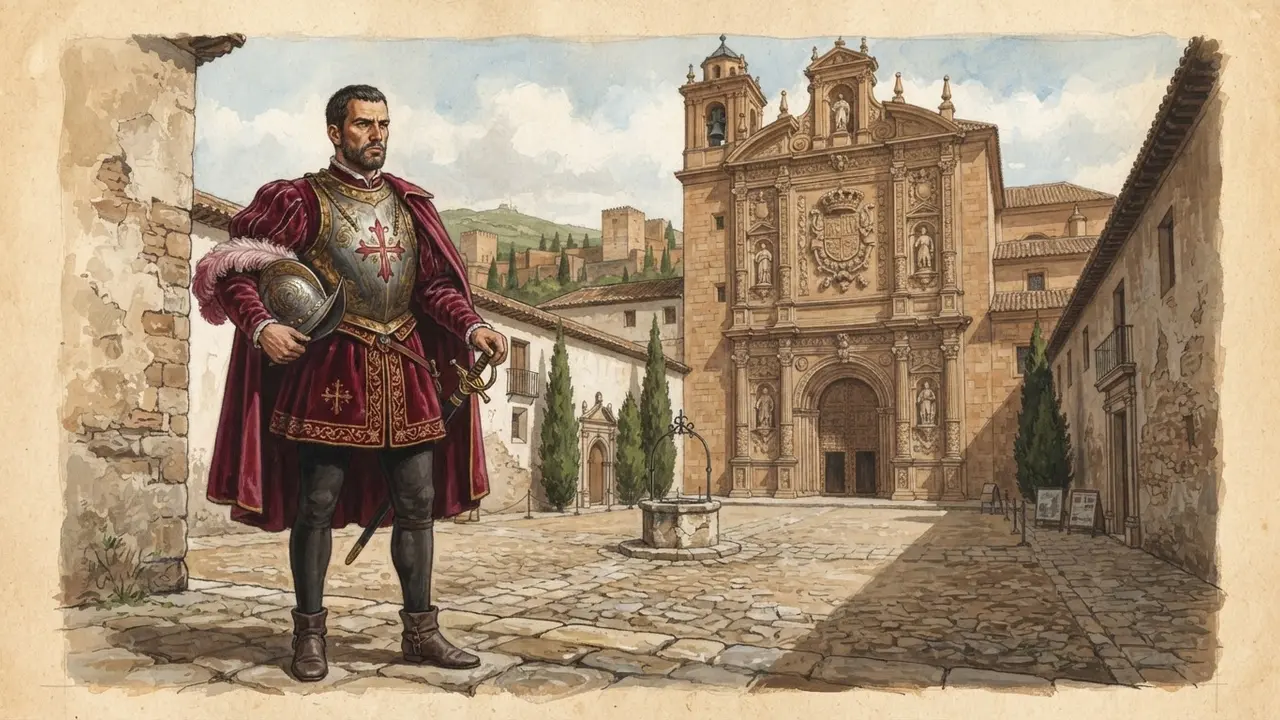
Gonzalo Fernández de Córdoba
1453–1515 Historical figure
Gonzalo Fernández de Córdoba, the Gran Capitán, helped arrange Granada's surrender in 1492 and died near the city in 1515. Where his trace remains in Granada.
Go deeper
-