- Also known as
- Muhammad ibn Nasr, Ibn al-Ahmar, Muhammad I ibn al-Ahmar
Jump to a section
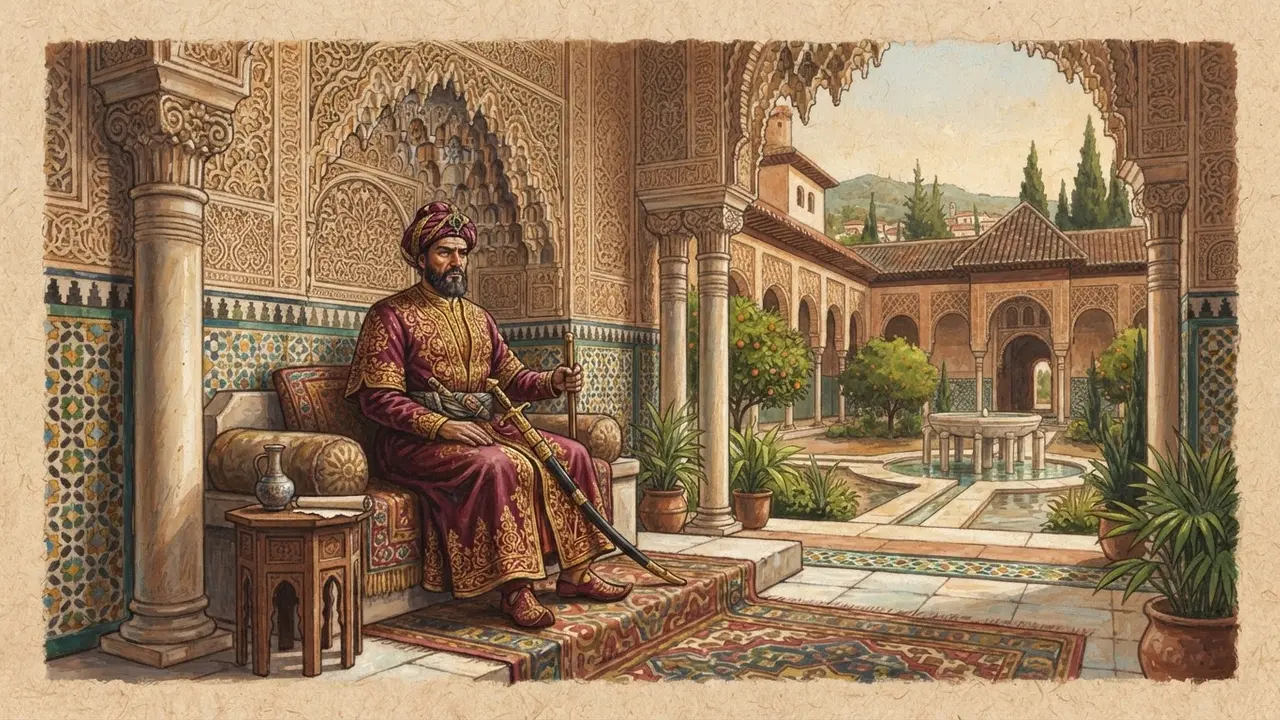
Muhammad I of Granada, usually called Ibn al-Ahmar, was the first ruler of the Emirate of Granada and the founder of its Nasrid dynasty. He was born around 1195 in Arjona, a farmer and frontier fighter raised to power by his neighbours. On 16 July 1232 a mosque assembly in Arjona declared the town's independence. He was emir of Arjona, then of Jaén, and finally sultan of Granada.
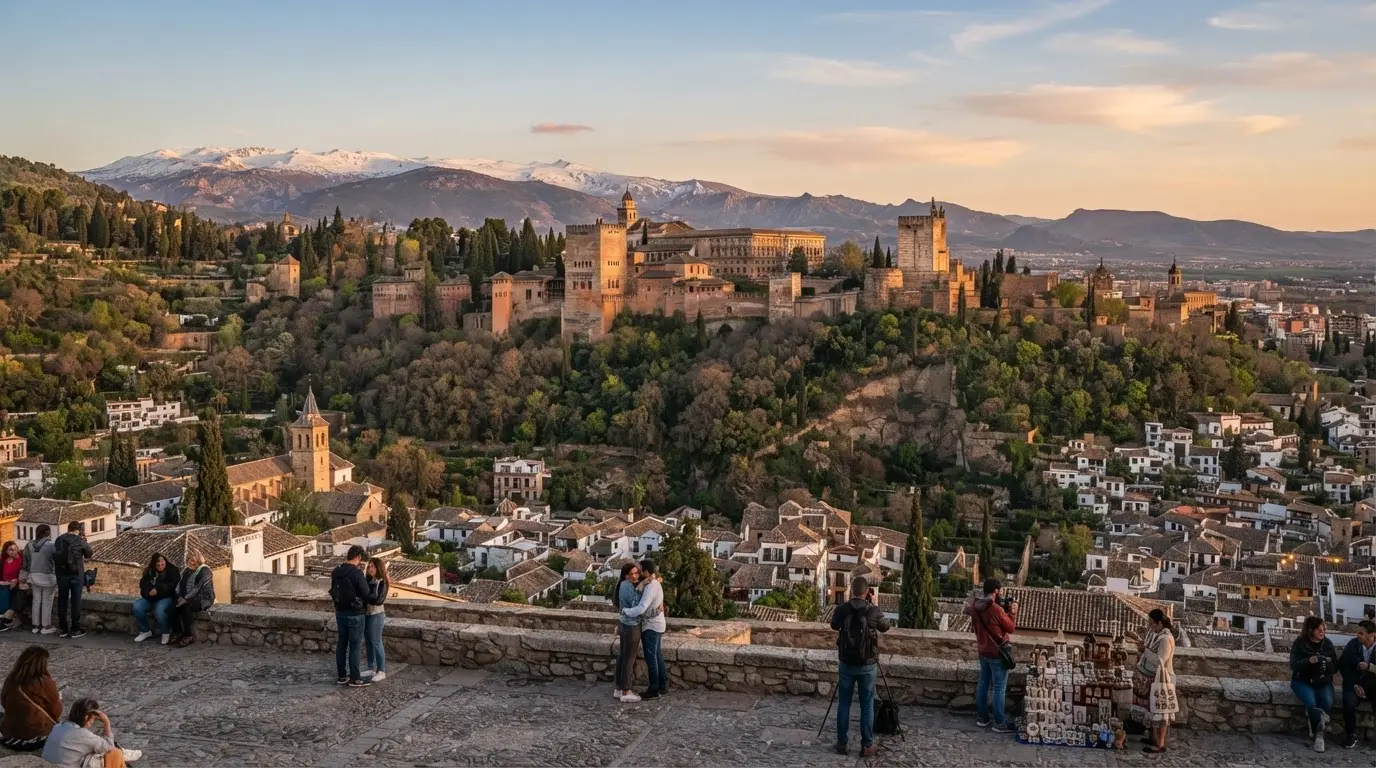
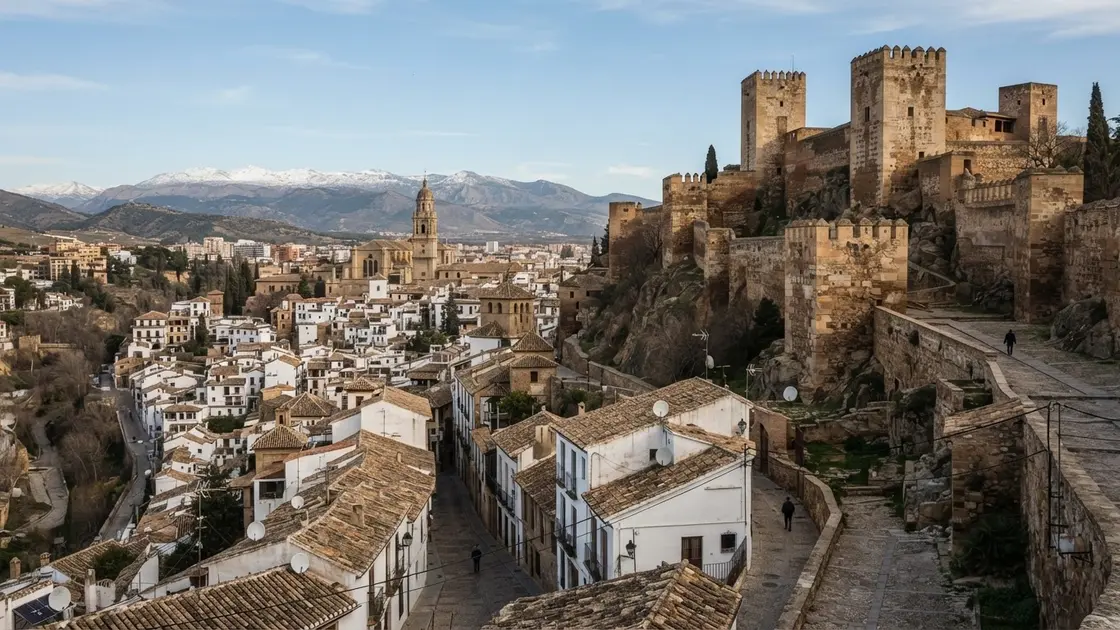
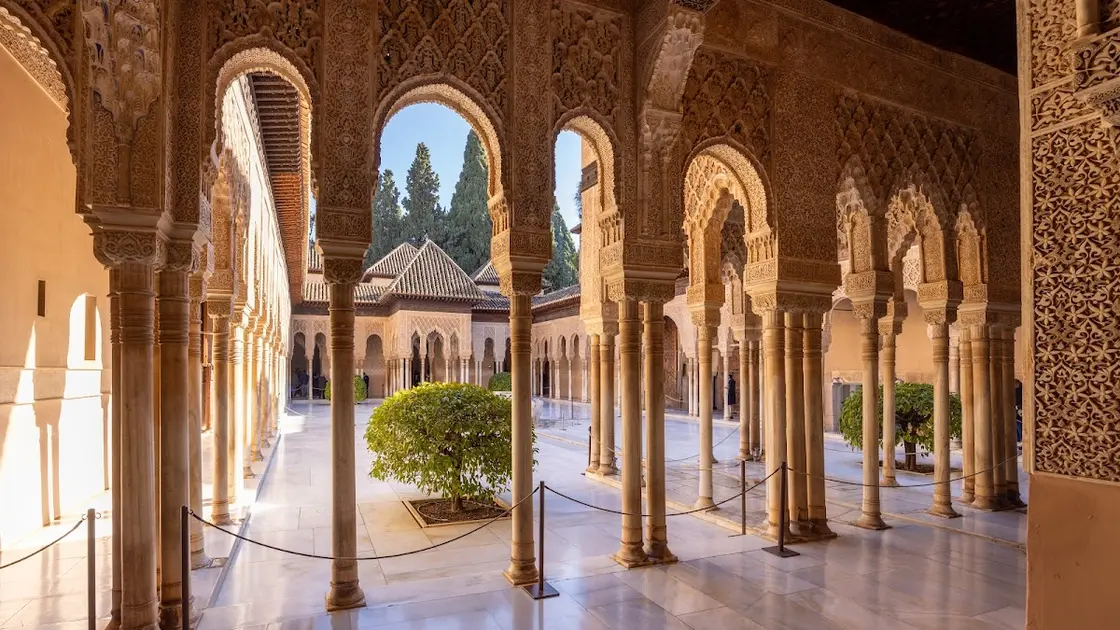
He entered Granada in 1238. He then inspected the al-Hamra area, where a small fortress stood, and laid the foundations there for his residence and fortress. That is the Alhambra, his main architectural legacy.
His politics were those of a ruler dealing with Castile. In March 1246, seven months into the siege of Jaén, he made an agreement with Ferdinand III, and in 1248 he helped the Christian kingdom take Seville. After the Mudejar revolt of 1264 to 1266, the treaty of Alcalá de Benzaide required an annual tribute of 250,000 maravedís to Castile.
He died after falling from a horse in January 1273 and was buried in a cemetery on the Sabika hill, east of the Alhambra. His son Muhammad II succeeded him.
For related reading, see the Nasrid dynasty, the Alhambra's royal tombs and how the Nasrids paid tribute to Castile.
Places to see
In their time
-
Nasrid Granada
1238–1492
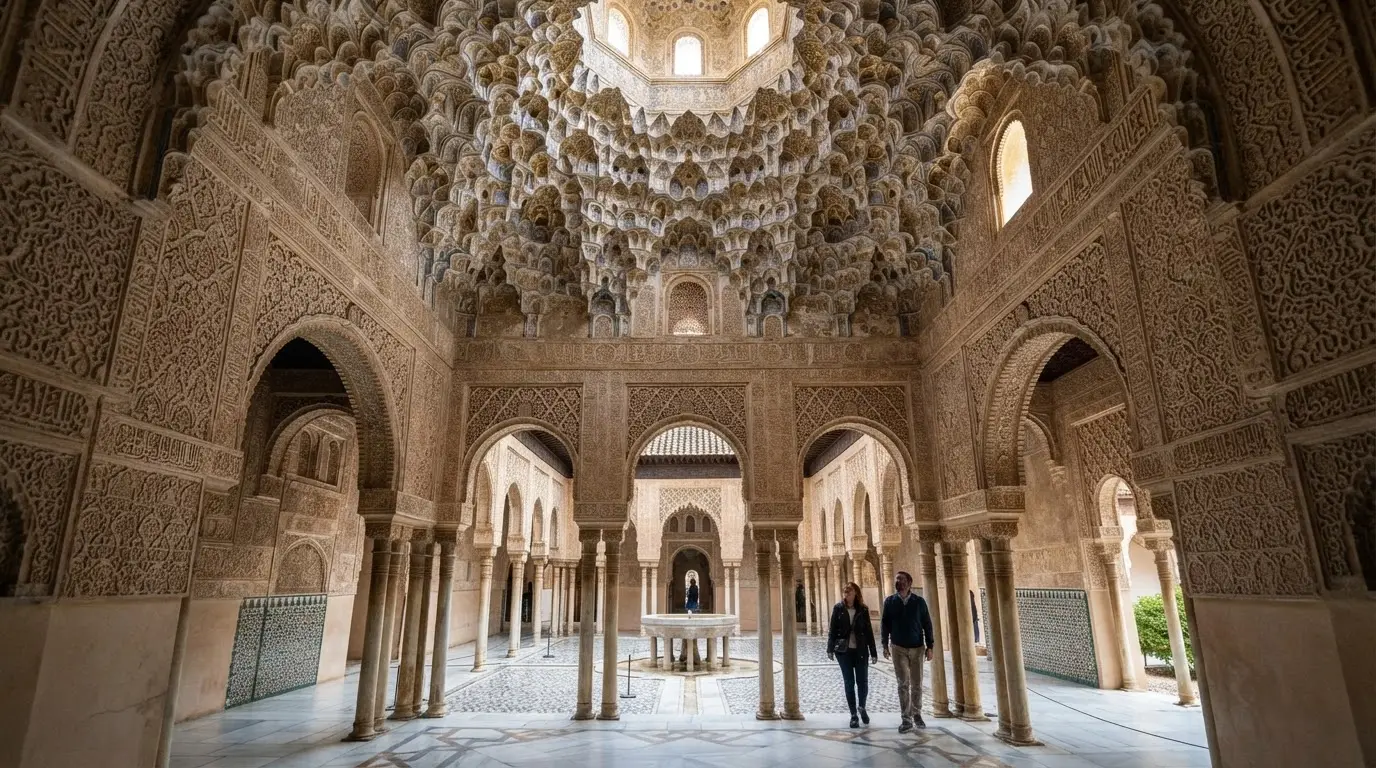
Muhammad I founded the emirate in 1232, became Fernando III's vassal and began the Alcazaba on the Alhambra hill. Yusuf I added the Comares Tower and the Hall of Ambassadors, and Muhammad V finished the Court of the Lions around 1380. In all, 23 sultans ruled for 260 years before the city surrendered in 1492.
-
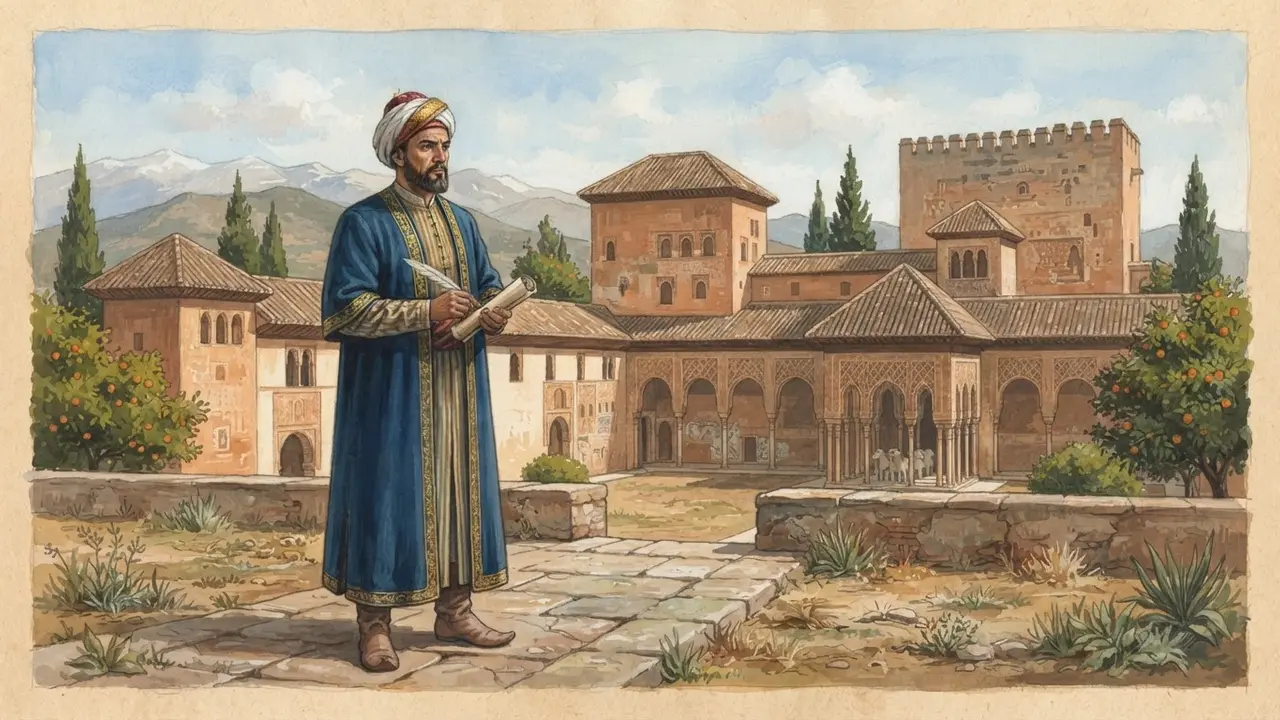
Ibn al-Khatib
1313–1374 Historical figure
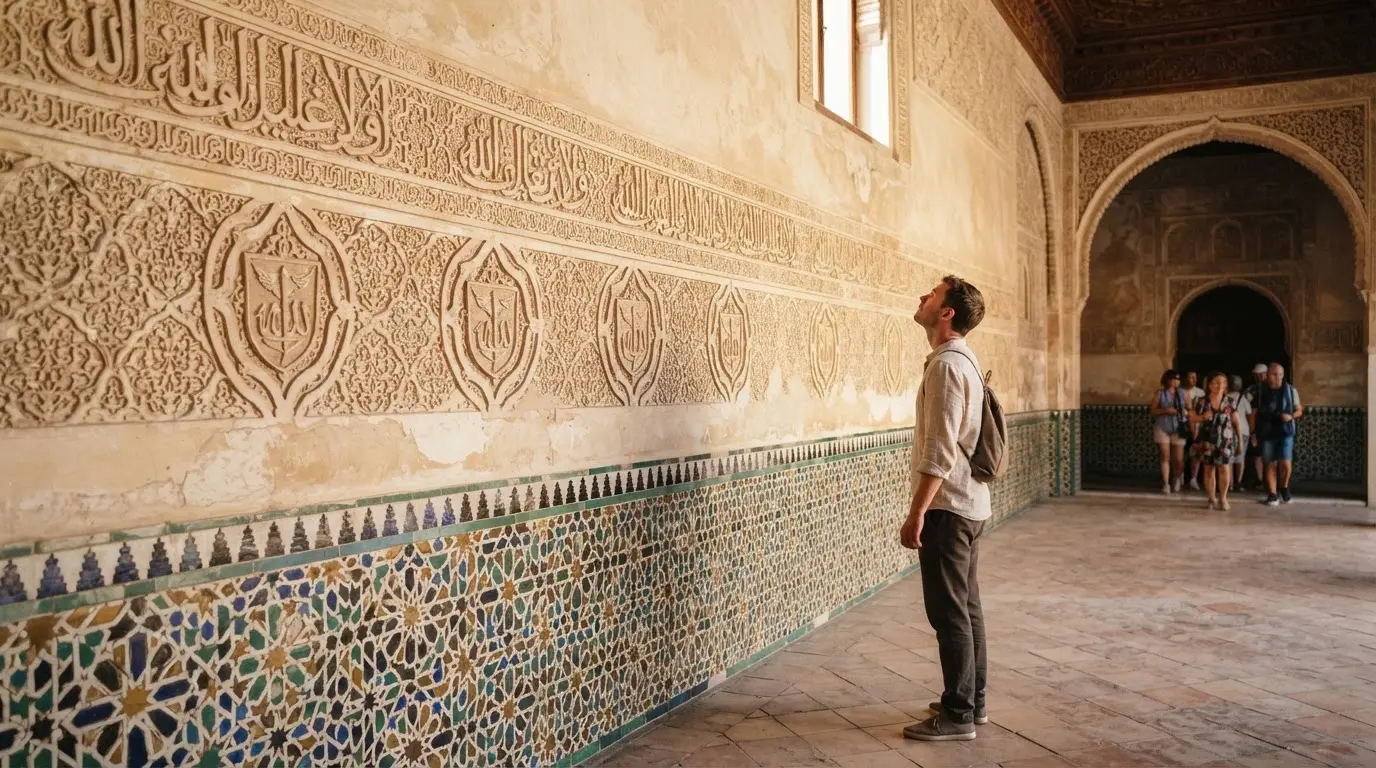
Ibn al-Khatib, born in Loja in 1313, was vizier to Nasrid kings Yusuf I and Muhammad V, and a poet and physician whose verse decorates the Alhambra walls.
-
Yusuf I
1318–1354 Historical figure
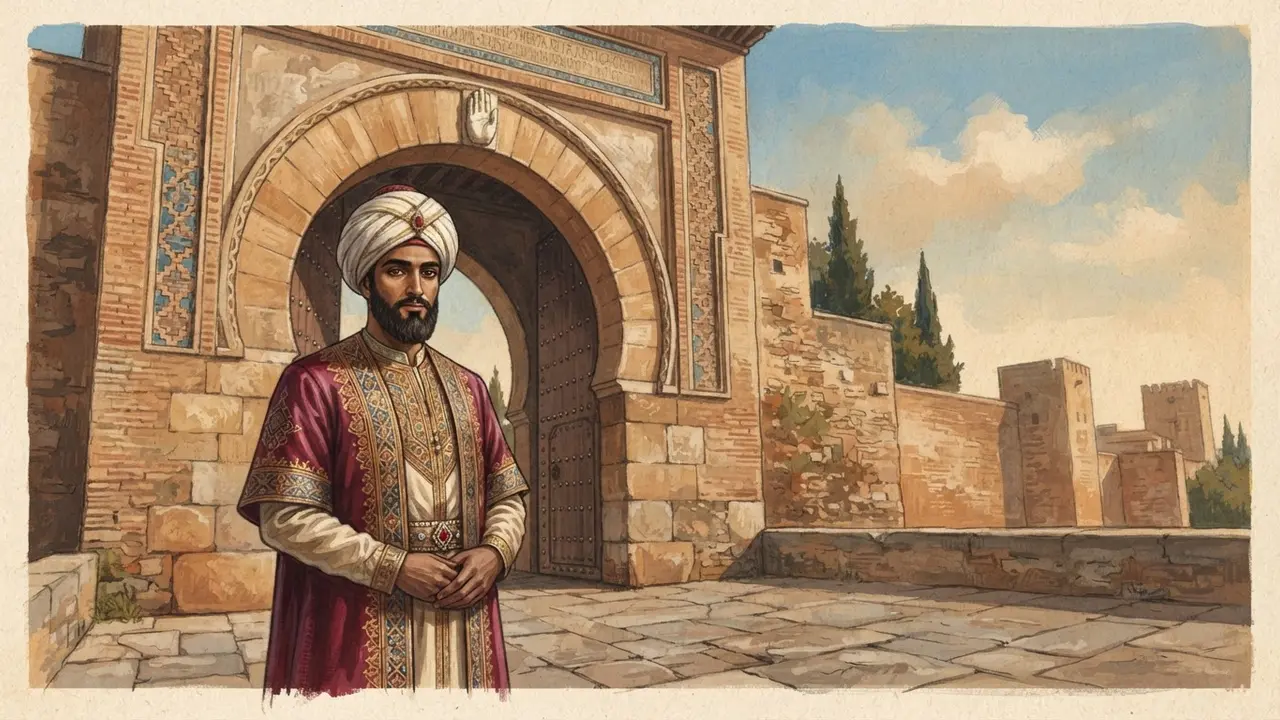
Yusuf I of Granada ruled the Nasrid sultanate from 1333 to 1354 and left the Alhambra's Puerta de la Justicia and the Madraza. His life and where to find him.
-
Ibn Khaldun
1332–1406 Historical figure
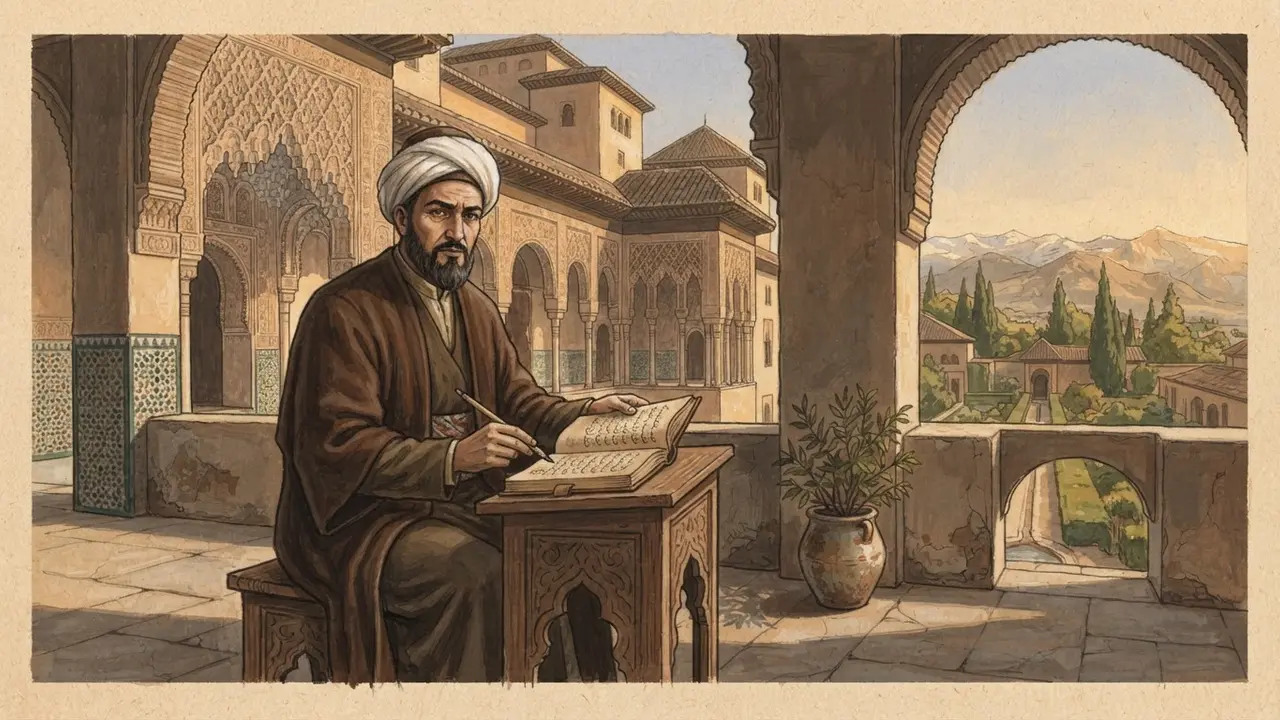
Ibn Khaldun, the Tunis-born historian, served the Nasrid court of Granada under Muhammad V. His life, the Alhambra that housed it, and where to read more.
-
Ibn Zamrak
c. 1333–1393 Historical figure
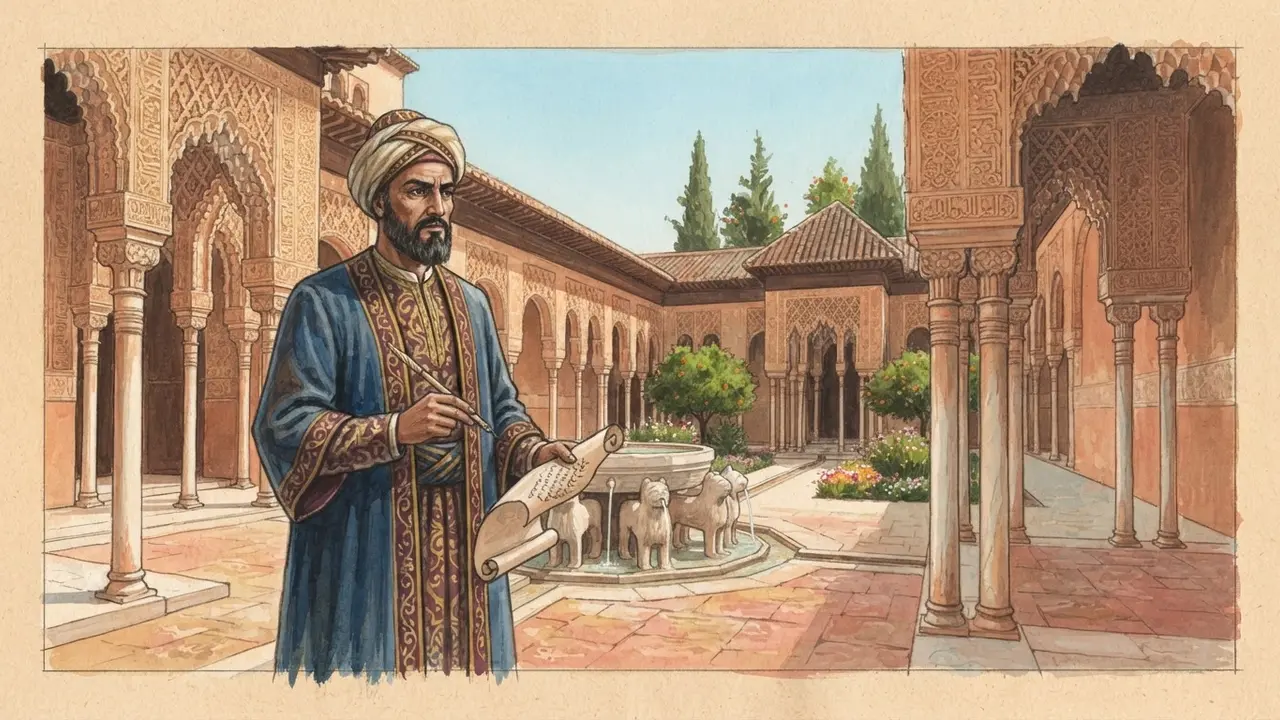
Ibn Zamrak was a Nasrid vizier and poet from Granada. See where his verses survive in the Alhambra, from the Court of the Lions to the Lindaraja fountain.
-
Muhammad V
1339–1391 Historical figure
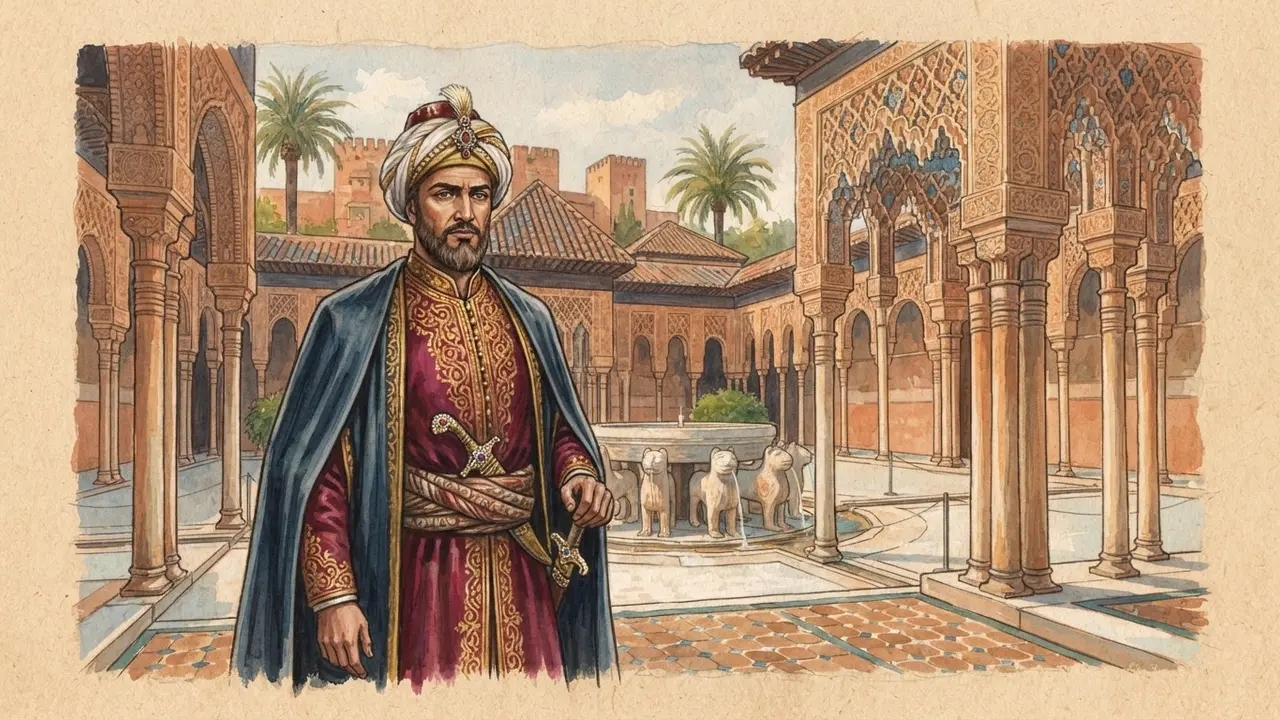
Muhammad V of Granada ruled the Nasrid sultanate twice, in 1354–1359 and 1362–1391, and inspired the Palace of the Lions. Where his work survives today.
Undated
-
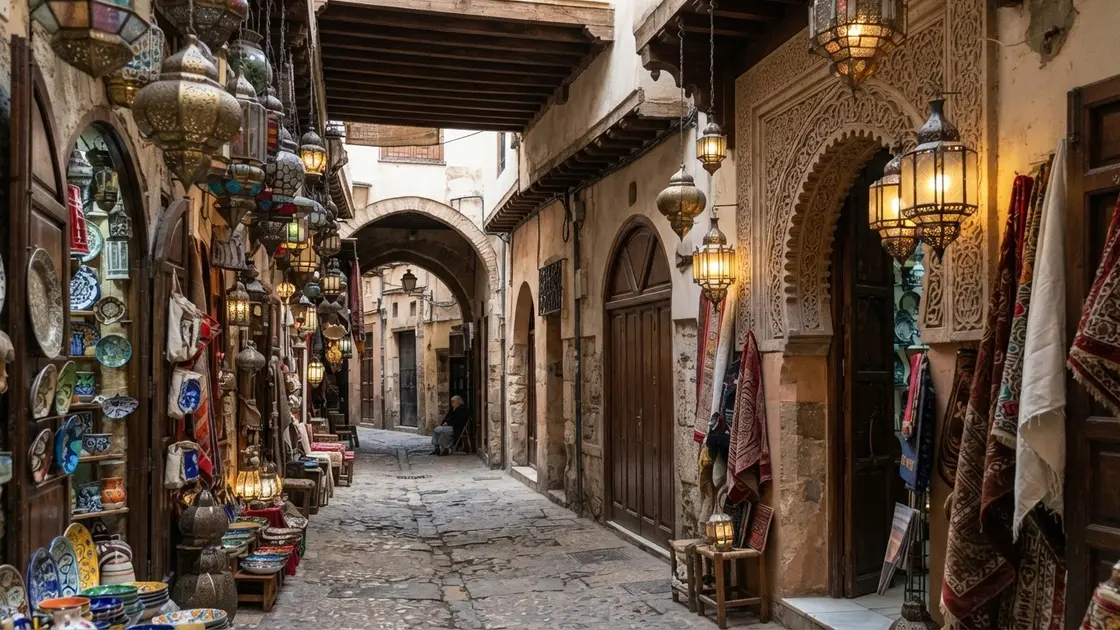
Alcaicería
Monument
Granada's historic silk market, rebuilt after 1843 in Neo-Moorish style. Small shops sell ceramics, taracea woodwork, spices, and leather goods. Free to enter.
-
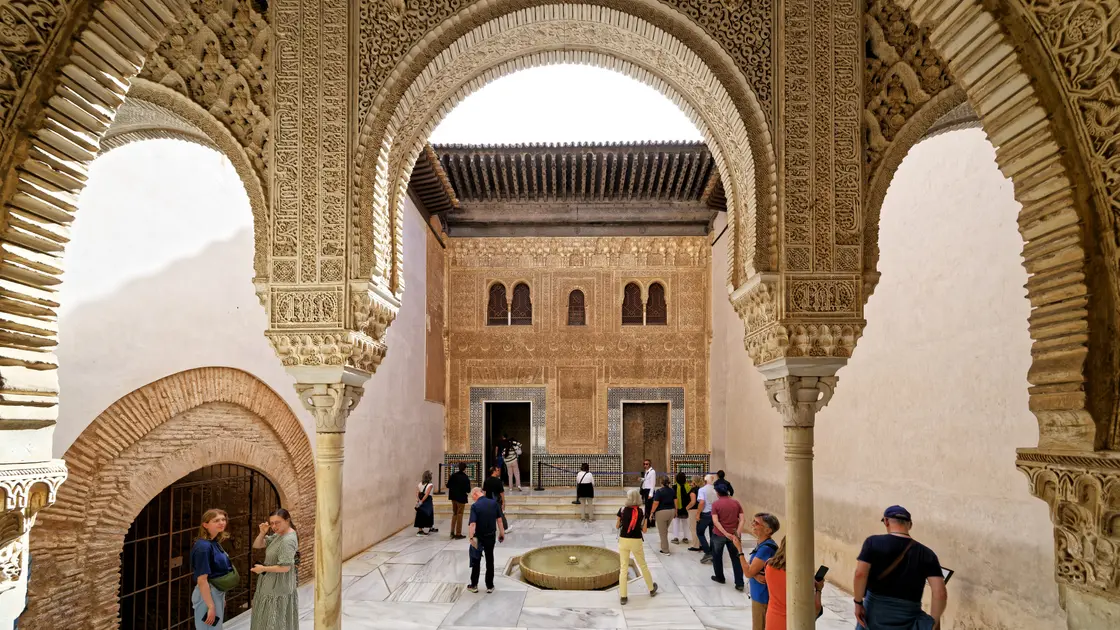
Alhambra
Monument
The Alhambra is Granada's UNESCO fortress-palace: Nasrid Palaces, Alcazaba and Generalife gardens. Tickets sell out weeks ahead; book via the Patronato site.
-
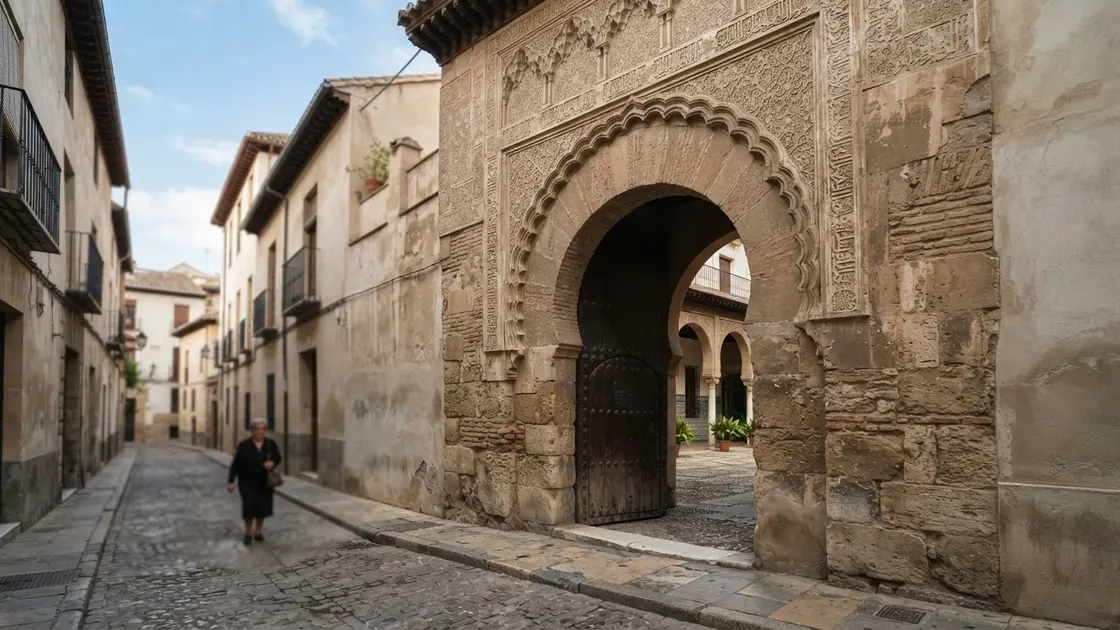
Corral del Carbón
Monument
Granada's oldest Arab monument, the Corral del Carbón was built before 1336 as a Nasrid merchant inn, entered through an ornate horseshoe-arch portal.
-
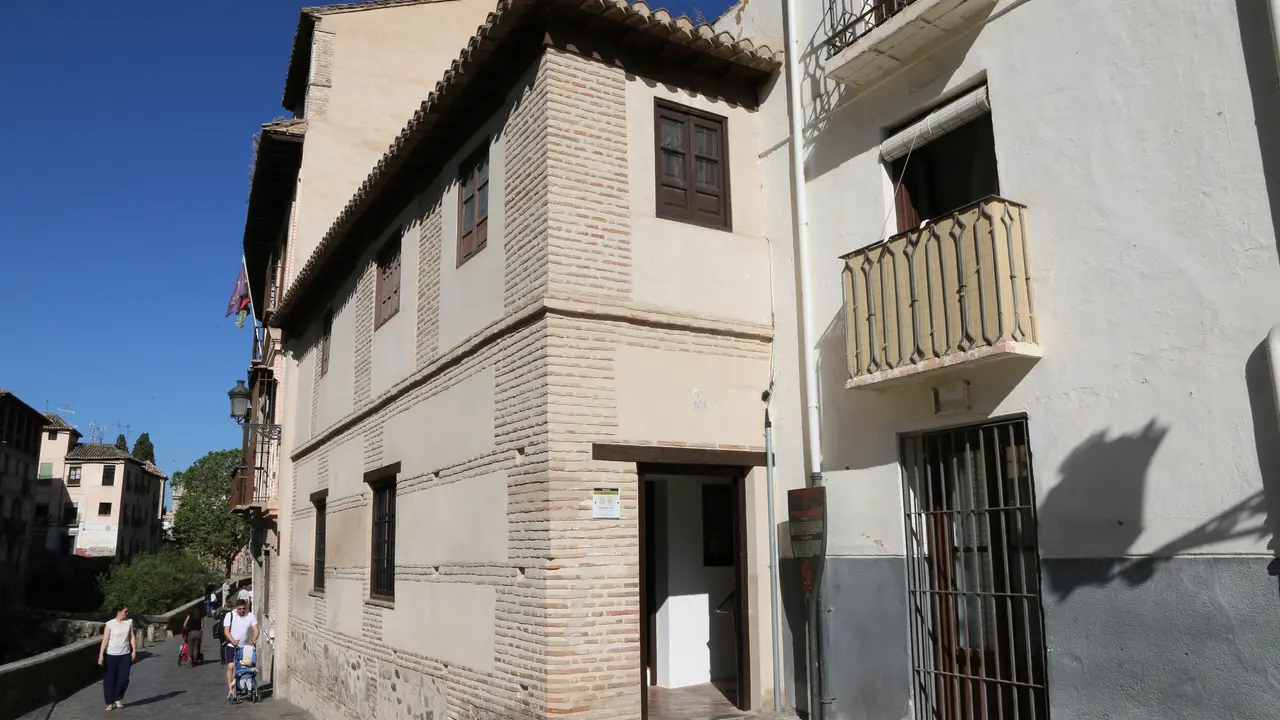
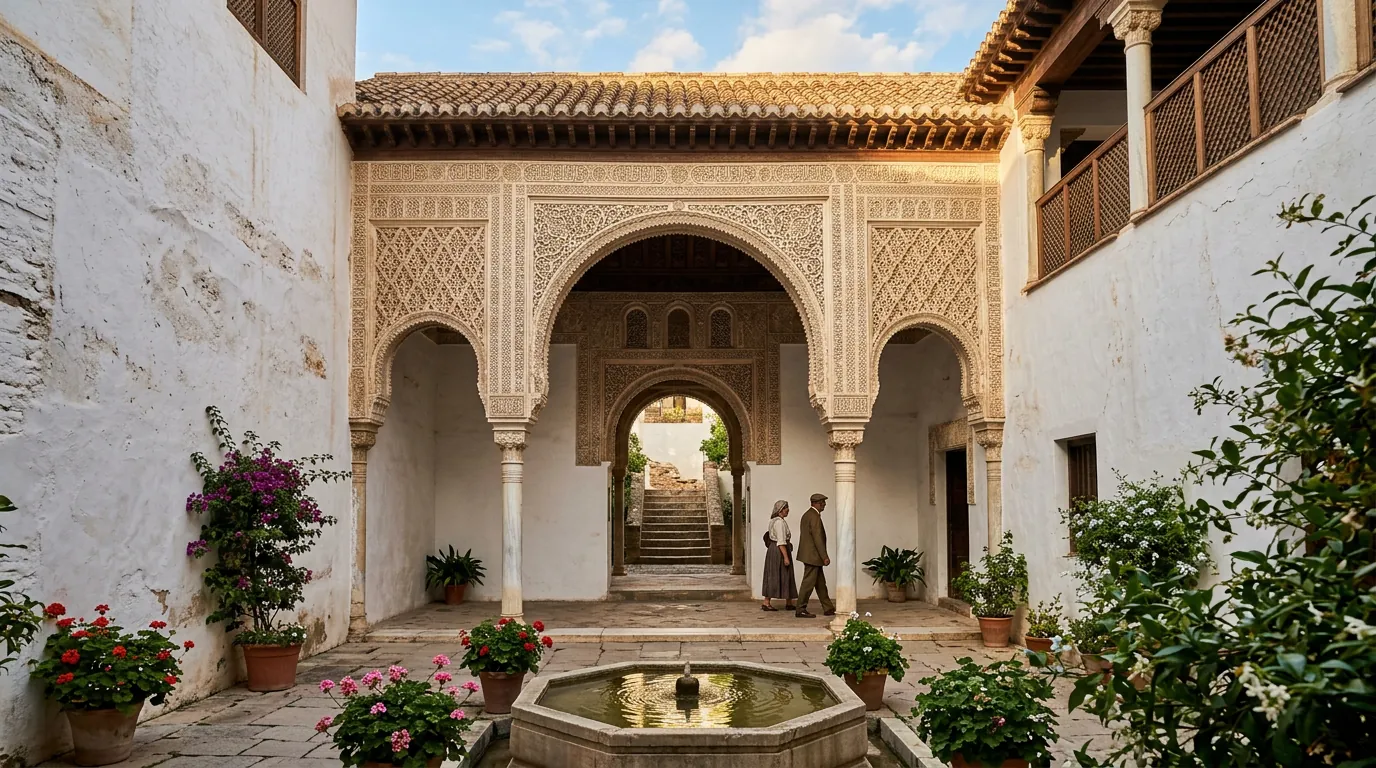
Palacio de Dar-al-Horra
Monument
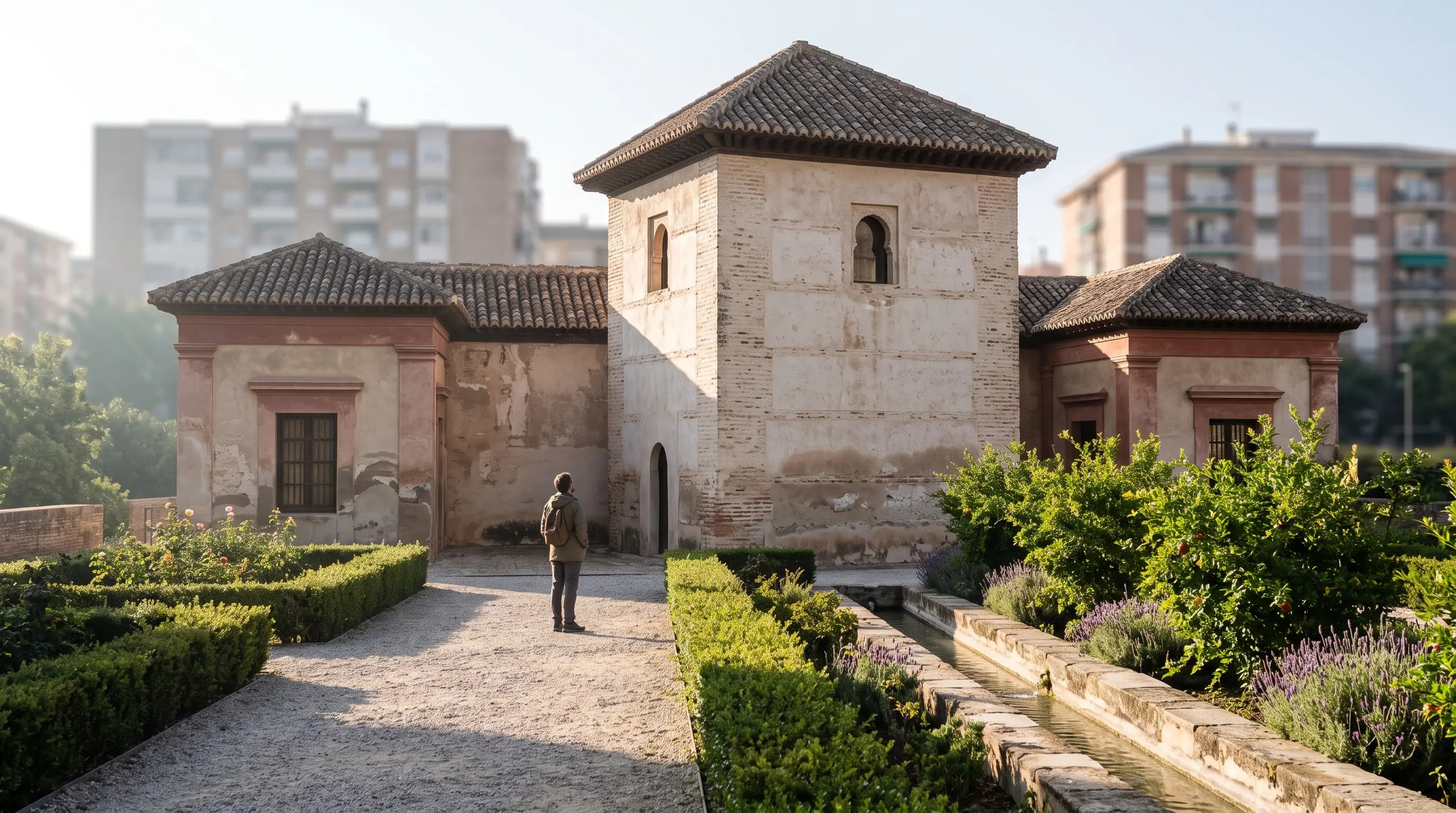
15th-century Nasrid palace in the upper Albaicín, home of Aixa, mother of Granada's last sultan Boabdil. Less visited than the Alhambra, almost as beautiful.
-
Nasrid Palaces
Monument
Three royal Nasrid palaces inside the Alhambra, including the Patio de los Leones and Hall of the Ambassadors. Entry is timed: arrive within your booked slot.
Go deeper
-