Manuel de Falla in Granada: Composer, Exile, Legacy
Manuel de Falla lived in Granada from 1921 to 1939, composing at the foot of the Alhambra and co-organising the landmark 1922 Cante Jondo contest with Lorca.
Read the full story
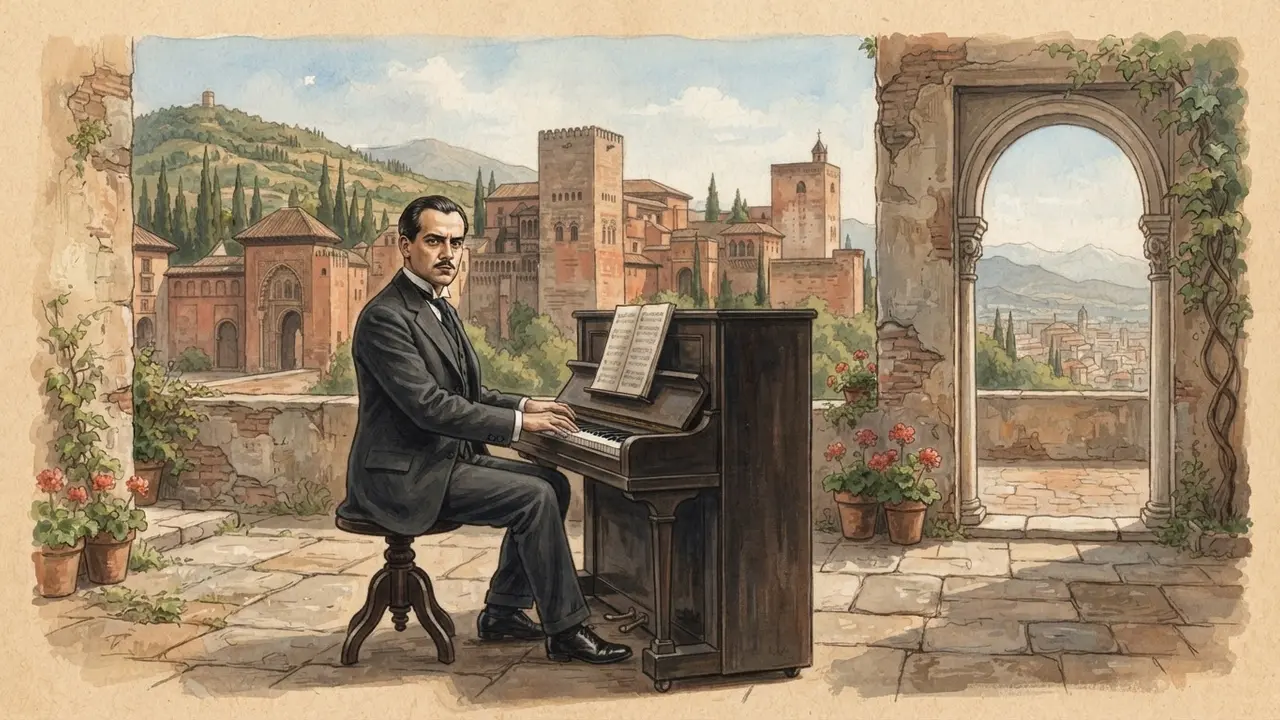
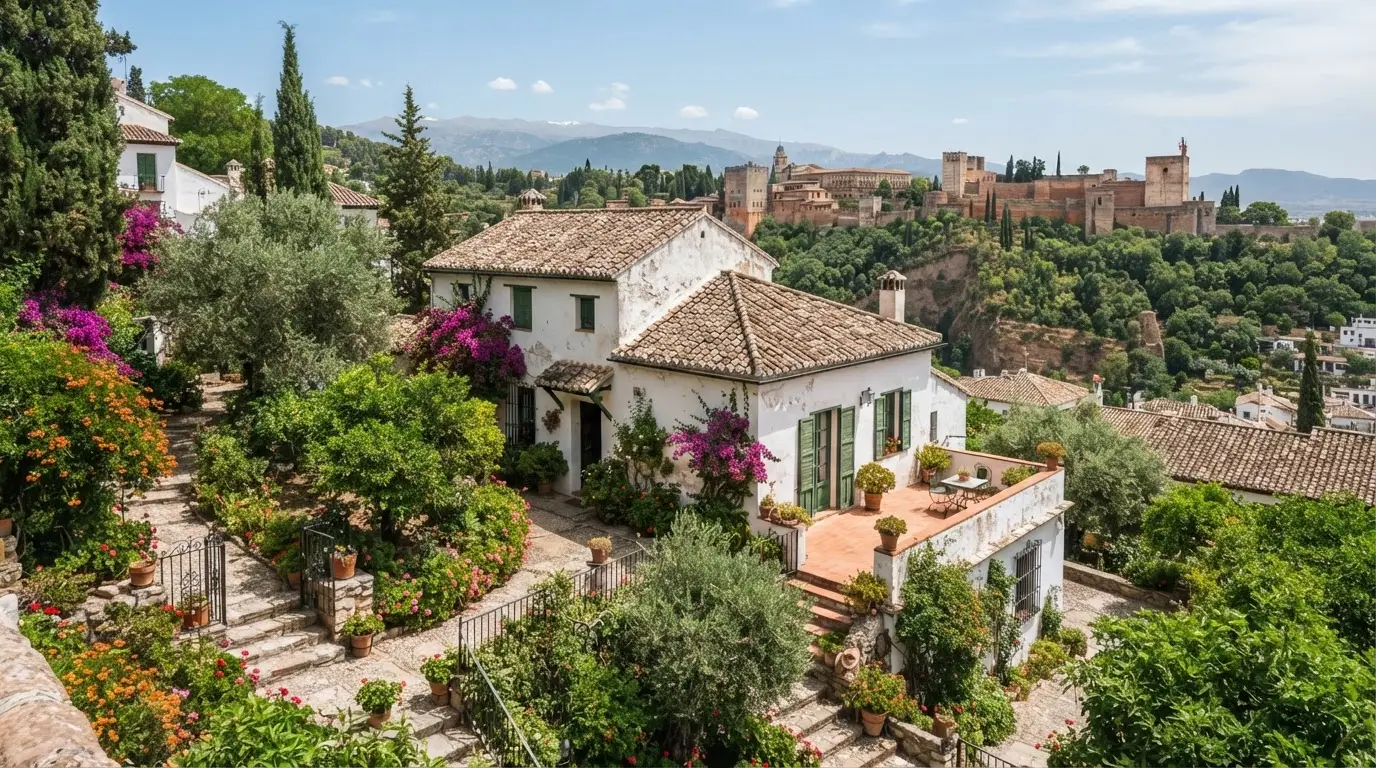
Manuel de Falla was born in Cádiz on 23 November 1876 and settled in Granada around 1920. He called the city his "pequeño París" for its intellectual atmosphere. Among the works he wrote there are the puppet opera El retablo de maese Pedro (1923) and the Harpsichord Concerto (1926). In June 1922 he was the principal organiser of the Concurso de Cante Jondo, an idea that arose on a walk through the Generalife gardens. He moved to Argentina in 1939 and died in Alta Gracia on 14 November 1946; his remains were entombed in Cádiz Cathedral in 1947.
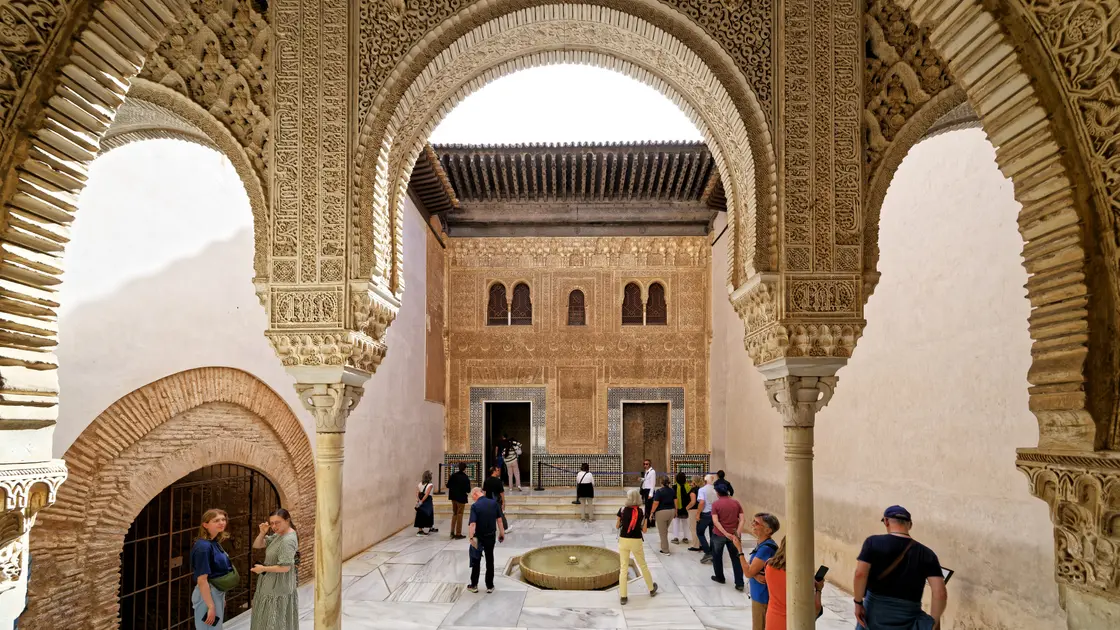
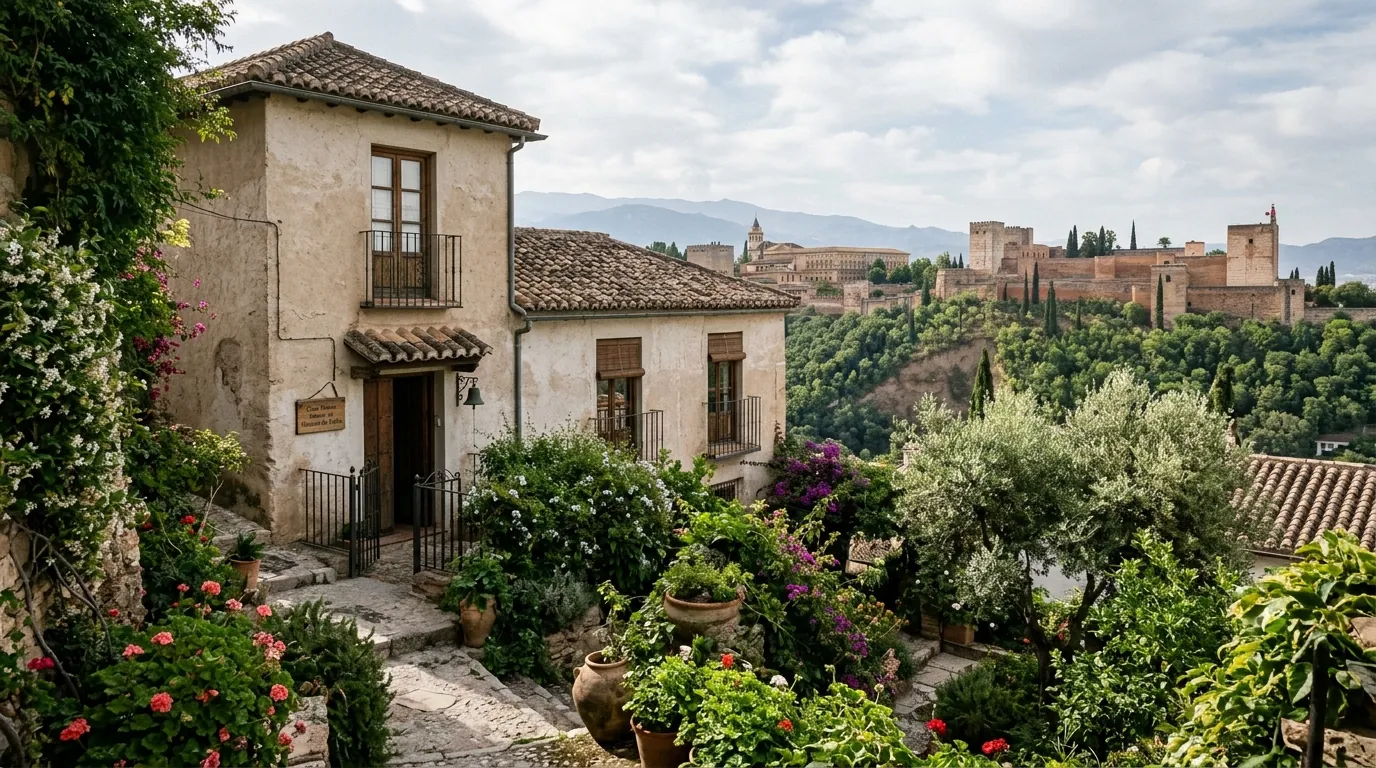
His trace in Granada is easy to follow. The Casa-Museo Manuel de Falla keeps his personal items, keepsakes and gifts, and his piano is in the salon. The Concurso was held on the grounds of the Alhambra, at the Plaza de los Aljibes, and the idea for it came in the Generalife gardens.
For related reading, see Federico García Lorca in Granada and Ángel Barrios.
1808–today
French troops held Granada from 1810 until 17 September 1812 and mined the Alhambra's towers on leaving; eight fell. On Christmas night 1884 a Mw 6.7 earthquake wrecked villages around Alhama de Granada, though not the city itself. On 20 July 1936 a garrison revolt took the centre, and the Albaicín held out under artillery fire until the 23rd.
1783–1859 Historical figure
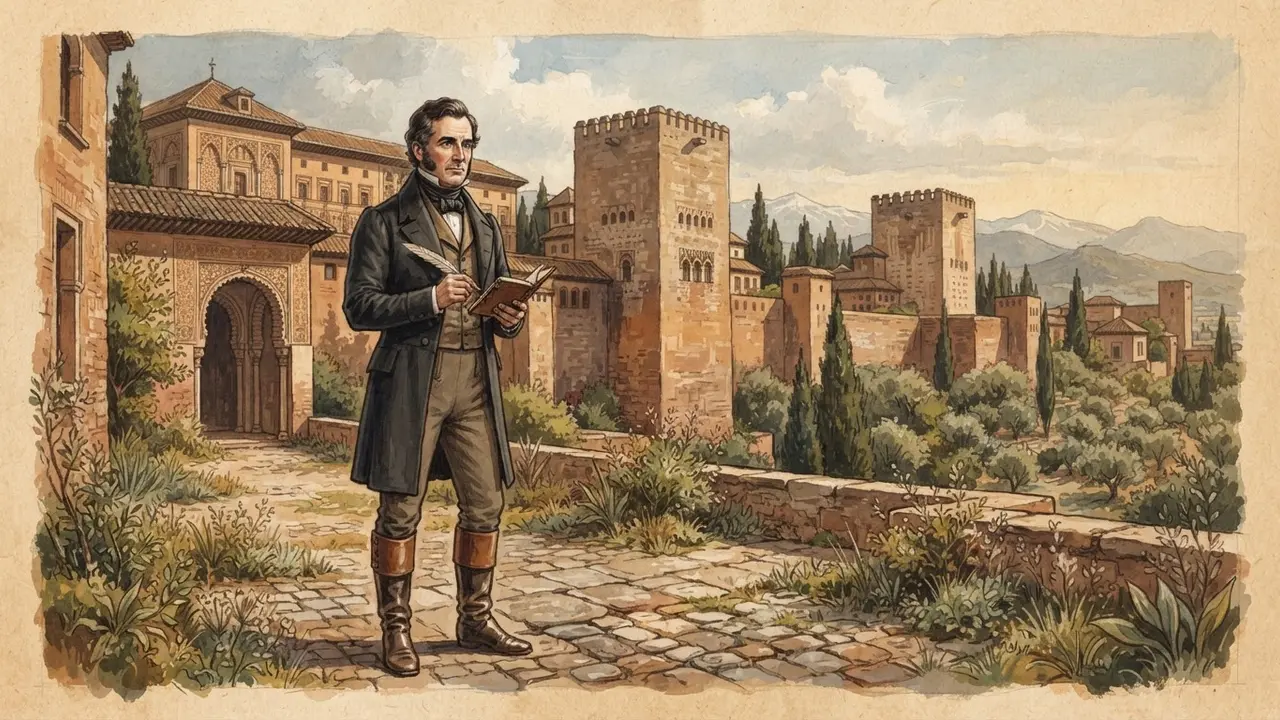
Washington Irving, the American writer who lodged in the Alhambra in 1829, and where to find his trace in Granada: a 1914 plaque and a 2009 bronze monument.
1865–1898 Historical figure
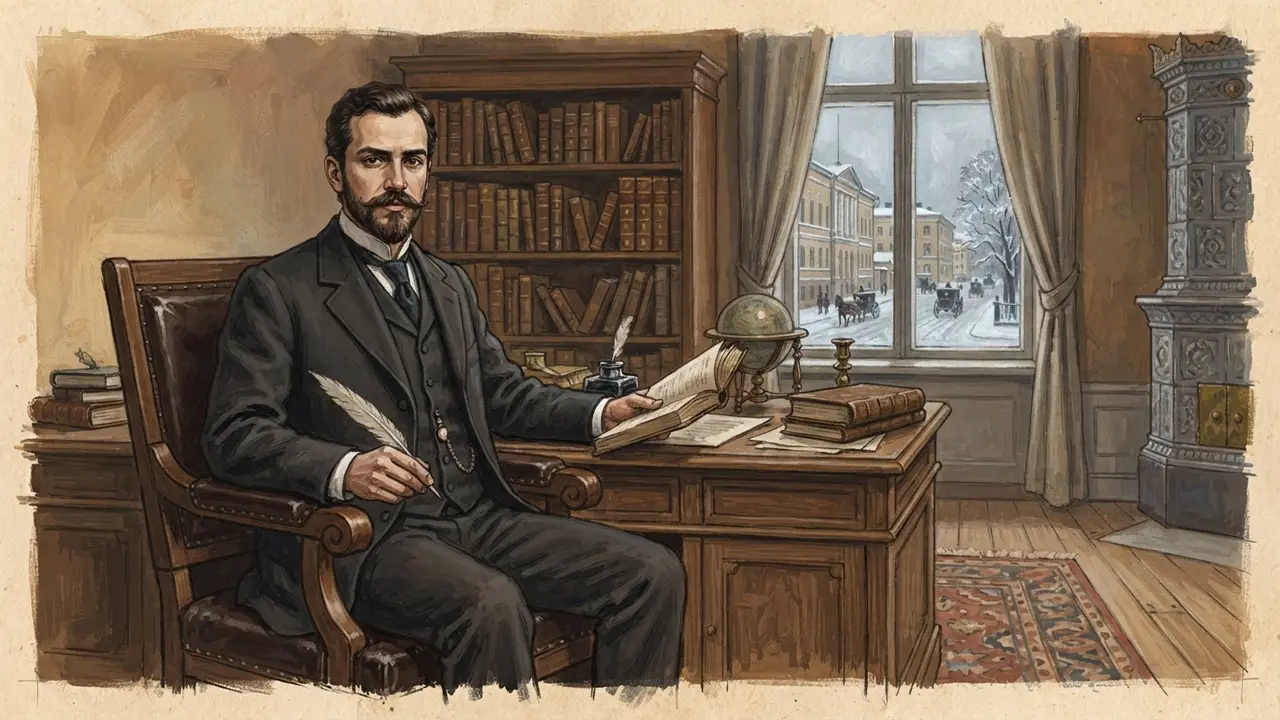
Ángel Ganivet, Granada-born writer and consul, died in Riga in 1898. Where he rests in San José cemetery, the 1921 Alhambra Wood monument, and his story.
1882–1964 Historical figure
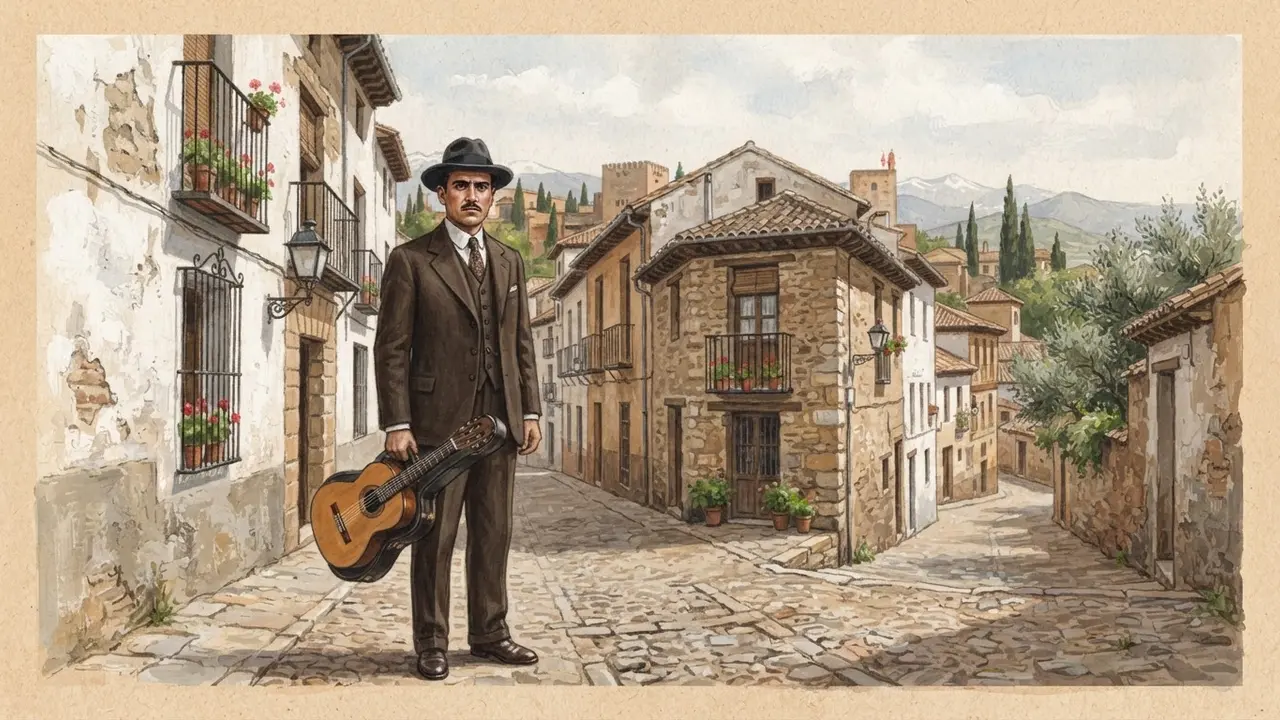
Ángel Barrios, Granada composer and guitarist (1882-1964), whose family lived on Calle Real, was Falla's landlord. His life and where his trace remains.
1898–1936 Historical figure
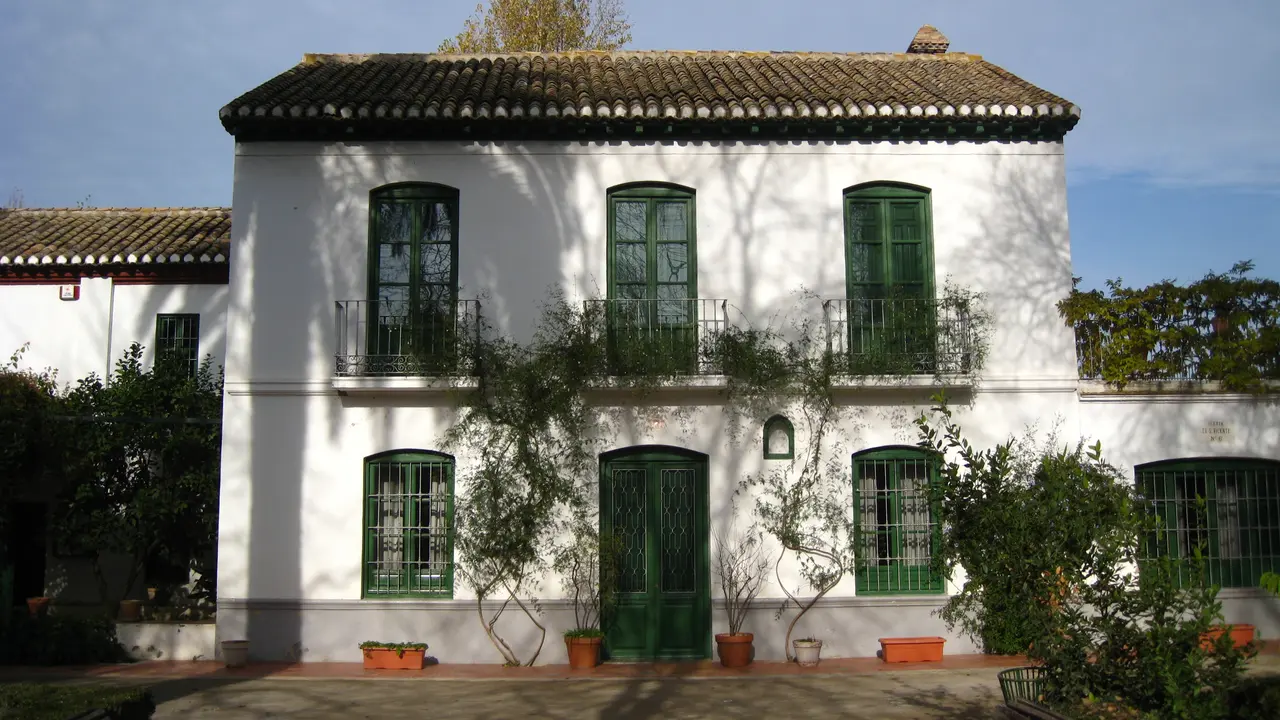
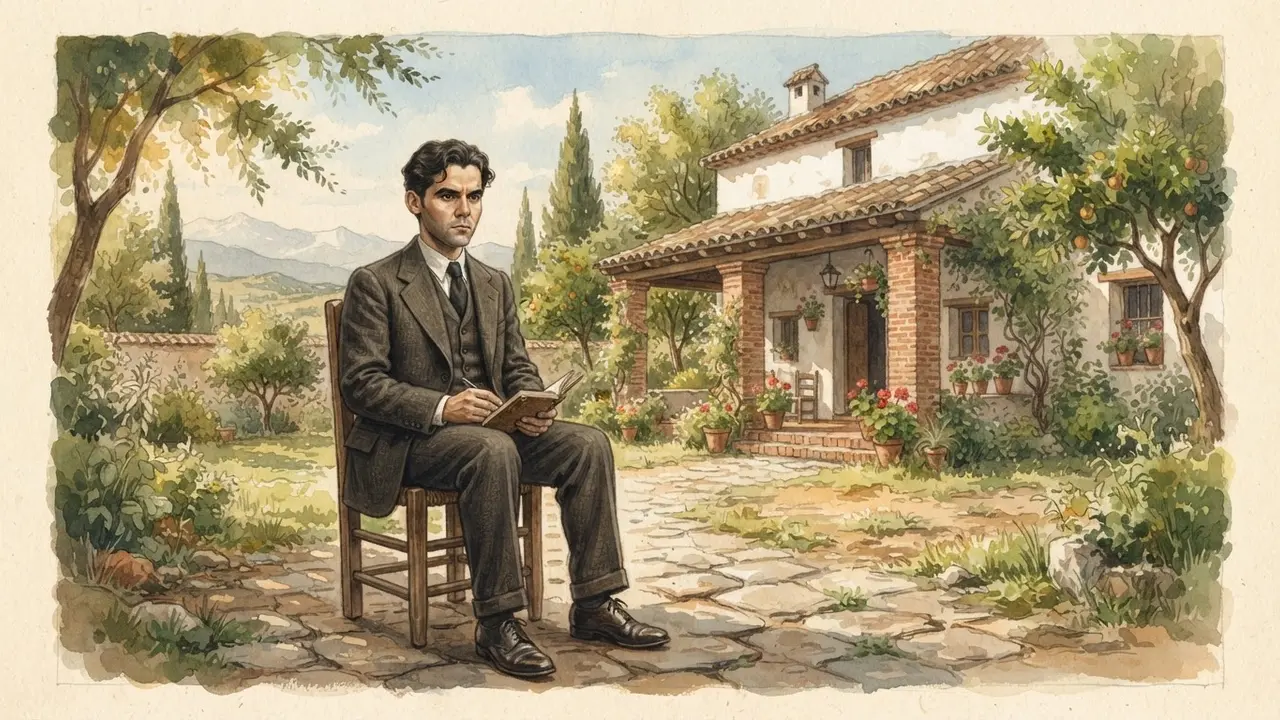
Federico García Lorca, born near Granada in 1898, summered at the Huerta de San Vicente until 1936. His family moved to Granada in 1909; the house is a museum.
1942–2010 Historical figure
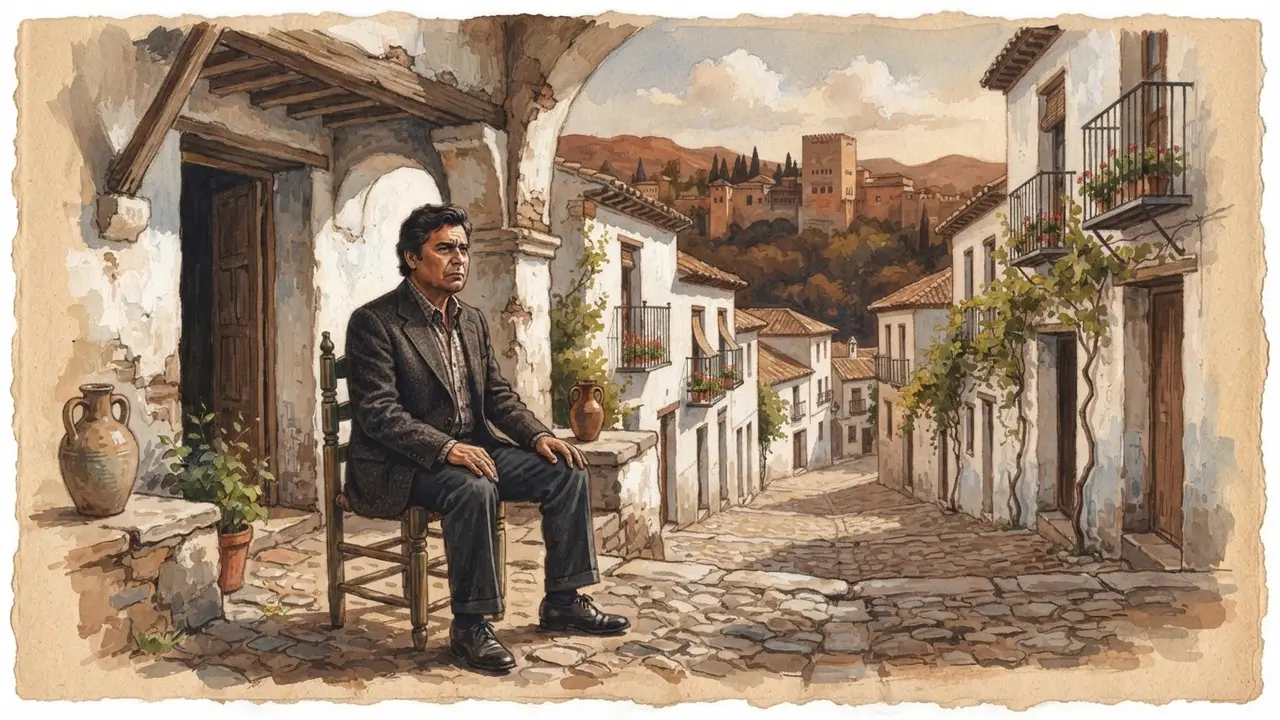
Enrique Morente, the Albaicín-born flamenco singer who set Lorca to cante and recorded Omega with Lagartija Nick. His life and where Granada keeps his trace.
Undated
Monument
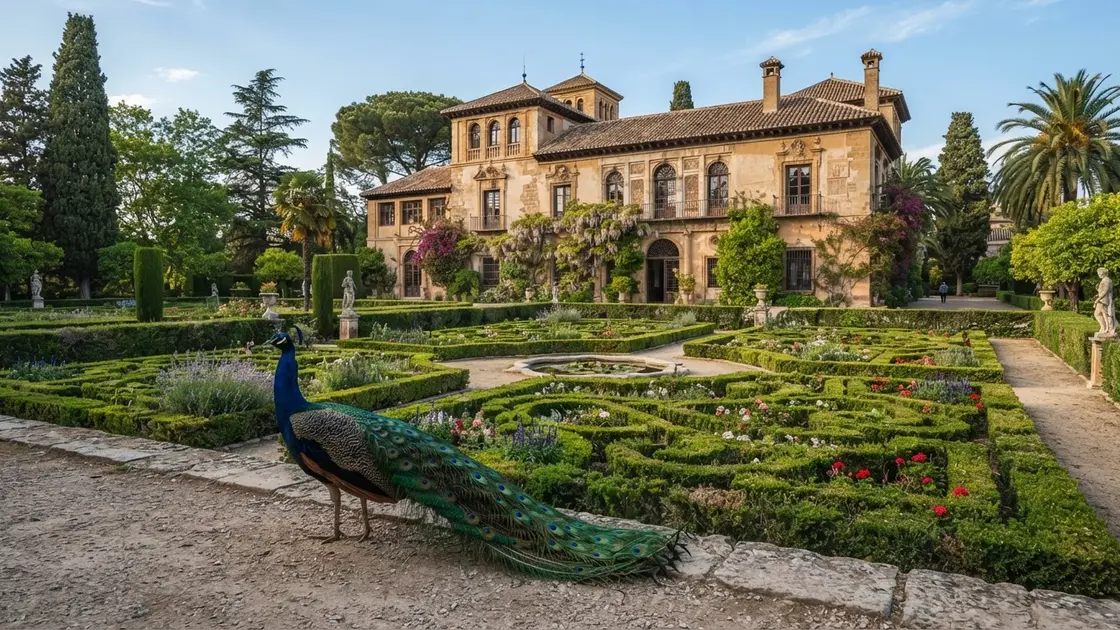
Seven-hectare Romantic estate on the Alhambra hill with free entry, roaming peacocks, five garden styles, and a Poets Route with verses by García Lorca.
Go deeper