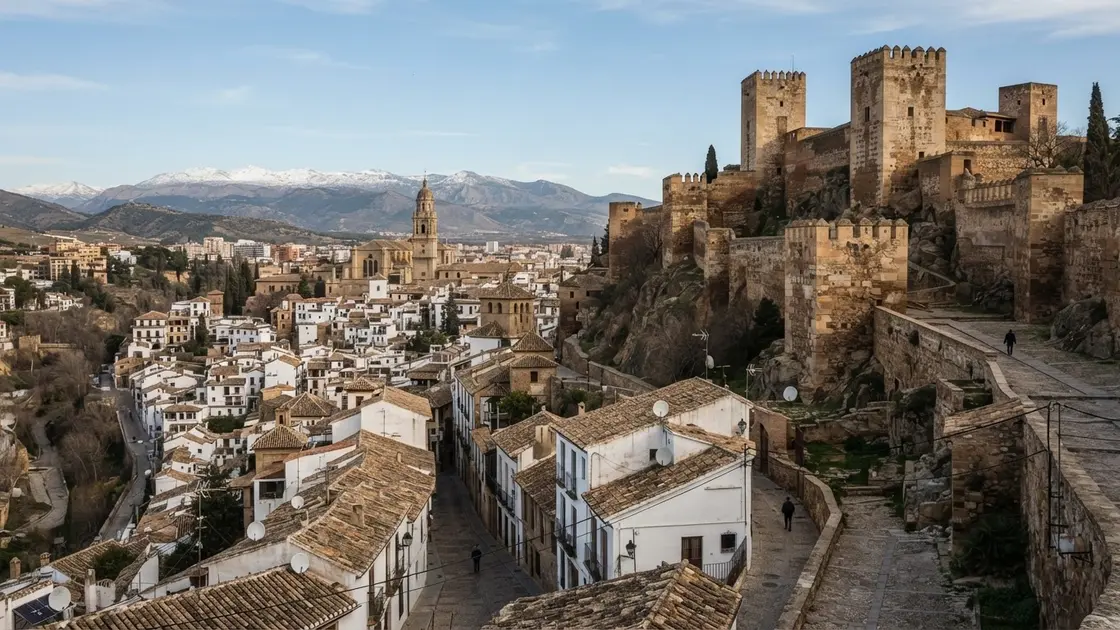
Samuel Ha-Nagid: Granada's Warrior Poet-Vizier
Samuel ha-Nagid fled Córdoba in 1013, rose from a Málaga spice shop to command Granada's Muslim army as vizier, and helped define Hebrew's Golden Age poetry.
Read the full story
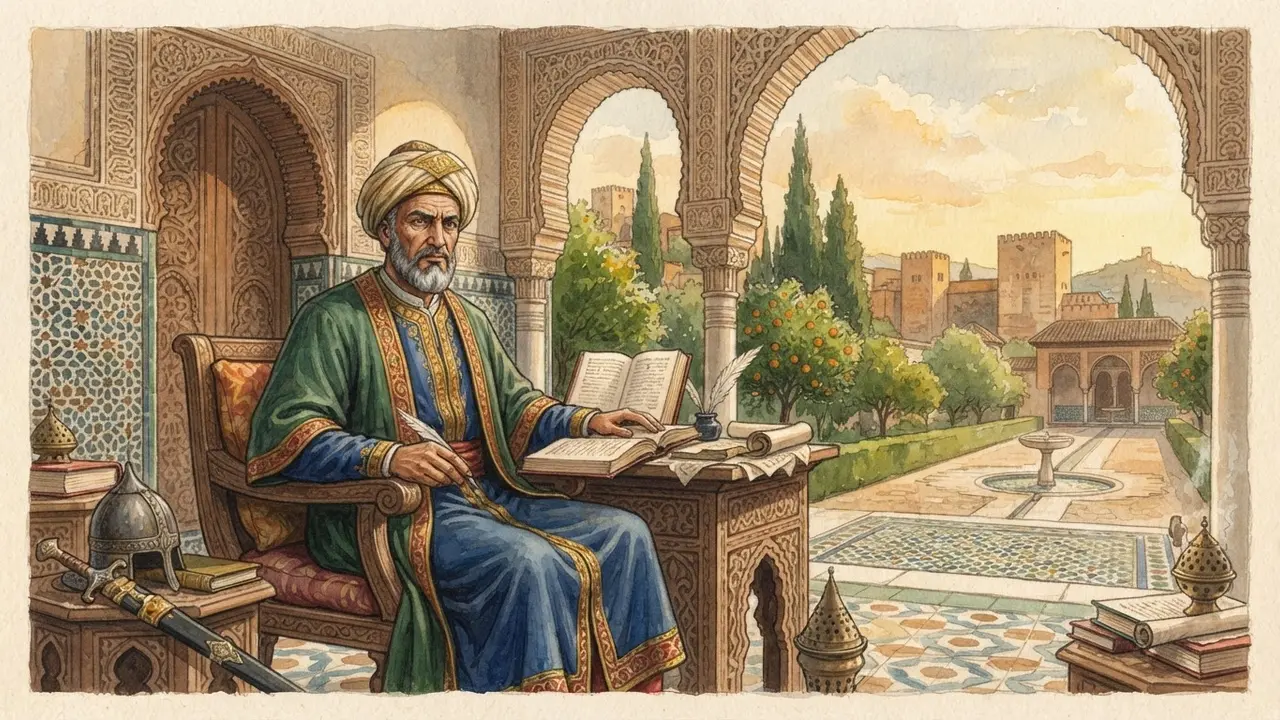
Samuel Ha-Nagid, also known as Samuel ibn Naghrillah, was born in 993. In 1013 the civil war and the Berber conquest of Córdoba compelled him, like many other Jews, to emigrate. In 1027 he was named Nagid, or leader, of the Jewish community. He served as grand vizier of the Taifa of Granada and commander of its army in battle, and under Badis he was vizier and top general. He died in 1056, and his son Joseph took over as vizier and leader of Granada's Jewish community.
He is also considered one of the greatest Jewish poets of all time. His poetry survived and was rediscovered in the early 20th century.
For the setting, read about the Jewish quarter of the Realejo, the Zirid dynasty and the 1066 Granada massacre.
711–1238
After Arab forces took the peninsula in 711, the settlement on the Albaicín hill became Gharnata, while nearby Medina Elvira served as the regional capital until 1013, when the Zirids moved the capital to the hilltop. They left walls, cisterns and a street plan still legible today. Under the vizier Samuel ha-Nagid the city reached the Jewish Golden Age, which ended on 30 December 1066 when a mob killed his son Joseph and thousands of Jews in a single day.
Monument
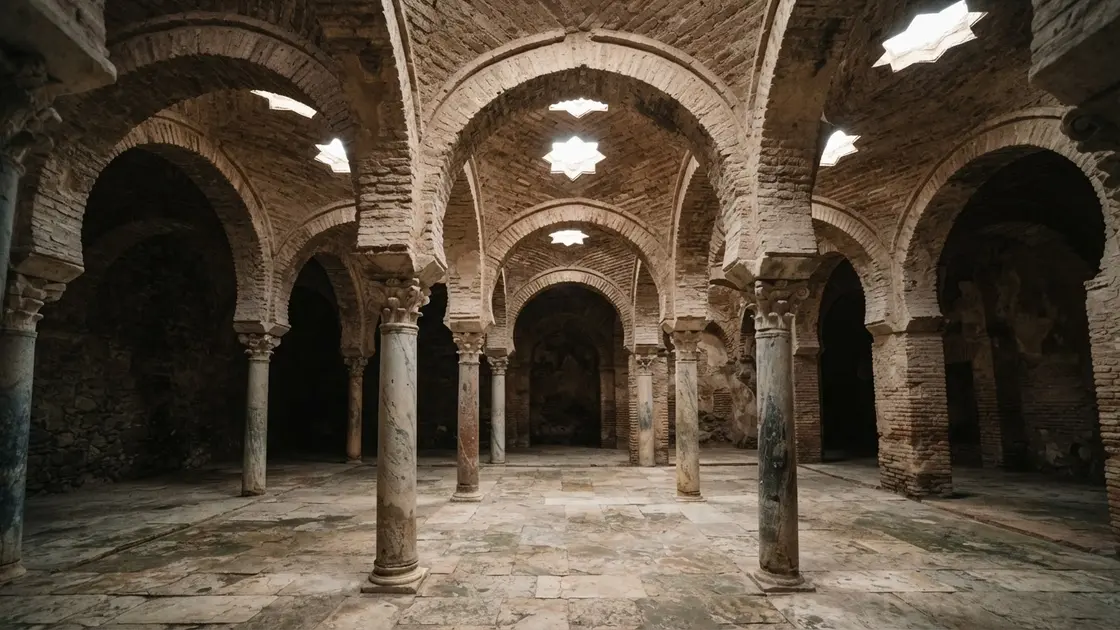
El Bañuelo on the Darro is the only Arab bath outside the Alhambra open to visitors, its 11th-century star-pierced vaults and marble columns largely original.
Monument
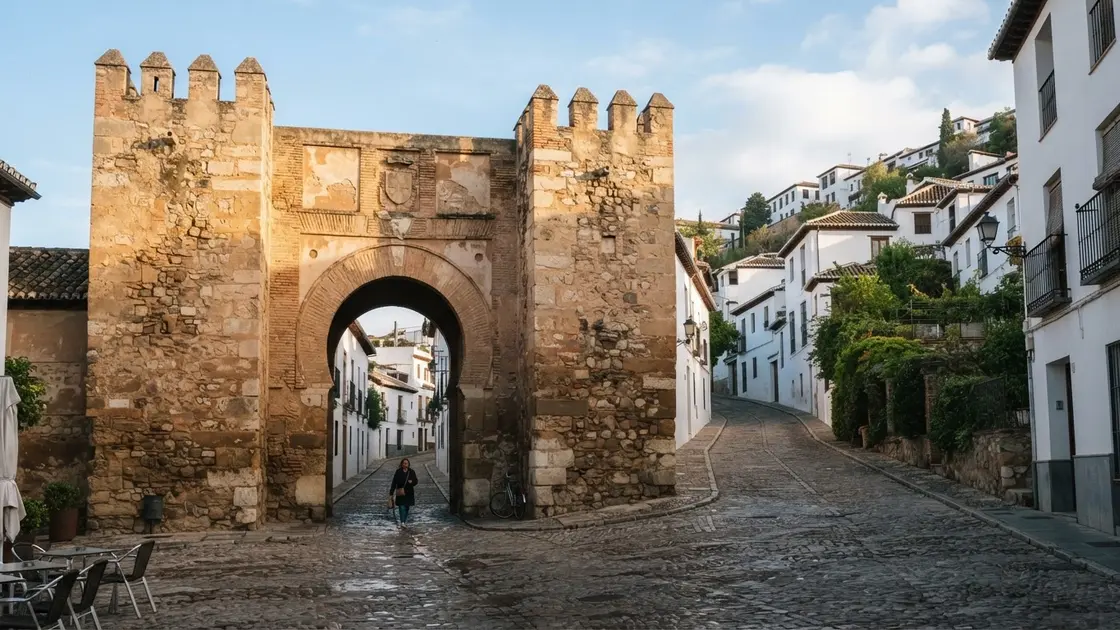
The 11th-century Zirid gate at the edge of the Albaicín — the western entrance to medieval Granada, free to enter, open 24/7, and older than the Alhambra.
Monument
11th-century Moorish towers in the Realejo, remnant of Granada's original defensive walls. Free to view from outside, adjacent to the Alhambra complex.

Go deeper