History
The modern history of Granada
Mined towers, a boulevard cut through the medina, a garrison revolt and a contest for deep song. Five episodes that explain the city you walk through today.
Written by
James Walker Seven years resident in Granada. Specialist in Nasrid architecture, Al-Andalus history, and Andalusian walking routes.
Published
Granada's modern history runs from 1812, when retreating French troops mined the Alhambra, to the July 1936 coup, which took hold in Granada on 20 July. In between come the Romantic rediscovery of the Alhambra, the Gran Vía that cut through the old medina, and the 1922 contest that made Granada a capital of deep song.
This page is the overview. Each episode below gives you the facts in a few paragraphs and points to the article that tells it properly. If you want the poet's sites rather than the story, go to the García Lorca guide.
Modern Granada: four dates
- 1812
- French troops blow up eight Alhambra towers on retreat
- 1870
- The Alhambra is declared a national monument
- 1890s to c. 1934
- The Gran Vía de Colón is built through the old town
- 20 July 1936
- The Granada garrison revolts against the government
Jump to a section
What did the French do to the Alhambra in 1812?
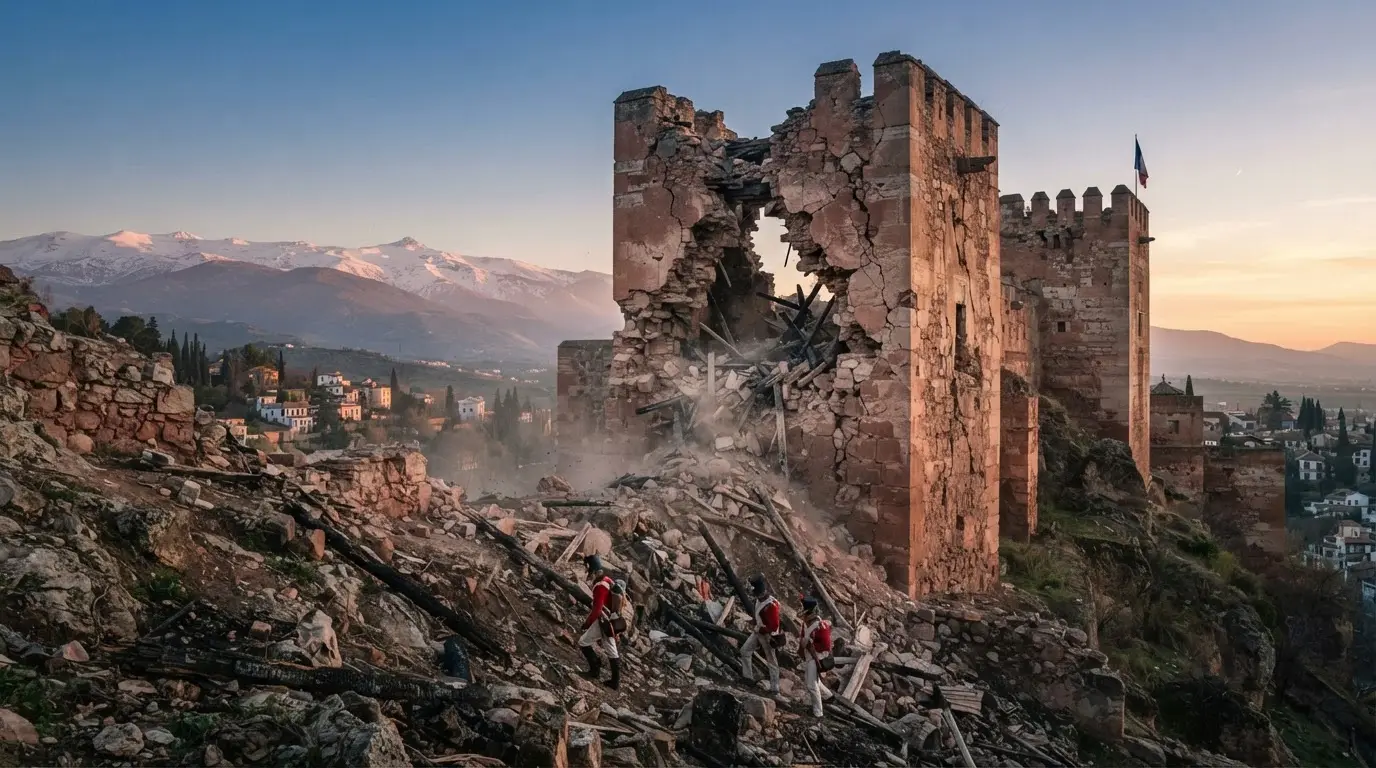
French troops who had plundered the Alhambra evacuated it in 1812, and on the way out they left mines across the hill. Eight of the towers were blown up. The Patronato de la Alhambra, which runs the monument, lists the 1812 blasts as a negative episode in its history and ties them directly to the French army's withdrawal.
The damage could have been worse. A disabled sergeant, José García, is credited with stopping the demolition, and a plaque to him stands at the Plaza de los Aljibes. Many of the towers never regained their original form.
The blasts and the sergeant get their own treatment in Granada under Napoleon and the Alhambra.
How did the Alhambra go from ruin to national monument?
The Alhambra became a national monument in 1870, two years after the 1868 revolution took it out of the Crown's hands and gave it to the Spanish State. Before that came the 19th-century writers: Washington Irving did more than describe the place, in the words of one account, he stirred a dormant feeling about its decay.
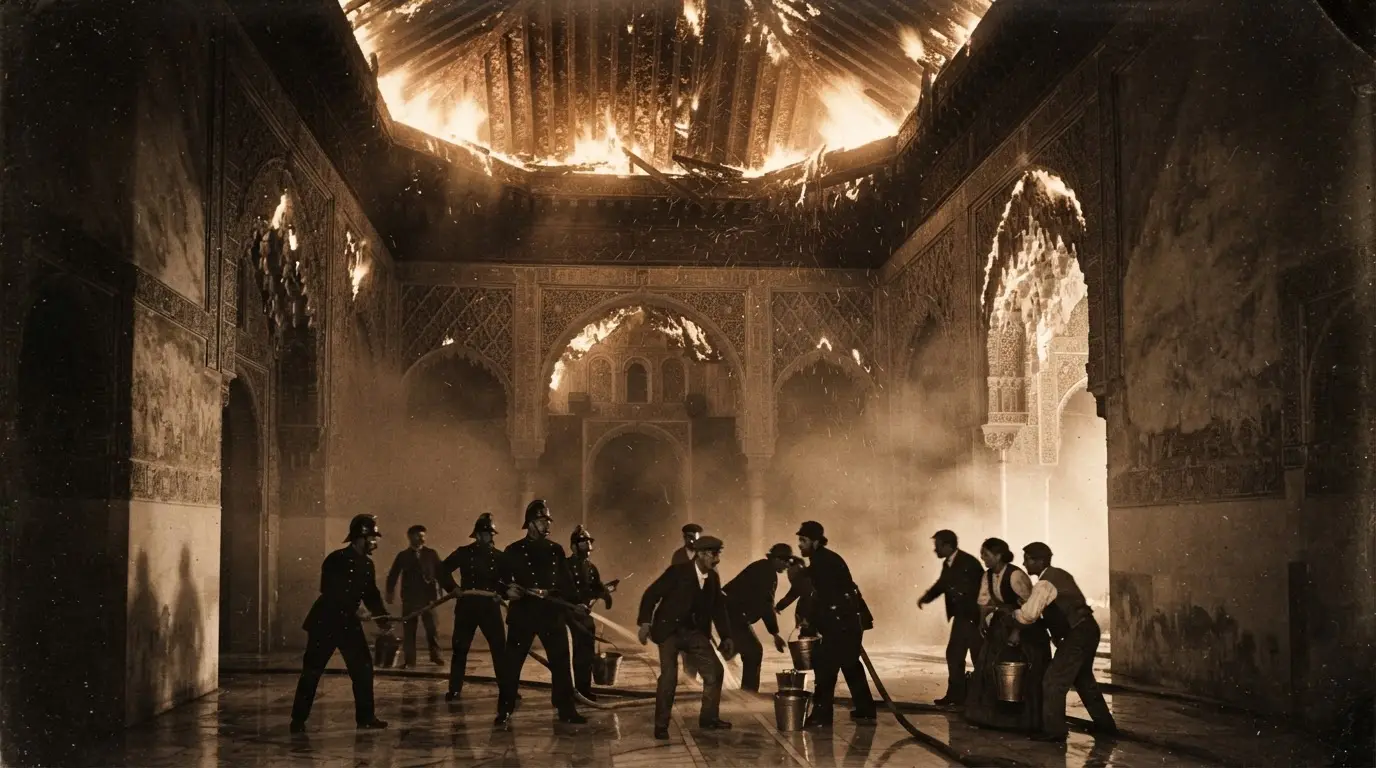
State ownership did not end the danger. The fire broke out on 15 September 1890, and La Ilustración Española y Americana reported the Nasrid palace burning and the "richest jewel we inherited from Arab art" under threat. The fire is told in the 1890 Sala de la Barca fire article.
For the Alhambra before all this, see Moorish Granada.
How much of old Granada did the Gran Vía destroy?
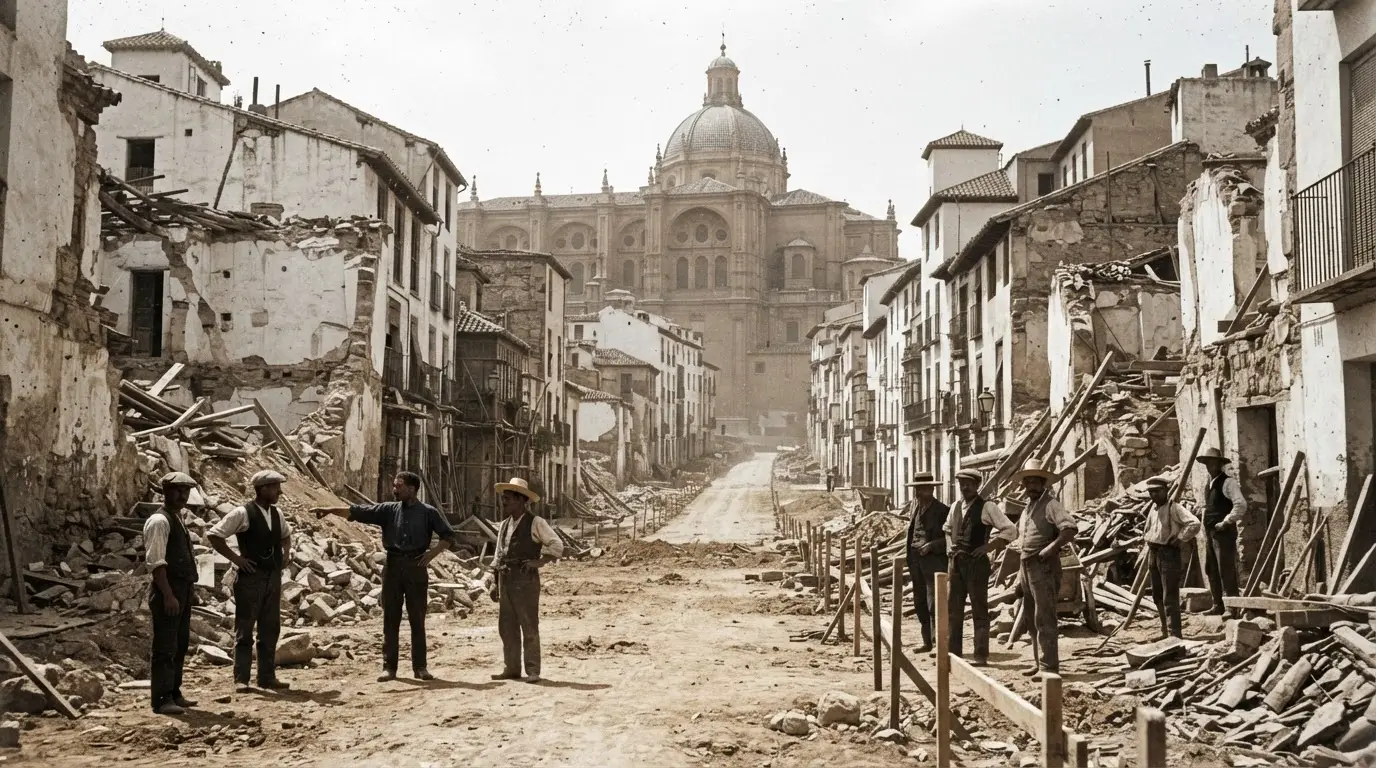
By Martínez Ramos's estimate, the Gran Vía de Colón took about 20% of the city's area, almost 5 hectares. Construction ran from the 1890s to about 1934.
It was a late copy of Haussmann's Paris: an interior reform that cut through what the source calls a preexisting and obsolete urban structure. The project's own memorandum was unusually frank that landlords stood to gain from the demolitions. The route it opened between Plaza Nueva and Puerta Real is the result.
What disappeared, and who decided, is the subject of the Gran Vía de Colón demolition history.
What happened in Granada in July 1936?
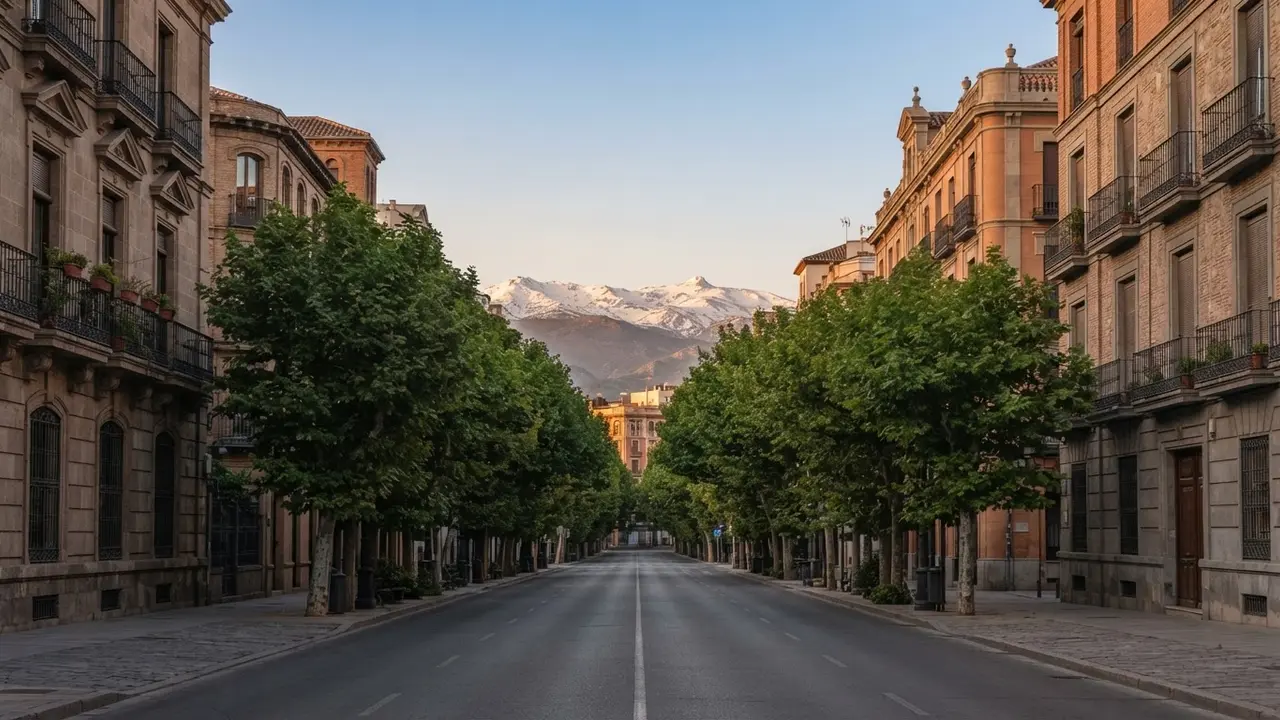
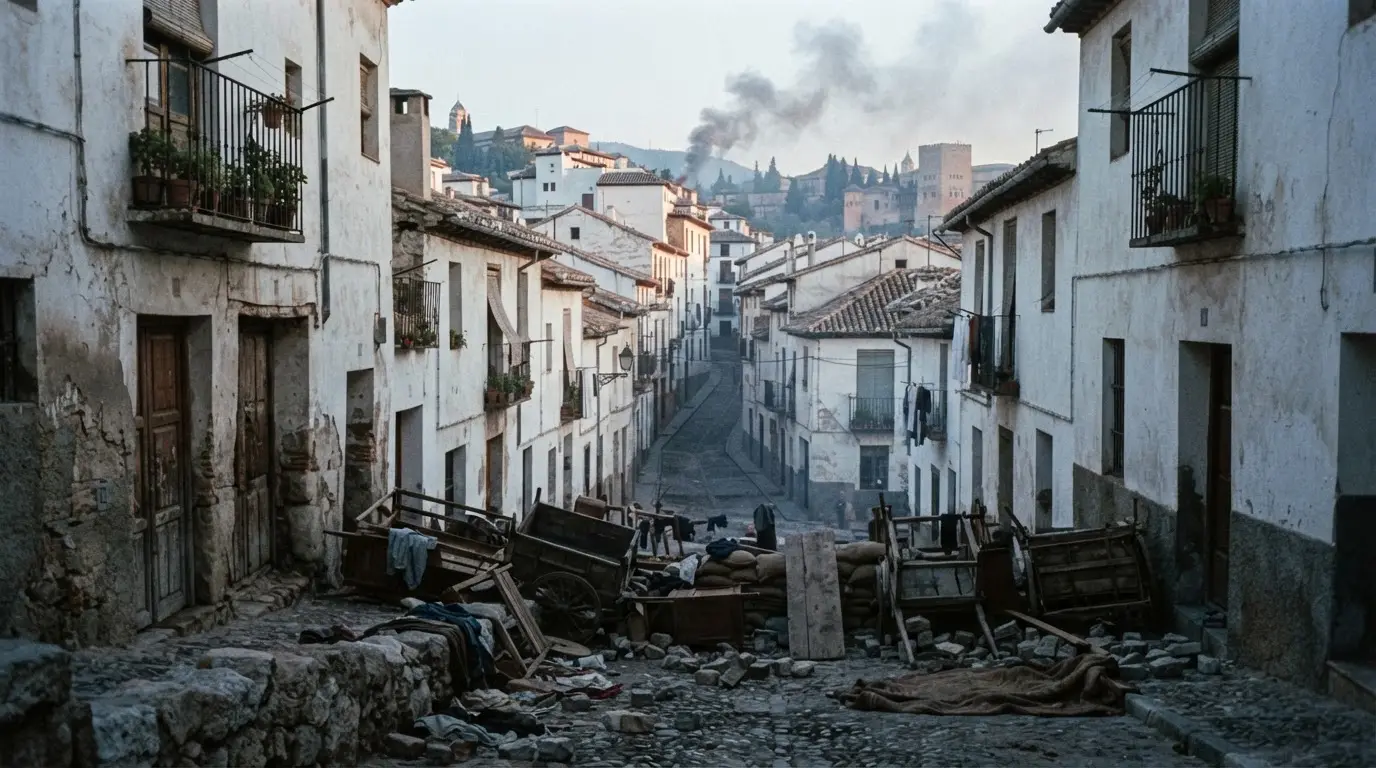
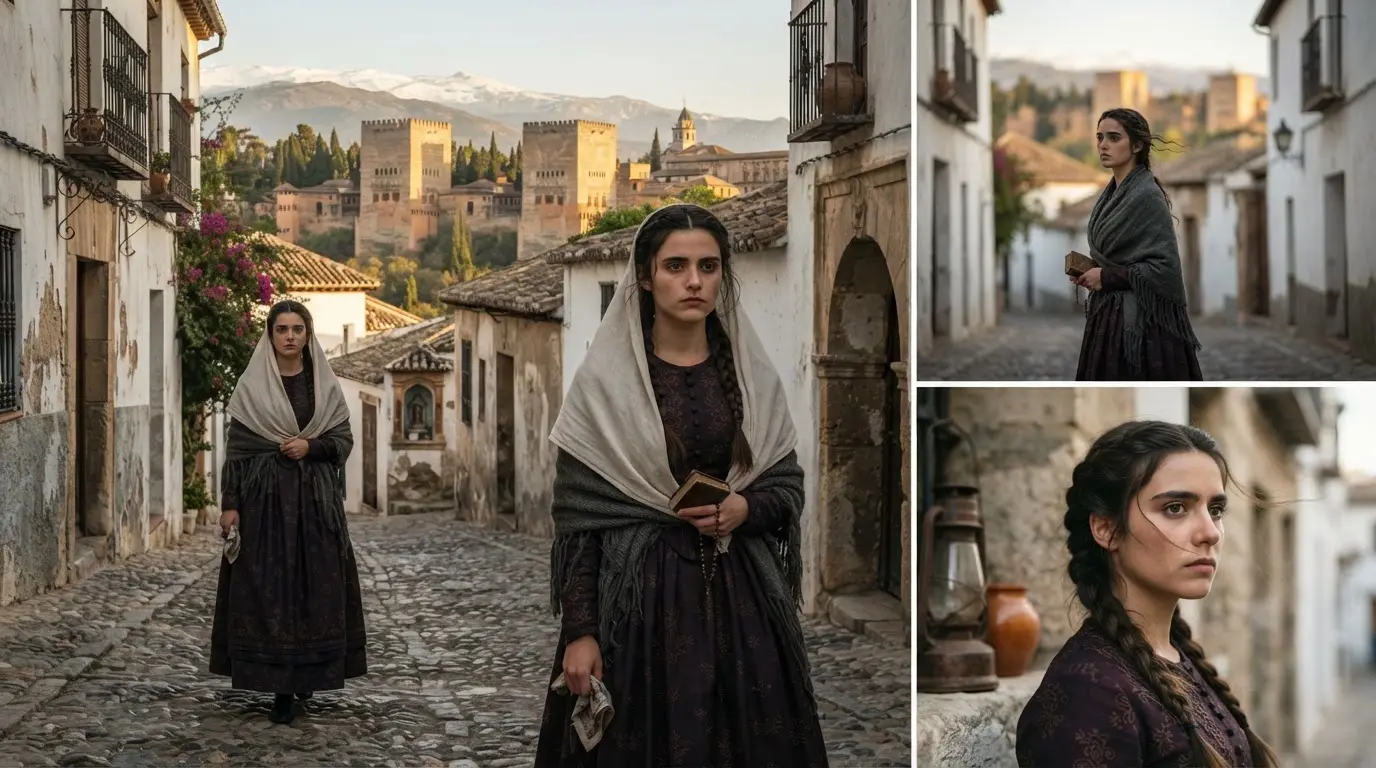
At five o'clock on 20 July 1936 the Granada garrison revolted against the government, and the rebels took the city centre quickly. Loyalists held the Albaicín for several days until rebel artillery overcame them.
What followed was not improvised. A University of Granada historian, Alberto Moya Hidalgo, argues that the repression was organised and prepared by senior military figures months before the coup. Wikipedia's account of the coup gives about 5,000 people executed in the city during the war, though earlier estimates run higher. The prison, built for about 400, held more than 2,000.
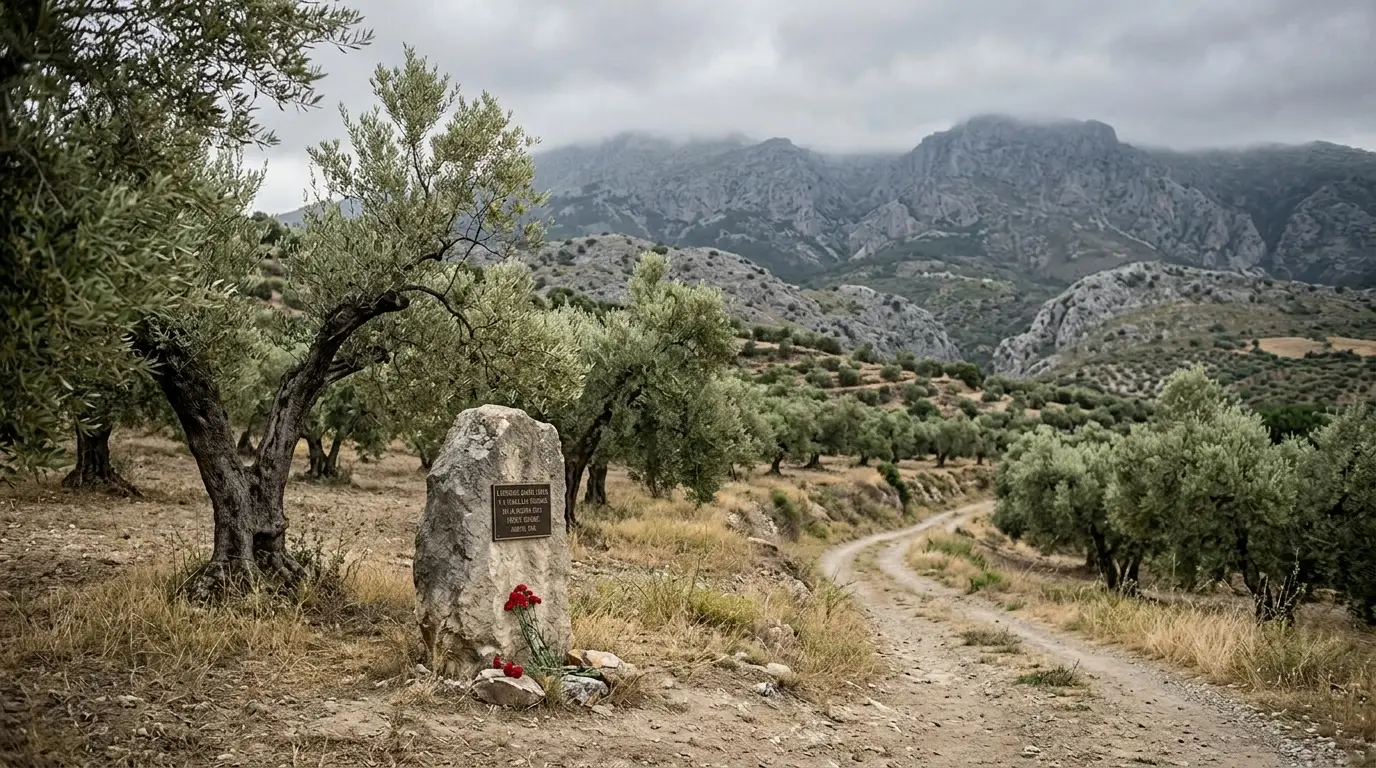
Federico García Lorca was among the dead: arrested after the rebels' triumph and shot near Víznar in August 1936. Secondary sources disagree on the exact day, so treat any single date with caution. His last hours are in Lorca's last day and the Víznar killing, and the coup itself in the July 1936 coup in Granada.
To visit the places tied to him, use the García Lorca in Granada guide.
Why does the 1922 Cante Jondo contest matter?
The Concurso de Cante Jondo of 1922 was conceived and started by the composer Manuel de Falla, with early and strong backing from Lorca. It was a two-day evening event held outdoors at the Alhambra. Lorca, who was 23 when he began campaigning for it, was its most active organiser after Falla. The contest ran on 13 and 14 June 1922.
Falla lived in Granada from 1920 (some sources say 1921) to 1939. When Franco won the Civil War he left for Argentina and kept working on Atlántida there. Read Manuel de Falla's Granada years for the composer, and Ángel Barrios for the circle around him.
For the living tradition, see the flamenco guide and Sacromonte.
The full story: modern Granada
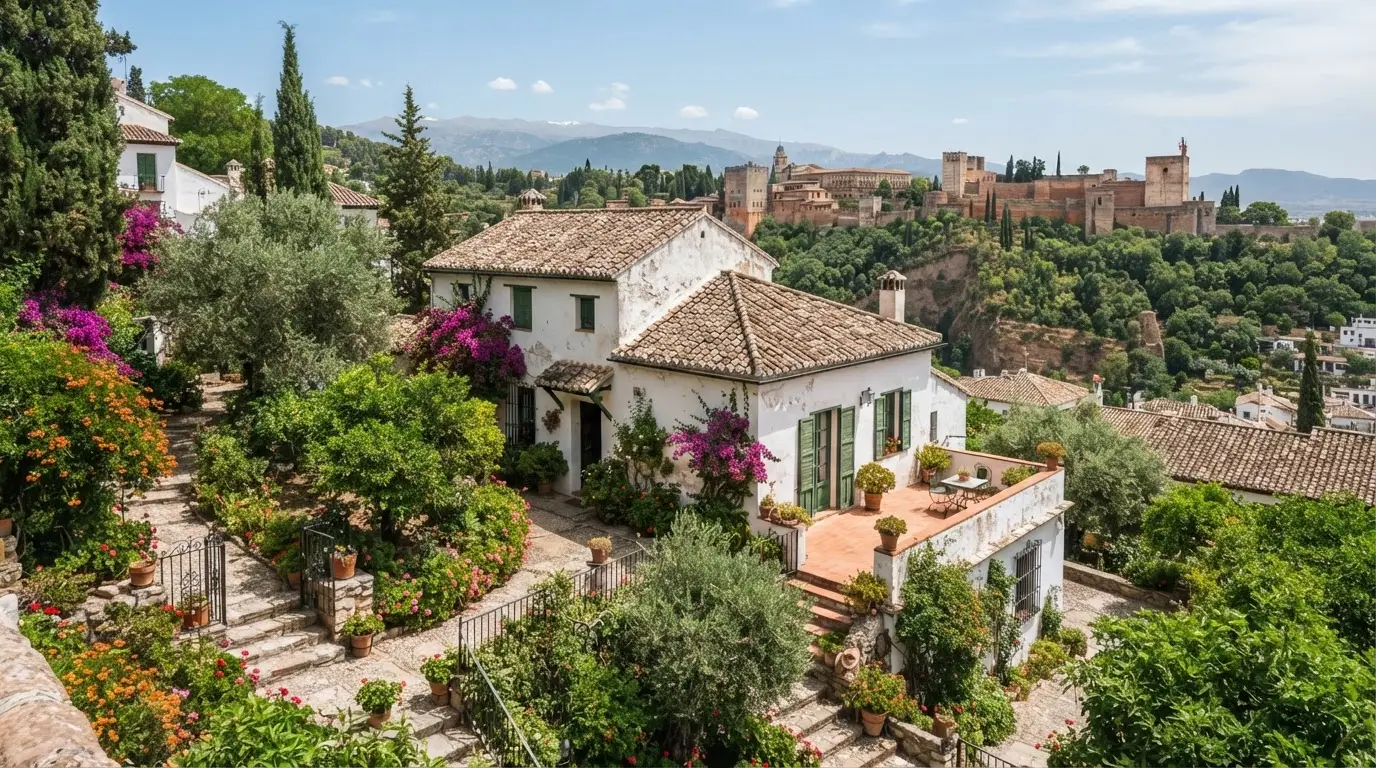
Each article in this set takes one episode of the city's last two centuries and tells it in full, from the mined towers of 1812 to the Civil War and what came after, including the Sacromonte floods and the cave dwellers' eviction. Start with the one closest to a street or monument you are about to see.
Frequently asked questions
What happened to the Alhambra during the French occupation?
French soldiers plundered the complex until they evacuated it in 1812, and on the way out they left mines across the hill. Eight towers were blown up, and many never recovered their original features. A disabled sergeant, José García, is credited with halting the demolition and has a memorial plaque at the Plaza de los Aljibes. The full account is in Granada under Napoleon and the Alhambra.
When did the Alhambra become a national monument?
In 1870. After the revolution of 1868 the Alhambra was separated from the Crown and passed to the Spanish State, and two years later it was declared a monumento nacional, according to the Patronato de la Alhambra's own history of the site.
How much of old Granada was demolished for the Gran Vía?
About 20% of the city's area, almost 5 hectares, by Martínez Ramos's estimate in research from the University of Granada. Work on the Gran Vía de Colón ran from the 1890s to about 1934. See the Gran Vía demolition history for what was lost.
What happened in Granada during the July 1936 coup?
The Granada garrison revolted against the government at five o'clock on the afternoon of 20 July 1936. The rebels took the city centre quickly. Loyalists held the Albaicín for several days until rebel artillery overcame them. A three-year civil war followed the wider failure of the coup, and the repression in Granada began under a plan prepared beforehand. The day-by-day story is in the July 1936 coup article.
How many people were executed in Granada during the Civil War?
Wikipedia's account of the coup gives about 5,000 people executed in Granada during the conflict, though earlier estimates run higher. The city's prison, built for about 400 people, held more than 2,000 at the height of the repression.
How long did Manuel de Falla live in Granada?
From 1920 (some sources say 1921) to 1939. He organised the Concurso de Cante Jondo from there in 1922. In 1939, after Franco's victory in the Civil War, he moved to Argentina, where he went on working on his unfinished Atlántida. More in Manuel de Falla's Granada years.
Further reading
Sources
8 references Show Hide
- Legado Andalusí: When the Alhambra was in ruins (opens in a new tab)
The French mines of 1812, the sergeant José García, Washington Irving and the 1890 fire.
- Patronato de la Alhambra y Generalife: history (opens in a new tab)
Official history of the monument, including the 1812 blasts and the 1870 national monument declaration.
- Martínez Ramos, La Gran Vía de Granada (University of Granada) (opens in a new tab)
Academic study of the Gran Vía de Colón: dates and the scale of the demolition.
- Review of Martínez Ramos on the Gran Vía (University of Granada) (opens in a new tab)
Places the Gran Vía in the Haussmann tradition of interior reform.
- Moya Hidalgo on the repression in Granada (Dialnet) (opens in a new tab)
A University of Granada historian on the failed coup of July 1936 and how the repression was organised.
- July 1936 coup d'état in Granada (Wikipedia) (opens in a new tab)
Overview of the garrison revolt, the Albaicín fighting and the repression.
- Concurso de Cante Jondo (Wikipedia) (opens in a new tab)
The 1922 contest conceived by Manuel de Falla with Lorca's support.
- Manuel de Falla (Wikipedia) (opens in a new tab)
Falla's years in Granada, from 1920 (some sources say 1921) to 1939, and his move to Argentina.