Francisco Suárez: the Granada Philosopher Europe Studied
Francisco Suárez, Jesuit philosopher born in Granada in 1548: his Disputationes Metaphysicae, plus the birthplace plaque, monument and archive Granada keeps.
Read the full story
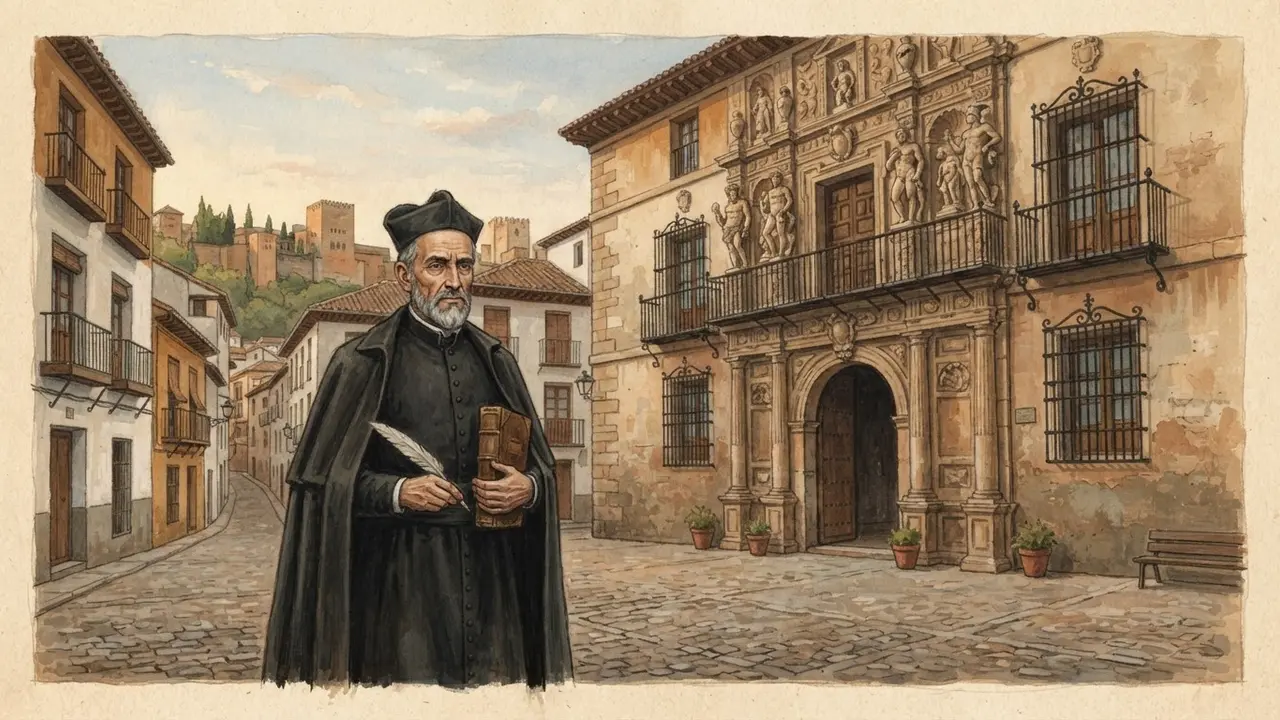
Francisco Suárez was born in Granada on 5 January 1548, the son of the lawyer Gaspar Suárez de Toledo, and lived in the city until close to fourteen. He entered the Society of Jesus at Salamanca in 1564, taught at Valladolid, Rome, Alcalá, Salamanca and Coimbra, and published the Disputationes Metaphysicae in 1597. Pope Paul V designated him doctor eximius et pius, the Eminent Doctor. He died in 1617.
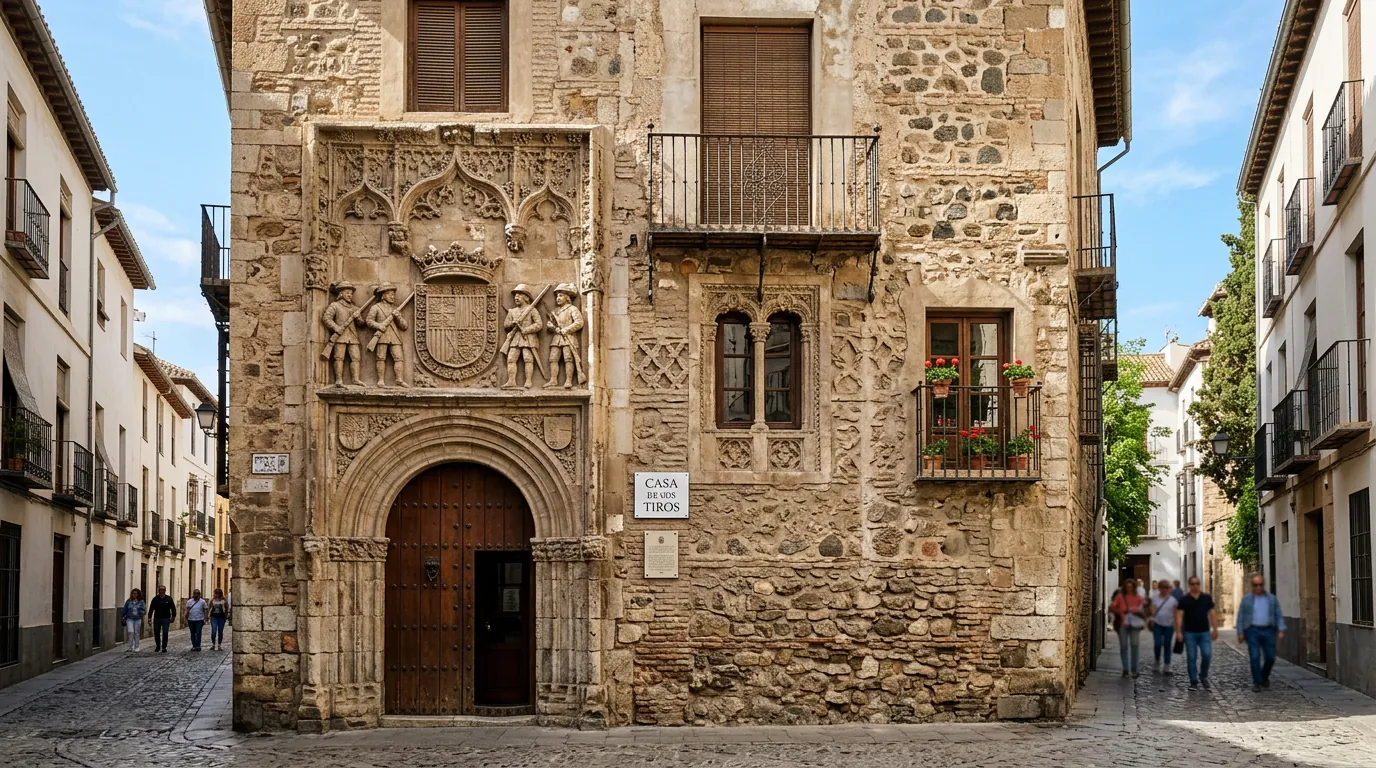
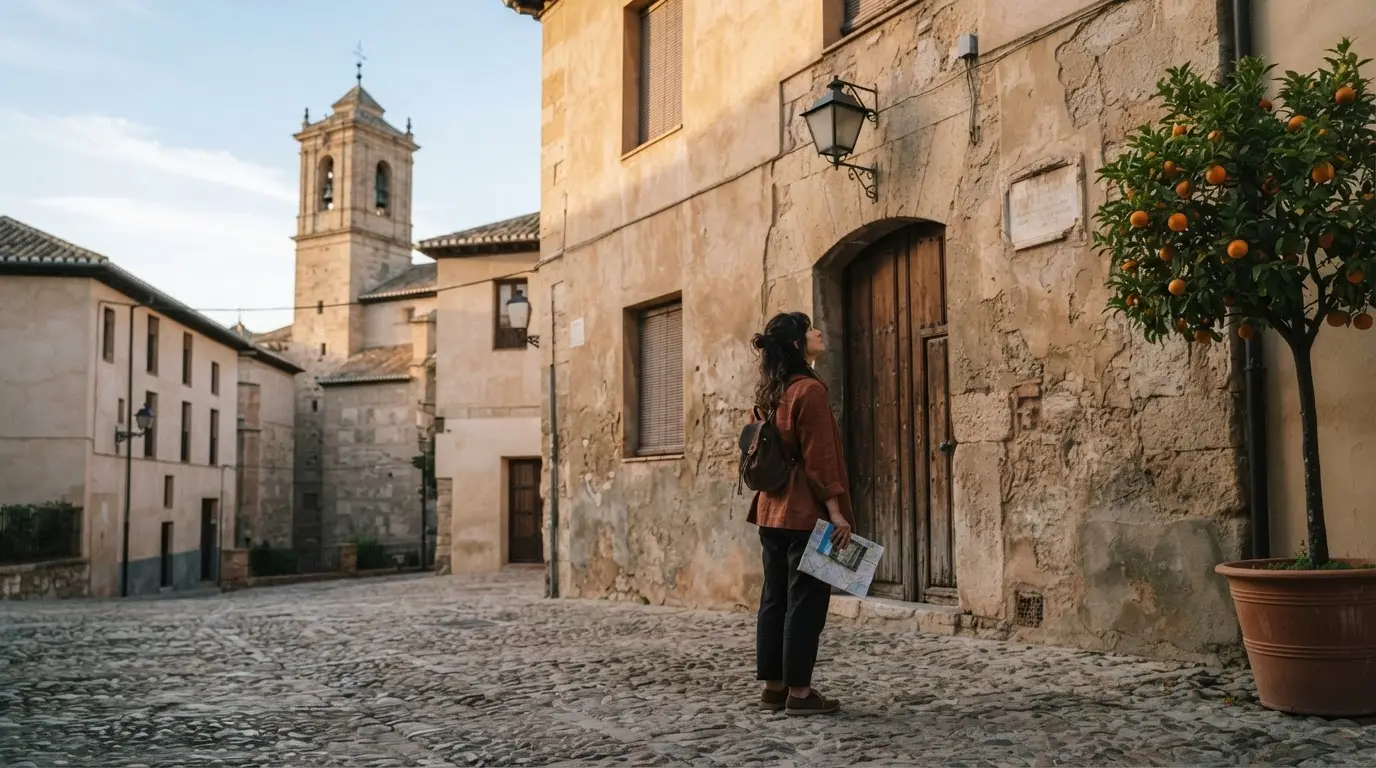
Granada keeps a few traces of him. A plaque dedicated by the city council in 1896 marks the birthplace at Plaza del Padre Suárez 1, and a monument of 1917 stands in a niche at a corner of the archbishop's palace. Of the original Suárez de Toledo palace, the tower beside the Casa de los Tiros survives.
1492–1610
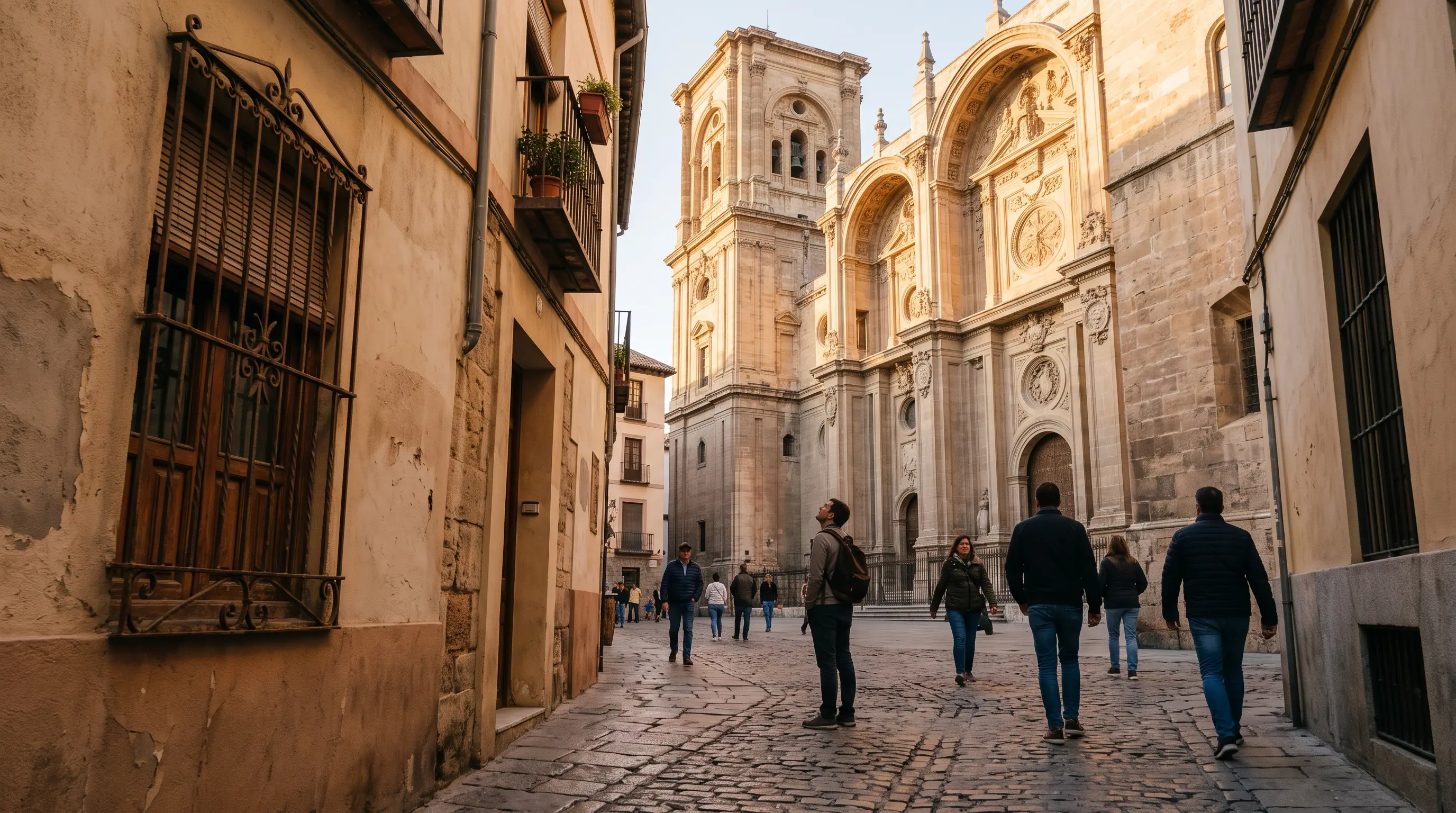
Boabdil handed Granada to Ferdinand and Isabella on 2 January 1492, after a siege whose camp became the town of Santa Fe. Enrique Egas drew a Gothic plan for the cathedral in 1518 and building began in 1523. Diego de Siloé, master builder from 1529, changed it into Spain's first fully Renaissance cathedral, with a circular capilla mayor.
1504 Monument
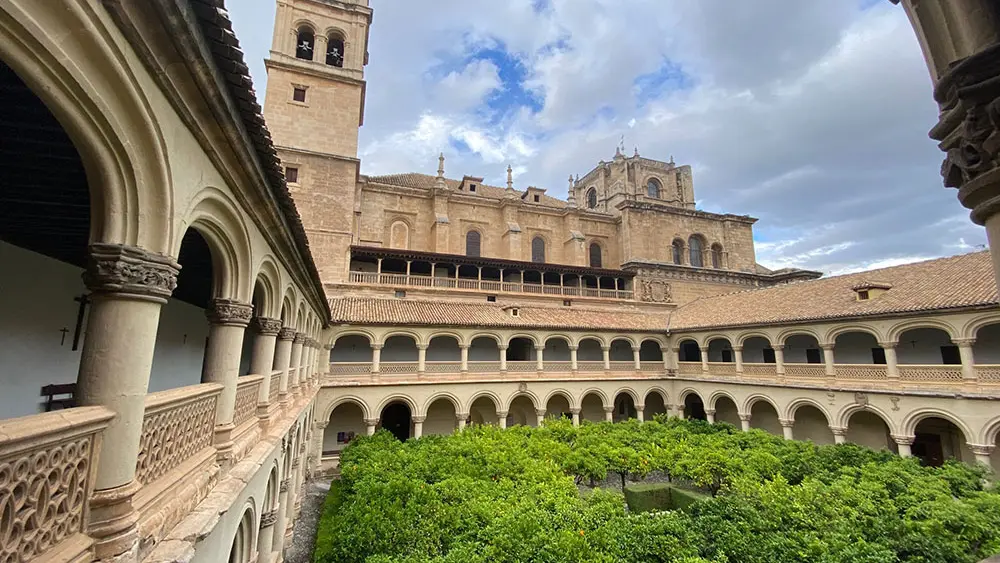
San Jerónimo holds the tomb of the Great Captain in a Renaissance church completed in 1522, with a carved altarpiece and gilded ceilings of exceptional quality.
1504 Monument
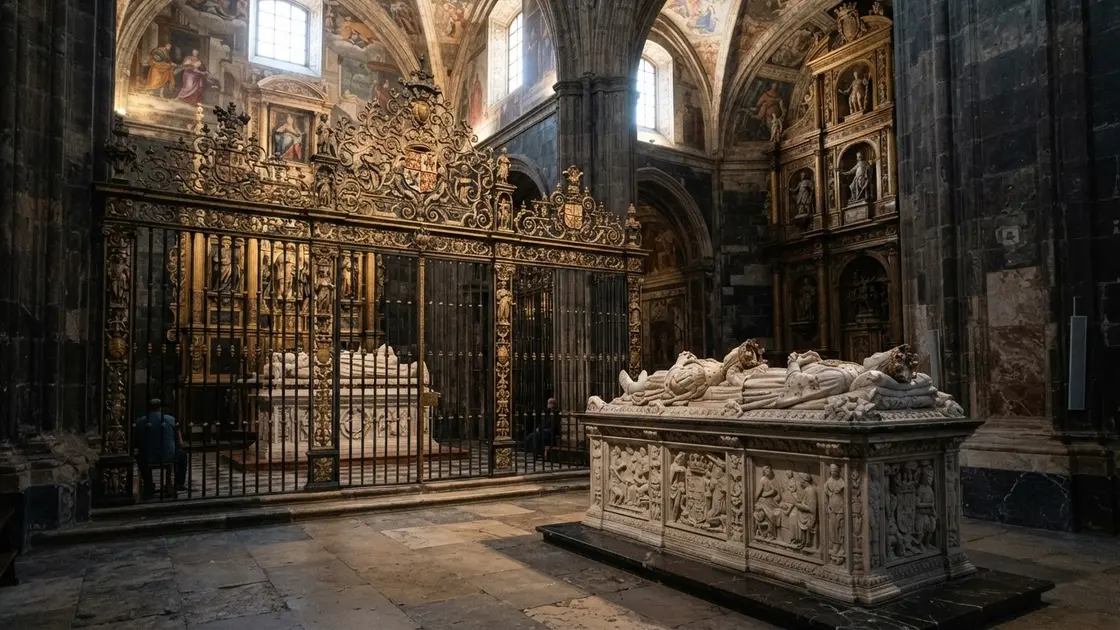
Isabelline Gothic chapel with the tombs of Isabella I and Ferdinand II. The sacristy holds royal regalia and paintings by Memling, Botticelli, and Bouts.
1516 Monument
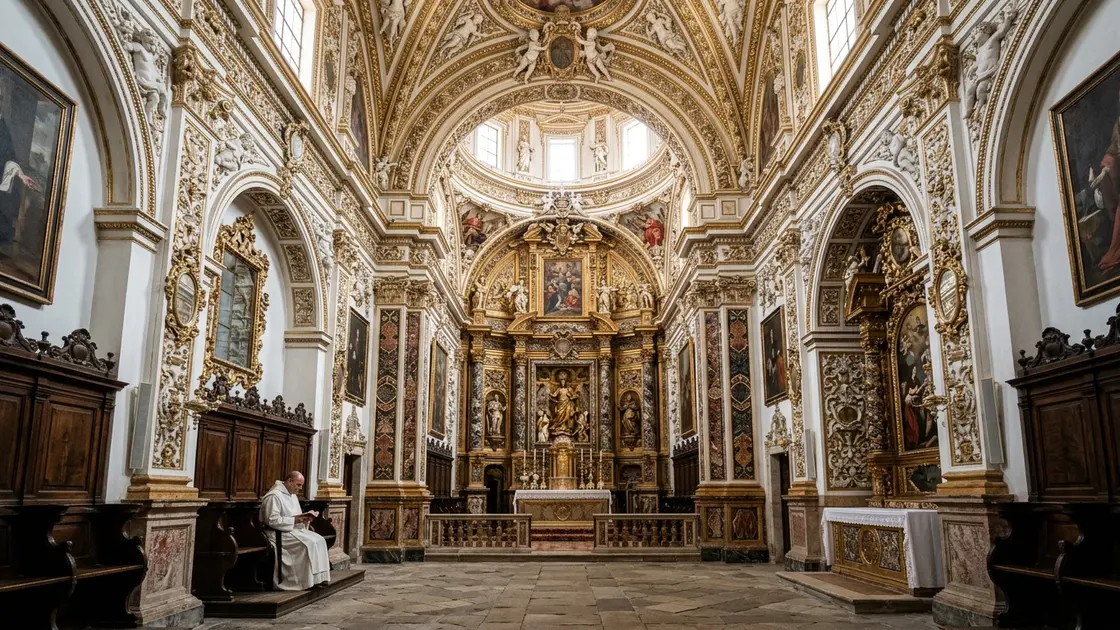
Founded in 1516 by El Gran Capitán, La Cartuja's sacristy is one of Spain's most ornate Baroque spaces — marble inlay, gilded altars, and near-total silence.
1523 Monument
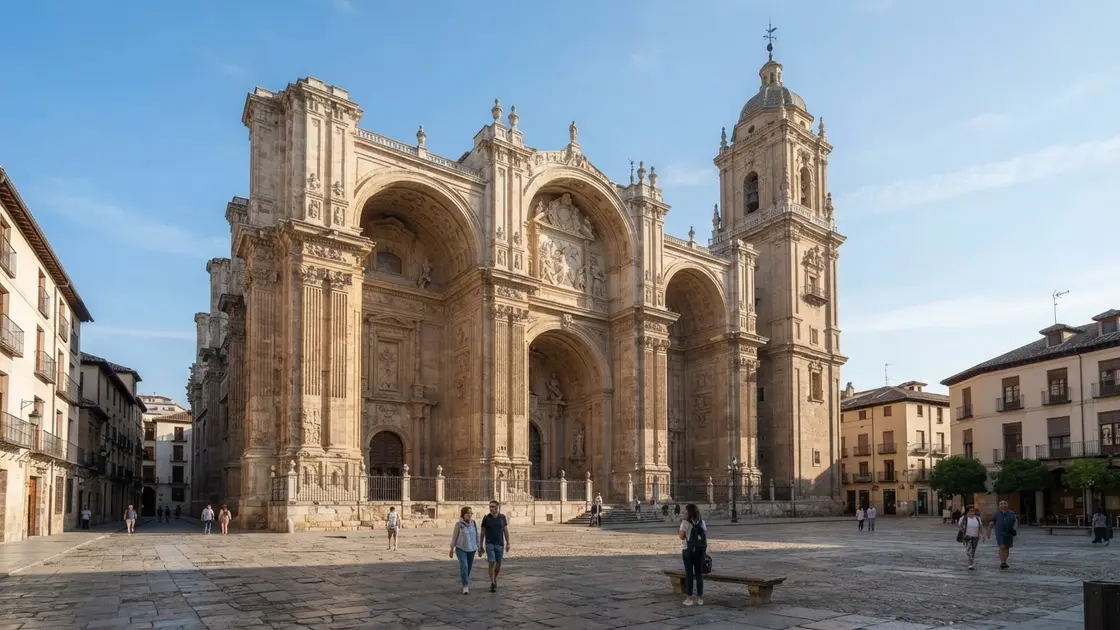
Granada Cathedral in Spain took 181 years to build from 1523, blending Gothic foundations with a Renaissance interior of five naves and a gilded dome chapel.
1525 Monument
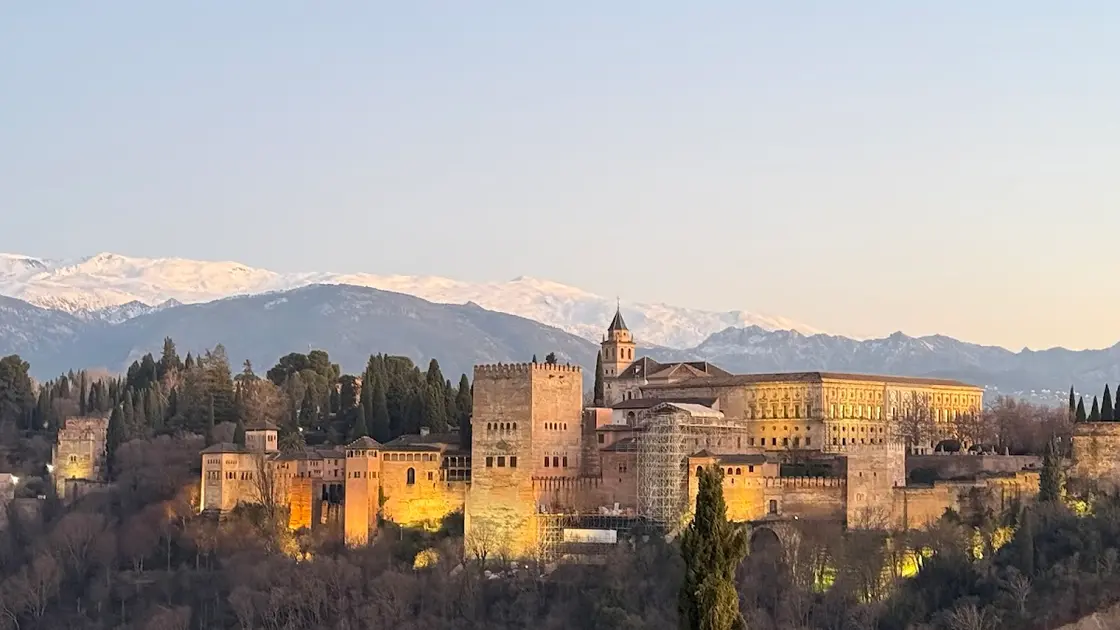
Free 24-hour viewpoint in the Albaicín with unobstructed Alhambra views and the Sierra Nevada as backdrop. Crowds peak at sunset; early morning is far quieter.
c. 1430–1507 Historical figure
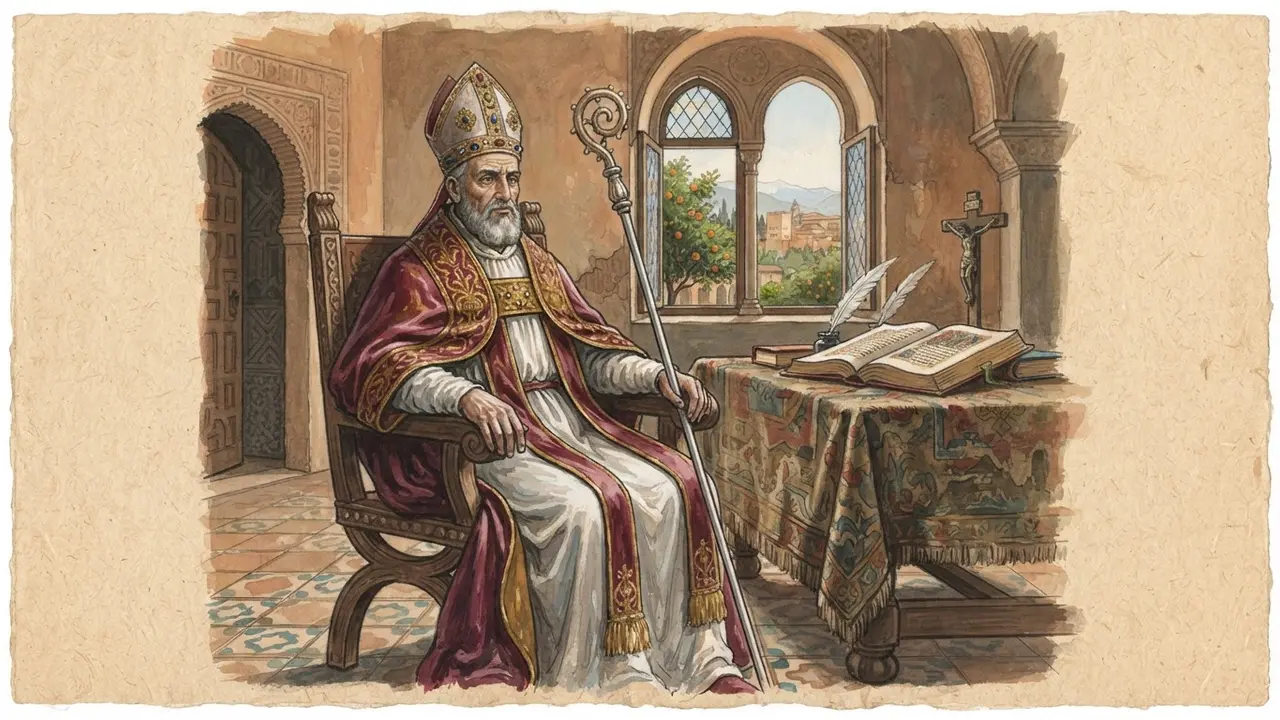
Hernando de Talavera, Isabella's confessor, became Granada's first archbishop in 1493. He learned Arabic himself and encouraged his clergy to do the same.
c. 1440–1515 Historical figure
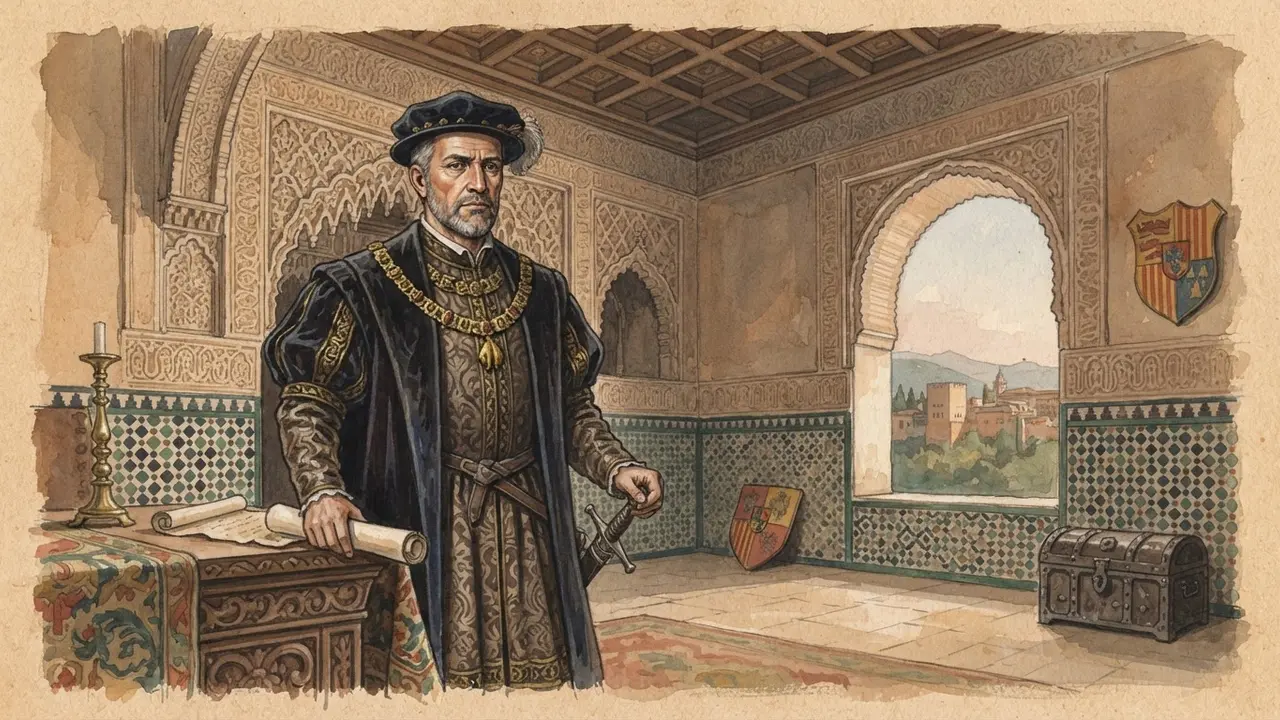
Íñigo López de Mendoza, Count of Tendilla, governed the Alhambra from 1492 and died in 1515. Find his trace on the Alhambra hill and what to read next.
1451–1504 Historical figure
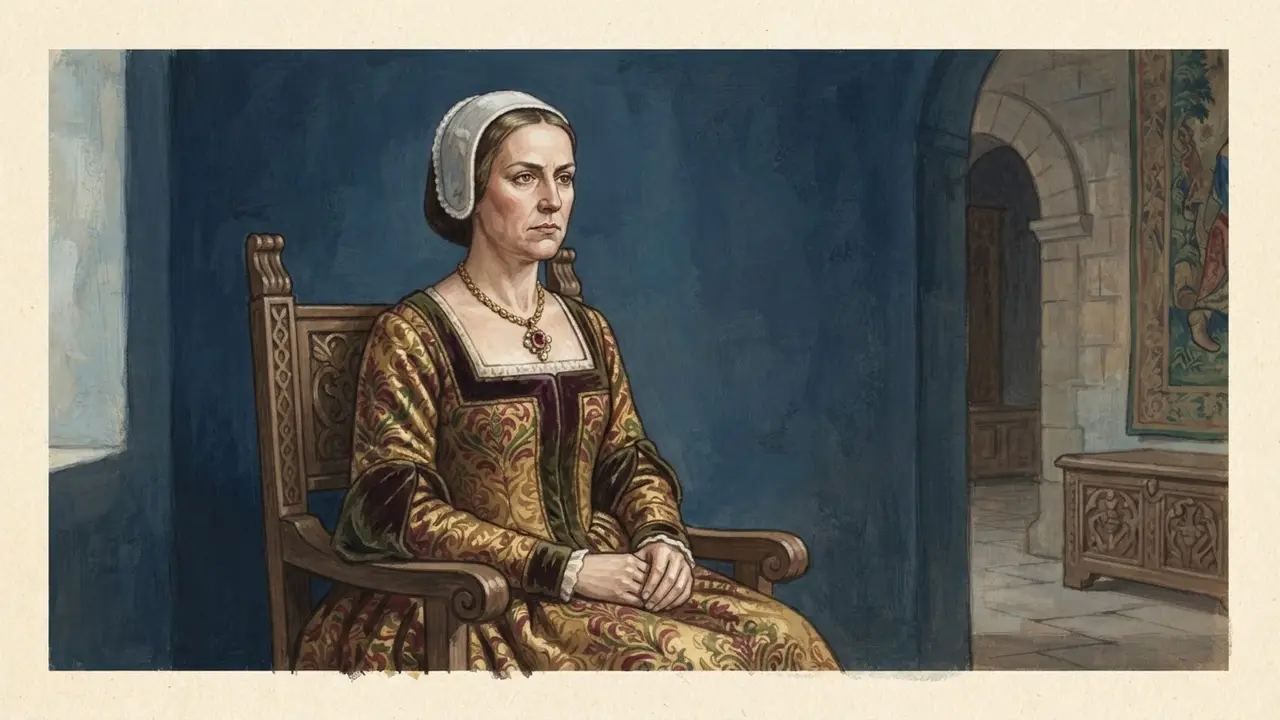
Isabella I of Castile, queen 1474–1504, chose Granada for her tomb in 1504. Her life in brief and where her trace survives in the Royal Chapel and the city.
1452–1516 Historical figure
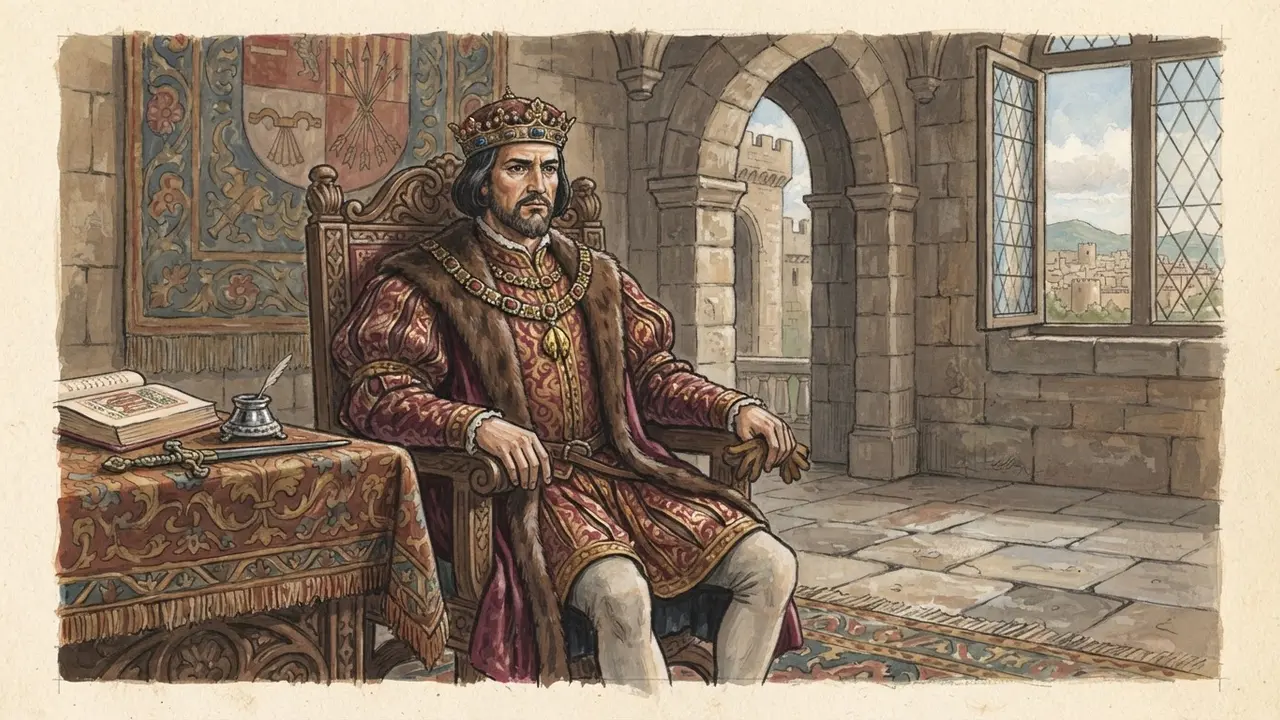
Ferdinand II of Aragon co-ruled with Queen Isabella through the Granada War, which ended on 2 January 1492, and is buried in the Royal Chapel of Granada.
1453–1515 Historical figure
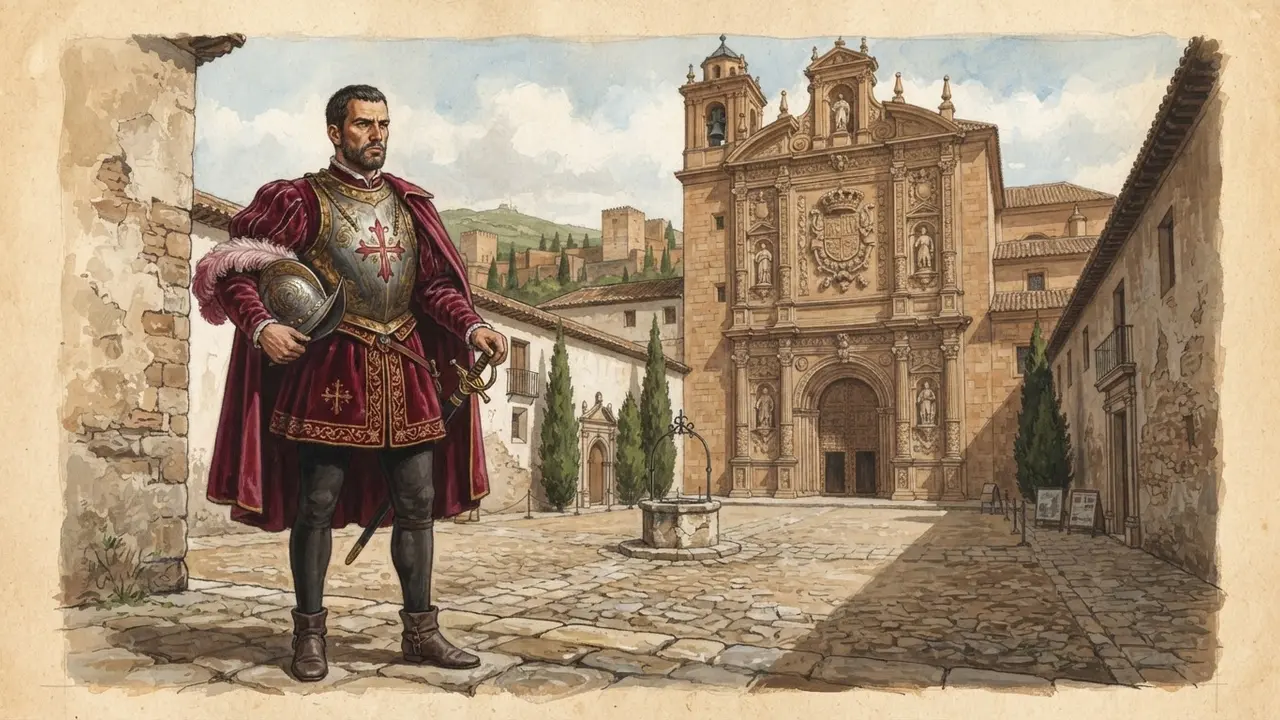
Gonzalo Fernández de Córdoba, the Gran Capitán, helped arrange Granada's surrender in 1492 and died near the city in 1515. Where his trace remains in Granada.
Go deeper