Articles
Stories, history, and planning essays from Granada (Page 4)
Long-form editorial pieces written by resident correspondents — cultural deep-dives, food traditions, and practical planning essays for visiting the city.
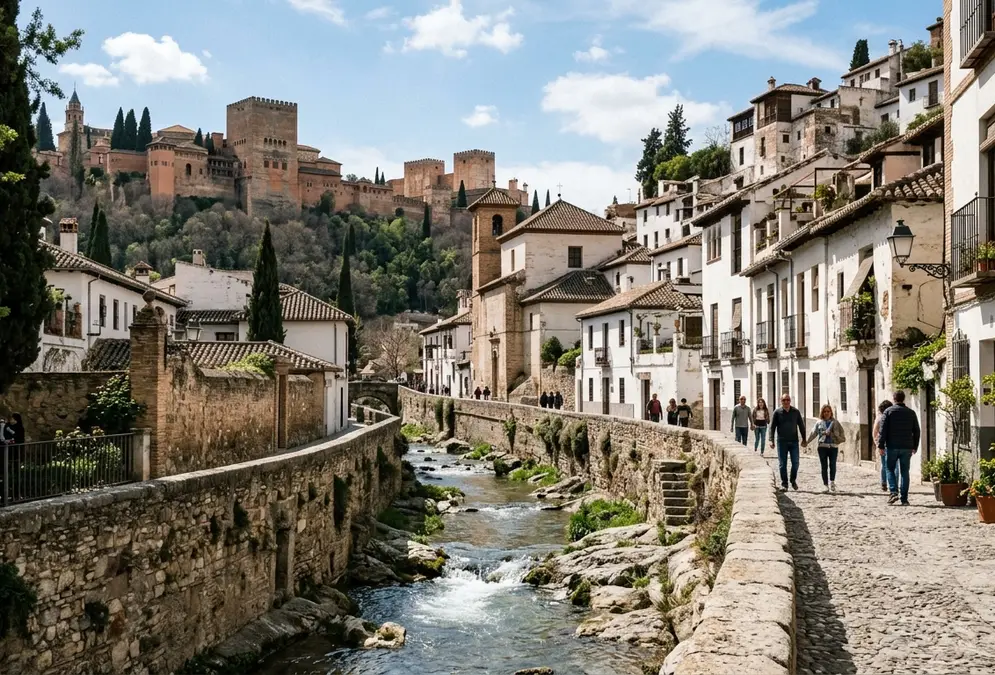
Darro River Granada: From Roman Gold to a Buried River
James Walker Updated
Why does the Darro vanish underground in Granada? The history: Roman gold, the Acequia Real, an 1854 burial, and the one open stretch at Carrera del Darro.
Read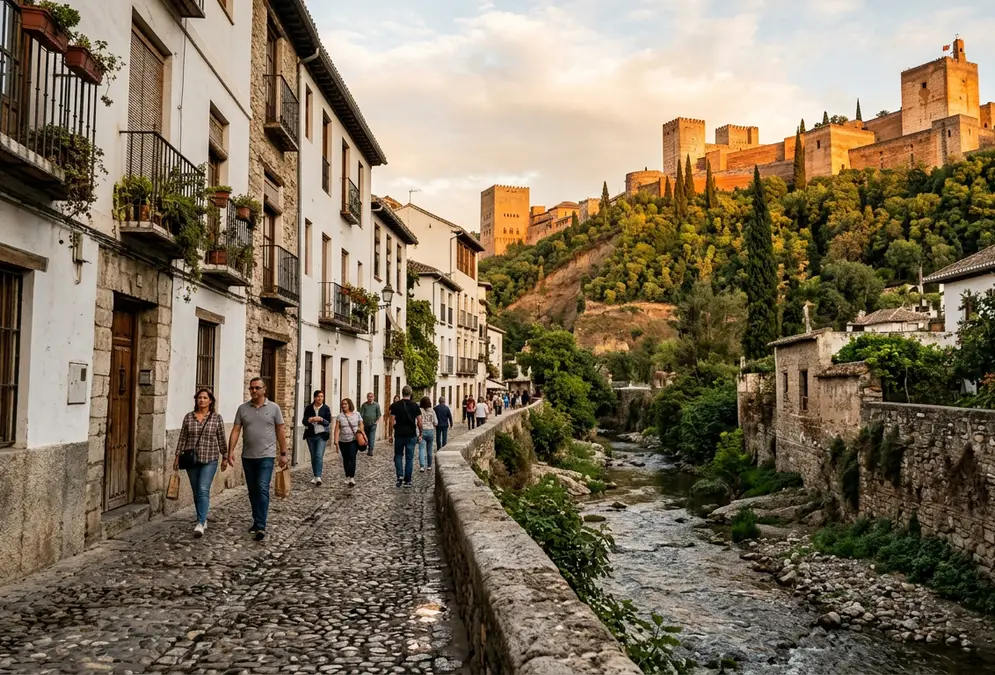
Carrera del Darro: Granada's Medieval Street Explained
James Walker Updated
Carrera del Darro history: 11th-century Moorish bridges, El Bañuelo bathhouse, a 1539 Renaissance palace, and Granada's only open stretch of the Darro river.
Read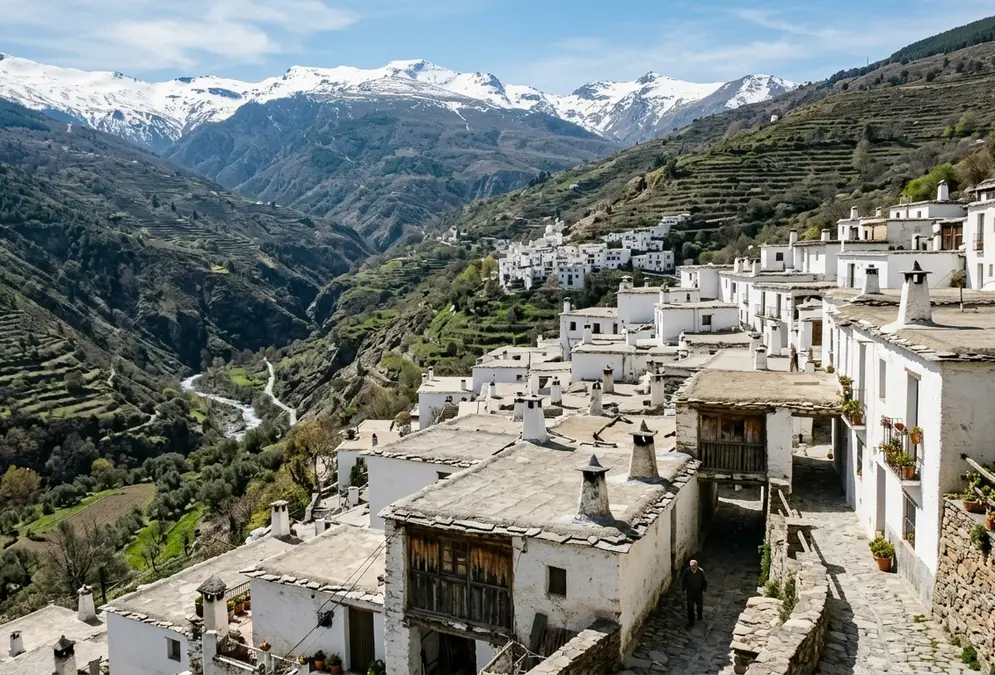
The Alpujarras Villages: Morisco Refuge After 1492
James Walker Updated
After 1492, the Alpujarras sheltered Granada's Morisco community for 80 years. Their tinaos, acequia channels, Berber chimneys, and flat launa roofs survive.
Read
Convivencia in Granada: how three faiths lived side by side
James Walker Updated
Christians, Muslims, and Jews in Nasrid Granada: the legal framework, the intellectual exchange, and the episodic violence that convivencia contained.
Read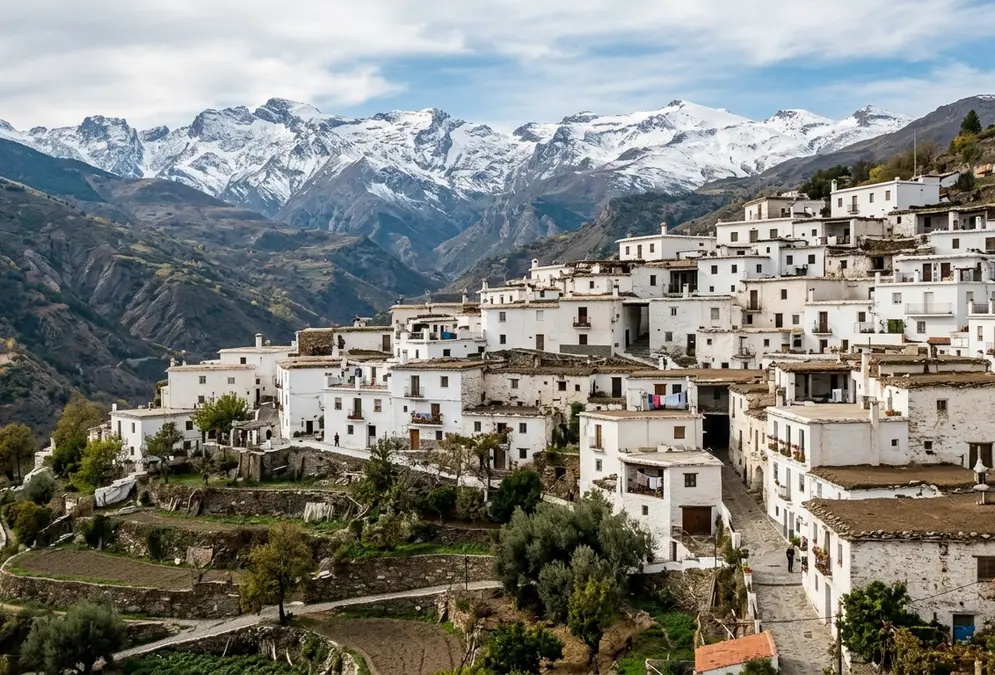
Moriscos of Granada: Secret Islam and the 1609 Expulsion
James Walker Updated
Forced to convert in 1502, Granada's Moriscos practised secret Islam under Inquisition surveillance for a century before Philip III expelled 270,000 in 1609.
Read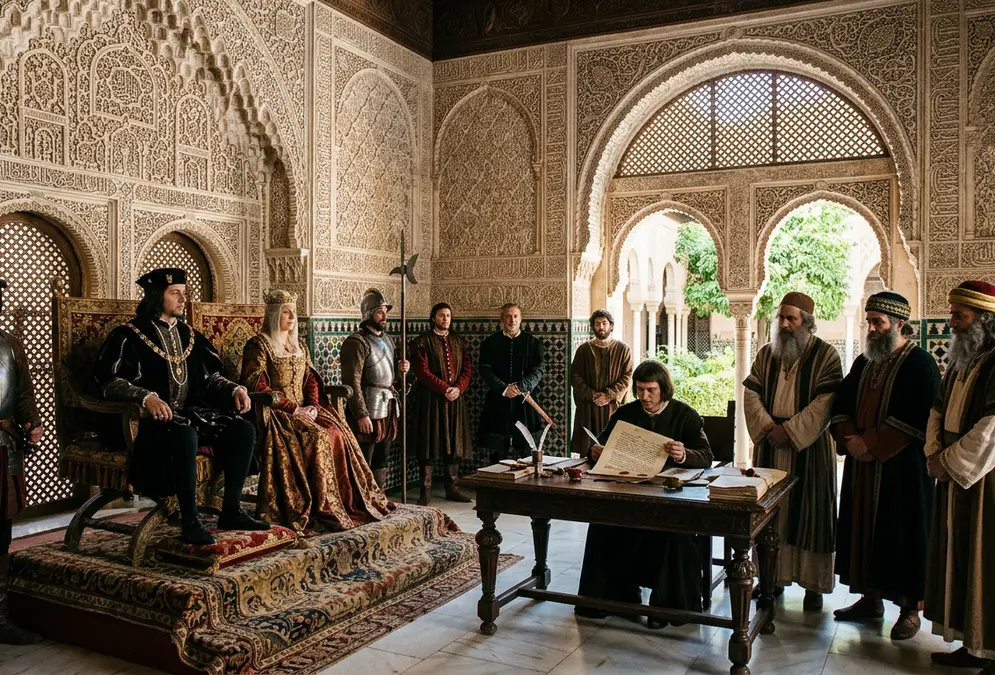
Alhambra Decree 1492: Granada's Jewish Expulsion Explained
James Walker Updated
The Alhambra Decree (Edicto de Granada) expelled Spain's Jews in 1492. Learn why it happened, what else happened in Spain that year, and where exiles went.
Read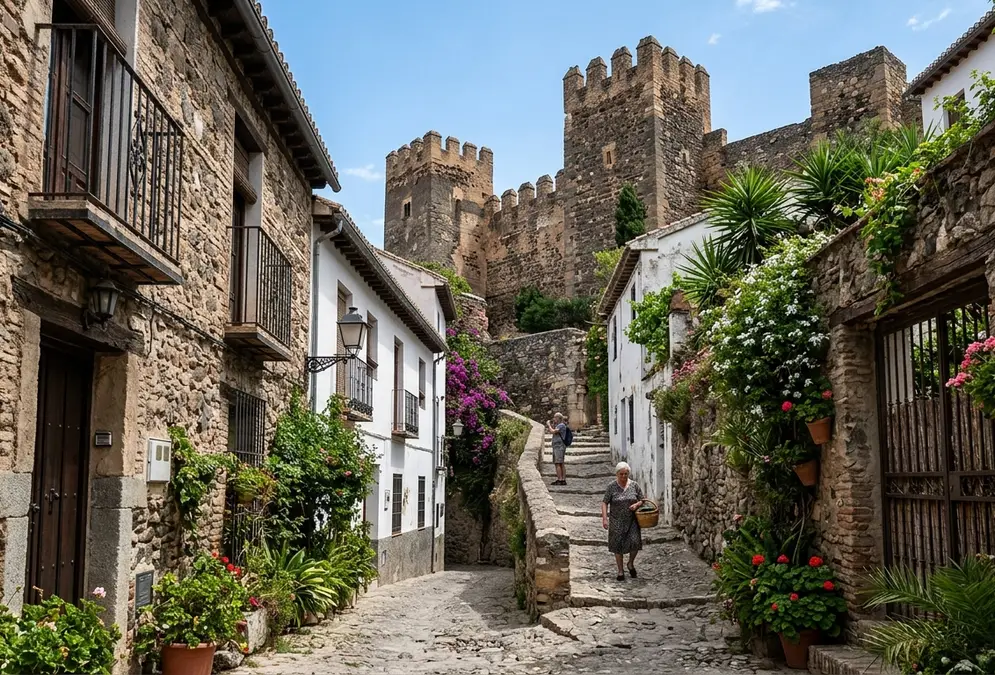
Zirid Dynasty Granada: The Berbers Who Built a City
James Walker Updated
The Zirid dynasty ruled Granada from 1013 to 1090: Berber founders of the Albaicín's walls, cisterns, and streets, and patrons of Samuel HaNagid's Golden Age.
Read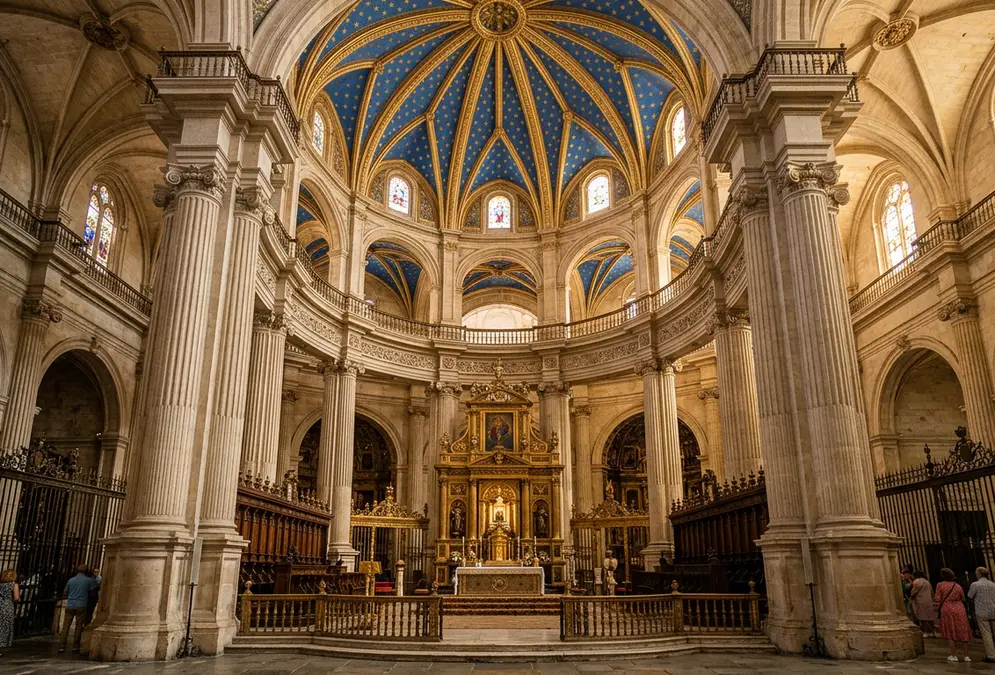
Granada Cathedral: Siloé's Renaissance Blueprint
James Walker Updated
Granada Cathedral's history: built from 1523 to 1704, converted from Gothic to Spain's first Renaissance design in 1529 by Diego de Siloé's circular chapel.
Read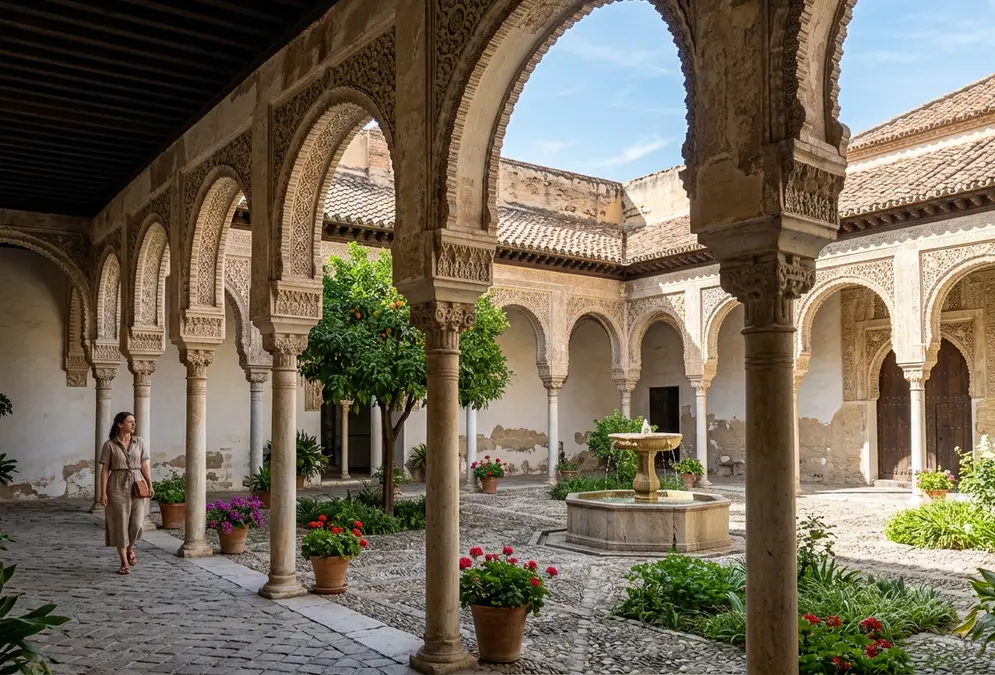
Mudéjar Granada: Islamic Art After the Reconquista
James Walker Updated
Mudéjar art in Granada: after 1492, Muslim craftsmen built Albaicín churches with horseshoe arches, sebka lattice and artesonado ceilings for Christian patrons.
Read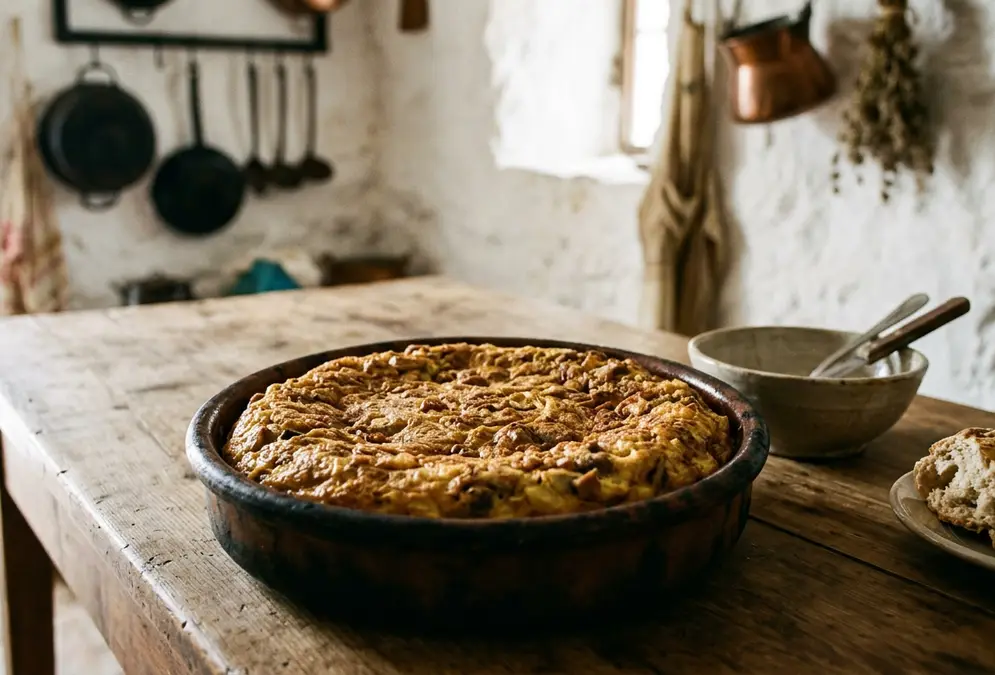
Tortilla del Sacromonte: history of Granada's cave dish
Sarah Mills Updated
How 16th-century refugees in Granada's Sacromonte caves turned sheep offal into a fiercely local dish, and the feast day that keeps the tradition alive.
Read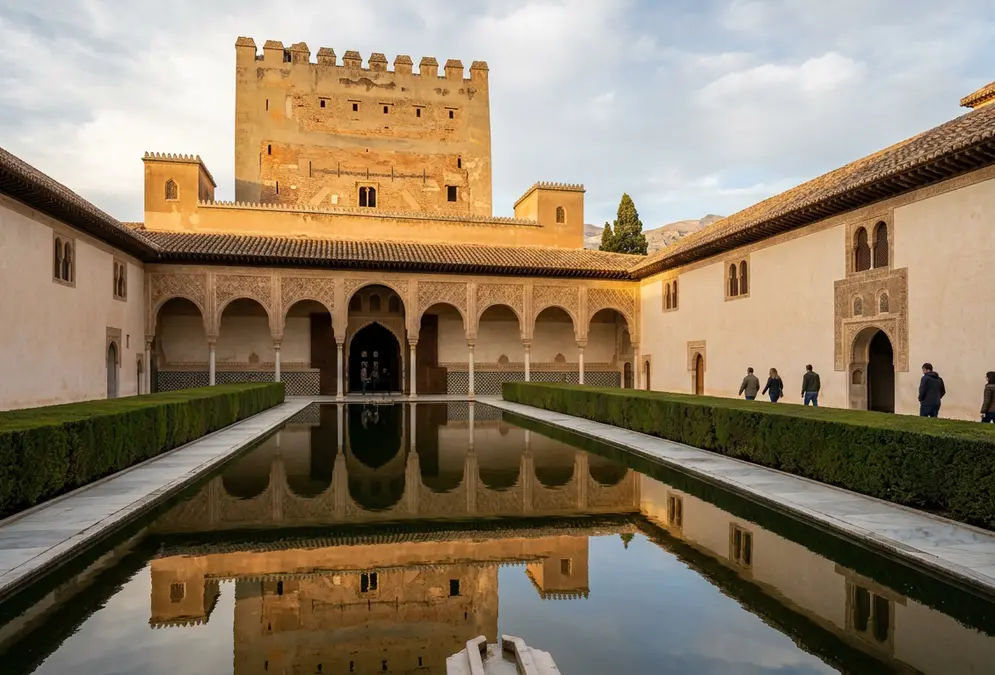
Alhambra Rooms History Political Meaning: Which Sultan Built What
James Walker Updated
Yusuf I built the throne room, Muhammad V built the Court of the Lions, and Charles V added a palace in the 1520s. Who built what, room by room, and why.
Read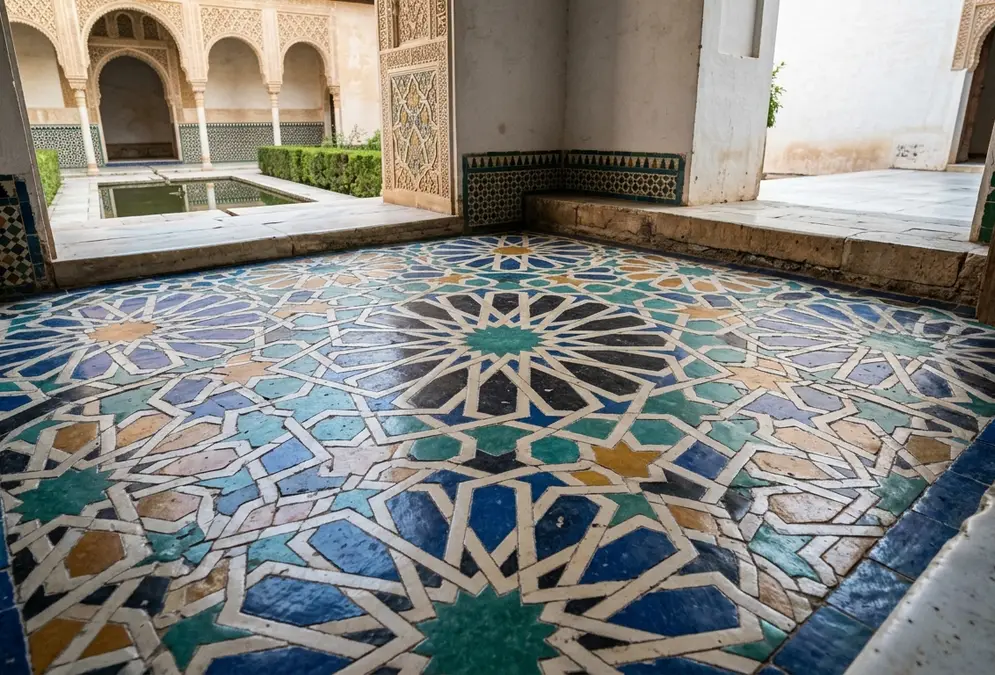
Alhambra Geometry: An Architecture Lover's Deep Dive
James Walker Updated
Alhambra geometry decoded room by room: girih tile patterns, muqarnas mathematics, and the proportion systems that still baffle modern architects and designers.
Read