Weeks of rain on soft ground
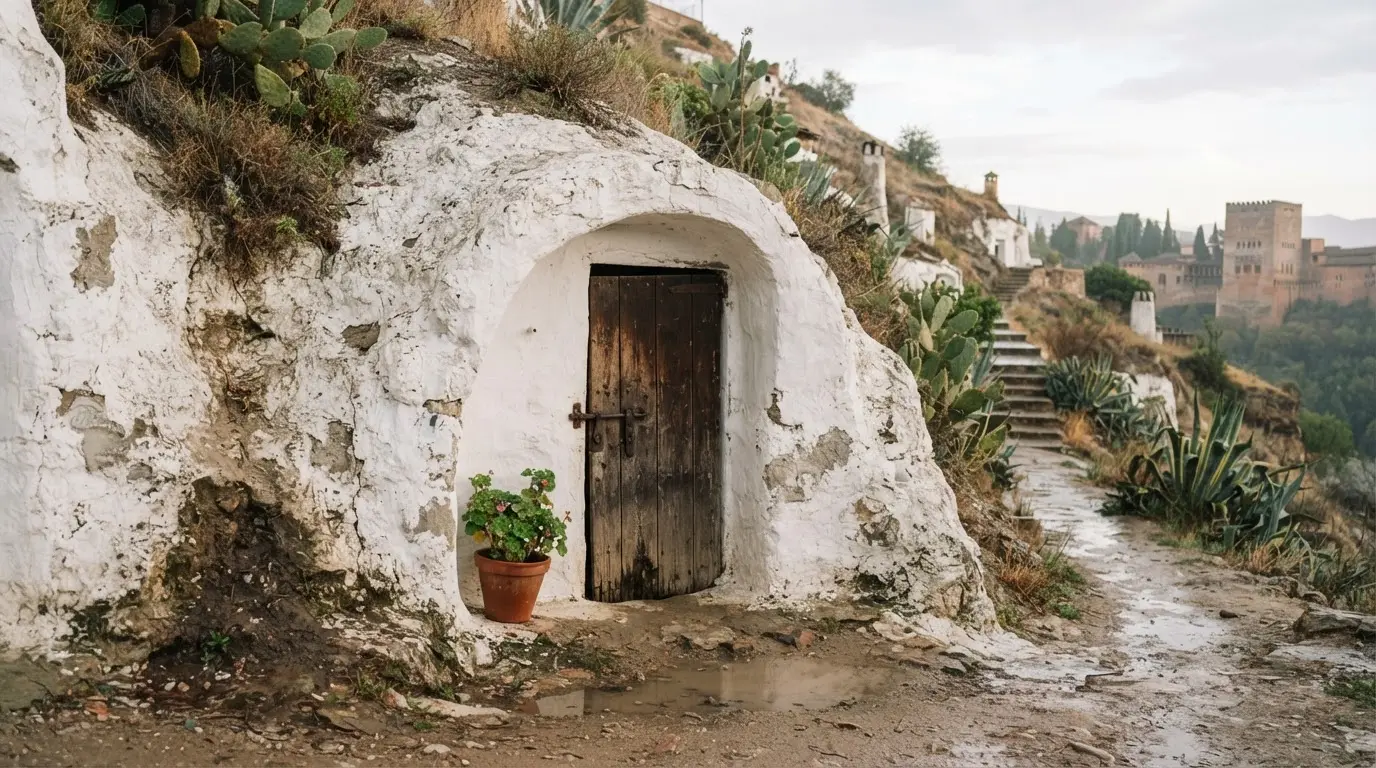
Rain began in January 1963 and kept returning. On 7 January three people were buried in a cave at Barranco Bermejo.[5] On 26 January the cave known as La Macana, in the Barranco de los Negros, collapsed and killed the tocaor (flamenco guitarist) Antonio Maldonado and his three-year-old son Juan.[6] The quarter's musicians were not spectators to this disaster.
The year itself is less tidy than the story. Some guides date it differently, to 1962 or to March 1963, and the rain came in waves rather than on a single night. The winter of 1963 is the safest anchor.
The slope had met rain before. Sacromonte, known abroad for its caves, its zambras and artists such as Curro Albaicín,[7] had already seen its carved cave houses tested: December 1960 and February 1962 brought major floods and landslides.[8]
The deluge, the dictator and the families who stayed
The deluge of mid-February finished what January had started. More than twenty thousand people across the city counted as victims of the storms when Franco arrived, and he was taken to Sacromonte, one of the districts that had suffered most.[9] Some families still refused to leave their caves, even as the scene around them looked desolate.[10]
Shelter was improvised wherever there was a roof:
- The Archbishop's Palace
- The ministries' vehicle depot
- A warehouse belonging to the Frigoríficos Sierra Nevada company[11]
A synopsis on the city council's cultural agenda, for the documentary Zambra, says the floods of 1963 inundated the caves and streets, forced the quarter's evacuation and destroyed hundreds of families, memories and lives.[12] A Granada columnist counts seven thousand displaced people from across the province who found shelter late and lost their human, family and artistic roots on the way.[13]
Barracks and a new estate in the north
Rehousing was improvised first and settled only much later. The record names these destinations:
Deep dive · Article
Enrique Morente: Granada's Flamenco Revolutionary
Enrique Morente went from Albaicín choirboy to flamenco's most radical voice, reviving cante, setting Lorca to song, and fusing it with rock on Omega (1996).
What the zambra lost
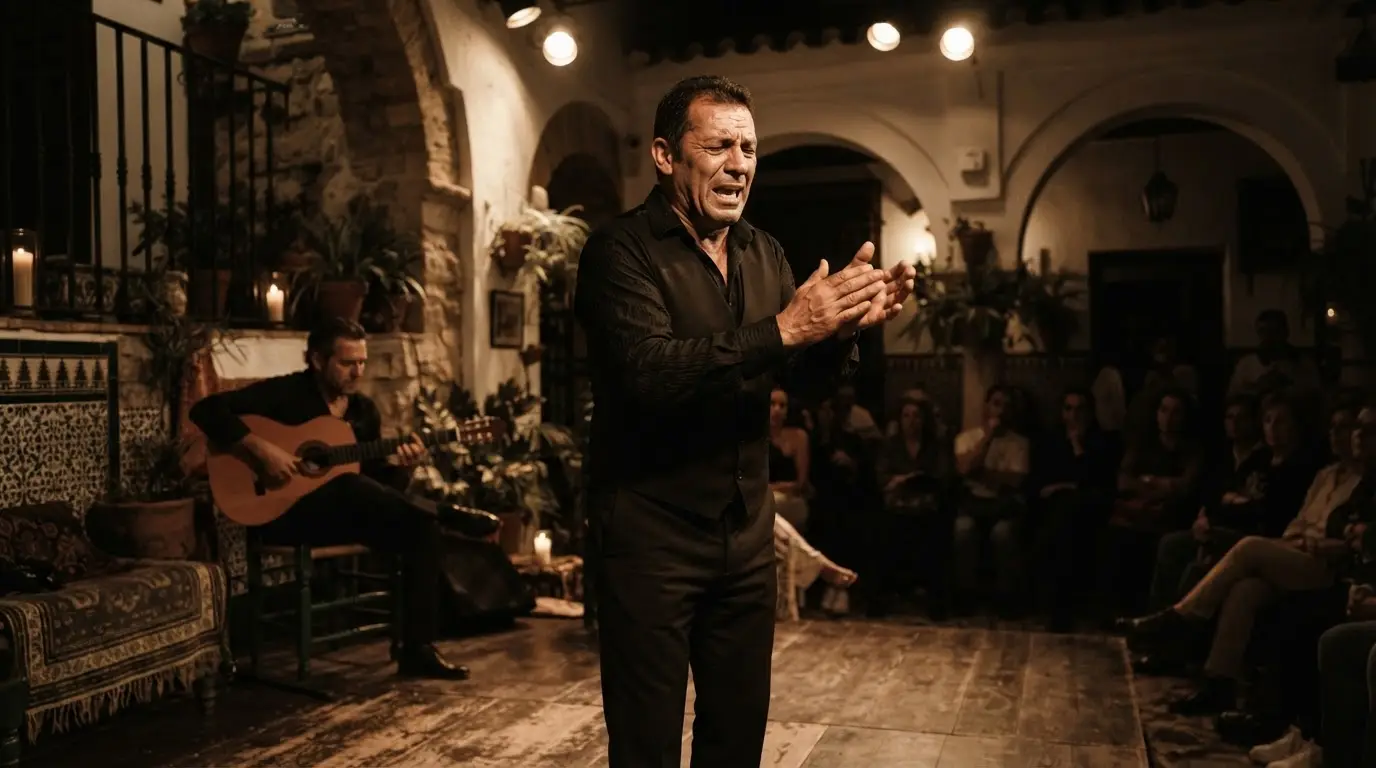
An Ideal columnist calls what happened the uprooting of a district known around the world and the dispersal of its people, most of them zambra artists.[17] The zambra is a flamenco show built on the ritual of the Gitano wedding, and it is now described as almost vanished.[18] A tradition built on a place does not travel well.
Some caves still host zambra shows in the evenings,[19] and flamenco in Sacromonte is the easiest way to hear what survives. One account of the 1960s says much of the quarter's people scattered around Granada and never came back.[20]
A tradition built on a place does not travel well.
Caves reoccupied, and where to see them now
The caves did not stay empty. By 1966 some of the Gitanos had returned to the area, and the sociologist Jean-Pierre Liégeois documented life in the streets of Sacromonte.[21] In the 1970s and 1980s some emblematic caves became modern discos,[22] and squatters from across Spain and Europe gradually reclaimed others as homes[23] until 100 police officers and council workers with diggers arrived to seal off the dwellings.[24]
Today nearly all the remaining Romani in the quarter are involved with tourism in one way or another.[25] That is a long way from the more than 3,600 inhabited caves Frommer's estimates for 1950.[1]
Recommended tours
Tours are selected for quality, not commission. We earn a small fee if you book — at no extra cost to you.




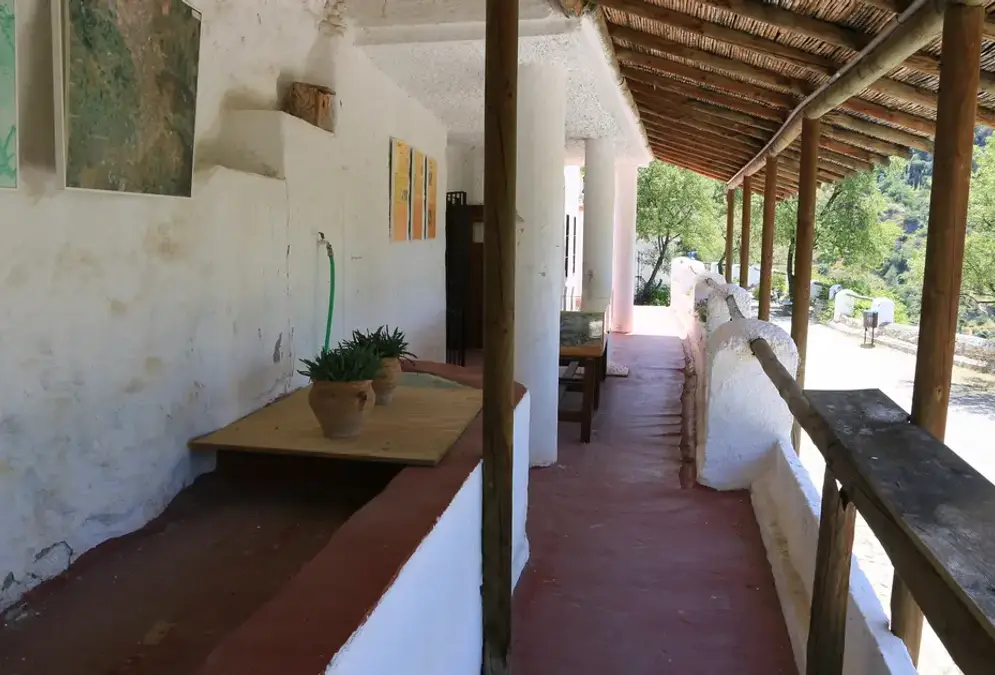
For a look at how a working cave was lived in, the Sacromonte Cave Museum keeps eleven original caves preserved and themed on traditional life and trades.[26] Its rooms recreate basketry, forge, pottery and loom work.[27] Then follow the Sacromonte cave route walk up the hillside to see the slope that gave way.
Things to do · Activity
Sacromonte Cave Museum
Museo Cuevas del Sacromonte, Granada: 11 restored Roma caves, flamenco history and Alhambra views. Entry €5, hours, and getting there — the full guide.
Ask why so few families live in the caves now and the answer starts in 1963. The rain scattered a quarter's people into barracks and a new estate in the north; the caves were reclaimed slowly, by other hands.