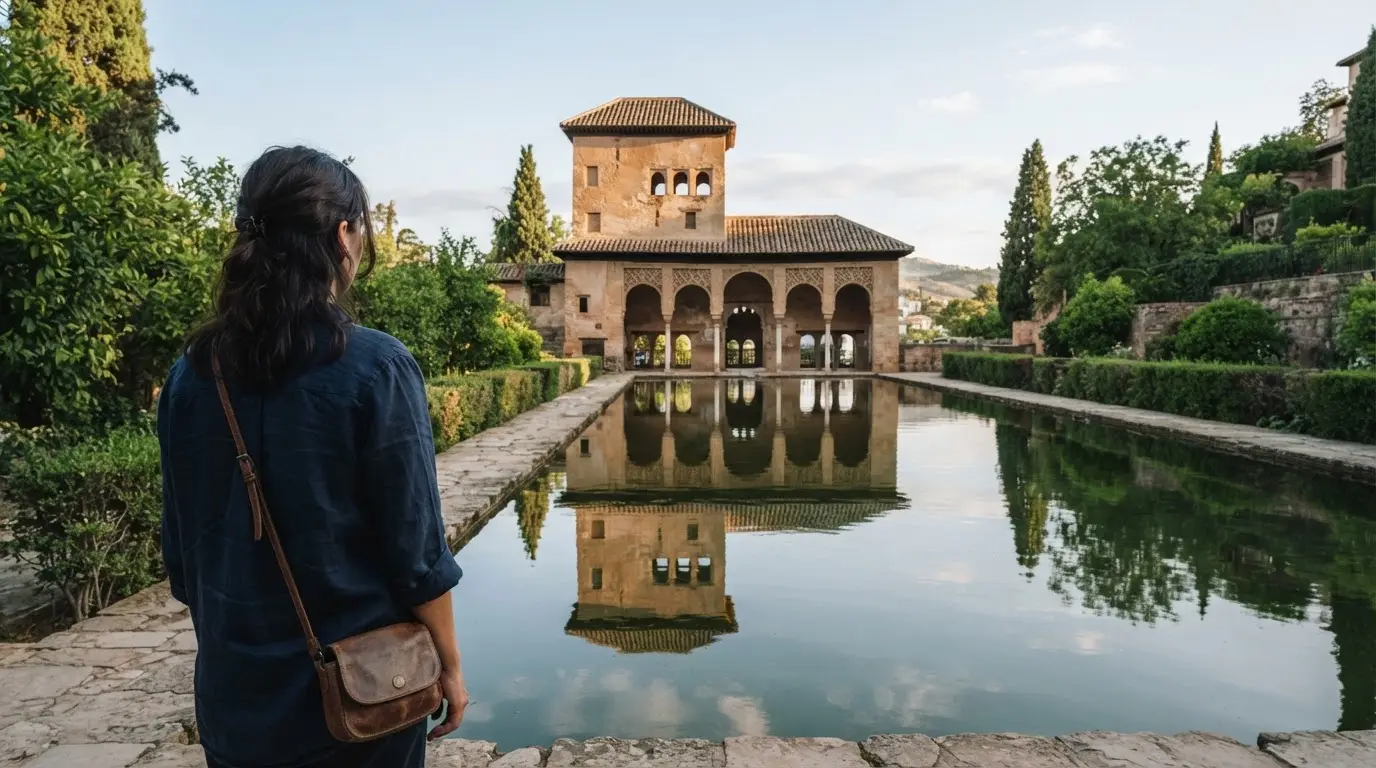
The Alhambra Ceiling a German Banker Took Home to Berlin

Seven years resident in Granada. Specialist in Nasrid architecture, Al-Andalus history, and Andalusian walking routes.
In this article
Jump to a section
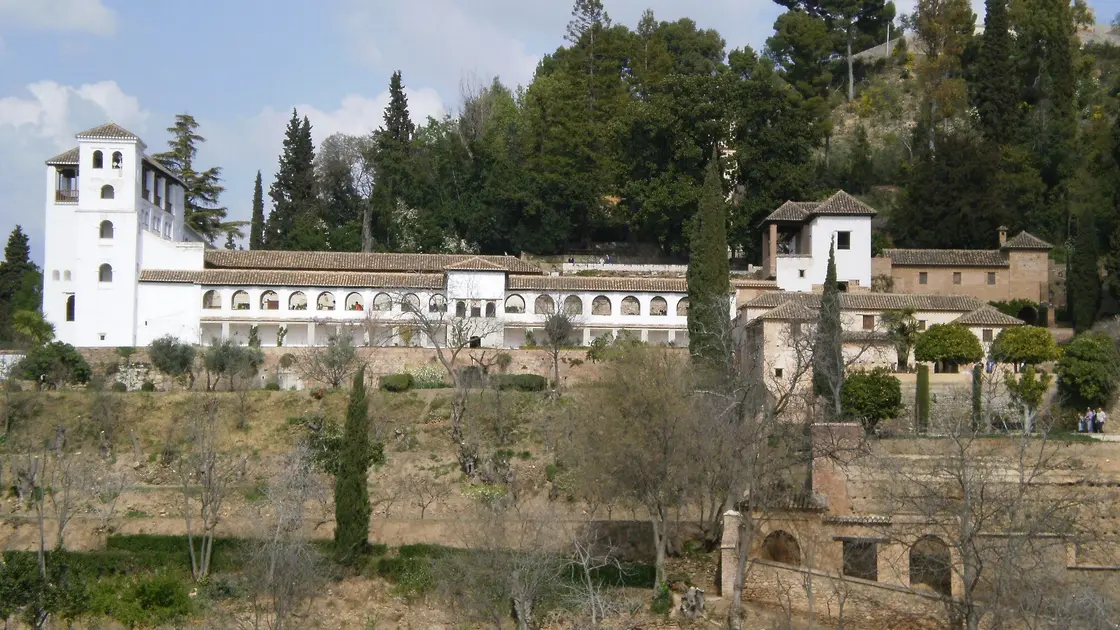
A palace that belonged to a banker
1885 and 1891: the palace, the gift and the permit
Explore nearby · Monument
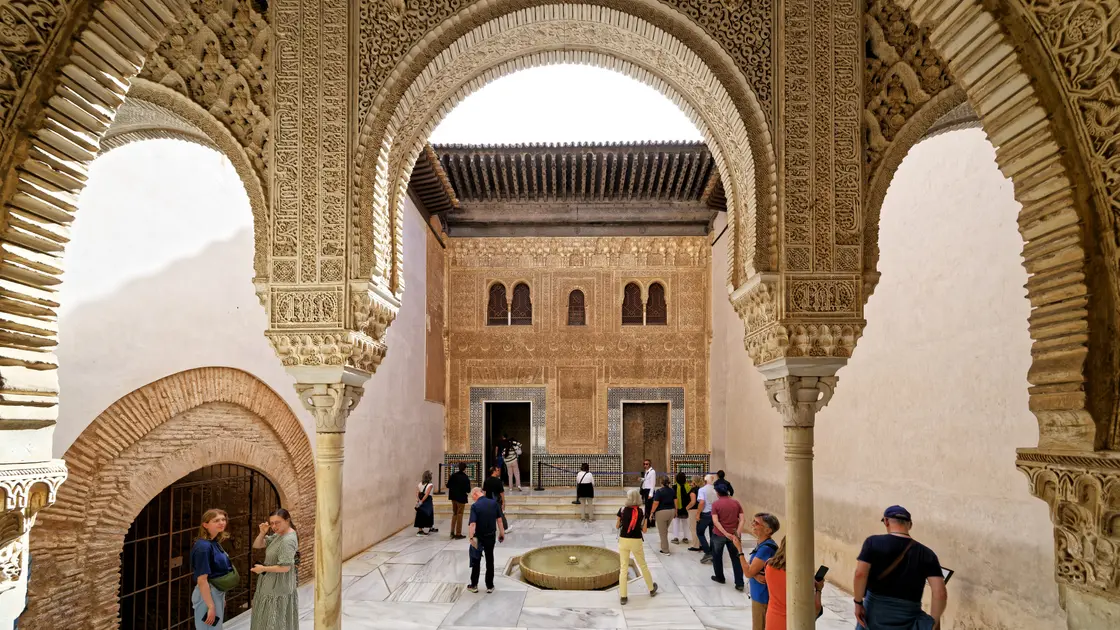
Alhambra
The Alhambra is Granada's UNESCO fortress-palace: Nasrid Palaces, Alcazaba and Generalife gardens. Tickets sell out weeks ahead; book via the Patronato site.
What the dome is, and where it went
Deep dive · Article
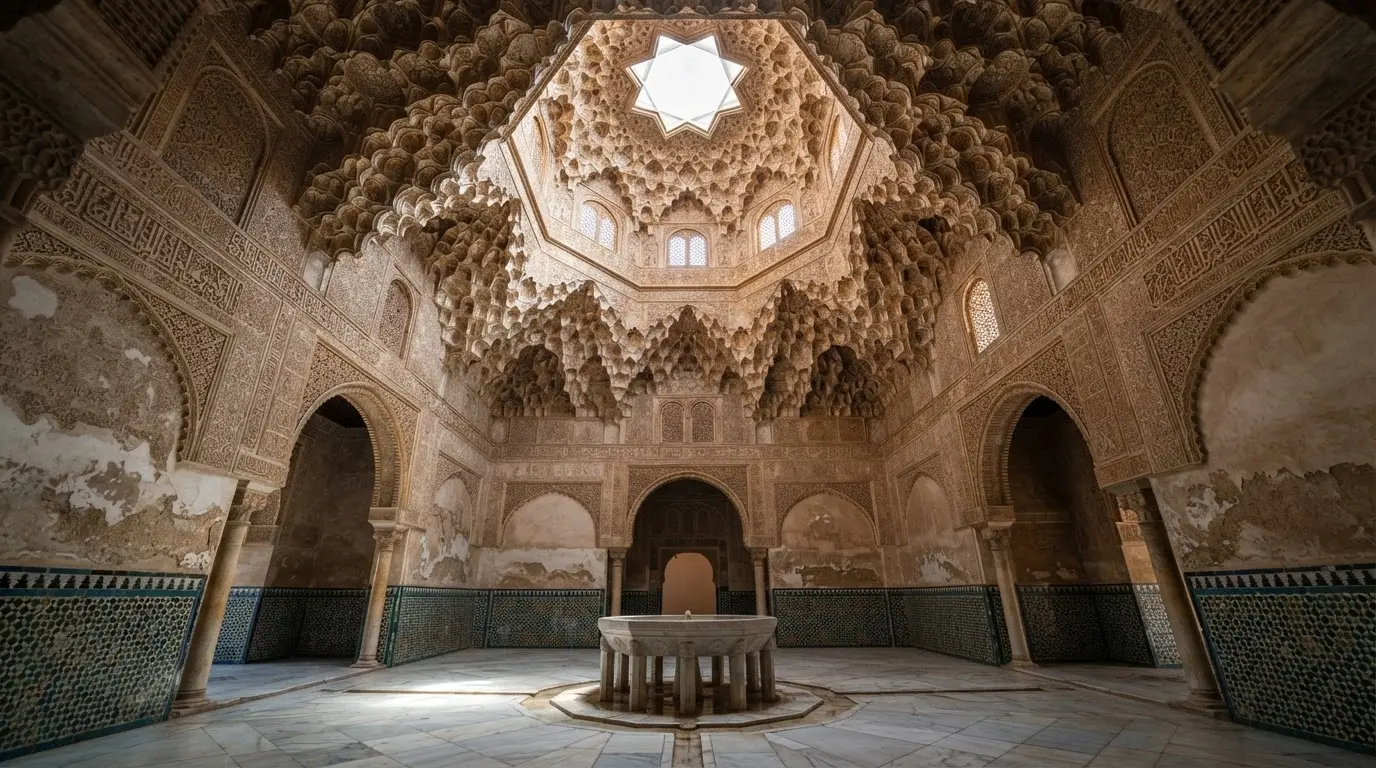
Abencerrajes of Granada: the noble clan behind the legend
Abencerrajes of Granada: the noble clan who shaped Nasrid court politics for a century and became legend through a massacre story set in the Alhambra.
Spain's pass, Berlin's purchase
No Berlin viewing until the new galleries open
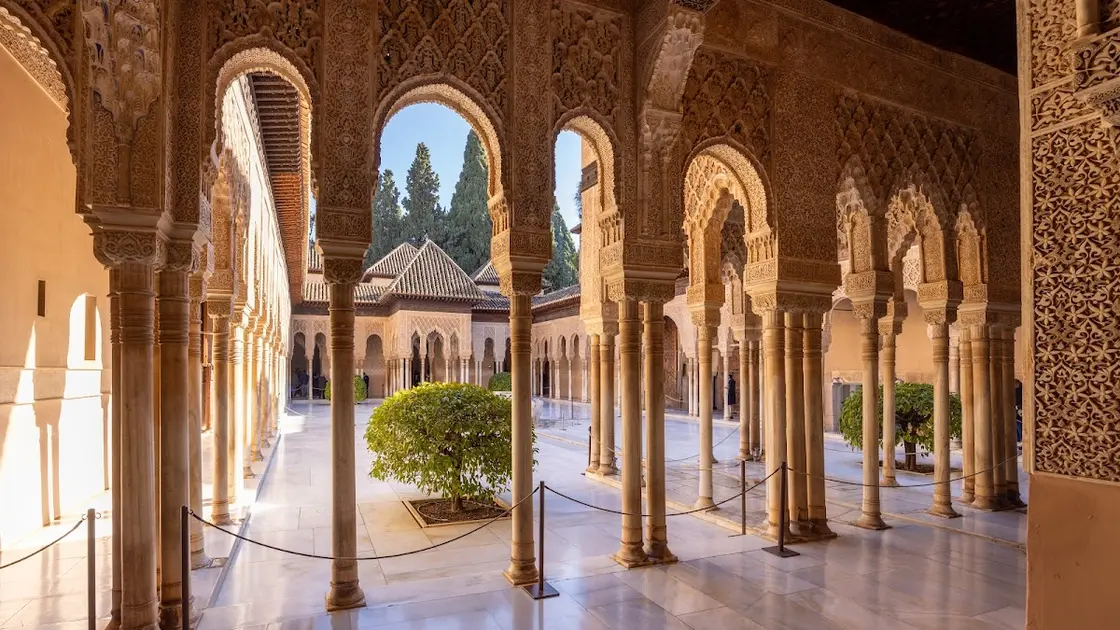
What you see in the tower now
Recommended tours
Tours are selected for quality, not commission. We earn a small fee if you book — at no extra cost to you.
Frequently asked questions
Is the cupola in the Torre de las Damas original?
Where is the Alhambra cupola in Berlin now?
Did Spain give permission for the Torre de las Damas ceiling to leave?
Sources
25 references Show Hide
- islamic-art.smb.museum — The Alhambra Cupola in the Museum for Islamic Art (opens in a new tab)
“Drawings of the cupola were made before it was removed, on the basis of which the Spanish government ordered a reproduction to be installed in the tower in the 1960s.”
- islamic-art.smb.museum — The Alhambra Cupola in the Museum for Islamic Art (opens in a new tab)
“In 1978, the Museum for Islamic Art acquired the cupola from von Gwinner's descendants.”
- preussischer-kulturbesitz.de (opens in a new tab)
“Von Gwin-ners Erben wollten 1979 die Kuppel verkaufen. Da die spanische Regierung kein Interesse hatte, erwarb sie das Museum für Islamische Kunst.”
- Patronato de la Alhambra — The partal (opens in a new tab)
“Its decorative style suggests that it was built during the reign of sultan Muhammad III (1302-1309), making it the oldest—if only partially standing—palace in the Alhambra.”
- Wikipedia (opens in a new tab)
“The mirador took on the colloquial name in the 19th century of Torre de las Damas ("Ladies' Tower").”
- islamic-art.smb.museum — The Alhambra Cupola in the Museum for Islamic Art (opens in a new tab)
“It was in this context that the German banker Arthur von Gwinner acquired the Palacio del Partal from a private owner in 1885.”
- preussischer-kulturbesitz.de (opens in a new tab)
“In diesem Kon-text erwarb der in Madrid lebende deutsche Bankier Arthur von Gwinner 1885 den Palacio del Partal aus Privatbesitz.”
- Wikipedia (opens in a new tab)
“From the 1885 sale records, von Gwinner stated his intention to remove the "old arab ceiling" explicitly.”
- Patronato de la Alhambra — The partal (opens in a new tab)
“On 12 March 1891, its owner, Arthur Von Gwinner, handed ownership over to the State.”
- Patronato de la Alhambra — 11 C.A.2(1966)pp.129 130.pdf (opens in a new tab)
“Esta torre, llamada de las Damas, y por otro nombre del Primncipe, fue cedi-da gratuitamente al Estado por su propietario her Arthur Gwinner Dreiss, de Frankfurt del Main.”
- islamic-art.smb.museum — The Alhambra Cupola in the Museum for Islamic Art (opens in a new tab)
“In return, he received permission to remove and export the wooden ceiling of the Partal’s observation tower. It was subequently reinstalled in his home in Berlin.”
- preussischer-kulturbesitz.de (opens in a new tab)
“Mit seiner Rückkehr nach Deutschland überschrieb von Gwinner den Palacio der Stadt Granada und erhielt die Erlaubnis, die Holz-kuppel des Aussichtsturms auszubauen, um sie nach Berlin zu bringen.”
- Patronato de la Alhambra — 11 C.A.2(1966)pp.129 130.pdf (opens in a new tab)
“aunque antes de trasladarlo a su casa en Alemania hizo trazar unos planos generales y dibujar algunos detalles a tamaño natural, cu-yos originales dejó a la Alhambra.”
- Patronato de la Alhambra — 11 C.A.2(1966)pp.129 130.pdf (opens in a new tab)
“Tal vez entre la donación y la venta debió ocurrir la retirada por el Sr. Gwinner del techo a que nos referimos”
- artes-uk.org (opens in a new tab)
“brought there in 1891 by the highly cultured German financier Arthur von Gwinner (1856-1931), who so fell for the charms of the Alhambra palace that he wanted a piece of it for himself.”
- islamic-art.smb.museum — The Alhambra Cupola in the Museum for Islamic Art (opens in a new tab)
“Overall, the cupola measures almost two metres in height and three and a half metres in both width and depth.”
- islamic-art.smb.museum — The Alhambra Cupola in the Museum for Islamic Art (opens in a new tab)
“museum staff estimated the total weight of the cupola: almost 540 kg, not including the iron parts.”
- islamic-art.smb.museum — The Alhambra Cupola in the Museum for Islamic Art (opens in a new tab)
“This cupola, made of various coniferour woods, cedar and poplar wood, consists of a myriad of individual parts that were carefully and patiently carved and painted.”
- islamic-art.smb.museum — The Alhambra Cupola in the Museum for Islamic Art (opens in a new tab)
“This is followed by stalactite cornices (muqarnas) containing a repeated inscription in Arabic that reflects the Nasrid ruler's motto There is no victor but God.”
- islamic-art.smb.museum — The Alhambra Cupola in the Museum for Islamic Art (opens in a new tab)
“Furthermore, von Gwinner had the stuccoworks of the Partal moulded and placed these moulded panels underneath the cupola.”
- islamic-art.smb.museum — The Alhambra Cupola in the Museum for Islamic Art (opens in a new tab)
“In 1942, the wooden cupola was moved to the von Gwinner family’s country estate in the Altmark for safekeeping, where the individual panels were stored in crates.”
- islamic-art.smb.museum — The Alhambra Cupola in the Museum for Islamic Art (opens in a new tab)
“the cupola was on display for visitors at the Museum for Islamic Art in the Pergamonmuseum between 2000 and October 2023.”
- islamic-art.smb.museum — Dismantling alhambra cupola (opens in a new tab)
“It will return to display in the museum’s new permanent exhibition, which is scheduled to open in 2027.”
- preussischer-kulturbesitz.de (opens in a new tab)
“Die Präsentation der Kuppel selbst wird ihrem ursprünglichen Standort im Torre de las Damas der Alhambra nachempfunden und architektonisch als Mirador / Belvedere mit zehn Fenstern”
- Patronato de la Alhambra — 11 C.A.2(1966)pp.129 130.pdf (opens in a new tab)
“ha servido de base al maestro ebanista D. José Romera Baena, para ejecutar con entusiasmo y esmero una reproducción de madera, de la misma técnica de ataurgía del original”