The claim as it is usually told
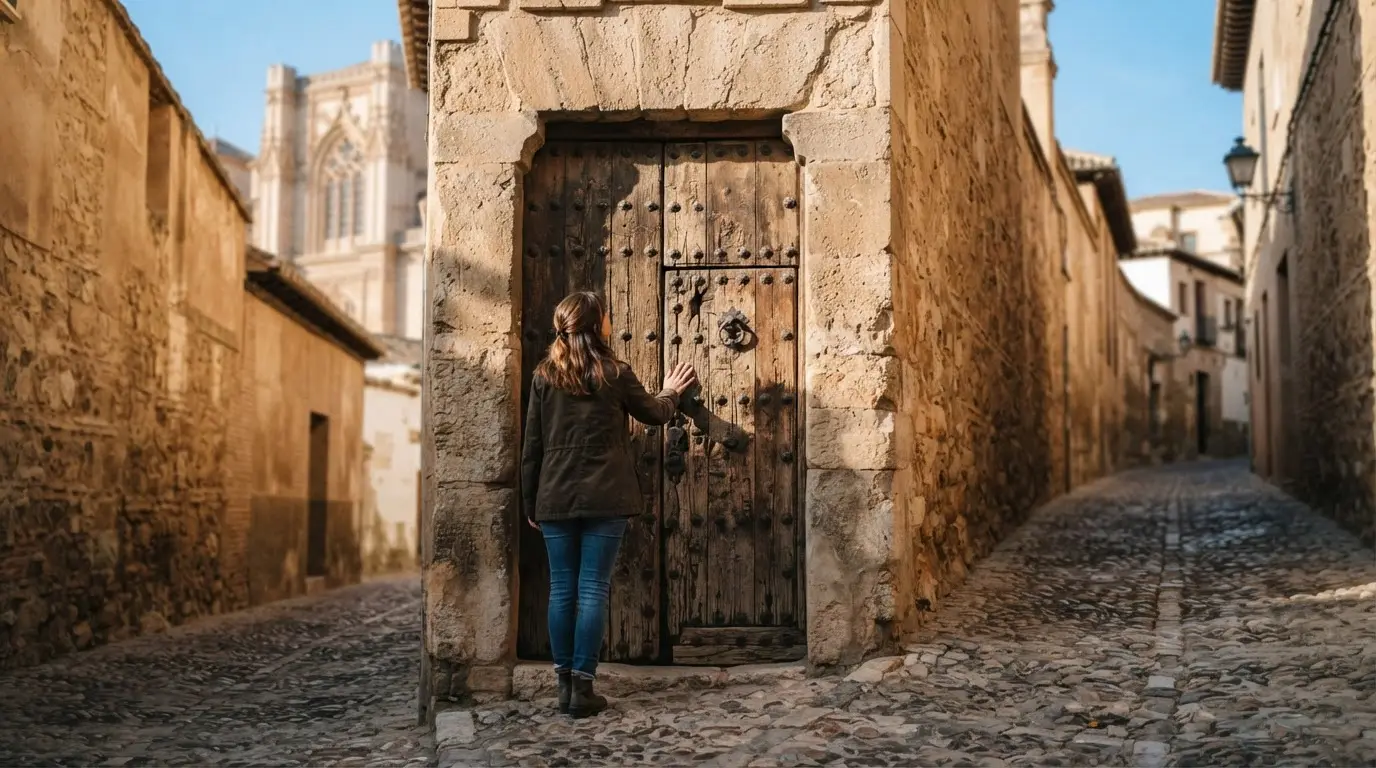
Told at its most repeated, the story is one of nerve. A captain from Alhama rides out at night with fifteen companions, reaches the great mosque of Moorish Granada, fixes a placard reading Ave Maria to its door and gets away. Local histories place it on the night of 17-18 December 1490, with Pulgar setting out from Alhama, where he lived.[1]
Four details travel with the claim:
- Fifteen knights ride with him.[4]
- The placard goes up at about two in the morning on the feast of Our Lady of the O, 18 December.[6]
- A plan to burn the Alcaicería fails in some tellings and succeeds in others.[7][8]
- The raid reads as a hinge of the war, yet Pulgar was not among the troops who took Granada in 1492.[9]
Then there is the name. The chronicler Hernando del Pulgar, secretary to the Catholic Monarchs, was a different man, and the Placeta del Pulgar in the Boquerón district is named for him, not for the captain.[10] His chronicle runs from 1468 to 1490.[12] Because the captain also wrote, the two are routinely merged,[5] and a 19th-century printed broadsheet held by the University of Granada even files the exploit under "Don Fernando del Pulgar".[11]
What the record supports
Pulgar himself is solidly documented. He reached Alhama on 26 August 1482, where his uncle Luis Osorio, Bishop of Jaén, was alcaide and captain.[13]
The firmest paper is a royal grant of 30 December 1490, addressed to Pulgar and his fifteen companions, who are named in the text that reproduces it.[2] In that version the monarchs promised him a privilegio de asiento i sepultura, a right to a seat and a grave, in the church to rise on the site of the great mosque.[14] The reproduction comes from a local-history article, not from the parchment, and a second account dates the promise 31 December.[15]
A later paper is reported 36 years on: a cédula of Charles V, dated 29 September 1526 in that account, letting the cathedral chapter and Pulgar build the funerary chapel the Catholic Monarchs had promised.[3] If it is as described, the promise was still being claimed a generation on.
Then there is the slab. Its epitaph says the knight took possession of this holy church when the city was Moorish, and that he died on 11 August 1531.[16] An 18th-century memorial transcribing it adds a canvas that gives the year 1490 and puts the Moorish king, Boabdil, written there as Muley Baudeli, in the city.[17] Between them they name him Fernando and Hernando, and in the wording quoted none of these papers mentions a placard.
So the record holds a real man, a real reward and a family claim to have entered the mosque site in 1490. It does not reach the placard.
What the retellings add
Almost everything else is later. The captain's afterlife begins in verse and theatre, with Gabriel Lobo Laso de la Vega's Romancero y tragedias in 1587 and Lope de Vega's comedy El cerco de Santa Fe in the late 1590s.[18]
Explore nearby · Monument
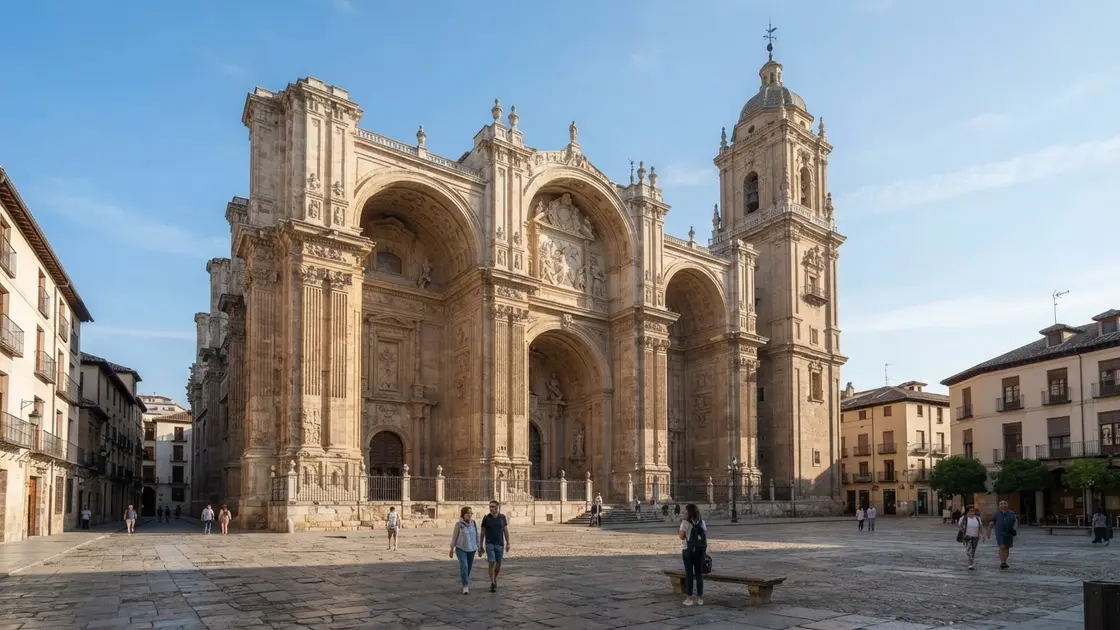
Granada Cathedral
Granada Cathedral in Spain took 181 years to build from 1523, blending Gothic foundations with a Renaissance interior of five naves and a gilded dome chapel.
Where the tellings disagree, the details look like ornament: one has the Alcaicería burned and the guard beaten, another has the match go out and the district wake. A cautious reading is that the facts have been adorned.[22]
Recommended tours
Tours are selected for quality, not commission. We earn a small fee if you book — at no extra cost to you.
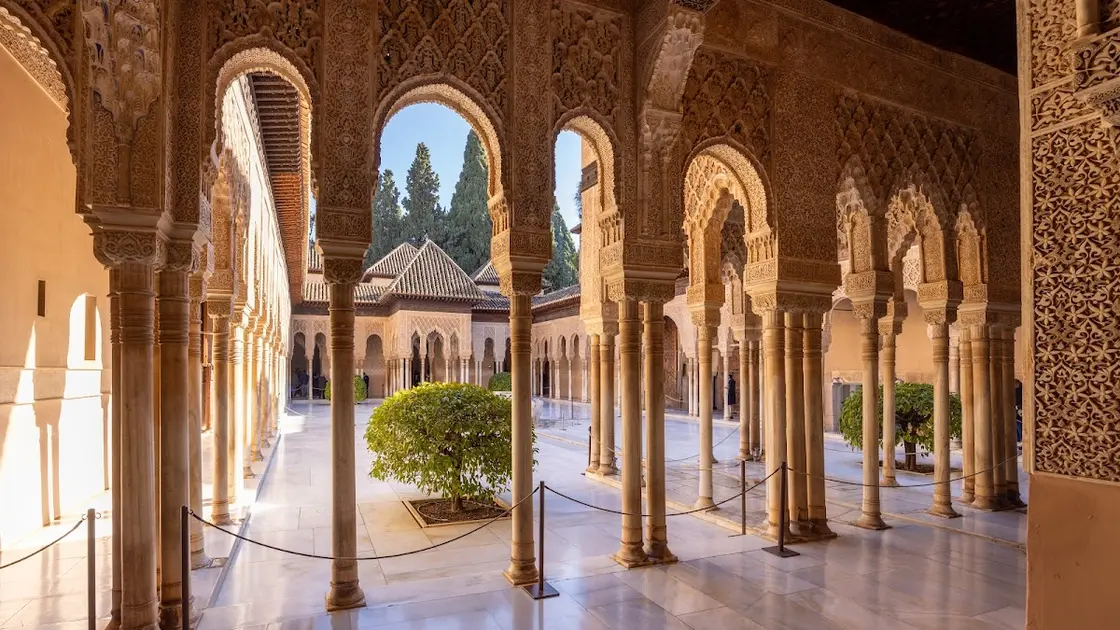
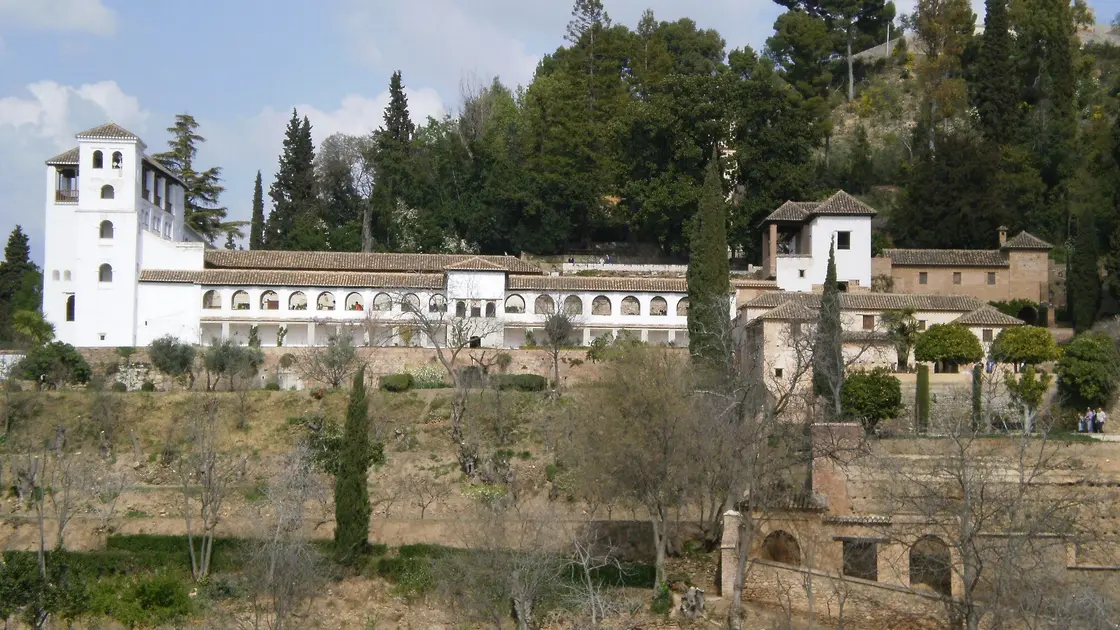
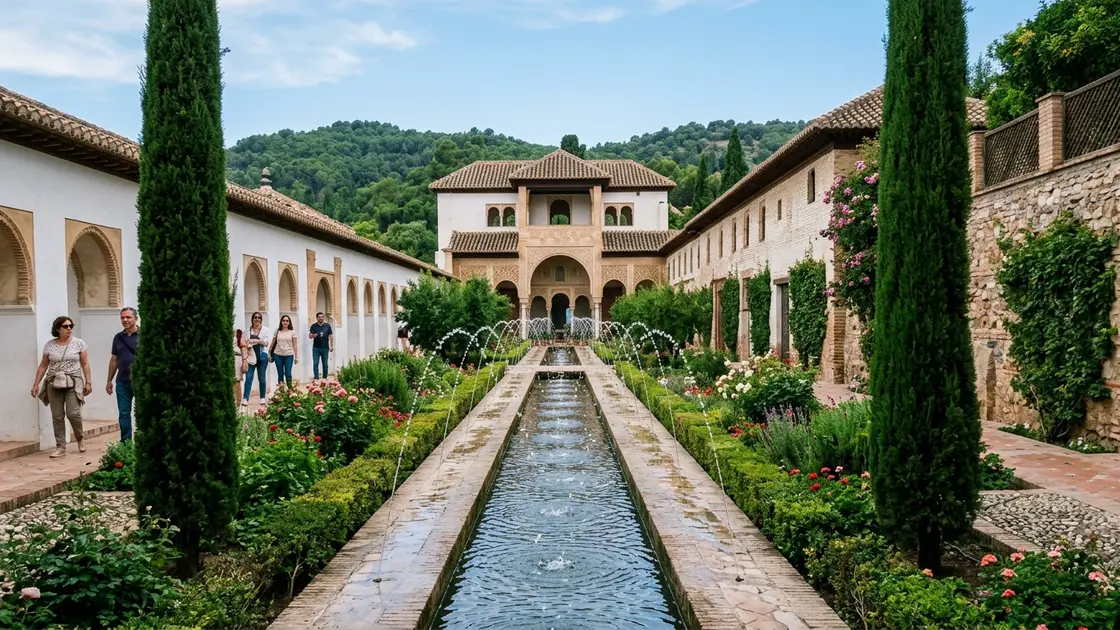
The romantic night scene
The night scene appears in two romantic retellings. Francisco Martínez de la Rosa wrote an 1834 biography, Hernán Pérez del Pulgar, el de las hazañas, which the Real Academia de la Historia lists in its bibliography of the captain.[19] One modern retelling takes its scene-setting from Martínez de la Rosa's romantic account of how the scene must have unfolded,[20] and another's detailed night draws on Fidel Fernández's 1939 book Boabdil.[21]
That does not make the raid false. It means the hour, the parchment text and the route reach us through romantic retellings, and they deserve less trust than the grant of 1490.
Garcilaso and the duel
Washington Irving retells a traditional episode in his 1829 Chronicle of the Conquest of Granada: a young Garcilasso de la Vega avenges the inscription in single combat, kills the Moor and carries the Ave Maria off on his sword.[23] Irving sets the duel on 18 June, when the queen takes a view of the city while the army is drawn up in array,[24] yet he says it rests merely on tradition and on poets and dramatic writers who perpetuated it.[25] His own footnote gives the pedigree: the incident survives in old Spanish ballads and a play some ascribe to Lope de Vega.[26] The tradition itself is unverified, and it is best read as legend.
Finding Pulgar in Granada today
The physical trace is the chapel, not the door. An 18th-century inventory notes, after the demolition, that the altar of the Pulgares had not been placed.[27]
Granadans still borrow the chapel for a joke: someone is "like the Pulgar chapel, neither in nor out", meaning near a post but not holding it, because the chapel sits squeezed between other buildings.[28] Treat the tomb as a footnote to a visit rather than a destination, and spend the time next door in the Royal Chapel's Flemish paintings. The Placeta del Pulgar in the Boquerón is the chronicler's, so it will not lead you to the captain either.[10]
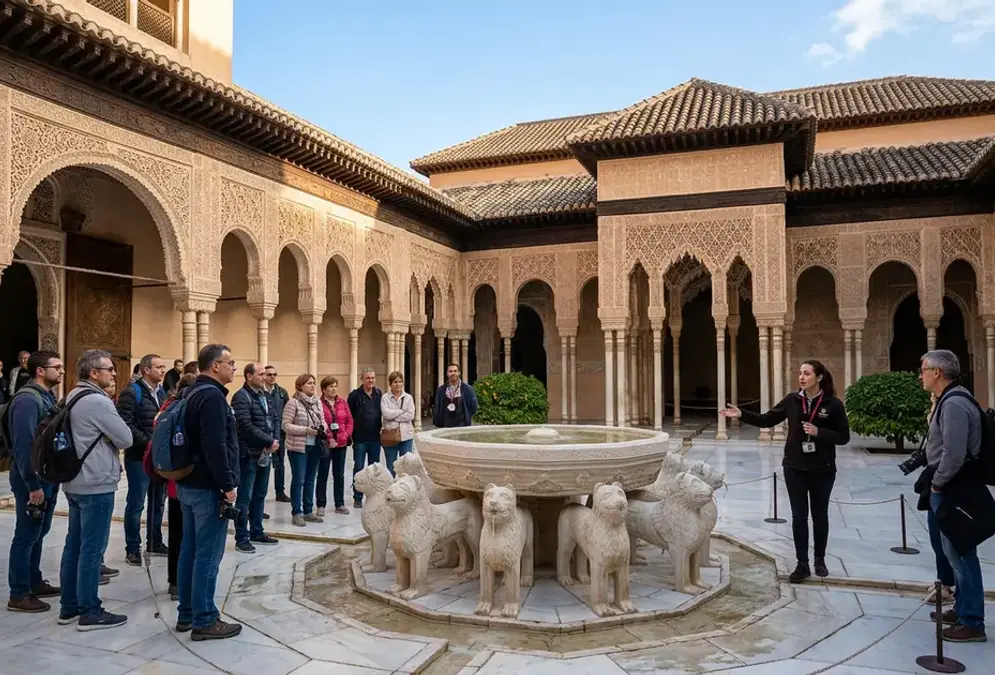
For the visit itself, the Capilla Real is the place to go, and it is a separate building from the Cathedral today.[32] Tourist visits run Monday to Saturday 10:00 to 18:30 and on Sundays and liturgical holidays 11:30 to 18:30, every day except 25 December and 1 January.[29][30][31] Confirm hours and buy tickets on the official Archdiocese site, ticketsgranadacristiana.com, which is also where to check current prices; the Cathedral's information line for hours is 958 22 29 59.[33] No confirmed marker for the 1490 door is known, and access to the Pulgar chapel is unconfirmed, so do not build a day around either.
Deep dive · Article
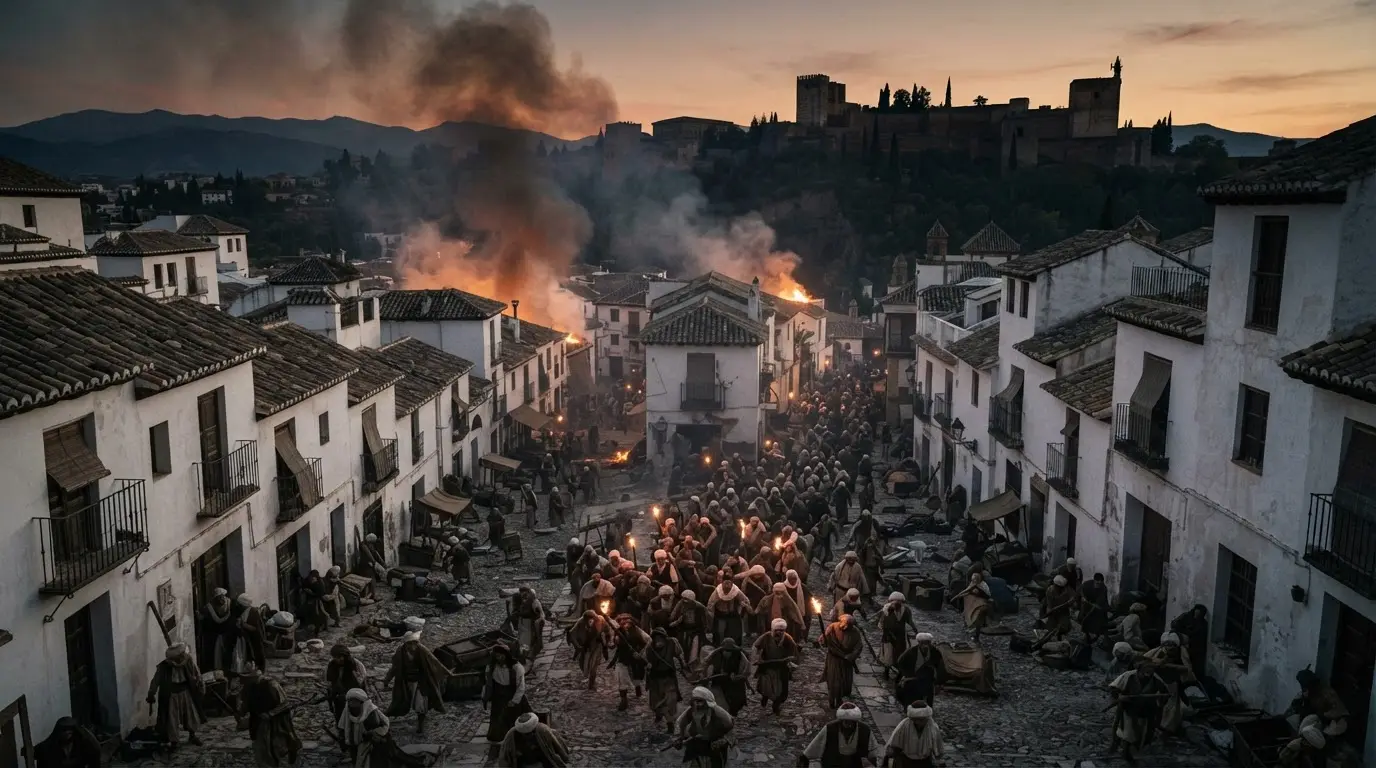
1066 Granada Massacre: When the Jewish Golden Age Ended in a Day
The 1066 Granada massacre killed Joseph ha-Nagid and thousands of the city's Jews in a single day, ending three decades of Jewish power under Samuel ha-Nagid.
The verdict is a split one. The man, the 1490 reward and his claim on the mosque site are on paper; the placard, the hour and the duel are storytellers'.