Articles
Stories, history and food traditions from Granada (Page 3)
Long-form editorial pieces written by resident correspondents: cultural deep-dives, the origins of local dishes, and the people and traditions that shape everyday life in Granada.
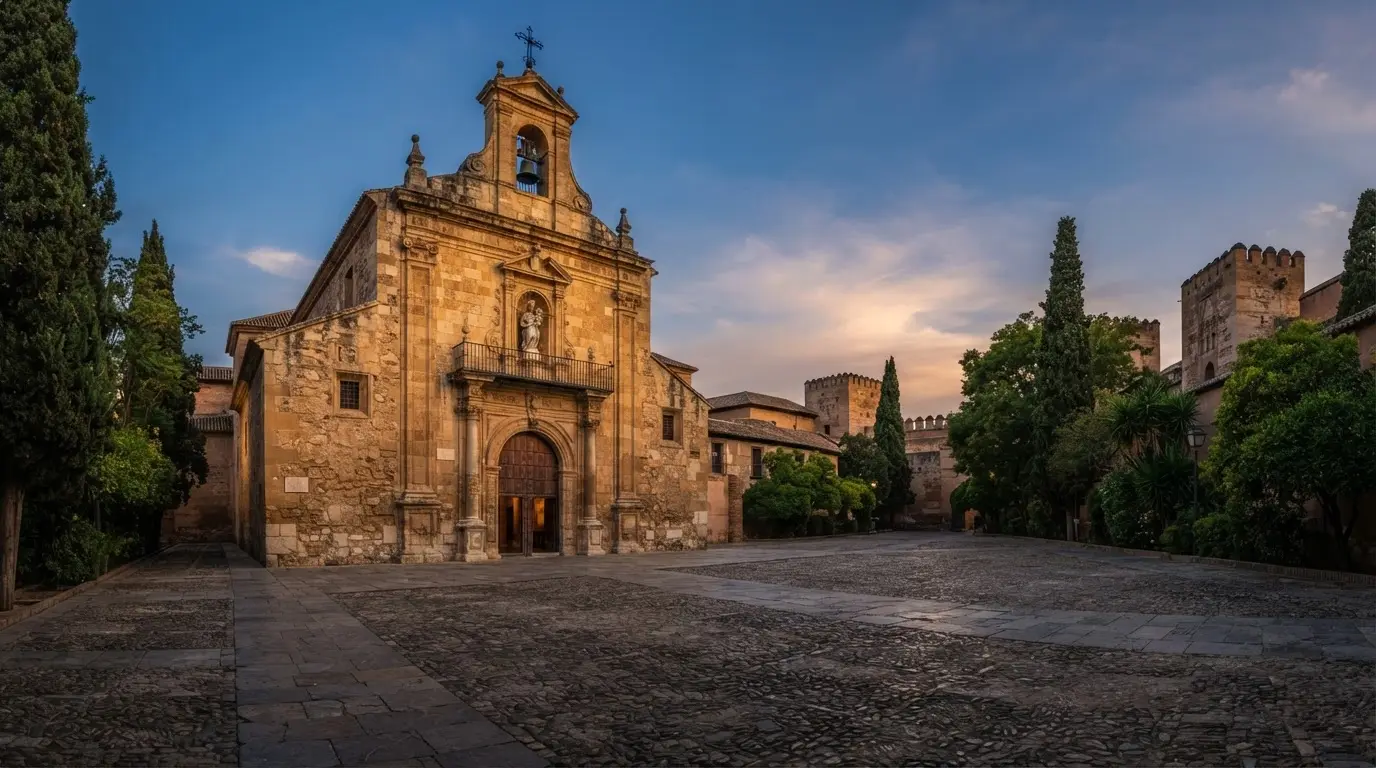
Alhambra Royal Mosque: From Nasrid Mosque to Santa María
James Walker
The Alhambra royal mosque was completed in 1305 and later replaced by Santa María. Read its plan, surviving bath and difference from Granada's city mosque.
Read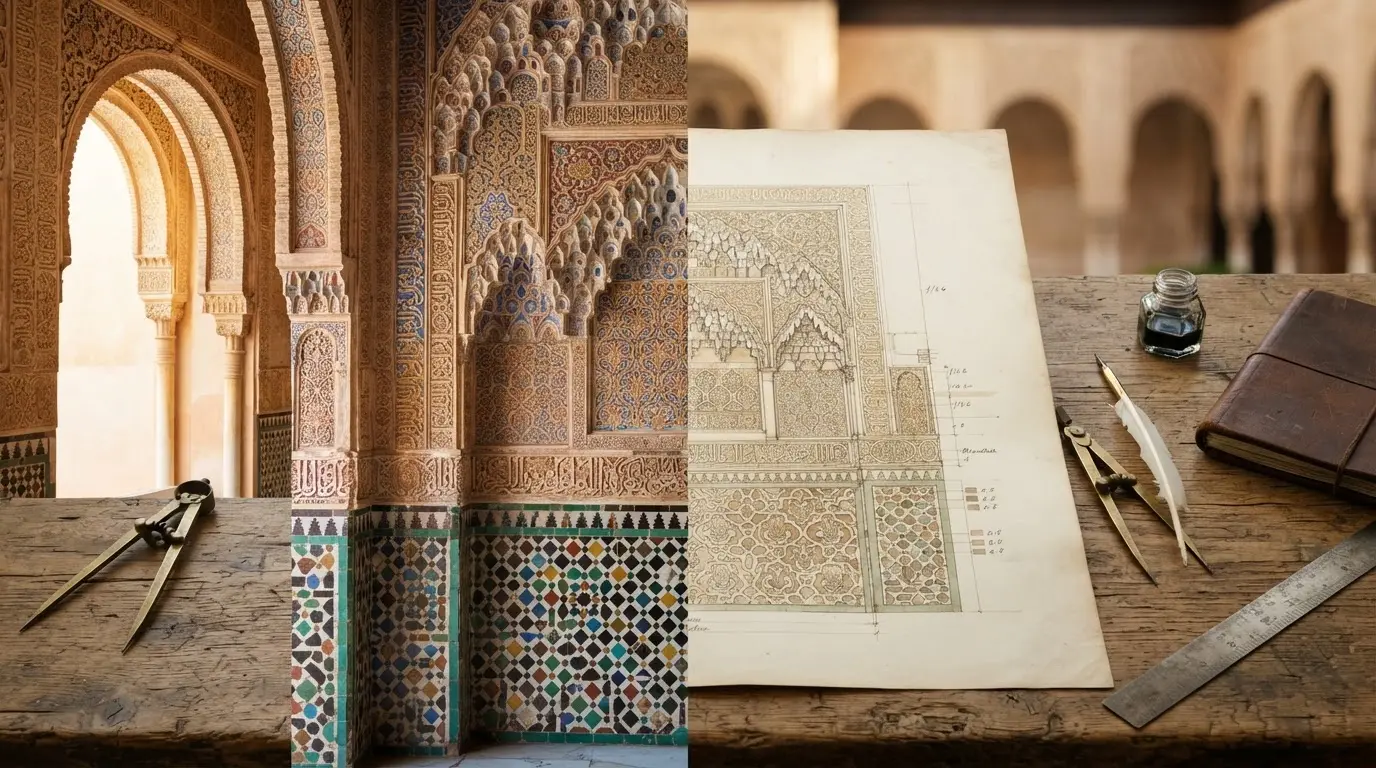
Alhambra 19th Century Restoration: What Contreras Changed
James Walker
Rafael Contreras renewed parts of the Alhambra in the 1800s. See how Leopoldo Torres Balbás later changed the method through conservation and restraint.
Read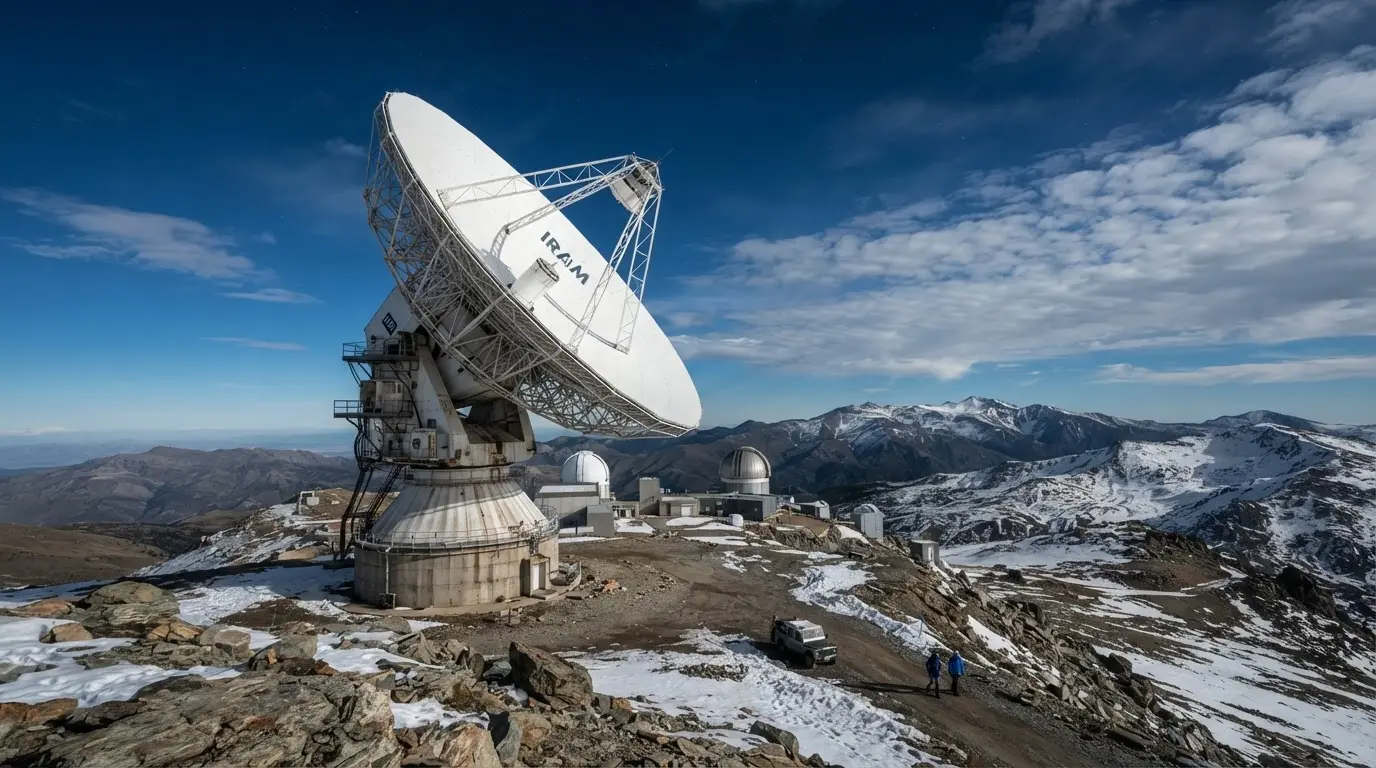
Pico Veleta Telescope: Granada's Radio Astronomy Peak
James Walker
The IRAM 30-metre telescope on Pico Veleta reads millimetre radio waves invisible to the eye — and helped capture the first-ever images of a black hole.
Read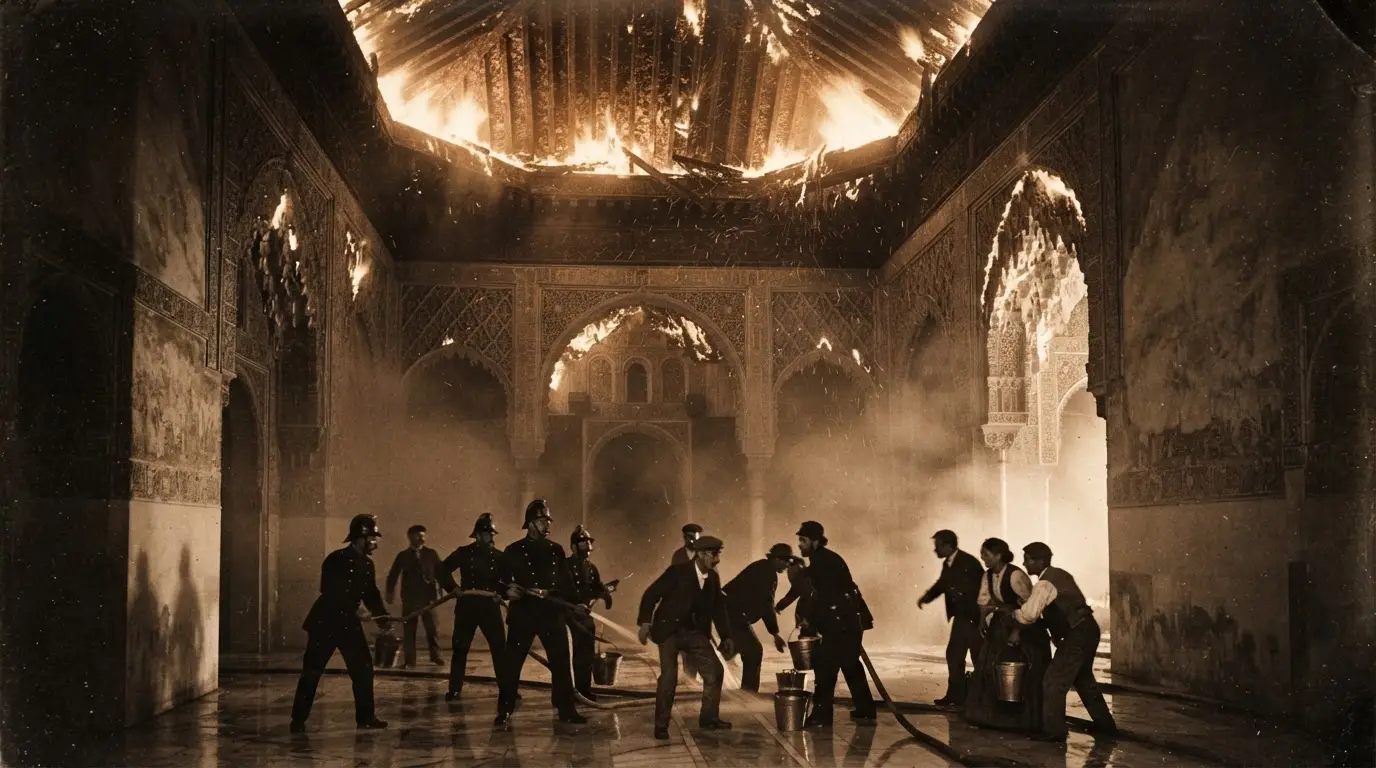
Alhambra Fire of 1890: A Disaster Nearly Forgotten
James Walker
Fire gutted the Alhambra's Sala de la Barca on the night of 15 September 1890. Here's what burned, who was blamed, and how 75 years rebuilt the ceiling.
Read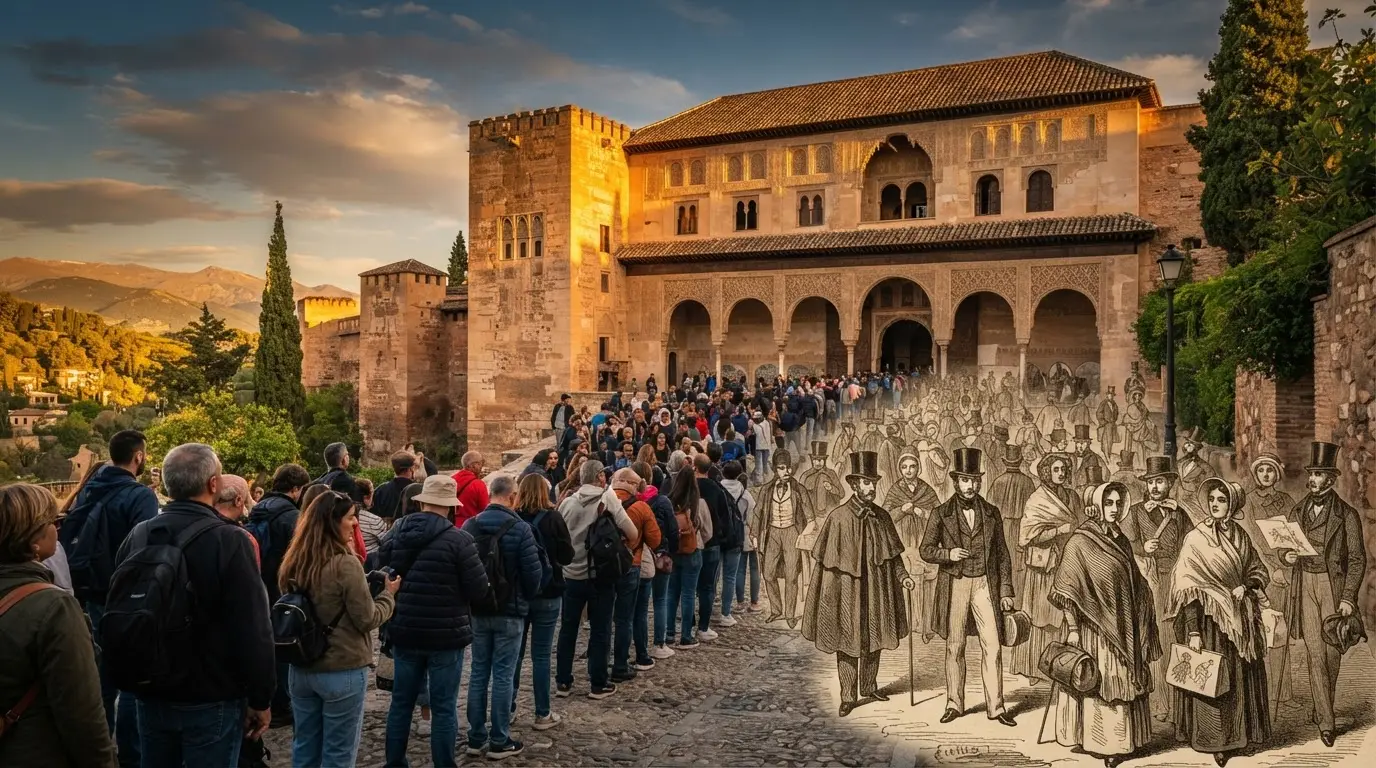
Alhambra Crowds: How the World Fell for Granada's Palace
James Walker
Alhambra crowds aren't accidental. A ruined fortress became a Romantic pilgrimage, then the world's most tightly visitor-managed site, capped since 2003.
Read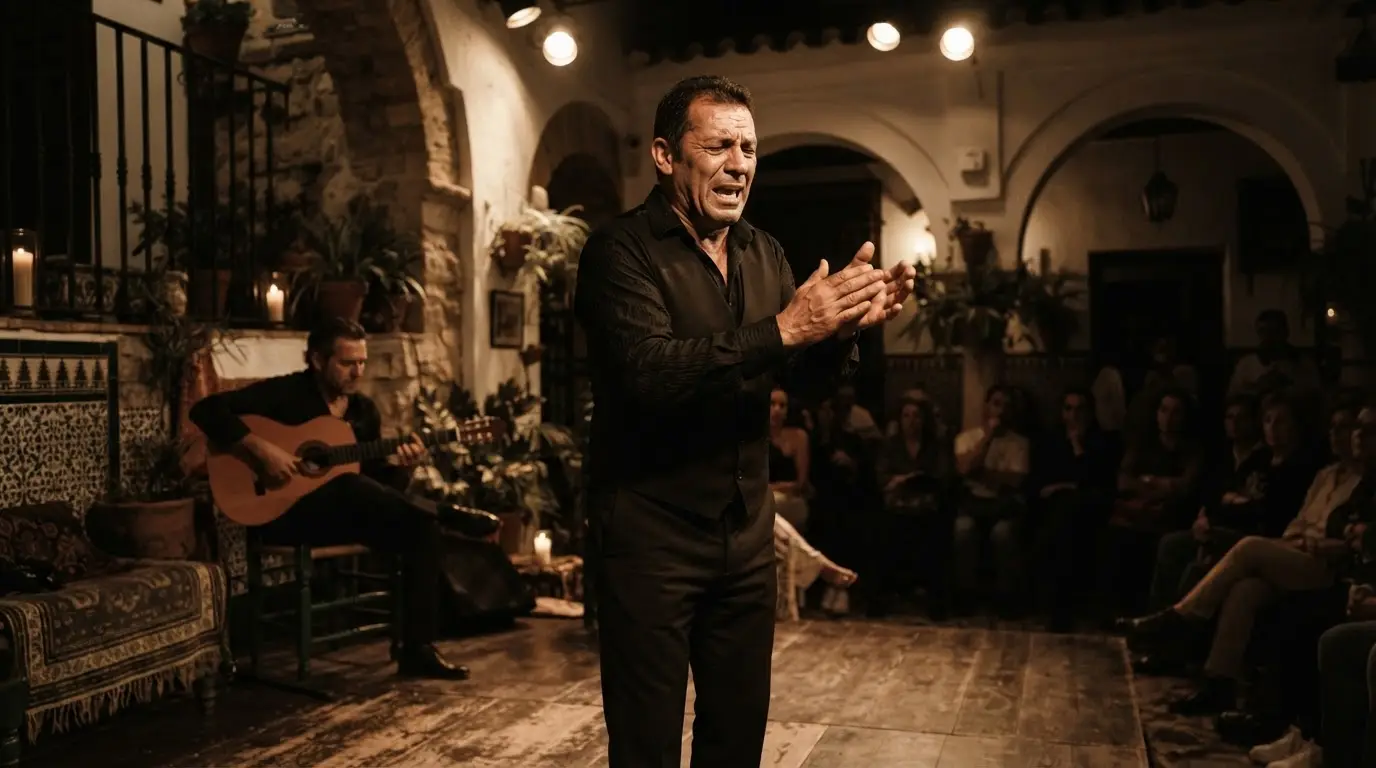
Enrique Morente: Granada's Flamenco Revolutionary
James Walker
Enrique Morente went from Albaicín choirboy to flamenco's most radical voice, reviving cante, setting Lorca to song, and fusing it with rock on Omega (1996).
Read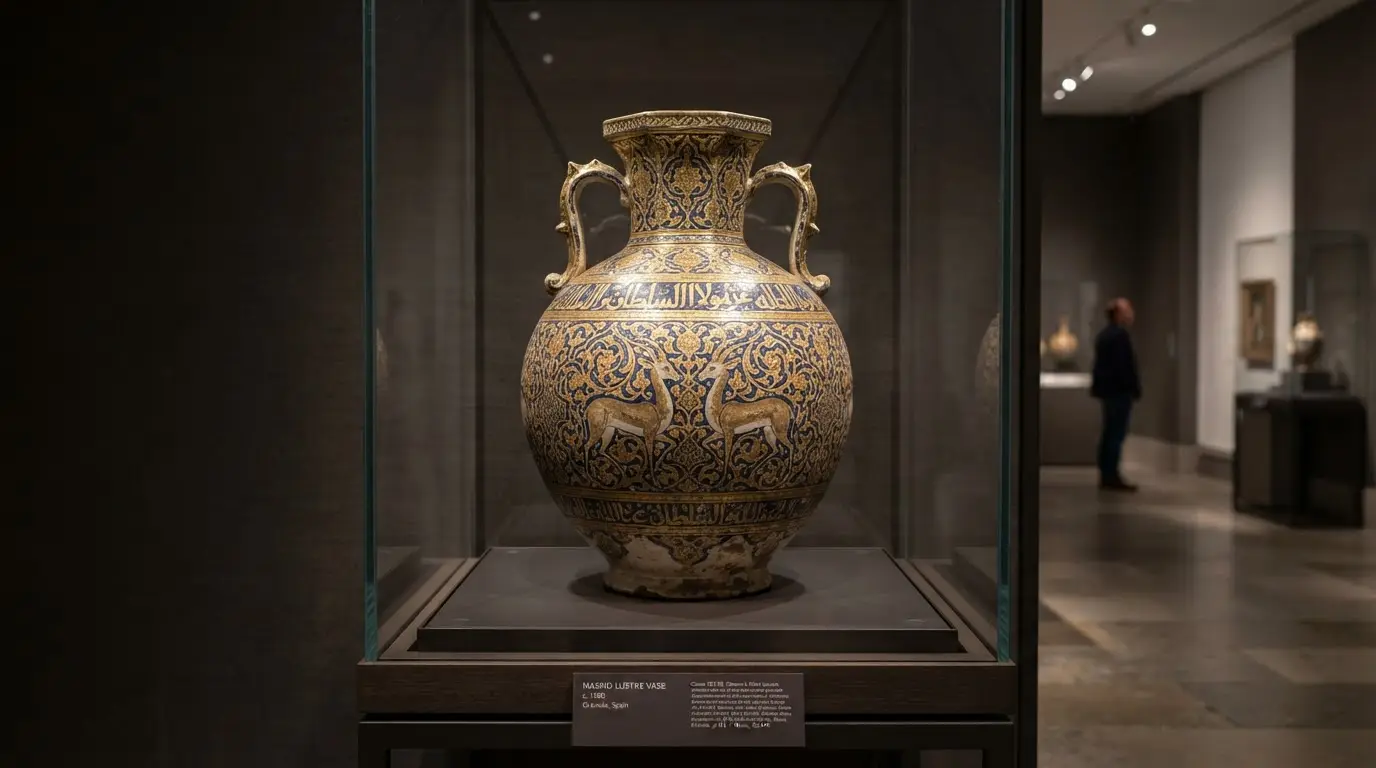
Vase of the Gazelles: The Alhambra Vase That Never Left
James Walker
The Vase of the Gazelles is the only Alhambra Vase that never left the complex, now displayed in Room V of the Alhambra Museum after six centuries on site.
Read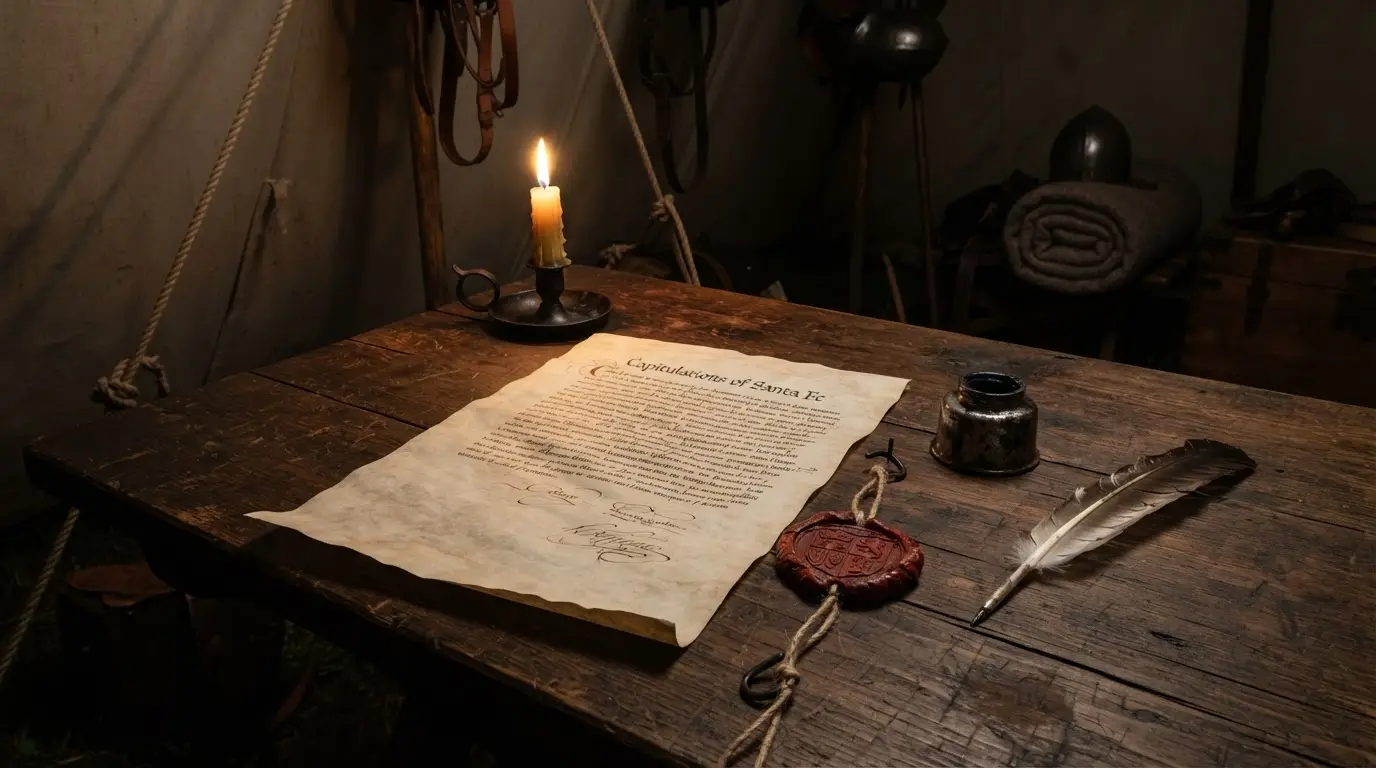
Capitulations of Santa Fe: The Deal That Sent Columbus
James Walker
Fifteen weeks after Granada fell, Columbus signed away a tenth of the New World at a Granada siege camp, and the crown's own coffers weren't what paid for it.
Read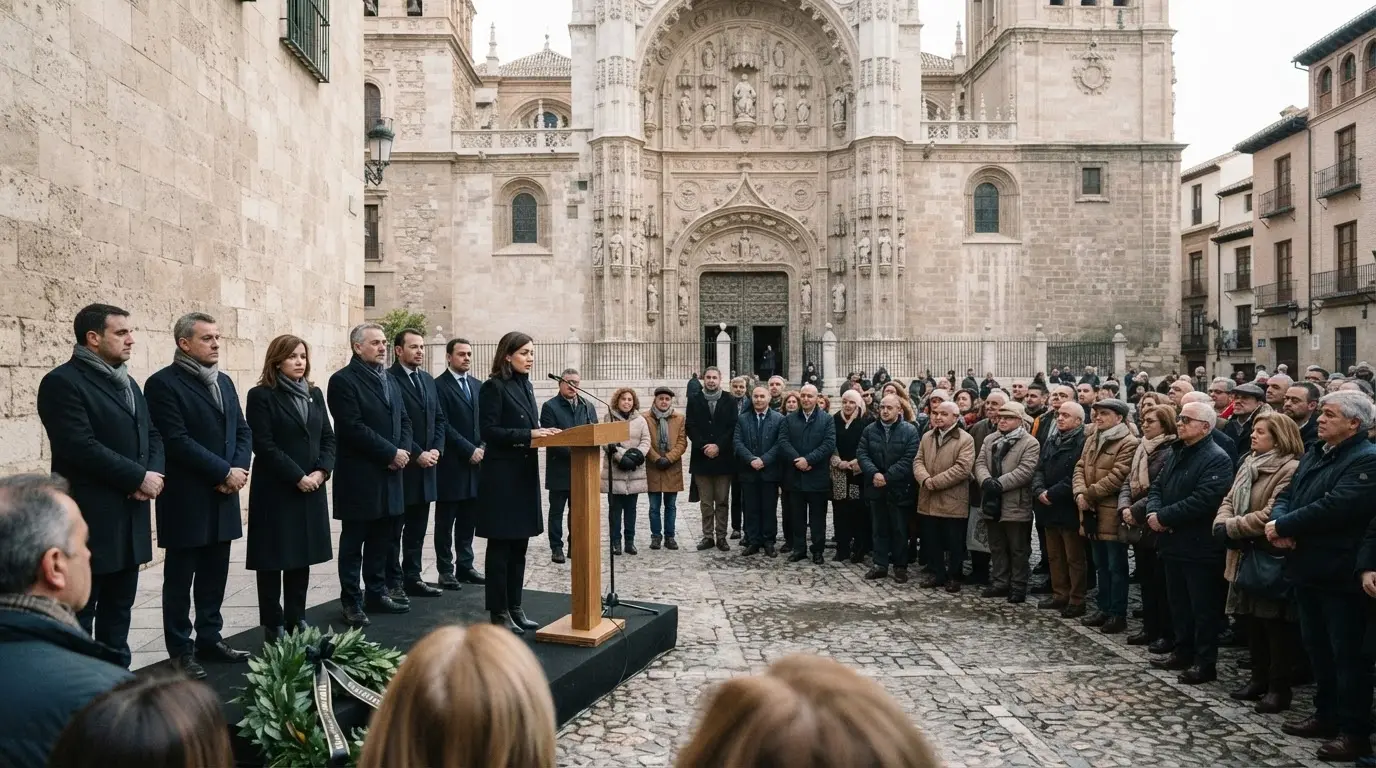
The Festival of the Toma: Granada's Most Controversial Holiday
James Walker
Granada's Día de la Toma marks 1492's surrender, a promise the Crown broke within a decade. Vox now rallies there each January while activists demand it end.
Read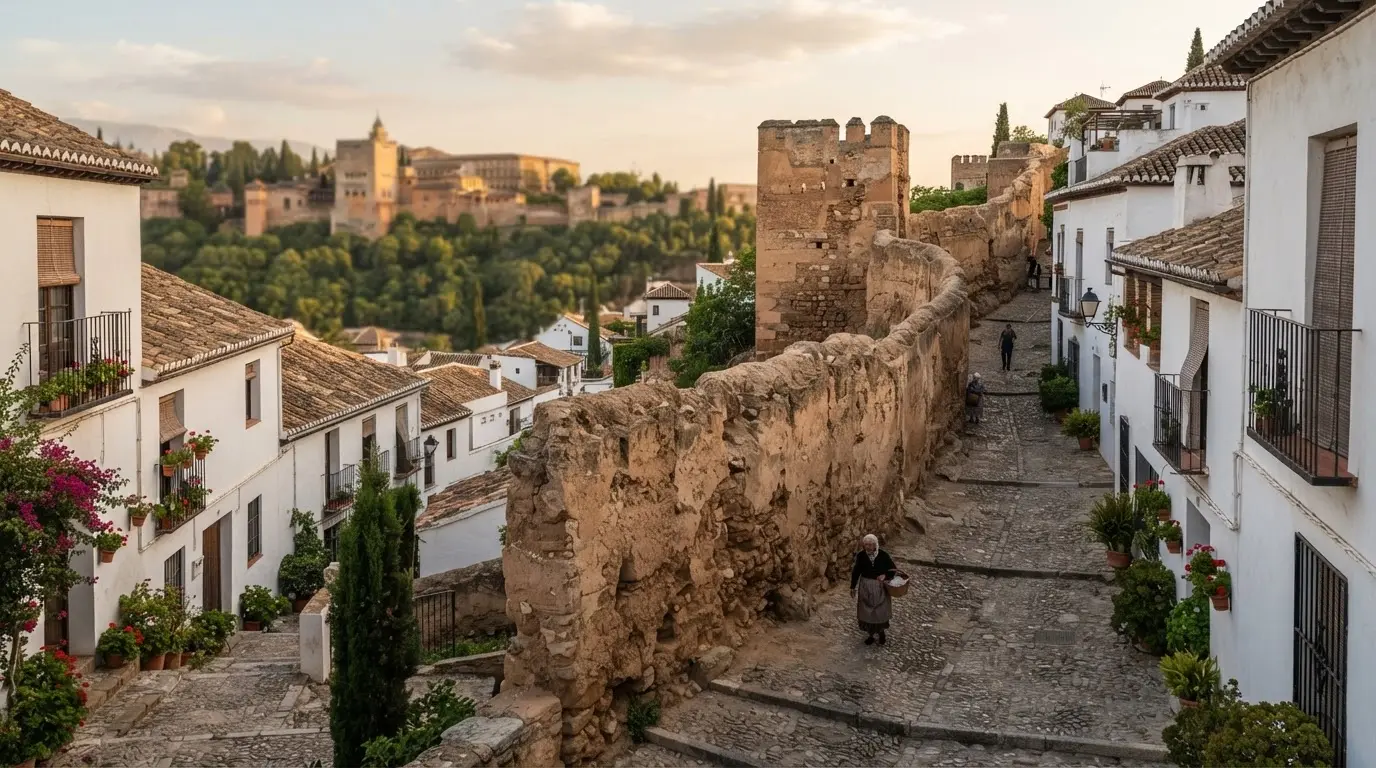
Granada City Walls: Tracing the Zirid Circuit
James Walker
Granada's oldest walls aren't at the Alhambra. Trace the 11th-century Zirid circuit through the Albaicín: surviving towers, vanished gates, Puerta de Elvira.
Read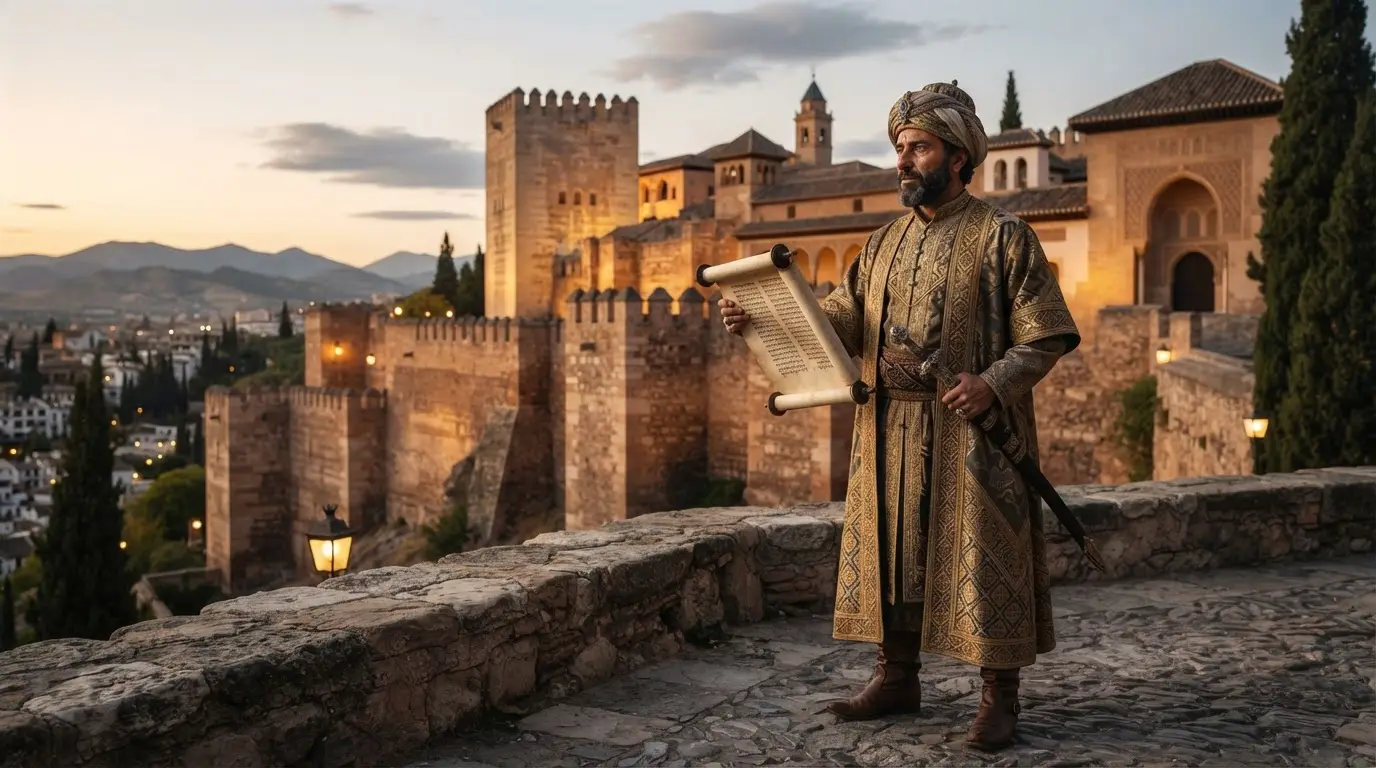
Samuel Ha-Nagid: Granada's Warrior Poet-Vizier
James Walker
Samuel ha-Nagid fled Córdoba in 1013, rose from a Málaga spice shop to command Granada's Muslim army as vizier, and helped define Hebrew's Golden Age poetry.
Read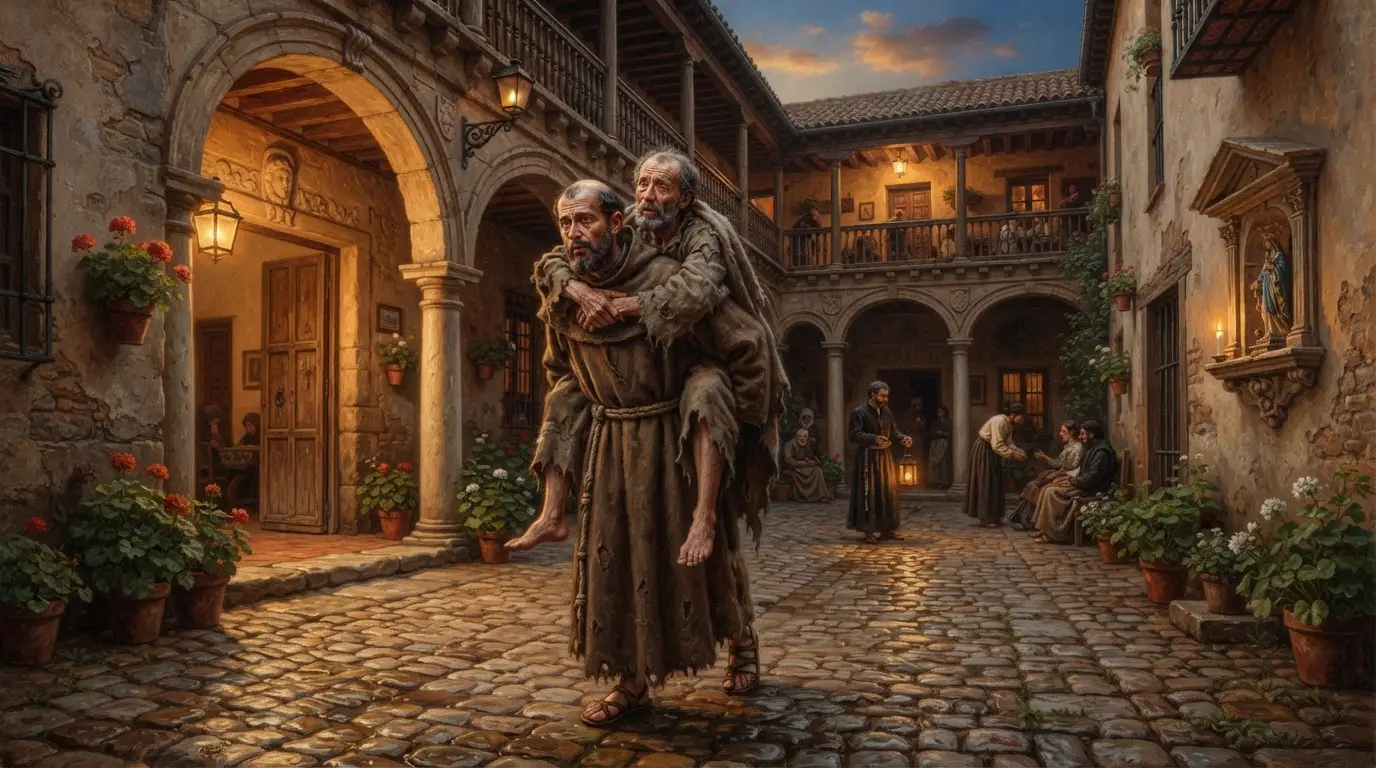
San Juan de Dios: The Saint Who Built Granada's Hospitals
James Walker
Before sainthood, Juan Ciudad was a soldier, a beggar, and an asylum inmate in Granada — until a 1537 breakdown founded a hospital order still running today.
Read