Articles
Stories, history, and planning essays from Granada (Page 5)
Long-form editorial pieces written by resident correspondents — cultural deep-dives, food traditions, and practical planning essays for visiting the city.
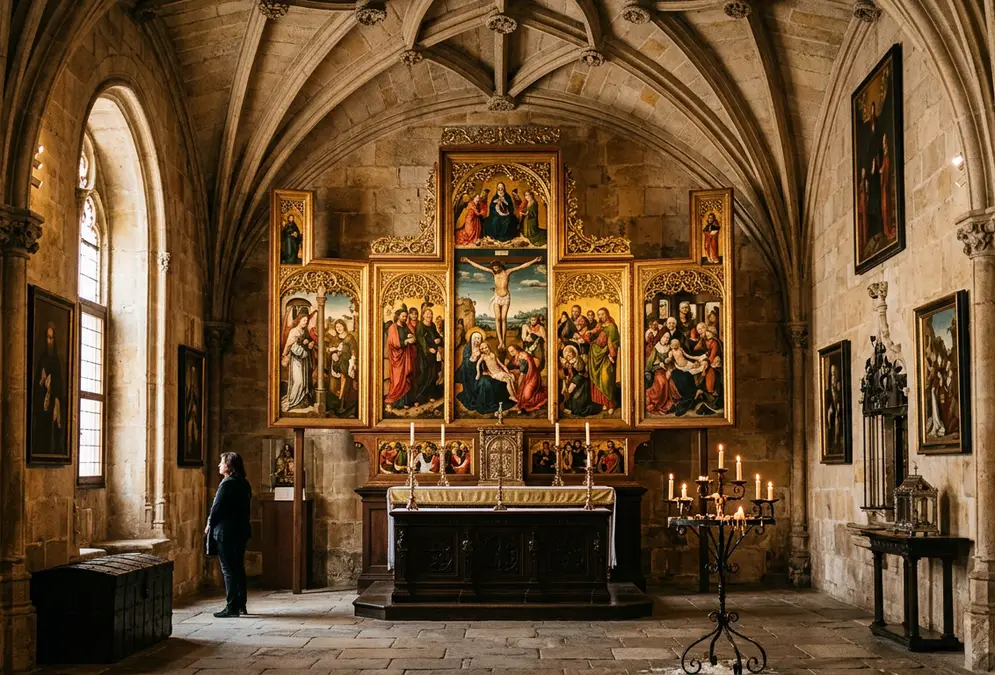
Isabella I and the Flemish Masterpieces of Granada's Royal Chapel
James Walker Updated
Inside the Royal Chapel sacristy, Isabella I's Flemish paintings wait: Van der Weyden, Memling, Bouts, and a lone Botticelli. Most visitors never enter.
Read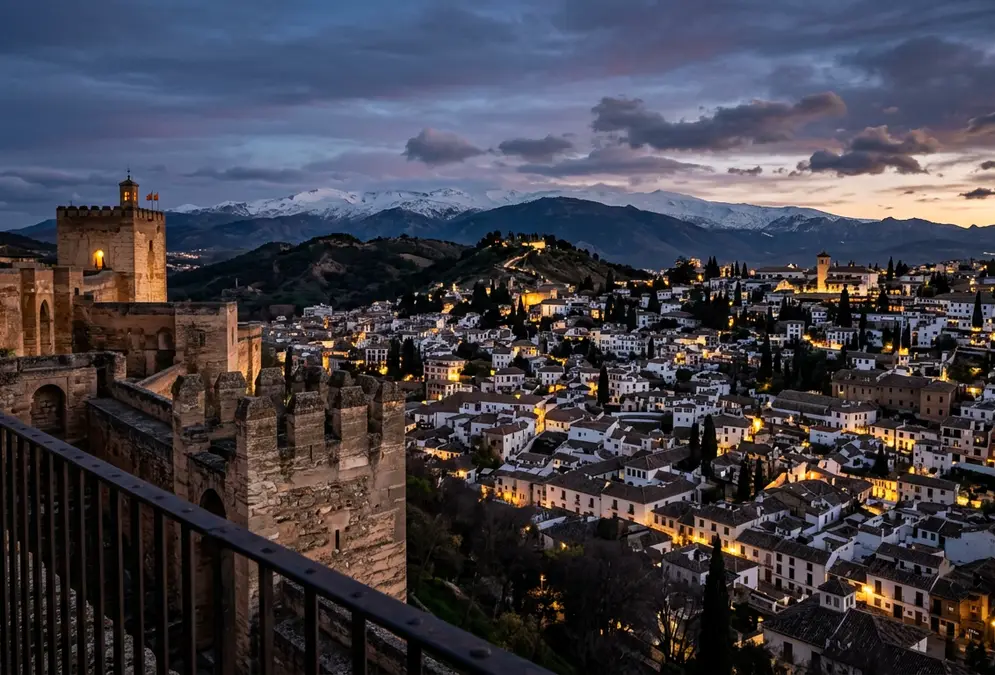
The Nasrid Civil War: How Internal Strife Gave Spain Granada
James Walker Updated
Granada didn't fall to military conquest. A Nasrid succession crisis and three-way civil war handed Ferdinand and Isabella the keys to the last Moorish kingdom.
Read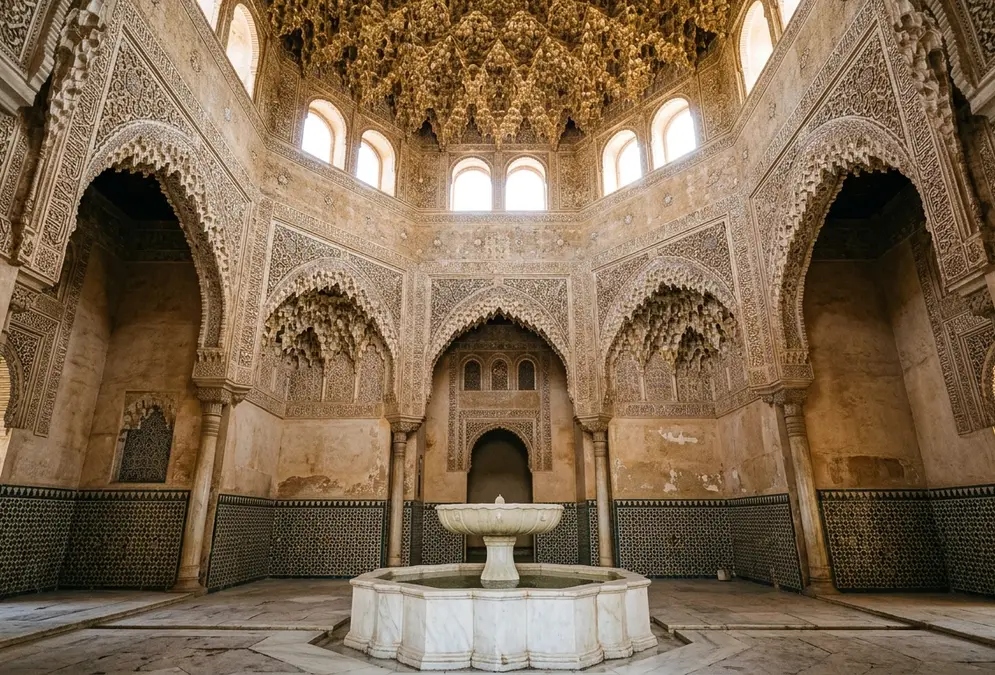
Abencerrajes of Granada: the noble clan behind the legend
James Walker Updated
Abencerrajes of Granada: the noble clan who shaped Nasrid court politics for a century and became legend through a massacre story set in the Alhambra.
Read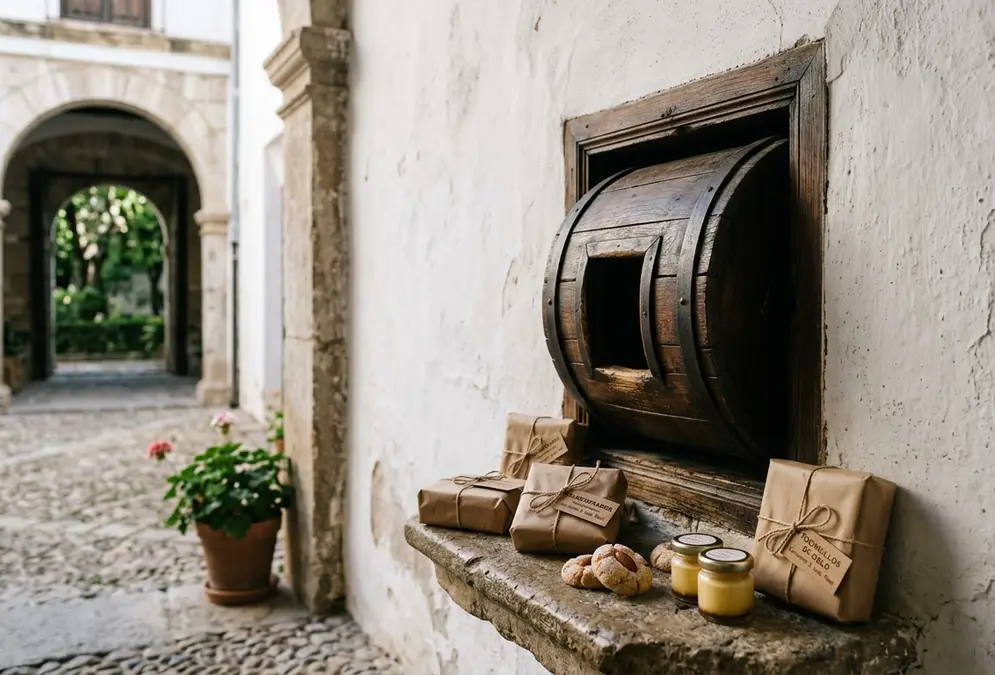
Convent Sweets in Granada: Buying Dulces Through the Torno
Sarah Mills Updated
Nine convents in Granada sell sweets through the torno, a revolving shelf in the convent wall. Cash only, mornings only, and the greeting ritual is mandatory.
Read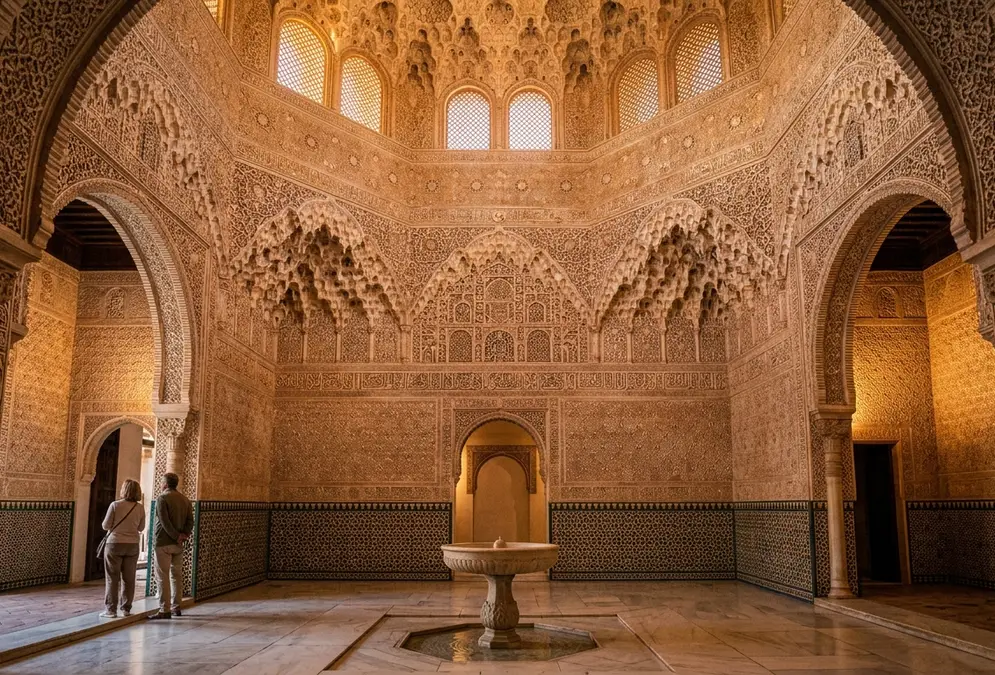
Ibn Zamrak: the poet whose words are carved into the Alhambra
James Walker Updated
Ibn Zamrak (1333–1393), pupil of Ibn al-Khatib, was the Nasrid court poet whose Arabic verses were carved into the Alhambra's Court of the Lions and stucco.
Read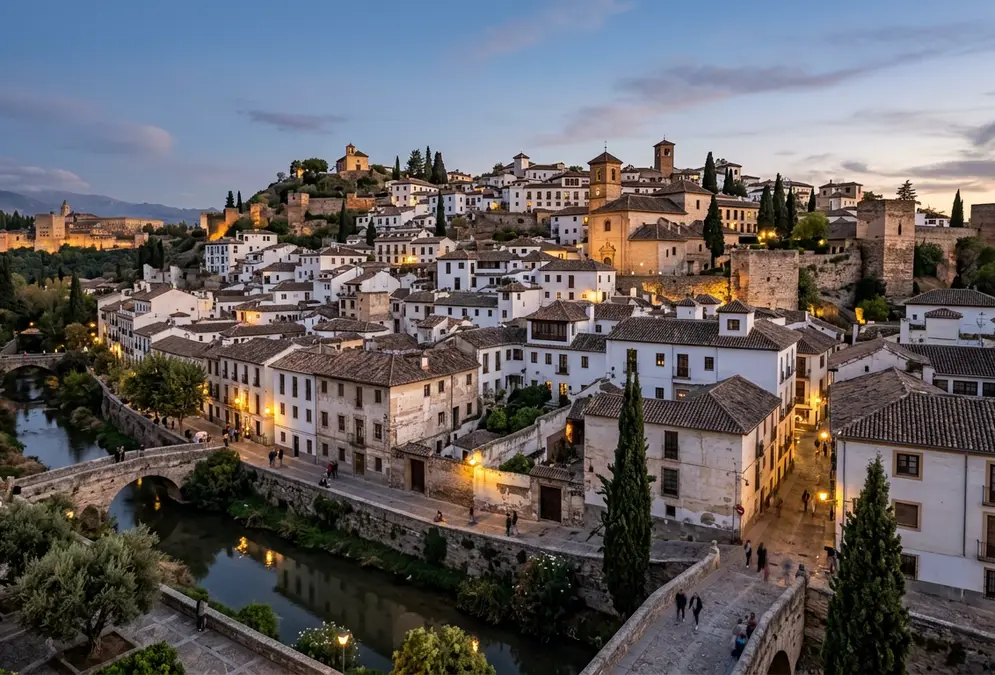
Roman Granada: Iliberis and the Council of Elvira
James Walker Updated
Granada was Roman Iliberis for over 700 years before the Moors arrived. The Council of Elvira, c. 306 AD, was the earliest church council in all of Hispania.
Read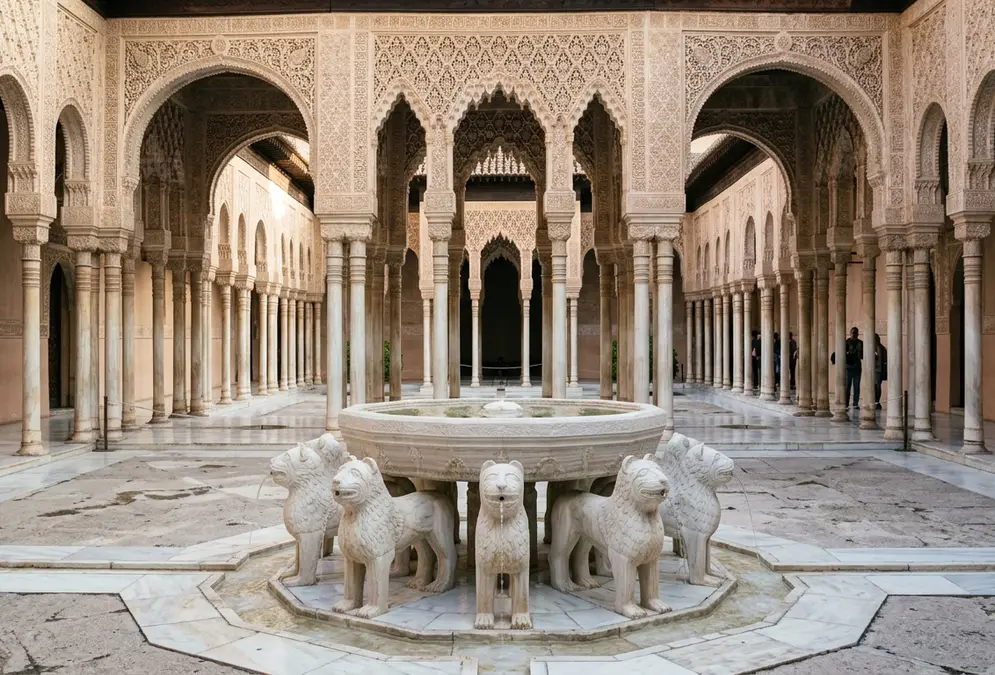
Court of the Lions Alhambra Granada: Decoding the Courtyard
James Walker Updated
Court of the Lions, Alhambra Granada: 124 marble columns, a lion fountain 650 years old, a Quranic paradise built by Muhammad V. What to see and when.
Read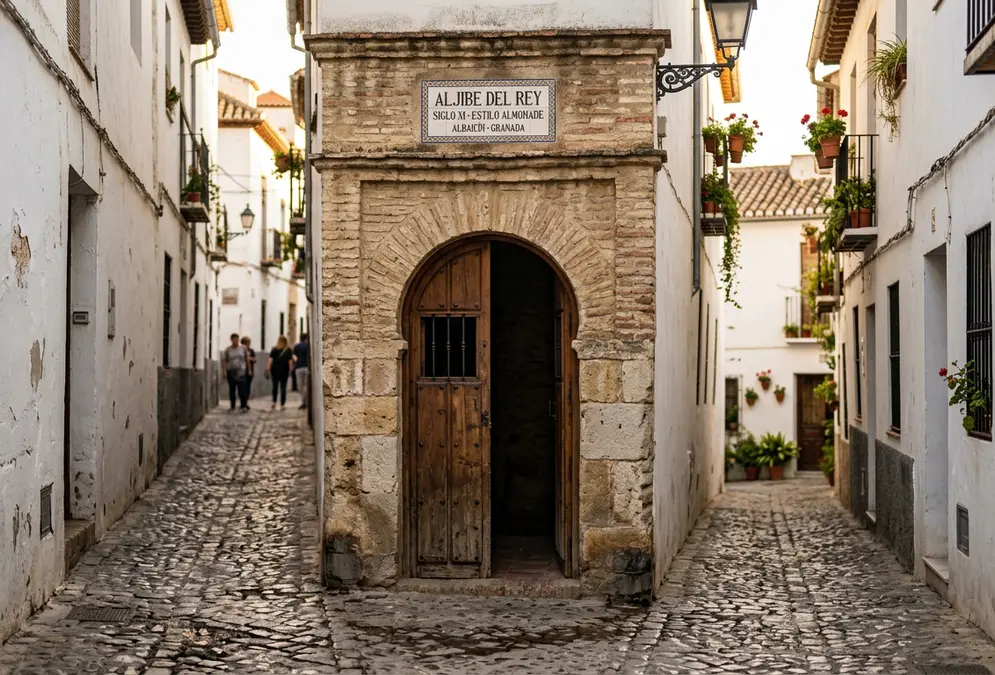
Albaicín Aljibes: The Medieval Cisterns Under Granada's Streets
James Walker Updated
Twenty-six medieval cisterns survive beneath the Albaicín, built 10th–15th centuries. Fed by the Acequia de Aynadamar from Alfacar into every home and mosque.
Read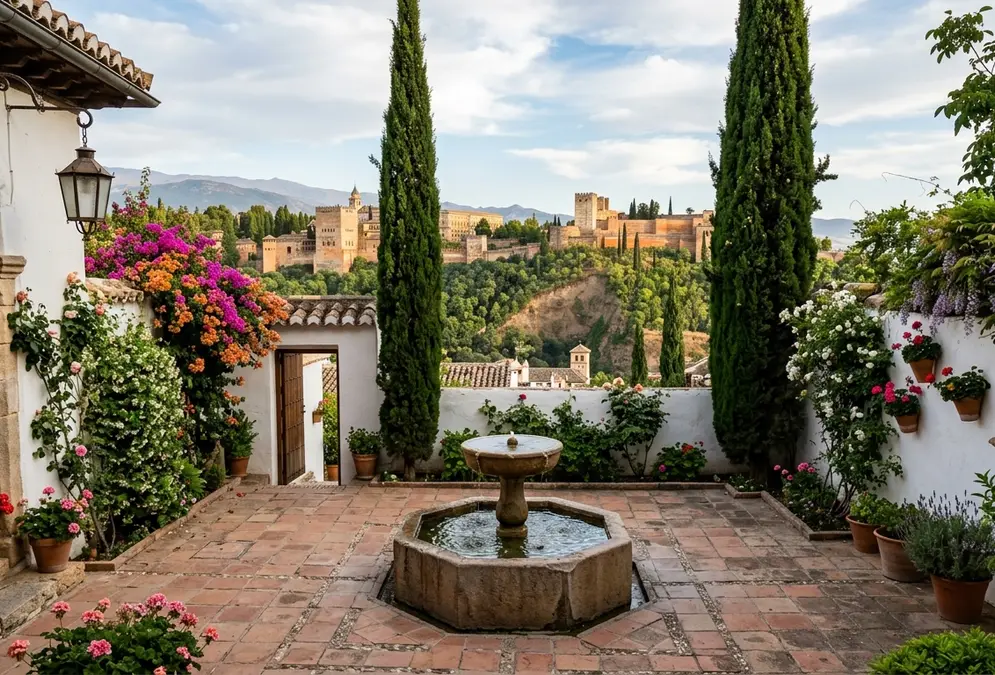
Cármenes of the Albaicín: Granada's Walled Garden Houses
James Walker Updated
Granada's cármenes are walled garden villas from Arabic karm (vineyard). Found across the Albaicín since the Nasrid period, two are open free to visitors.
Read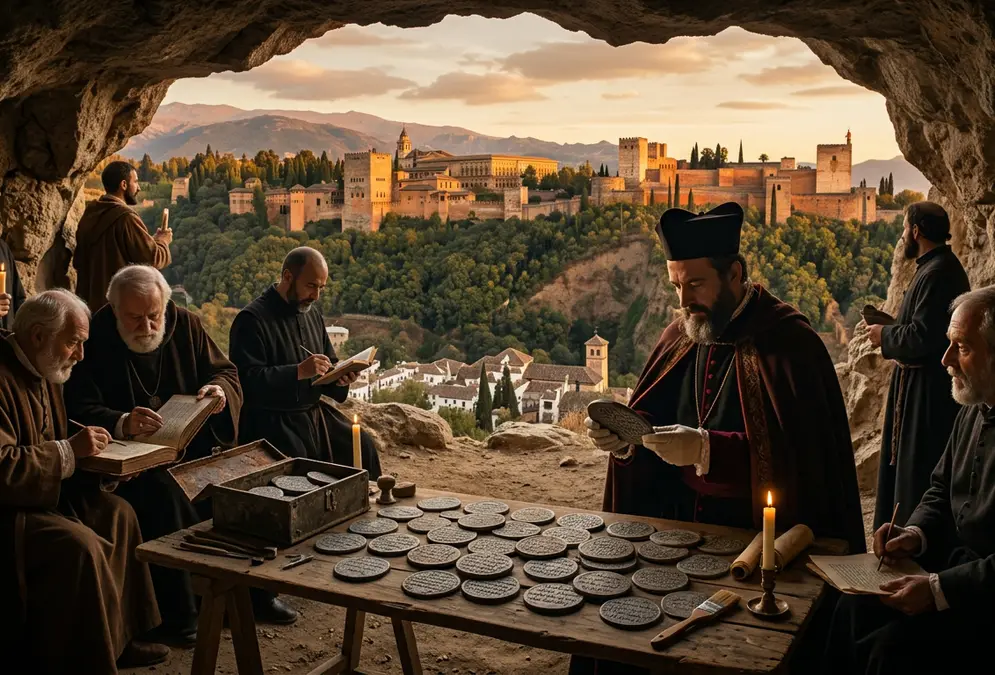
The Lead Books of Sacromonte — Granada's Greatest Forgery
James Walker Updated
Lead tablets found in Sacromonte's caves, 1595–1606. Condemned by the Vatican in 1682. The Morisco scholars behind Granada's greatest religious forgery.
Read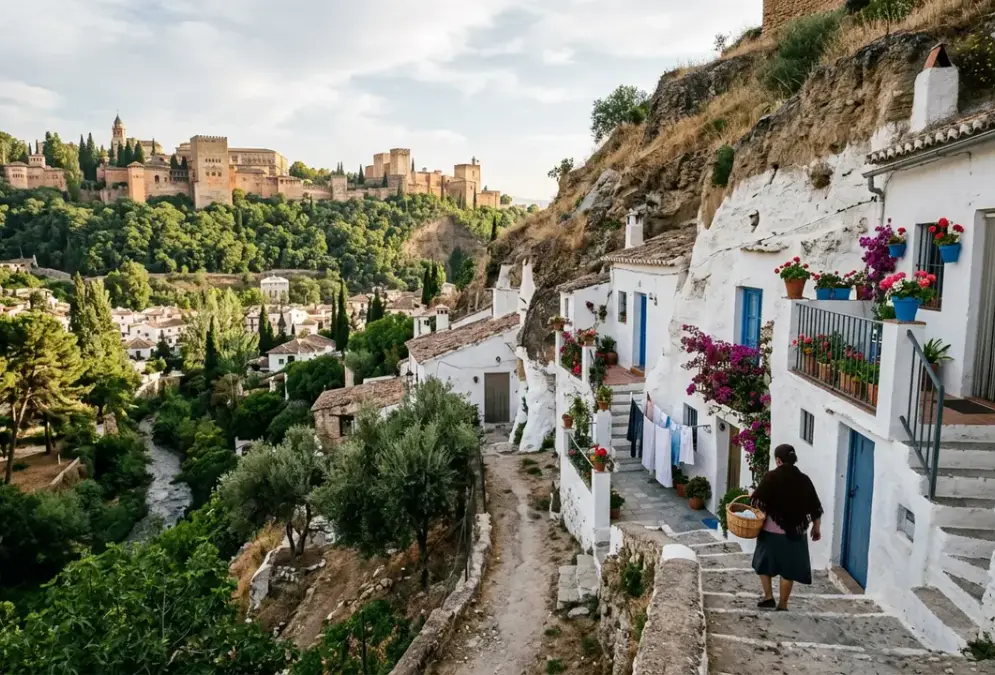
Cave houses of Sacromonte: how Granada carved its hillside
James Walker Updated
Sacromonte's caves were dug from Alhambra conglomerate: Romani history, the 1963 flood evacuation, the €5 ethnographic museum, and the abbey's Santas Cuevas.
Read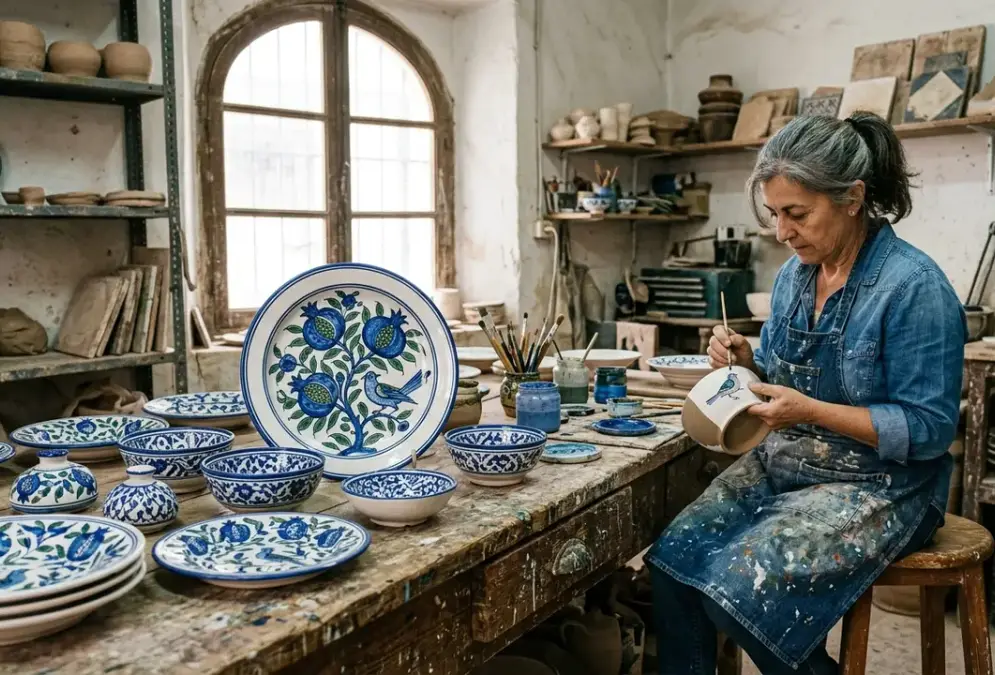
Fajalauza ceramics: Granada's 500-year pottery tradition
James Walker Updated
Fajalauza is Granada's 500-year pottery tradition: cobalt blue, pomegranate motifs, and one Albaicín workshop still hand-painting each piece since 1517.
Read