Articles · Castilian conquest & the Moriscos
Granada After 1492: Articles on the Castilian Conquest and the Moriscos (Page 2)
The last Muslim kingdom falls in 1492 and Siloé raises Spain's first Renaissance cathedral.
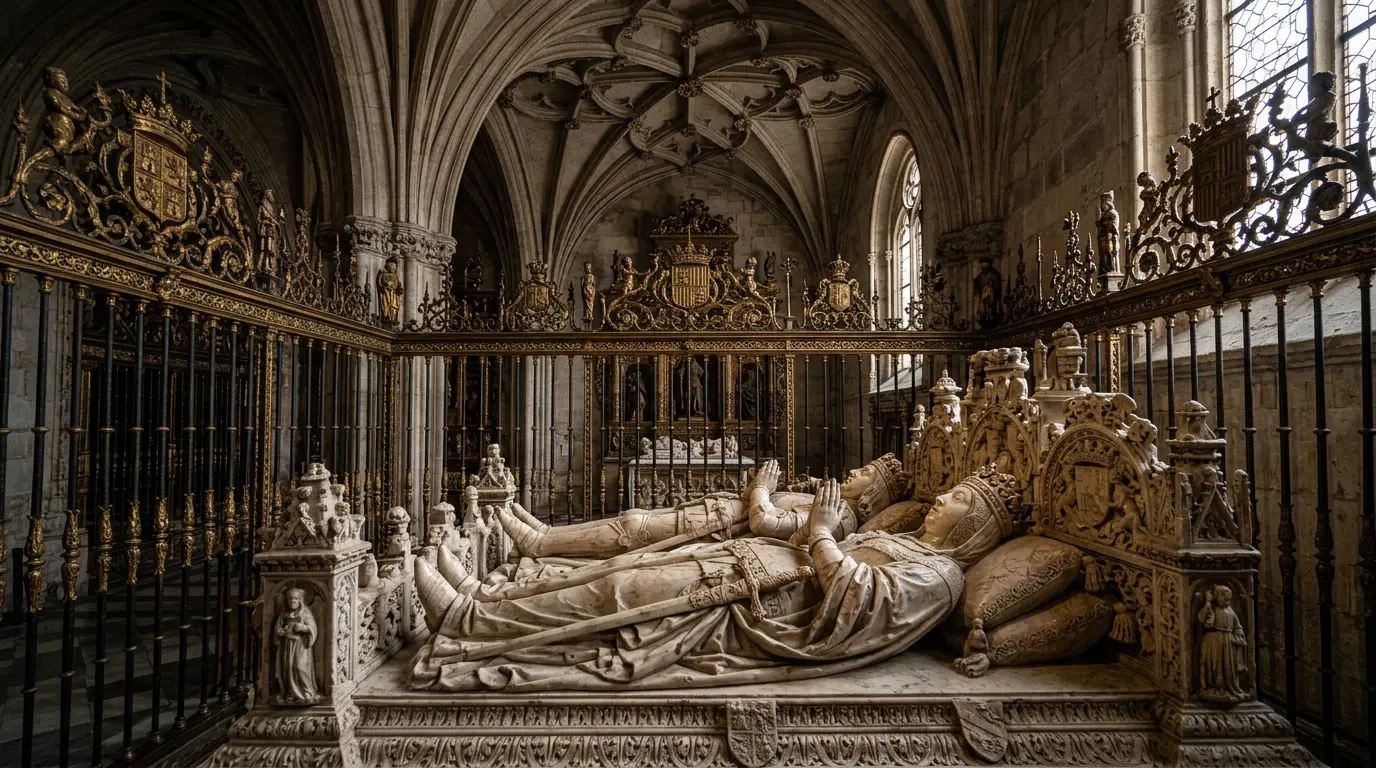
Isabella of Castile in Granada: The Queen Who Chose Her Tomb Here
James Walker Updated
Isabella and Ferdinand are buried together in Granada's Royal Chapel — her 1504 will chose the city over Toledo, and their tomb took 17 years to build.
Read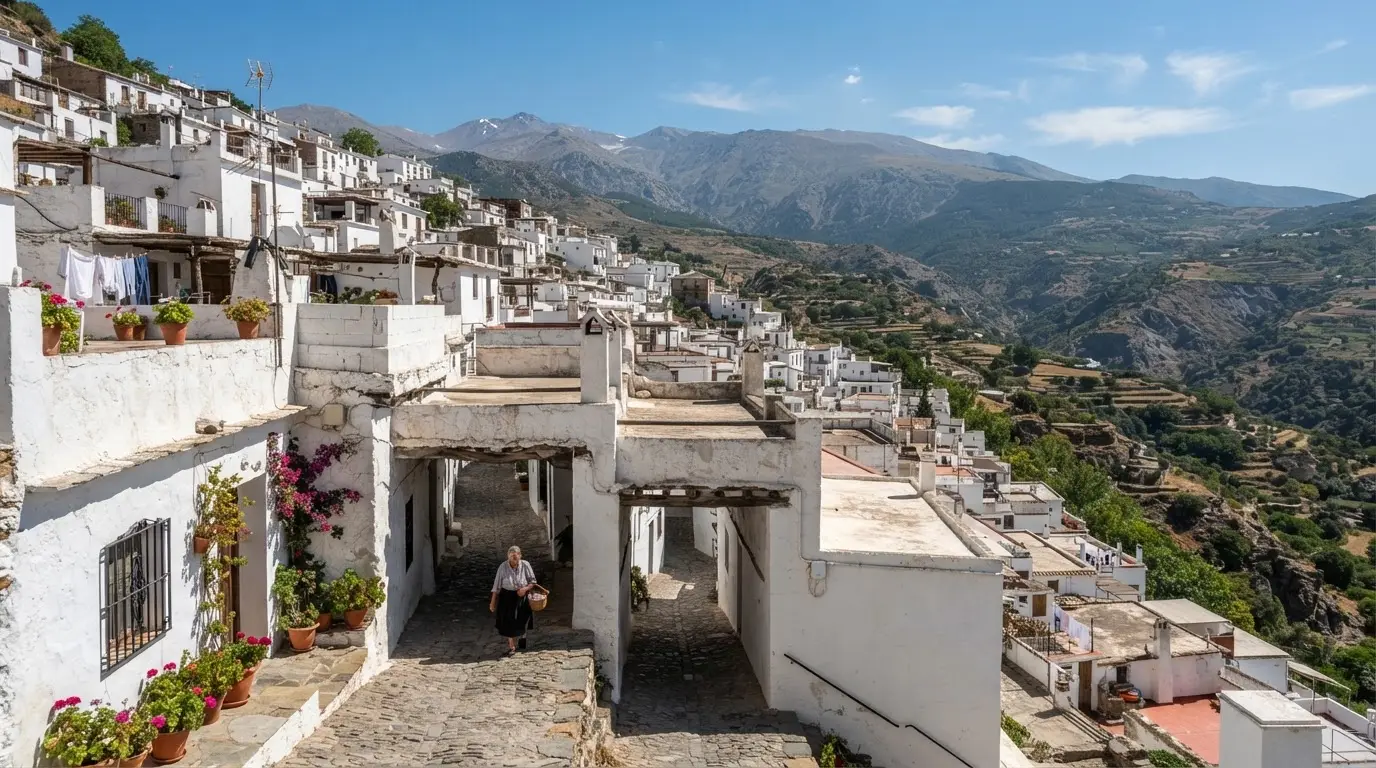
The Alpujarras Villages: Morisco Refuge After 1492
James Walker Updated
After 1492, the Alpujarras sheltered Granada's Morisco community for 80 years. Their tinaos, acequia channels, Berber chimneys, and flat launa roofs survive.
Read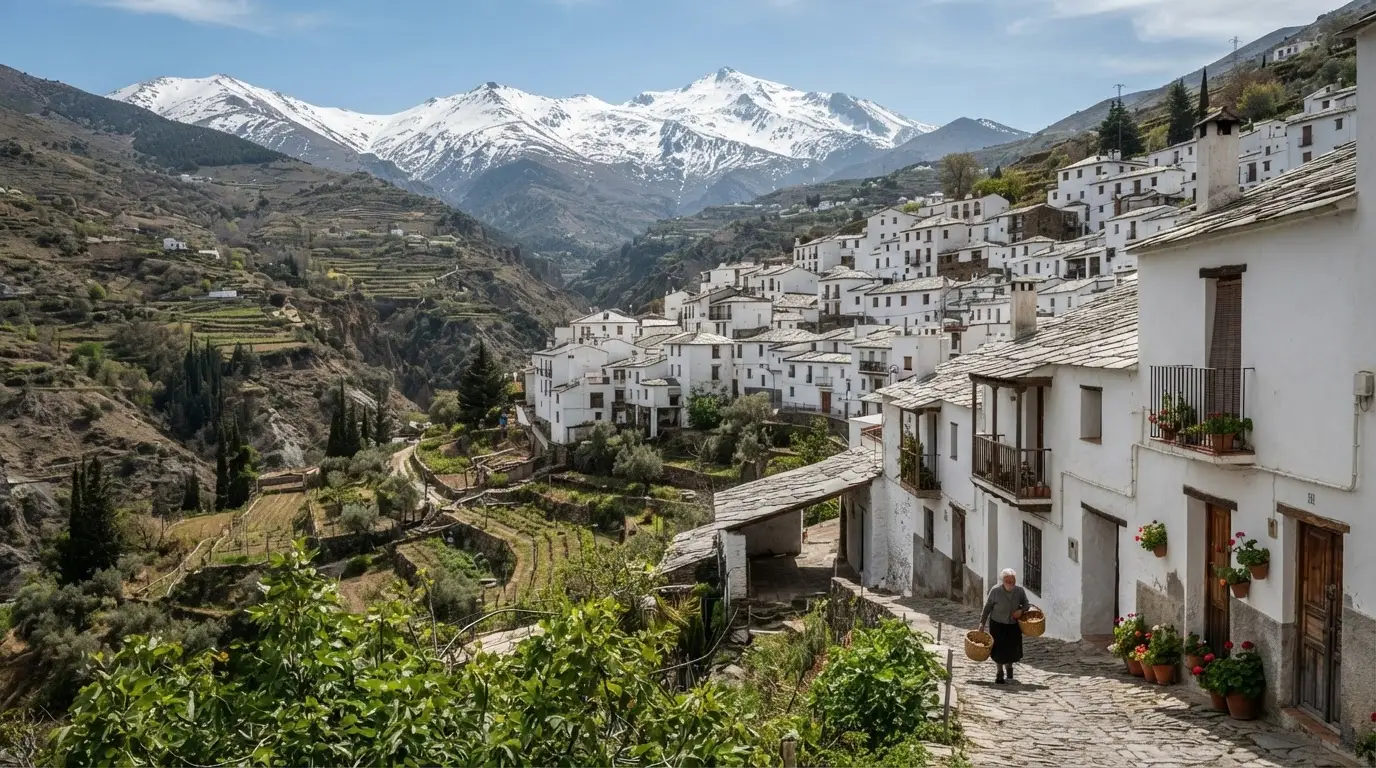
Moriscos of Granada: Secret Islam and the 1609 Expulsion
James Walker Updated
Forced to convert in 1502, Granada's Moriscos practised secret Islam under Inquisition surveillance for a century before Philip III expelled 270,000 in 1609.
Read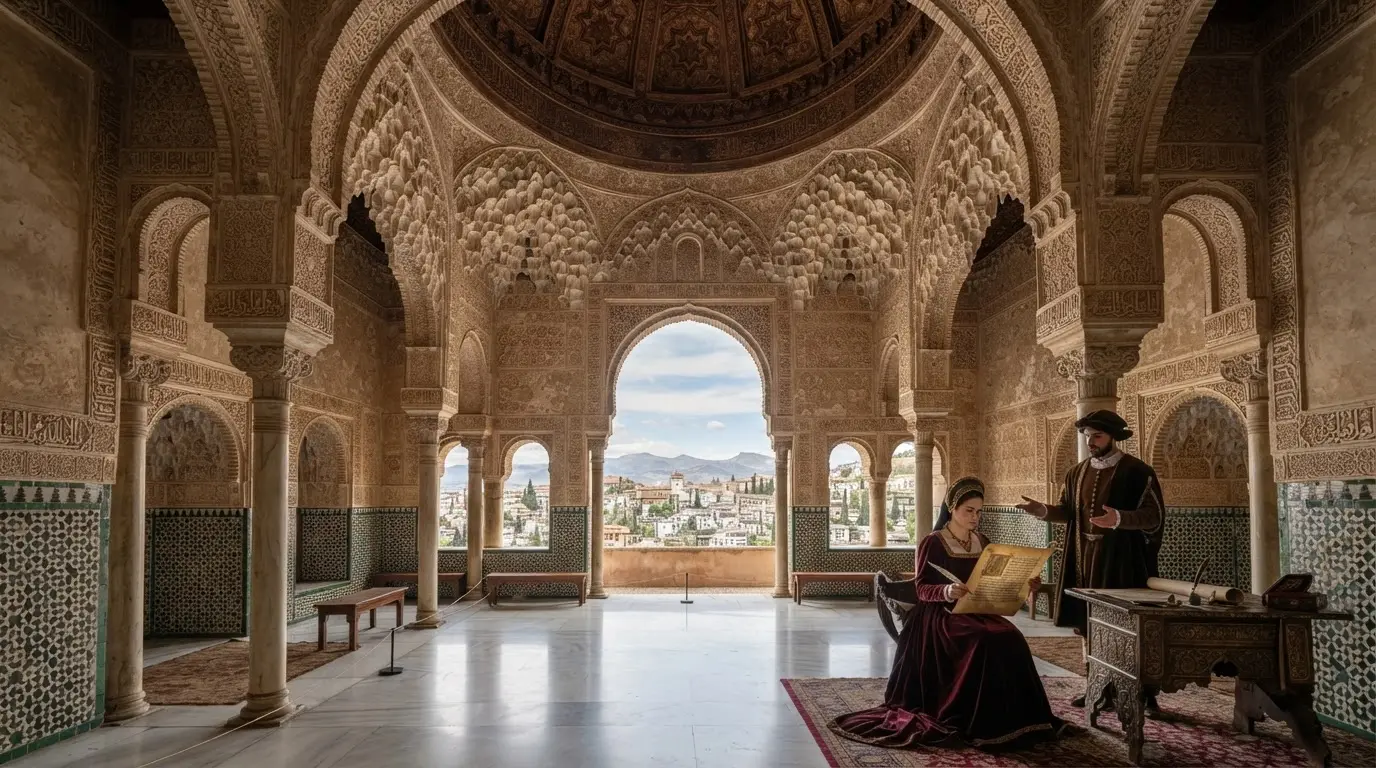
Alhambra Decree 1492: Granada's Jewish Expulsion Explained
James Walker Updated
The Alhambra Decree (Edicto de Granada) expelled Spain's Jews in 1492. Learn why it happened, what else happened in Spain that year, and where exiles went.
Read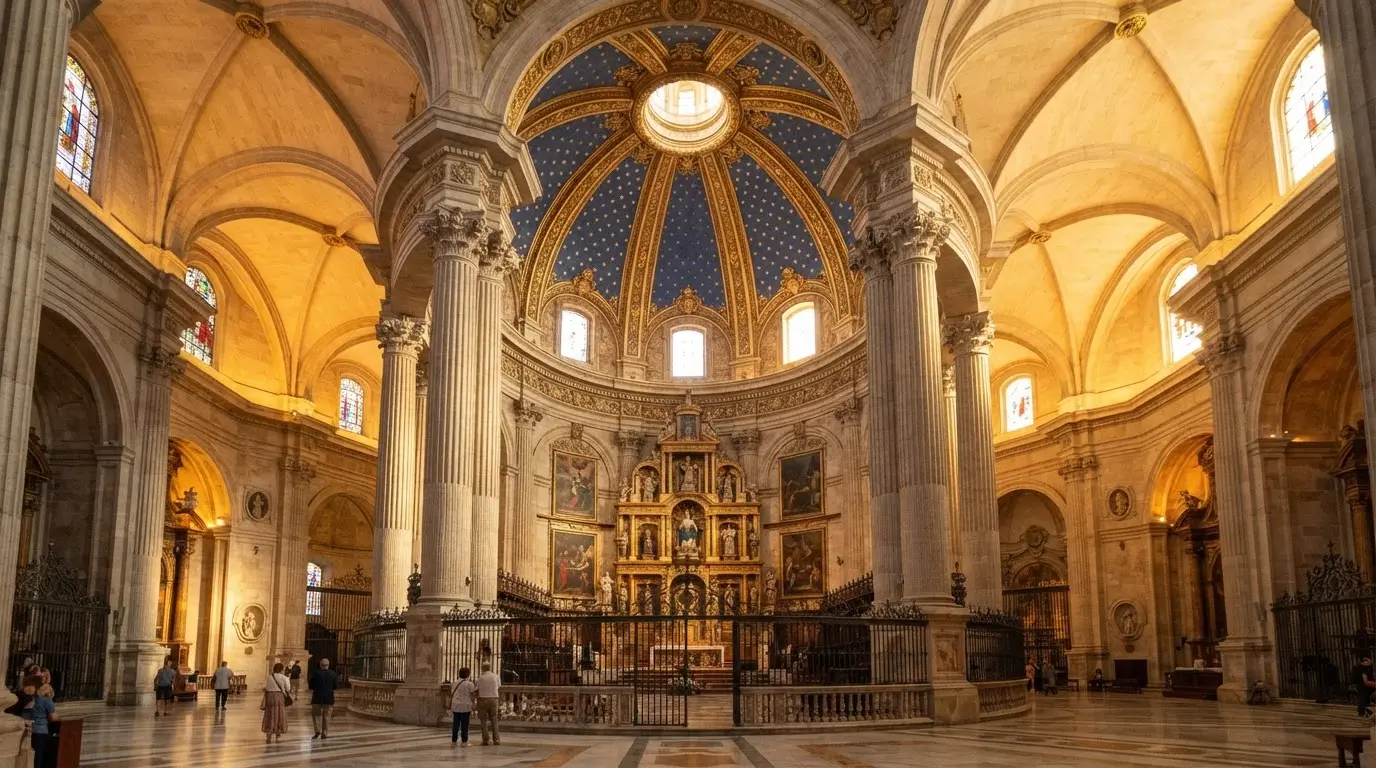
Granada Cathedral: Siloé's Renaissance Blueprint
James Walker Updated
Granada Cathedral's history: built from 1523 to 1704, converted from Gothic to Spain's first Renaissance design in 1529 by Diego de Siloé's circular chapel.
Read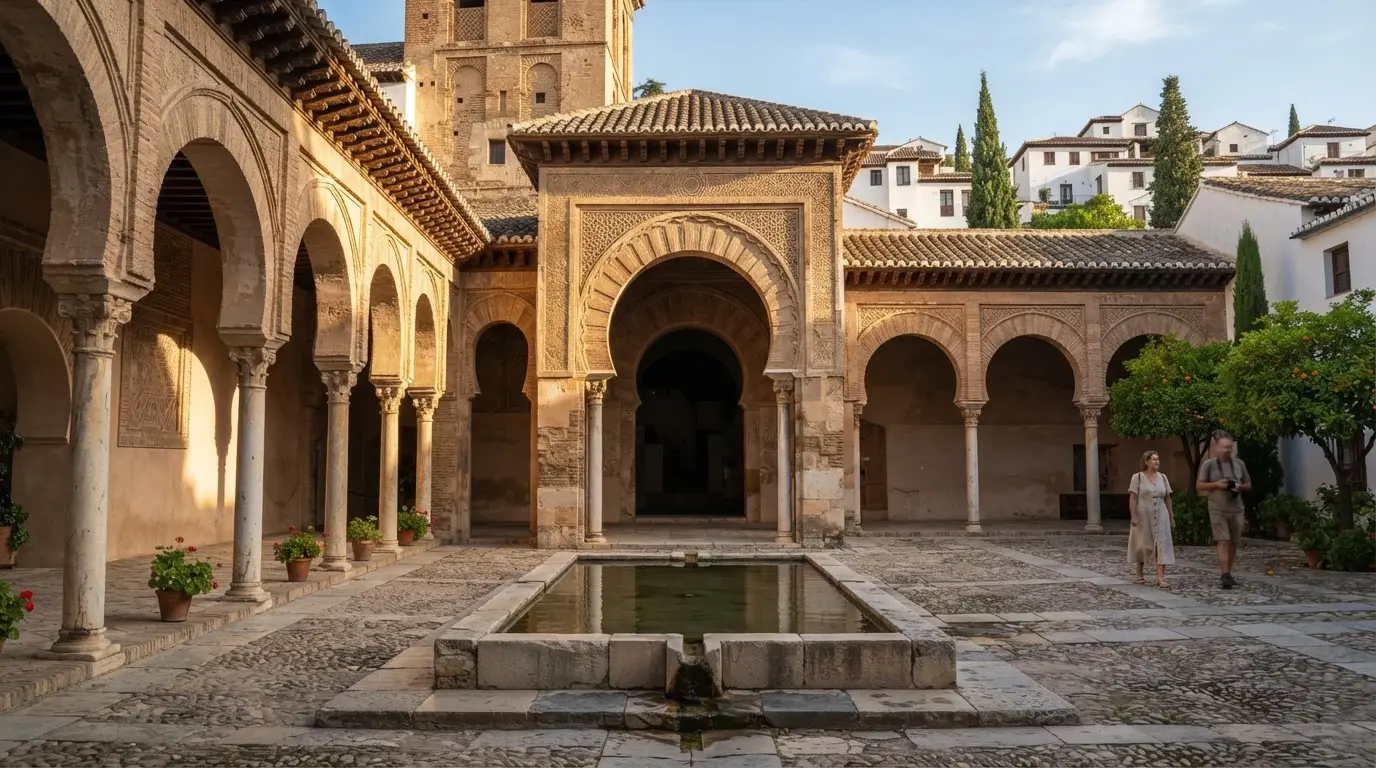
Mudéjar Granada: Islamic Art After the Reconquista
James Walker Updated
Mudéjar art in Granada: after 1492, Muslim craftsmen built Albaicín churches with horseshoe arches, sebka lattice and artesonado ceilings for Christian patrons.
Read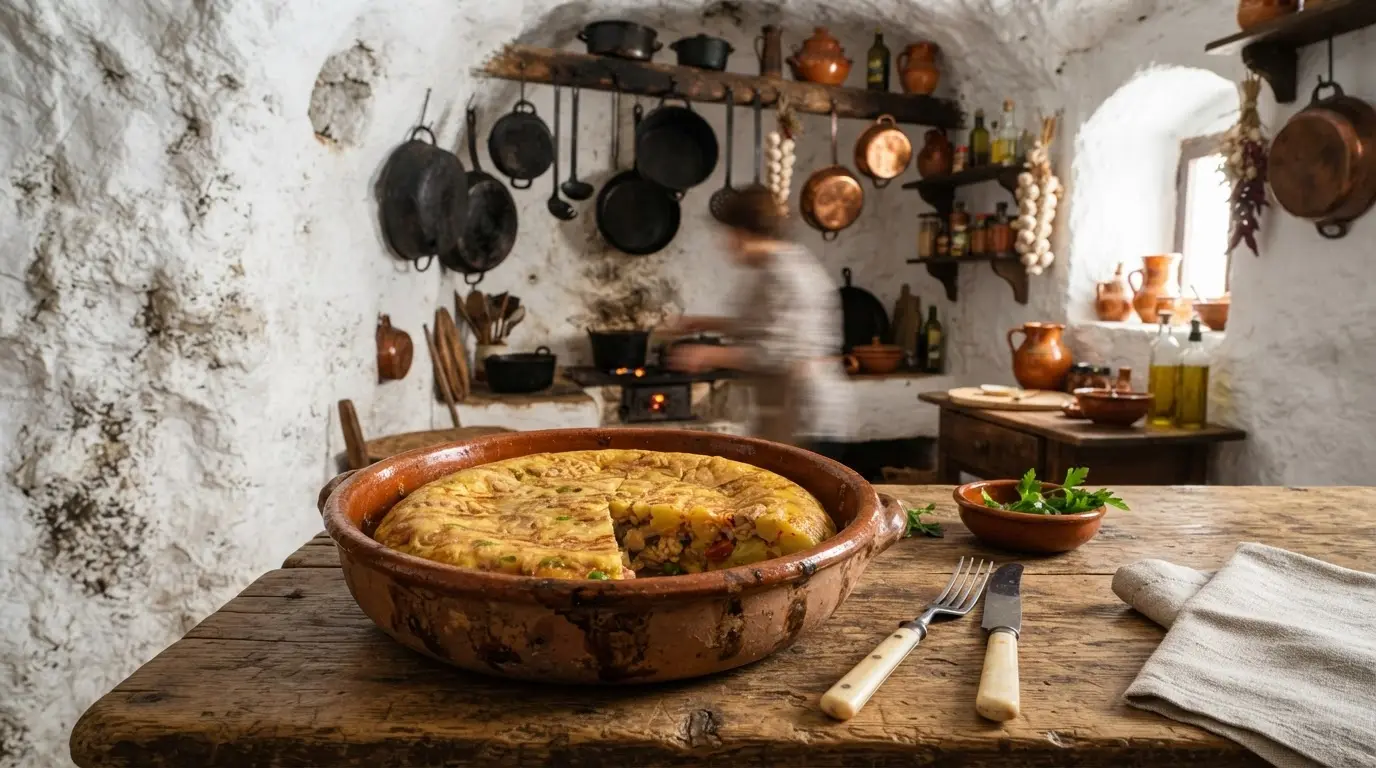
Tortilla del Sacromonte: history of Granada's cave dish
Sarah Mills Updated
How 16th-century refugees in Granada's Sacromonte caves turned sheep offal into a fiercely local dish, and the feast day that keeps the tradition alive.
Read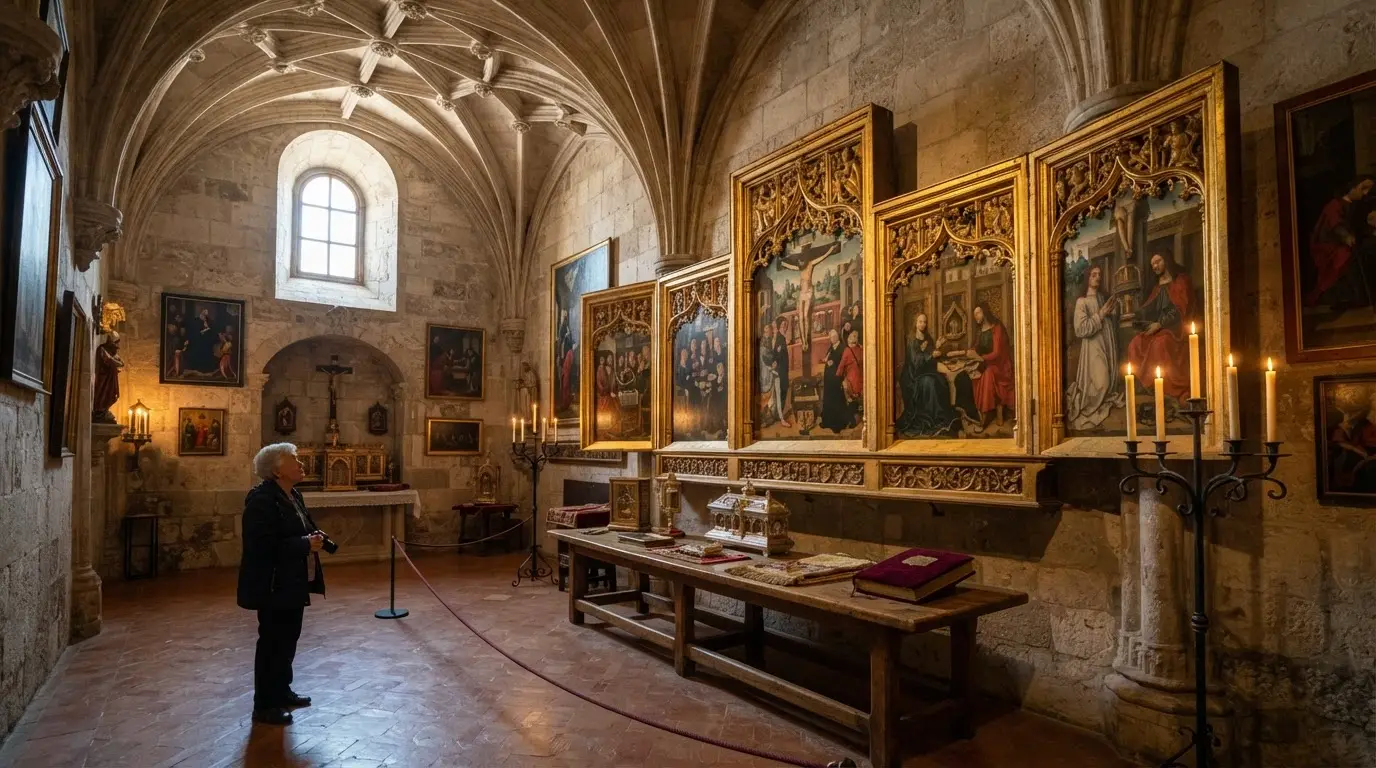
Isabella I and the Flemish Masterpieces of Granada's Royal Chapel
James Walker Updated
Inside the Royal Chapel sacristy, Isabella I's Flemish paintings wait: Van der Weyden, Memling, Bouts, and a lone Botticelli. Most visitors never enter.
Read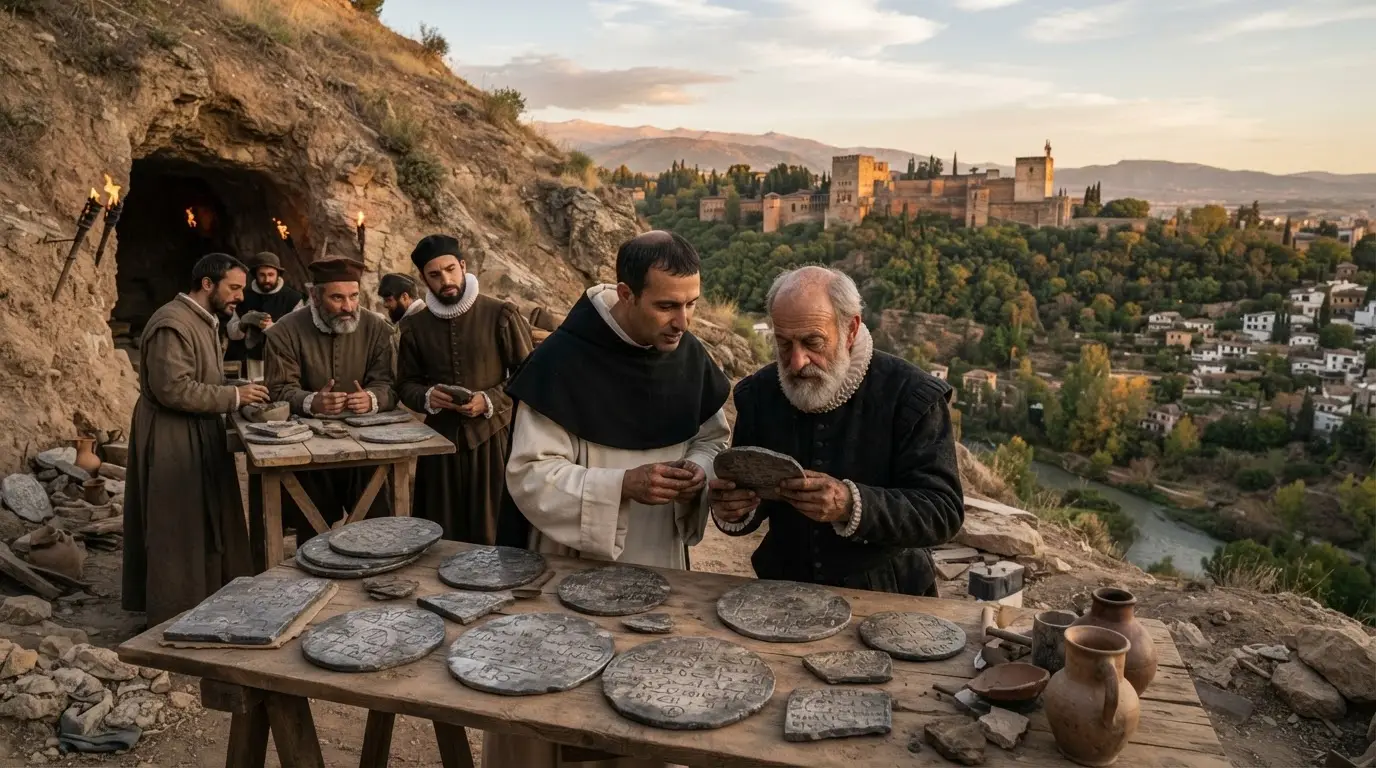
The Lead Books of Sacromonte: Granada's Greatest Forgery
James Walker Updated
Lead tablets found in Sacromonte's caves, 1595–1606. Condemned by the Vatican in 1682. The Morisco scholars behind Granada's greatest religious forgery.
Read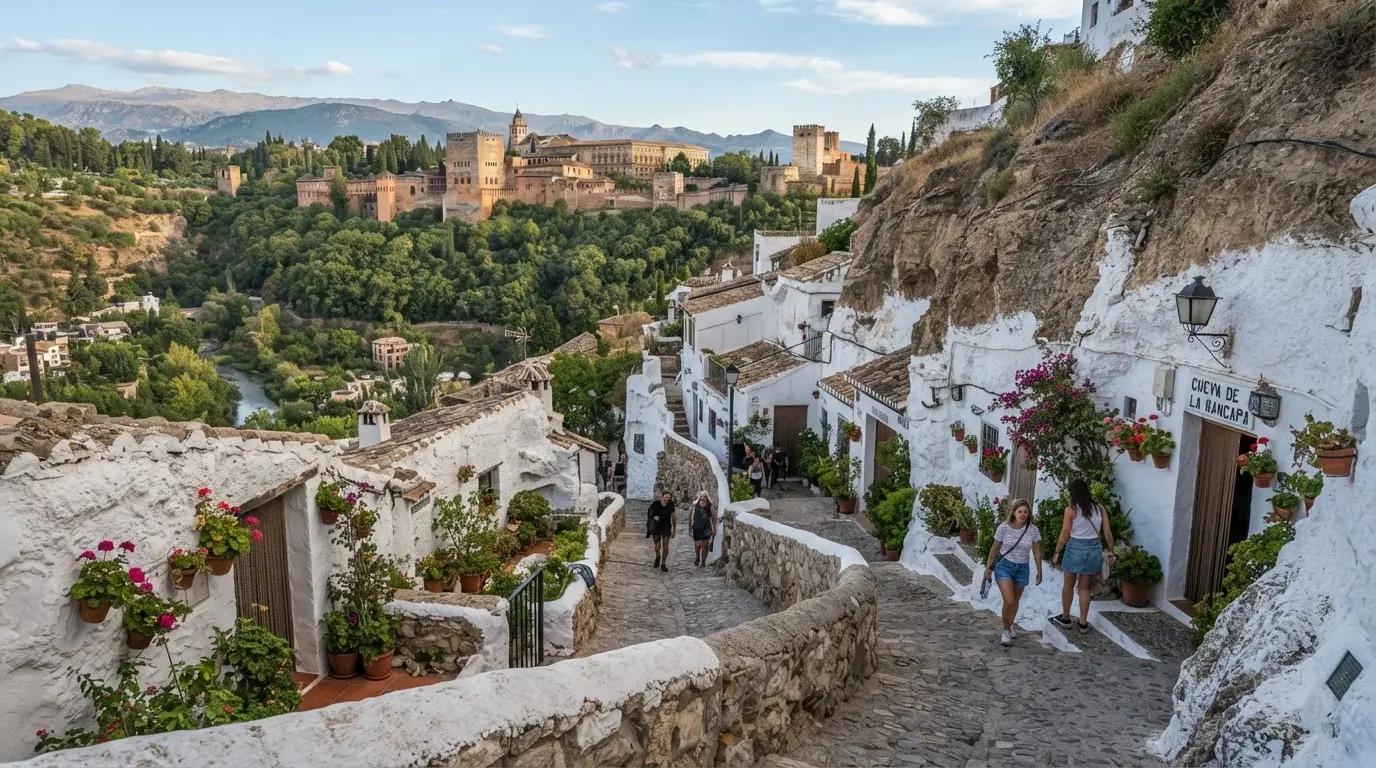
Cave houses of Sacromonte: how Granada carved its hillside
James Walker Updated
Sacromonte's caves were dug from Alhambra conglomerate: Romani history, the 1963 flood evacuation, the €5 ethnographic museum, and the abbey's Santas Cuevas.
Read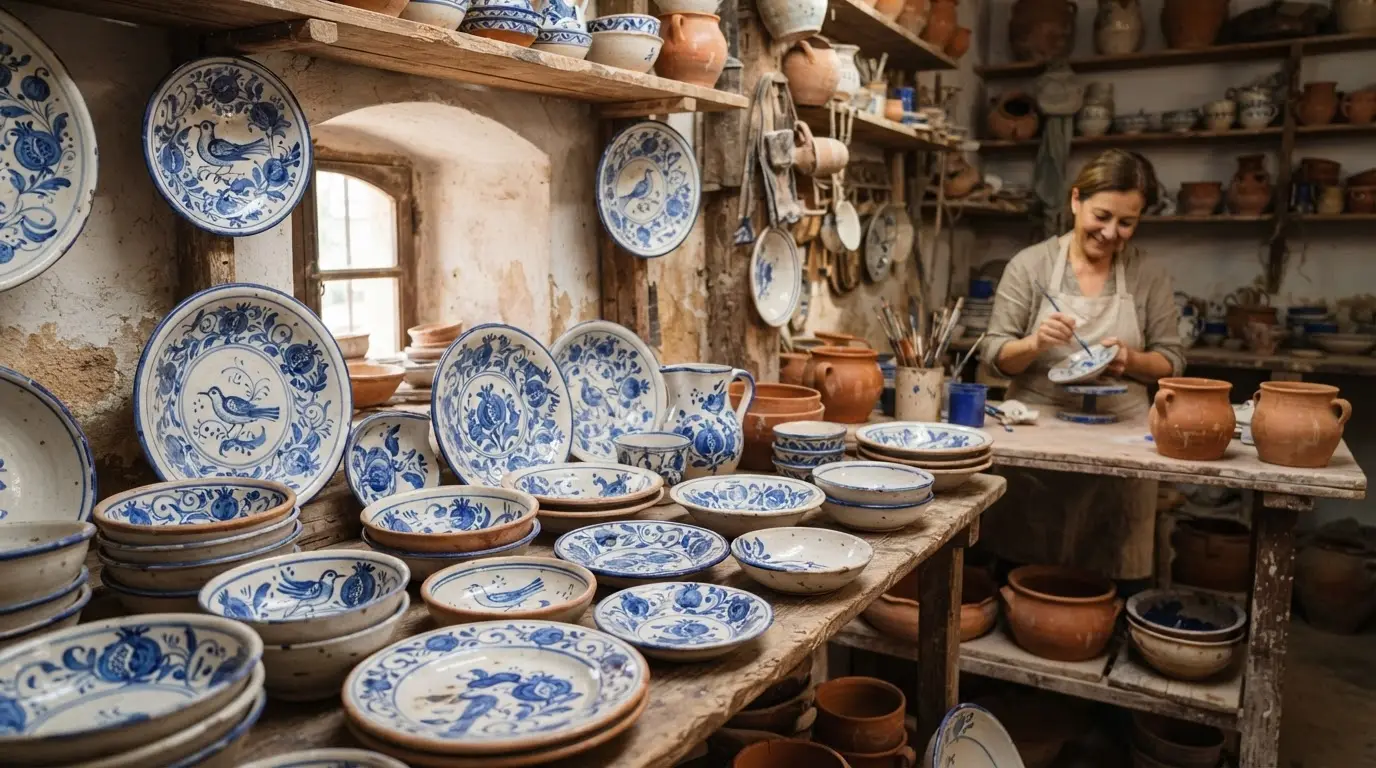
Fajalauza ceramics: Granada's 500-year pottery tradition
James Walker Updated
Fajalauza is Granada's 500-year pottery tradition: cobalt blue, pomegranate motifs, and one Albaicín workshop still hand-painting each piece since 1517.
Read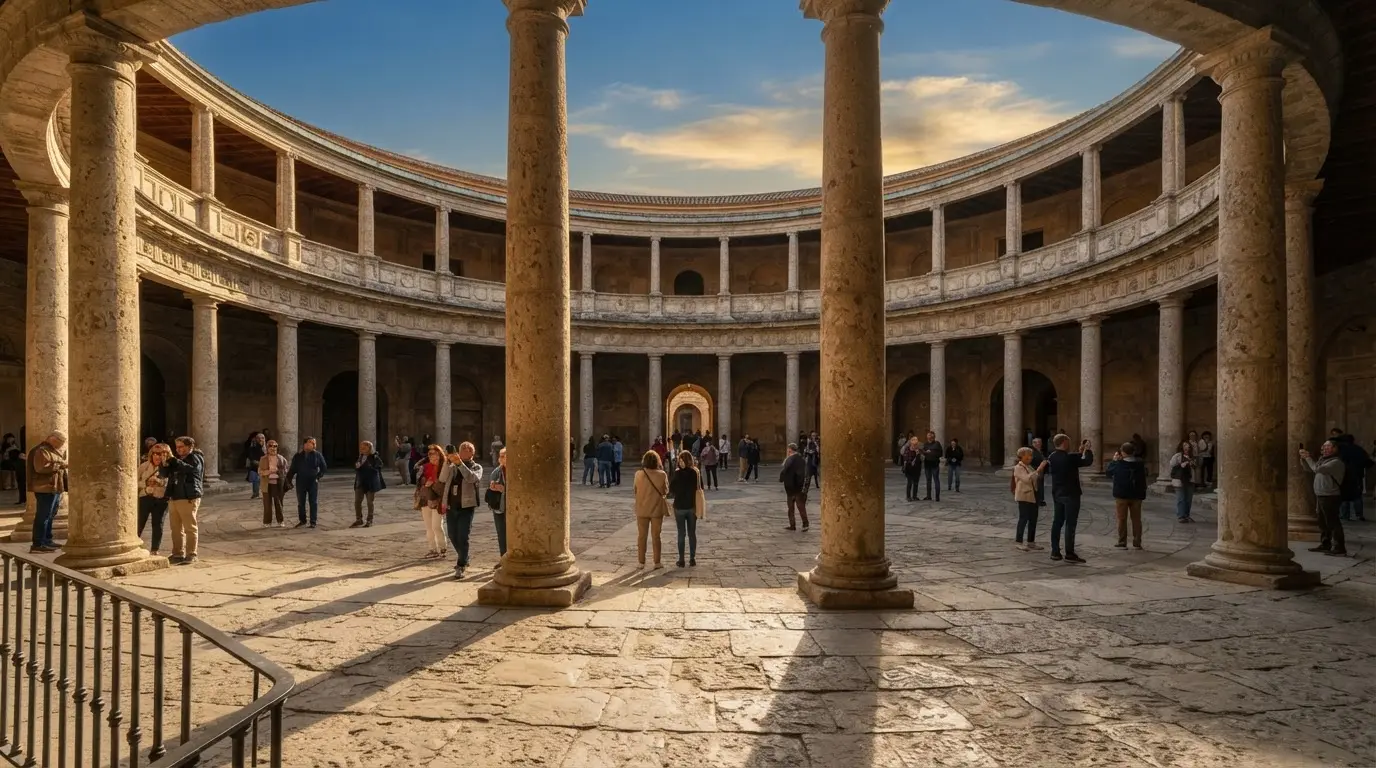
Palacio de Carlos V: the Alhambra's Renaissance Paradox
James Walker Updated
Charles V's Renaissance palace inside the Alhambra: circular courtyard finished 1637, roof not completed until 1967. Now free museums for EU visitors today.
Read