Articles · Castilian conquest & the Moriscos
Granada After 1492: Articles on the Castilian Conquest and the Moriscos
The last Muslim kingdom falls in 1492 and Siloé raises Spain's first Renaissance cathedral.
These articles cover the years after Boabdil's surrender: the Santa Fe camp, the Renaissance cathedral, the Inquisition, and the forced conversions behind the Morisco revolt of 1568 and the expulsion of 1609. For readers asking what Granada became under Castile.
30 articles · 1492–1610
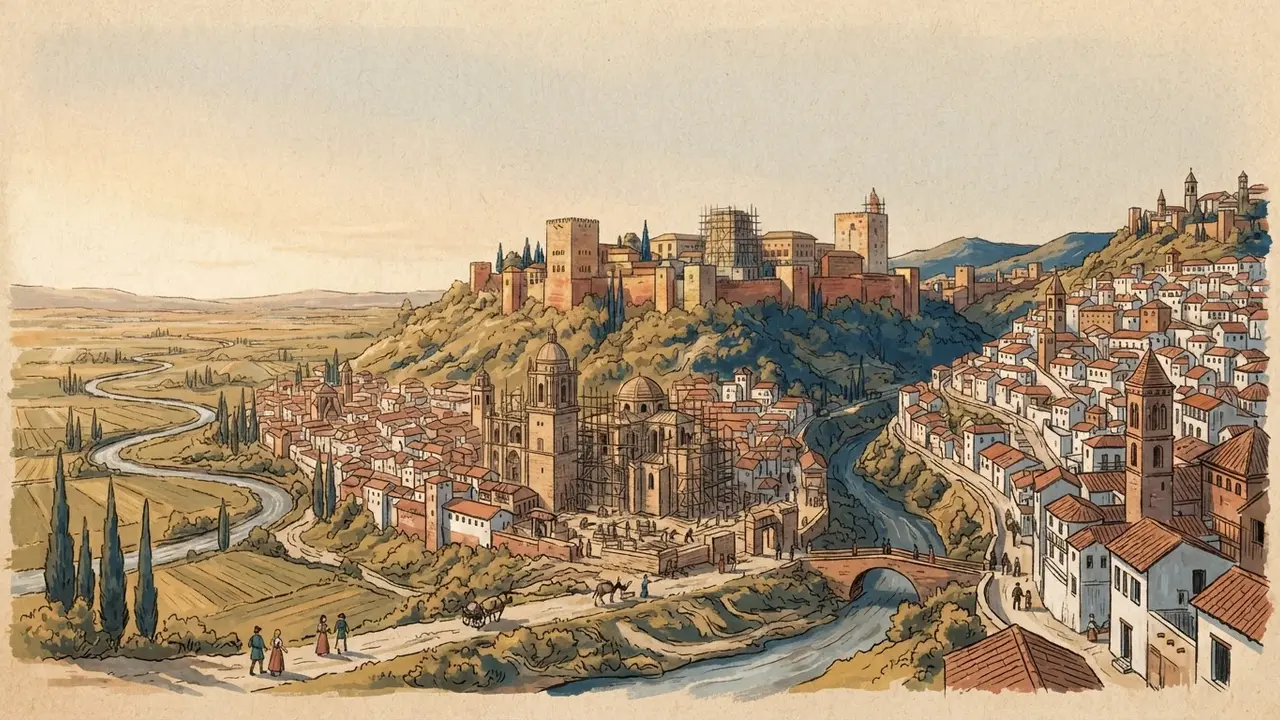
Articles on Castilian conquest & the Moriscos
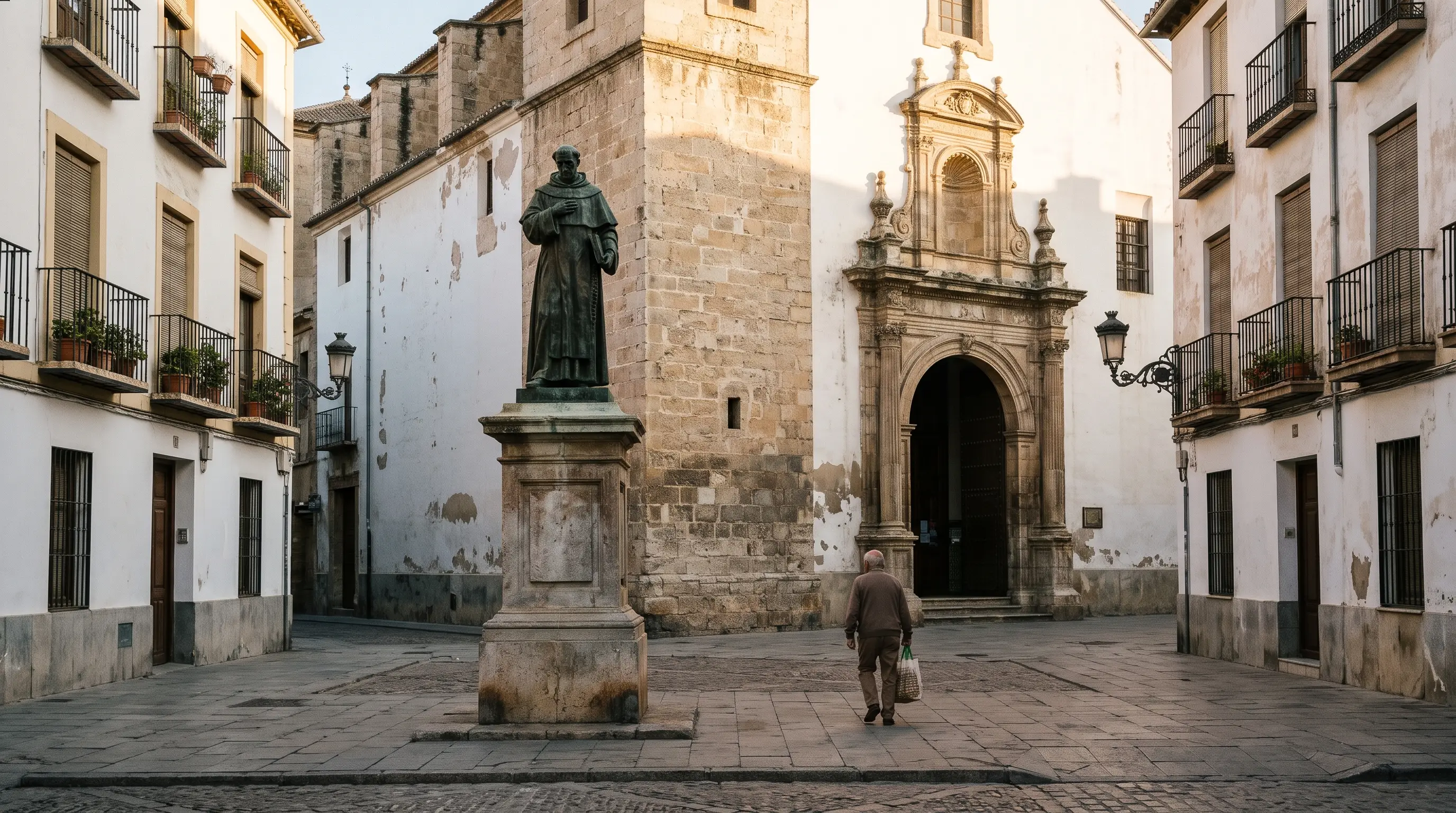
Fray Luis de Granada: The Friar Who Wrote Bestsellers
James Walker
Fray Luis de Granada, the Dominican friar from Granada, Spain, wrote devotional books read across Europe. His life, his Index trouble, and the Realejo traces.
Read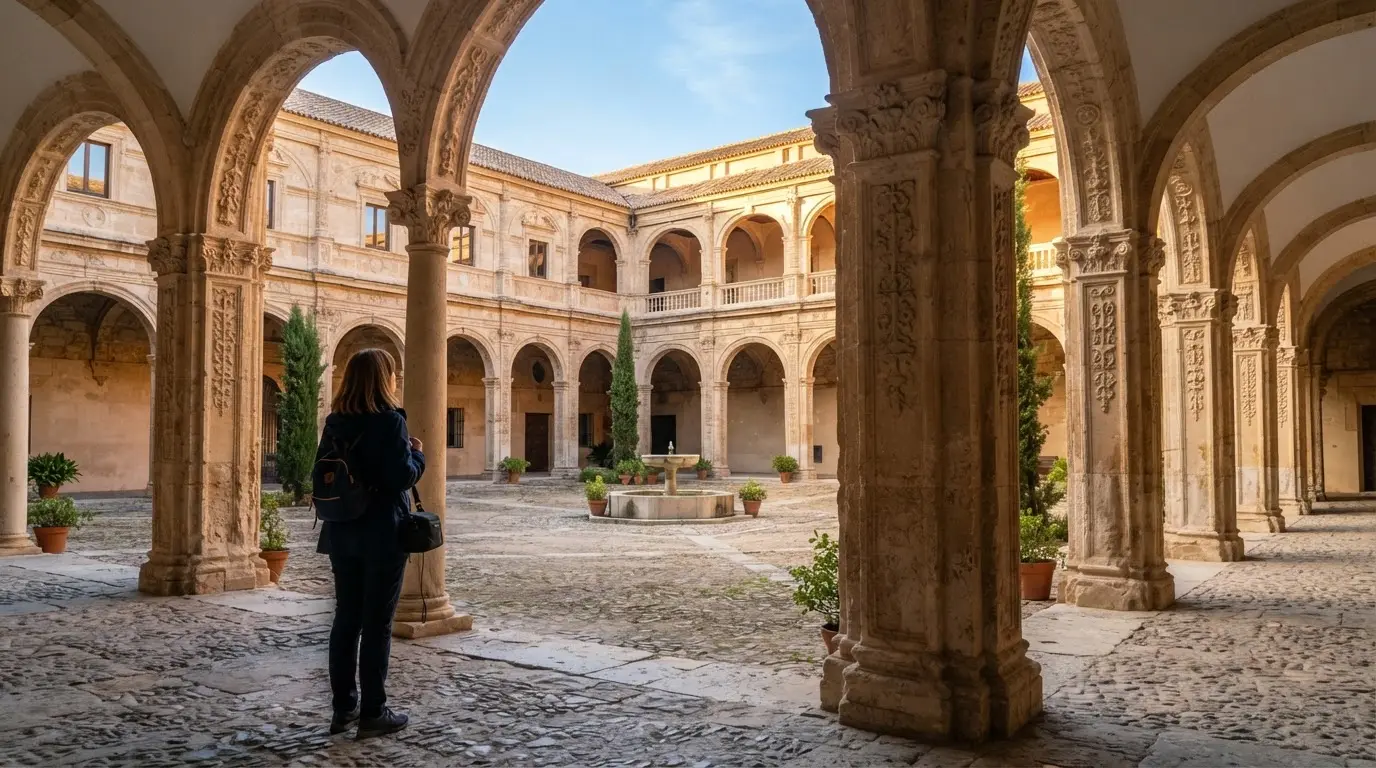
How Granada's Hospital Real Became a University Seat
James Walker
Founded by the Catholic Monarchs in 1504, Granada's Hospital Real stayed unfinished after a 1549 fire, then became the university rectorate. Entry is free.
Read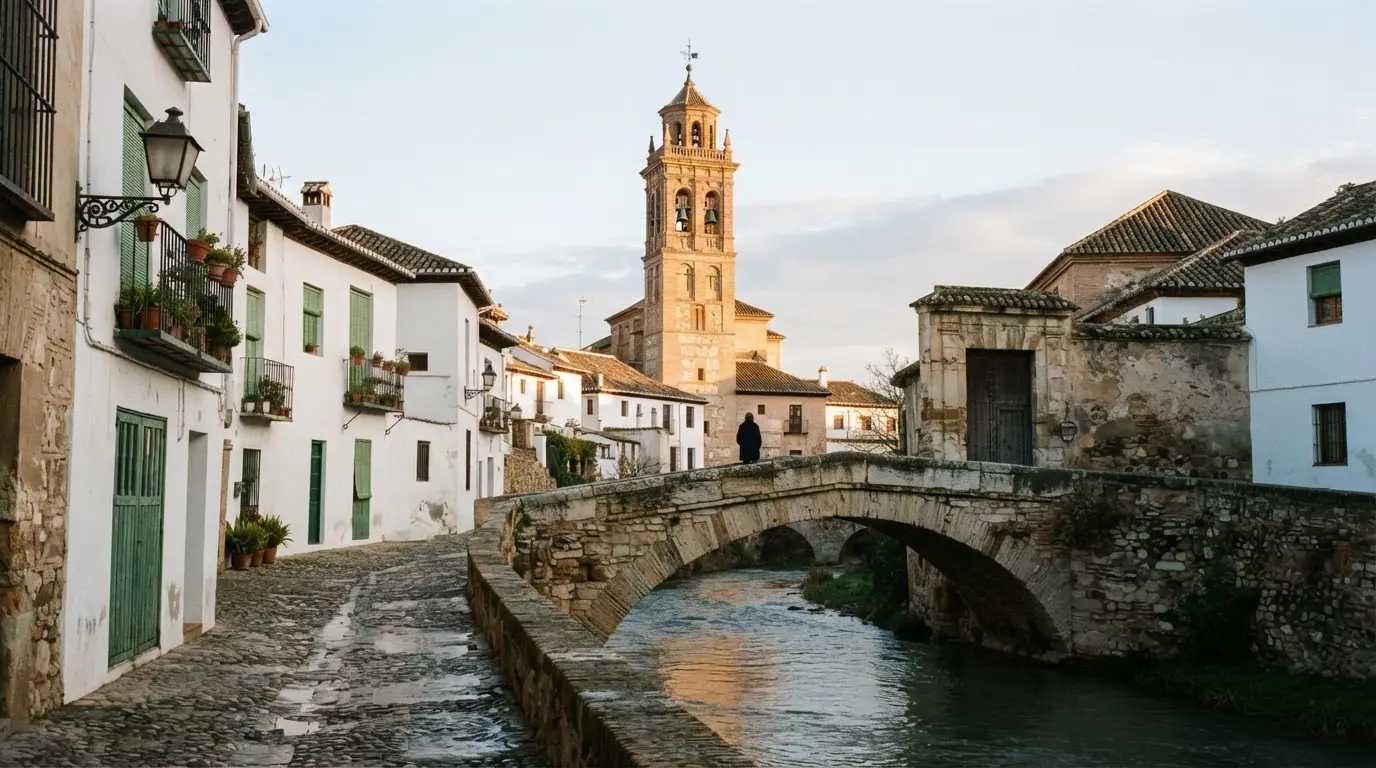
Juan Latino: The Enslaved Man Who Taught Latin in Granada
James Walker
Juan Latino was enslaved in a duke's household, then taught Latin in Granada and printed a Lepanto epic in 1573. What the records settle, and what they don't.
Read
Francisco Suárez: the Granada Philosopher Europe Studied
James Walker
Francisco Suárez, Jesuit philosopher born in Granada in 1548: his Disputationes Metaphysicae, plus the birthplace plaque, monument and archive Granada keeps.
Read
Cisneros Book Burning in Granada, 1499: What Was Lost
James Walker
Cisneros burned Arabic books in Granada in 1499, but the numbers, the square and Heine's famous line are shakier. A claim check of what the record supports.
Read
Hernando de Talavera: The Archbishop Who Learned Arabic
James Walker
Hernando de Talavera, Granada's first archbishop, learned Arabic, ran a school for Morisco boys and kept the 1491 terms. Why his gentle method fell short.
Read
Eleno de Céspedes: The Alhama Surgeon Tried by the Inquisition
James Walker
Born a slave in Alhama de Granada, Eleno de Céspedes served in the Alpujarras war, qualified as a surgeon and was tried before the Toledo Inquisition in 1587.
Read
Count of Tendilla Alhambra: First Governor After 1492
James Walker
Íñigo López de Mendoza, Count of Tendilla, ran the Alhambra from 1492 to 1515. See how Granada's first Christian governor lived, ruled and wrote 6,000 letters.
Read
Granada Inquisition: The Holy Office Tribunal, 1526 to 1834
James Walker
The Granada Inquisition's permanent tribunal ran from 1526 to 1834. Its jurisdiction, autos de fe in Bibarrambla and San Jerónimo, and who it prosecuted.
Read
Boabdil's Lost Tomb: Searching for It in Fez, Morocco
James Walker Updated
Where is Boabdil buried? A 17th-century account points to a shrine outside Fez's Bab Mahrouk gate, and a 2013 scan detected bones nobody was allowed to test.
Read
Capitulations of Santa Fe: The Deal That Sent Columbus
James Walker
Fifteen weeks after Granada fell, Columbus signed away a tenth of the New World at a Granada siege camp, and the crown's own coffers weren't what paid for it.
Read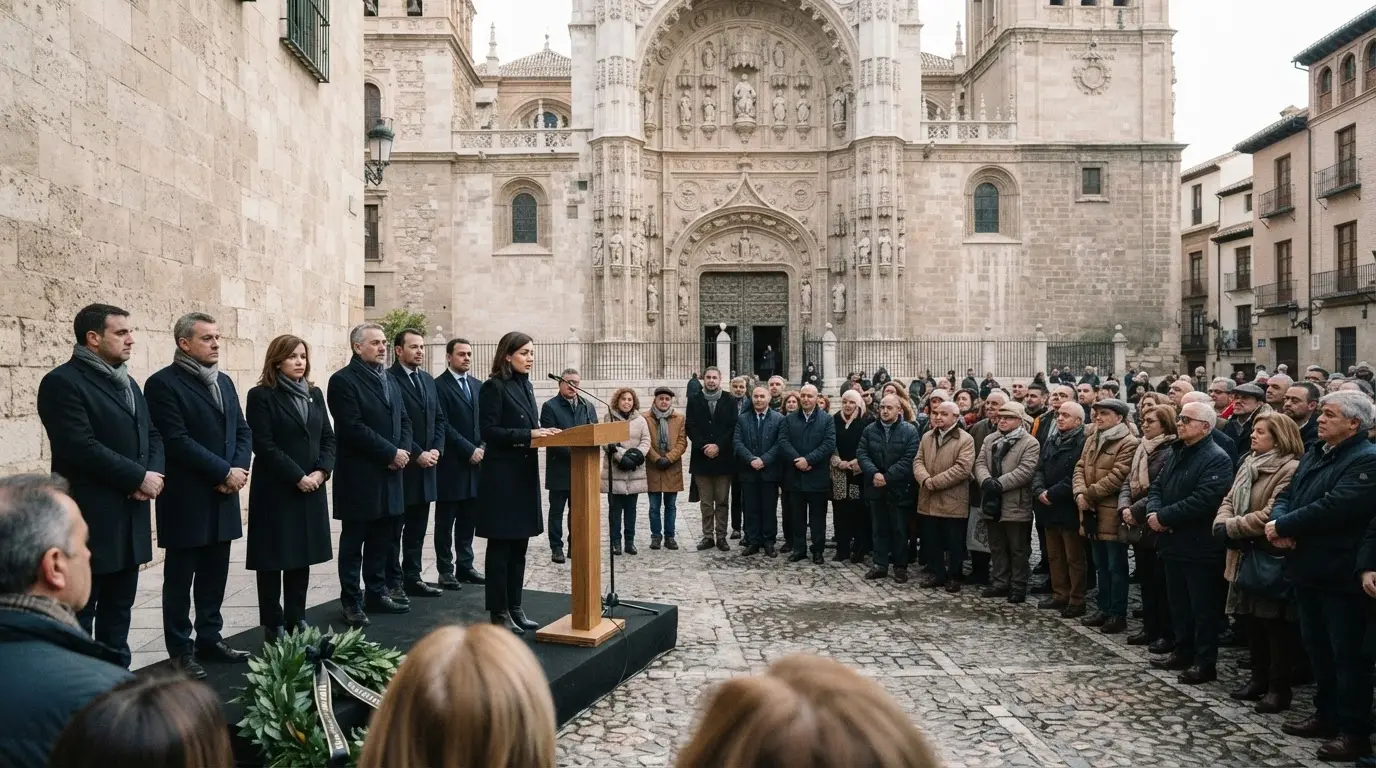
The Festival of the Toma: Granada's Most Controversial Holiday
James Walker
Granada's Día de la Toma marks 1492's surrender, a promise the Crown broke within a decade. Vox now rallies there each January while activists demand it end.
ReadSee Castilian conquest & the Moriscos on the timeline, with its people and monuments
Go deeper
Frequently asked questions
What were the Capitulations of Santa Fe in 1492?
Signed by Ferdinand and Isabella on 17 April 1492 at their siege camp in Santa Fe, 11 kilometres west of Granada, the Capitulations authorised Christopher Columbus's Atlantic voyage. The contract granted Columbus the titles of admiral, viceroy, and governor-general along with one-tenth of future profits, funded largely through royal accountant Luis de Santángel.
Why did the Moriscos rebel in the Alpujarras in 1568?
On 1 January 1567, Philip II issued a Pragmática that outlawed the Arabic language, Moorish dress, Arabic family names, and public hammams among Granada's forcibly converted Moriscos. The decree sparked an armed uprising on Christmas Eve 1568, after which Castile deported roughly 80,000 Granadan Moriscos inland before the final expulsion from Spain in 1609.
What were the Lead Books of Sacromonte?
Between 1595 and 1606, 22 volumes of circular lead tablets inscribed in Arabic, Latin, and Solomonic script turned up in caves on Sacromonte hill, claiming to record Saint Caecilius's martyrdom. Scholars attribute them to Morisco translators Alonso del Castillo and Miguel de Luna trying to legitimise Arabic Christian heritage, and Pope Innocent XI condemned them in 1682.
Why is there a Renaissance palace inside the Alhambra?
Holy Roman Emperor Charles V commissioned the palace in 1526 after visiting the Alhambra on his honeymoon, hiring architect Pedro Machuca to build a 63-metre square block around a 30-metre circular courtyard. Work stalled after the 1568 Morisco rebellion and halted roofless in 1637, leaving the building open to the sky until its roof was completed in 1967.