Articles · Castilian conquest & the Moriscos
Granada After 1492: Articles on the Castilian Conquest and the Moriscos (Page 3)
The last Muslim kingdom falls in 1492 and Siloé raises Spain's first Renaissance cathedral.
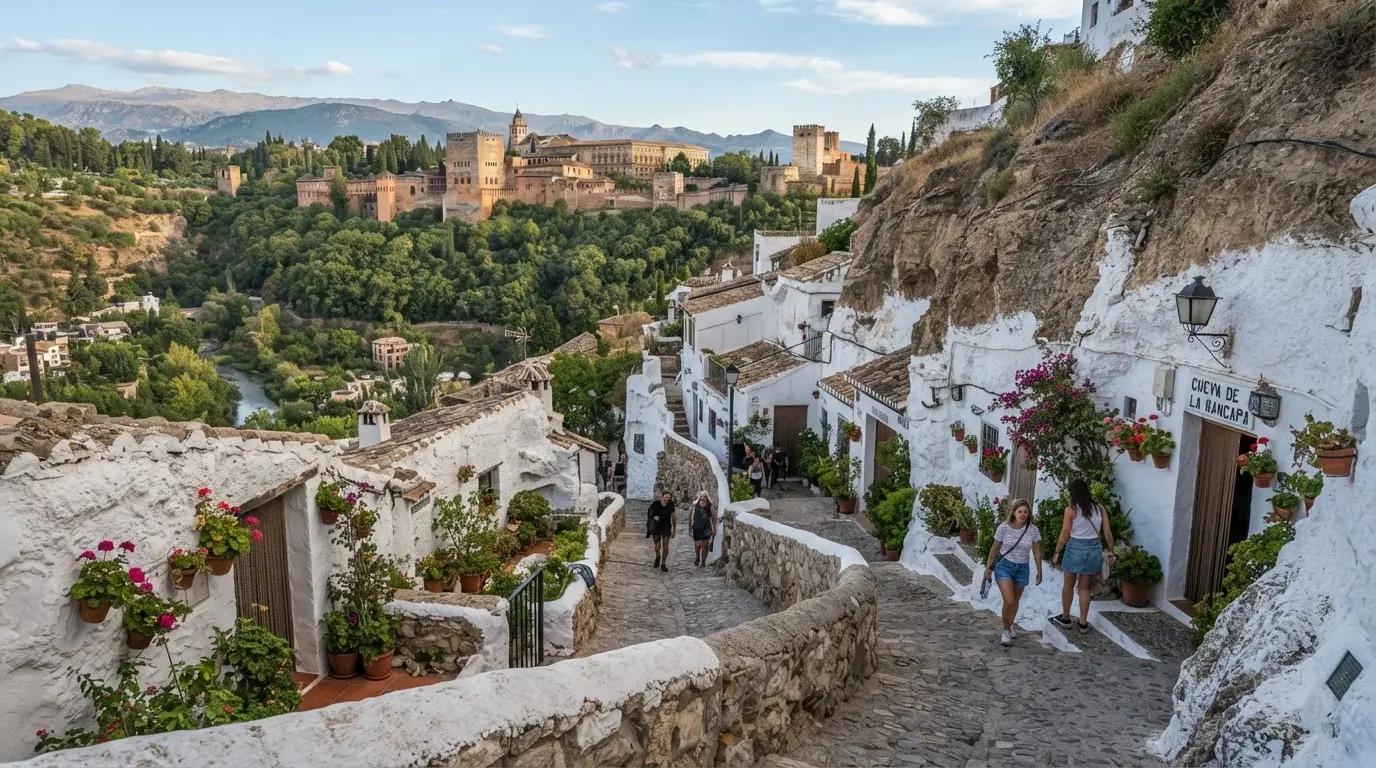
Cave houses of Sacromonte: how Granada carved its hillside
James Walker Updated
Sacromonte's caves were dug from Alhambra conglomerate: Romani history, the 1963 flood evacuation, the €5 ethnographic museum, and the abbey's Santas Cuevas.
Read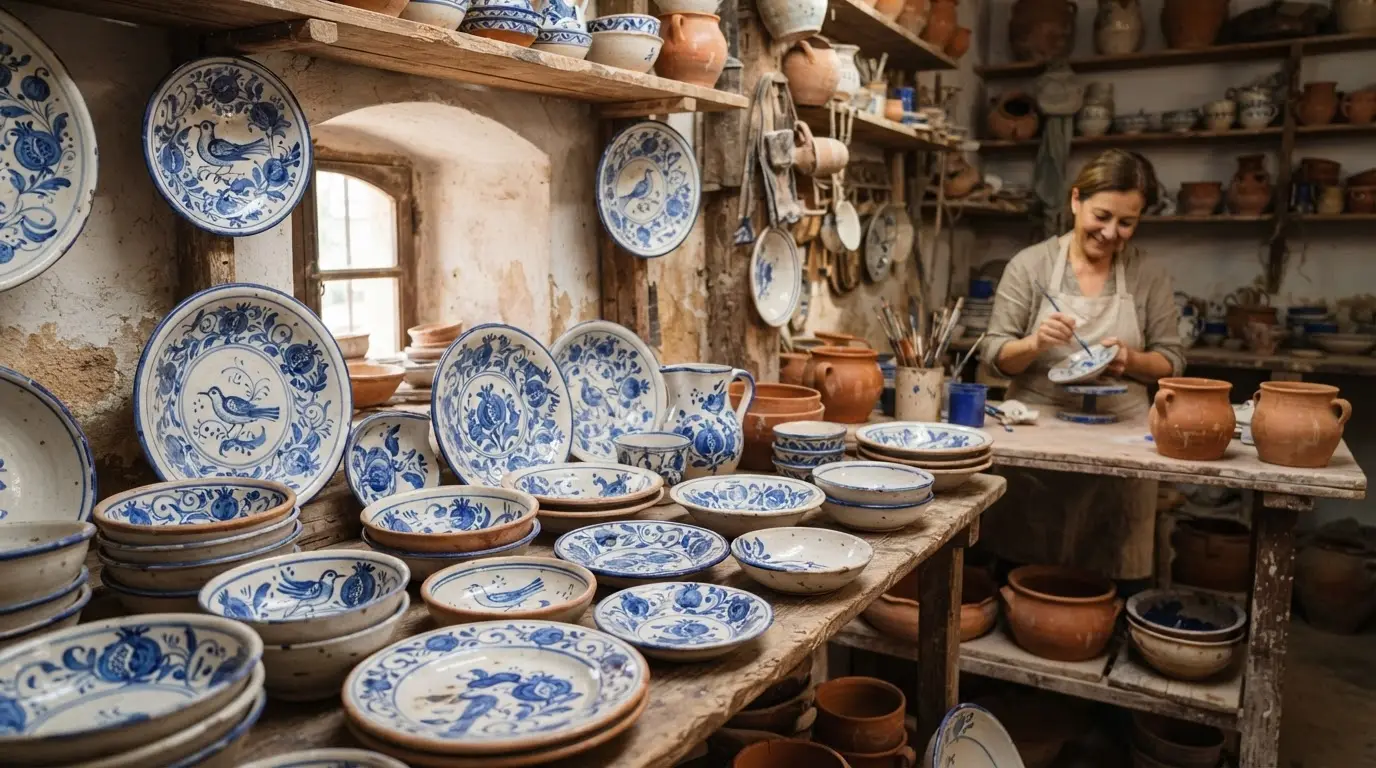
Fajalauza ceramics: Granada's 500-year pottery tradition
James Walker Updated
Fajalauza is Granada's 500-year pottery tradition: cobalt blue, pomegranate motifs, and one Albaicín workshop still hand-painting each piece since 1517.
Read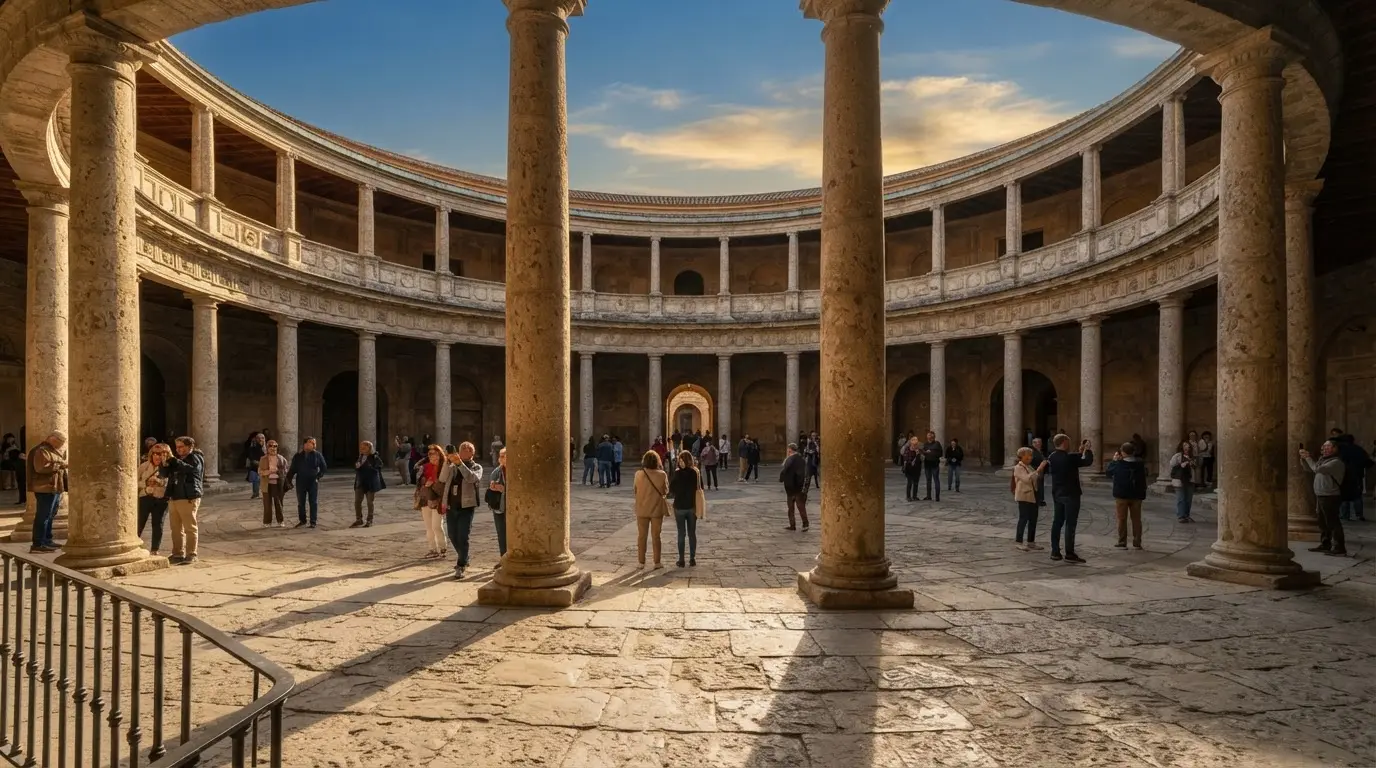
Palacio de Carlos V: the Alhambra's Renaissance Paradox
James Walker Updated
Charles V's Renaissance palace inside the Alhambra: circular courtyard finished 1637, roof not completed until 1967. Now free museums for EU visitors today.
Read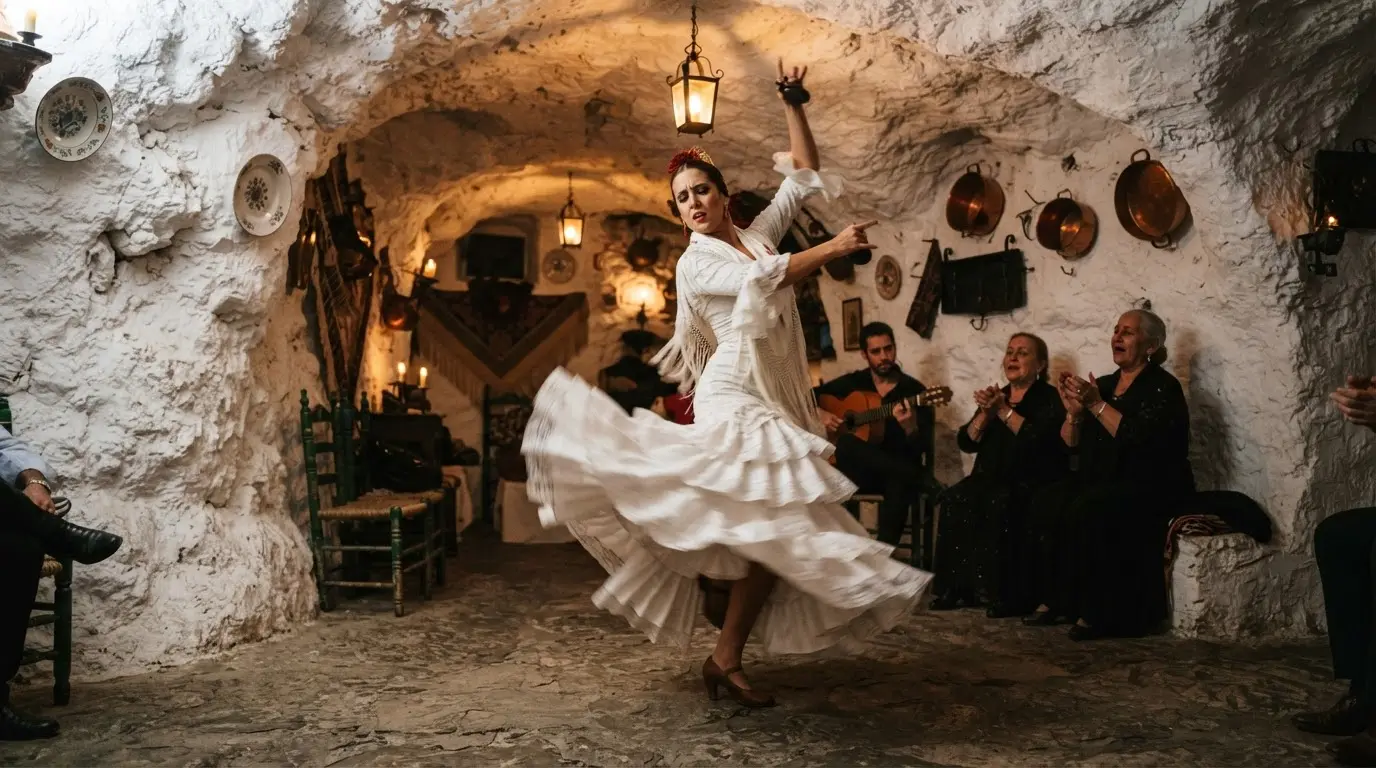
Zambra Cave Flamenco: Sacromonte's Living Ritual
James Walker Updated
Zambra is Granada's flamenco form, born in Sacromonte's limestone caves from a Moorish-Romani fusion. Three acts, 500 years of history, still performed nightly.
Read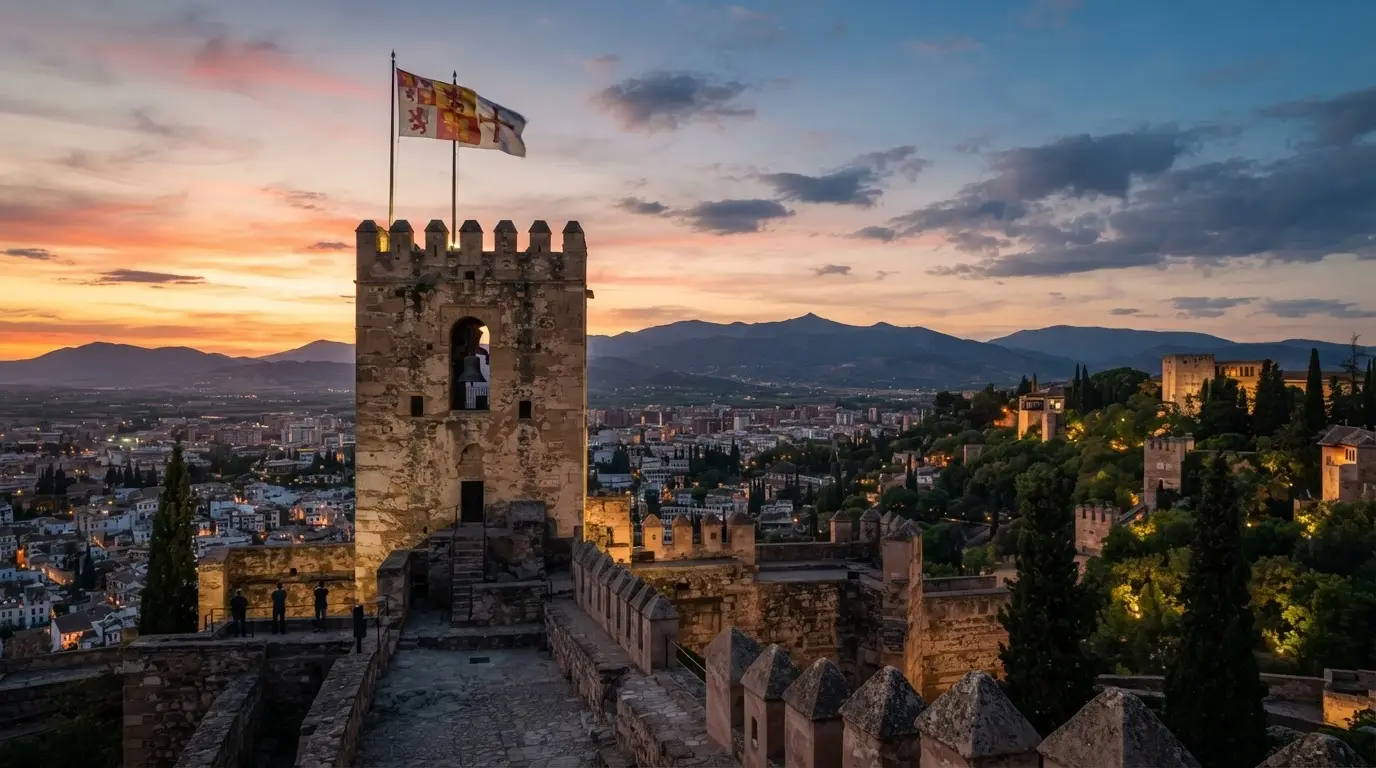
The Reconquista and the Fall of Granada in 1492
James Walker Updated
On 2 January 1492, Granada surrendered, ending 781 years of Moorish rule. The Reconquista, the siege of 1491, and the Granada Capitulations explained.
Read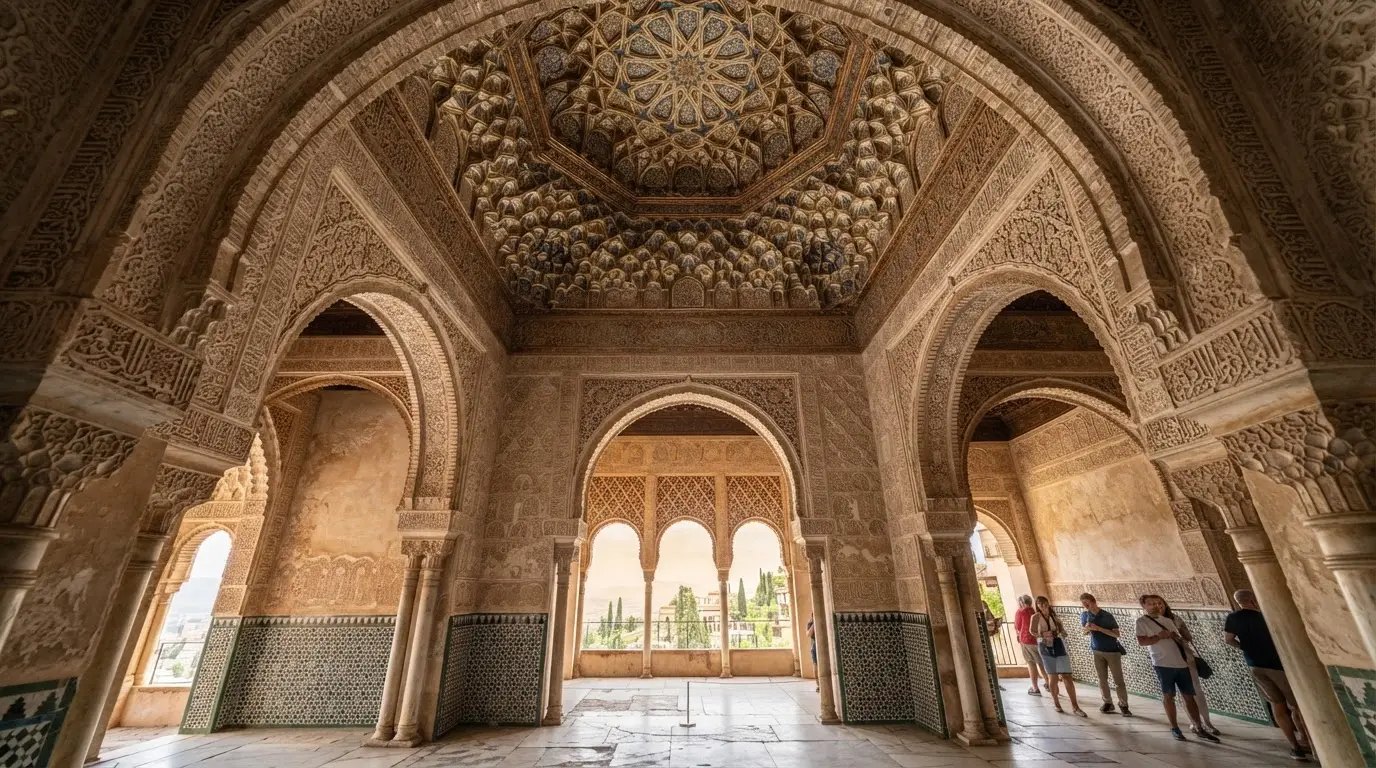
Boabdil: Last Moorish King of Granada
James Walker Updated
Boabdil (c.1460–1533) was Granada's last Nasrid sultan, who surrendered the city to Ferdinand and Isabella on 2 January 1492, ending 781 years of Moorish rule.
Read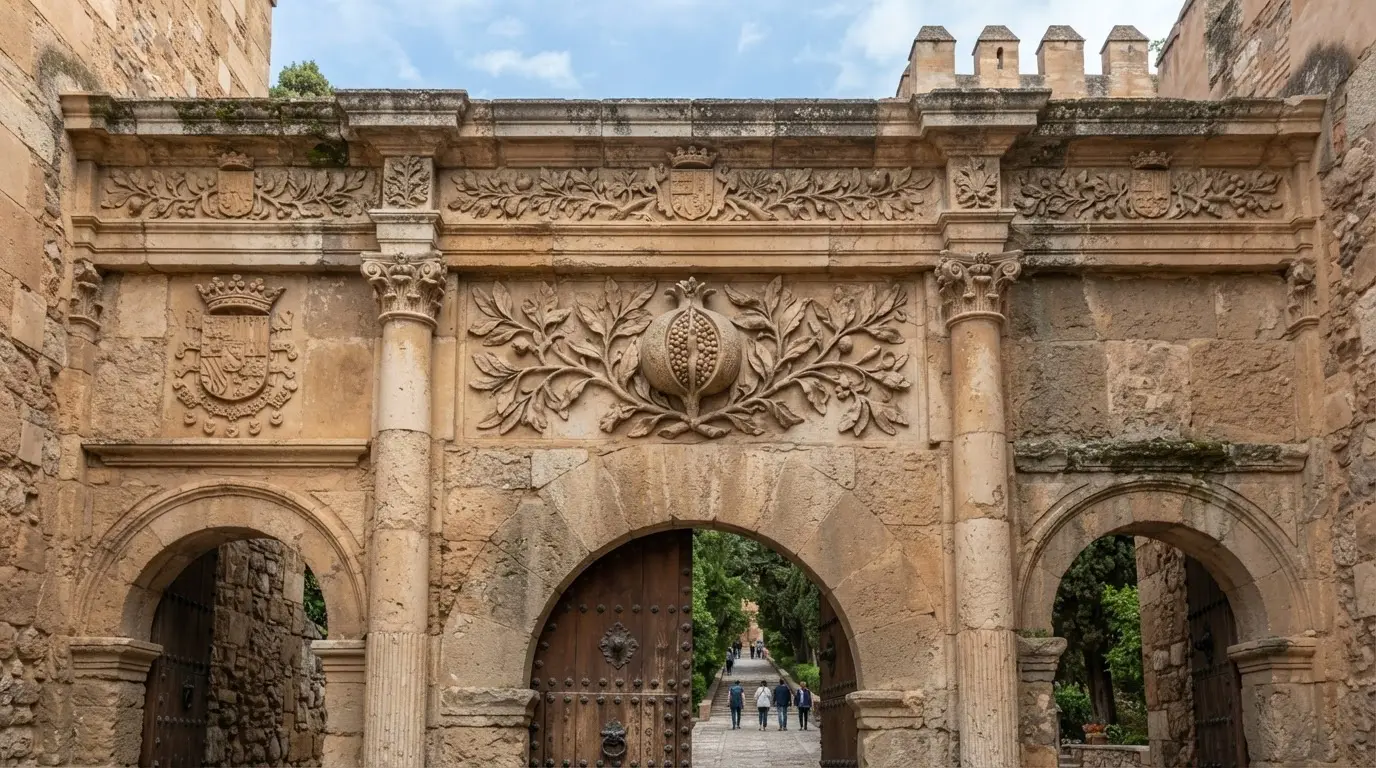
Granada's pomegranate symbol: from conquest to convergence
James Walker Updated
A pomegranate sits on Spain's royal coat of arms — Ferdinand and Isabella's 1492 Granada conquest trophy, once revered by Nasrid rulers as paradise's fruit.
Read