Articles · Nasrid Granada
Nasrid Granada: Articles on the Last Muslim Kingdom in Spain
Twenty-three sultans, the Alhambra, and a kingdom kept alive by tribute to Castile.
These articles follow the sultans who ran the last Muslim kingdom in Spain, the palaces they raised on the Alhambra hill and the tribute that kept Castile at bay. For readers who want the dynasty behind the monument.
35 articles · 1238–1492
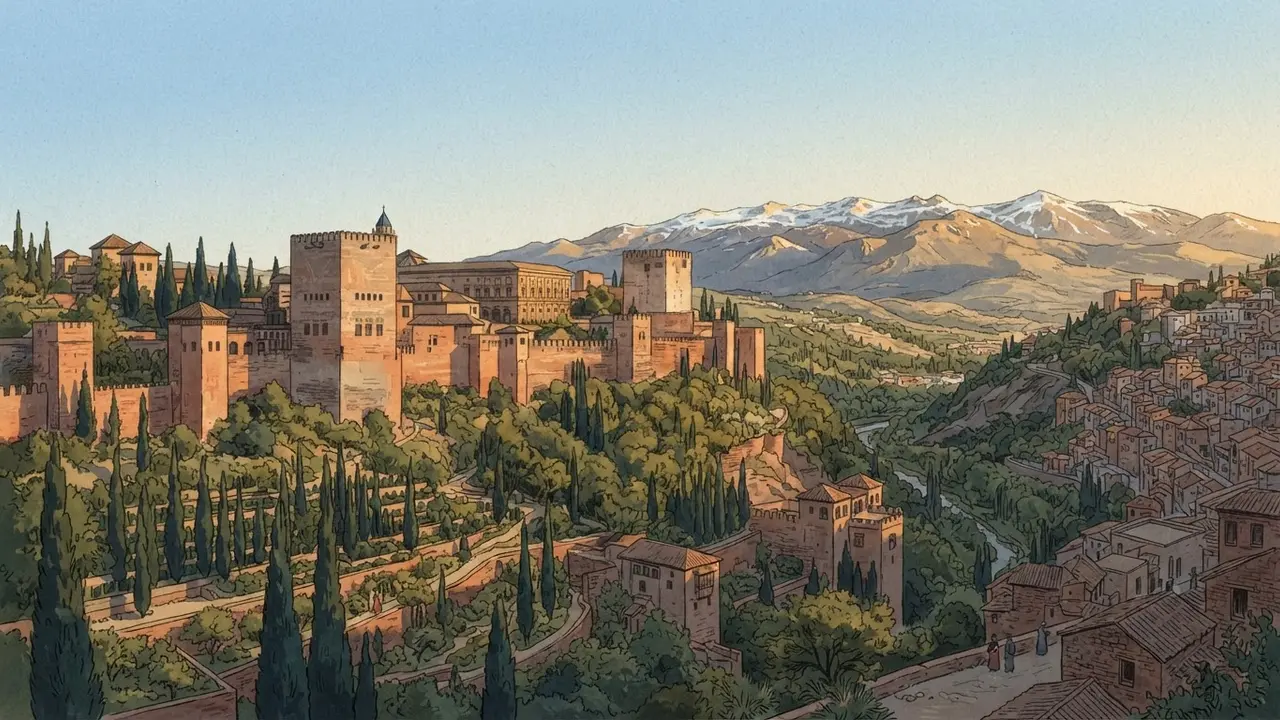
Articles on Nasrid Granada
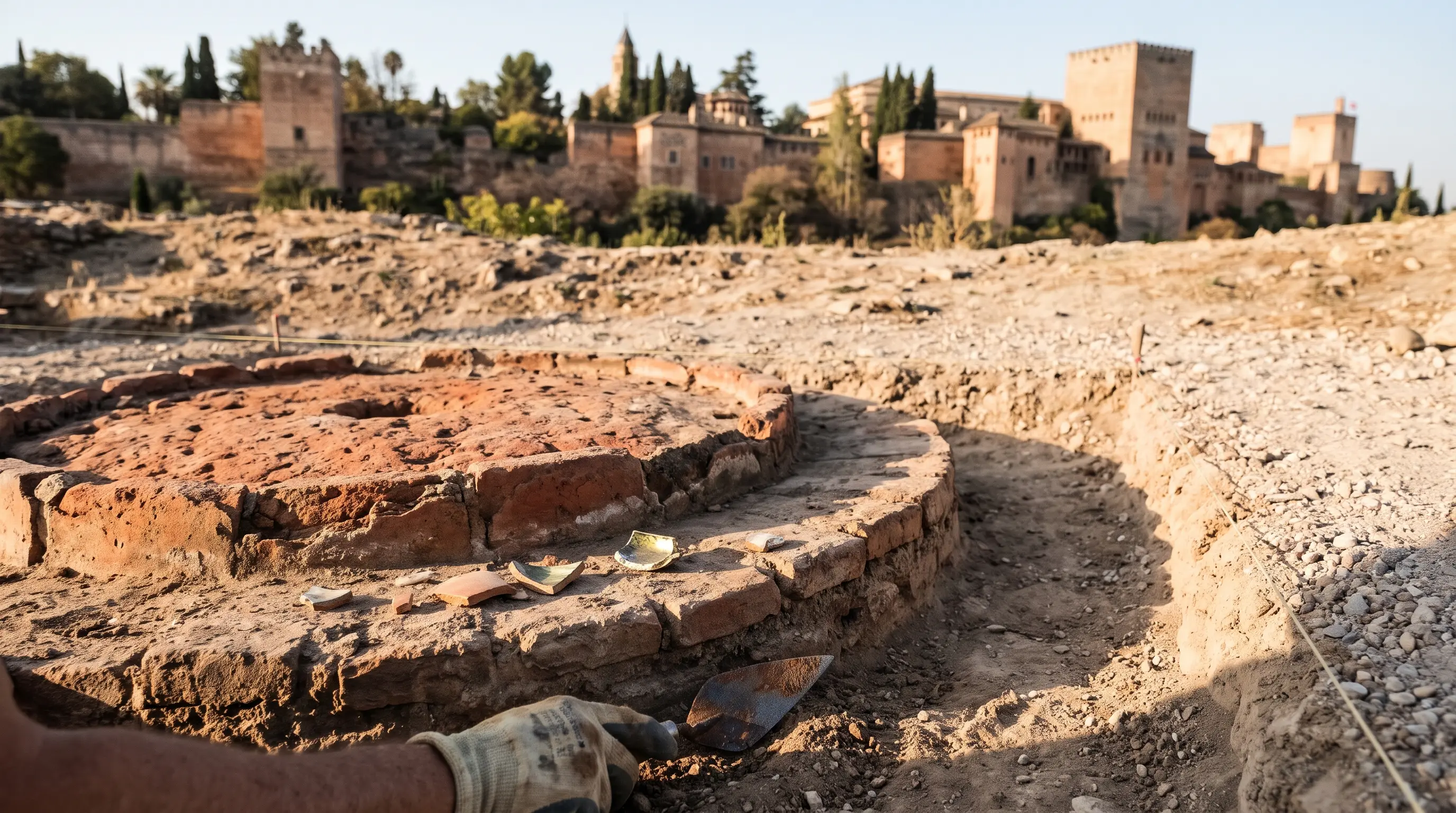
How Were Nasrid Glass and Glazed Ceramics Made in the Alhambra?
James Walker
What Alhambra kilns and analysed glazes reveal: how Nasrid glass and glazed ceramics were made, from keyhole kilns and tin-lead glazes to Secano glassworking.
Read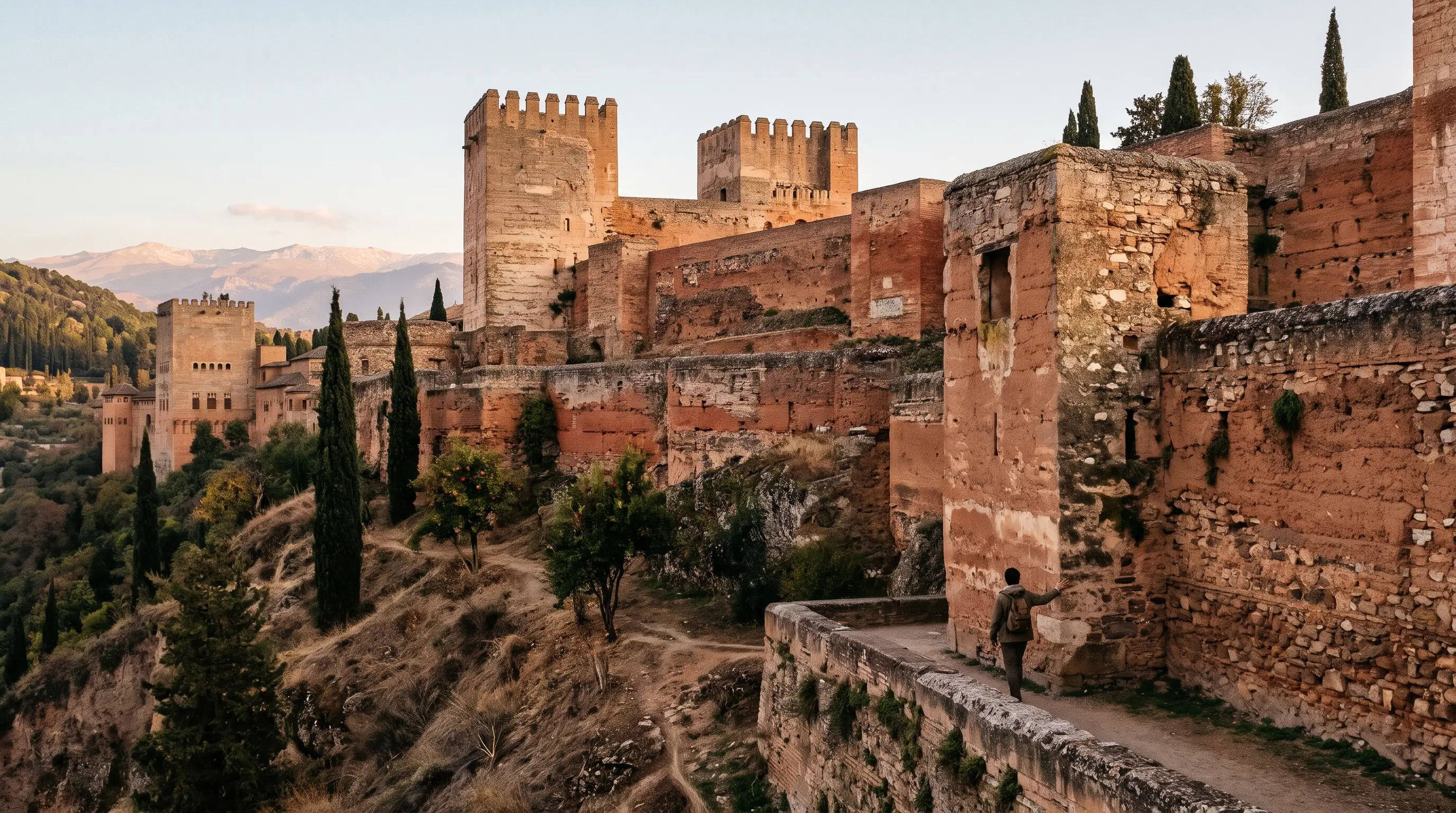
Ibn al-Ahmar, the Ploughman Who Founded Nasrid Granada
James Walker
Ibn al-Ahmar rebelled at Arjona in 1232, surrendered Jaén in 1246 and founded Nasrid Granada, the last Muslim state in Iberia. How a vassal bought time.
Read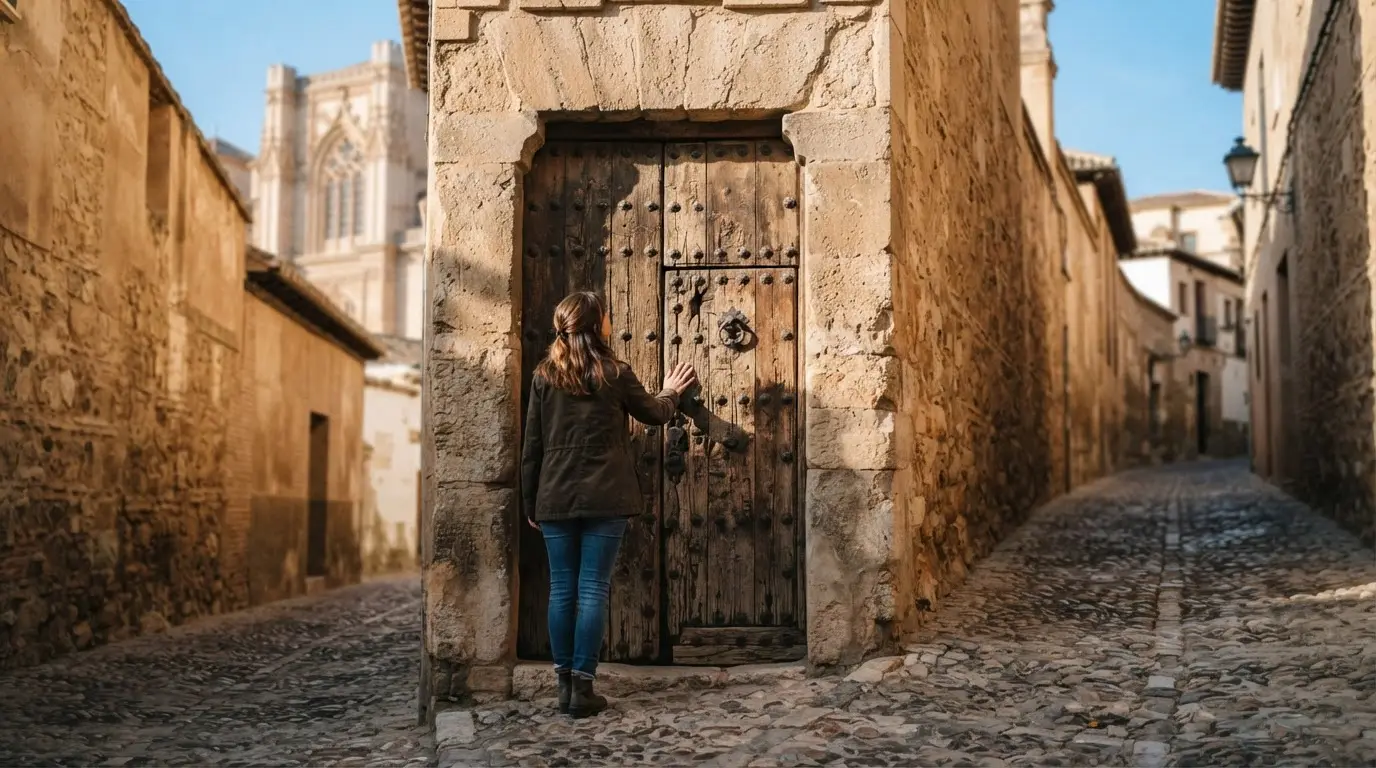
Did Hernán Pérez del Pulgar Really Nail the Ave Maria in Granada?
James Walker
Did Hernán Pérez del Pulgar nail an Ave Maria to Granada's mosque door in 1490? A claim check of the royal grant, the epitaph and what later retellings added.
Read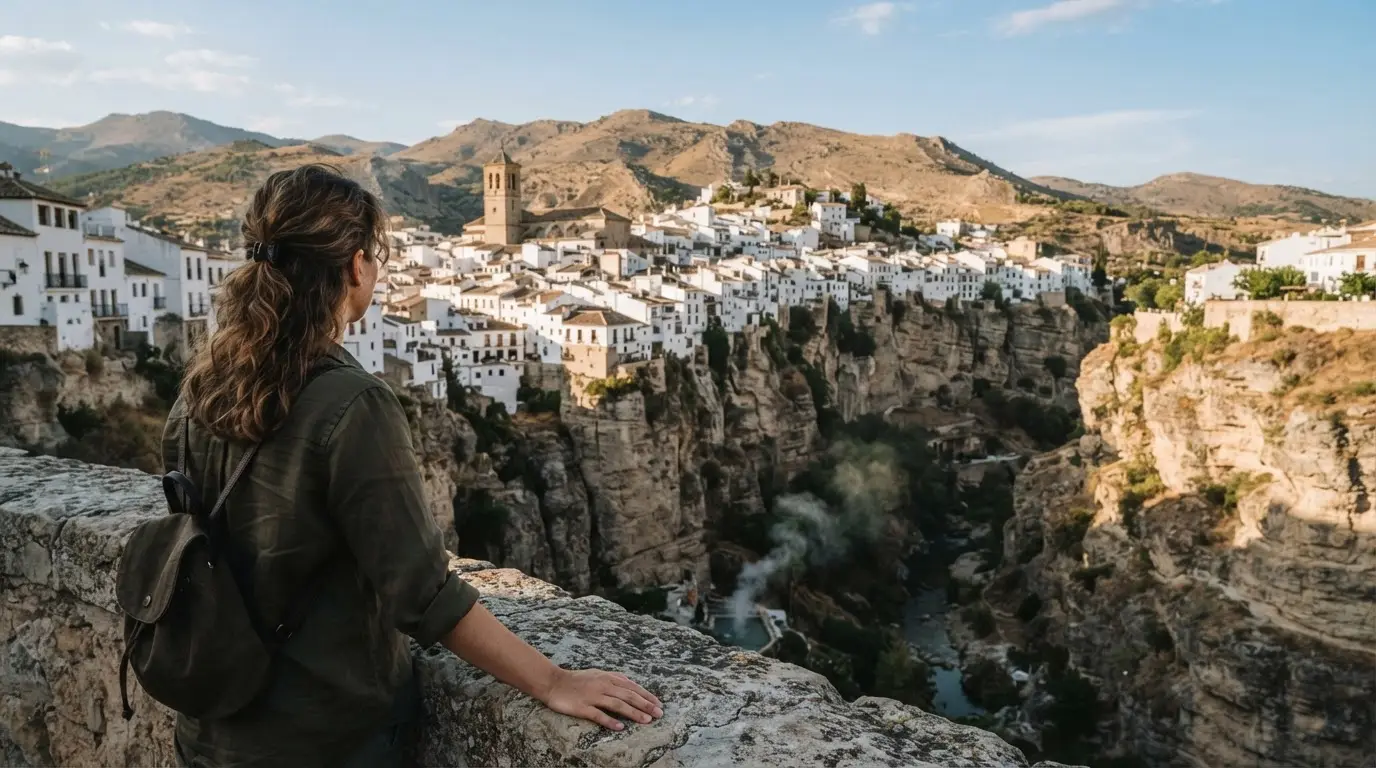
Why Alhama de Granada's Fall in 1482 Opened the Granada War
James Walker
Alhama de Granada was named for its 47 °C springs, fell to Castile in late February 1482 and lives on in the ballad Ay de mi Alhama. History and what survives.
Read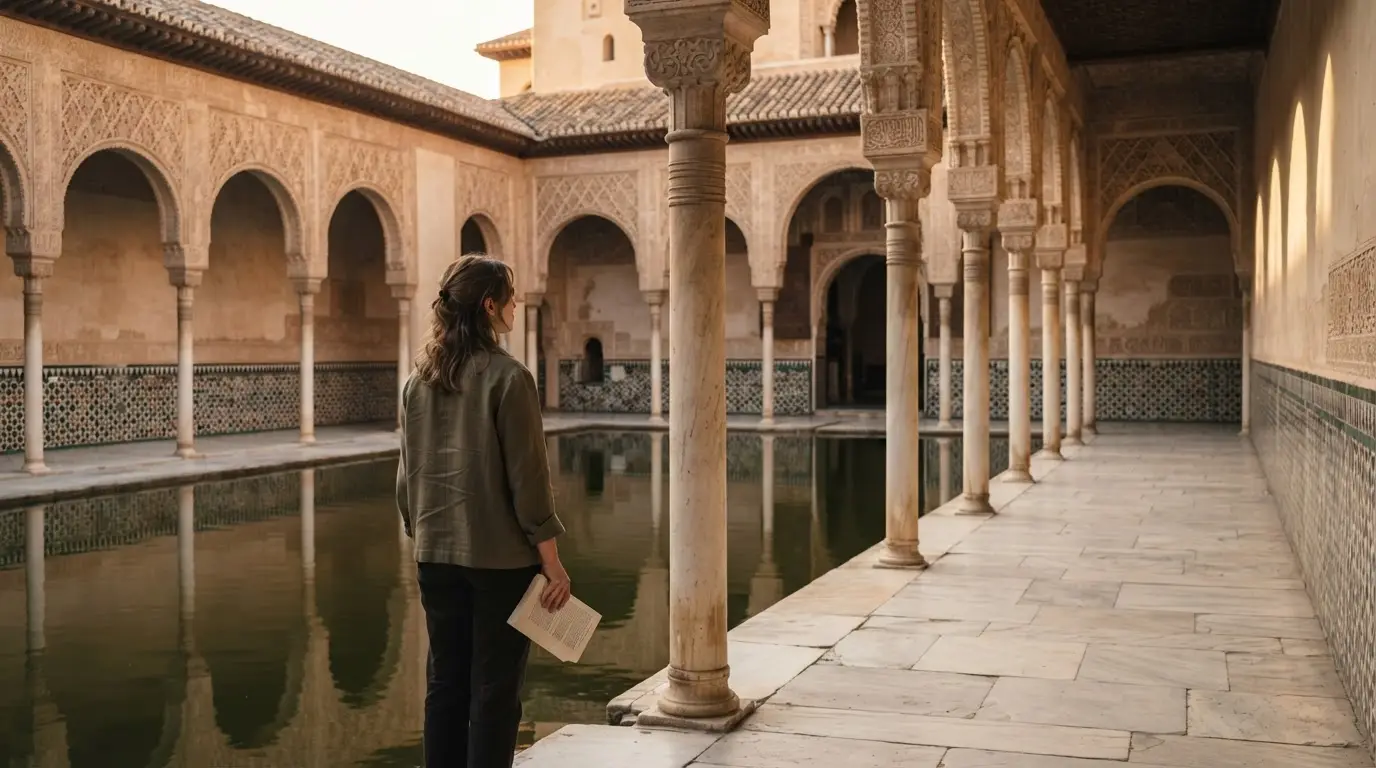
Ibn Khaldun and Ibn Battuta Came to Nasrid Granada
James Walker
Ibn Battuta reached Granada in 1350 and never met the sultan; Ibn Khaldun came in the early 1360s and fell out with Ibn al-Khatib. What each saw at court.
Read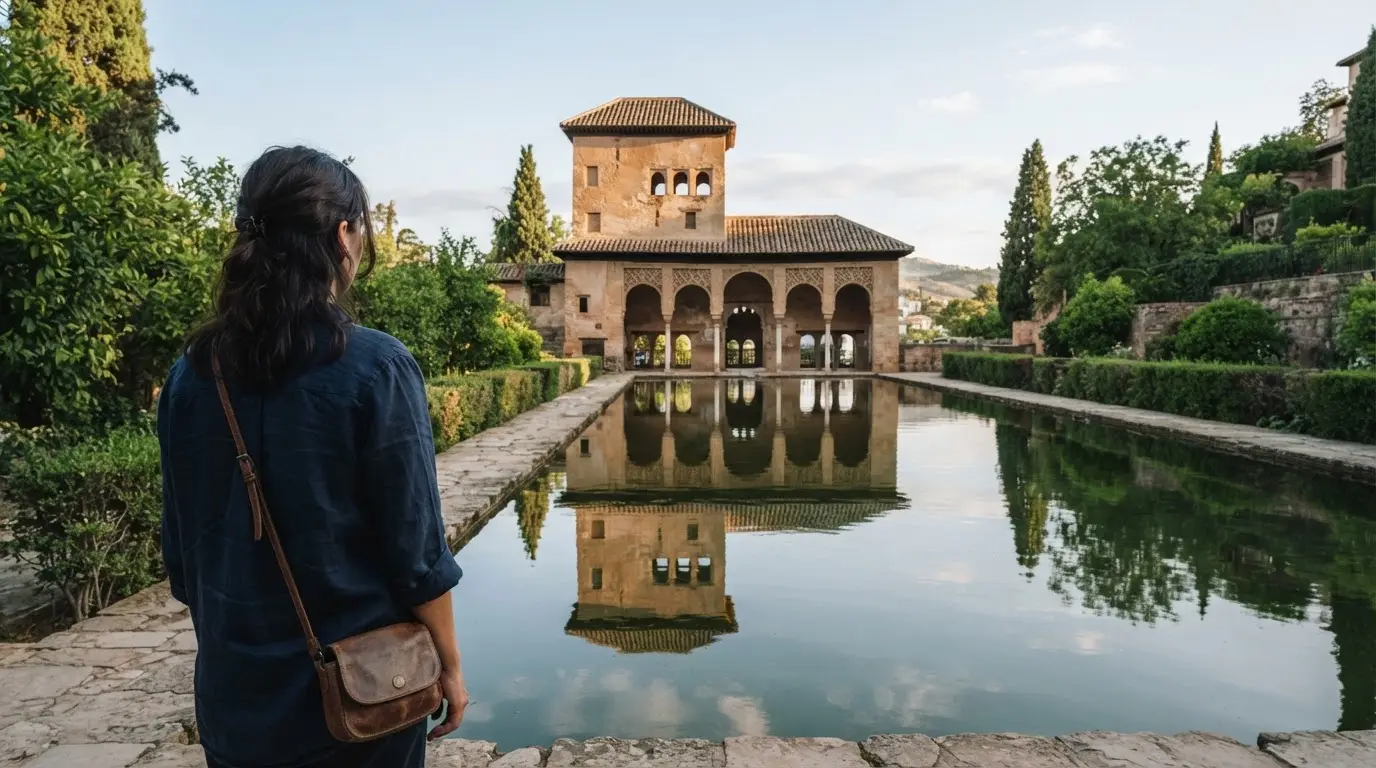
The Alhambra Ceiling a German Banker Took Home to Berlin
James Walker Updated
The dome in the Alhambra's Torre de las Damas is a 1960s copy. How Arthur von Gwinner got the original to Berlin, and what Spain did when his heirs sold it.
Read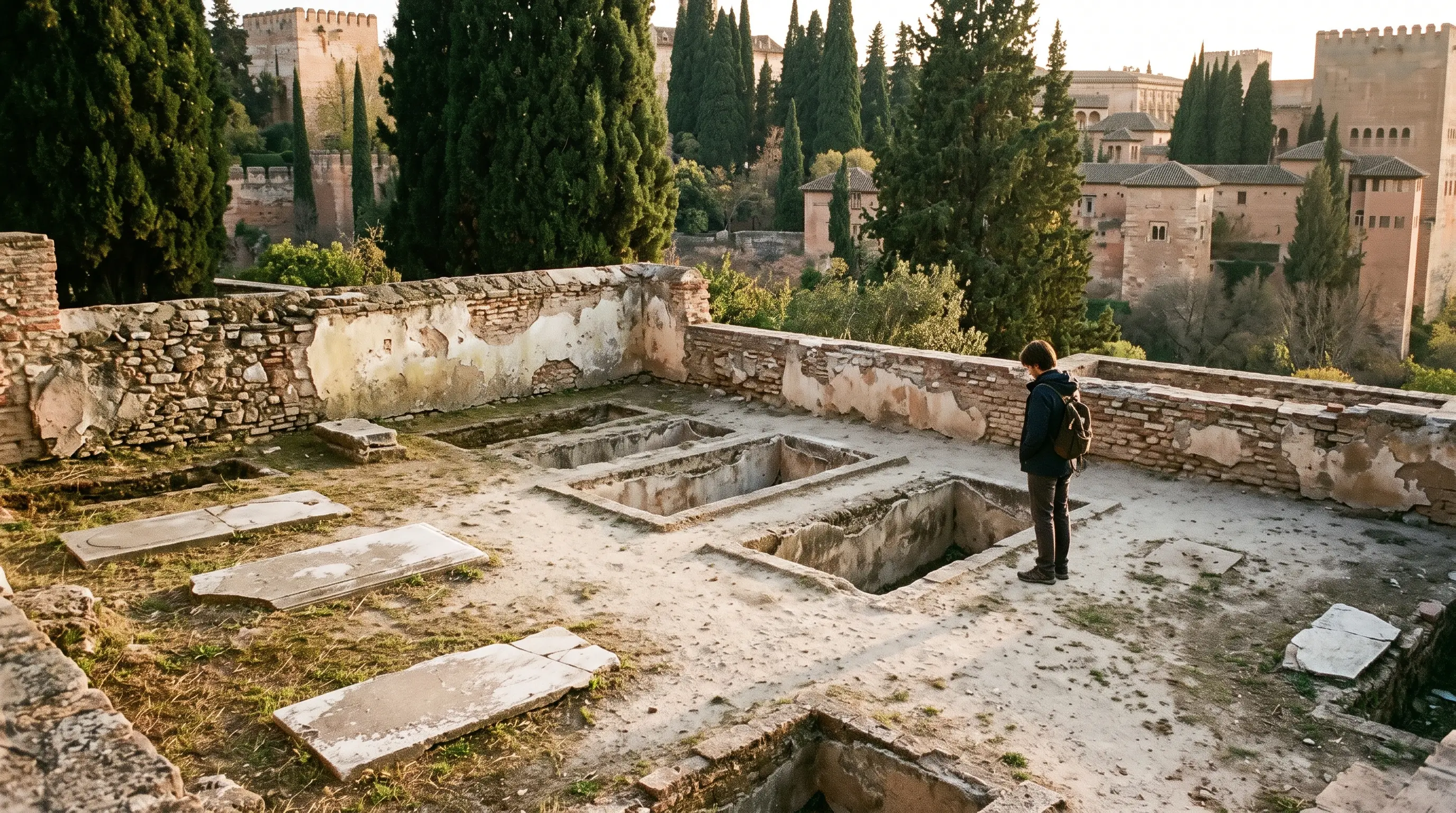
The Alhambra Rawda: Where Nasrid Sultans Were Buried
James Walker
The Nasrid royal cemetery sits beside the Partal, across Calle Real Baja. Who lay there, why it was found empty, and where the sultans' tombstones are now.
Read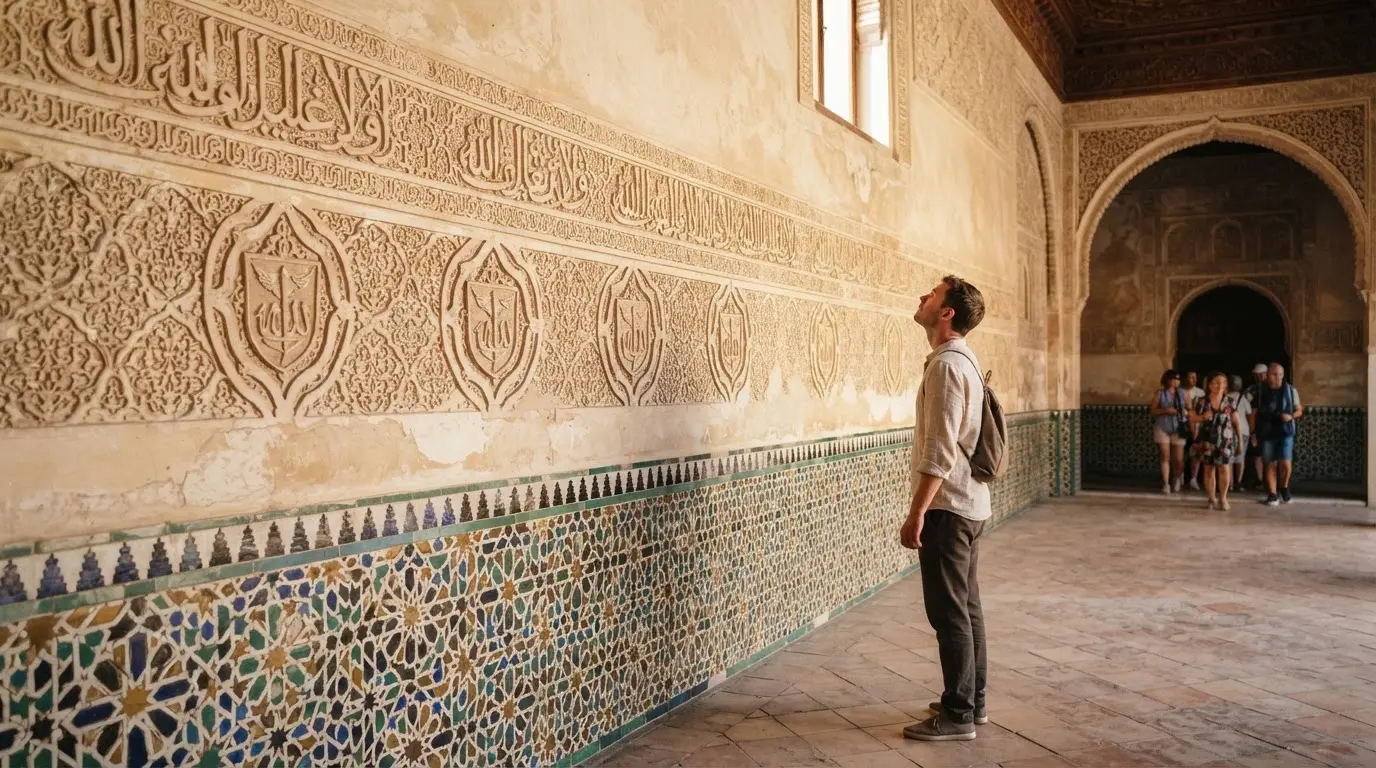
Alhambra Inscriptions Meaning: There Is No Victor but God
James Walker
The Nasrid motto wa la ghalib illa Allah, no victor but God, recurs across the Alhambra's walls. What it means, where the legend comes from and how to spot it.
Read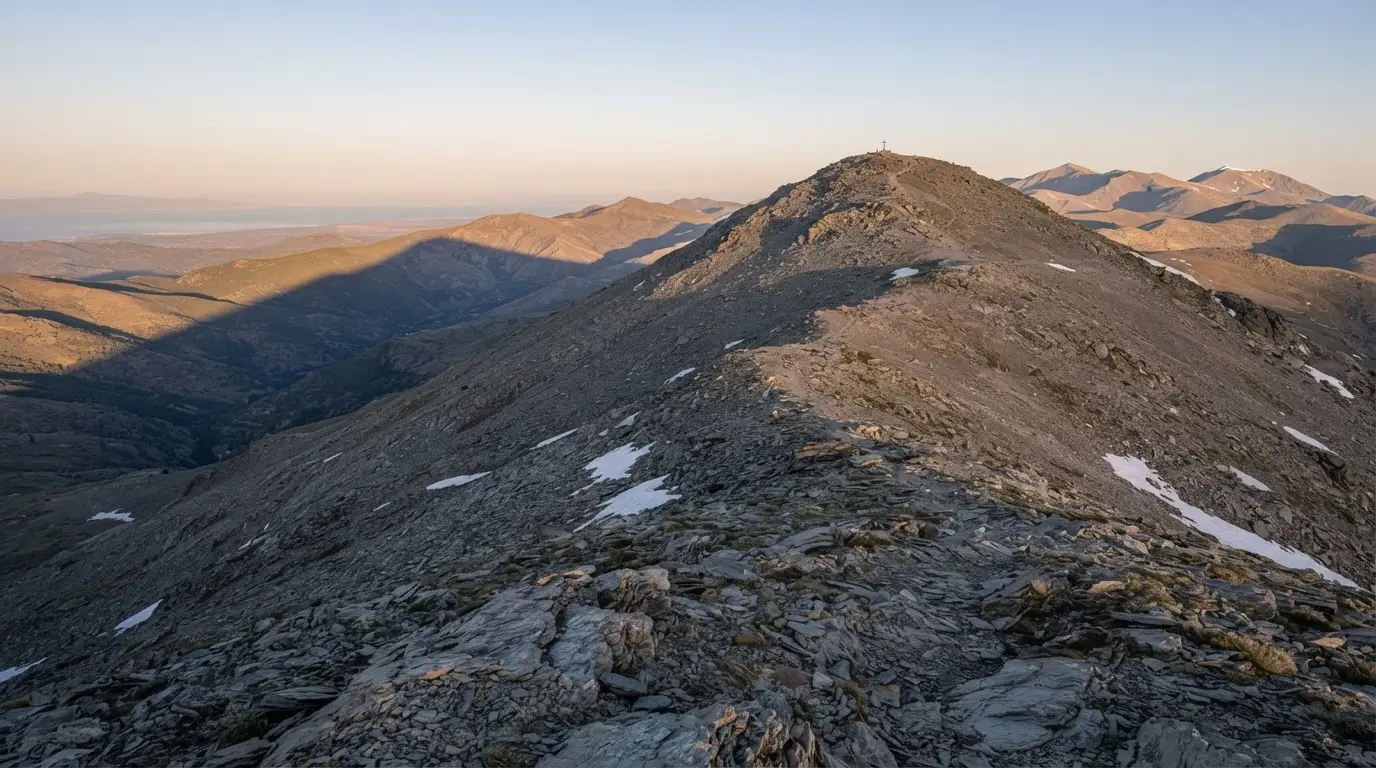
Mulhacén Name Origin: Sultan Said to Be Buried There
James Walker
Mulhacén is named for Sultan Muley Hacén, said to lie on its summit. What the name means, what records say about his death and where Nasrid kings were buried.
Read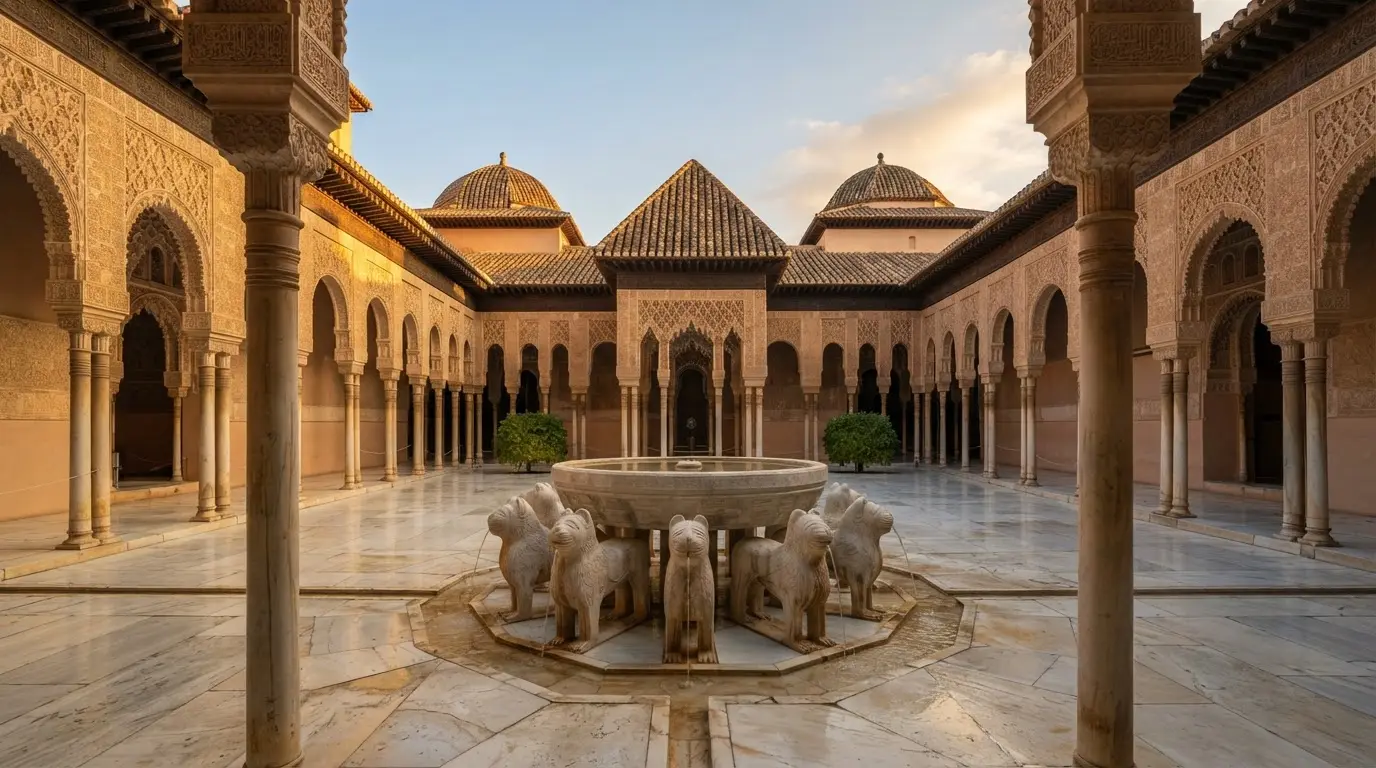
Muhammad V, the Nasrid Sultan Who Built the Alhambra
James Walker
Muhammad V ruled Granada twice, survived exile in Fez, and returned in 1362 to build the Alhambra's Palace of the Lions during Nasrid Granada's golden age.
Read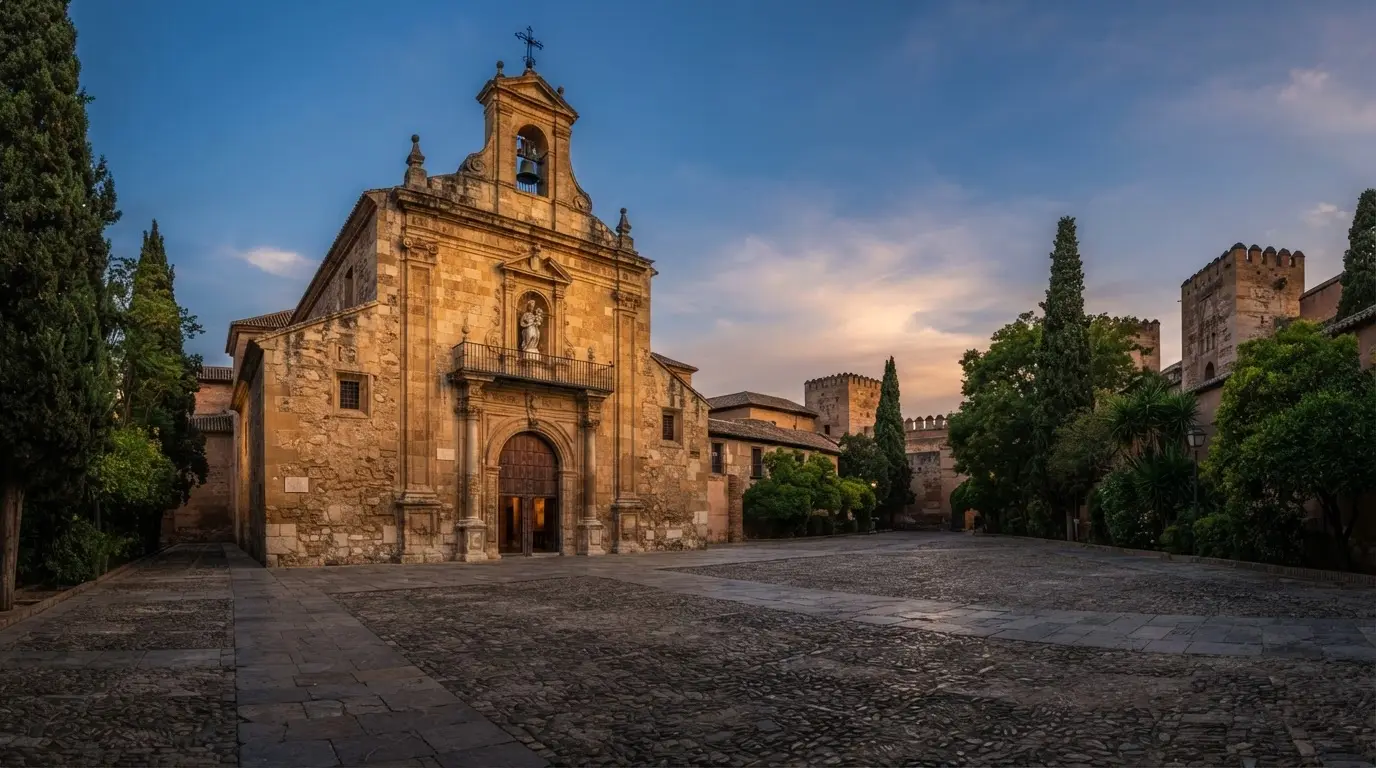
Alhambra Royal Mosque: From Nasrid Mosque to Santa María
James Walker
The Alhambra royal mosque was completed in 1305 and later replaced by Santa María. Read its plan, surviving bath and difference from Granada's city mosque.
Read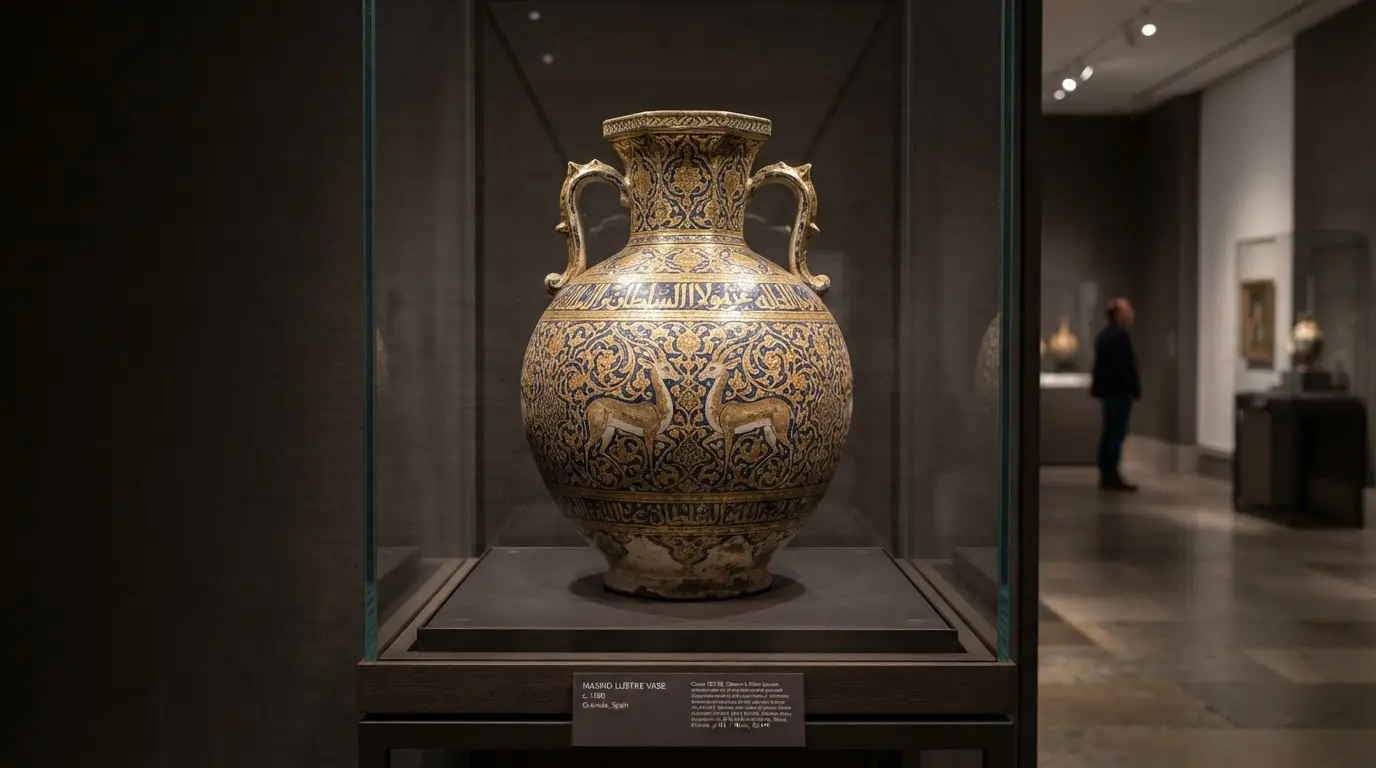
Vase of the Gazelles: The Alhambra Vase That Never Left
James Walker
The Vase of the Gazelles is the only Alhambra Vase that never left the complex, now displayed in Room V of the Alhambra Museum after six centuries on site.
ReadSee Nasrid Granada on the timeline, with its people and monuments
Go deeper
Frequently asked questions
How did the Nasrid kingdom fund its tribute to Castile?
Starting with Muhammad I's 1246 pact with Ferdinand III, the Nasrid emirate paid annual tribute (parias) beginning at 150,000 maravedís to buy truces with Castile. The treasury raised that gold mainly by taxing raw and woven silk sold through Granada's royal Alcaicería market, supplied by more than 4,000 looms across the Alpujarra villages.
Who built the Court of the Lions in the Alhambra?
Sultan Muhammad V commissioned the Palace of the Lions during his second reign between roughly 1362 and 1391 as a private royal residence next to his father Yusuf I's Comares Palace. Twelve white marble lions carry its central fountain basin, ringed by 124 slender marble columns and four water channels representing the Quranic rivers of paradise.
How did the Nasrids bring water up to the Alhambra hill?
In 1238, dynasty founder Muhammad I built the Acequia Real, a gravity-fed canal that diverted water from the Río Darro 6 kilometres upstream at Jesús del Valle. By following the hillside contour above the Sabika ridge, that single hydraulic channel supplied the Alhambra's cisterns, the Comares Bath, and the Generalife gardens without mechanical pumps.
Who was Ibn al-Khatib at the Nasrid court?
Ibn al-Khatib (1313 to 1374), born in Loja, served sultans Yusuf I and Muhammad V for nearly 30 years as chief vizier and head of the royal chancery. He wrote more than 60 works, including the 1369 biographical history Al-Ihata and a c. 1349 plague treatise arguing that disease spread by physical contagion, before being strangled in a Fez prison in 1374.