Articles · Nasrid Granada
Nasrid Granada: Articles on the Last Muslim Kingdom in Spain (Page 3)
Twenty-three sultans, the Alhambra, and a kingdom kept alive by tribute to Castile.
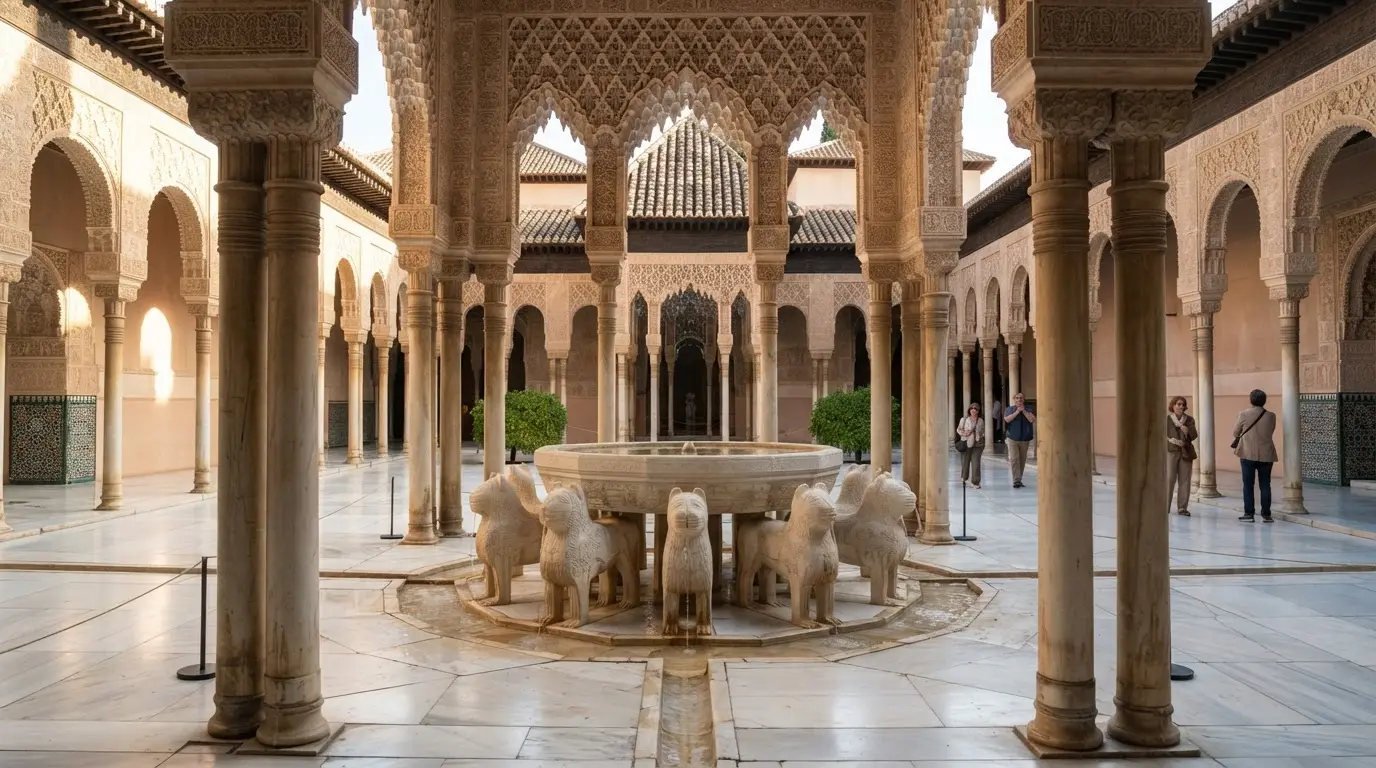
Court of the Lions Alhambra Granada: Decoding the Courtyard
James Walker Updated
Court of the Lions, Alhambra Granada: 124 marble columns, a lion fountain 650 years old, a Quranic paradise built by Muhammad V. What to see and when.
Read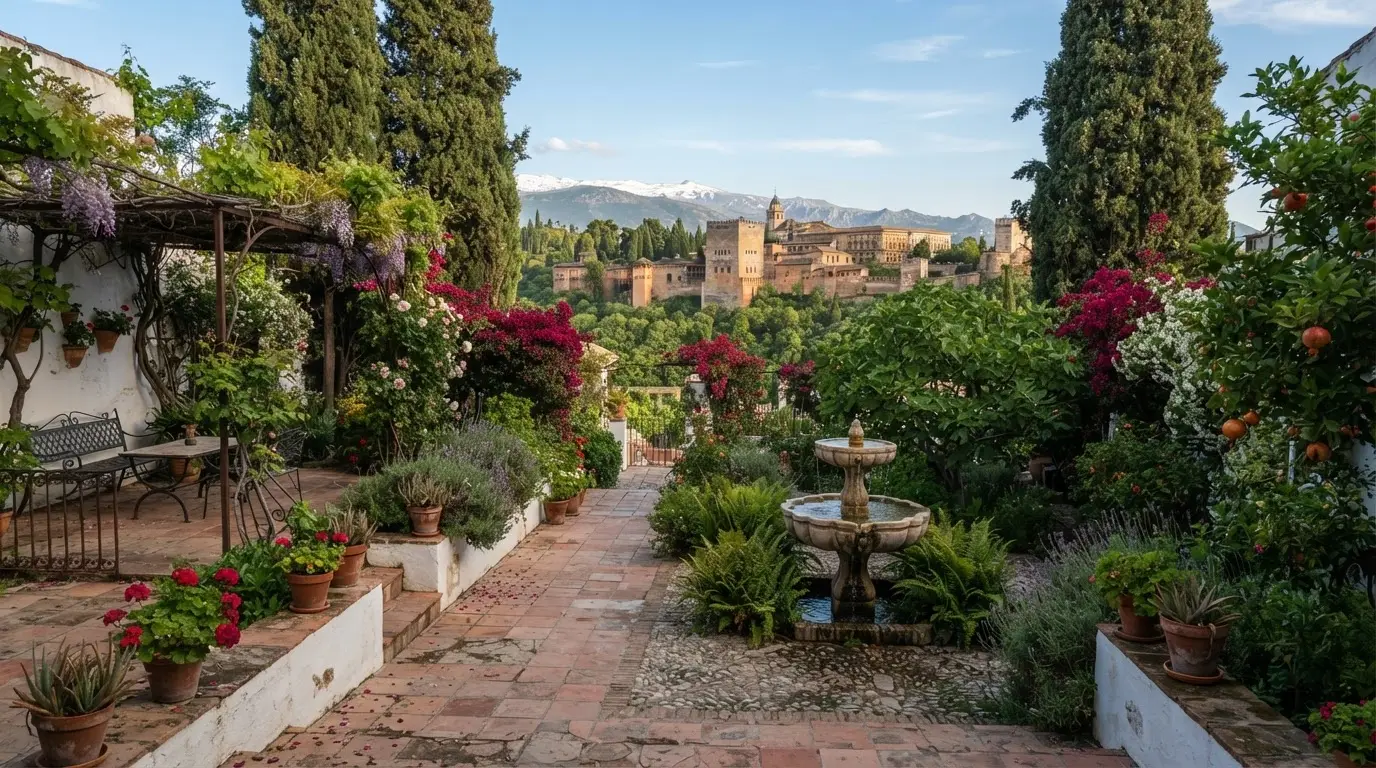
Cármenes of the Albaicín: Granada's Walled Garden Houses
James Walker Updated
Granada's cármenes are walled garden villas from Arabic karm (vineyard). Found across the Albaicín since the Nasrid period, two are open free to visitors.
Read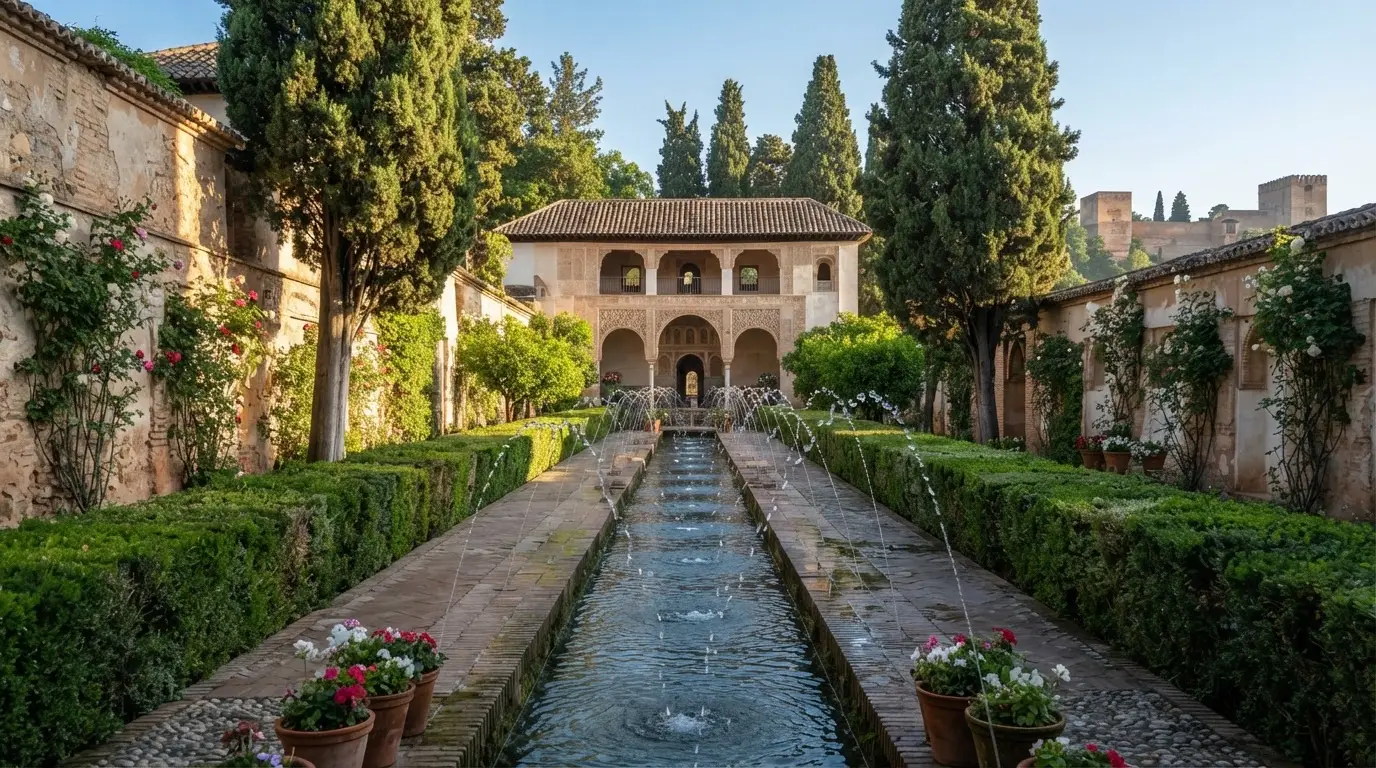
Generalife gardens Granada: water, geometry, paradise
James Walker Updated
The Generalife gardens above the Alhambra are a 14th-century argument in stone and water. Here is what the Nasrid sultans built, and why it still works.
Read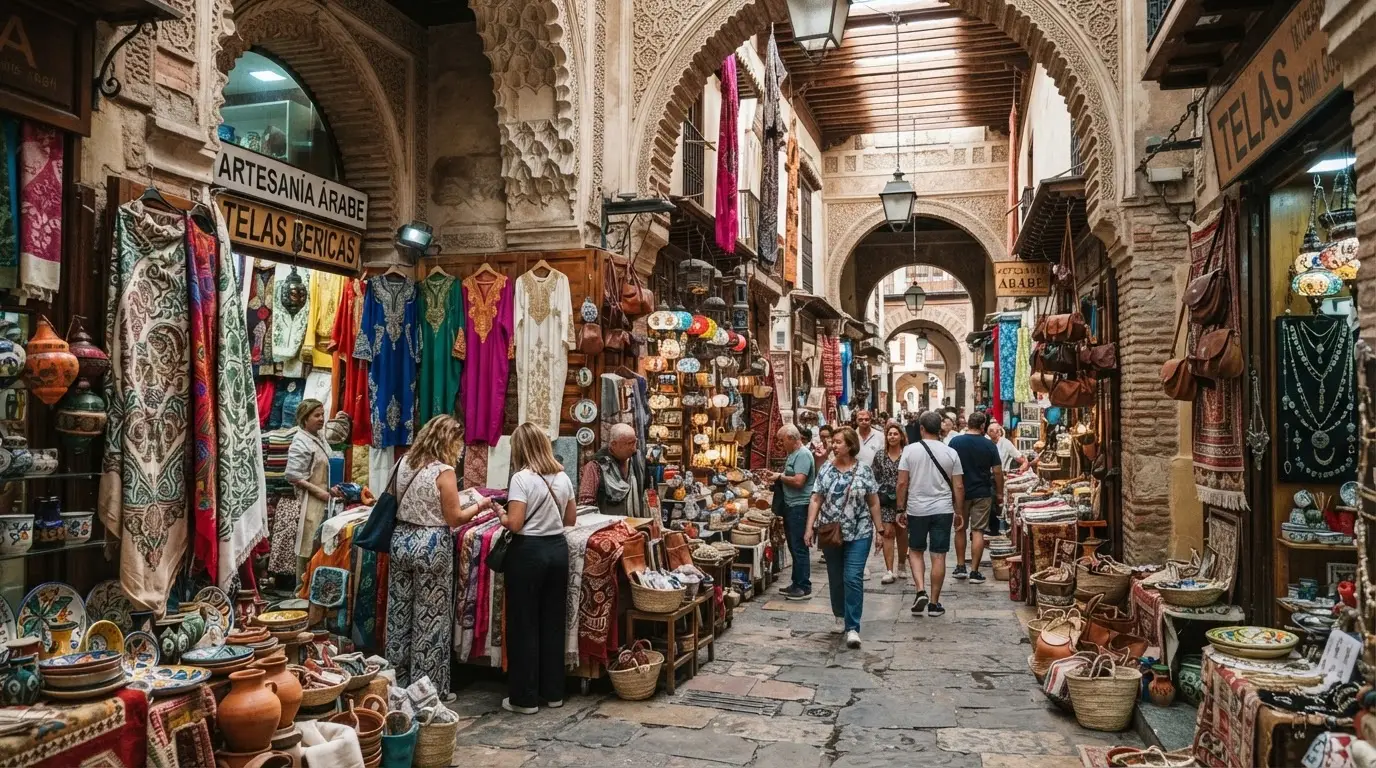
Granada Silk Road: the Alcaicería and Nasrid Silk Trade
James Walker Updated
Granada's Alcaicería was the commercial heart of a silk empire. How Nasrid silk funded the Alhambra, reached Flanders, and was dismantled by decree after 1492.
Read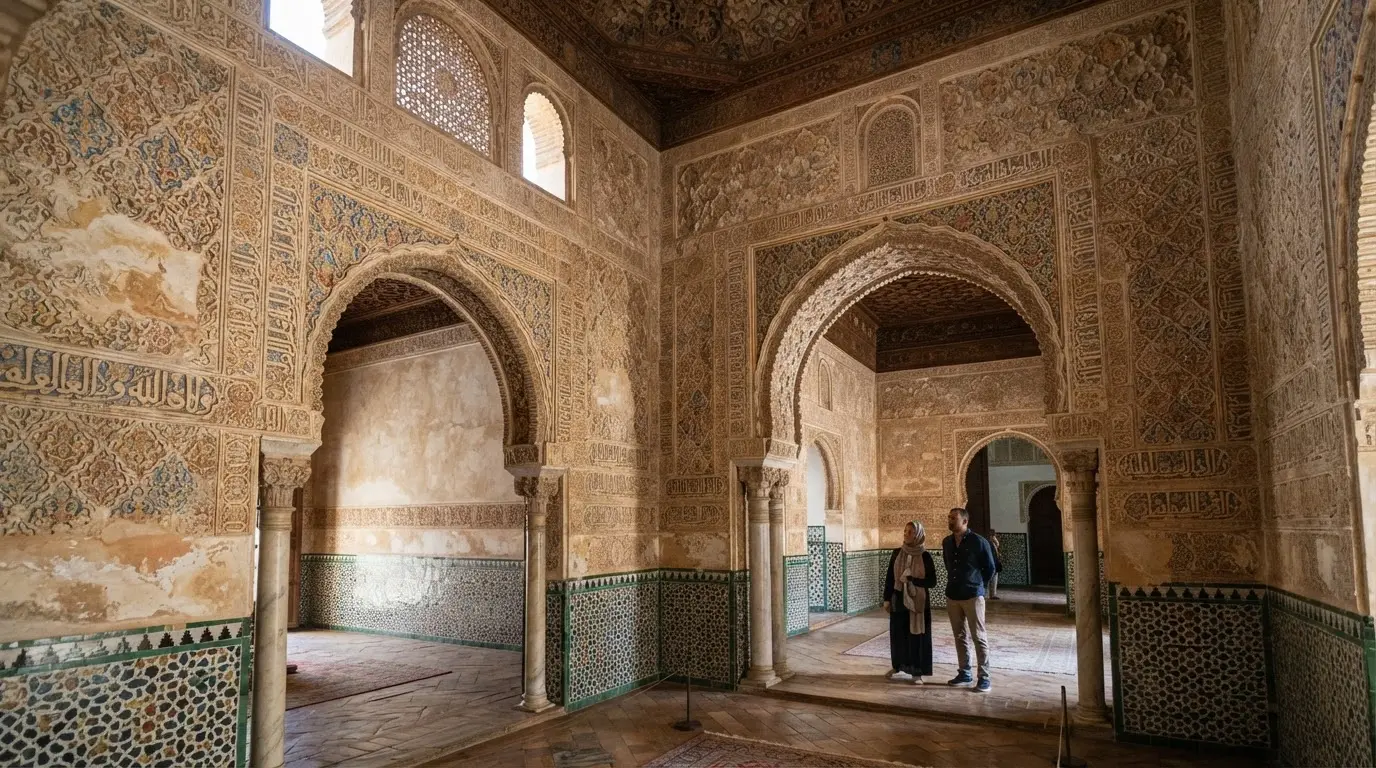
Ibn al-Khatib: Granada's Great Nasrid Vizier
James Walker Updated
Ibn al-Khatib ran Nasrid Granada for 30 years, wrote 60+ works, and argued contagion theory 500 years before Pasteur. His poetry lines the Alhambra walls.
Read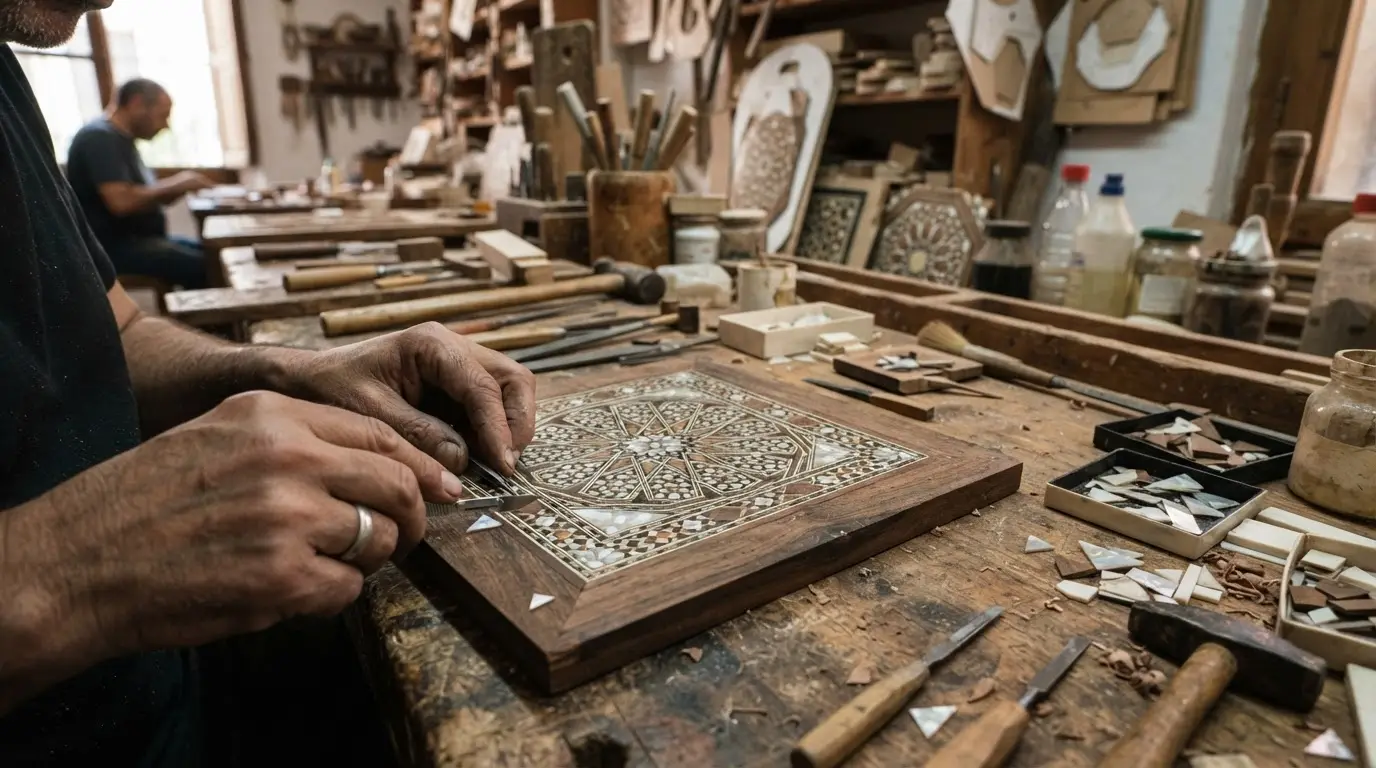
Taracea Granada Marquetry: The Craft Behind the Alhambra
James Walker Updated
Taracea is Granada's wood marquetry tradition, alive since the Nasrid Kingdom. How the inlay technique works, where it came from, and how to spot a fake.
Read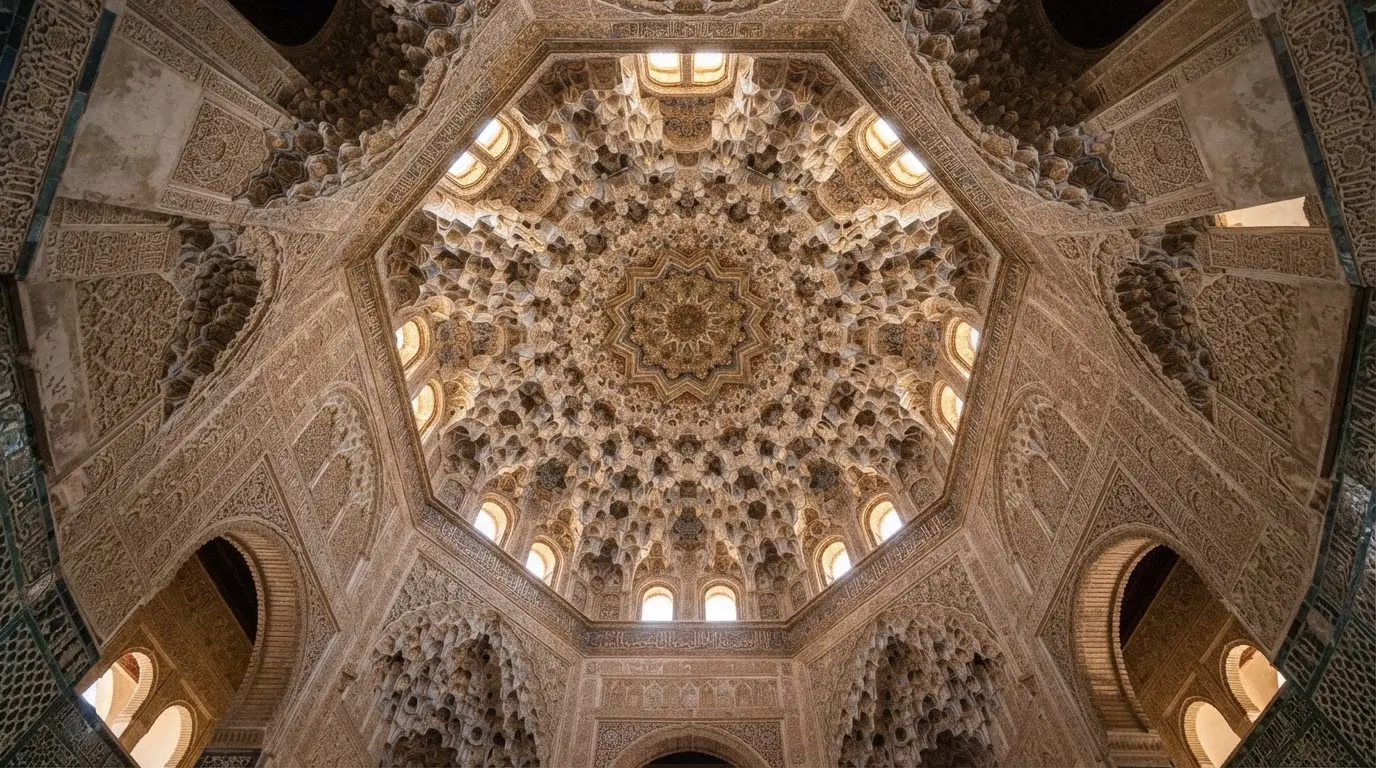
Nasrid Architecture: Muqarnas, Mocárabes, and Zellige Explained
James Walker Updated
Muqarnas: the stalactite stucco vaulting in the Alhambra's Hall of Two Sisters, ~5,000 carved cells. How it differs from mocárabes and zellige tiles today.
Read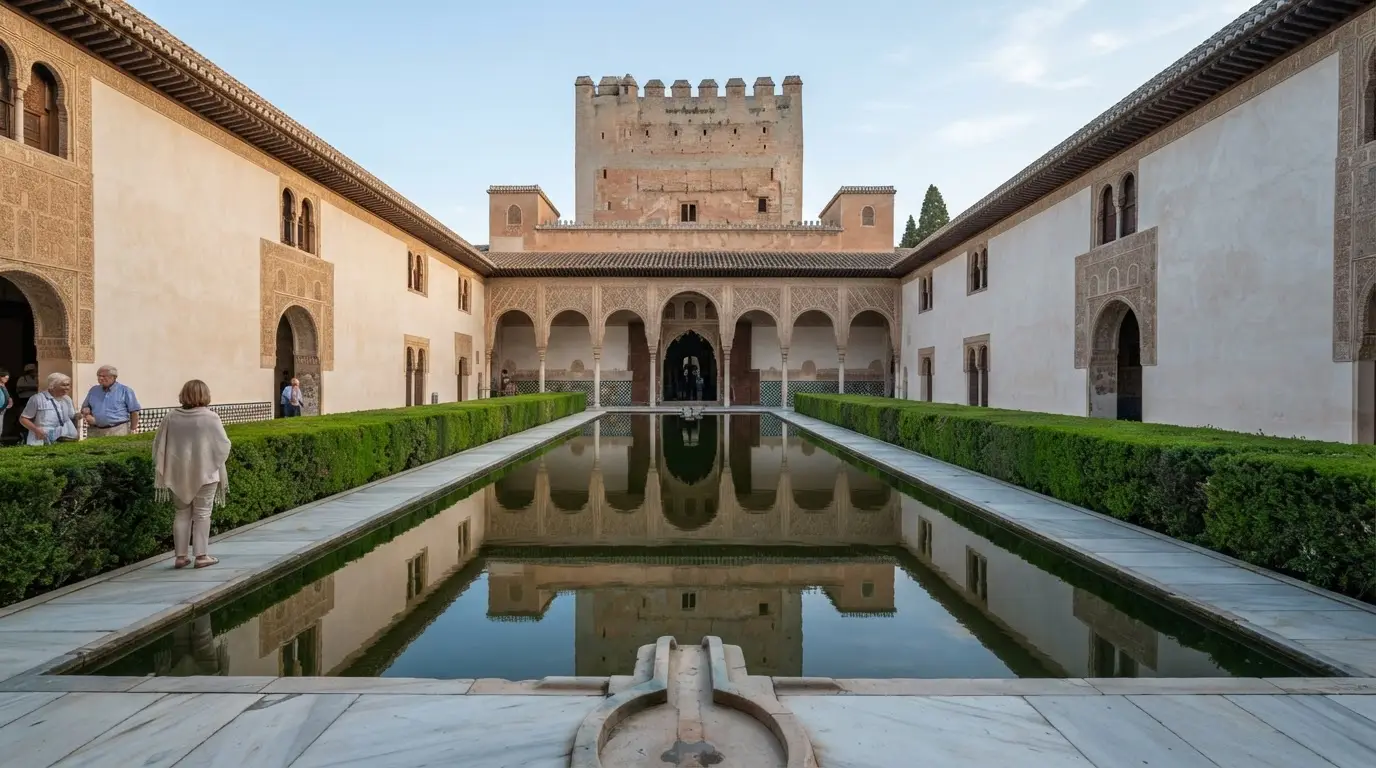
The Alhambra's Water System: Engineering of the Nasrid Palaces
James Walker Updated
Every fountain in the Alhambra runs by gravity alone — no pumps. See how the 7km Acequia Real aqueduct and Nasrid engineers built water pressure by design.
Read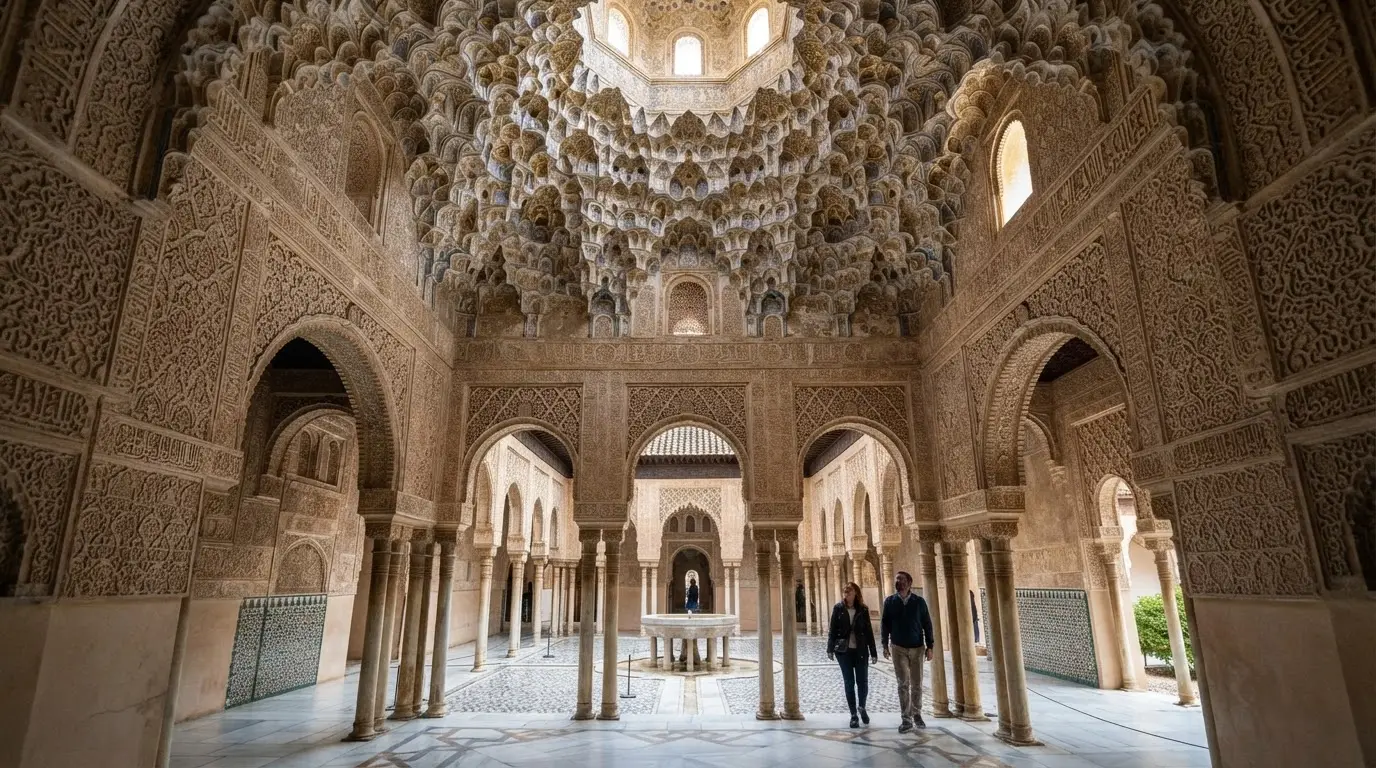
Nasrid Dynasty: Granada's 260-Year Islamic Kingdom
James Walker Updated
The Nasrid dynasty ruled Granada from 1232 to 1492 through 23 sultans, building the Alhambra while every other Moorish kingdom in Spain fell before them.
Read