Torres Bermejas — Granada's Moorish Watchtowers
moorish defensive-walls medieval

Torres Bermejas — Granada's Moorish Watchtowers

11th-century Moorish towers in the Realejo, remnant of Granada's original defensive walls. Free to view from outside, adjacent to the Alhambra complex.

Exterior viewable at all times (free). Interior access not available.
Free (exterior viewing only)
Directions

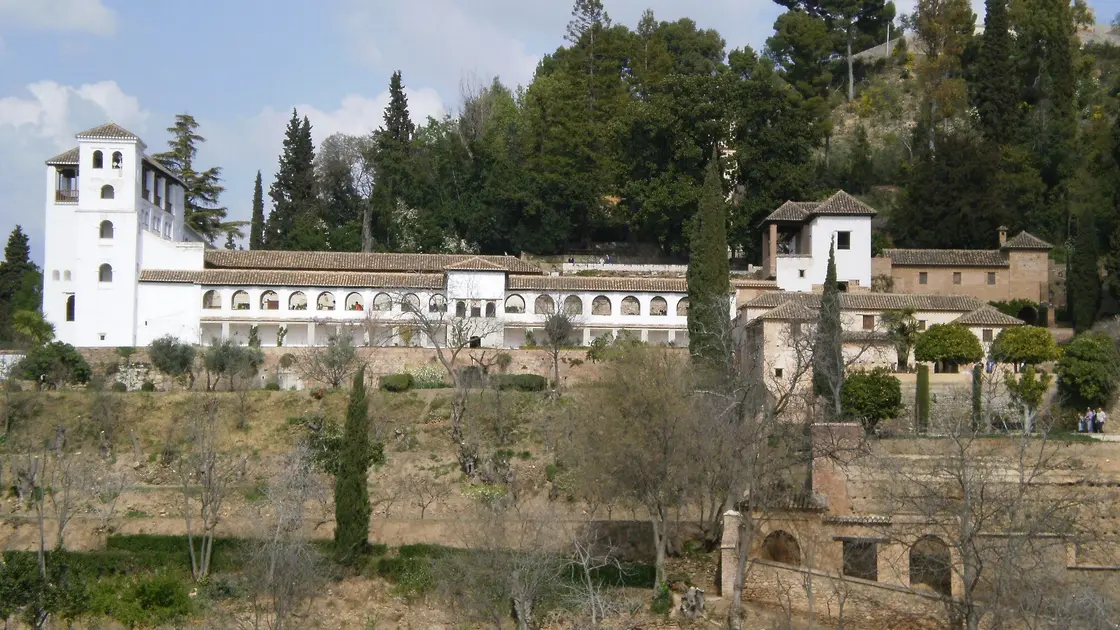
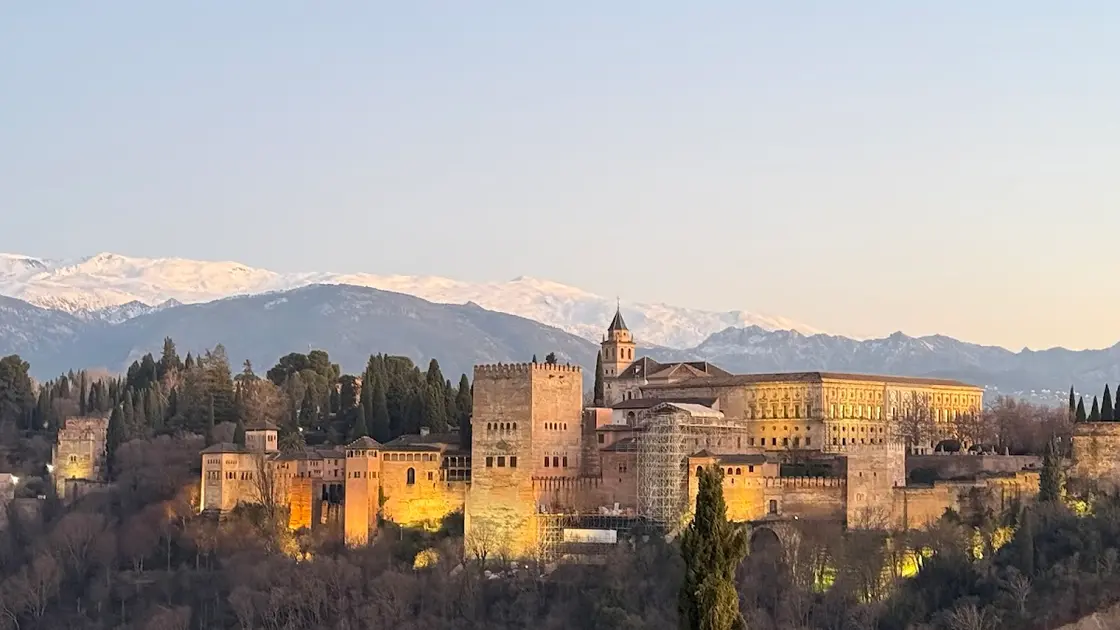
Most visitors to the Alhambra leave without noticing the towers that predated it. The Torres Bermejas, or Vermillion Towers, rise from the south face of the Alhambra hill above the Realejo, their reddish sandstone catching the afternoon light in a way the main palace complex, built of lighter stone, simply does not.

When to Visit

Best season

Year-round; afternoon light in spring and autumn is best for the reddish stone

Quietest hours

Any time — the exterior is always uncrowded

Visit duration

15 to 30 minutes

Why the towers are red, and how old they are

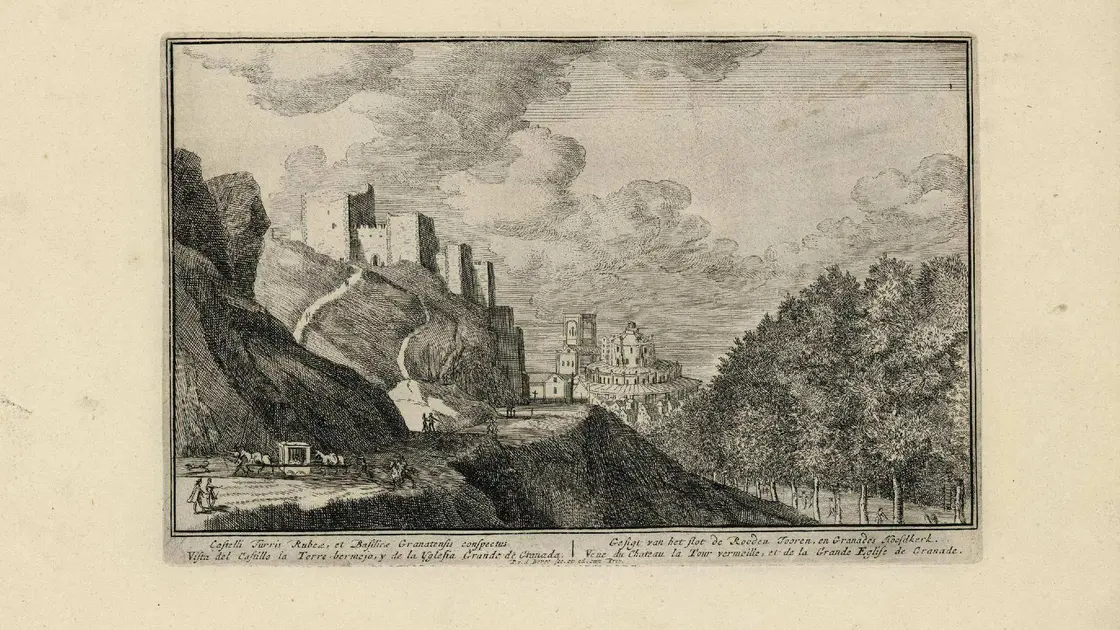
The colour comes from the iron content in the local stone, the same material the city's earliest Muslim rulers used when they first fortified this hill in the 11th century, two centuries before construction began on the Alhambra itself.

The three main towers formed part of the outer defensive curtain wall linking the Alhambra complex to the lower city. They rise roughly 15 metres, a square-plan construction with a solidity that speaks to military purpose rather than palatial display.

Shoot from the Cuesta Rodrigo del Campo in late afternoon

The iron-red sandstone catches the light between 16:00 and 18:00 in a way that photographs can't quite manage in flat midday sun. Position yourself on the Cuesta Rodrigo del Campo looking uphill: the towers frame against the sky without the roofline interference you get from lower down in the Realejo.

Washington Irving and the towers' near-destruction

Washington Irving passed the towers on his way up to the Alhambra in 1829 and noted them in Tales of the Alhambra (1832), which is more than most contemporary guidebooks manage. Irving arrived just seventeen years after these fortifications nearly shared the fate of the Alhambra's own towers, mined by the withdrawing French garrison in 1812, an episode covered in the French plot to blow up the Alhambra.

At the time the towers were still connected to the broader wall system; the intervening centuries and development have isolated them somewhat, which makes them feel more like an isolated ruin than the working fortification they once were.
Popular tours in Granada

The experiences travellers book most often in Granada.

Tours are selected for quality, not commission. We earn a small fee if you book — at no extra cost to you.

Viewing the towers from the Realejo

Standing below them in the Realejo, the scale registers differently than from above. The neighbourhood below was the Jewish quarter of Nasrid Granada, the judería, before 1492. The towers looked down on a dense urban fabric that has since been replaced several times over, but the topography is unchanged: they command the approach from the south and the west, exactly what they were built to do. The Cuesta Rodrigo del Campo is the clearest angle for taking them in without craning your neck.

Interior access is not possible for visitors; the towers are managed as part of the broader Alhambra defensive circuit. The exterior reading, seen from the lanes of the Realejo, is the more interesting one anyway. Walk up from the Plaza del Campillo through the Cuesta de los Chinos and the towers appear above the roofline progressively, the reddish stone contrasting with the white plaster of the houses below. If you are ending a walk through the Realejo, this is the natural endpoint: the Alhambra's main entrance is fifteen minutes further up the hill.

Reporter notebook

Insider tips

Practical observations gathered the way a local journalist would keep them: short, specific, and more useful than brochure copy.

Crowd tip

The Alhambra queues don't reach here

Virtually everyone who walks past the Torres Bermejas is heading to or from the Alhambra ticket office and barely glances up. You will almost always have this spot to yourself, even in July. Come on the way up to the Alhambra rather than on the way back, when most people are tired and moving quickly.

Local custom

Locals use the Realejo walk as a quieter Alhambra approach

Instead of the main road approach via the Cuesta de Gomérez, Granadan residents often walk up through the Realejo, past the Torres Bermejas, and around to the palace from the south. It takes a few minutes longer but the lanes are cooler in summer and you avoid the souvenir shops entirely.

Practical information

Opening hours
Exterior viewable at all times (free). Interior access not available.
Admission
Free (exterior viewing only)
Address
Cuesta de los Chinos / Realejo, 18009 Granada View on Google Maps
Interactive map — loads as you scroll (requires JavaScript)

Tags

moorish defensive walls medieval towers free

Frequently asked questions

Are the Torres Bermejas free to visit?

Yes, the exterior of the Torres Bermejas is free to view at any time of day. The towers sit alongside the Cuesta de los Chinos and can be seen clearly from the Realejo below. The interior is not open to the public.

How do I get to Torres Bermejas?

From the city centre, walk up through the Realejo neighbourhood via the Cuesta Rodrigo del Campo or the Cuesta de los Chinos. From the Alhambra bus stop, the towers are visible on your left as you approach the main ticket office on foot. The walk from Plaza Nueva takes about 20 minutes.

What is the history of Torres Bermejas?

The Torres Bermejas date from the 11th century, making them older than the main Alhambra palace complex by roughly two centuries. They formed part of Granada's original Moorish defensive wall, connecting the fortified hill to the lower city. Their name — 'vermillion towers' — comes from the iron-rich reddish sandstone used in their construction. Washington Irving described them in Tales of the Alhambra (1832).