Articles
Stories, history and food traditions from Granada (Page 2)
Long-form editorial pieces written by resident correspondents: cultural deep-dives, the origins of local dishes, and the people and traditions that shape everyday life in Granada.
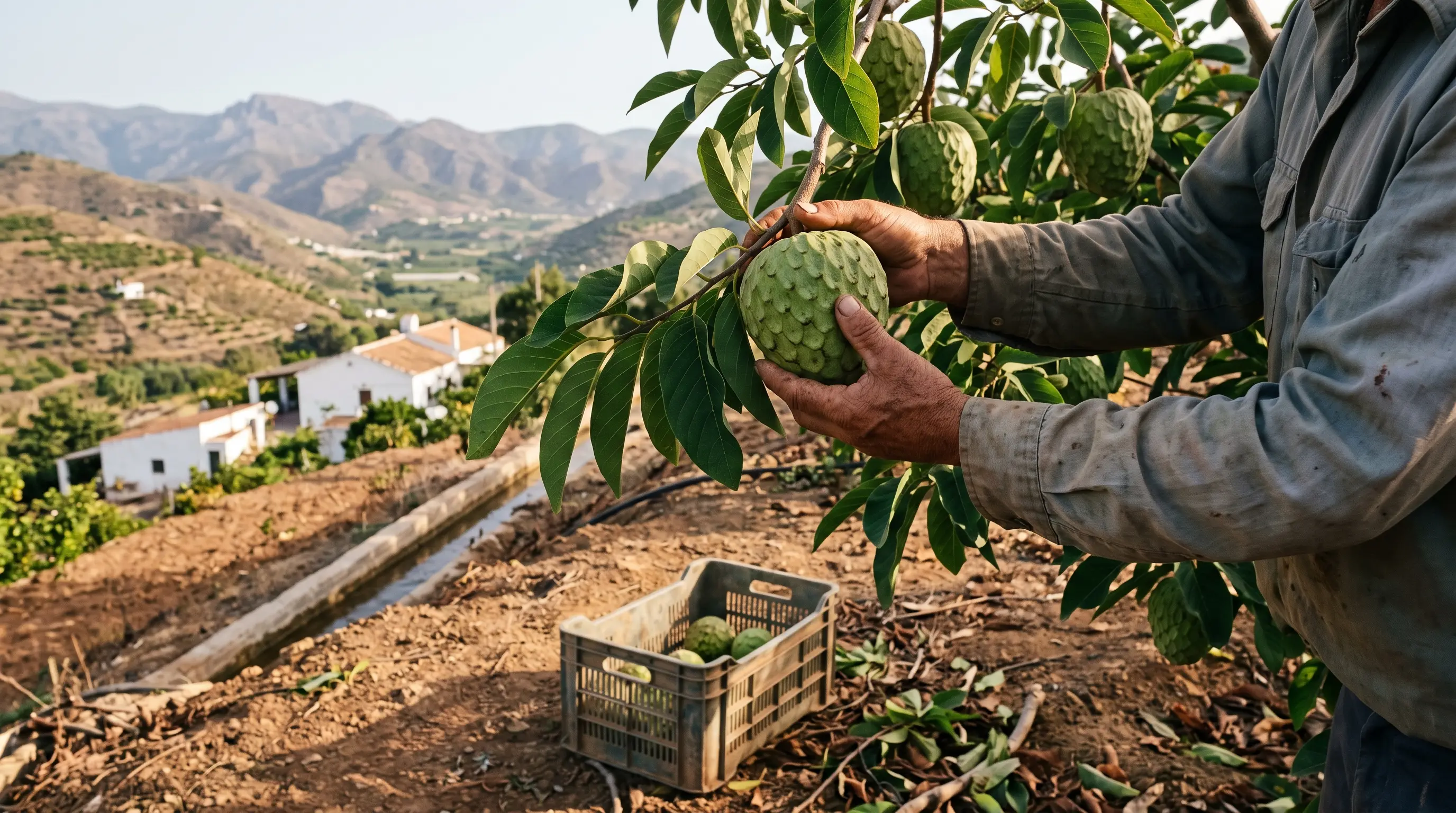
Chirimoya Costa Tropical: How an Andean Fruit Won a PDO
Sarah Mills
How the Andean chirimoya reached Granada's Costa Tropical, why it only mattered from the mid-20th century, and what PDO and Fino de Jete mean on the label.
Read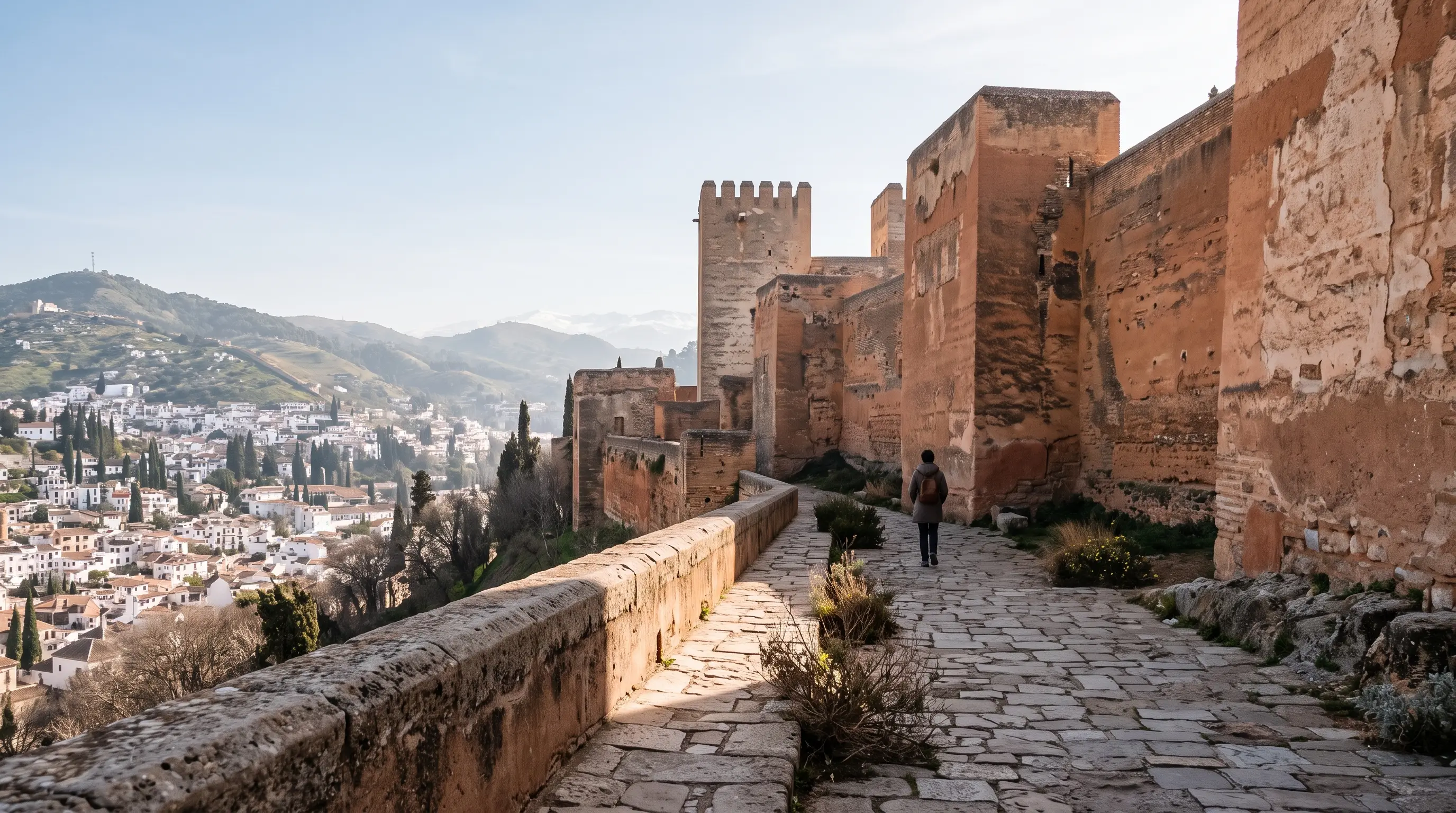
Count of Tendilla Alhambra: First Governor After 1492
James Walker
Íñigo López de Mendoza, Count of Tendilla, ran the Alhambra from 1492 to 1515. See how Granada's first Christian governor lived, ruled and wrote 6,000 letters.
Read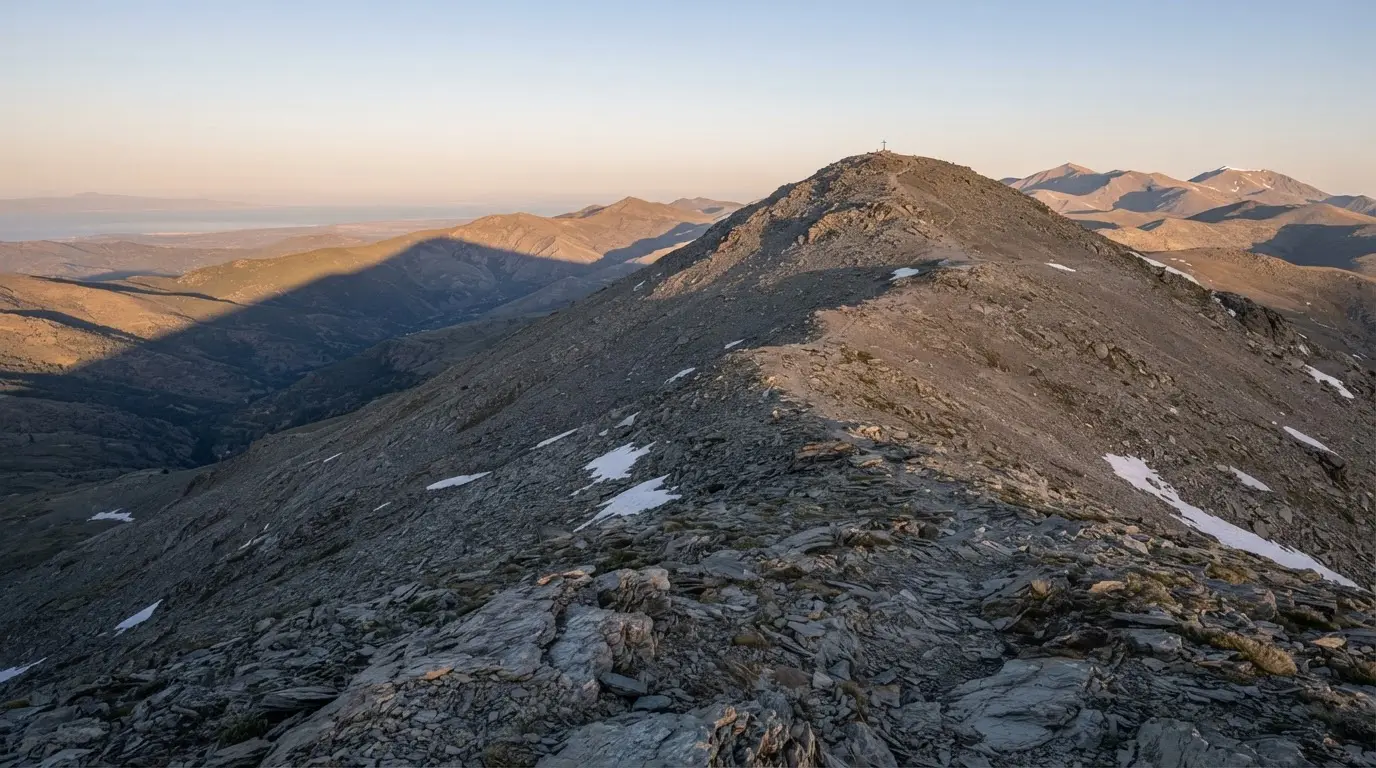
Mulhacén Name Origin: Sultan Said to Be Buried There
James Walker
Mulhacén is named for Sultan Muley Hacén, said to lie on its summit. What the name means, what records say about his death and where Nasrid kings were buried.
Read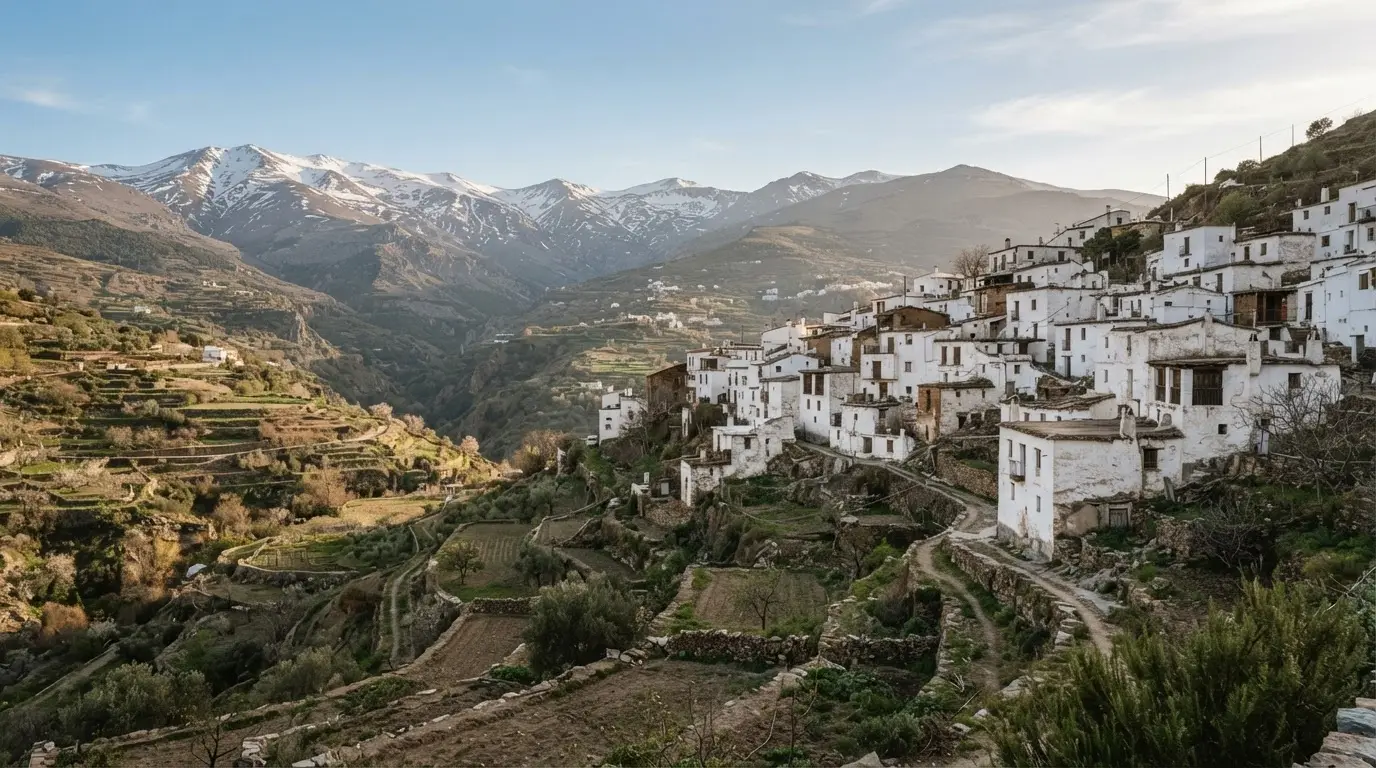
Gerald Brenan in Yegen: When Bloomsbury Came to the Alpujarras
James Walker
Gerald Brenan in Yegen: how Strachey, Carrington and the Woolfs reached his Alpujarran hamlet, what South from Granada records, and what you can still see.
Read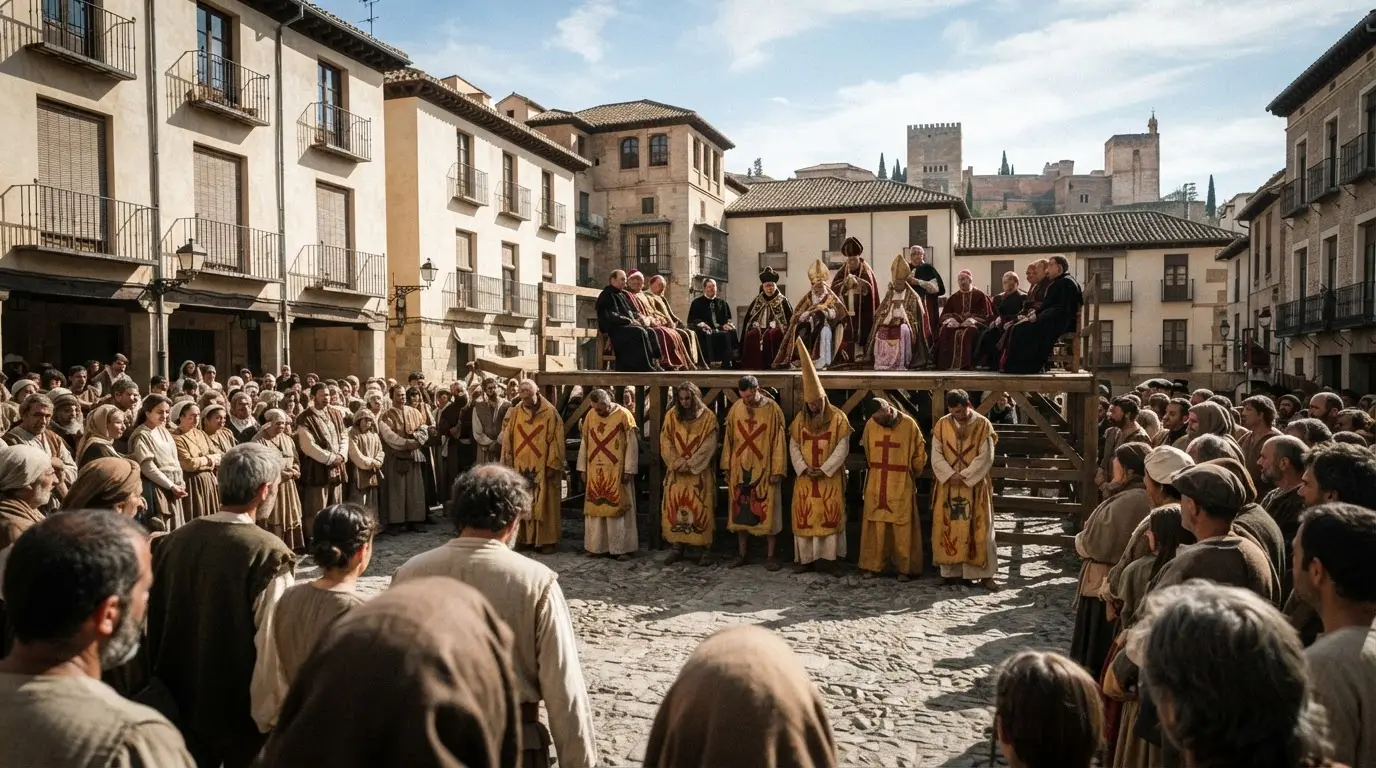
Granada Inquisition: The Holy Office Tribunal, 1526 to 1834
James Walker
The Granada Inquisition's permanent tribunal ran from 1526 to 1834. Its jurisdiction, autos de fe in Bibarrambla and San Jerónimo, and who it prosecuted.
Read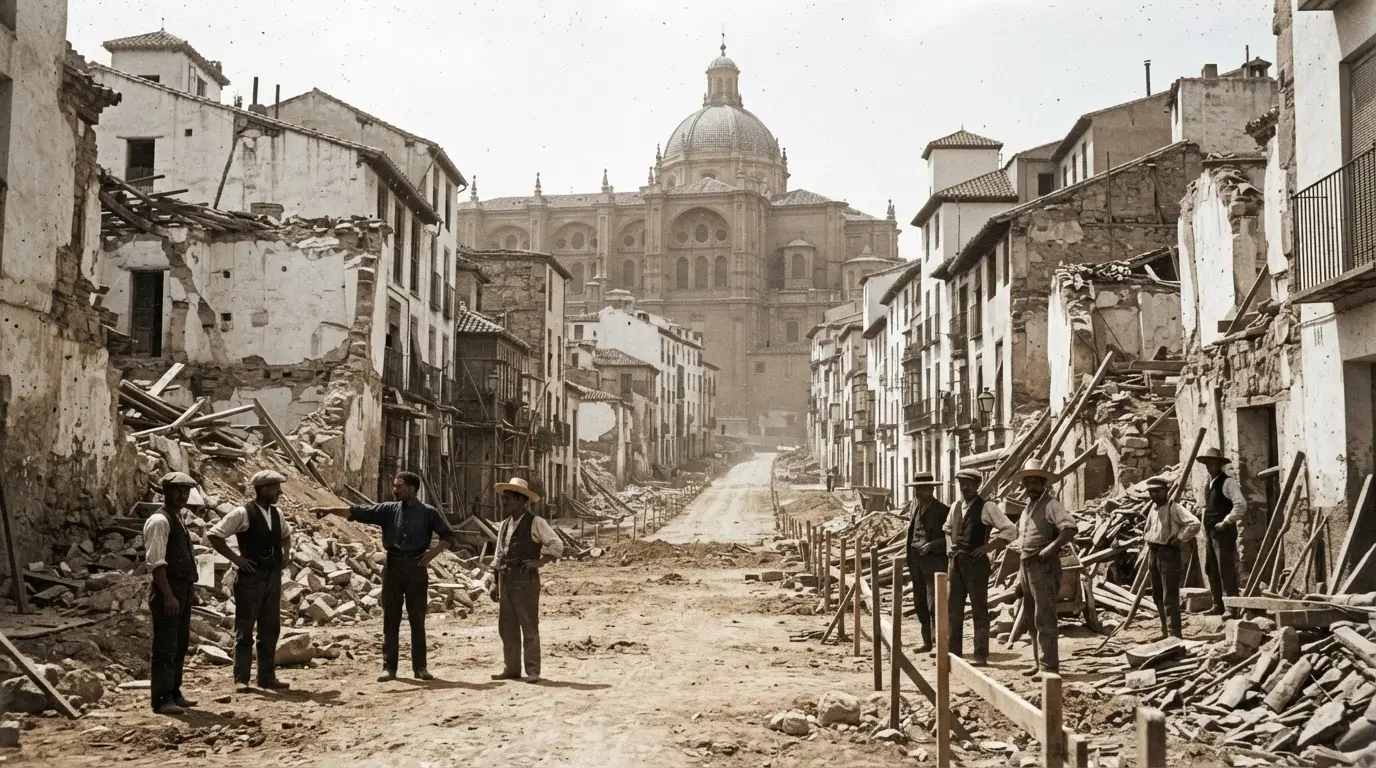
Gran Via de Colon Granada History: The Cut Through the Medina
James Walker
How Granada's Gran Via de Colon was cut through the medieval medina from 1895: the Cendoya plan, 244 expropriations, lost Nasrid houses and who paid for it.
Read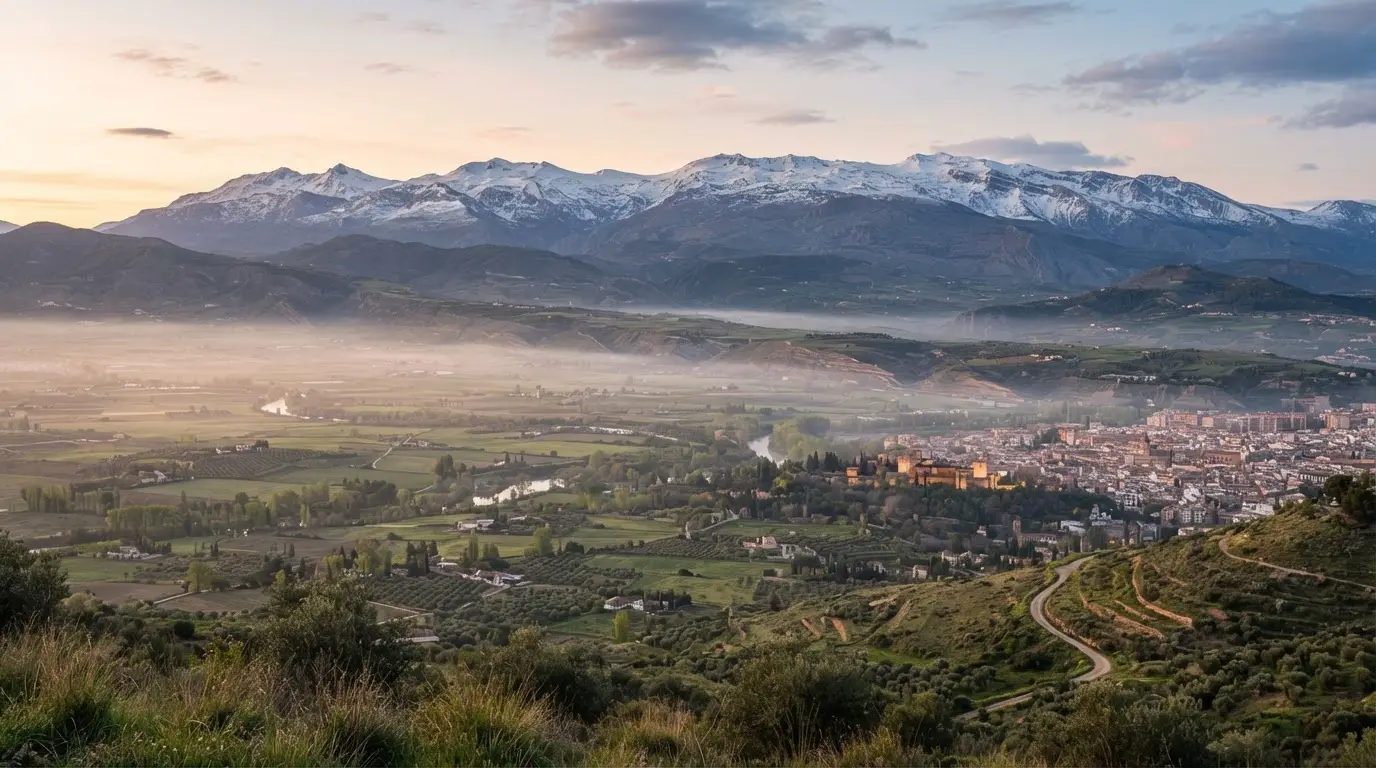
Why Granada Earthquakes Keep Coming: The 2026 Series and 1884
James Walker
Two Mw 4.8 quakes hit south of Granada in August 2026. Basin faults, plate collision and the 1884 Alhama disaster explain why, and what visitors should know.
Read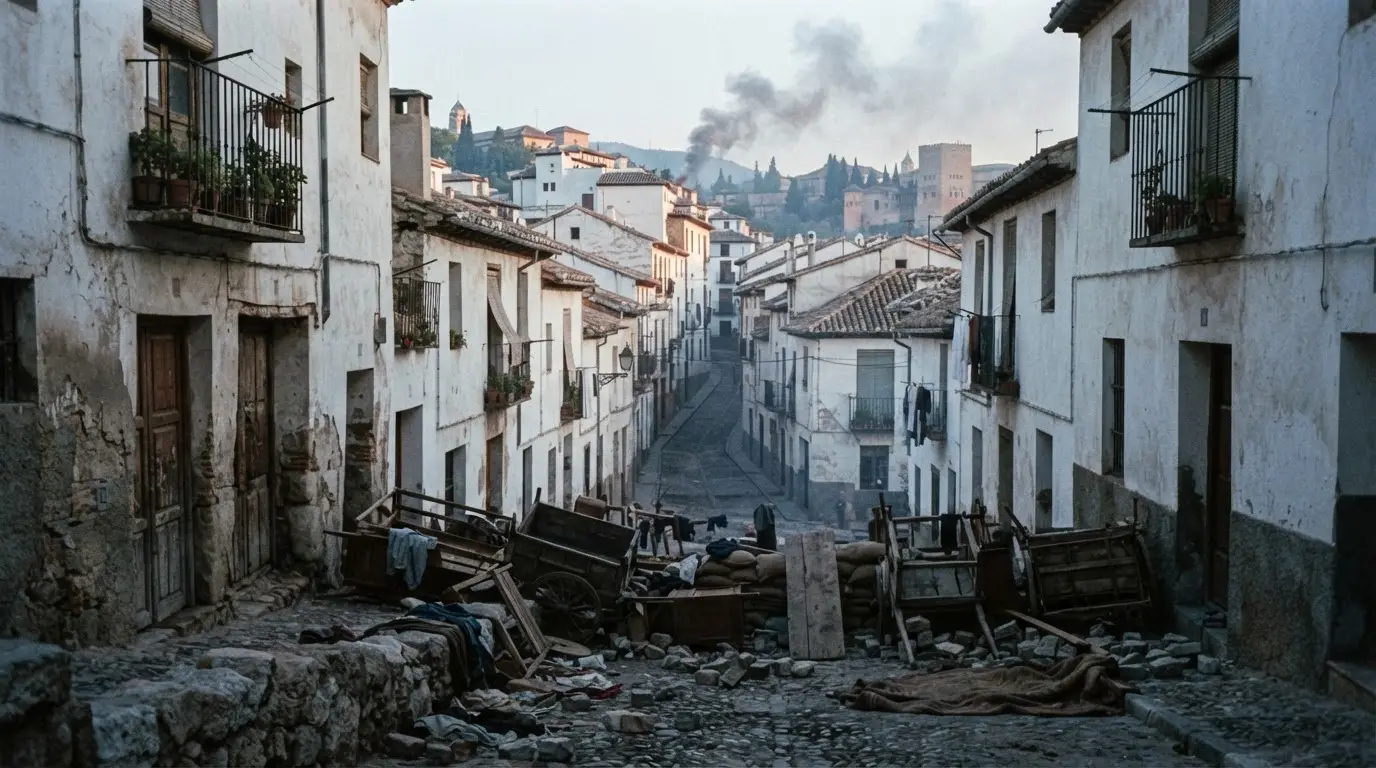
July 1936 Coup in Granada: How the City Fell
James Walker
The July 1936 coup in Granada, day by day: the garrison revolt of 20 July, the Albaicín's barricades under artillery fire, the surrender and the repression.
Read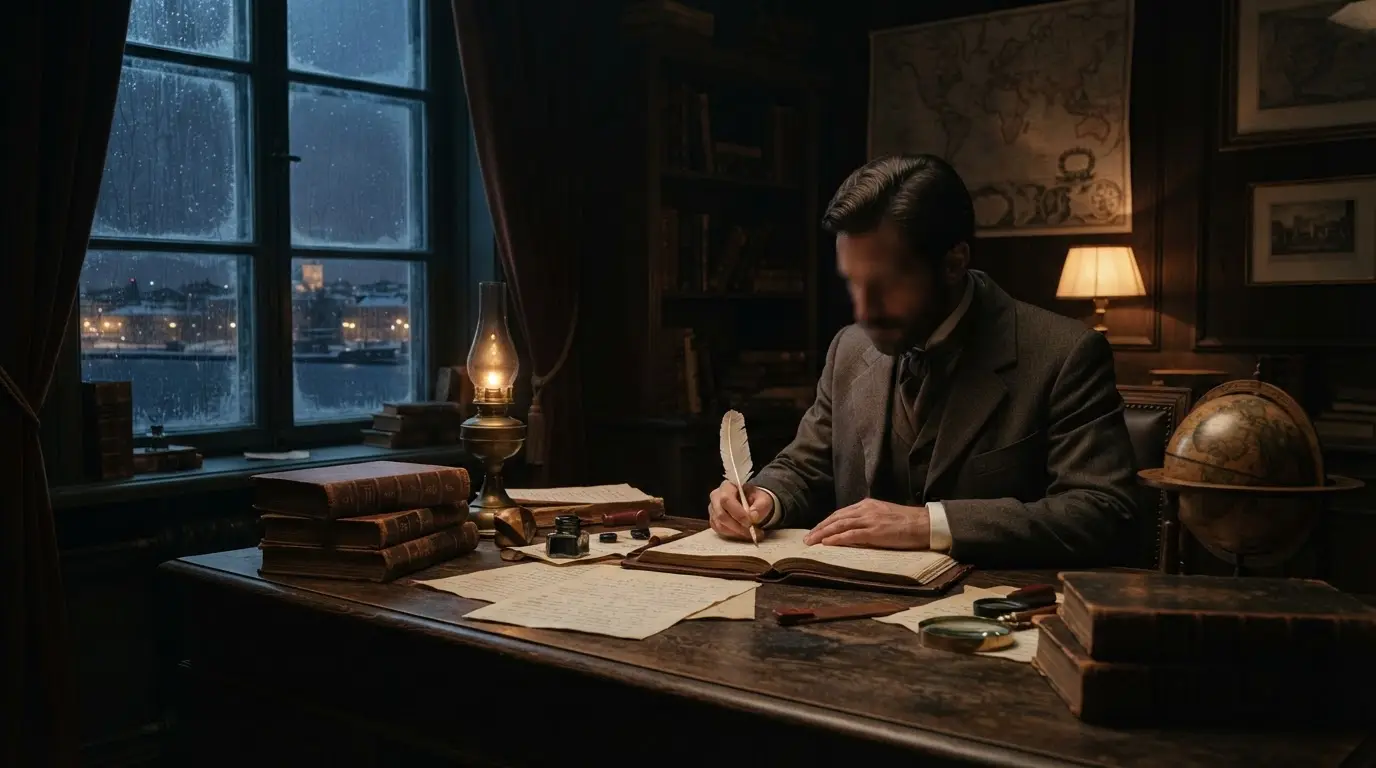
Ángel Ganivet: Granada's Writer and Diplomat
James Walker
Ángel Ganivet, Granada's own writer-diplomat, wrote Idearium Español from Helsinki, drowned in Riga in 1898, and returned to San José cemetery in 1925.
Read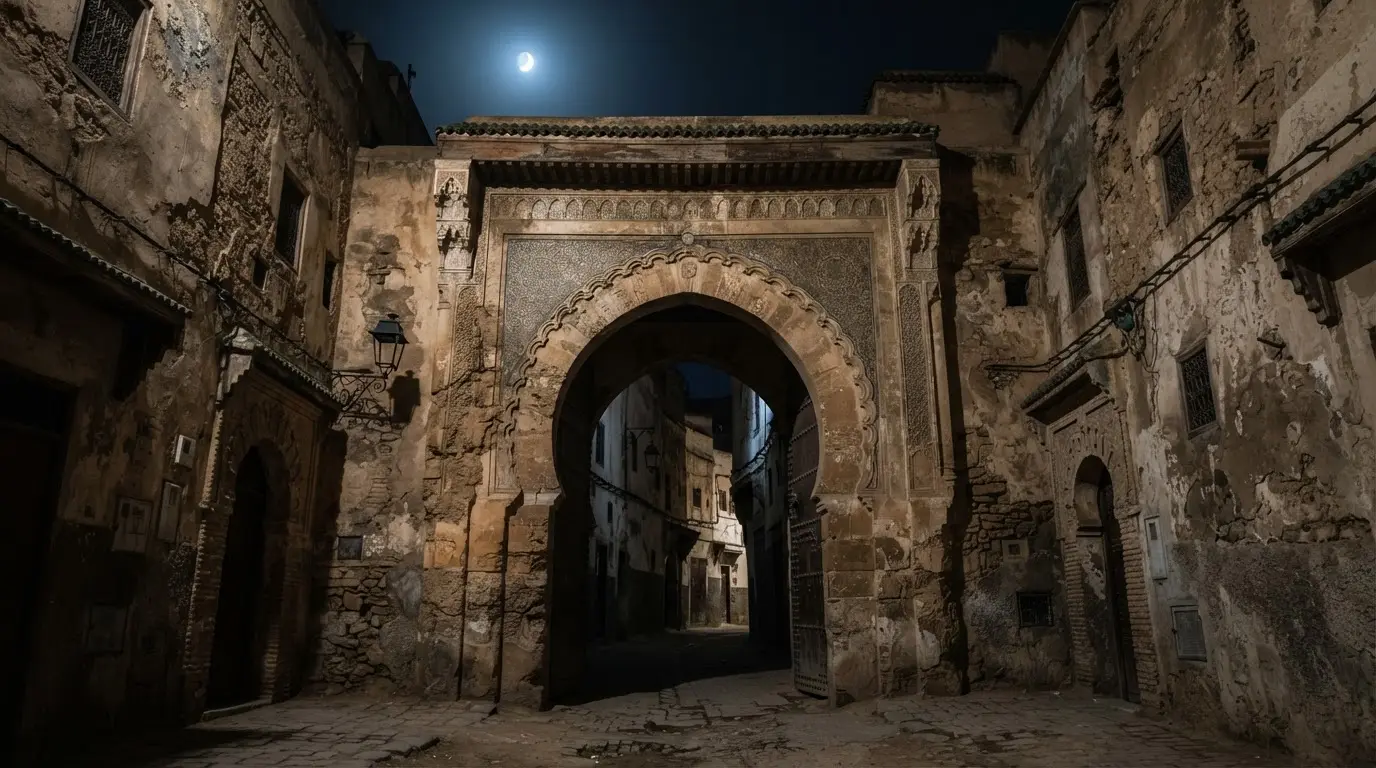
Boabdil's Lost Tomb: Searching for It in Fez, Morocco
James Walker Updated
Where is Boabdil buried? A 17th-century account points to a shrine outside Fez's Bab Mahrouk gate, and a 2013 scan detected bones nobody was allowed to test.
Read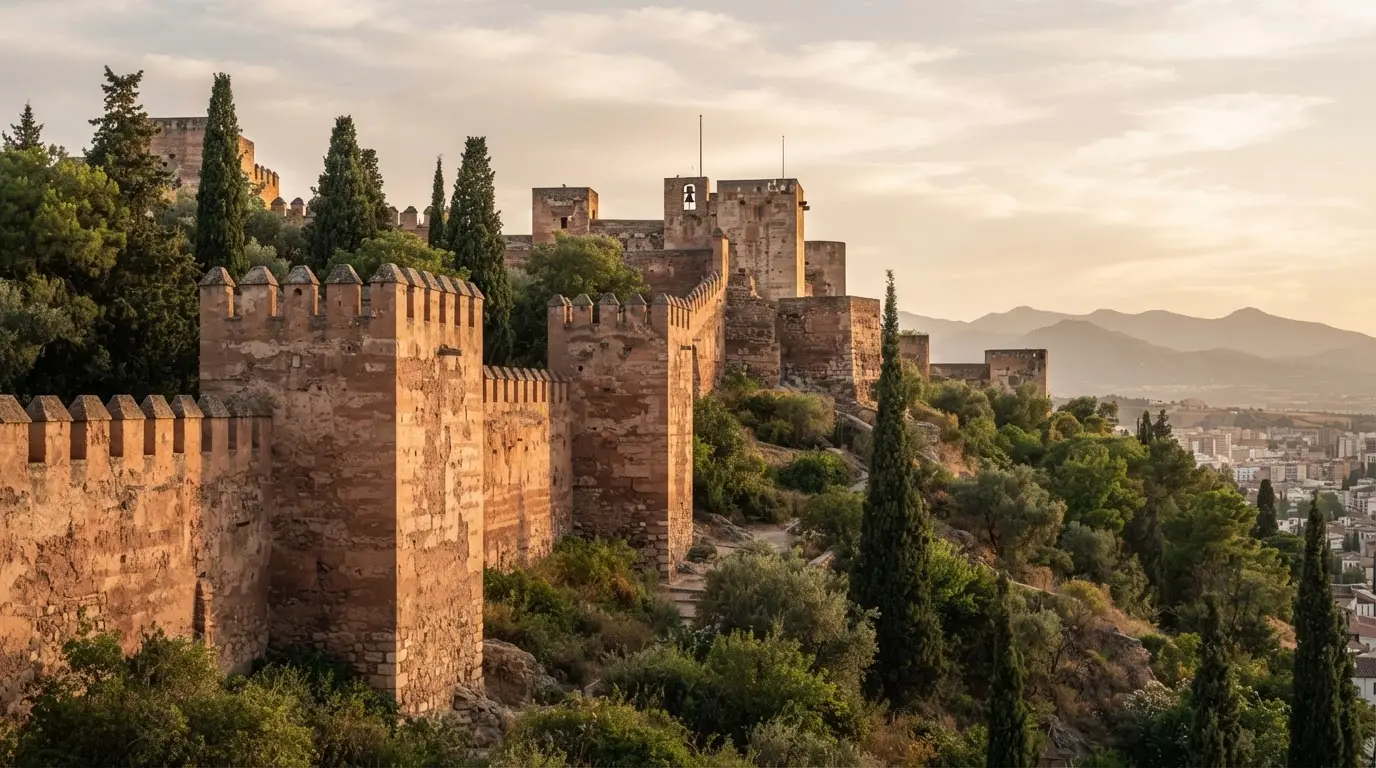
Alhambra Name Meaning: Why It Is the Red One
James Walker
Alhambra means "the red one" in Arabic, expanding to "red fortress." Learn why rammed-earth walls, not torchlight or the founder's name, explain the color.
Read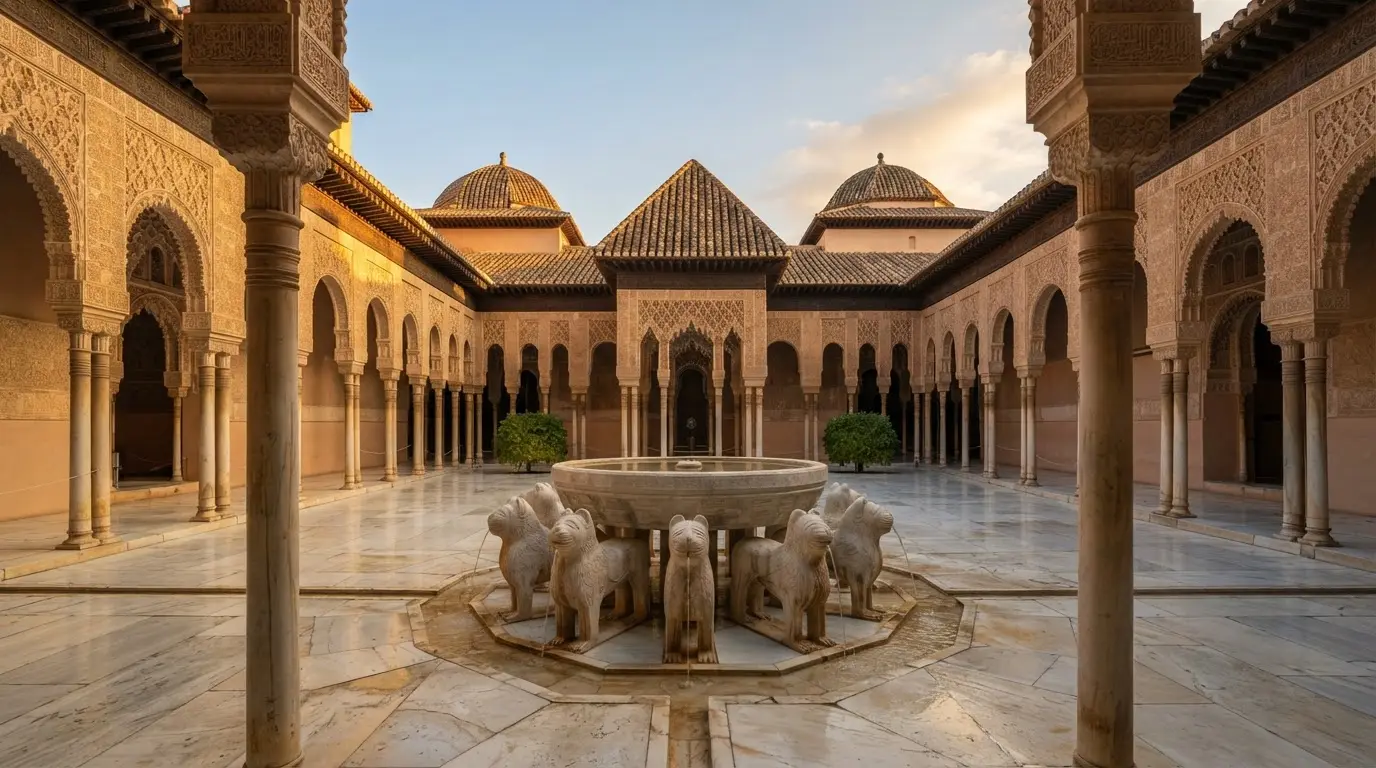
Muhammad V, the Nasrid Sultan Who Built the Alhambra
James Walker
Muhammad V ruled Granada twice, survived exile in Fez, and returned in 1362 to build the Alhambra's Palace of the Lions during Nasrid Granada's golden age.
Read