Articles
Stories, history and food traditions from Granada (Page 9)
Long-form editorial pieces written by resident correspondents: cultural deep-dives, the origins of local dishes, and the people and traditions that shape everyday life in Granada.
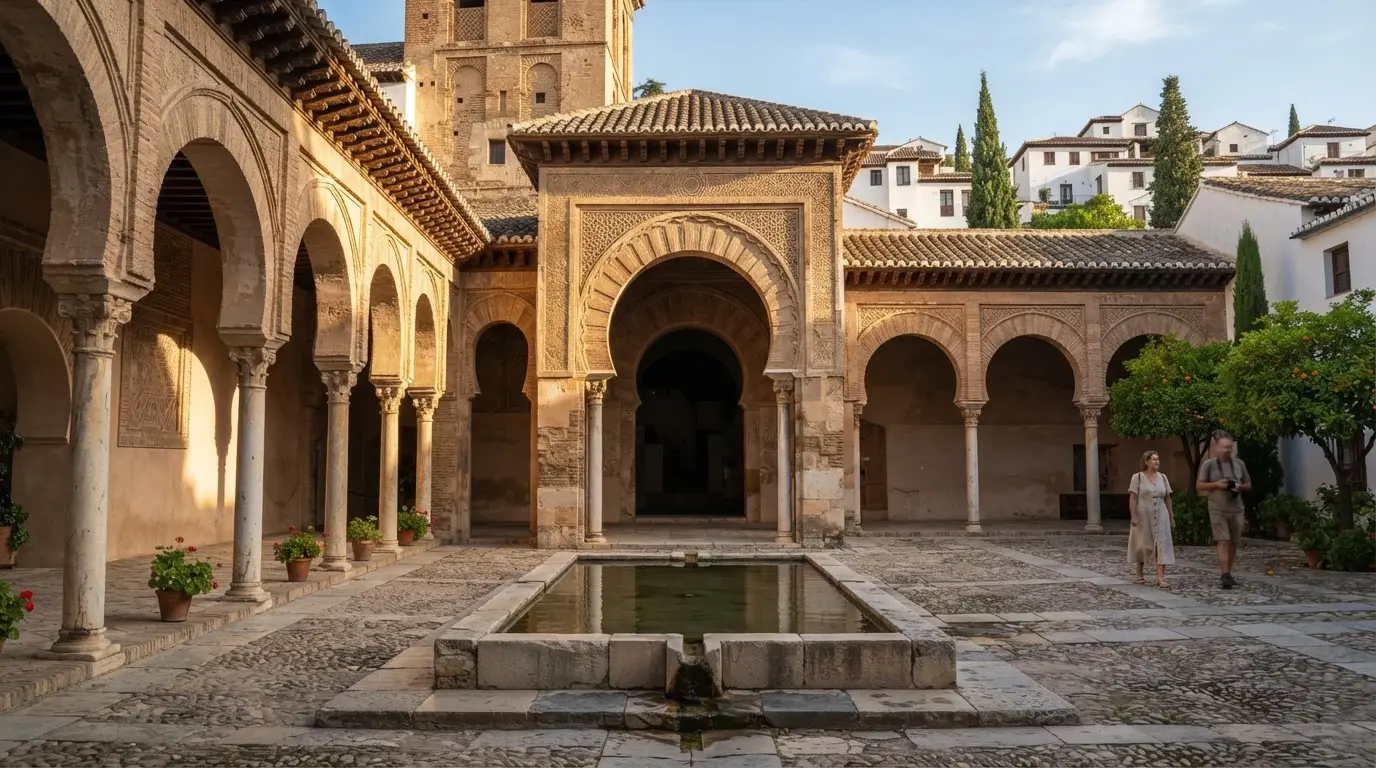
Mudéjar Granada: Islamic Art After the Reconquista
James Walker Updated
Mudéjar art in Granada: after 1492, Muslim craftsmen built Albaicín churches with horseshoe arches, sebka lattice and artesonado ceilings for Christian patrons.
Read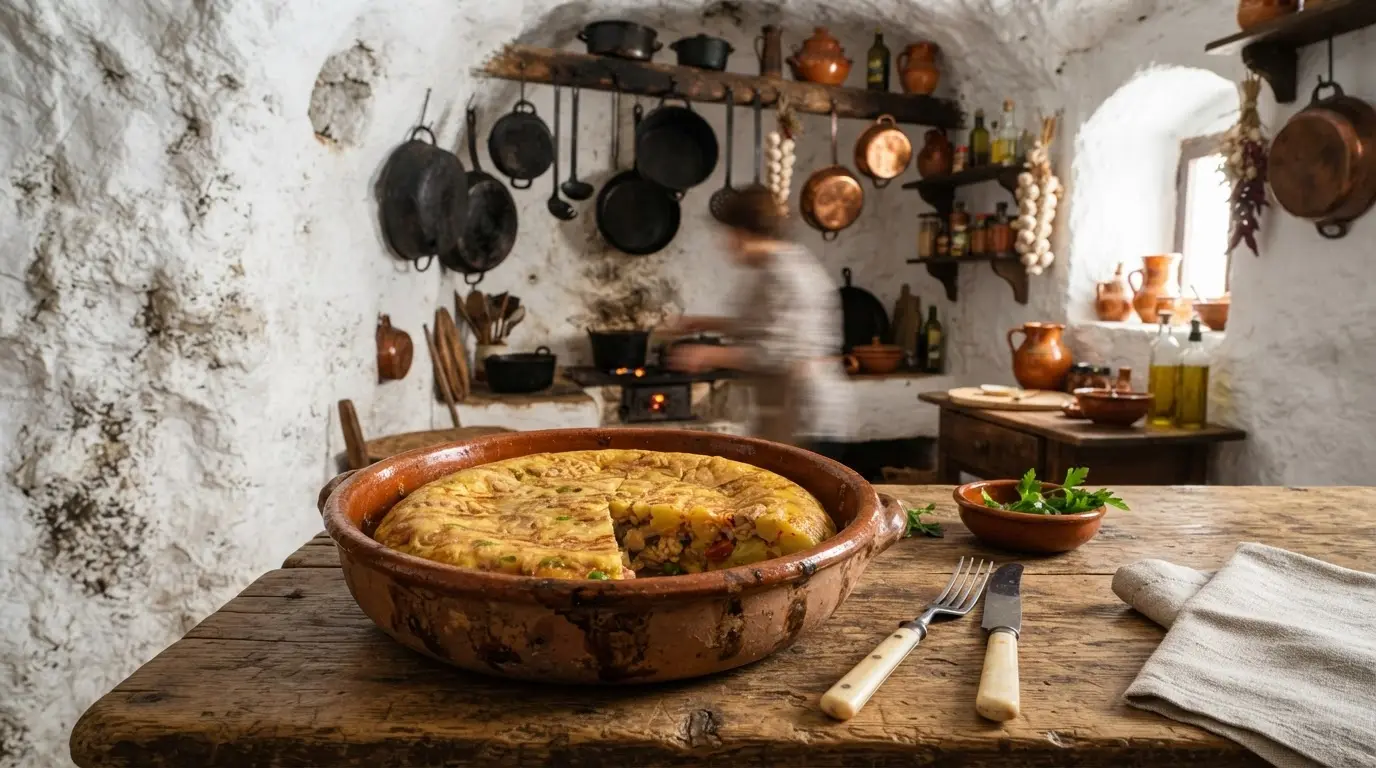
Tortilla del Sacromonte: history of Granada's cave dish
Sarah Mills Updated
How 16th-century refugees in Granada's Sacromonte caves turned sheep offal into a fiercely local dish, and the feast day that keeps the tradition alive.
Read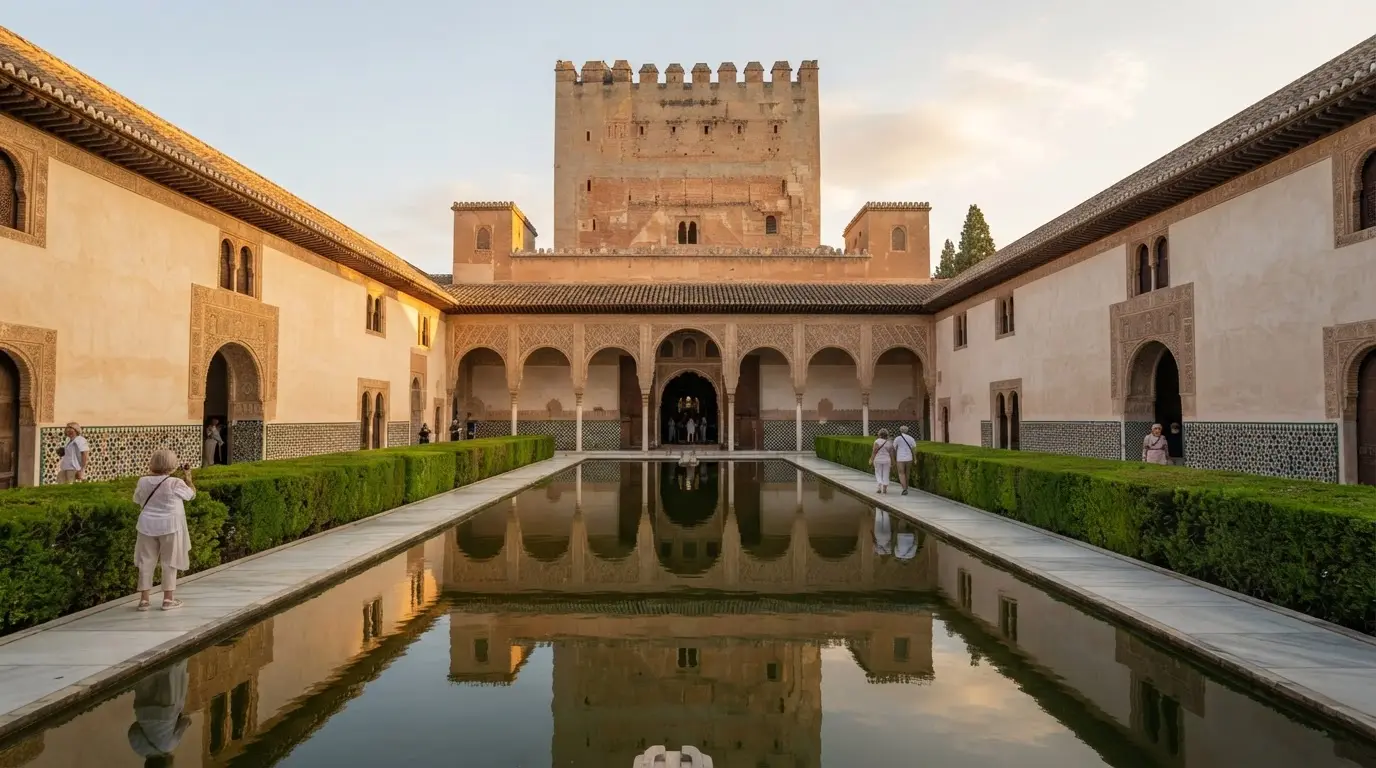
Alhambra Rooms History Political Meaning: Which Sultan Built What
James Walker Updated
Yusuf I built the throne room, Muhammad V built the Court of the Lions, and Charles V added a palace in the 1520s. Who built what, room by room, and why.
Read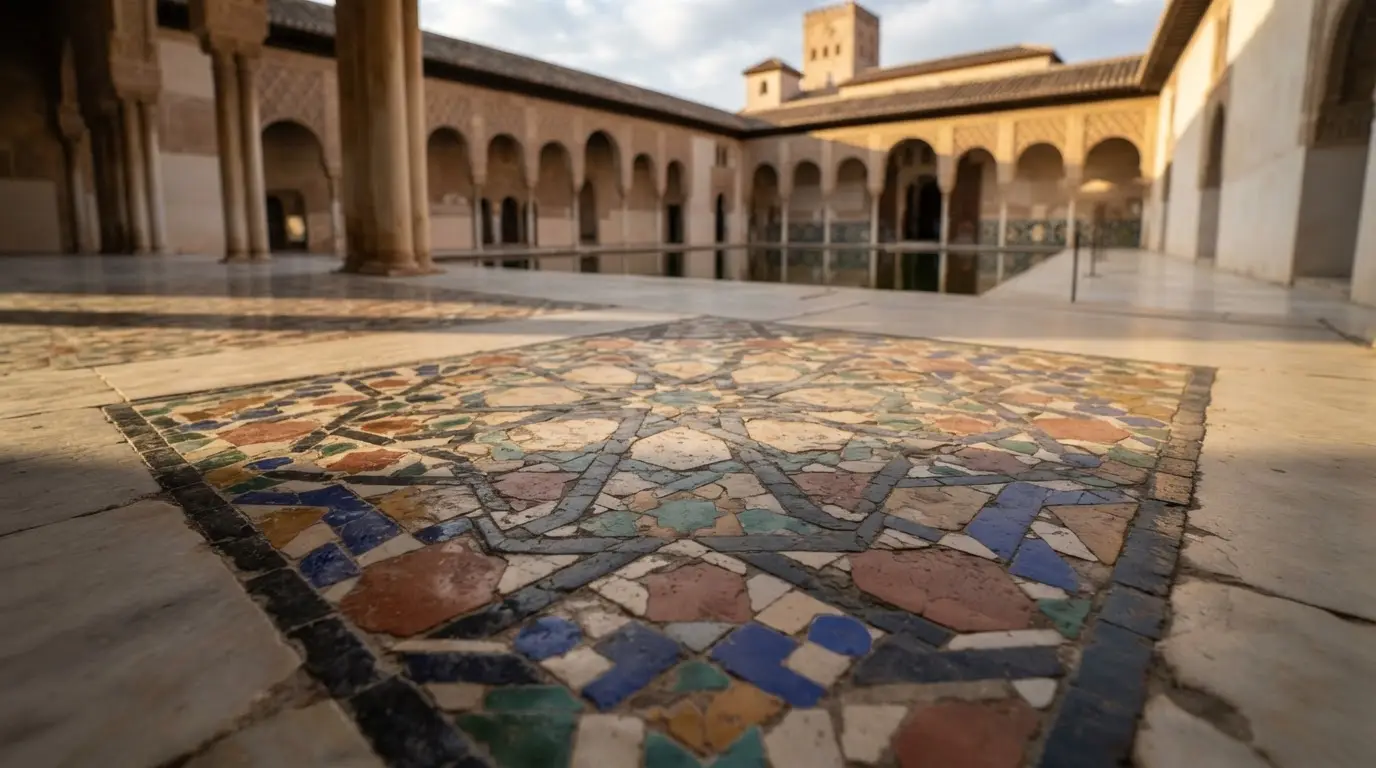
Alhambra Geometry: An Architecture Lover's Deep Dive
James Walker Updated
Alhambra geometry decoded room by room: girih tile patterns, muqarnas mathematics, and the proportion systems that still baffle modern architects and designers.
Read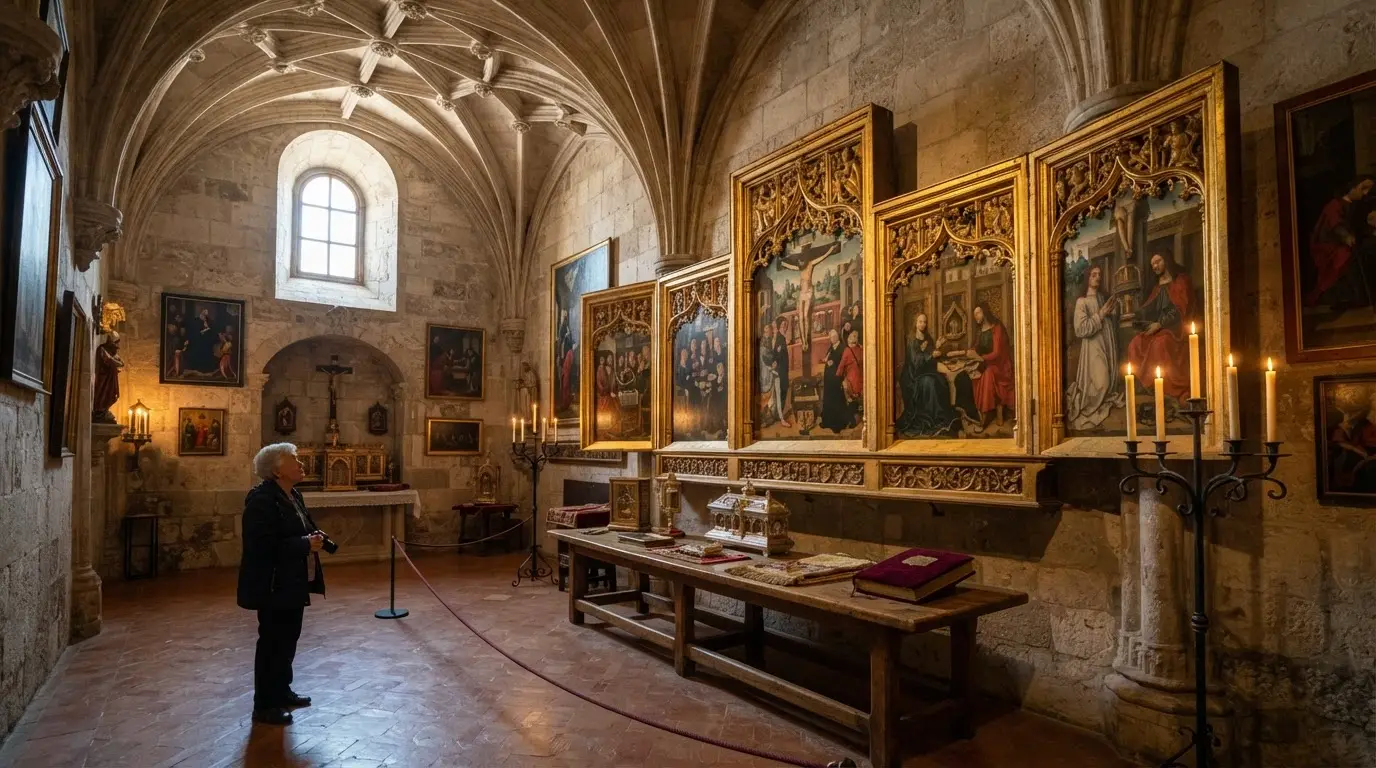
Isabella I and the Flemish Masterpieces of Granada's Royal Chapel
James Walker Updated
Inside the Royal Chapel sacristy, Isabella I's Flemish paintings wait: Van der Weyden, Memling, Bouts, and a lone Botticelli. Most visitors never enter.
Read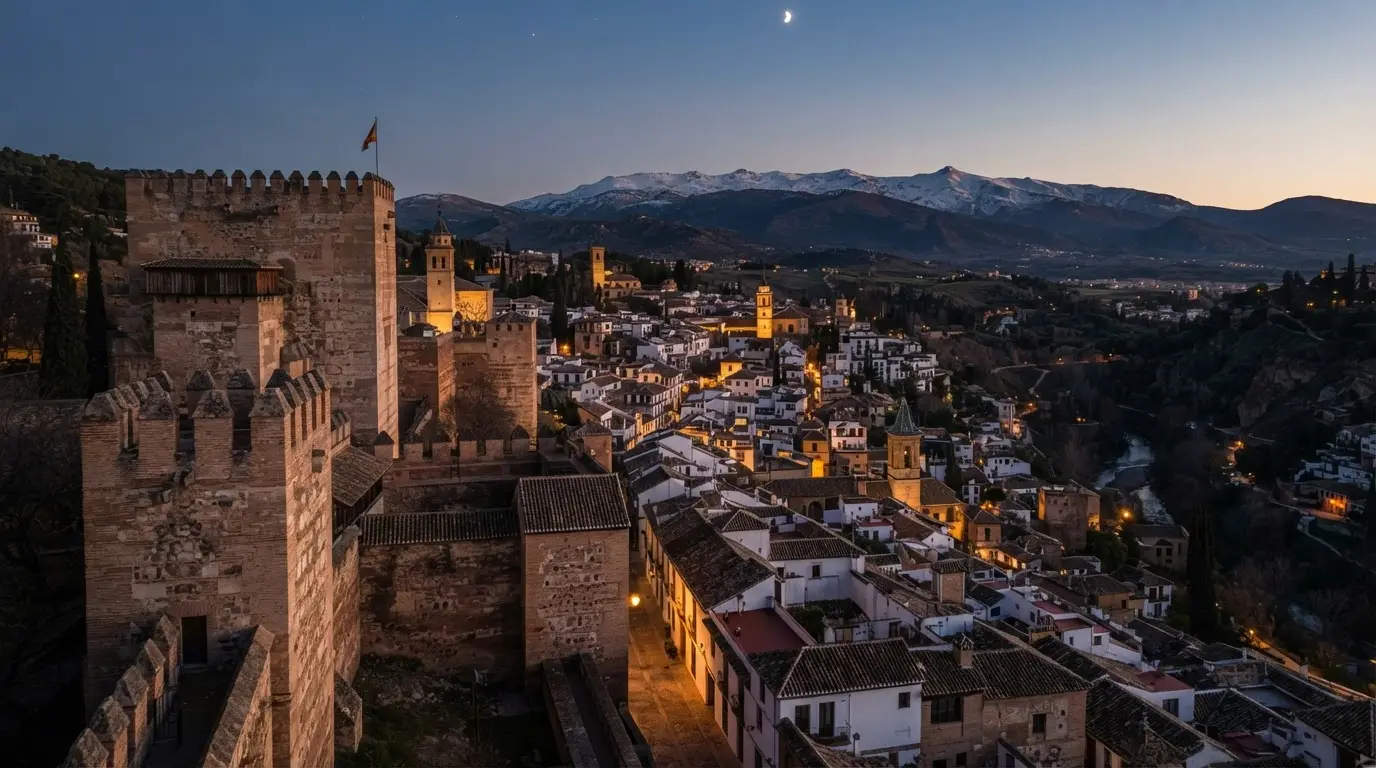
The Nasrid Civil War: How Internal Strife Gave Spain Granada
James Walker Updated
Granada didn't fall to military conquest. A Nasrid succession crisis and three-way civil war handed Ferdinand and Isabella the keys to the last Moorish kingdom.
Read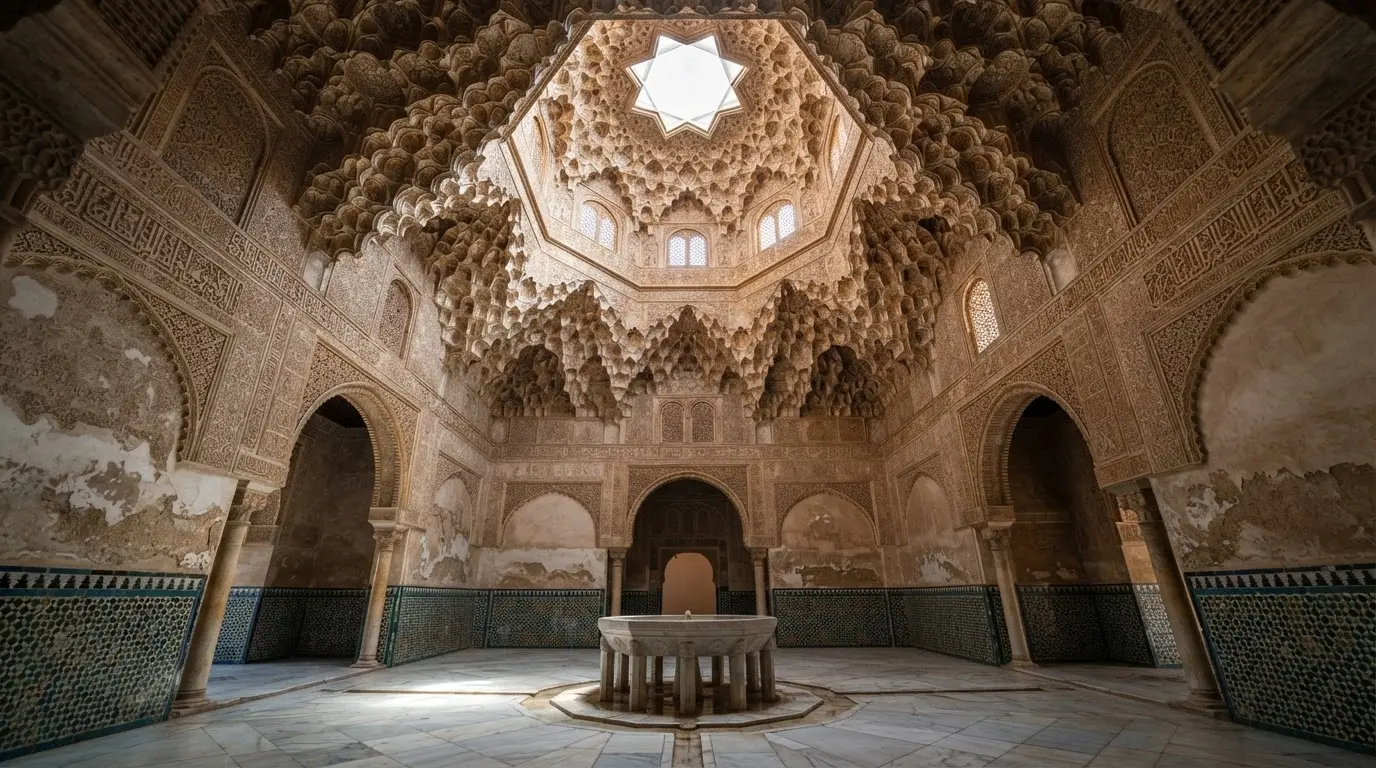
Abencerrajes of Granada: the noble clan behind the legend
James Walker Updated
Abencerrajes of Granada: the noble clan who shaped Nasrid court politics for a century and became legend through a massacre story set in the Alhambra.
Read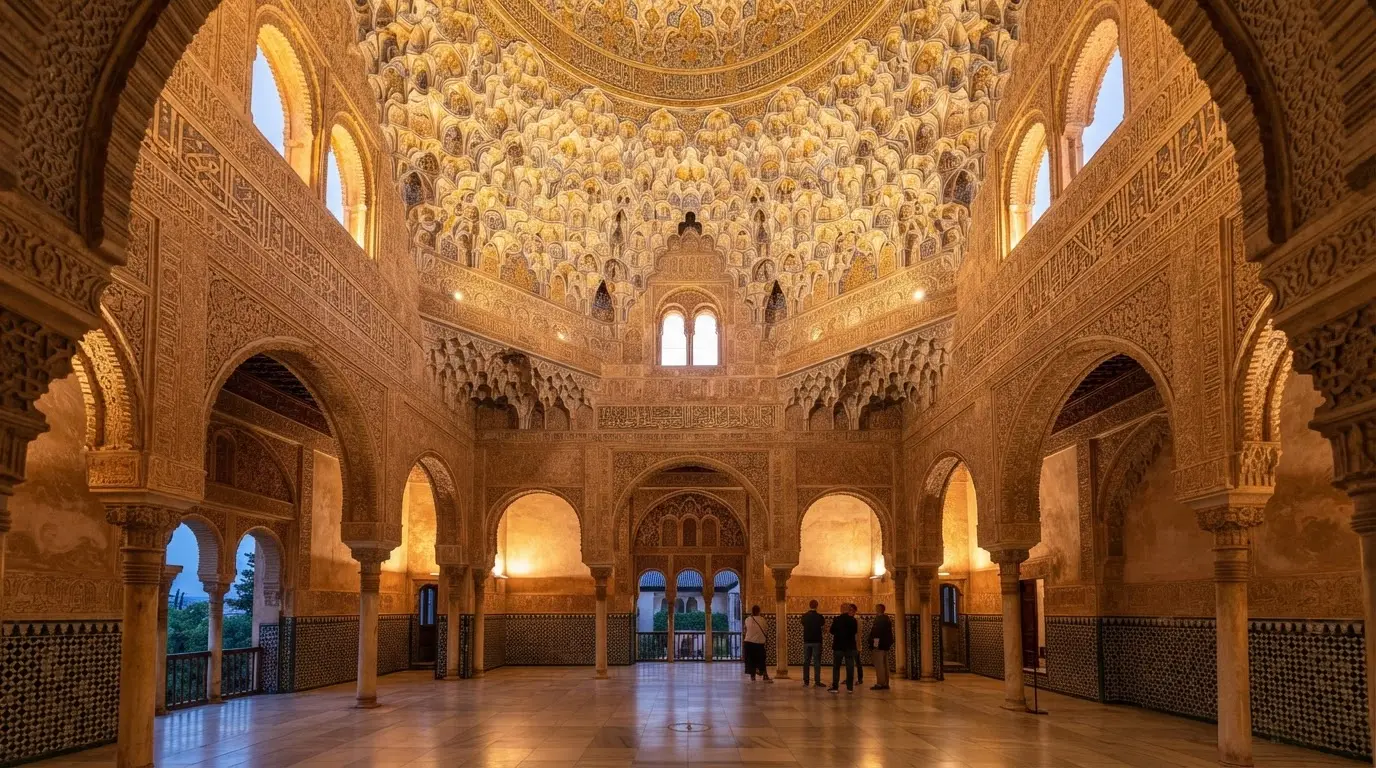
Ibn Zamrak: the poet whose words are carved into the Alhambra
James Walker Updated
Ibn Zamrak (1333–1393), pupil of Ibn al-Khatib, was the Nasrid court poet whose Arabic verses were carved into the Alhambra's Court of the Lions and stucco.
Read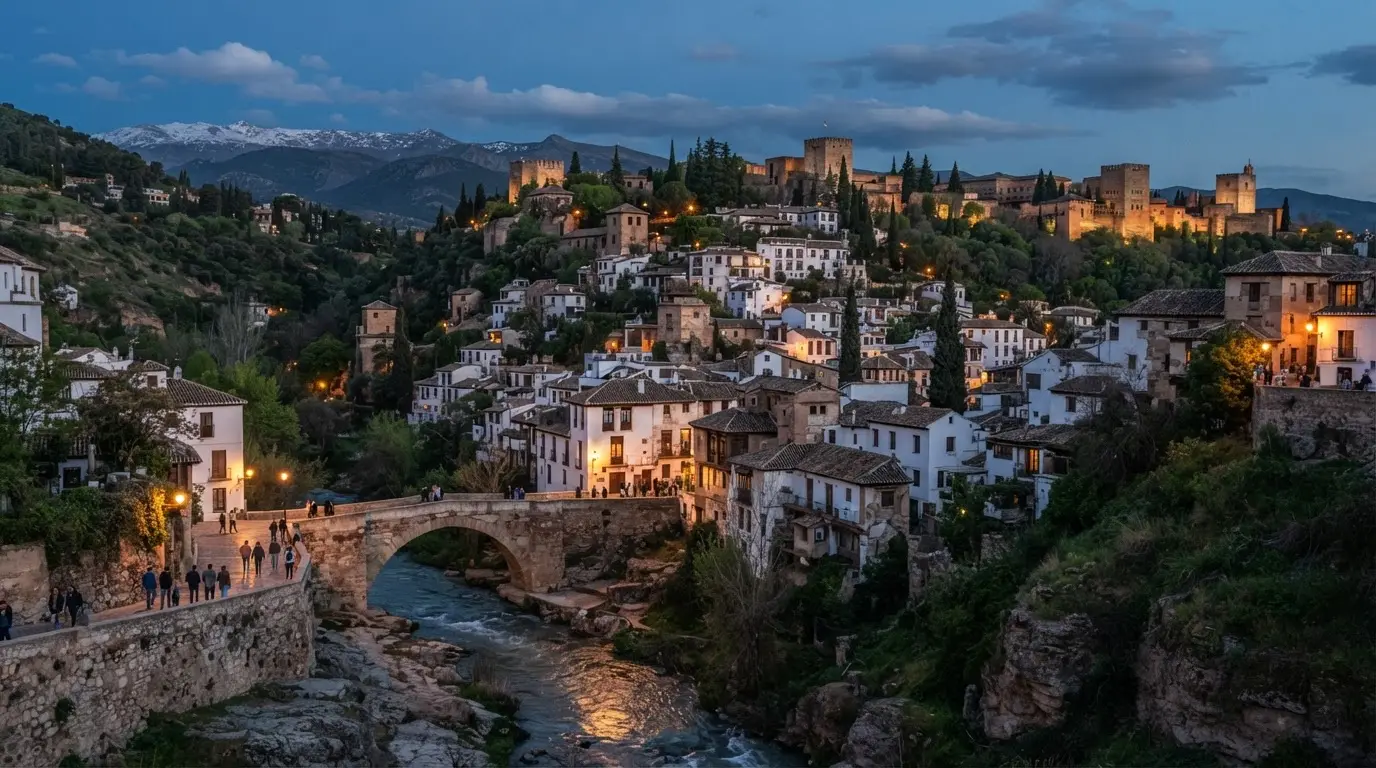
Roman Granada: Iliberis and the Council of Elvira
James Walker Updated
Granada was Roman Iliberis for over 700 years before the Moors arrived. The Council of Elvira, c. 306 AD, was the earliest church council in all of Hispania.
Read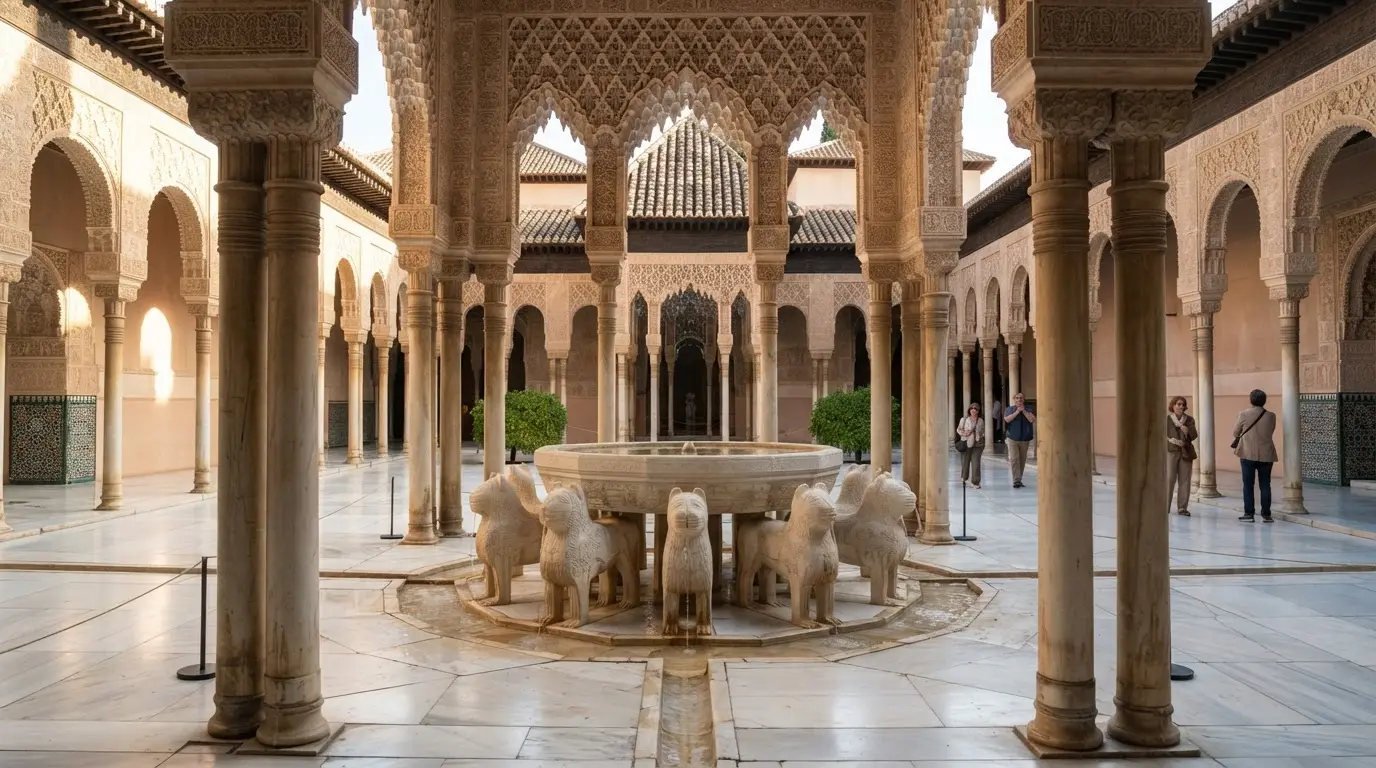
Court of the Lions Alhambra Granada: Decoding the Courtyard
James Walker Updated
Court of the Lions, Alhambra Granada: 124 marble columns, a lion fountain 650 years old, a Quranic paradise built by Muhammad V. What to see and when.
Read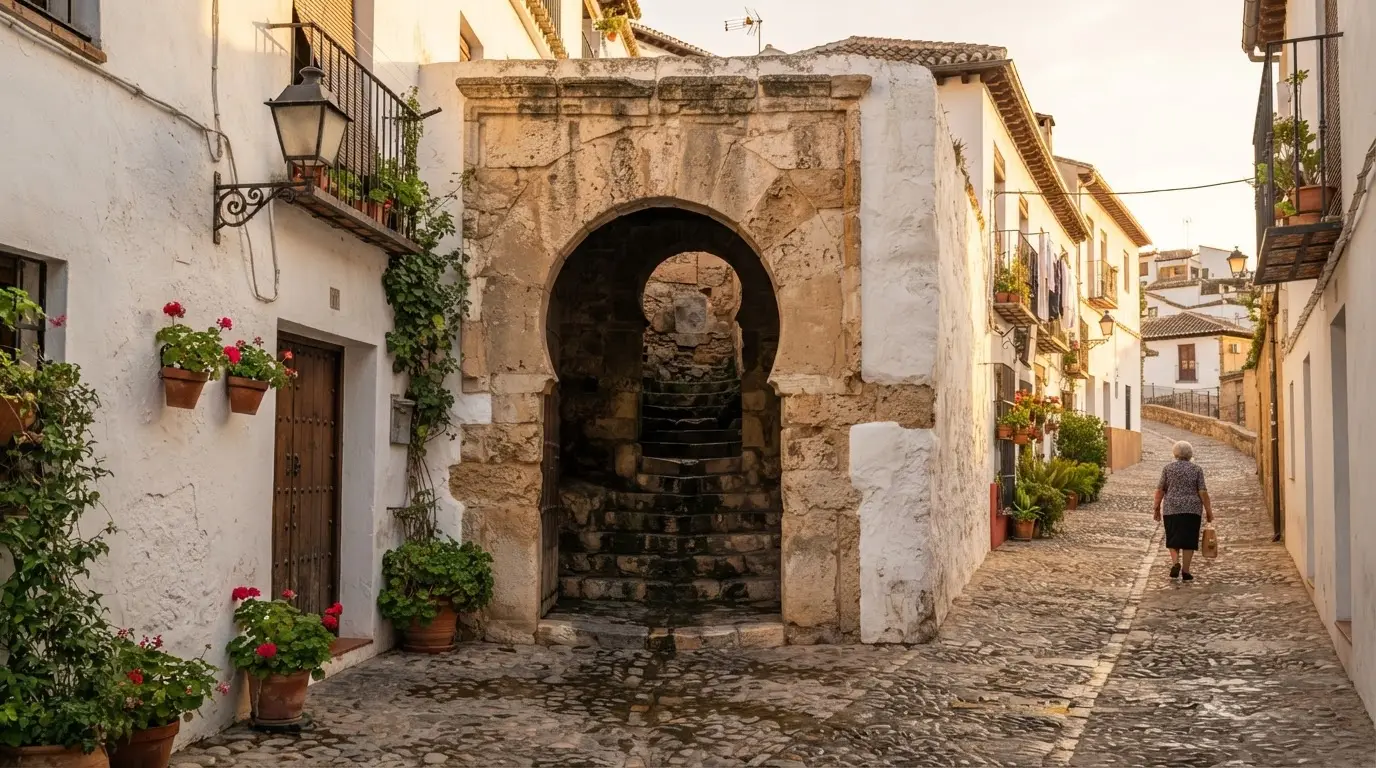
Albaicín Aljibes: The Medieval Cisterns Under Granada's Streets
James Walker Updated
Twenty-six medieval cisterns survive beneath the Albaicín, built 10th–15th centuries. Fed by the Acequia de Aynadamar from Alfacar into every home and mosque.
Read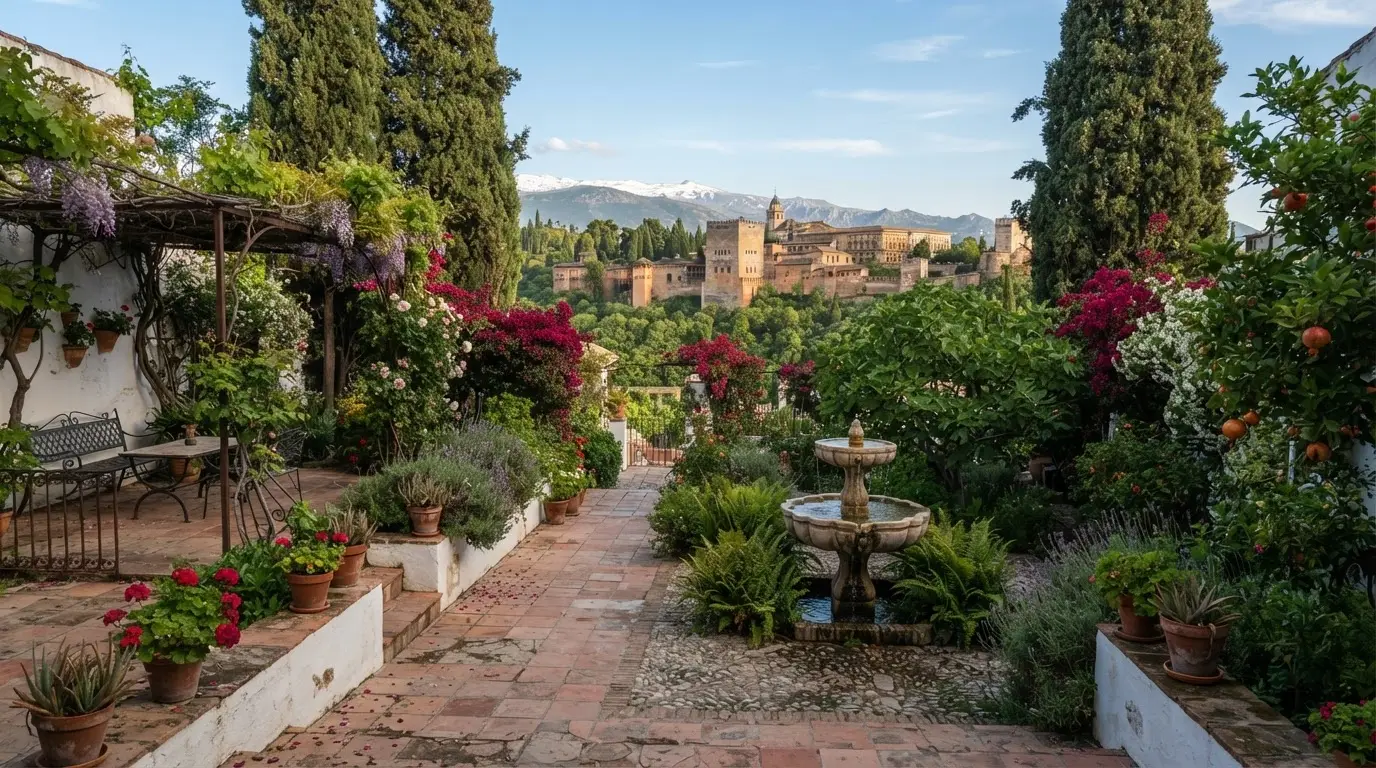
Cármenes of the Albaicín: Granada's Walled Garden Houses
James Walker Updated
Granada's cármenes are walled garden villas from Arabic karm (vineyard). Found across the Albaicín since the Nasrid period, two are open free to visitors.
Read