Articles · Modern Granada
Modern Granada: Articles from the Napoleonic Years to Today
French mines under the Alhambra, the 1884 quake, and the garrison revolt of July 1936.
These articles follow Granada from the French occupation to the present: the mined Alhambra towers, the 1884 earthquake, the garrison revolt of July 1936, and the writers and musicians the city produced. For readers who want the modern city's backstory.
32 articles · 1808–today
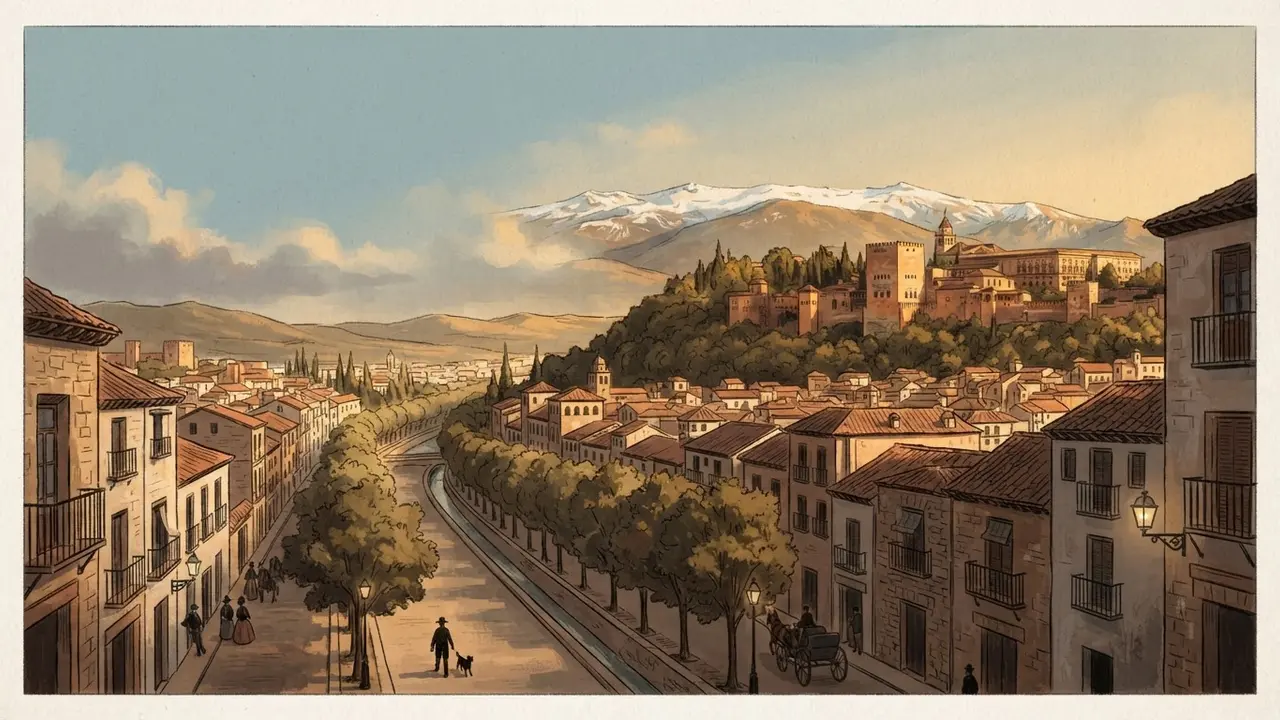
Articles on Modern Granada
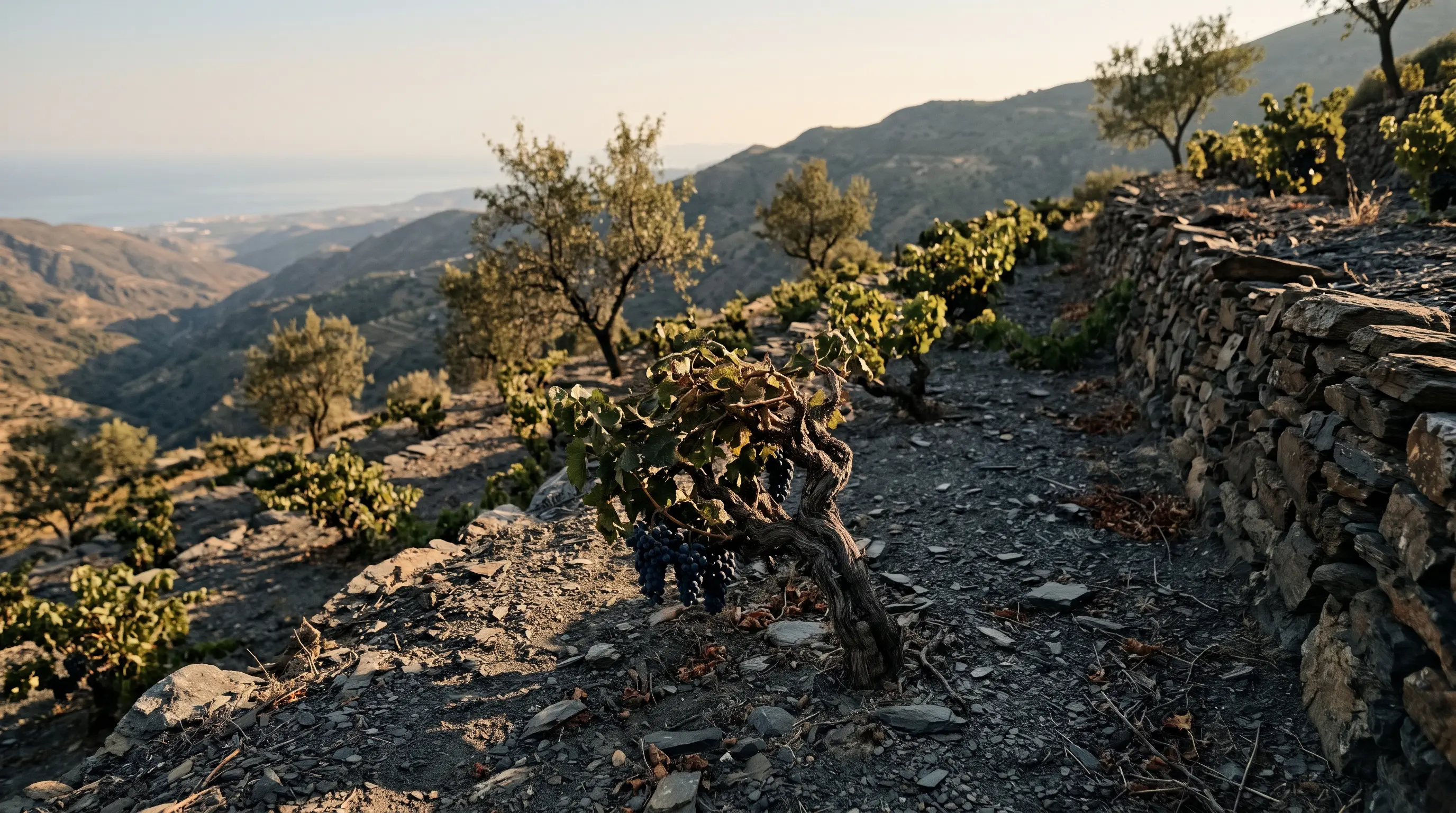
How Contraviesa-Alpujarra Wine Came Back From Phylloxera
James Walker
How Contraviesa-Alpujarra wine went from phylloxera and almond country to a 2018 PDO: slate soils, 1,400 m claims, and why the vineyard figures disagree.
Read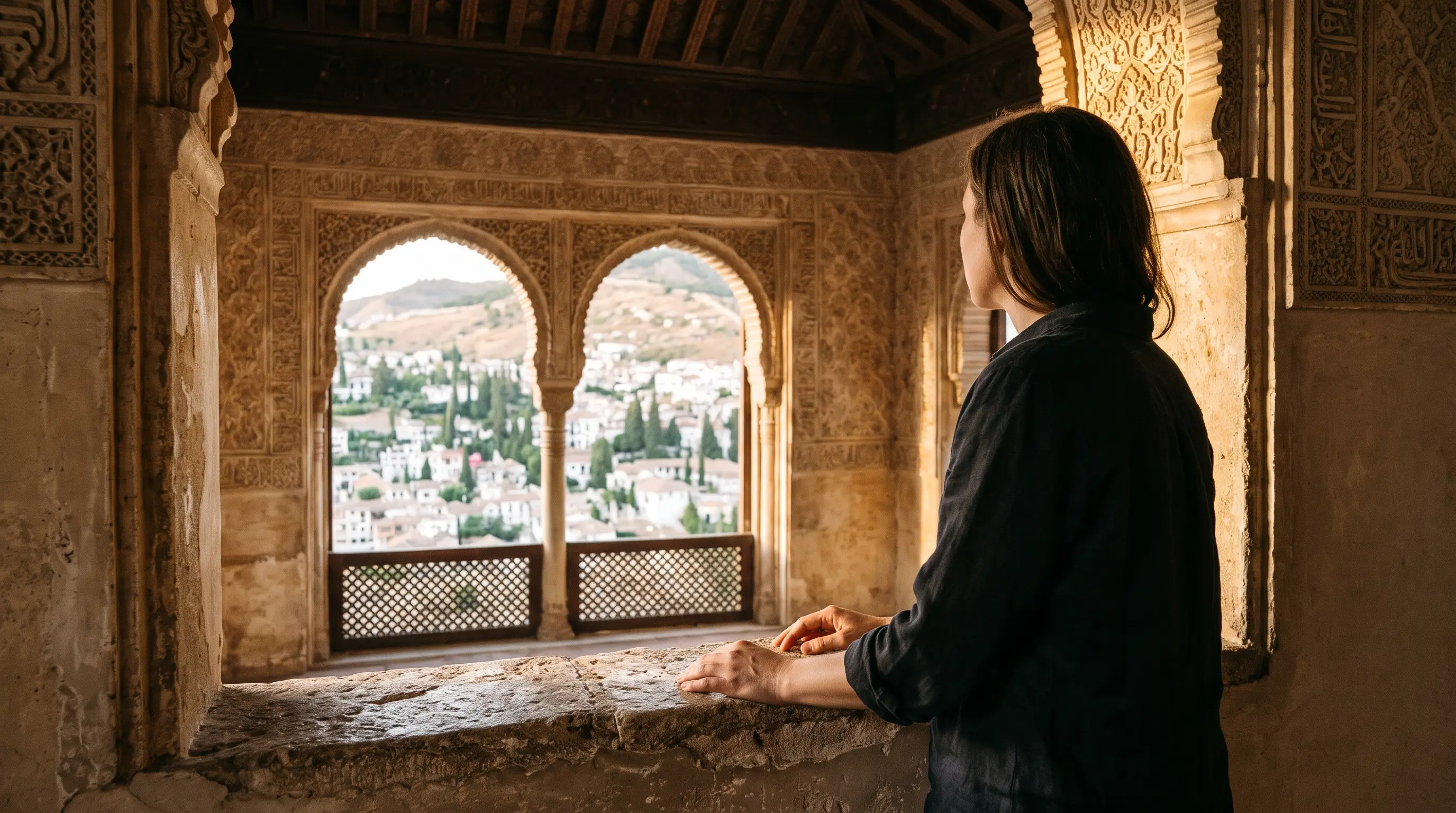
Richard Ford and the Romantic Travellers in Granada
James Walker
Richard Ford summered in the Alhambra in 1831 and 1833, then wrote the 1845 Handbook for Travellers in Spain. Meet him, Harriet and Gautier in Granada.
Read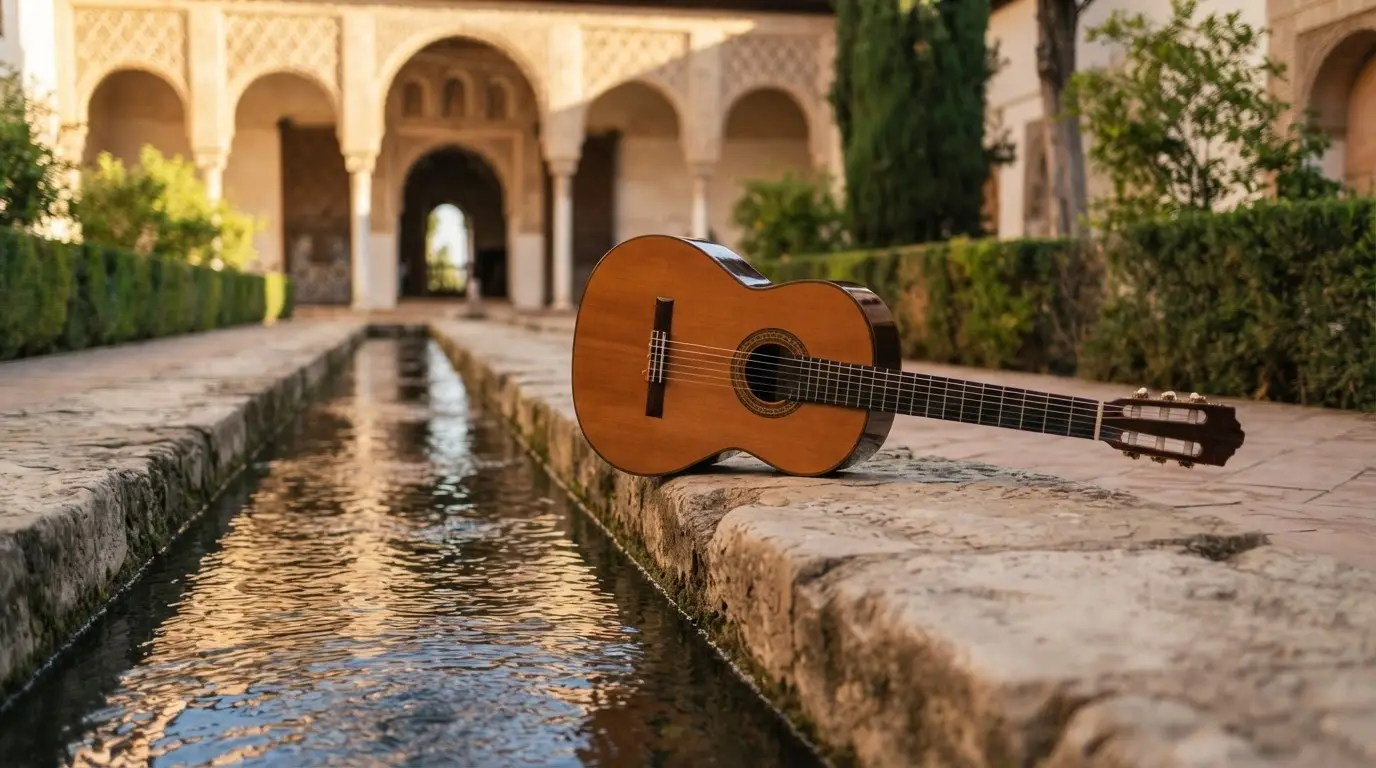
Recuerdos de la Alhambra Began as a Málaga Improvisation
James Walker
Tárrega's Recuerdos de la Alhambra began as a Málaga improvisation dated 8 December 1899. Its title, dedicatee and the fountains story, set against the record.
Read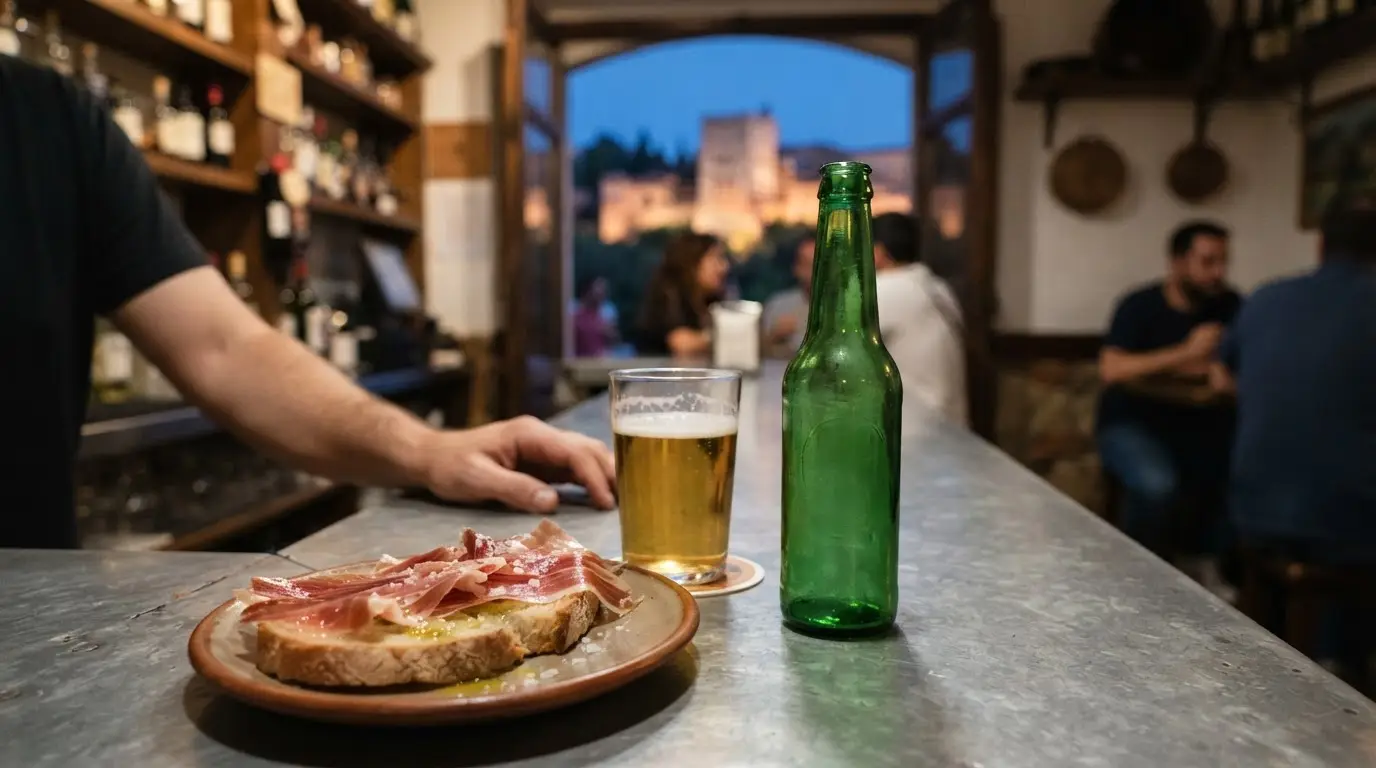
Alhambra Beer History: Why Granada's Brewery Has Two Birthdays
Sarah Mills
Alhambra beer history: brewed in Granada since 1 Nov 1926, founded 1925, a green Reserva 1925 bottle that is part marketing, and Mahou ownership since 2007.
Read
Ron Montero Rum Outlived the Sugar Mills of Motril
Sarah Mills
Ron Montero still distils rum in Motril, long after its sugar mills closed. Learn what shut in 1984 and 2006, and what you can visit on the Costa Tropical.
Read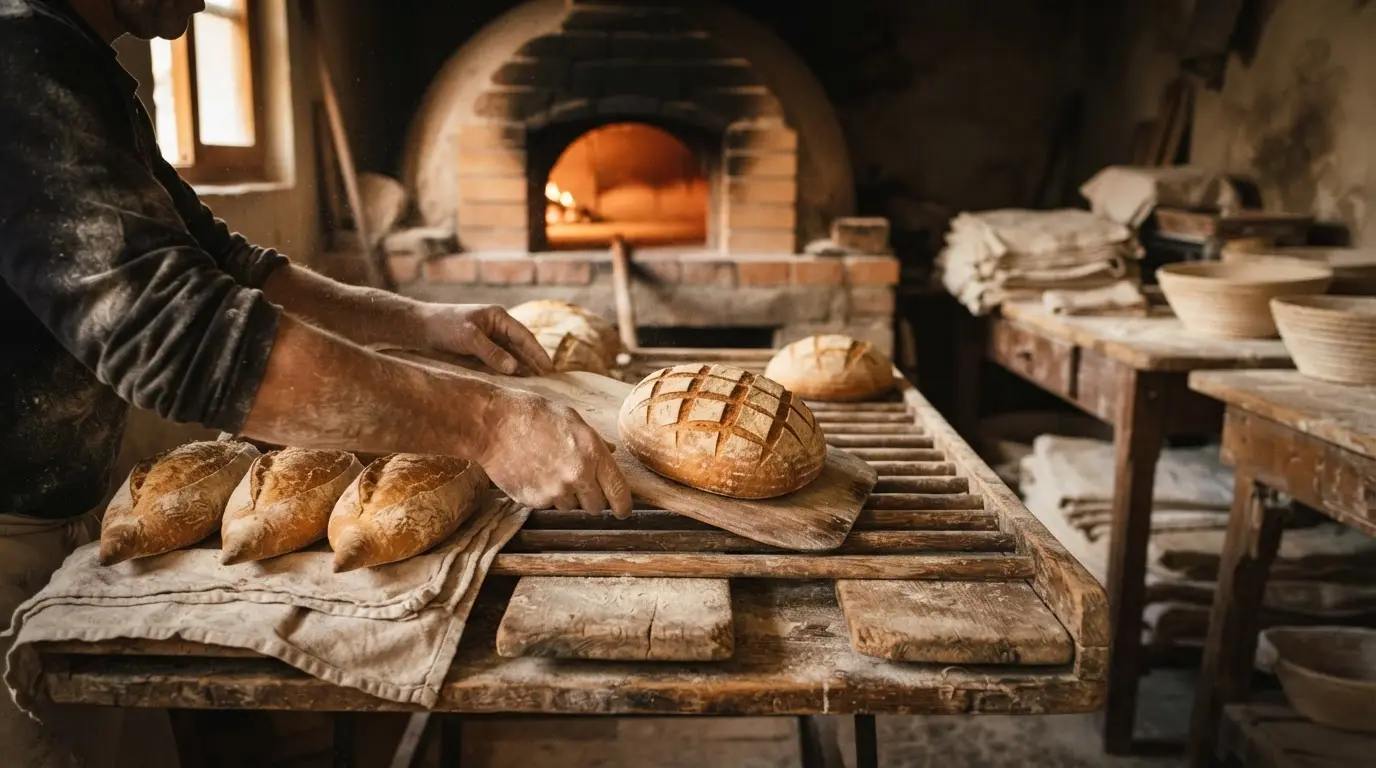
Pan de Alfacar: Why Granada's PGI Bread Comes From Two Villages
Sarah Mills
Pan de Alfacar is a PGI loaf baked only in Alfacar and Víznar with spring water, sourdough and a refractory-floor oven. The four formats and who bakes it.
Read
Val del Omar: Granada's Pioneer of Tactile Cinema
James Walker
Val del Omar, the Granada filmmaker behind tactile vision: from Pedagogical Missions projectionist to Aguaespejo granadino, and where to meet him today.
Read
José Guerrero: Granada's Painter in New York
James Walker
José Guerrero, Granada's painter of the New York School: cathedral bell ringer, Betty Parsons exhibitor, the 1965 return and the free Centro on Calle Oficios.
Read
Ángel Barrios, the Granada Composer Raised in an Alhambra Tavern
James Walker
Ángel Barrios grew up in El Polinario, his father's tavern on Calle Real de la Alhambra, and became Falla's landlord, friend and compadre. What survives.
Read
How the Rains of 1963 Scattered Sacromonte's Cave Families
James Walker
Weeks of rain in 1963 brought down Sacromonte's caves. Who was rehoused at Santa Juliana, El Chinarral and La Virgencica, and what the zambra tradition lost.
Read
Lanjaron Water: The Sierra Nevada Spa Town Explained
James Walker
Lanjaron water comes from a Sierra Nevada town with 50-plus springs. See how a disputed 1774 discovery, a state-sold spa and a bottling plant made the brand.
Read
Mezquita Mayor de Granada: Why It Took 511 Years
James Walker
The Mezquita Mayor de Granada opened in 2003, 511 years after the conquest. How land, money and local hostility delayed the Albaicín mosque for two decades.
ReadSee Modern Granada on the timeline, with its people and monuments
Go deeper
Frequently asked questions
When was the Gran Vía de Colón cut through Granada?
Designed by municipal architect Modesto Cendoya y Busquets after an 1890 Chamber of Commerce proposal, the 821.90-metre avenue was cleared between 1895 and 1908 and built out by 1934. Workers demolished 244 buildings across the medieval medina, including the 14th-century Nasrid palace of Cetti Meriem in 1901, replacing them with 52 new bourgeois blocks.
What was the most destructive modern earthquake near Granada?
On Christmas night, 25 December 1884, a magnitude Mw 6.7 earthquake centred at Arenas del Rey devastated the Alhama de Granada and Zafarraya district southwest of the capital. It remains the last earthquake to cause major casualties in Andalusia, though the Granada basin still records frequent minor swarms such as the 1,693 tremors near Alhendín in 2026.
What happened in Granada during the July 1936 military coup?
On 20 July 1936, garrison rebels with roughly 300 infantry and 180 artillery troops seized central Granada, while working-class defenders in the Albaicín held out behind barricades until artillery forced their surrender on 23 July. Less than a month later, poet Federico García Lorca was arrested on 16 August and shot before midnight on 18 August between Víznar and Alfacar.
What was the 1922 Concurso de Cante Jondo in the Alhambra?
Held on 13 and 14 June 1922 in the Alhambra's Plaza de los Aljibes, the Concurso de Cante Jondo was a competition organised by composer Manuel de Falla and poet Federico García Lorca to rescue traditional Andalusian deep song from commercial stage clichés. Around 4,000 people attended, and prizes went to 72-year-old retired singer Diego Bermúdez (El Tenazas) and 12-year-old Manolo Ortega (Manolo Caracol).