Articles · Modern Granada
Modern Granada: Articles from the Napoleonic Years to Today (Page 3)
French mines under the Alhambra, the 1884 quake, and the garrison revolt of July 1936.
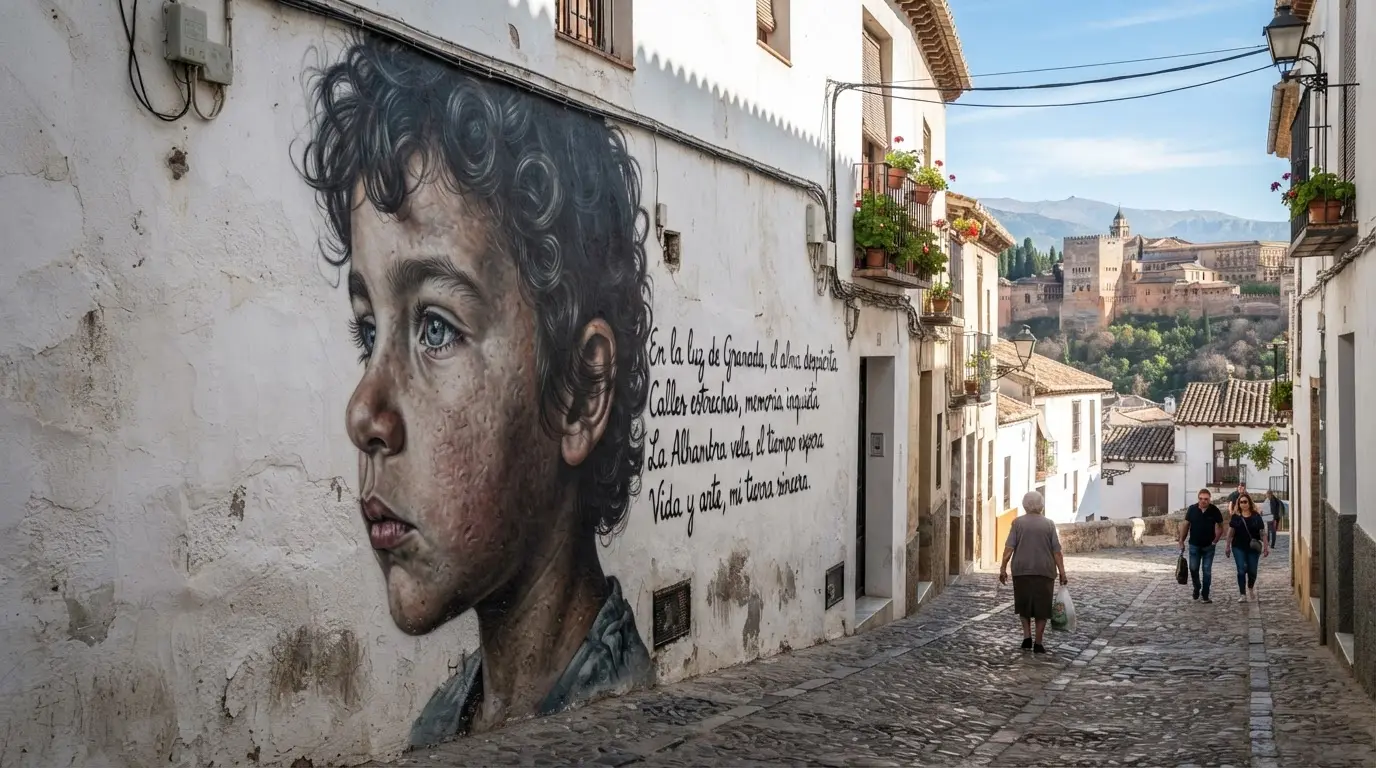
El Niño de las Pinturas: The Artist of the Realejo
James Walker
Raúl Ruiz is El Niño de las Pinturas, the Granada street artist who made the Realejo an open-air gallery and painted his celebrated Lorca mural in New York.
Read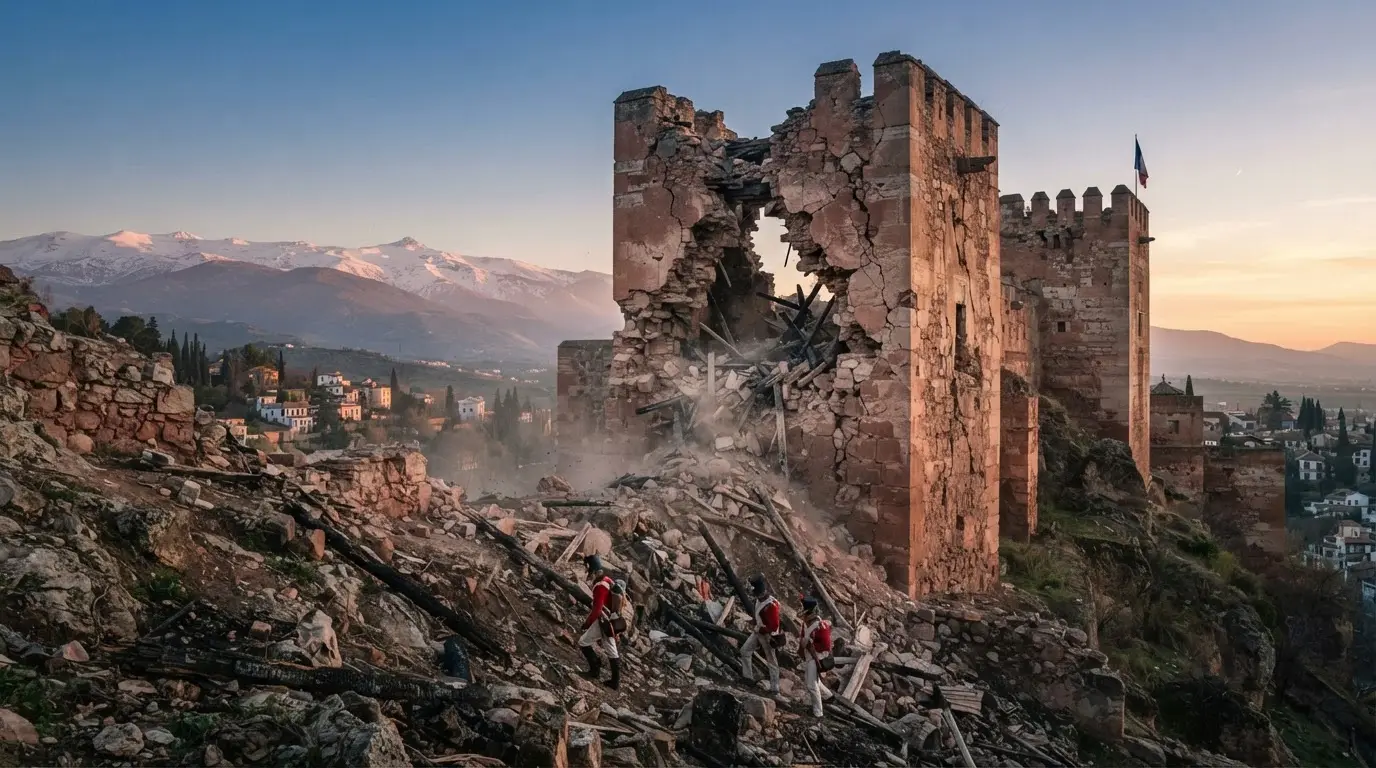
Napoleon in Granada: The Plot to Blow Up the Alhambra
James Walker Updated
In 1812, retreating French troops mined the Alhambra's towers to stop it becoming a fortress again. Eight fell before a disabled soldier disarmed the rest.
Read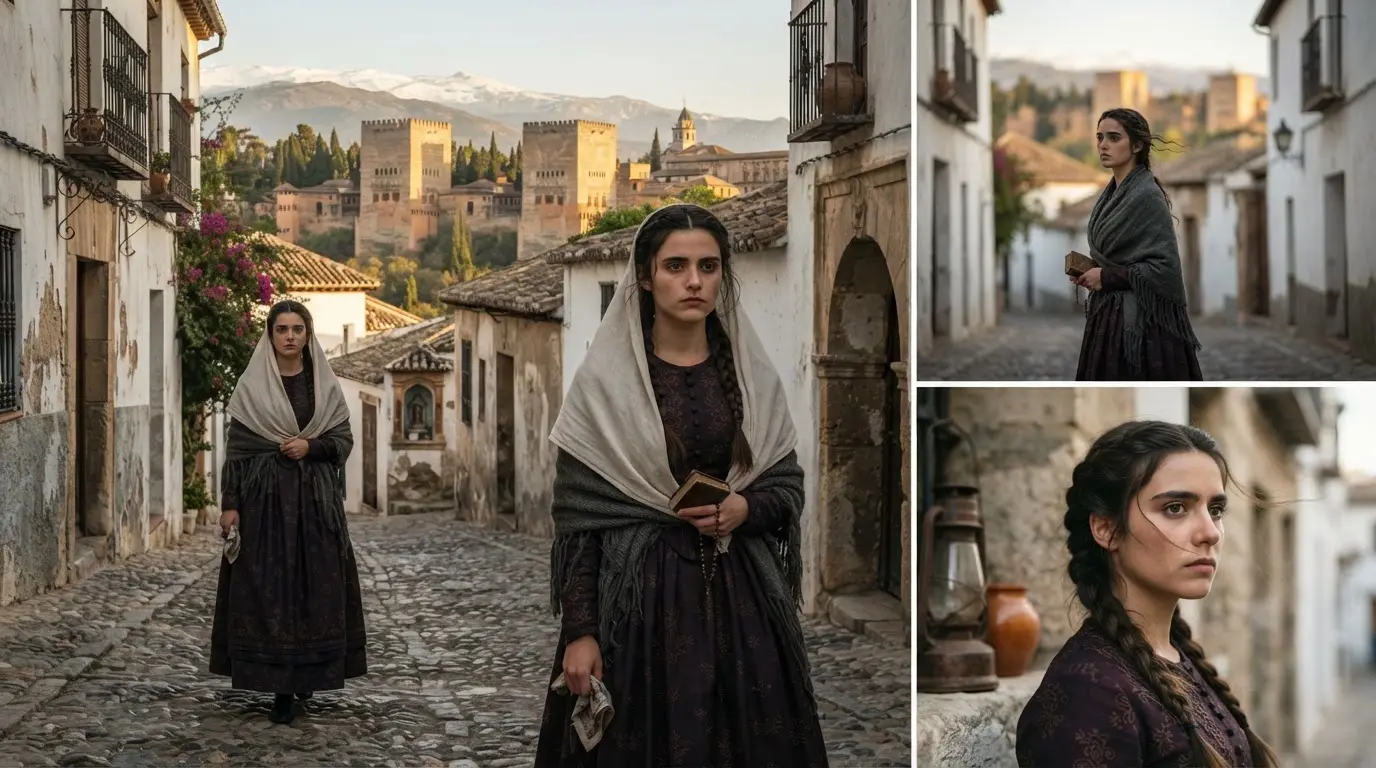
Mariana Pineda: Granada's Liberal Heroine Executed for Freedom
James Walker Updated
Mariana Pineda, Granada's liberal heroine, was executed by garrote vil in 1831 for a flag found in her house. Her story shaped Lorca's play and Granada's Plaza.
Read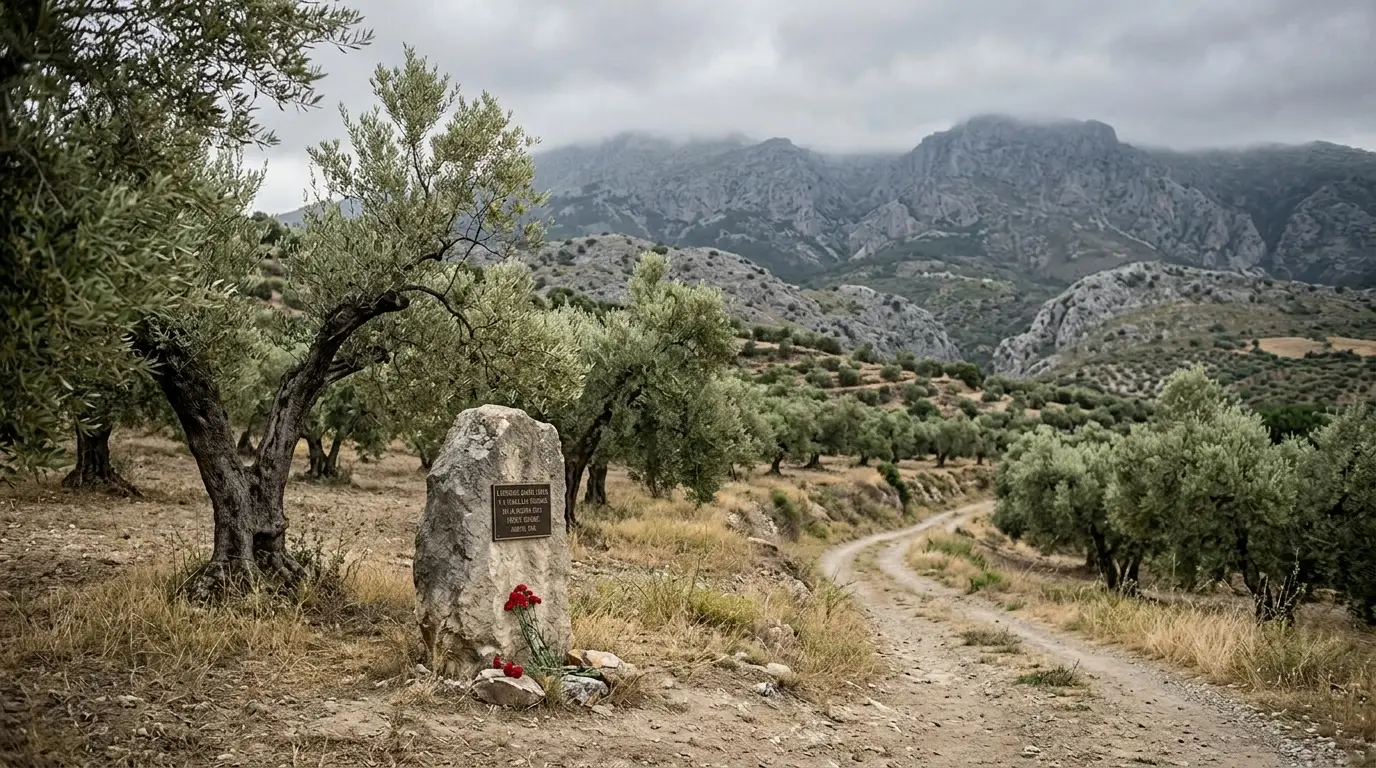
Lorca's Last Day: The 48 Hours That Killed Spain's Greatest Poet
James Walker Updated
Federico García Lorca was arrested on 16 August 1936 and shot by a firing squad near Víznar before midnight on 18 August — his last 48 hours, hour by hour.
Read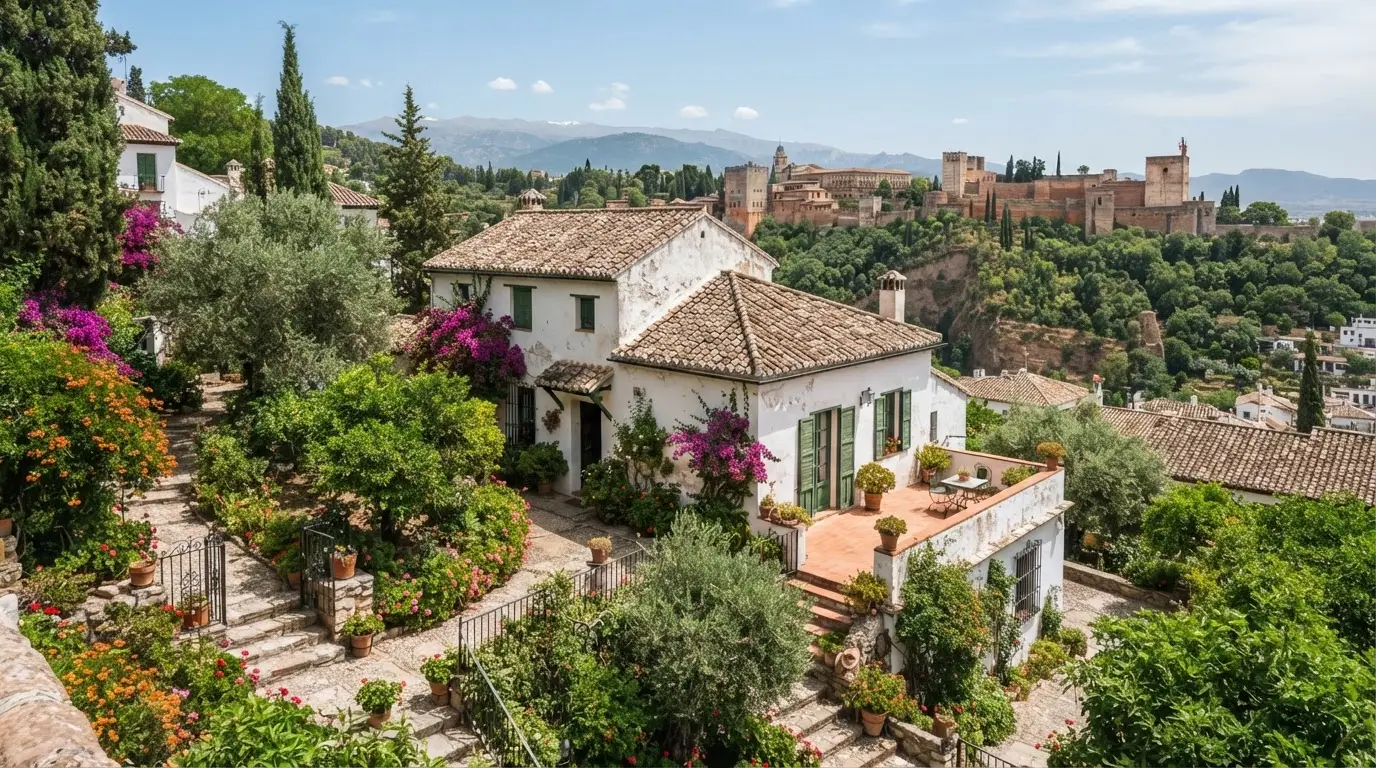
Manuel de Falla in Granada: Composer, Exile, Legacy
James Walker Updated
Manuel de Falla lived in Granada from 1921 to 1939, composing at the foot of the Alhambra and co-organising the landmark 1922 Cante Jondo contest with Lorca.
Read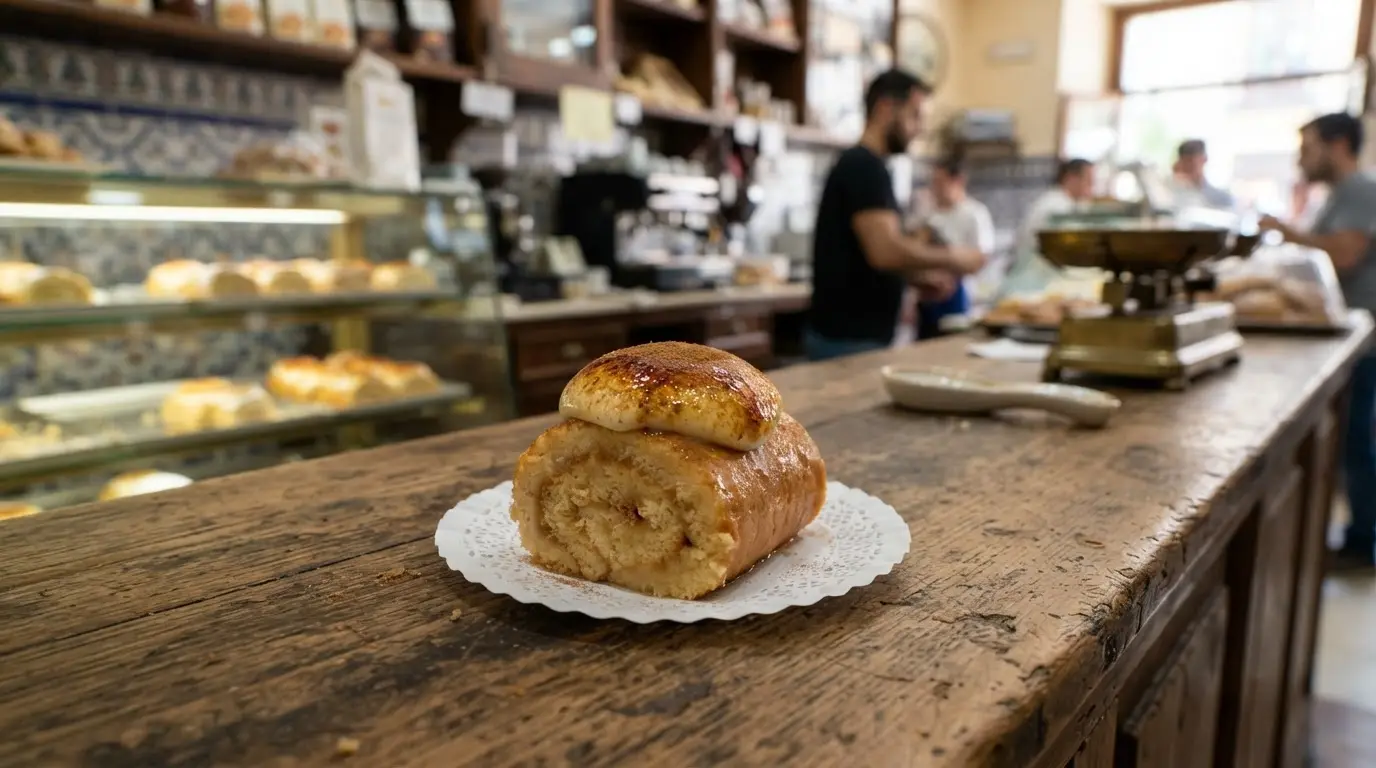
Pionono pastry: Granada's papal sweet and its 1897 origin
Sarah Mills Updated
A single pastry chef in Santa Fe, 1897, rolled sponge around egg-yolk cream and named it after a pope. Why Granada's iconic sweet has outlasted everything else.
Read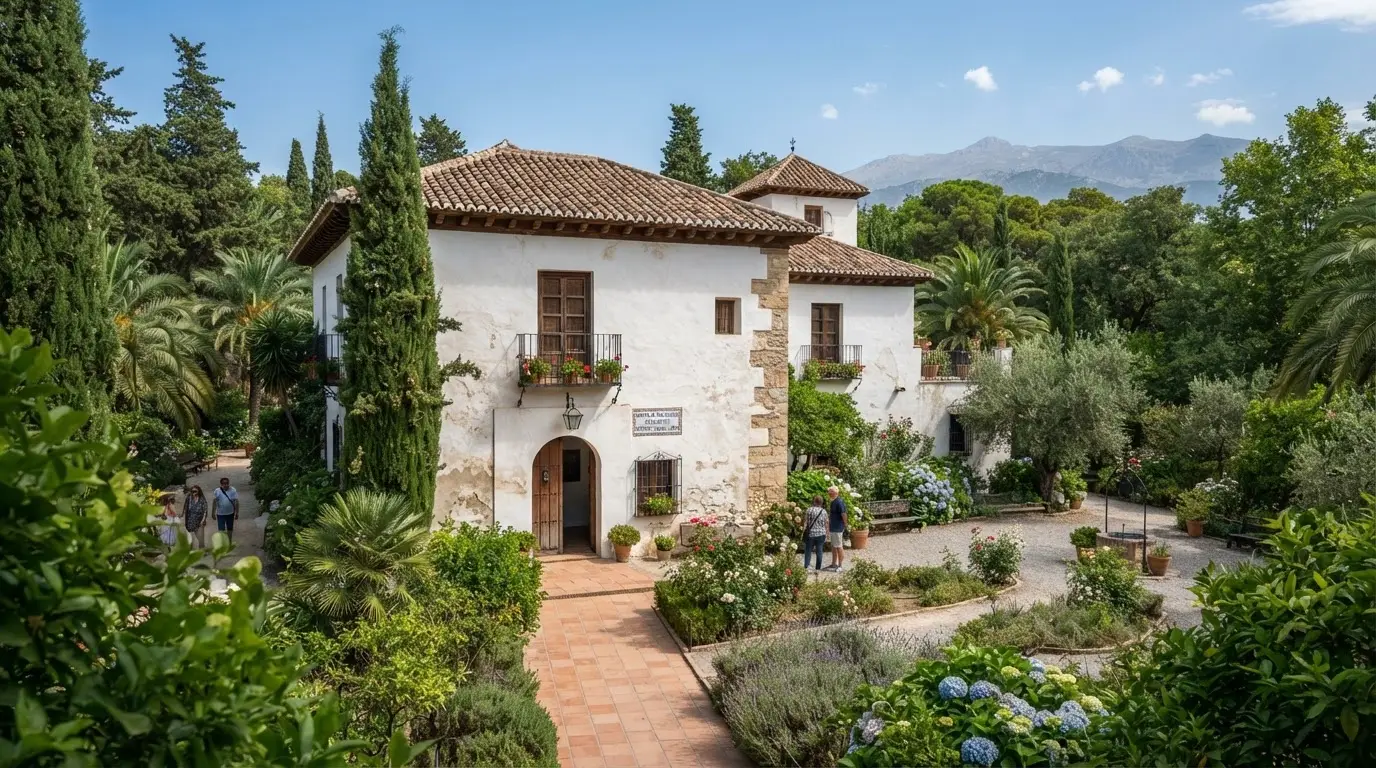
Federico García Lorca and Granada: the city that made him
James Walker Updated
Lorca wrote his major plays in Granada, was shot nearby in 1936, and his grave has never been found. His house-museum, the grave site, and how to visit.
Read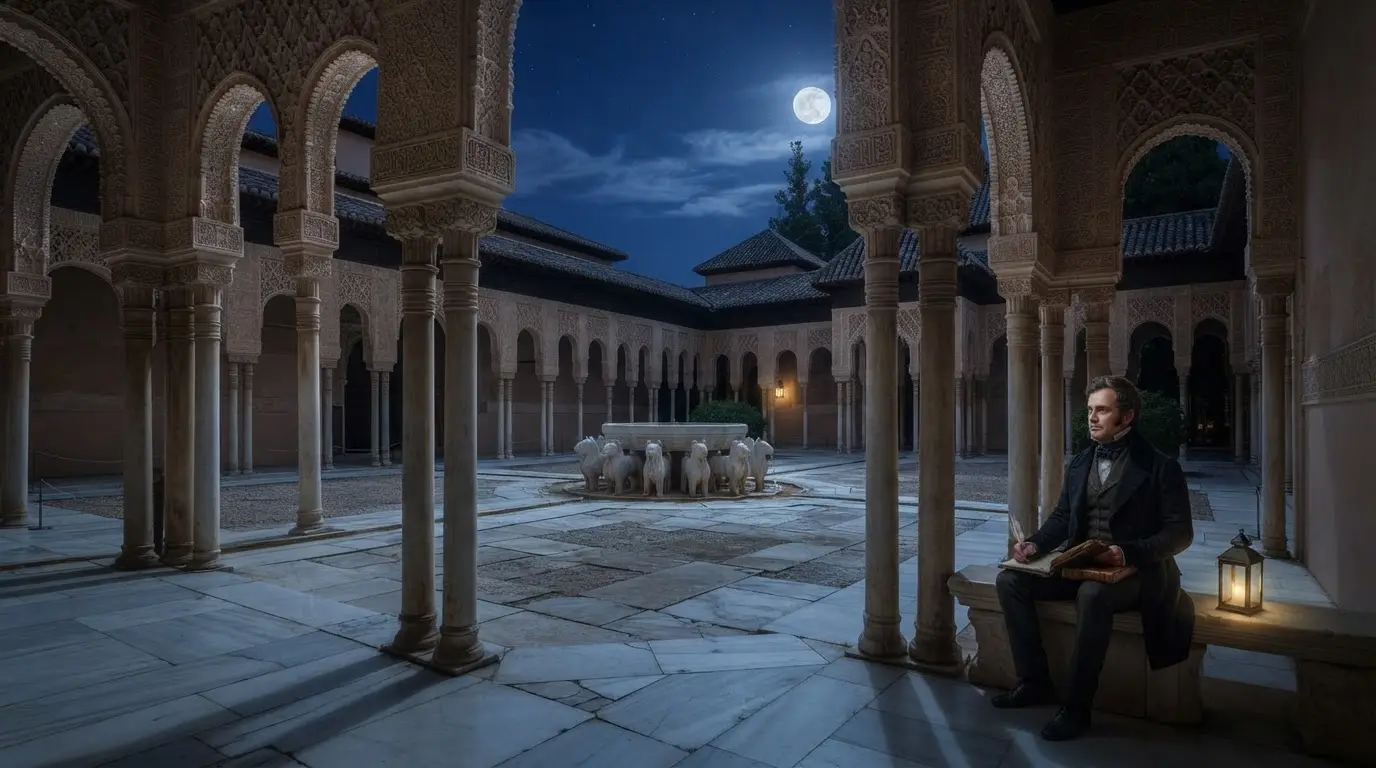
Washington Irving and the Tales of the Alhambra
James Walker Updated
Washington Irving lived in the Alhambra in 1829 and published Tales of the Alhambra in 1832, sparking the tourism boom that made it Spain's top monument.
Read