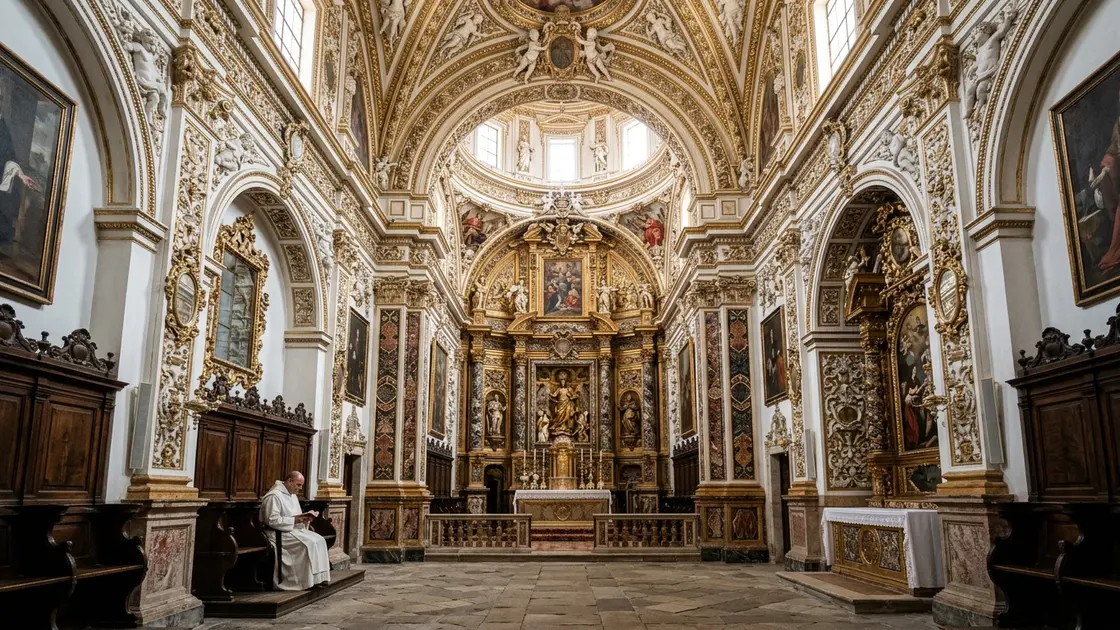
Gonzalo Fernández de Córdoba, the general known as El Gran Capitán, founded this Carthusian monastery in 1516 and then ran out of money: construction dragged on for three centuries, with each generation of monks adding its own layer. The result is a building that looks austere from outside and grows steadily more extravagant the deeper you go, ending in one of the most ornate Baroque sacristies in Spain.
When to Visit
Best season
Year-round; spring and autumn avoid summer heat on the walk from the city centre
Quietest hours
Weekday afternoons at 16:00, after the morning tour groups have left
Visit duration
45 to 60 minutes
Who built La Cartuja, and why the outside doesn't match the inside
The Carthusians were the strictest order in the Catholic Church: perpetual silence, individual cells, no unnecessary contact. The monks who built this place lived like hermits.
What they built in their church and sacristy is anything but austere. The plain exterior gives no hint of what's inside; the decoration builds section by section as you move from the entrance toward the sacristy at the heart of the complex.
Go at 16:00 on a weekday afternoon
The afternoon session at 16:00 is consistently quieter than the morning rush. Most organised tours hit La Cartuja between 10:30 and 12:00. Coming in the late afternoon on a Tuesday or Wednesday means you'll likely have the sacristy largely to yourself. The light inside is artificial anyway, so the hour doesn't affect what you see — but the silence does affect how you experience it.
Inside the Baroque sacristy
The sacristy, completed between 1713 and 1747, is the reason to come. Architect Federico Hurtado Izquierdo covered every surface, walls, pilasters, ceiling, in polychrome marble inlay, carved stucco, and gilded woodwork. The altar tabernacle combines tortoiseshell, bronze, and silver into something that reads as almost abstract: a riot of geometry that somehow coheres.
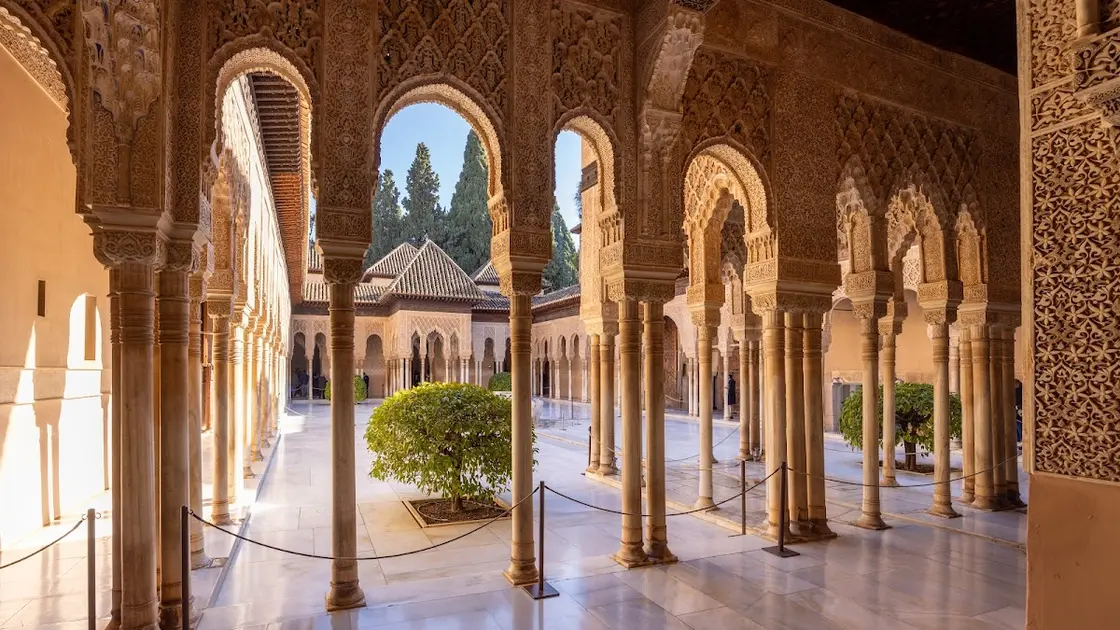
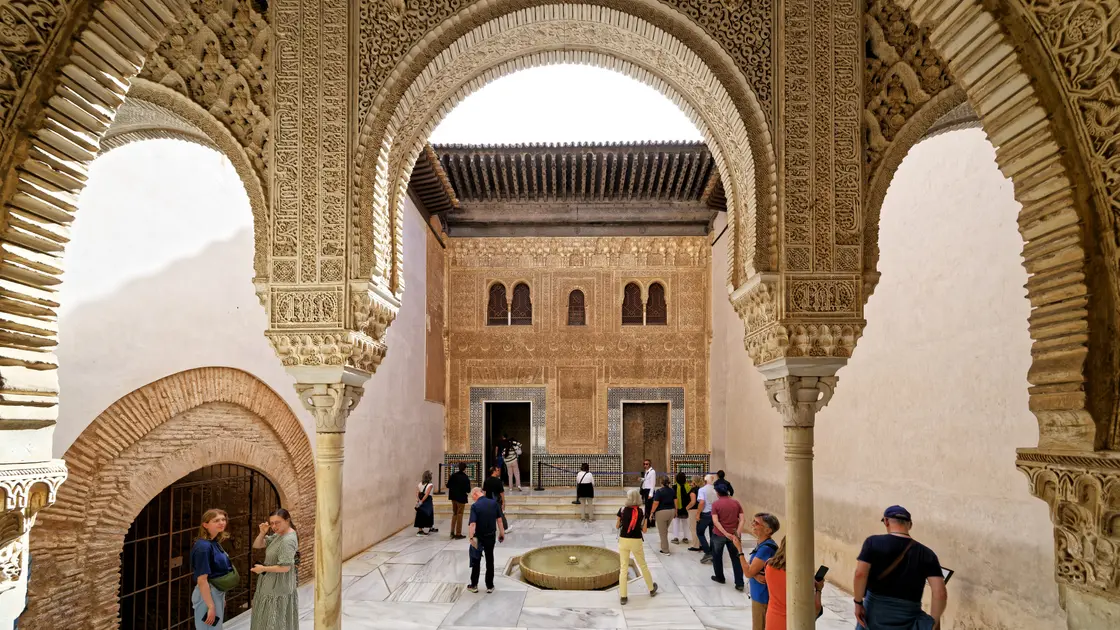
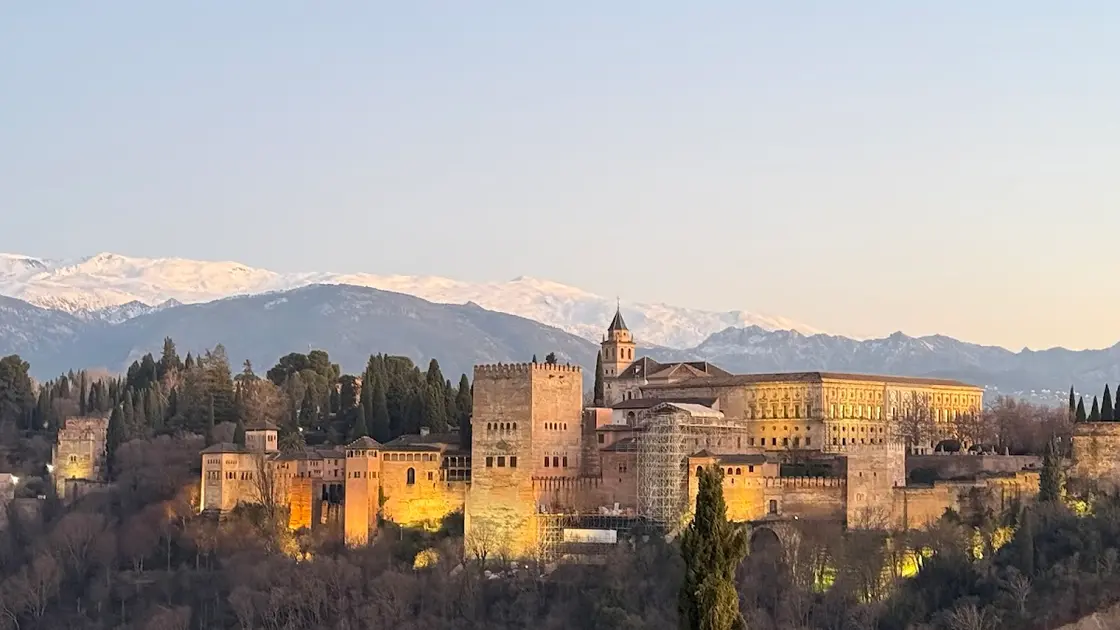
Art historians have compared it to the Alhambra in its commitment to total decoration, though the two buildings work in opposite directions. Where the Alhambra's Nasrid palaces use water, light, and repetition to induce calm, La Cartuja's sacristy piles material on material until it tips into ecstasy.