Fray Luis de Granada: The Friar Who Wrote Bestsellers
Fray Luis de Granada, the Dominican friar from Granada, Spain, wrote devotional books read across Europe. His life, his Index trouble, and the Realejo traces.
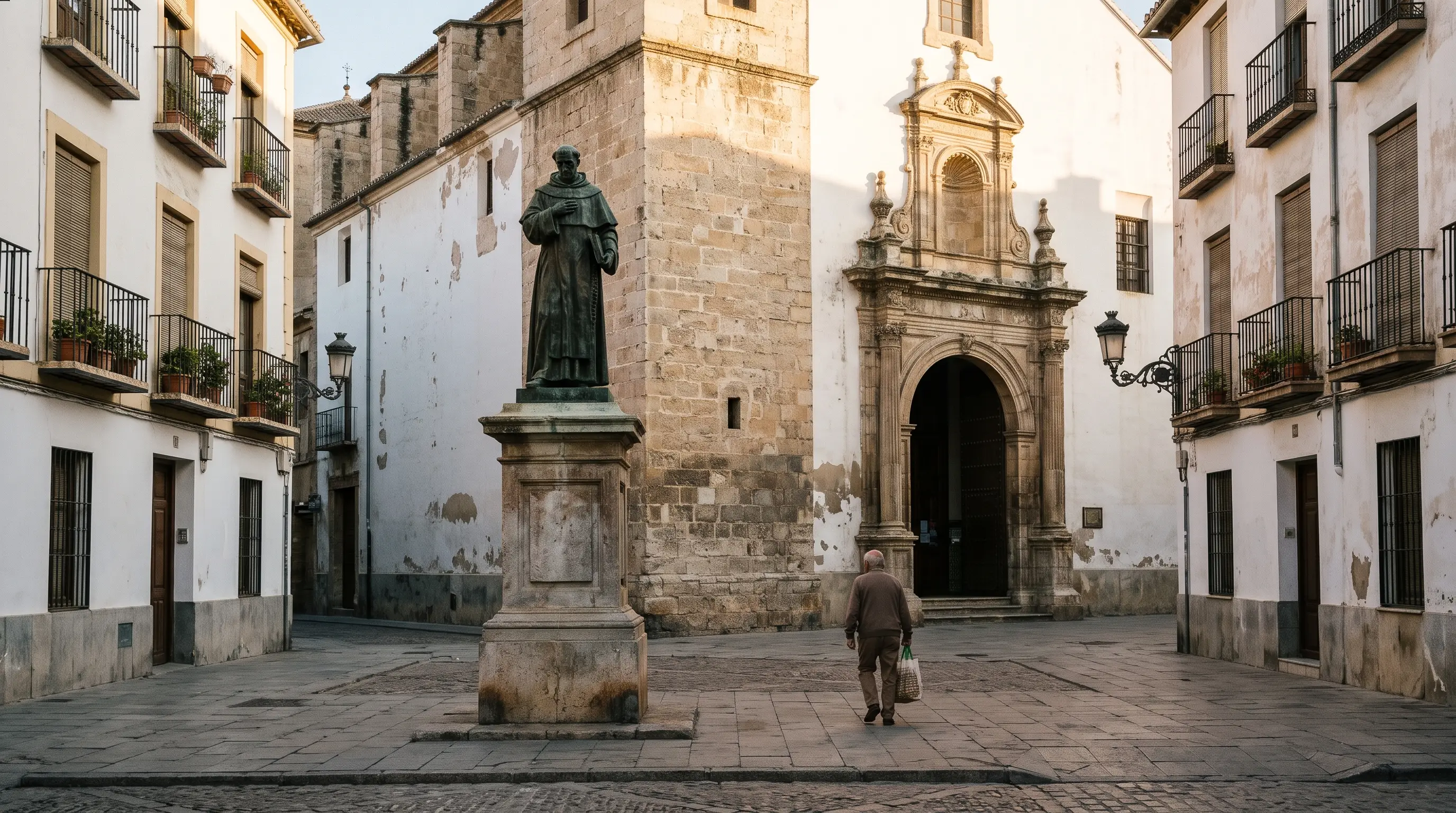
Fray Luis de Granada was a Dominican friar, preacher and writer born in Granada, Spain, who died in Lisbon on 31 December 1588.
In this article
Jump to a section
An orphan at the Santa Cruz convent
Two books that crossed Europe
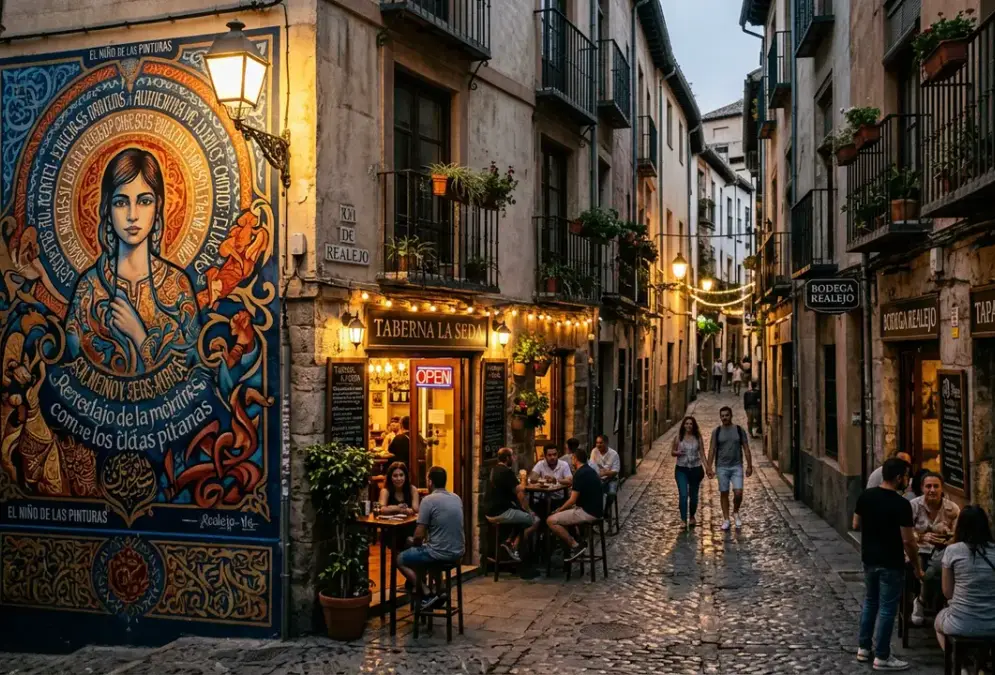
Explore · Neighbourhood
Realejo / Jewish Quarter
Medieval Granada's Jewish quarter, now a neighbourhood of historic palaces, street art, and the city's finest tapas bars — all at the foot of the Alhambra.
- Italian
- Latin
- French
- German
- Polish
- Greek
The Index of 1559 and the road to Portugal
- 1504 or 1505
- 1554
Libro de la oración y meditación
First printed in Salamanca.[11]
- 1556
Guía de pecadores
First printed in Lisbon.[6]
- 1557
Provincial in Portugal
Heads the Portuguese Dominicans.[18]
- 1559
Works placed on the Index
He revises the prayer book.[5]
- 1572
Spanish treatises in Antwerp
Published by Christopher Plantin.[15]
- 31 Dec 1588
Dies in Lisbon
Born in Granada, he never returns to live.[3]
Lisbon: the preacher who declined a cardinal's hat
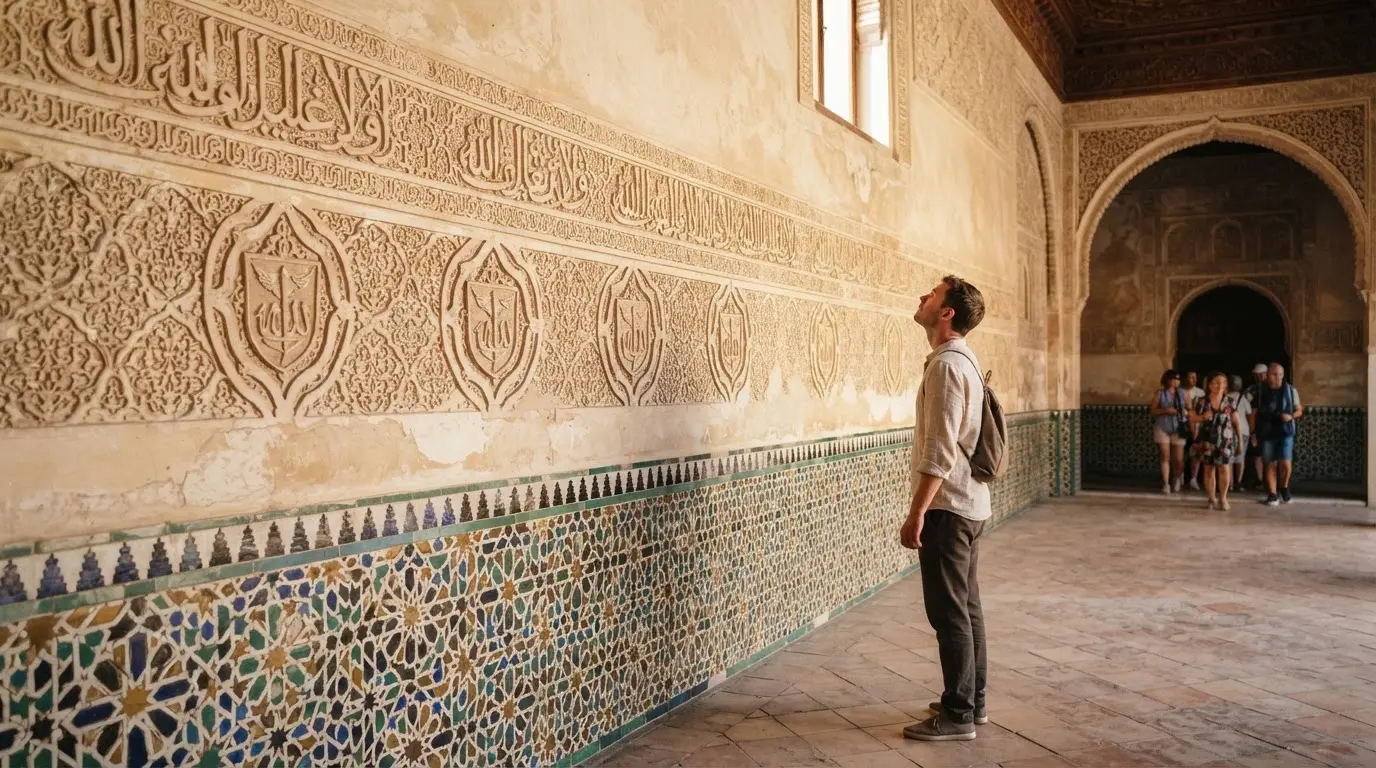
Deep dive · Article
Alhambra Inscriptions Meaning: There Is No Victor but God
The Nasrid motto wa la ghalib illa Allah, no victor but God, recurs across the Alhambra's walls. What it means, where the legend comes from and how to spot it.
Where Fray Luis de Granada survives in the Realejo
Recommended tours
Tours are selected for quality, not commission. We earn a small fee if you book — at no extra cost to you.
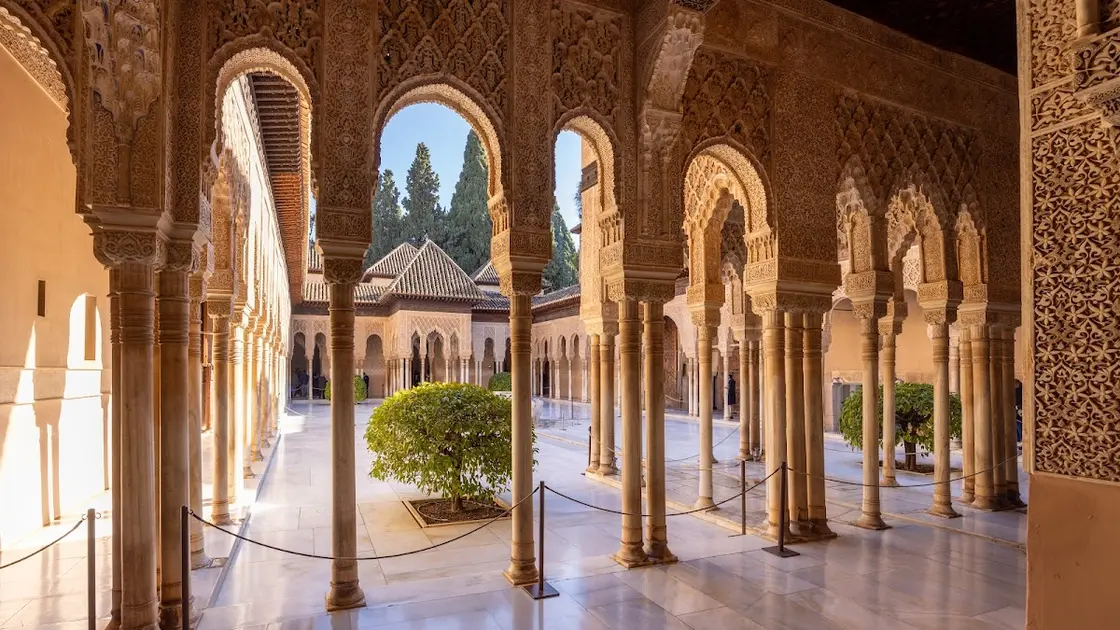
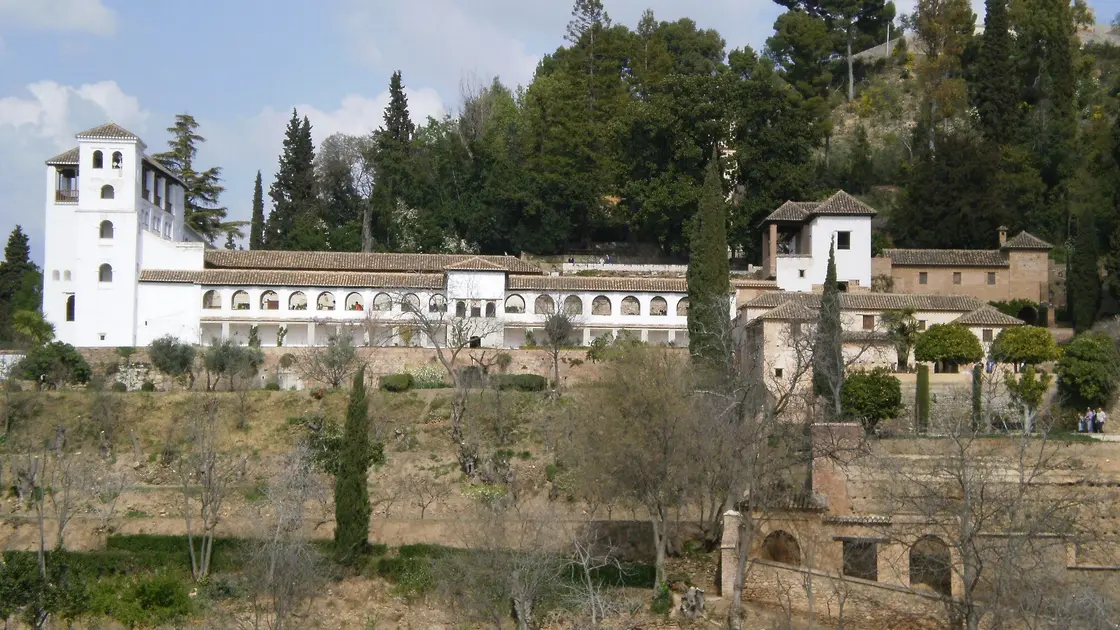
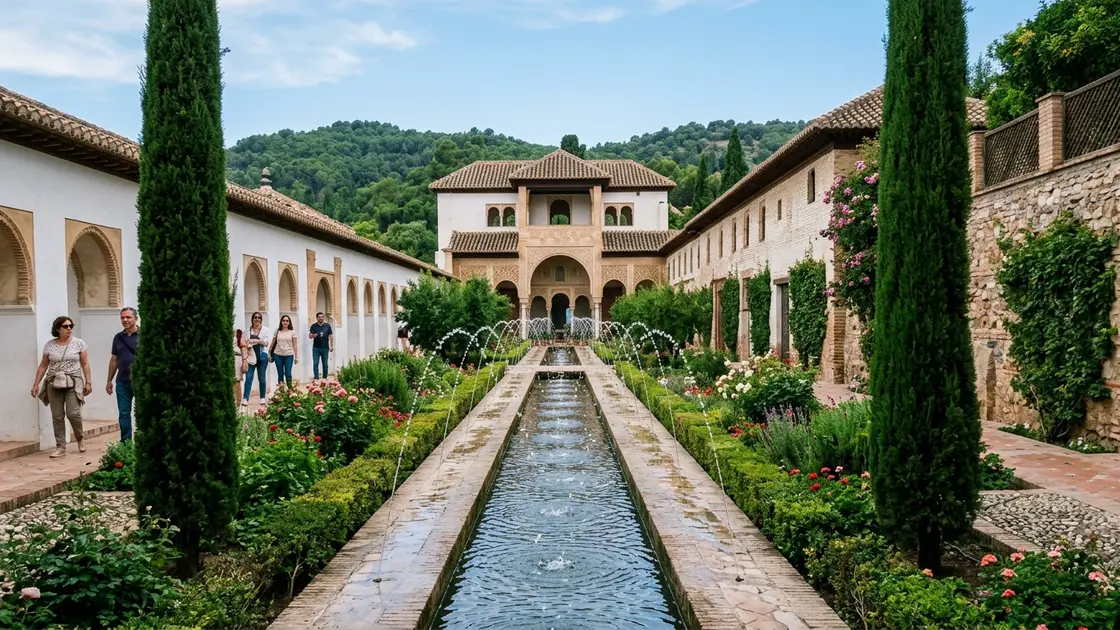
- the bronze monument to Fray Luis de Granada in the square, catalogued by the Andalusian heritage institute[26]
- the church and convent complex on the same square
- the surrounding Realejo streets and their Jewish-quarter history
Frequently asked questions
Who was Fray Luis de Granada?
Where and when was Fray Luis de Granada born?
Is Fray Luis de Granada the same person as Fray Luis de León?
What is the Guía de pecadores?
Why were the books of Fray Luis de Granada put on the Index?
Where is the monument to Fray Luis de Granada in Granada?
Did Fray Luis de Granada write in Spanish?
Sources
29 references Show Hide
- biografiasyvidas.com (opens in a new tab)
“Insigne orador y escritor, ya en su época fue conocido con toda justicia como el "Cicerón de España".”
- newadvent.org (opens in a new tab)
“Nearly all of these works were translated into the various European languages and several into Turkish and Japanese.”
- newadvent.org (opens in a new tab)
“b. of very humble parentage at Granada, Spain, 1505; d. at Lisbon, 31 December, 1588.”
- cdn.juntadeandalucia.es (opens in a new tab)
“ubicada en el tradicional barrio del Realejo de Granada.”
- gcloyola.com (opens in a new tab)
“En 1559 las obras publicadas por Fray Luis hasta aquel momento fueron incluidas en el Índice de libros prohibidos”
- rarebooks.library.nd.edu — 1588 deGranada (opens in a new tab)
“The Guia de peccadores, first printed in Lisbon in 1556 (Llaneza 2: 3-5 n° 1222), was one of Luis' most popular and widely published works.”
- biografiasyvidas.com (opens in a new tab)
“(Luis de Sarria; Granada, 1504 - Lisboa, 1588) Escritor español, destacada figura de la literatura ascética del Siglo de Oro.”
- biografiasyvidas.com (opens in a new tab)
“Quedó huérfano siendo muy niño y entró de monaguillo en el convento de Santa Cruz de Granada de los dominicos”
- biografiasyvidas.com (opens in a new tab)
“decidió protegerle y lo nombró paje de sus hijos, a quienes acompañó en sus estudios.”
- newadvent.org (opens in a new tab)
“At the age of nineteen he was received into the Dominican Order in the convent of Santa Cruz, Granada.”
- rarebooks.library.nd.edu — 1588 deGranada (opens in a new tab)
“The Libro de la Oracion y Meditacion was first printed in 1554 in Salamanca by Andrés de Portonariis”
- Wikipedia (opens in a new tab)
“The unexpected success of the book led him to dedicate himself to writing on spiritual themes for all.”
- newadvent.org (opens in a new tab)
“Within a comparatively short time after its first appearance it was translated into Italian, Latin, French, German, Polish, and Greek.”
- biografiasyvidas.com (opens in a new tab)
“Sus obras fueron conocidas en Europa en los originales (escribió en latín, castellano y portugués) y en numerosas traducciones a todas las lenguas europeas.”
- rarebooks.library.nd.edu — Granada (opens in a new tab)
“His Spanish treatises were published in Antwerp by the prestigious printer Christopher Plantin in 1572.”
- produccioncientifica.ugr.es (opens in a new tab)
“In one year, 1598, he published three translations of some of Granada's most famous and international works”
- Wikipedia (opens in a new tab)
“Teresa of Ávila read his books and commanded her nuns to do so.”
- newadvent.org (opens in a new tab)
“he was transferred to the latter country, where he became provincial of the Portuguese Dominicans in 1557.”
- biografiasyvidas.com (opens in a new tab)
“la Inquisición ordenó algunas supresiones del texto de la primera edición.”
- biografiasyvidas.com (opens in a new tab)
“Parece ser que pasó a Portugal por orden de sus superiores para eludir las pesquisas de la Inquisición”
- newadvent.org (opens in a new tab)
“The honours of the cardinalate, offered to him by Pope Sixtus V, were also declined.”
- biografiasyvidas.com (opens in a new tab)
“haber reconocido y defendido la superchería de una monja dominica milagrera de la Anunziata de Lisboa.”
- archivodominicano.dominicos.org (opens in a new tab)
“la Orden de Santo Domingo lideró la presencia regular en la ciudad entre 1492 y 1835”
- cdn.juntadeandalucia.es (opens in a new tab)
“Dirección: Plaza de Santo Domingo, núm. 1.”
- cdn.juntadeandalucia.es (opens in a new tab)
“Denominación: Fray Luis de Granada. Clasificación: pinturas de caballete.”
- repositorio.iaph.es (opens in a new tab)
“Monumento a Fray Luis de Granada en Plaza de Santo Domingo”
- turismo.granada.org (opens in a new tab)
“En el corazón del barrio del Realejo se levanta la iglesia de Santo Domingo, actual sede parroquial de Santa Escolástica”
- turismo.granada.org (opens in a new tab)
“La iglesia, iniciada en 1512, responde a un esquema de cruz latina de gran desarrollo”
- turismo.granada.org (opens in a new tab)
“Horario de visitas guiadas: L-V 12:00. D 17:00, 18:00, 19:00 Cita previa en el teléfono 623 061 000”