Articles · Early Islamic, Zirid & Almohad
Early Islamic Granada: Articles on the Zirid Era
Medina Elvira leads until 1013; then the Zirids take the hilltop and 1066 ends the Jewish Golden Age.
These articles cover the Zirid city on the Albaicín hill, from Medina Elvira's decline to the walls and cisterns that remain, and the Jewish Golden Age that ended in 1066. For readers who want Granada's story before the Alhambra.
10 articles · 711–1238
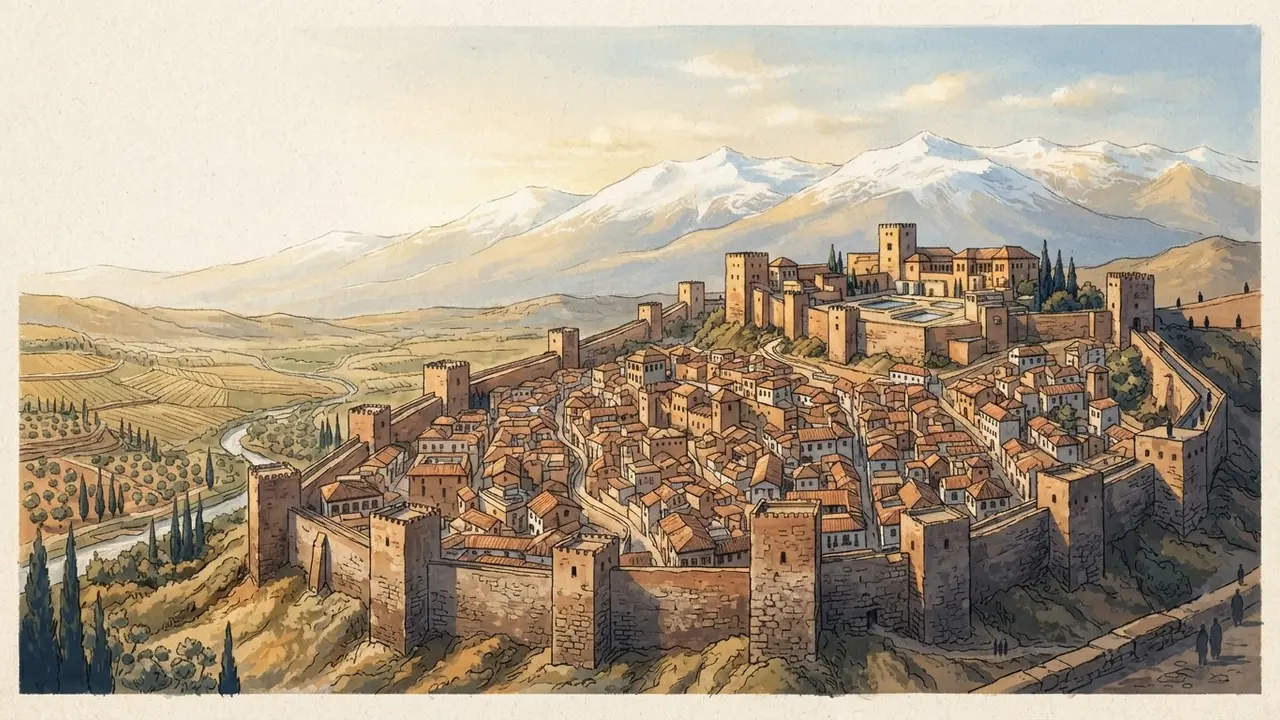
Articles on Early Islamic, Zirid & Almohad
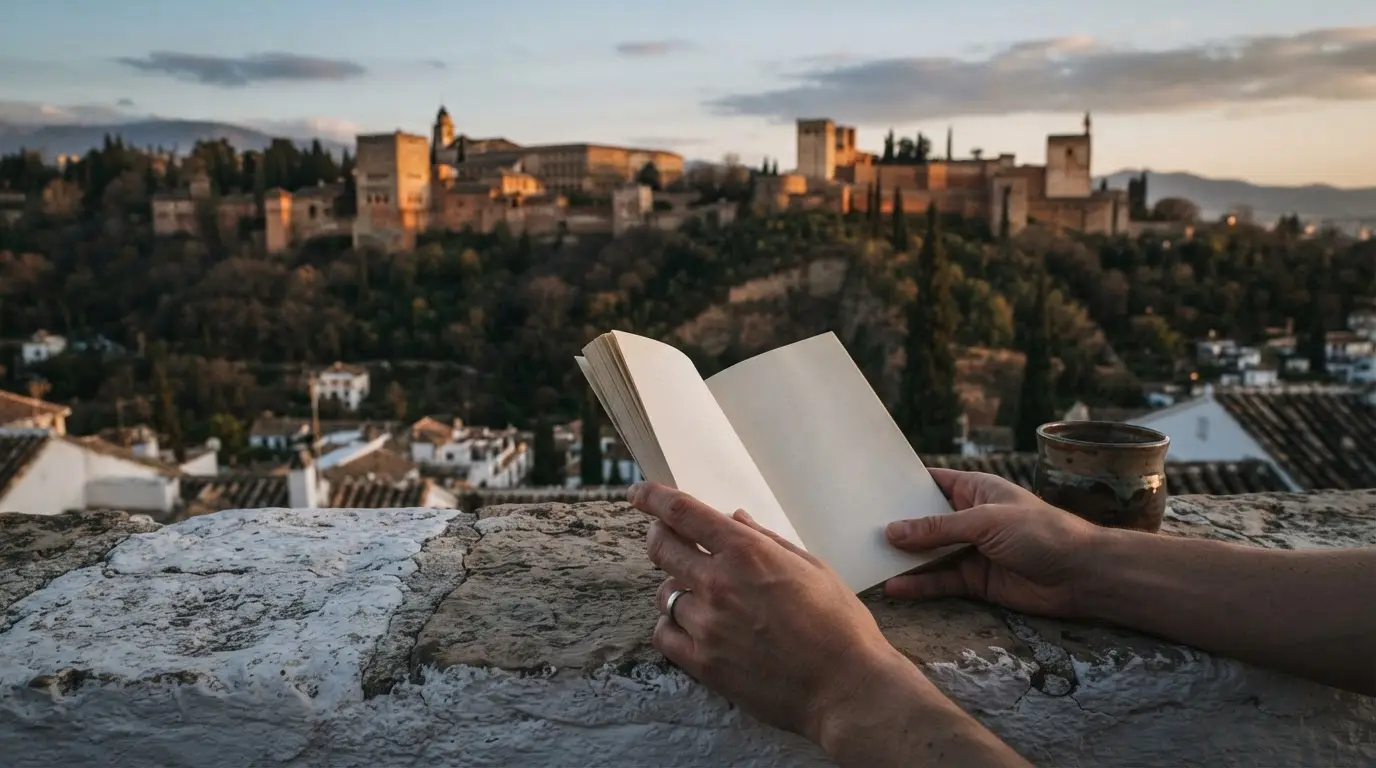
Hafsa bint al-Hajj: Granada's Poet of Love and Loss
James Walker
Hafsa bint al-Hajj al-Rakuniyya, Granada's last major Andalusi woman poet: her Almohad-era love affair, her lover's execution and her Marrakech teaching years.
Read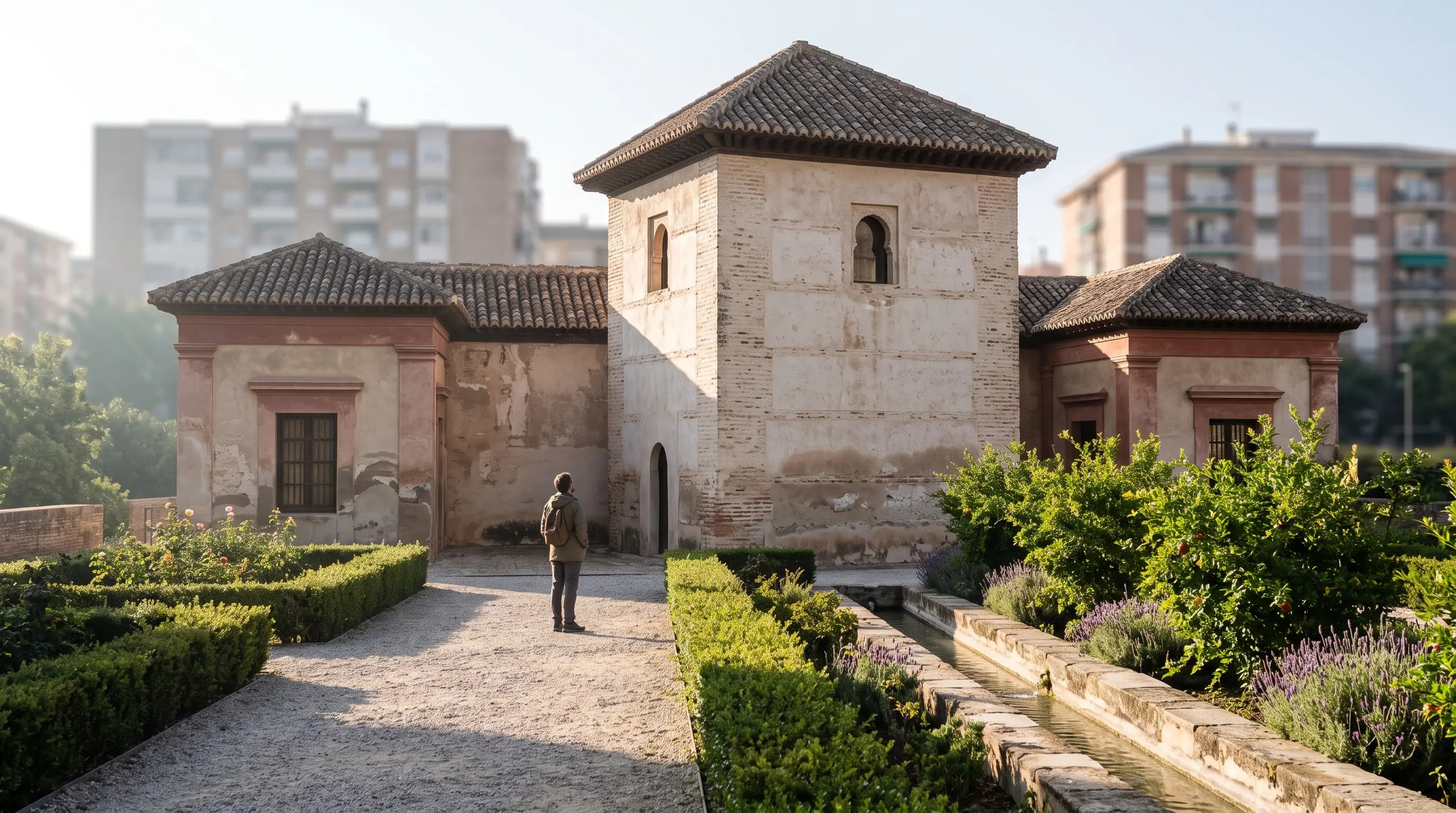
Alcazar Genil, Granada's Riverside Palace That Lost Its Pool
James Walker Updated
Alcazar Genil in Granada today: one 13th-century qubba, two 1892 wings, a garden and the great pool inside a metro station. Free weekday visits, how to go.
Read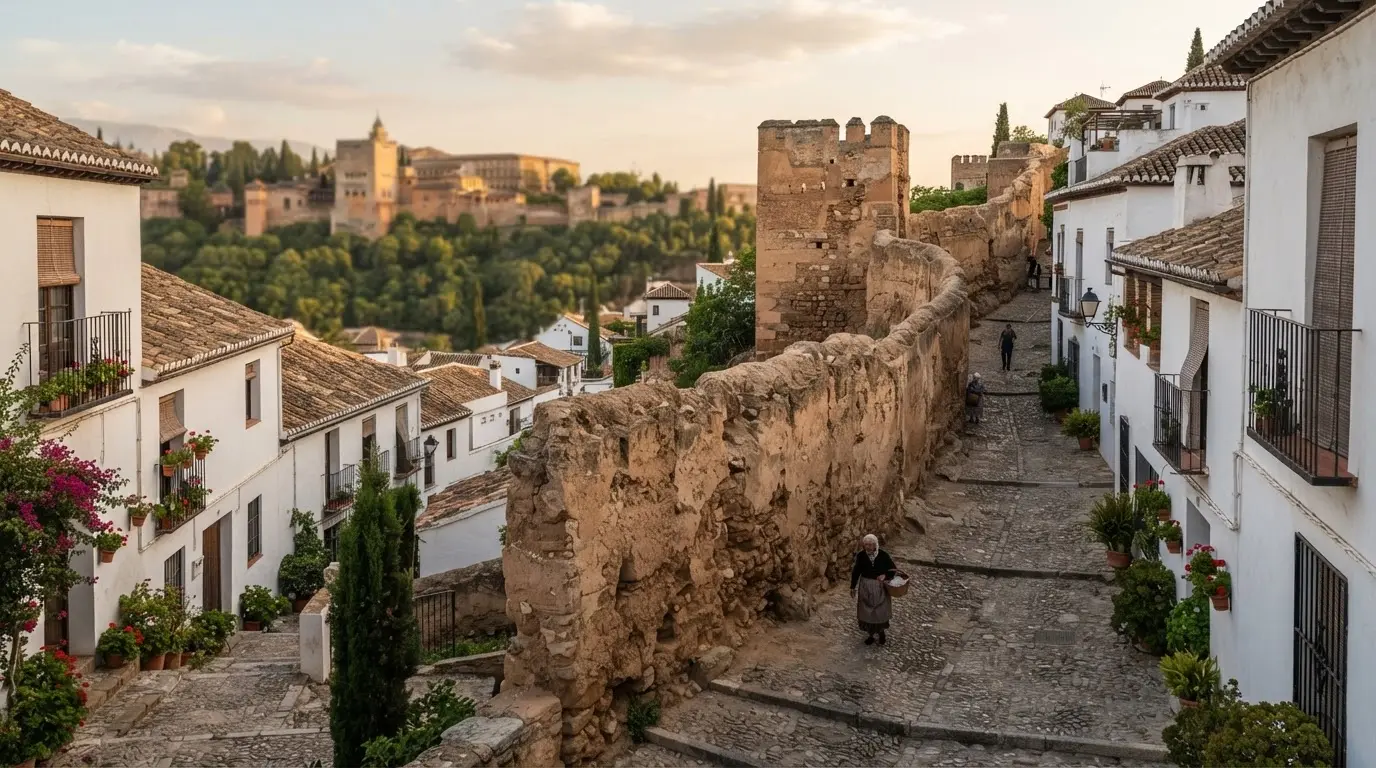
Granada City Walls: Tracing the Zirid Circuit
James Walker
Granada's oldest walls aren't at the Alhambra. Trace the 11th-century Zirid circuit through the Albaicín: surviving towers, vanished gates, Puerta de Elvira.
Read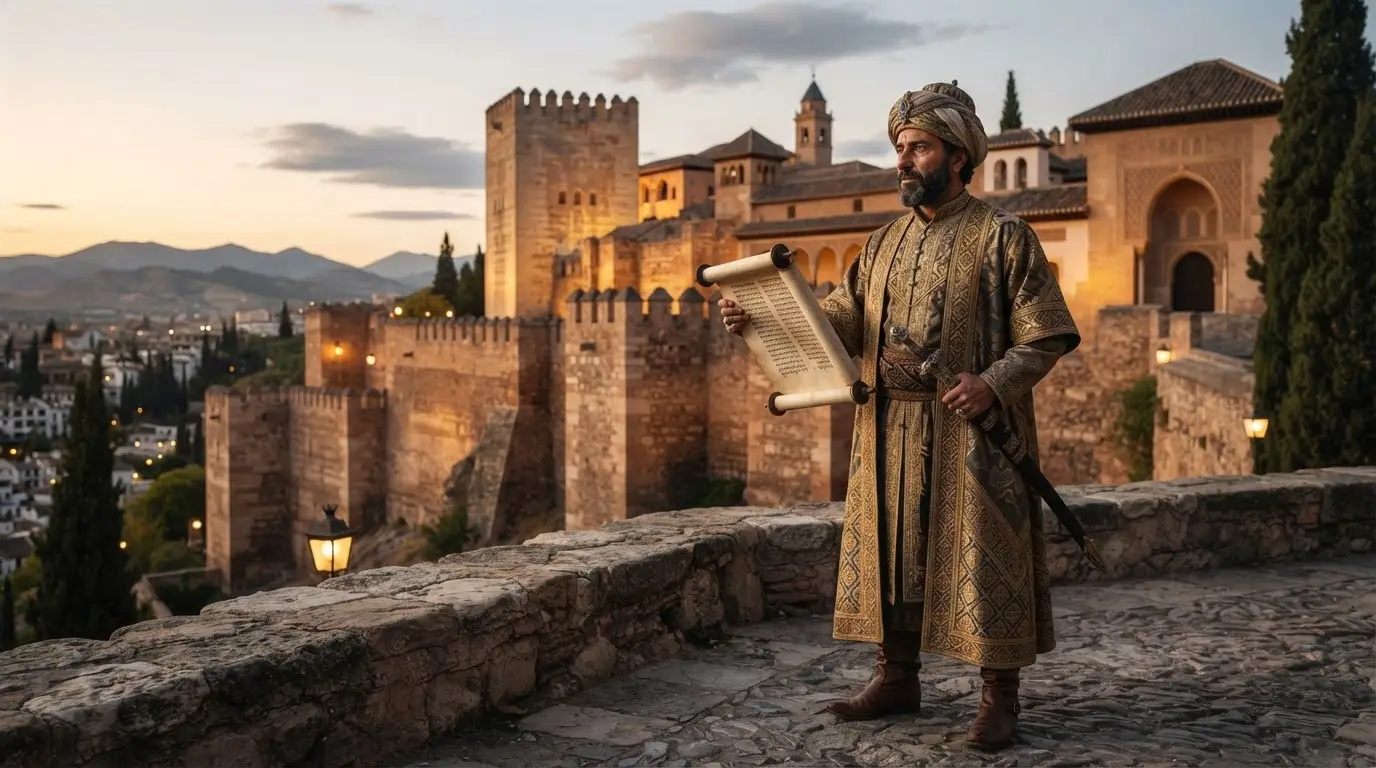
Samuel Ha-Nagid: Granada's Warrior Poet-Vizier
James Walker
Samuel ha-Nagid fled Córdoba in 1013, rose from a Málaga spice shop to command Granada's Muslim army as vizier, and helped define Hebrew's Golden Age poetry.
Read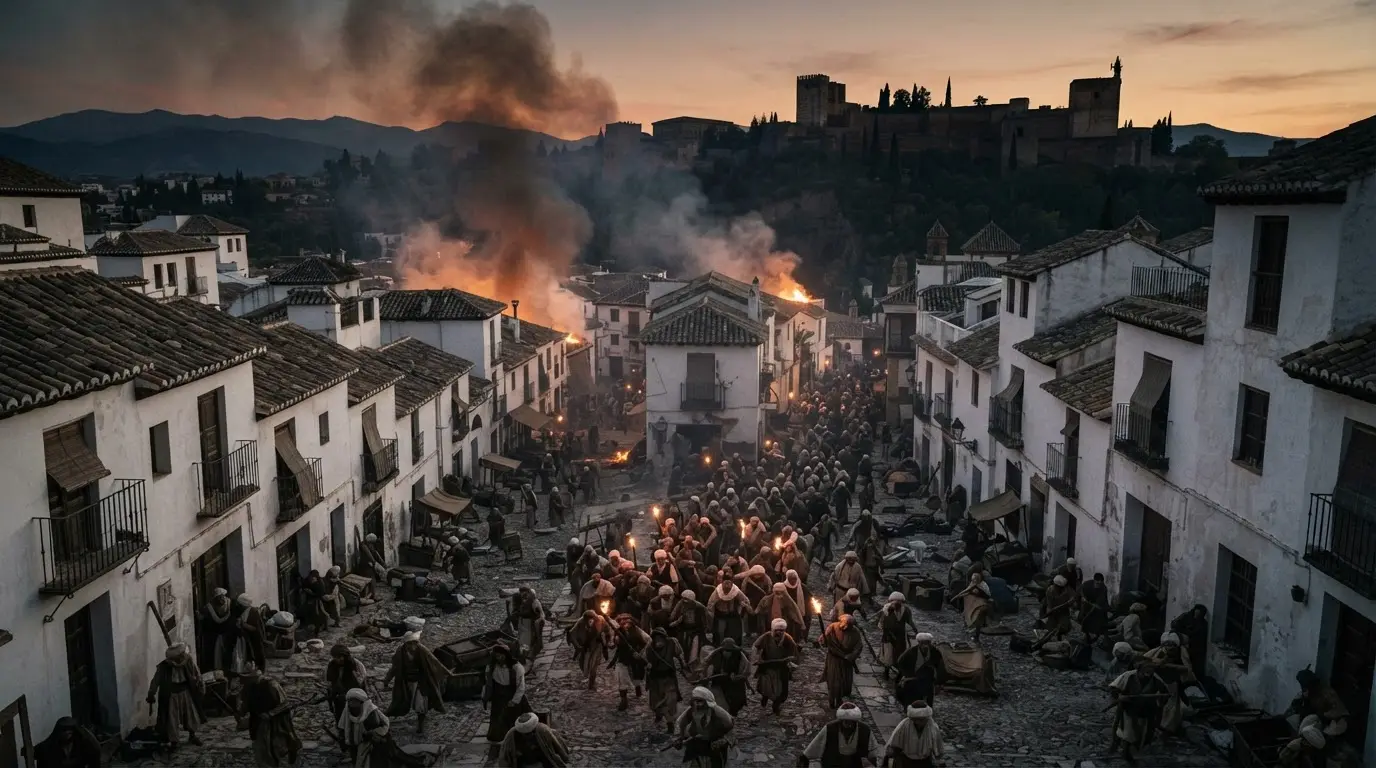
1066 Granada Massacre: When the Jewish Golden Age Ended in a Day
James Walker Updated
The 1066 Granada massacre killed Joseph ha-Nagid and thousands of the city's Jews in a single day, ending three decades of Jewish power under Samuel ha-Nagid.
Read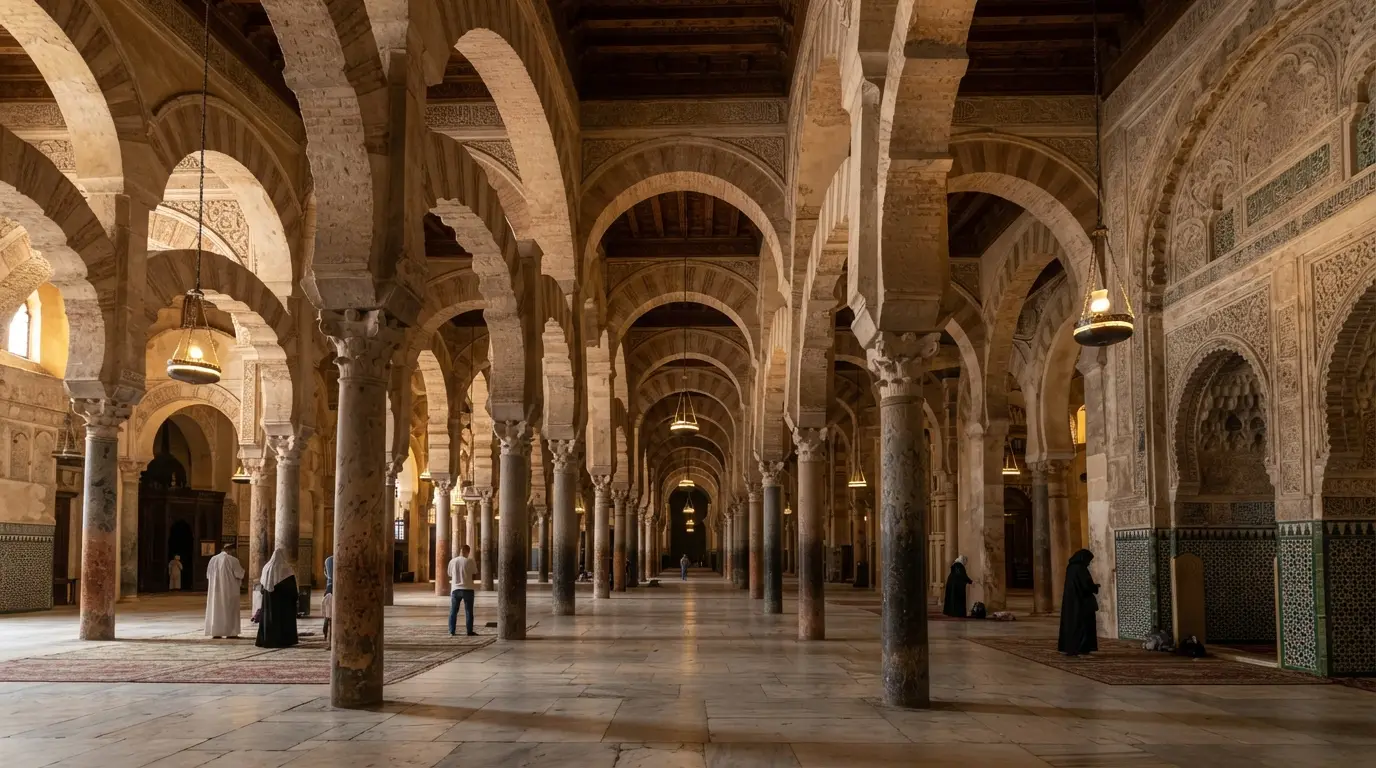
Before the Cathedral: Granada's Lost Great Mosque
James Walker Updated
Granada's Great Mosque stood under today's cathedral until 1704. The mosque you can visit is the 2003 Mezquita Mayor in the Albaicín, free to enter, no ticket.
Read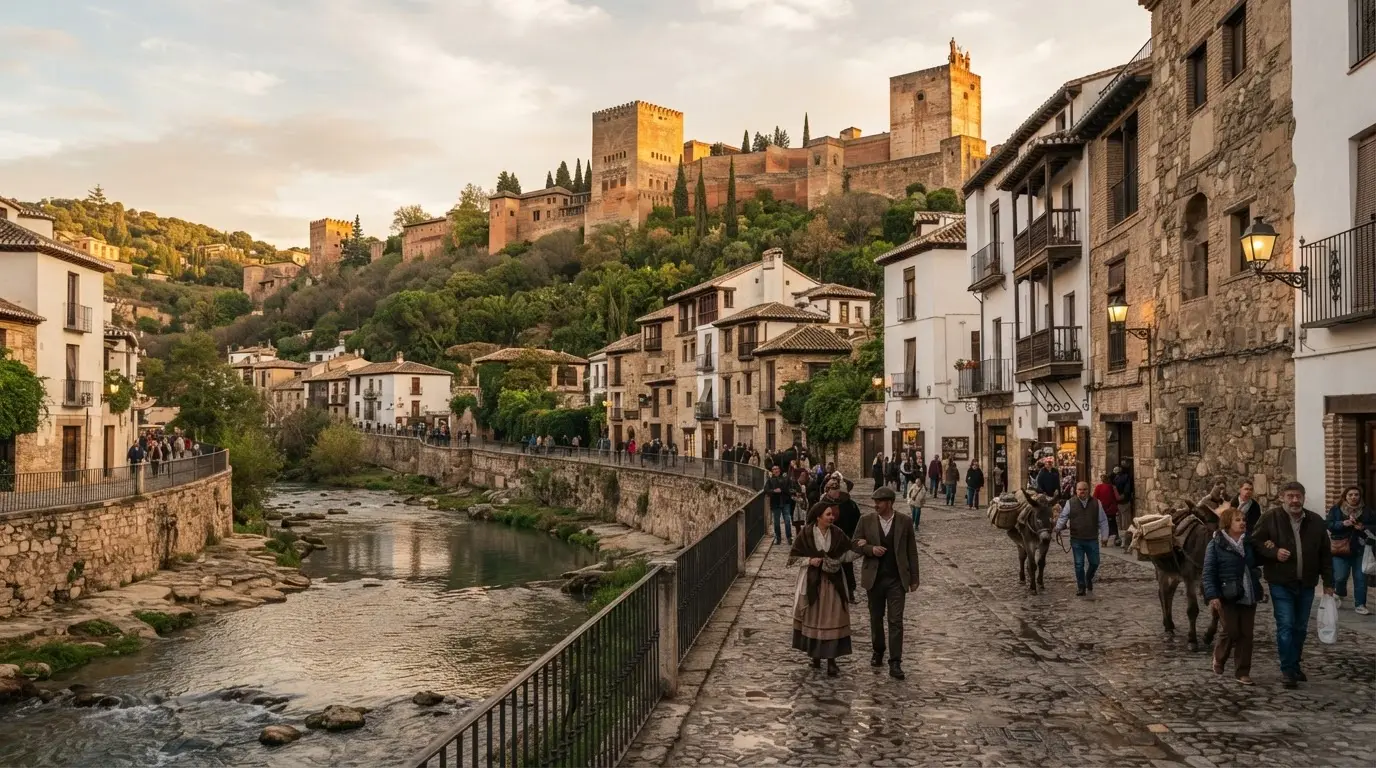
Carrera del Darro: Granada's Medieval Street Explained
James Walker Updated
Carrera del Darro history: 11th-century Moorish bridges, El Bañuelo bathhouse, a 1539 Renaissance palace, and Granada's only open stretch of the Darro river.
Read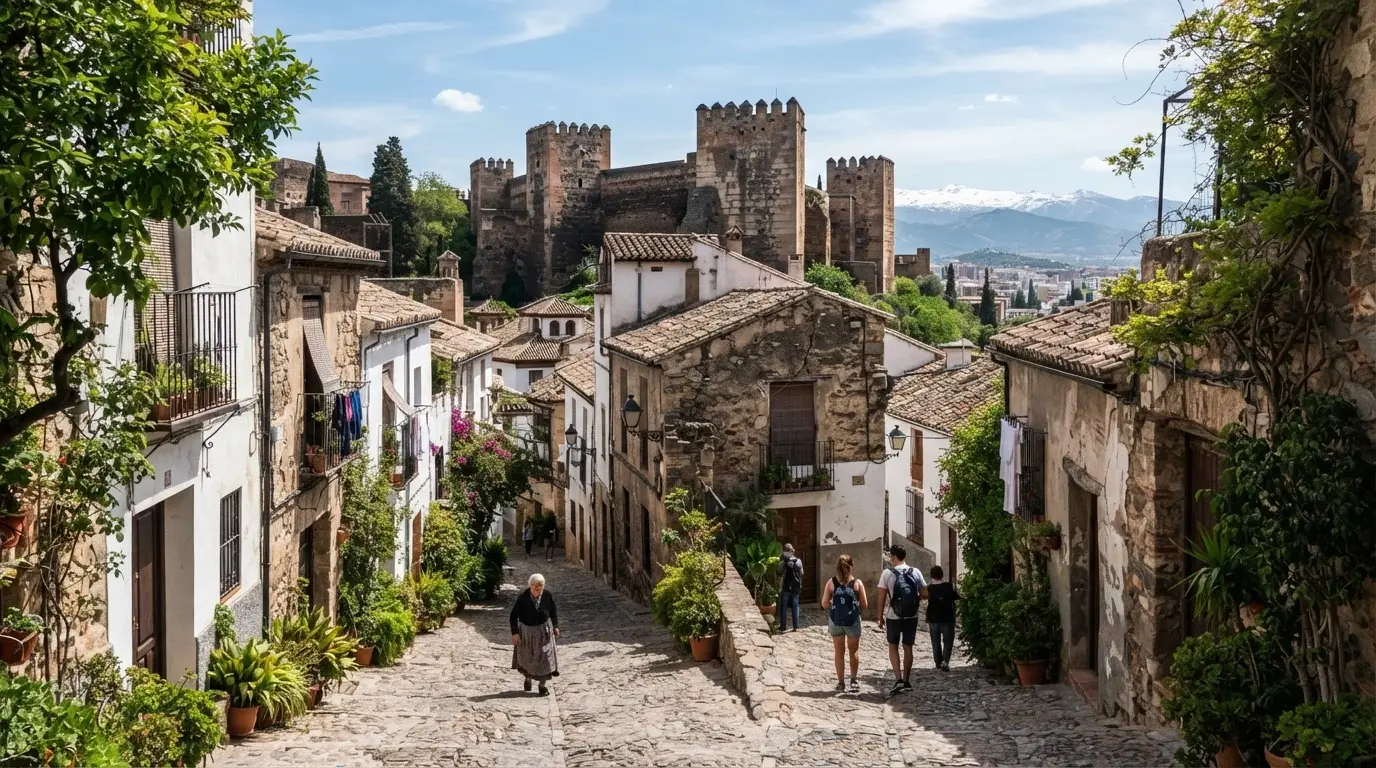
Zirid Dynasty Granada: The Berbers Who Built a City
James Walker Updated
The Zirid dynasty ruled Granada from 1013 to 1090: Berber founders of the Albaicín's walls, cisterns, and streets, and patrons of Samuel HaNagid's Golden Age.
Read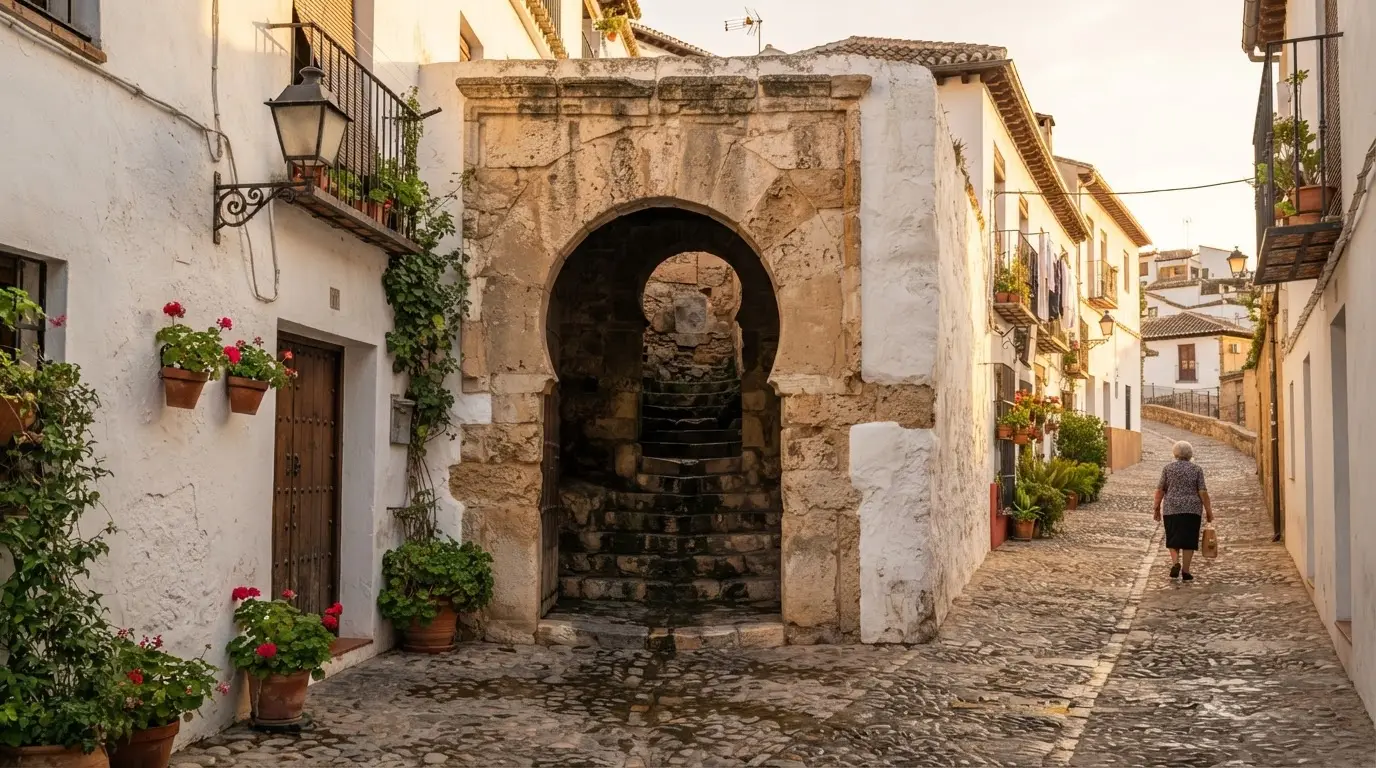
Albaicín Aljibes: The Medieval Cisterns Under Granada's Streets
James Walker Updated
Twenty-six medieval cisterns survive beneath the Albaicín, built 10th–15th centuries. Fed by the Acequia de Aynadamar from Alfacar into every home and mosque.
Read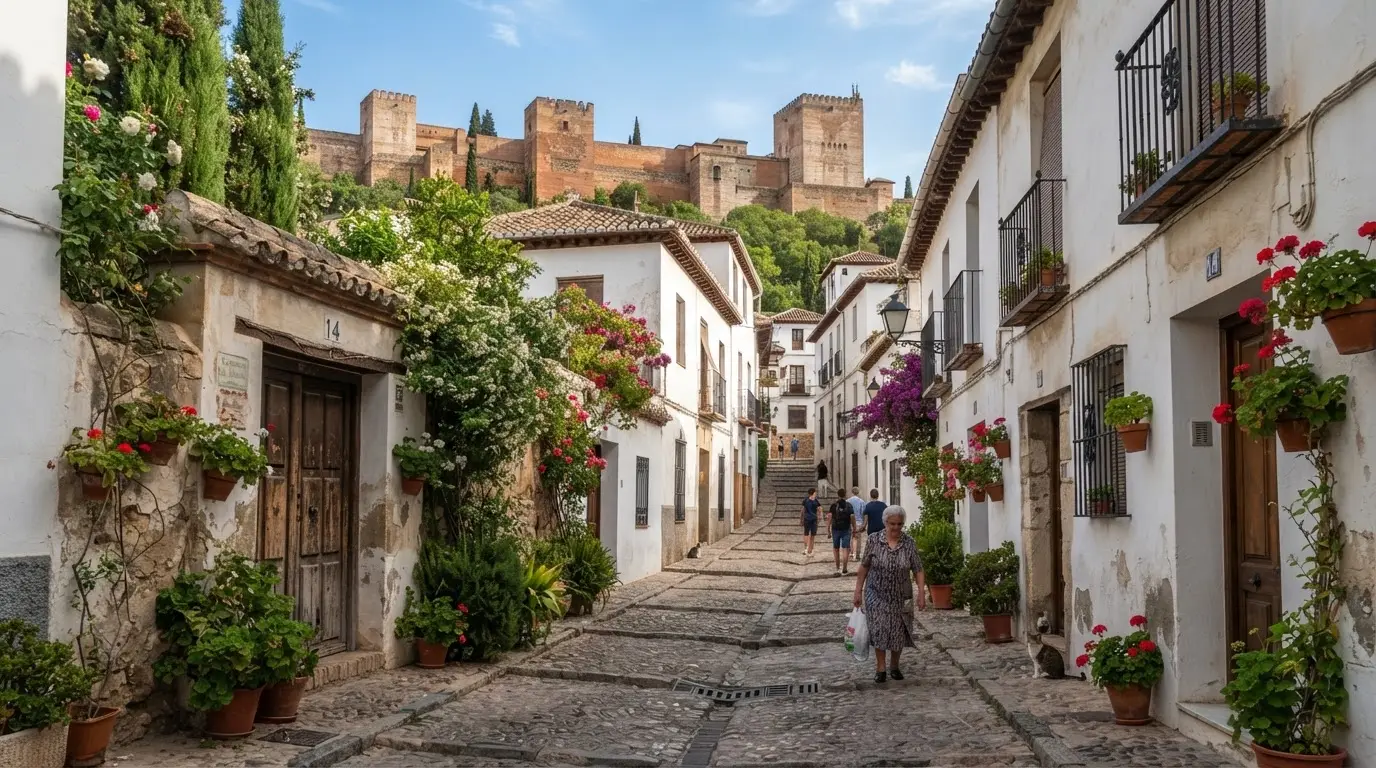
Realejo Jewish Quarter Granada: A Neighbourhood Built on Erasure
James Walker Updated
The Realejo was Granada's medieval Jewish quarter, home to Samuel HaNagid. Walk it today and you're crossing the site of a 1066 massacre and a 1492 expulsion.
ReadSee Early Islamic, Zirid & Almohad on the timeline, with its people and monuments
Go deeper