Battle of La Higueruela 1431 Won the Field, Not Granada

Seven years resident in Granada. Specialist in Nasrid architecture, Al-Andalus history, and Andalusian walking routes.
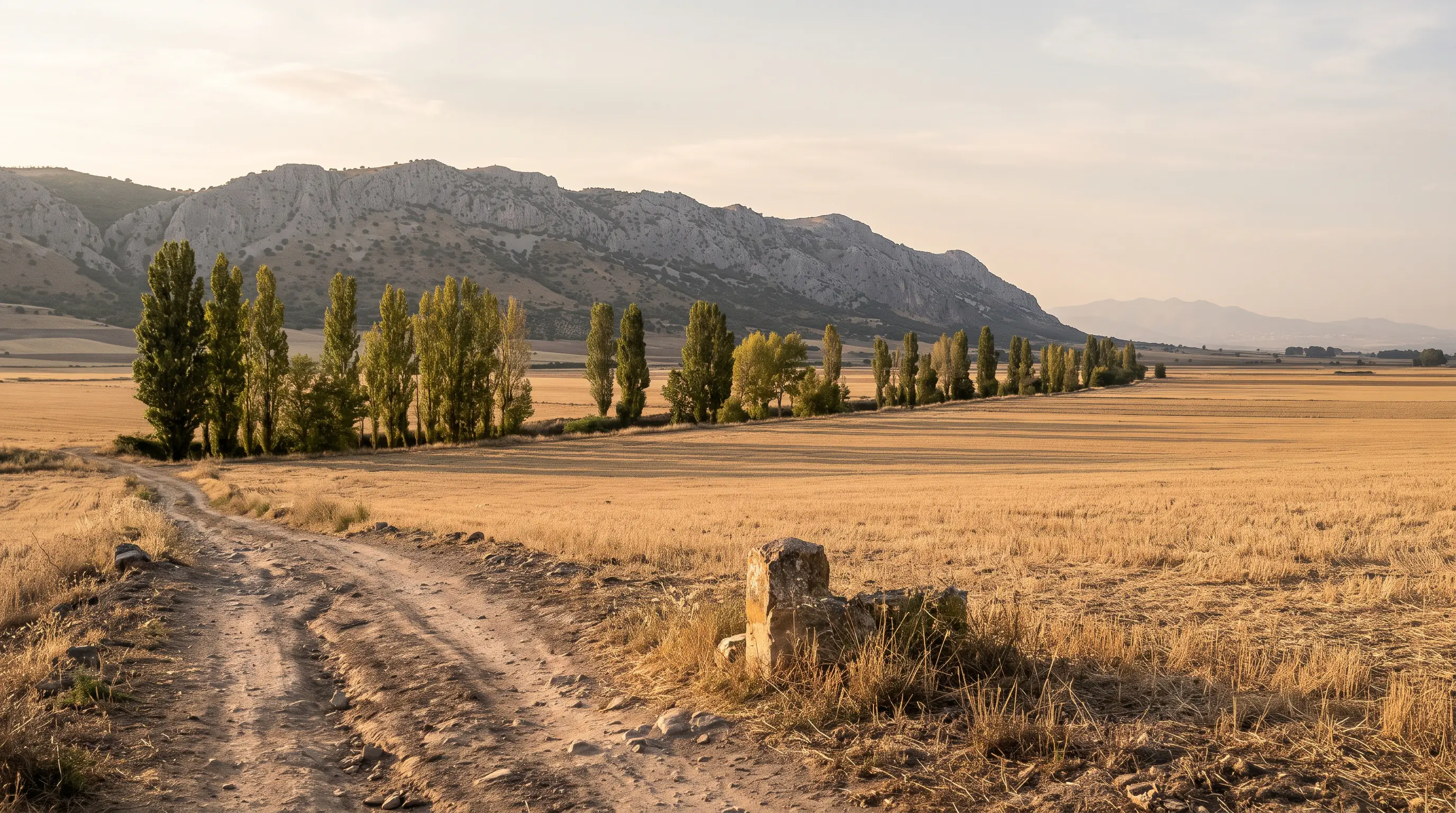
- Battle fought on the Vega
- 1 July 1431
- Castilian victory with no territorial gain; Granada not taken[1]
- Cost of the Higueruela wall
- 3,800 ducats
- Painted at El Escorial from January 1587 to September 1589[2]
- Yusuf IV's yearly tribute
- 20,000 dinars
- Paid to Castile under the vassalage that followed the battle[20]
In this article
Jump to a section
Camp at Atarfe: a palisade the size of Seville
- 26 June 1431
John II enters Granadan territory
- 29 June 1431
Palisade built round the camp
Four gates, at Atarfe on the Genil
- 1 July 1431
The battle on the Vega
- 10 July 1431
Castile breaks camp
- 1 January 1432
Yusuf IV displaces Muhammad IX
- 1587-1589
Fresco painted at El Escorial
1 July: trumpets, Santiago and a rout
Deep dive · Article
1066 Granada Massacre: When the Jewish Golden Age Ended in a Day
The 1066 Granada massacre killed Joseph ha-Nagid and thousands of the city's Jews in a single day, ending three decades of Jewish power under Samuel ha-Nagid.
A victory that took nothing
- Noble discord: some said the great lords' quarrel with the constable was the main cause[16]
- Supplies and a gift: supply difficulties, and a gold-laden present of raisins and figs to Luna that critics called a sweet bribe[16]
- An earthquake: the ground shook in the camp, more in Granada and most in the Alhambra, where pieces of the wall came down[17]
Explore nearby · Monument
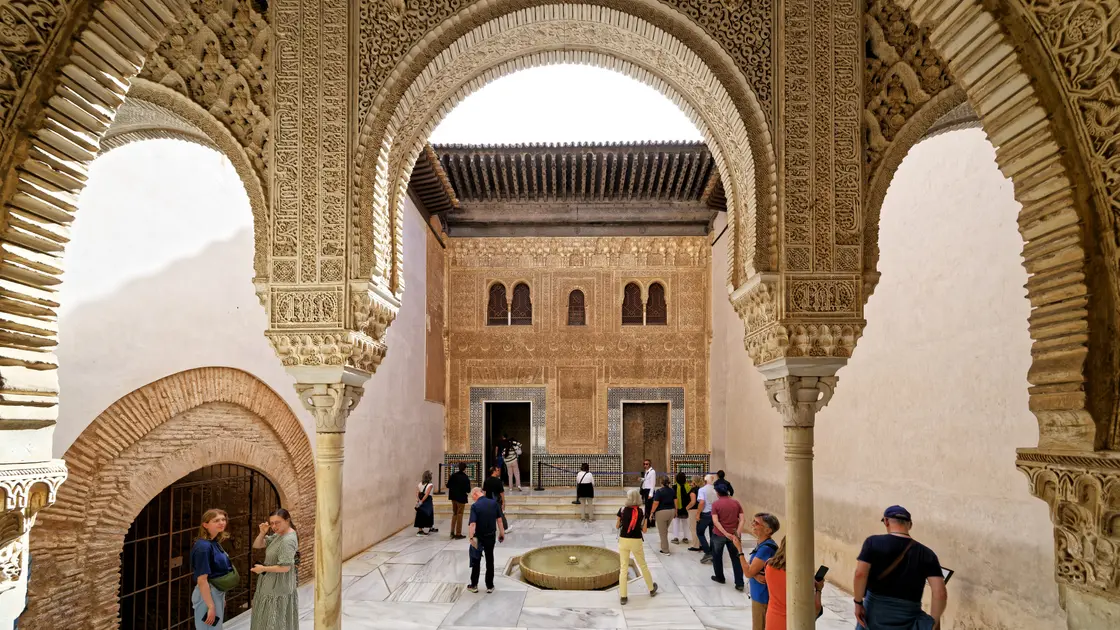
Alhambra
The Alhambra is Granada's UNESCO fortress-palace: Nasrid Palaces, Alcazaba and Generalife gardens. Tickets sell out weeks ahead; book via the Patronato site.
From a canvas in Segovia to a wall at El Escorial
The canvas in the tower
Four Genoese painters, 1587 to 1589
Tracing La Higueruela from Granada today
Recommended tours
Tours are selected for quality, not commission. We earn a small fee if you book — at no extra cost to you.
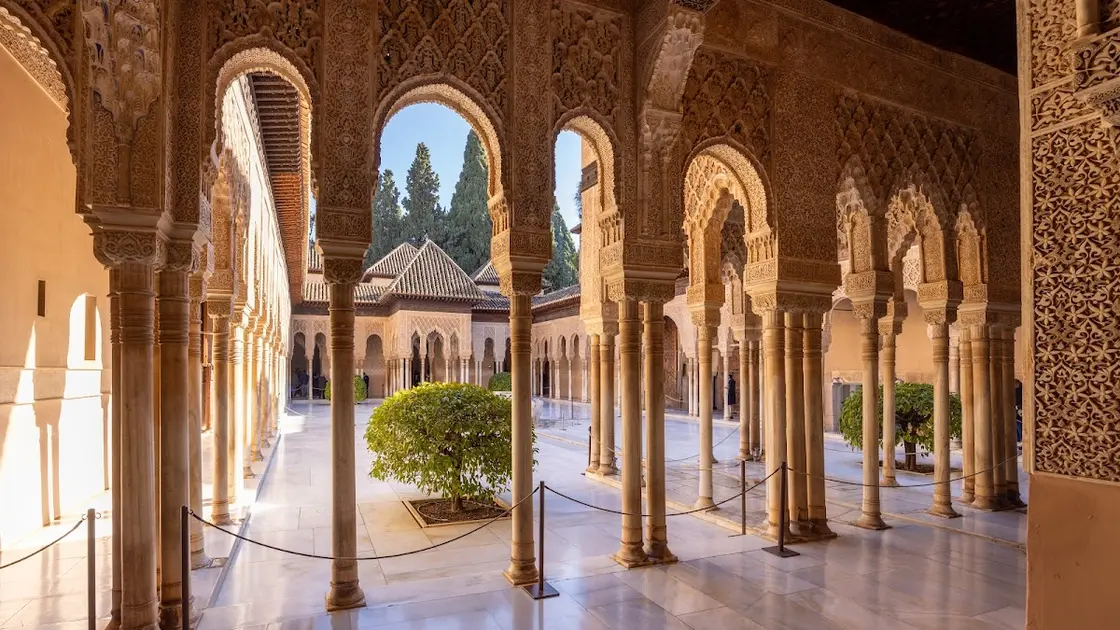
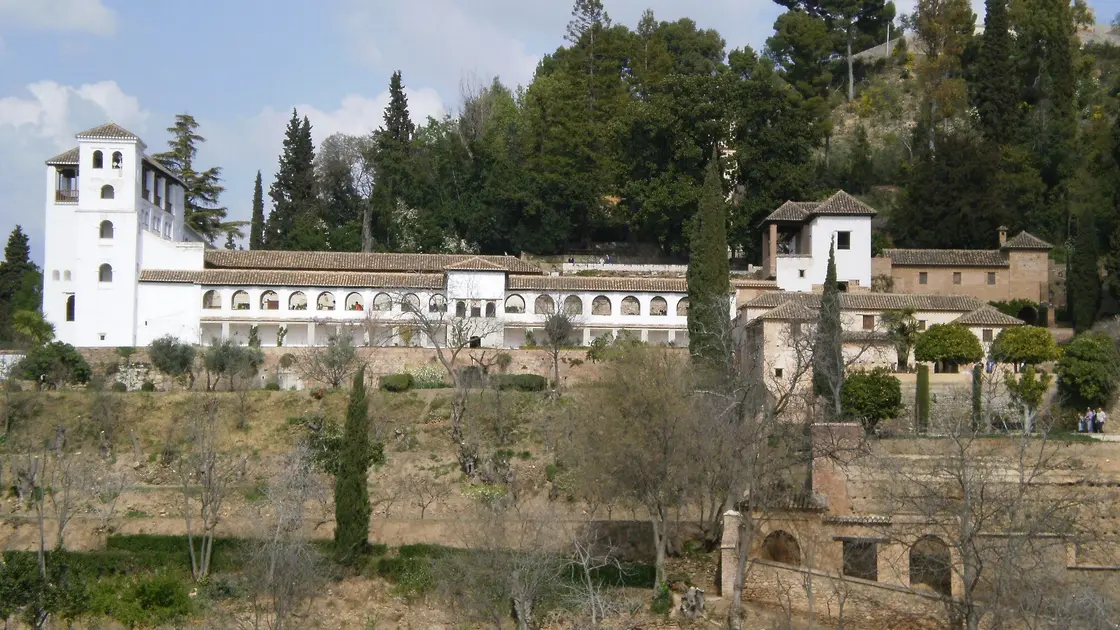
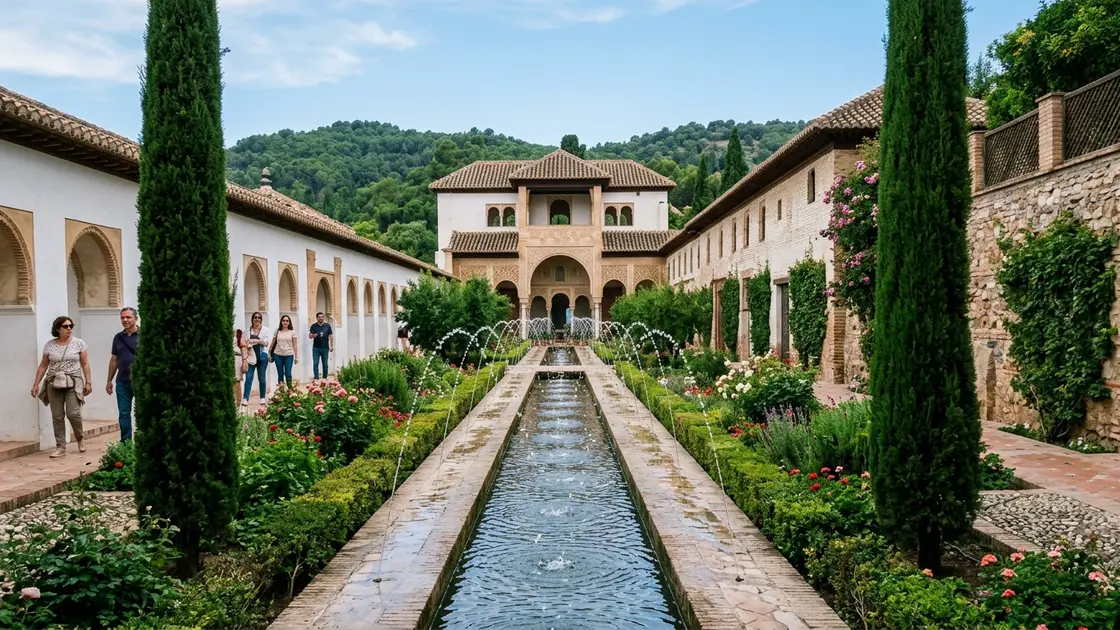
- Painting: El Escorial, east wall of the Sala de las Batallas
- City: Puerta Elvira and the Triunfo esplanade, Granada
- Plain: Medina Elvira, Atarfe and Pinos Puente
Frequently asked questions
Who won the Battle of La Higueruela in 1431?
Where was the Battle of La Higueruela fought?
Why did John II not take Granada after the battle of La Higueruela in 1431?
What does La Higueruela mean?
Where can you see the painting of the Battle of La Higueruela?
Who painted the Battle of La Higueruela fresco and when?
Can you visit the Battle of La Higueruela site near Granada?
Sources
36 references Show Hide
- Wikipedia — Battle of La Higueruela (opens in a new tab)
“The battle was a modest victory for the forces of Castile, with no territorial gain and failing to take Granada.”
- historicalsoundscapes.com (opens in a new tab)
“El trabajo duró desde enero de 1587 a septiembre de 1589, dos años y nueve meses, y tuvo un costo de 3.800 ducados.”
- esmadrid.com (opens in a new tab)
“Located in the heart of the Sierra de Guadarrama mountain range (on one side of Mount Abantos), just 50 kilometres from Madrid”
- historicalsoundscapes.com (opens in a new tab)
“El 29 de junio el campamento fue cercado por una valla de madera “de tanto compás como la ciudad de Sevilla”, con cuatro puertas.”
- historia-hispanica.rah.es (opens in a new tab)
“Juan II entra en territorio granadino al frente del ejército castellano. Tres días después acampa ante la capital.”
- historicalsoundscapes.com (opens in a new tab)
“asentó real con las sus huestes en la Vega de Granada sobre la ribera del Genil en una aldea que llaman el Atarfe, una legua de Granada”
- historicalsoundscapes.com (opens in a new tab)
“Mandó tocar las trompetas e a grand voz comenzó a llamar el nombre del apóstol Santiago e dijo a todos los suyos que lo siguiesen”
- historicalsoundscapes.com (opens in a new tab)
“fasta cuatro mil de caballo, doscientos mil peones entre ballesteros e lanceros”
- dialnet.unirioja.es (opens in a new tab)
“e si la noche no fuera tan cerca, la matanza en los Mo-ros fuera mucho mayor”
- fheargentina.com.ar (opens in a new tab)
“los moros fueron vencidos y desbaratados, dejando un saldo de entre 10.000 y 12.000 muertos.”
- historicalsoundscapes.com (opens in a new tab)
“El rey mandó arrasar en los días siguientes todas las huertas, campos y edificaciones”
- Wikipedia — Batalla de La Higueruela (opens in a new tab)
“La batalla de La Higueruela tuvo lugar el 1 de julio de 1431 en las inmediaciones de la Medina Elvira, situada en la Sierra Elvira”
- dialnet.unirioja.es (opens in a new tab)
“por llamarse assí el Lugar donde sucedió, y se dio”
- Wikipedia — Batalla de La Higueruela (opens in a new tab)
“únicamente quedó en pie una pequeña higuera que dio nombre a la batalla”
- dialnet.unirioja.es (opens in a new tab)
“Definitivamente se optó porque Juan II levantase el campamento y volviese a su reino, como así hizo el 10 de julio.”
- historicalsoundscapes.com (opens in a new tab)
“algunos decían que la causa principal porque el rey levantó su real sobre Granada fue la gran discordia que dicen había entre los grandes del reino con el condestable”
- historicalsoundscapes.com (opens in a new tab)
“tremió [trembló] la tierra en el real e más en la ciudad de Granada e mucho más en el Alhambra, donde derribó algunos pedazos de la cerca della”
- Wikipedia — Batalla de La Higueruela (opens in a new tab)
“consiguiendo, incluso, que el papado autorizase la celebración de fiestas religiosas cada 1 de julio en toda la Castilla para conmemorarlo.”
- historia-hispanica.rah.es (opens in a new tab)
“Yusuf ibn al-Mawl, titulado Yusuf IV, entra en Granada con un fuerte apoyo castellano”
- Wikipedia — Yusuf IV of Granada (opens in a new tab)
“Yusuf IV pledged lifelong vassalage, annual tribute of 20,000 gold dinars”
- historia-hispanica.rah.es (opens in a new tab)
“Muhammad IX, que a finales de marzo ha derrotado a una columna castellana de apoyo a Yusuf IV, entra triunfante en Granada”
- ucm.es (opens in a new tab)
“Este espacio mide 60 metros de largo por 6 metros de ancho y alcanza una altura de 8 metros.”
- ucm.es (opens in a new tab)
“La pared este alberga la representación de la Batalla de Higueruela, acontecida durante la guerra contra el reino musulmán de Granada.”
- historicalsoundscapes.com (opens in a new tab)
“en una torre del Alcázar de Segovia, en unas arcas viejas, se halló un lienzo de 130 pies de largo”
- dialnet.unirioja.es (opens in a new tab)
“se encontró una enorme sarga (130 pies = 36,4 metros, aproximadamente) en unas arcas viejas de un torreón del Alcázar de Segovia”
- ucm.es (opens in a new tab)
“Según Sigüenza, la elección de esta batalla se debió a la existencia de un lienzo encontrado en la torre del Alcázar de Toledo que representaba el mismo episodio.”
- historicalsoundscapes.com (opens in a new tab)
“Esta pintura antigua fue restaurada en 1582 por Fabricio Castello, por cuyo trabajo recibió 1.030 reales”
- ceanbermudez.es (opens in a new tab)
“Para esta obra los artistas genoveses utilizaron una grisalla del siglo XV.”
- ucm.es (opens in a new tab)
“Niccolò Granello (1553-1593), su hermanastro Fabrizio Castello (1562-1617), Lazzaro Tavarone (1556-1641)”
- ucm.es (opens in a new tab)
“Los trabajos comenzaron en 1587 y se extendieron hasta septiembre de 1589 y fueron ejecutados por Cambiaso, Tavarone, Castello y Granello.”
- ceanbermudez.es (opens in a new tab)
“presenta los preparativos de la batalla, mostrando al rey Juan II en el momento que sale de su tienda”
- ucm.es (opens in a new tab)
“Se fingen dos paños colgados de sus escarpias, con cenefas y franjas, tan al natural, que engañan a muchos, hasta llegar a levantarlos y asir dellos.”
- Junta de Andalucía (opens in a new tab)
“El yacimiento arqueológico de Madinat Ilbira se localiza al pie de Sierra Elvira, en la Vega de Granada, en los términos municipales de Atarfe y Pinos Puente.”
- dipgra.es (opens in a new tab)
“son pocos los restos visibles de la antigua ciudad”
- miradordeatarfe.es (opens in a new tab)
“La parte superior nos presenta la zona de la ciudad donde estaba la torre Turpiana o alminar de la mezquita mayor de la ciudad”
- miradordeatarfe.es (opens in a new tab)
“En otra de las escenas se ve la Puerta Elvira, algunos de los enterramientos del cementerio de Ben Malik, en lo que hoy es la explanada del Triunfo”