Articles · History
Stories from Granada's Nasrid and Zirid Past (Page 2)
This collection traces Granada's political history through the people and episodes behind it: the Zirid taifa, the Nasrid kingdom that built the Alhambra, and the palace intrigue that led to the 1492 surrender. It covers the Morisco expulsions and Napoleon's brief occupation.
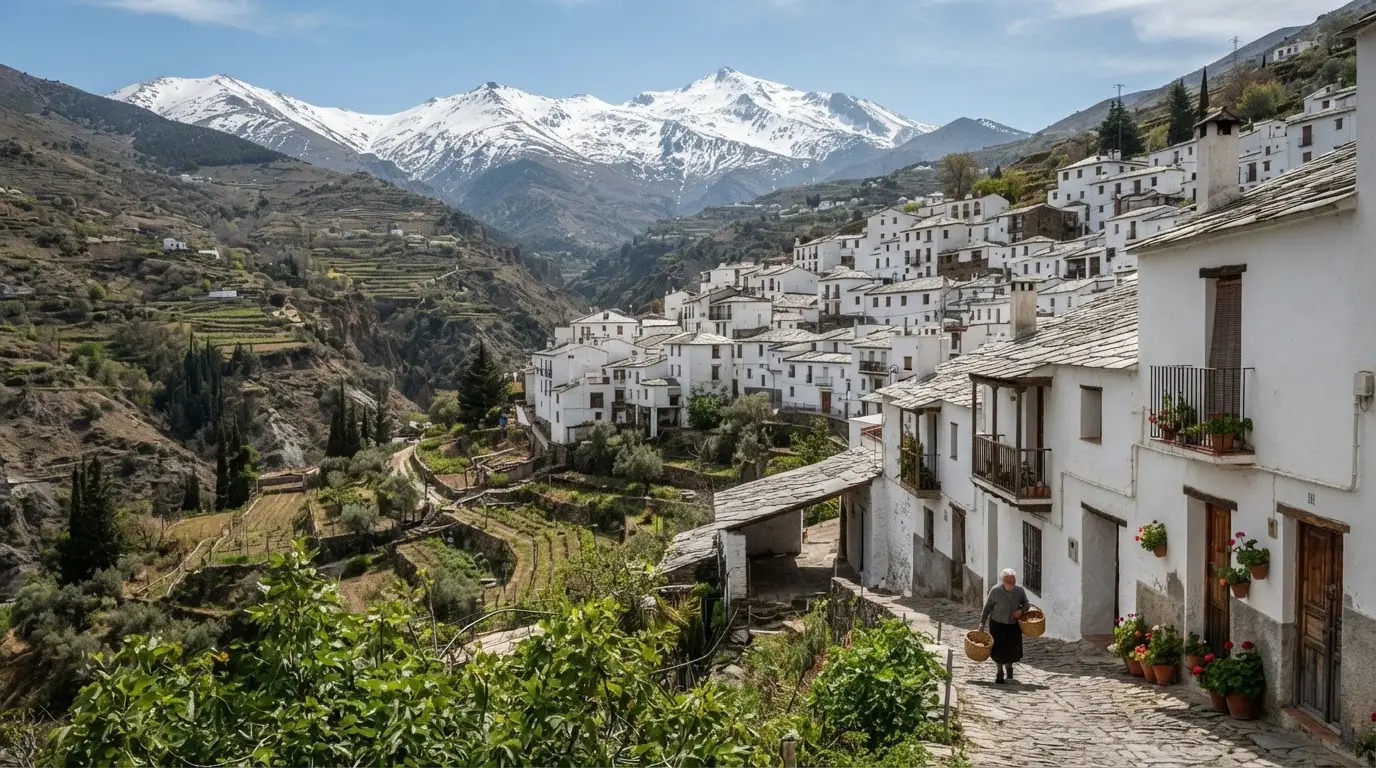
Moriscos of Granada: Secret Islam and the 1609 Expulsion
James Walker Updated
Forced to convert in 1502, Granada's Moriscos practised secret Islam under Inquisition surveillance for a century before Philip III expelled 270,000 in 1609.
Read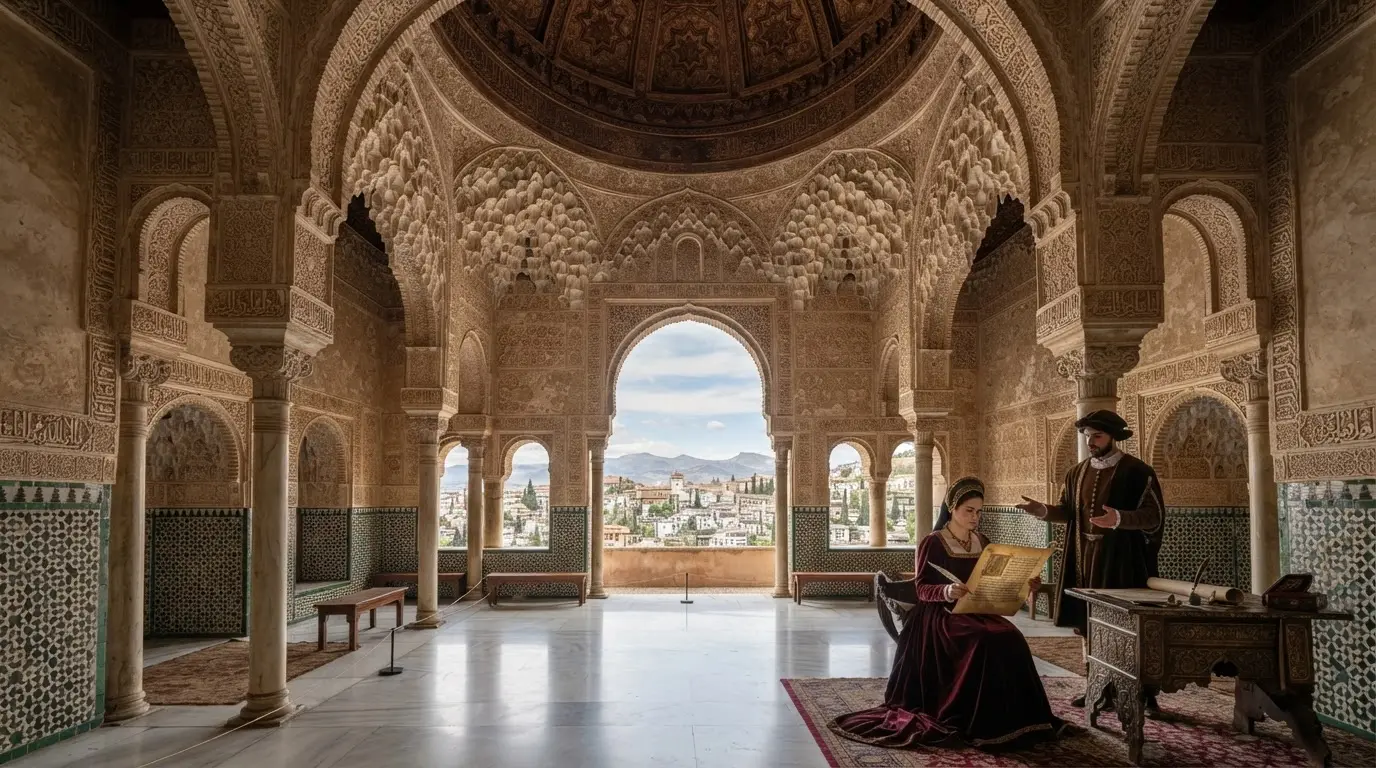
Alhambra Decree 1492: Granada's Jewish Expulsion Explained
James Walker Updated
The Alhambra Decree (Edicto de Granada) expelled Spain's Jews in 1492. Learn why it happened, what else happened in Spain that year, and where exiles went.
Read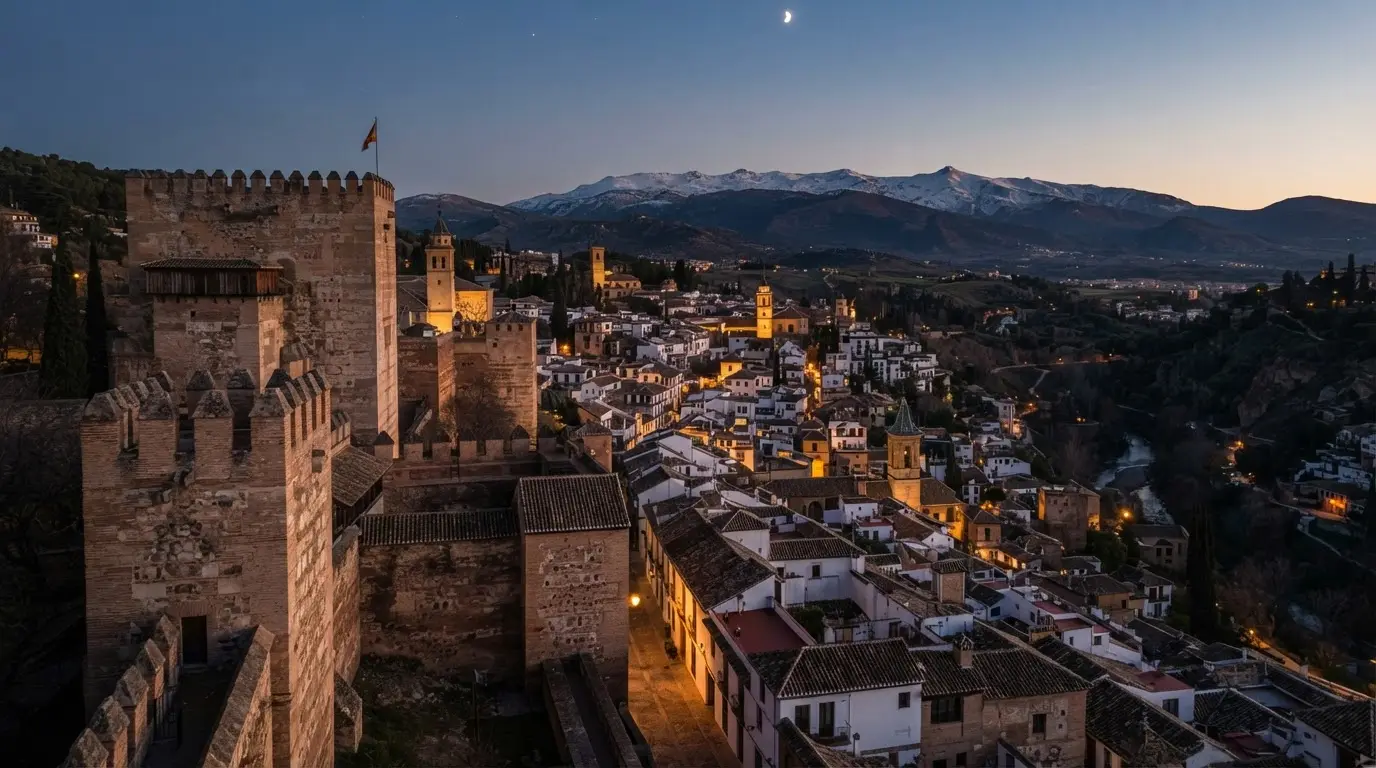
The Nasrid Civil War: How Internal Strife Gave Spain Granada
James Walker Updated
Granada didn't fall to military conquest. A Nasrid succession crisis and three-way civil war handed Ferdinand and Isabella the keys to the last Moorish kingdom.
Read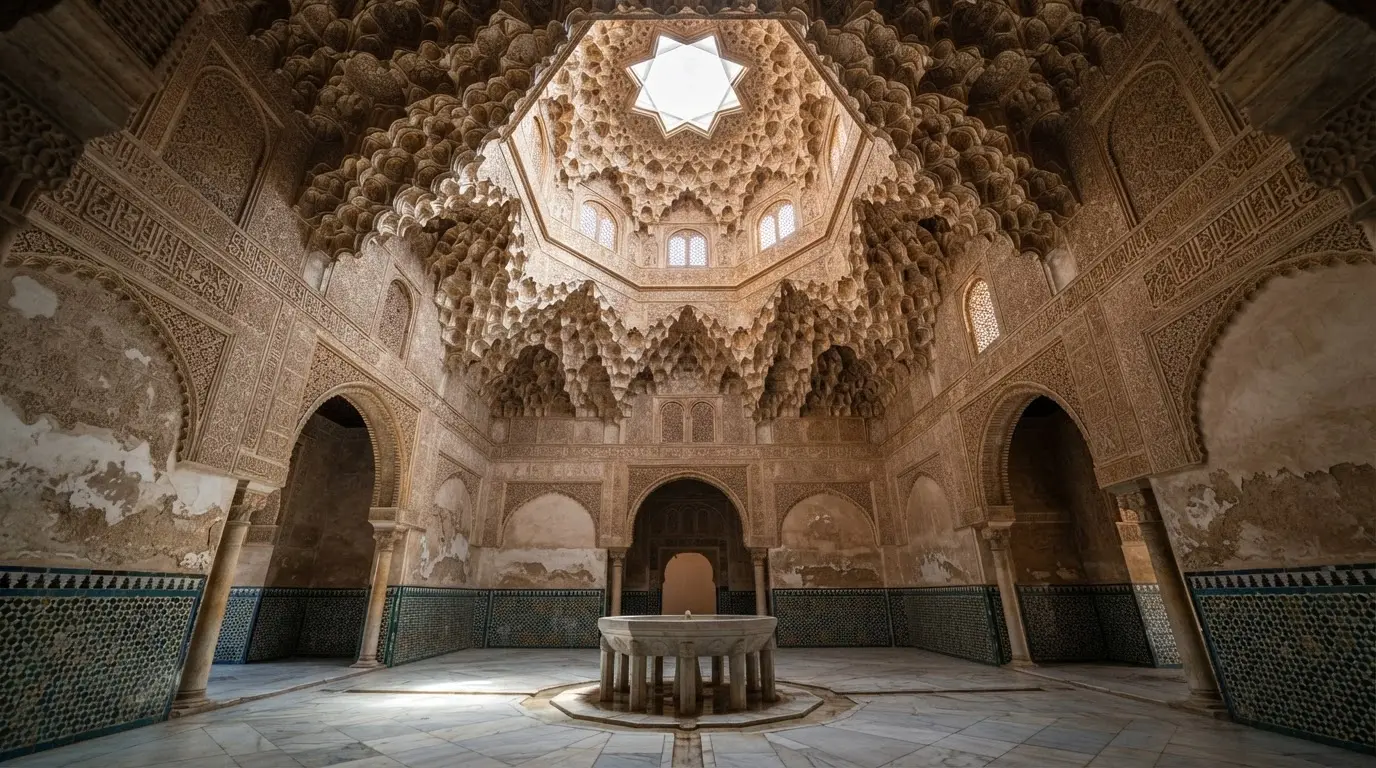
Abencerrajes of Granada: the noble clan behind the legend
James Walker Updated
Abencerrajes of Granada: the noble clan who shaped Nasrid court politics for a century and became legend through a massacre story set in the Alhambra.
Read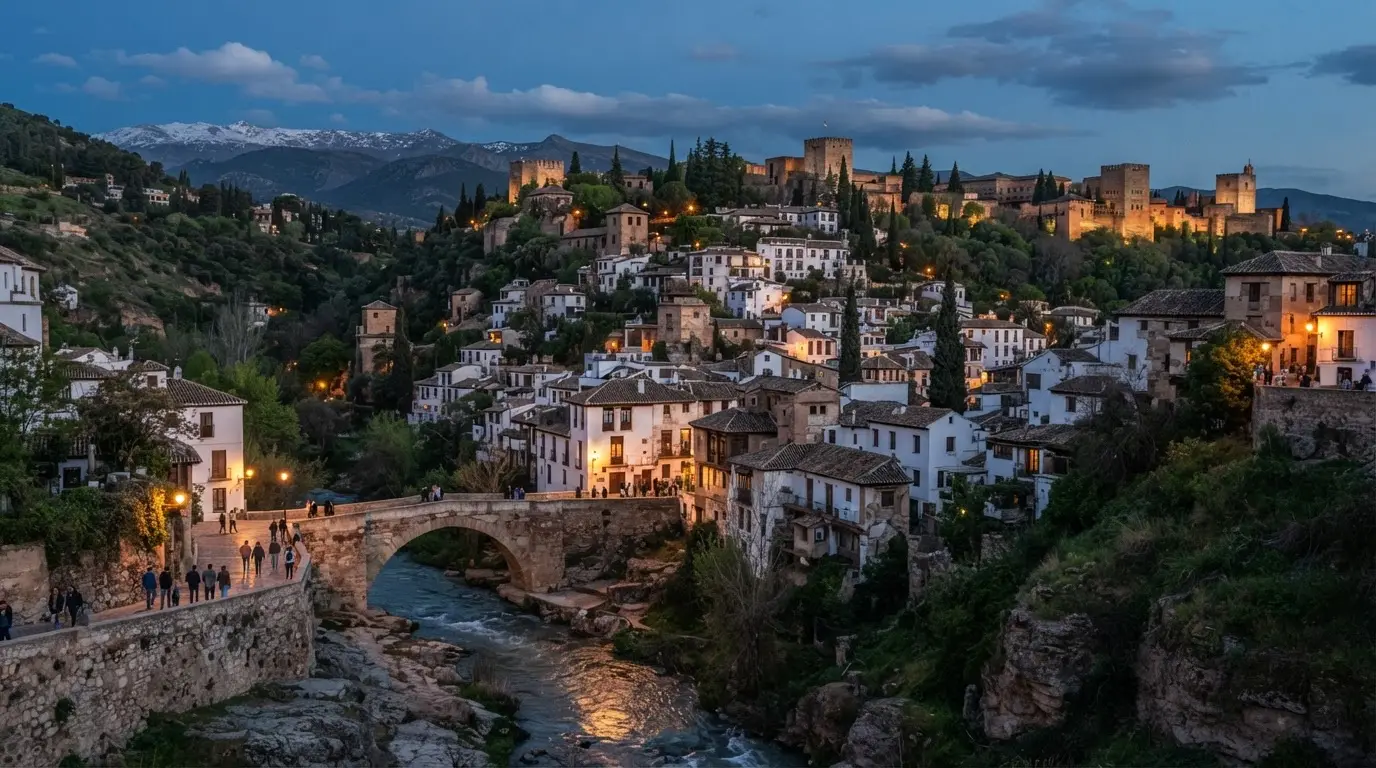
Roman Granada: Iliberis and the Council of Elvira
James Walker Updated
Granada was Roman Iliberis for over 700 years before the Moors arrived. The Council of Elvira, c. 306 AD, was the earliest church council in all of Hispania.
Read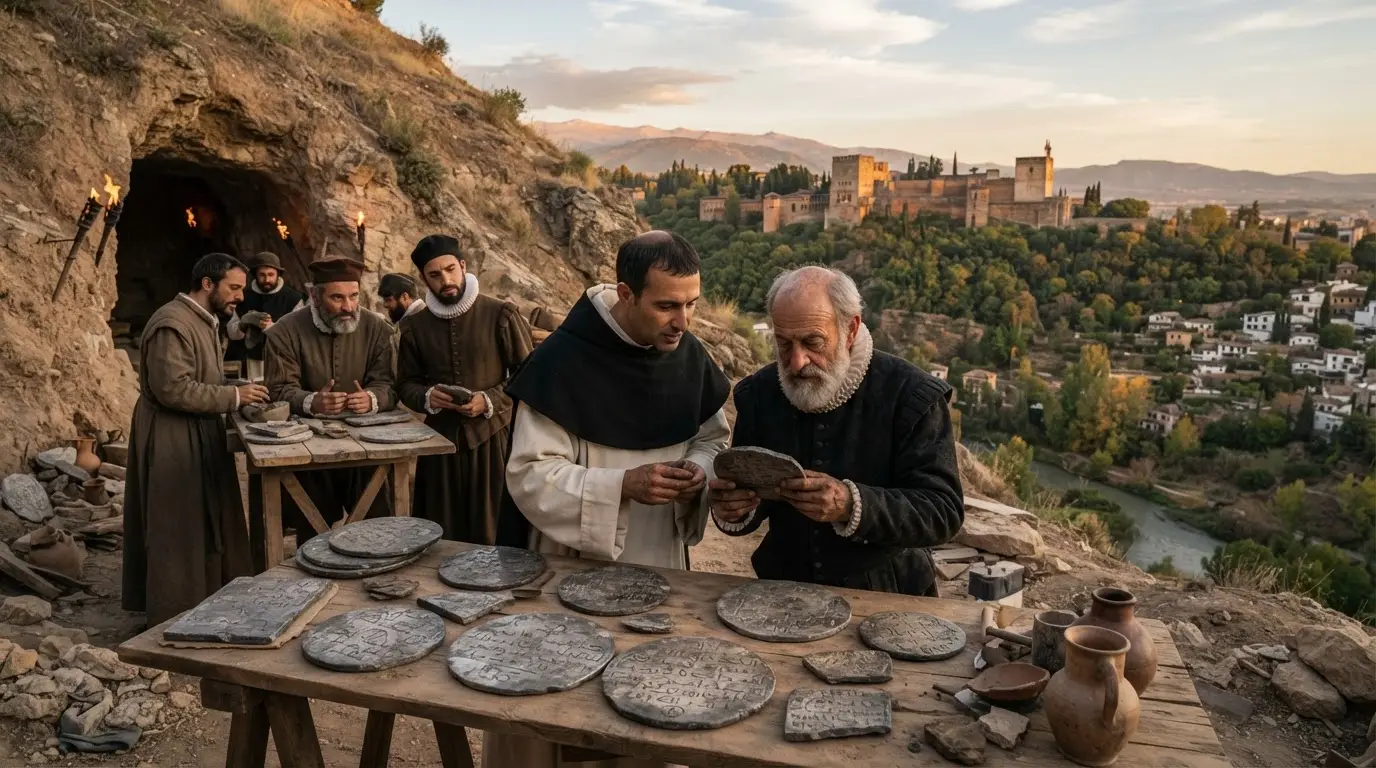
The Lead Books of Sacromonte — Granada's Greatest Forgery
James Walker Updated
Lead tablets found in Sacromonte's caves, 1595–1606. Condemned by the Vatican in 1682. The Morisco scholars behind Granada's greatest religious forgery.
Read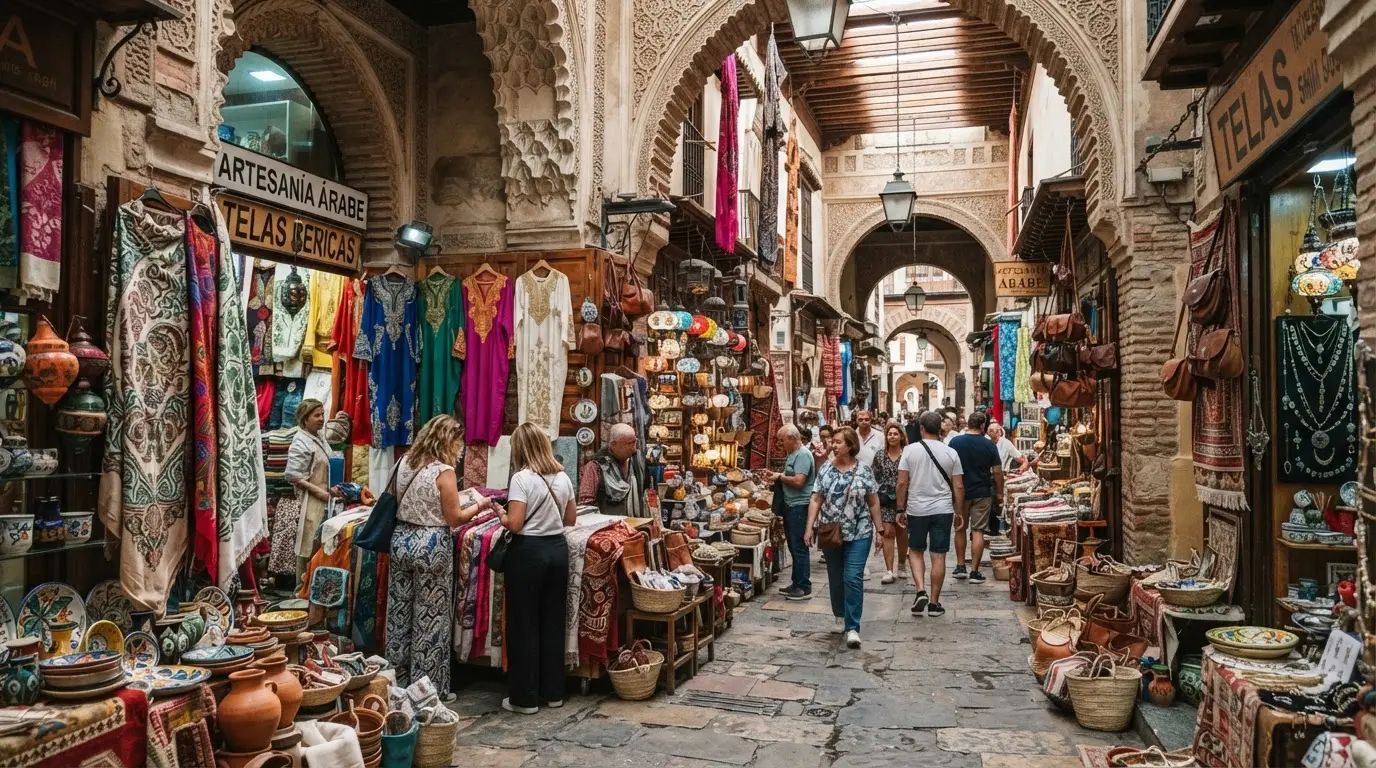
Granada Silk Road: the Alcaicería and Nasrid Silk Trade
James Walker Updated
Granada's Alcaicería was the commercial heart of a silk empire. How Nasrid silk funded the Alhambra, reached Flanders, and was dismantled by decree after 1492.
Read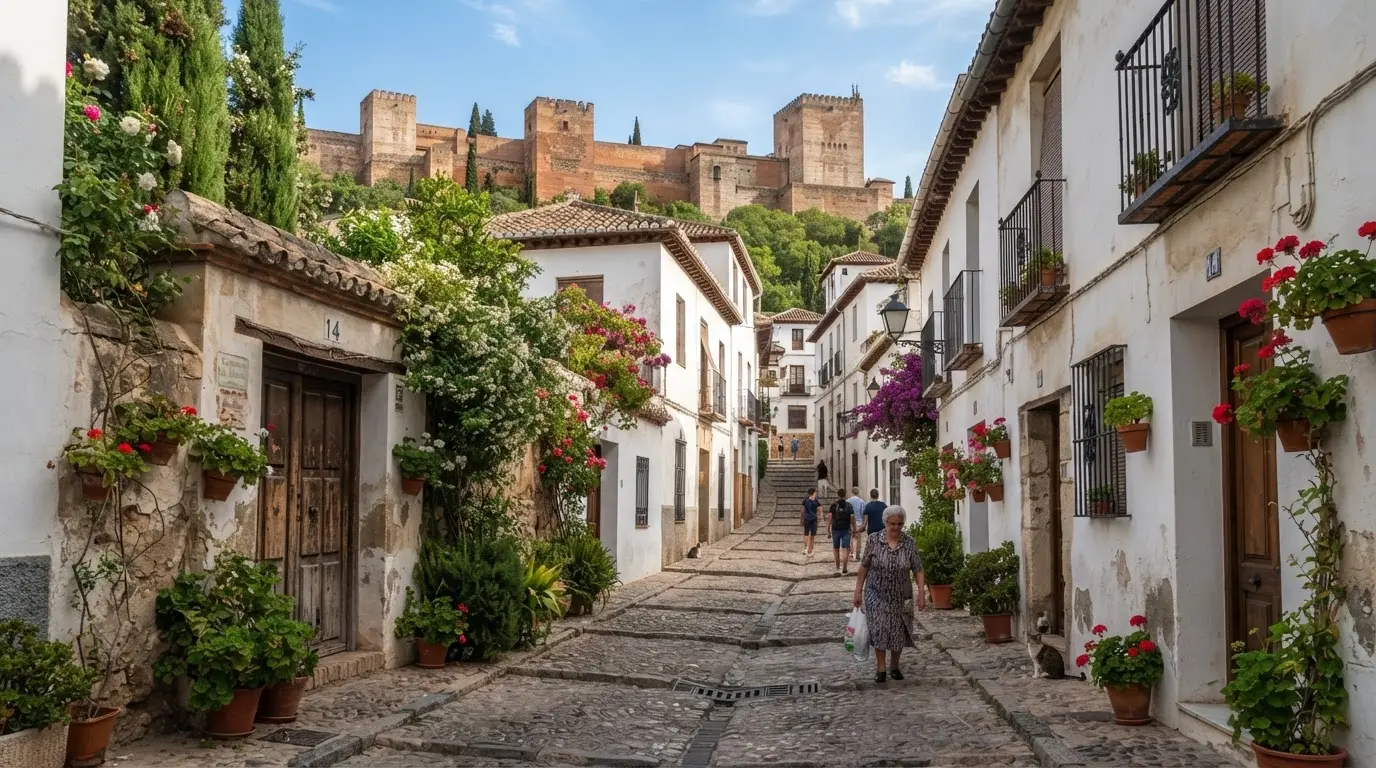
Realejo Jewish Quarter Granada: A Neighbourhood Built on Erasure
James Walker Updated
The Realejo was Granada's medieval Jewish quarter, home to Samuel HaNagid. Walk it today and you're crossing the site of a 1066 massacre and a 1492 expulsion.
Read