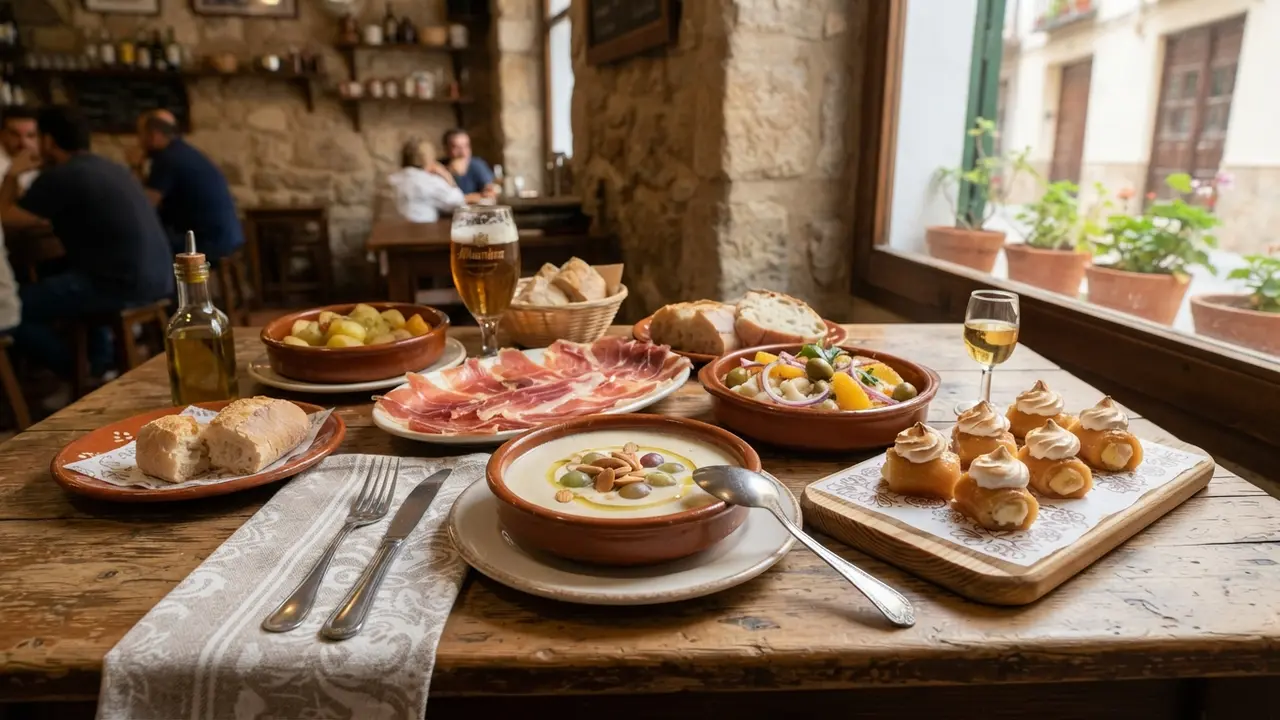
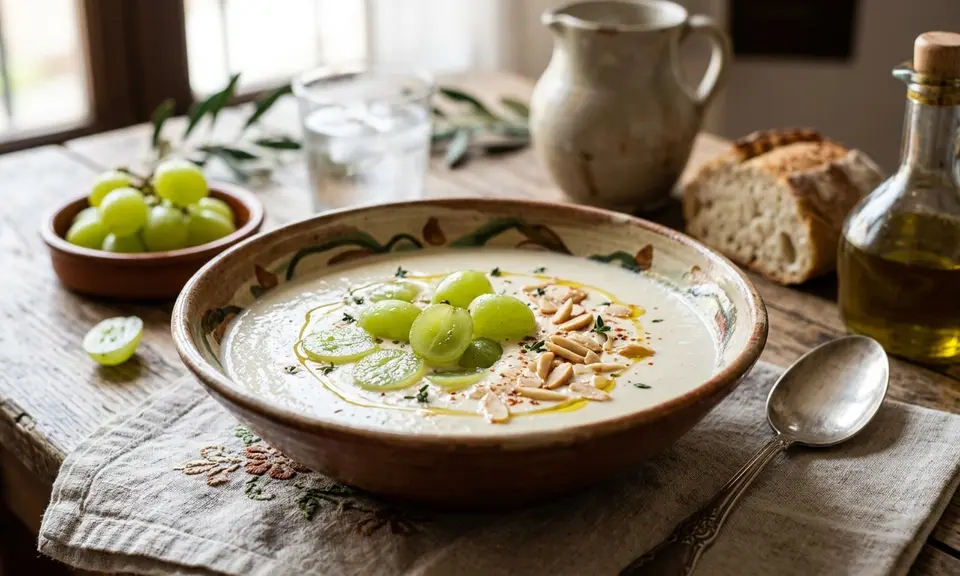
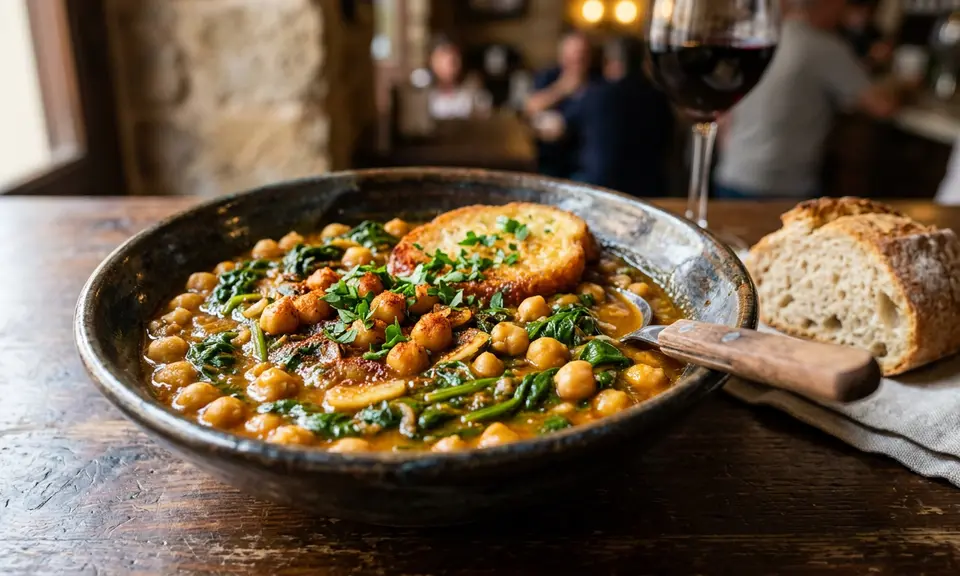
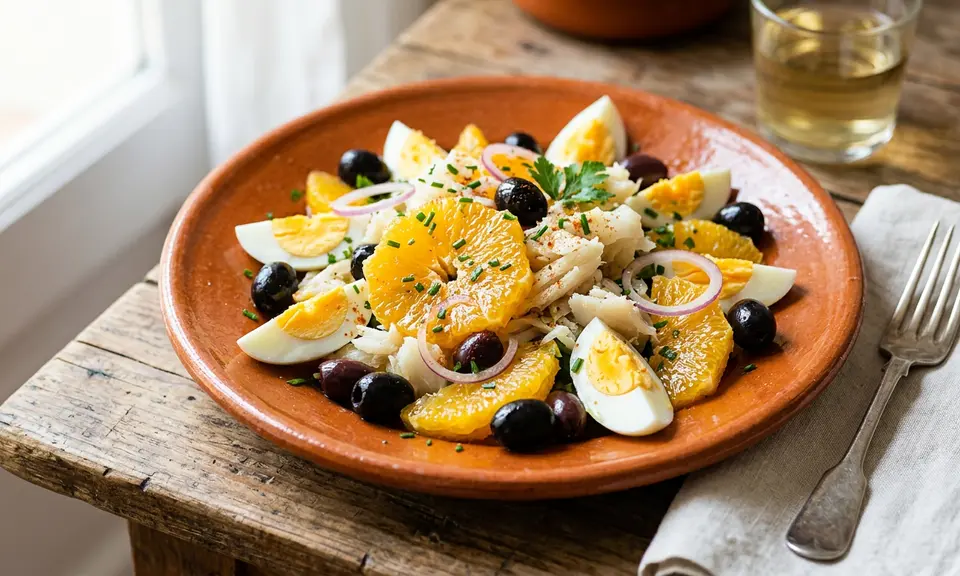
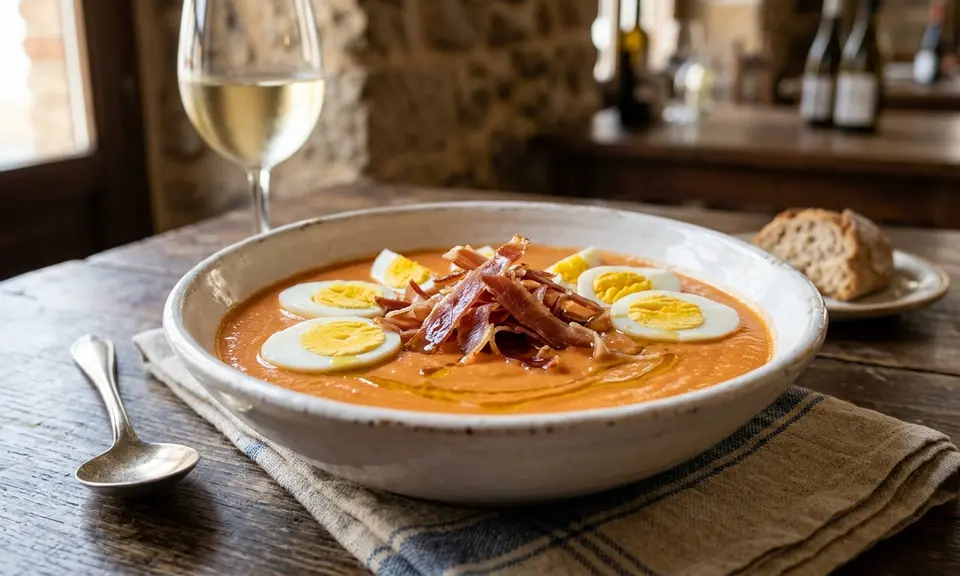
Granada has one practical advantage over almost every other Spanish city: a drink still comes with a free tapa here. That custom tells you something about how the city thinks about food. It treats eating as a communal act, not a transaction. The dishes on this list are the ones that make sense of that culture — some rooted in the Sierra Nevada villages, some in the Moorish kitchens of the Alhambra era, one invented by a pastry chef in 1897 in a small town 14 kilometres from the city centre.
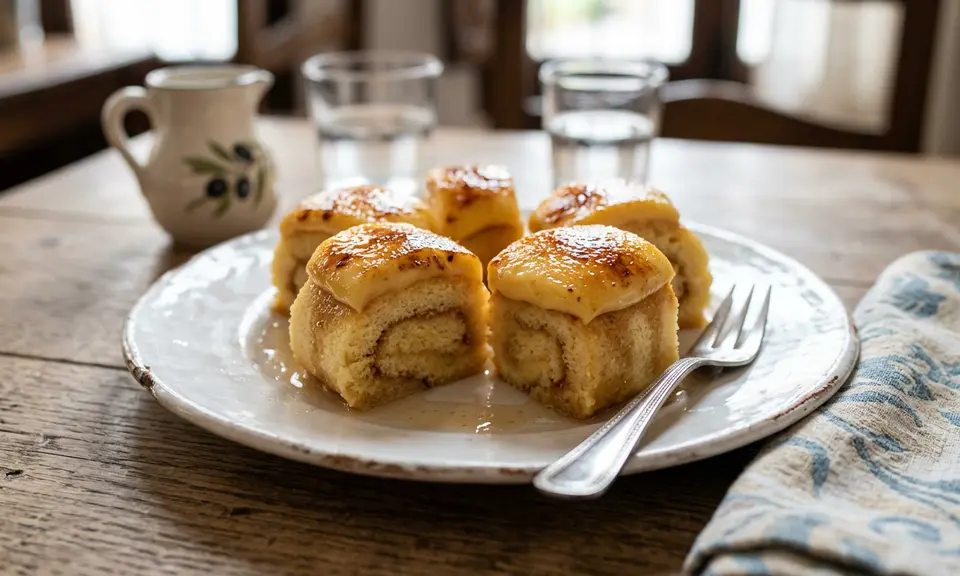
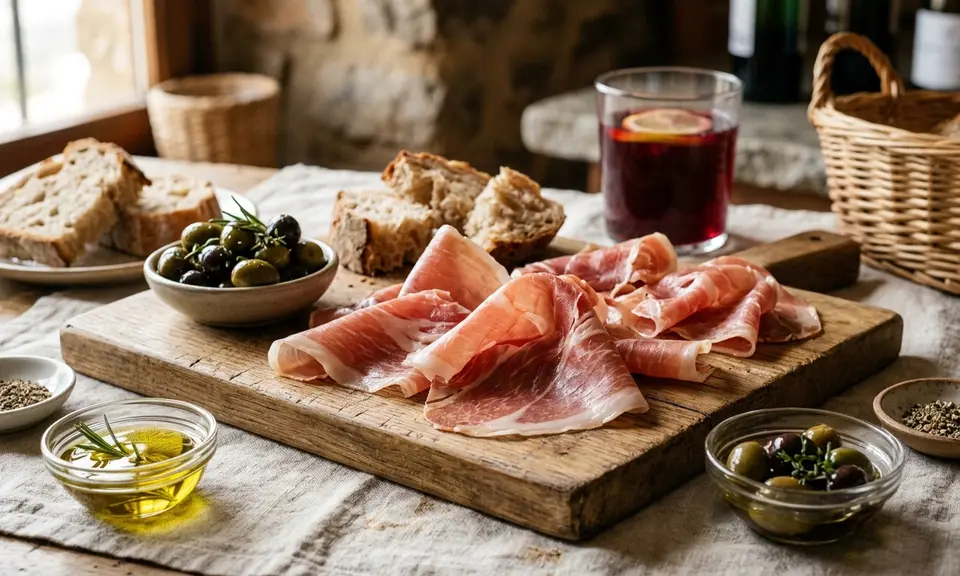
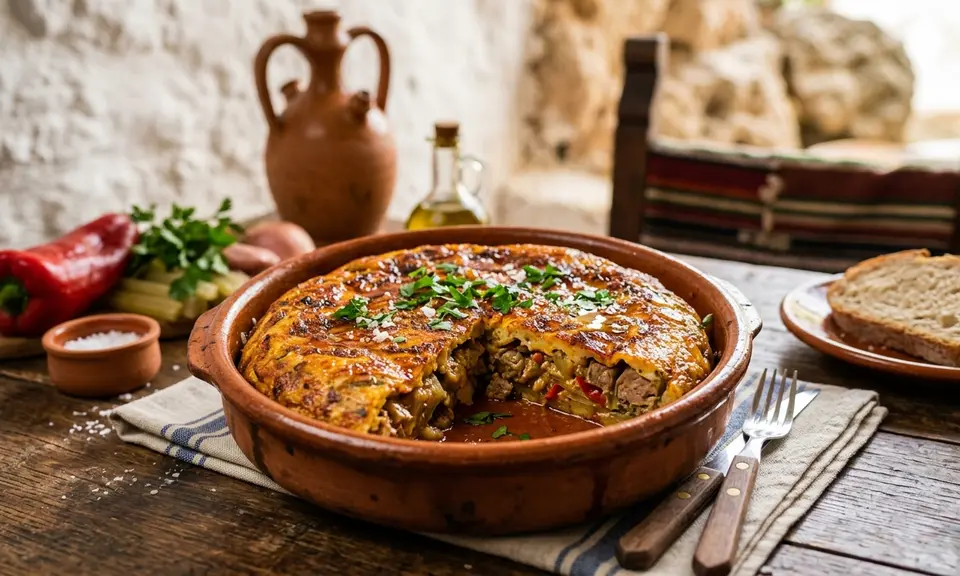
The pionono is the only item here that Granada has kept largely to itself. It barely exists outside the province. The jamón de Trevélez, on the other hand, turns up everywhere: as a garnish, as a tapa, folded into a tortilla del Sacromonte. The salmorejo is a Córdoba import that Granada has quietly claimed by making its version thicker, colder, and topped with Trevélez ham rather than generic serrano.
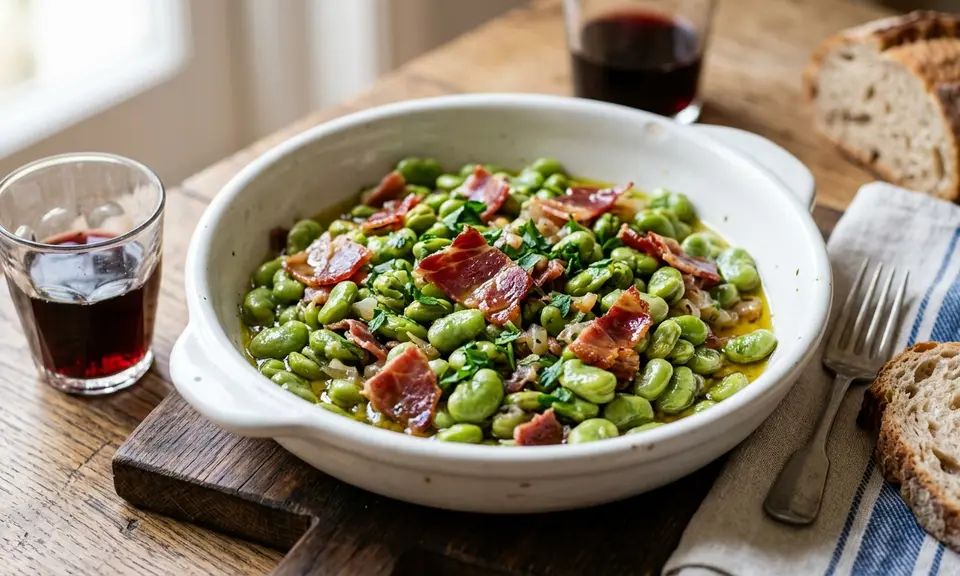
The dishes here are the most genuinely local ones — the kind that appear at a family lunch in the Albaicín, at a village bar in Trevélez, at a spring tapa session during the Cruces de Mayo. Order these ten and you will understand Granada's food culture better than any tasting menu will tell you.
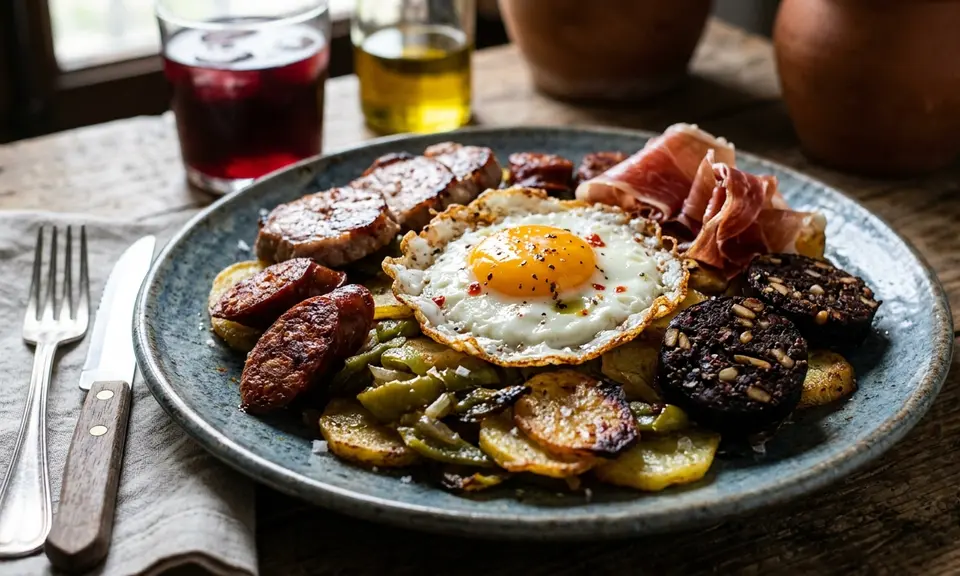
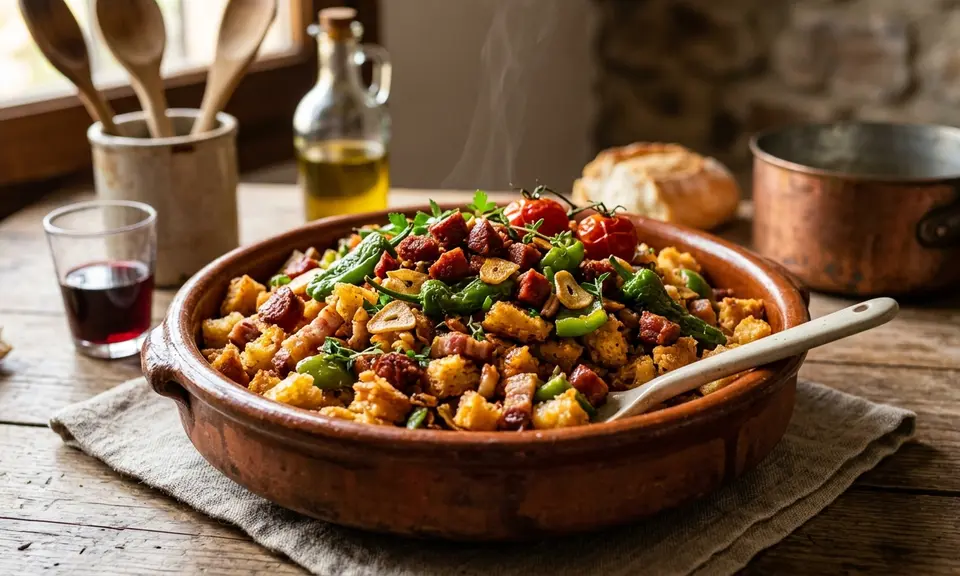
Beyond these ten, home-style Granada cooking runs deeper. Olla granadina is the city's definitive winter stew — chickpeas, pork, pumpkin and chard finished with a picada of ground bread and garlic, served October through March in Realejo and Centro tabernas. Choto al ajillo, kid goat braised for over an hour in olive oil, white wine, and twenty garlic cloves, is Granada's most festive traditional dish. Morcilla de Granada is the province's own blood sausage — warm spices, no rice, pine nuts optional, darker and more complex than Castilian morcilla, best eaten grilled as a tapa. Sopa de ajo granadina, a dark paprika-red garlic soup of stale bread and olive oil with egg stirred in at the end, is earthier and spicier than the Castilian original. Tostón — day-old country bread sliced thick and deep-fried in olive oil until golden — is the city's most honest tapa: cheap, hot, and better than it sounds. On the coast, boquerones landed fresh at Motril appear two ways, marinated in white wine vinegar Granada-style or fried as pescaíto frito, with same-day freshness that the inland city can't match.