The Alhambra paradox: too famous to fake
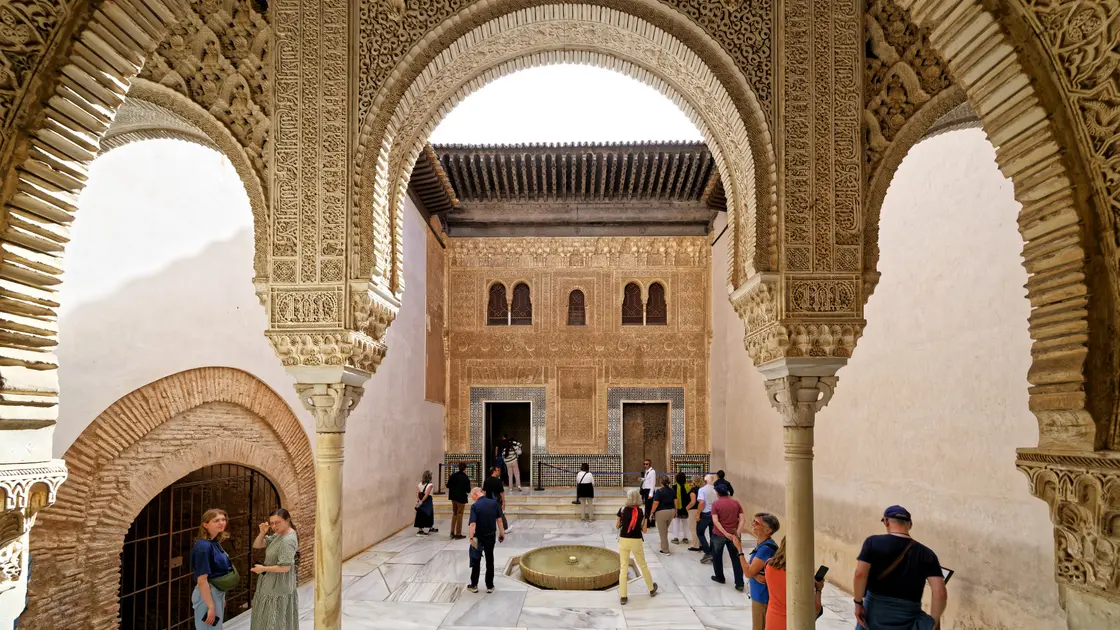
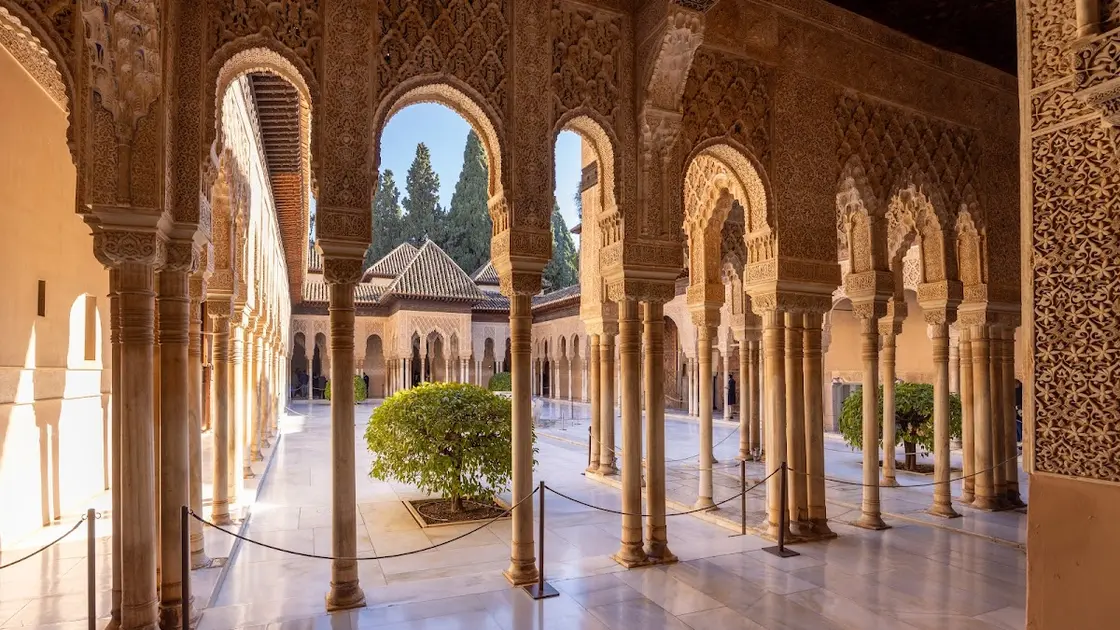
Steven Spielberg wanted to drive a Rolls-Royce through the Nasrid Palaces. That was his plan for the climax of Indiana Jones and the Last Crusade (1989), and the location he scouted for it was the Alhambra, the single most photographed building in Spain. He walked away from the idea: the production judged the monument "too visually familiar for us to attempt to use it as a location supposedly somewhere else"[1].
Explore nearby · Monument
Alhambra
The Alhambra is Granada's UNESCO fortress-palace: Nasrid Palaces, Alcazaba and Generalife gardens. Tickets sell out weeks ahead; book via the Patronato site.
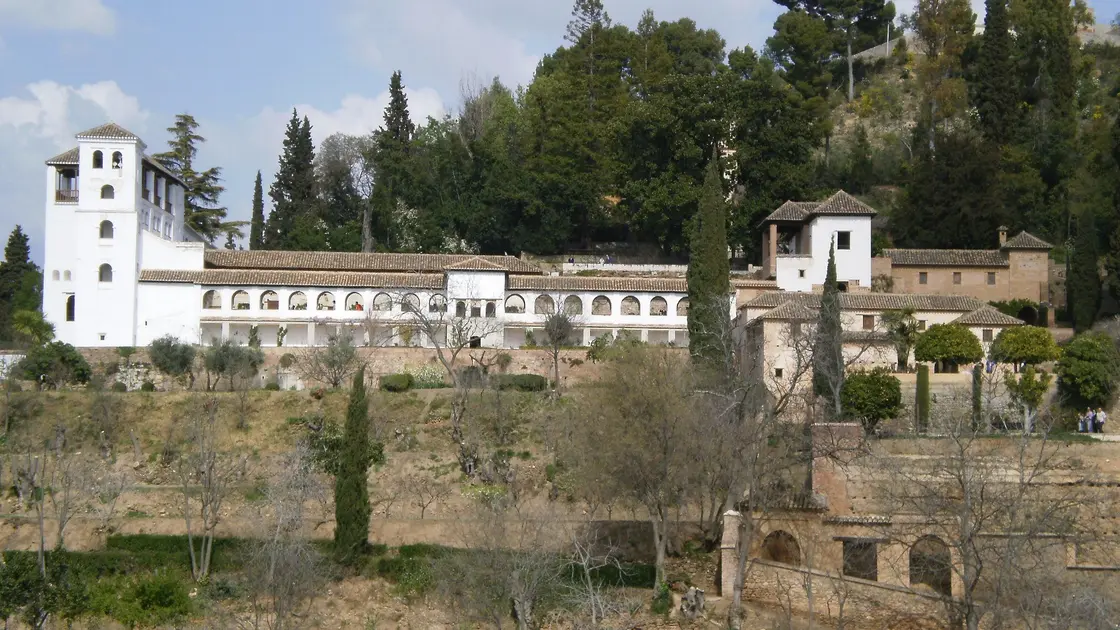
The practical reasons stacked on top of the visual one. A Rolls-Royce sequence inside the Nasrid Palaces would have meant closing a monument that receives thousands of visitors a day, and even with permission granted, it would still have been impossible to pass off as anywhere else in the world[2]. That is the paradox Granada's biggest landmark lives with: it is the reason productions come to the city at all, and the reason so few of them ever film inside it.
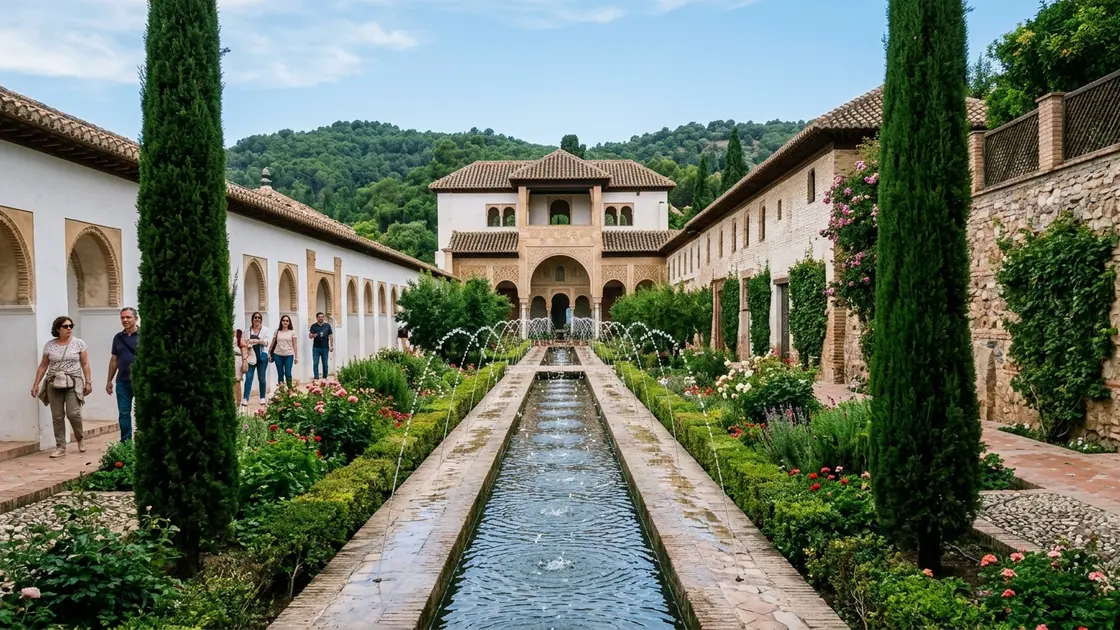
The Alhambra does appear on screen occasionally, on its own terms. In Assassin's Creed (2016), it plays itself in the scene where the protagonist, Aguilar de Nerha, joins the Assassin Brotherhood[3]: no disguise, no stand-in, just the building doing what nothing else can. For everything else a script needs — a desert fortress, a Turkish city, an anonymous castle — Granada sends its directors north to Guadix.
Guadix and La Calahorra: the backlot that says yes
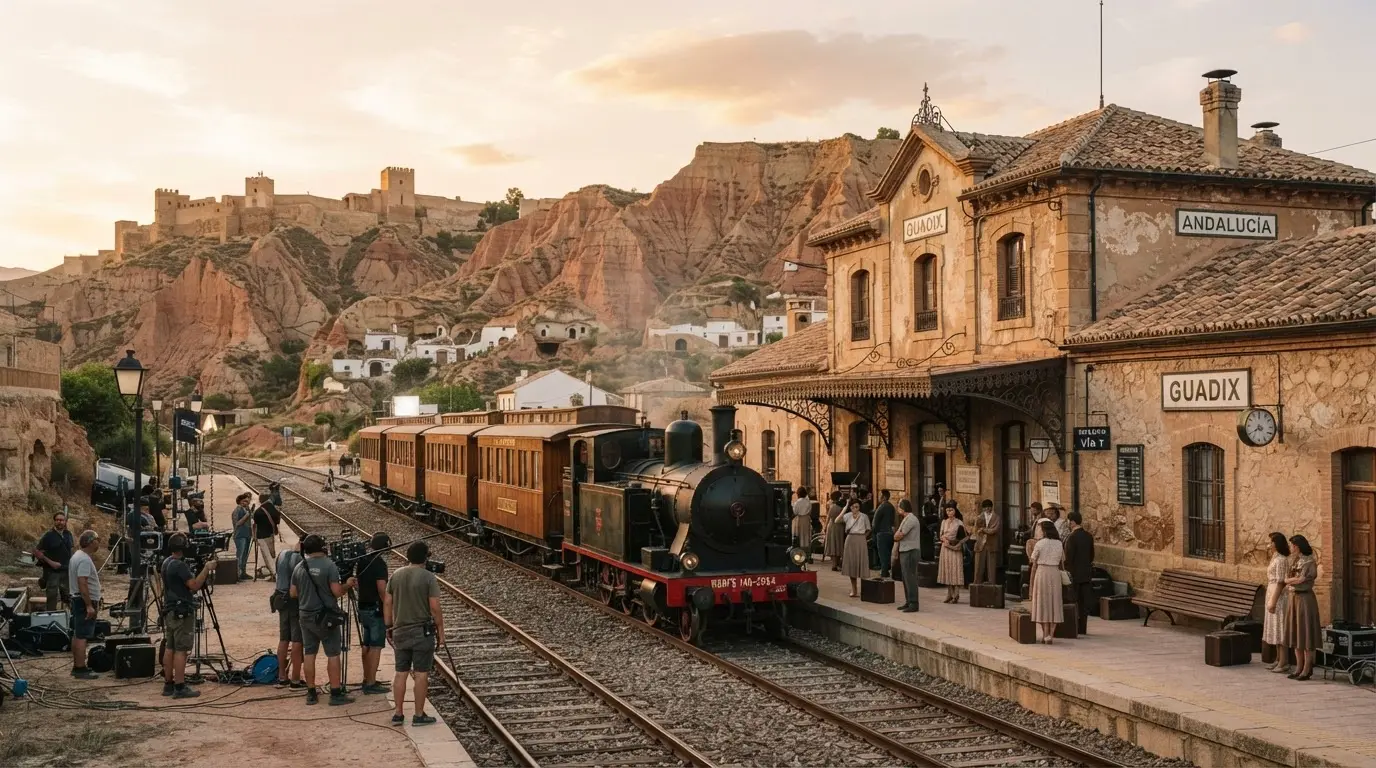
Guadix's railway station got the job the Alhambra turned down. In June, Spielberg's crew transformed the small, functional station into the fictional Turkish city of Iskenderun for the film's climax[4], dressing it with awnings, market stalls, and crowds of extras until it looked nothing like Andalusia. Cinematographer Douglas Slocombe kept adjusting the set through the shoot, chasing the sunlight as it moved[5] — the kind of patient, repeated tweak a recognisable monument would never have allowed him the freedom to make.
In the Guadix comarca, La Calahorra Castle does the same job for television. HBO transformed the 16th-century fortress into Pentos Castle for the sixth episode of House of the Dragon's first season, "The Princess and the Queen"[6]: the episode where Daemon Targaryen's dragon banks over the battlements before a tense courtyard dinner. The castle was already a veteran by then, having previously stood in for locations in The Wind and the Lion, Assassin's Creed, and Inés del Alma Mía[7] — a shortlist that says more about the building's usefulness than any single film does.
The plains below the castle, the Marquesado del Zenete, go back further still. They stood in for the funeral scene of Zhivago's mother in Doctor Zhivago (1965), Sierra Nevada rising in the background[8], and by the 1960s this stretch of countryside was already an established Hollywood location, prized above all for its low production costs[9]. Even the film's smaller set pieces used the province's edges: the sidecar chase between Harrison Ford and Sean Connery in The Last Crusade was shot not in a studio but in the Sierra de Huétor natural park, near the Prado Negro restaurant[10], a stretch of pine forest still walkable today. What Guadix and La Calahorra share is an absence of anything that insists on being itself: red earth, empty plains, stone walls with no single defining silhouette, exactly what a location scout wants and the Alhambra can never give them.
Sierra Nevada becomes the Andes: Society of the Snow
When J.A. Bayona needed the Andes for Society of the Snow (2023), his adaptation of the 1972 plane-crash survival story, he didn't leave Granada province. The production base camp sat in the Los Peñones parking area, at the top of the Pradollano ski station, over 2,000 metres above sea level[11]. A second key location, Laguna de las Yeguas, sits at almost 3,000 metres; a full-scale second recreation of the wrecked aircraft was installed there for the outdoor scenes[12]. Snow, altitude, and a crash site that had to look genuinely inaccessible: Sierra Nevada delivered all three a short drive from Granada city, no studio snow machine required.
180 crew
The shoot ran three months, through winter into spring, with a 180-person crew working at altitude in some of the coldest conditions the range offers[13]. It paid off. Society of the Snow became Spain's official Oscar submission that year, one of two Granada-shot films the Spanish Film Academy shortlisted for the honour[14]. For a mountain range better known locally for its ski season than its film credits, that's a serious credential — and a reminder that the same slopes locals ski on weekends were, for one winter, standing in for a different continent entirely.
Beyond the blockbusters: Cannes credits and cave-house cameos
2023 was a strange, good year for Granada's screen credits. Society of the Snow and Víctor Erice's Close Your Eyes (Cerrar los ojos) were both shortlisted as Spain's Oscar submission, and between them the two directors picked up 24 Goya nominations, carrying Granada's name through Cannes, Venice, and San Sebastián in the same twelve months[15]. Erice shot Close Your Eyes over six weeks in the autumn of 2022, working across the Granada municipalities of Gualchos-Castell de Ferro, Rubite, Dúrcal, and Nigüelas[16], villages a long way from the postcard shots of the Alhambra and proof that the province's screen appeal isn't only about its most famous building.
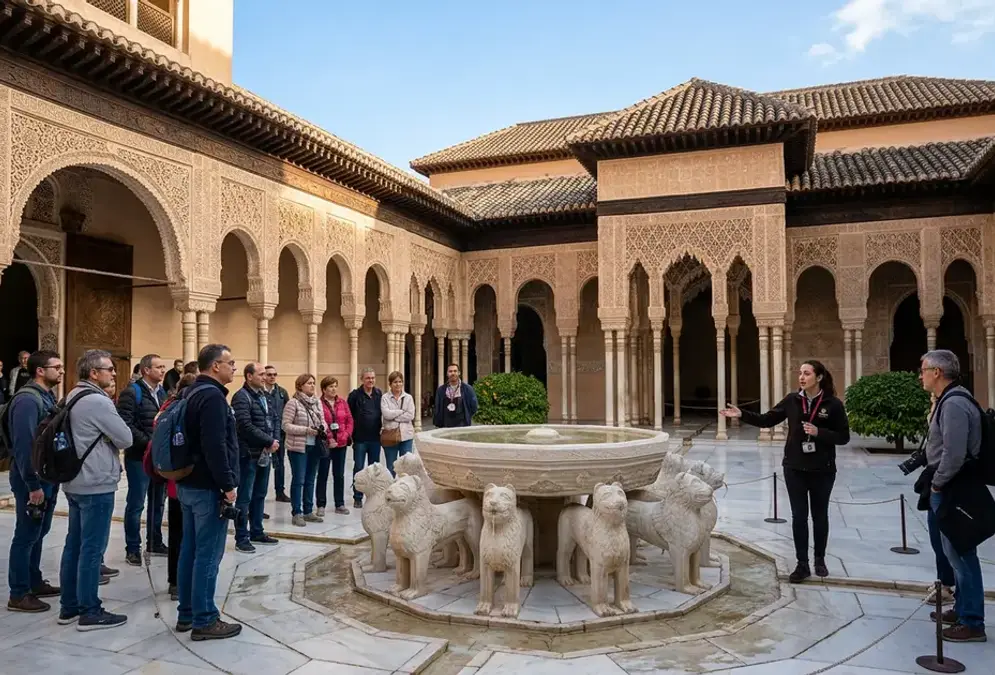
Sacromonte's film pedigree is thinner, but it's there, and it feels different in tone from the Guadix stories: smaller, closer to daily life. The 1982 comedy Todo es posible en Granada casts its protagonist as a tour guide who performs in a cave in Sacromonte, with the rest of the city woven through the film[17]. Three decades later, the crew of A Perfect Day (2014) sent its cast, including Tim Robbins and Benicio del Toro, through the same circuit tourists still walk: the Alhambra, the cave houses of Sacromonte, and the Albaicín[18].
Recommended tours
Tours are selected for quality, not commission. We earn a small fee if you book — at no extra cost to you.
Not every Granada film story checks out. Loja still tells two competing, undocumented versions of why the Marx Brothers' fictional kingdom of "Sylvania" in Duck Soup (1933) is supposed to share its name with the town's mirador: one involves a Loja native who met Harpo Marx in Los Angeles, the other a local photographer's stock image reaching Paramount. Neither has ever been confirmed. It's a good bar story, not a film credit, and worth knowing the difference before repeating it as fact.
Why the location scouts keep calling
None of this happens by accident. The Andalucía Film Commission, running since 1998, coordinates permits, professionals, and logistics across the region through the Andalusian Network of Film Cities[19], the paperwork layer that turns a good-looking castle into a bookable set within weeks rather than months. Granada runs its own version at provincial level: the Diputación's Film in Granada office had built a catalogue of roughly 100 locations across 50 of the province's municipalities by the end of 2023[20], everything from Guadix's badlands to Sierra Nevada's upper slopes.
There's money behind the scenery, too. Spain offers international productions a 30% tax incentive, alongside free production assistance and filming grants[21], a package Andalusia has used to attach itself to some of the biggest cinematic universes in circulation: Star Wars' Naboo, and Game of Thrones' Dorne, Meereen, and the Dothraki Sea were all shot somewhere across the region's eight provinces[22]. Granada's specific contribution is geological rather than financial: desert badlands, a Moorish palace no one dares disguise, a 16th-century castle that will play almost anyone, and a mountain range cold enough to double as the Andes.
Deep dive · Article
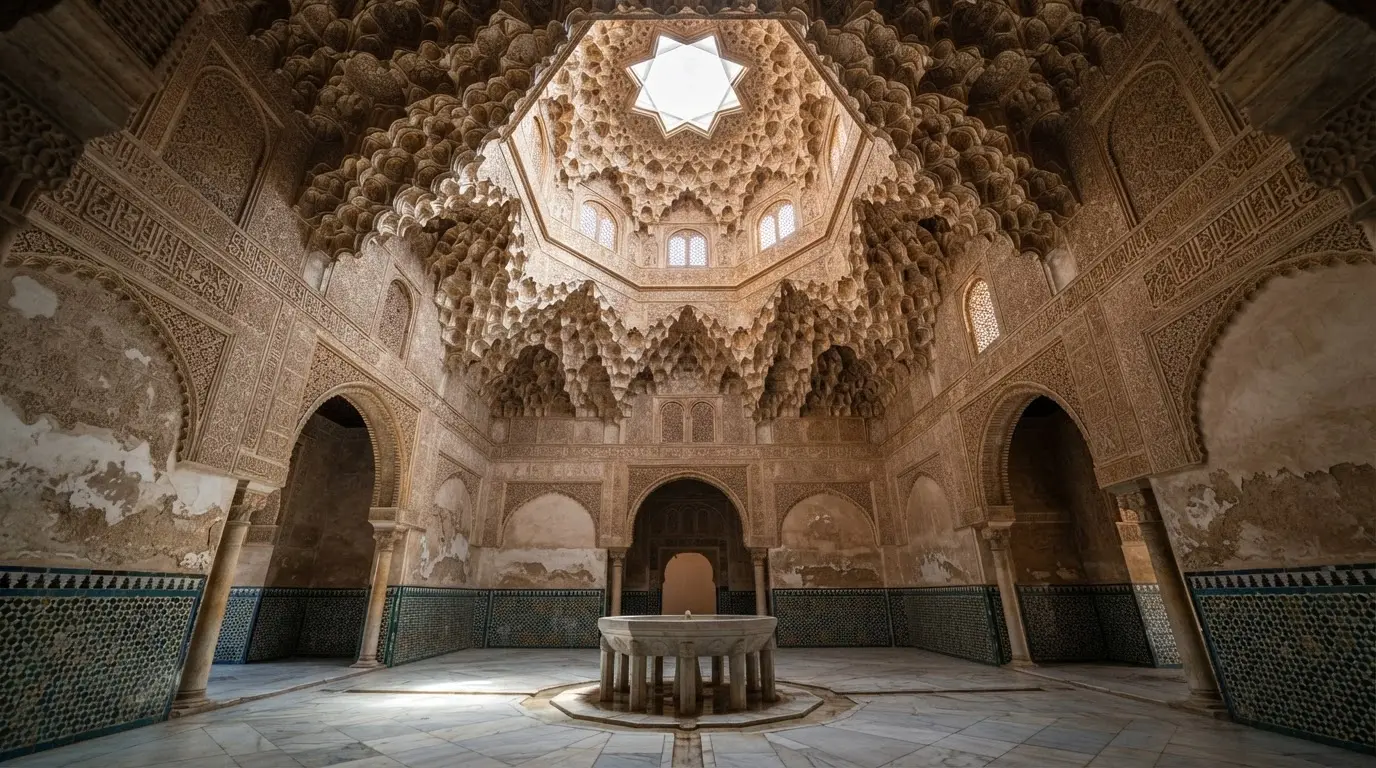
Abencerrajes of Granada: the noble clan behind the legend
Abencerrajes of Granada: the noble clan who shaped Nasrid court politics for a century and became legend through a massacre story set in the Alhambra.
212 films have been made in Granada province since location shooting began there in 1913[23], and the count rises every filming season. For a visitor, the throughline is easy enough to follow on the ground: stand under the Alhambra's walls to see the one building no script can disguise, then drive north to Guadix and La Calahorra to see everywhere else Hollywood has pretended to be.