Articles
Stories, history, and planning essays from Granada
Long-form editorial pieces written by resident correspondents — cultural deep-dives, food traditions, and practical planning essays for visiting the city.
Latest
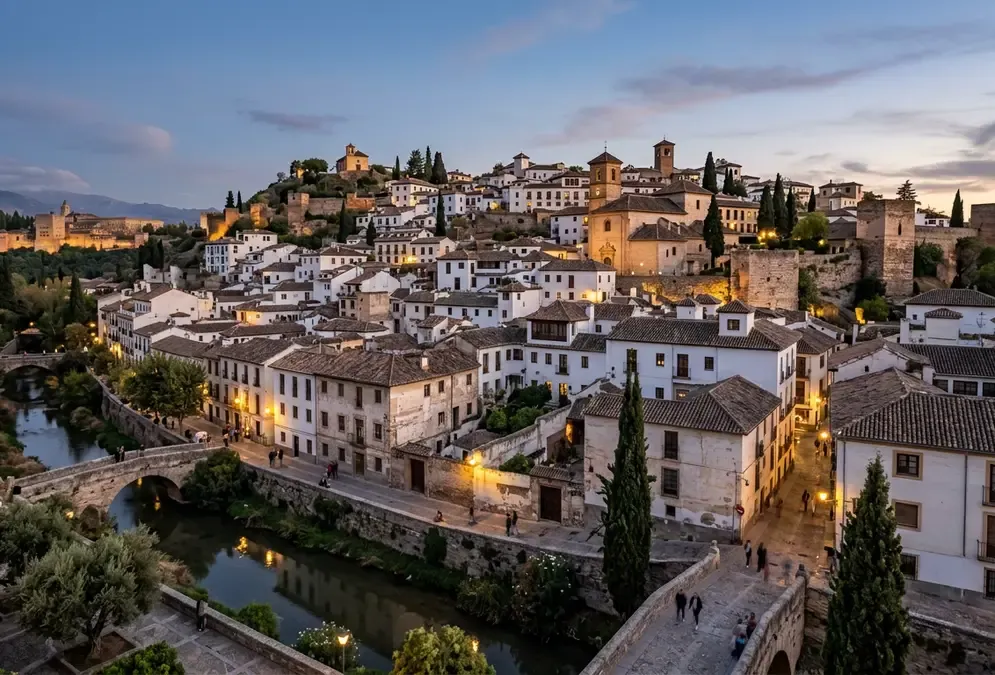
Roman Granada: Iliberis and the Council of Elvira
James Walker
Granada was Roman Iliberis for over 700 years before the Moors arrived. The Council of Elvira, c. 306 AD, was the earliest church council in all of Hispania.
Read article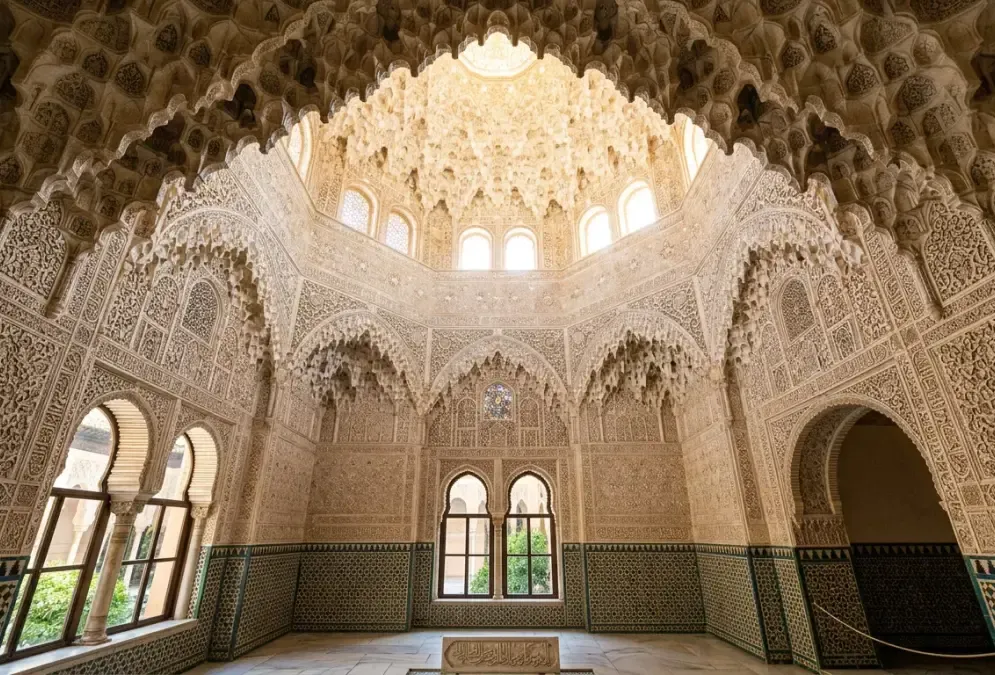
The Nasrid Dynasty: Granada's 260-Year Islamic Kingdom
James Walker
The Nasrids ruled Granada from 1232 to 1492, building the Alhambra while every other Moorish kingdom fell. Their story of diplomacy, art, and collapse.
Read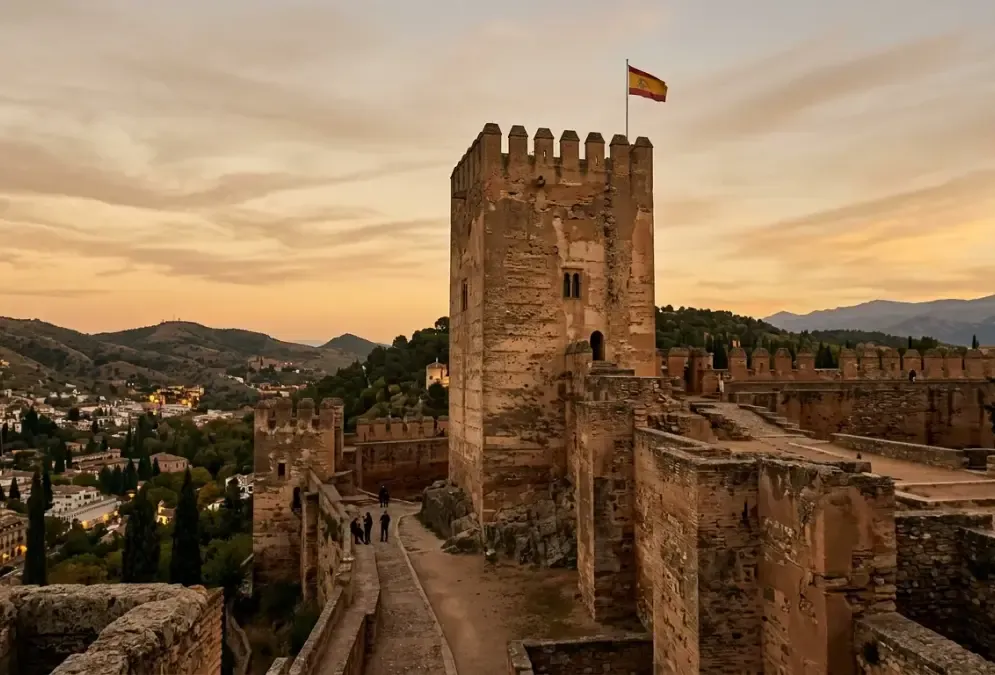
The Reconquista and the Fall of Granada in 1492
James Walker
On 2 January 1492, Granada surrendered, ending 781 years of Moorish rule. The Reconquista, the siege of 1491, and the Granada Capitulations explained.
Read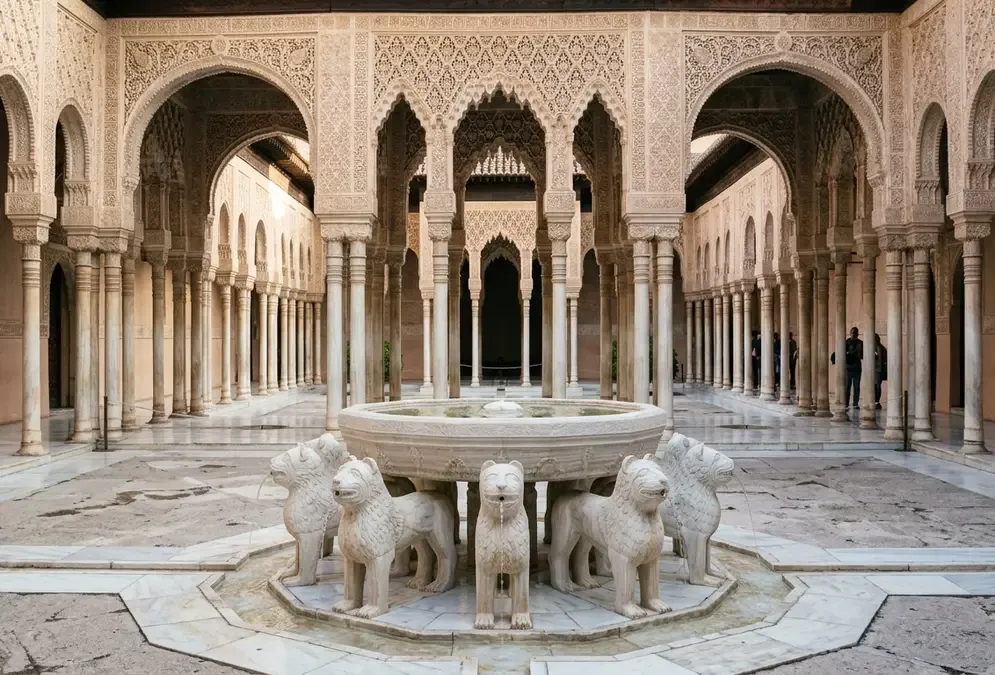
Court of the Lions Alhambra Granada: Decoding the Courtyard
James Walker
Court of the Lions, Alhambra Granada: 124 marble columns, a lion fountain 650 years old, a Quranic paradise built by Muhammad V. What to see and when.
Read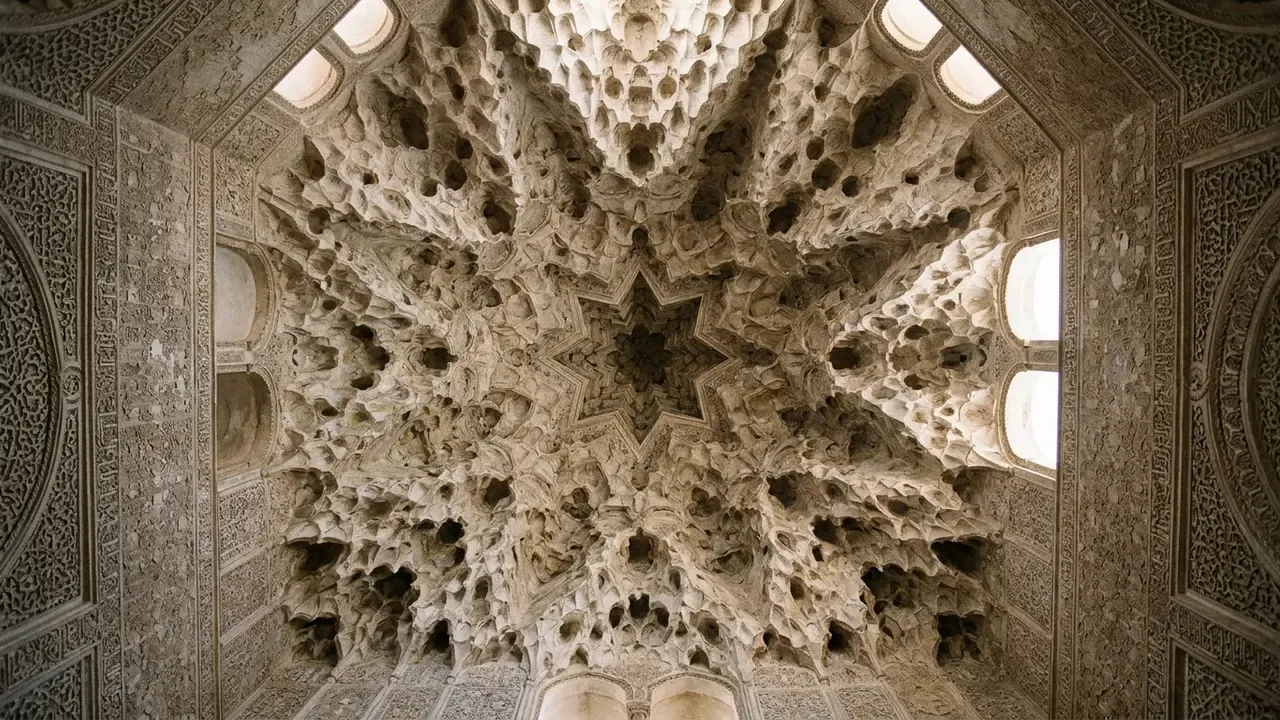
Nasrid Architecture: Muqarnas, Mocárabes, and Zellige Explained
James Walker
Muqarnas, mocárabes, zellige: the three techniques behind the Alhambra's ornament. What each is, how craftsmen made it, and where to see it in Granada.
Read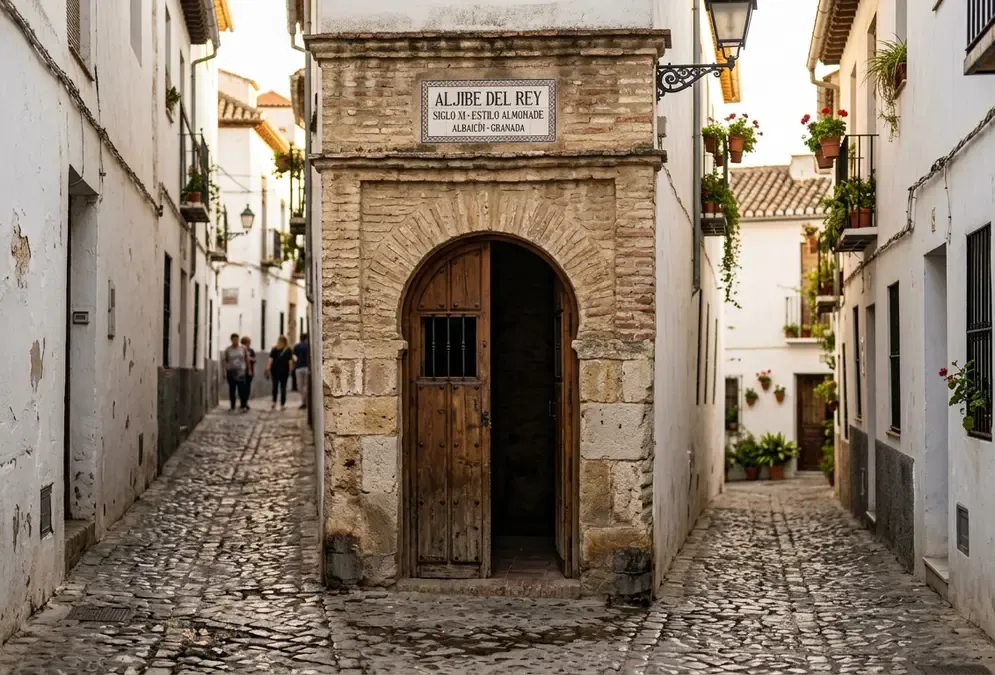
Albaicín Aljibes: The Medieval Cisterns Under Granada's Streets
James Walker
Twenty-six medieval cisterns survive beneath the Albaicín, built 10th–15th centuries. Fed by the Acequia de Aynadamar from Alfacar into every home and mosque.
Read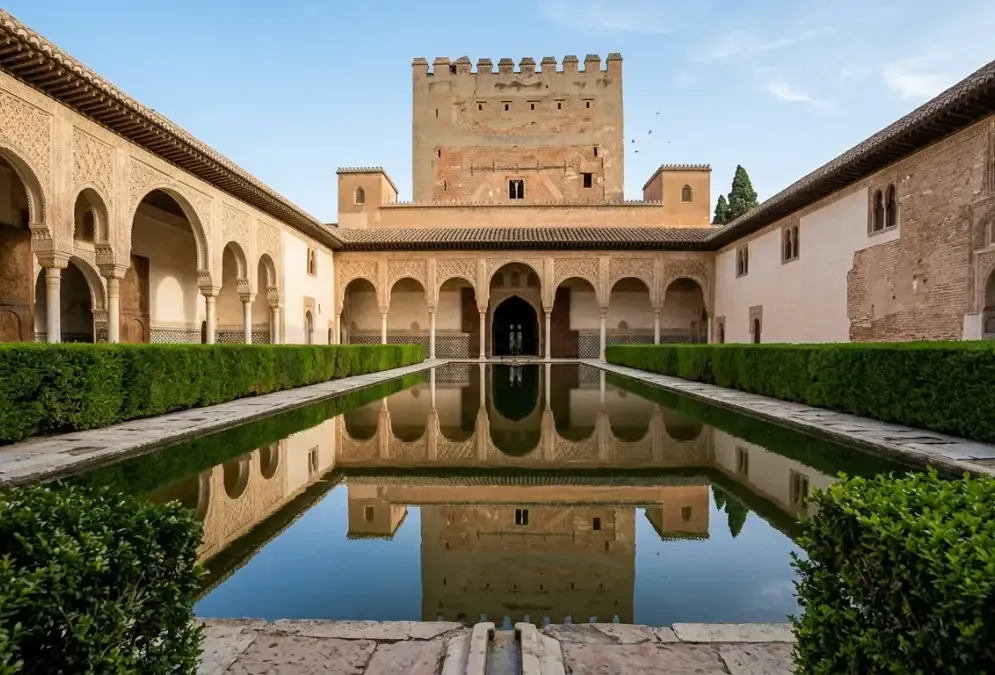
The Alhambra's Water System: Engineering of the Nasrid Palaces
James Walker
The Alhambra's water system is a 760-year-old feat of engineering. Acequia Real aqueduct, fountain mechanics, and the theology of water in Nasrid design.
Read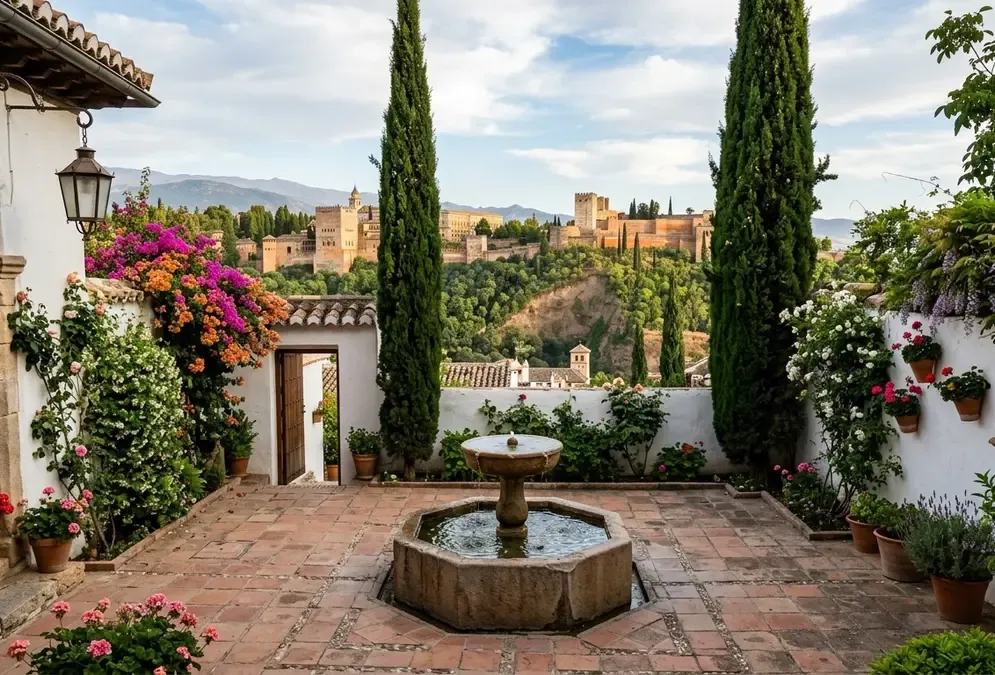
Cármenes of the Albaicín: Granada's Walled Garden Houses
James Walker
Granada's cármenes are walled garden villas from Arabic karm (vineyard). Found across the Albaicín since the Nasrid period, two are open free to visitors.
Read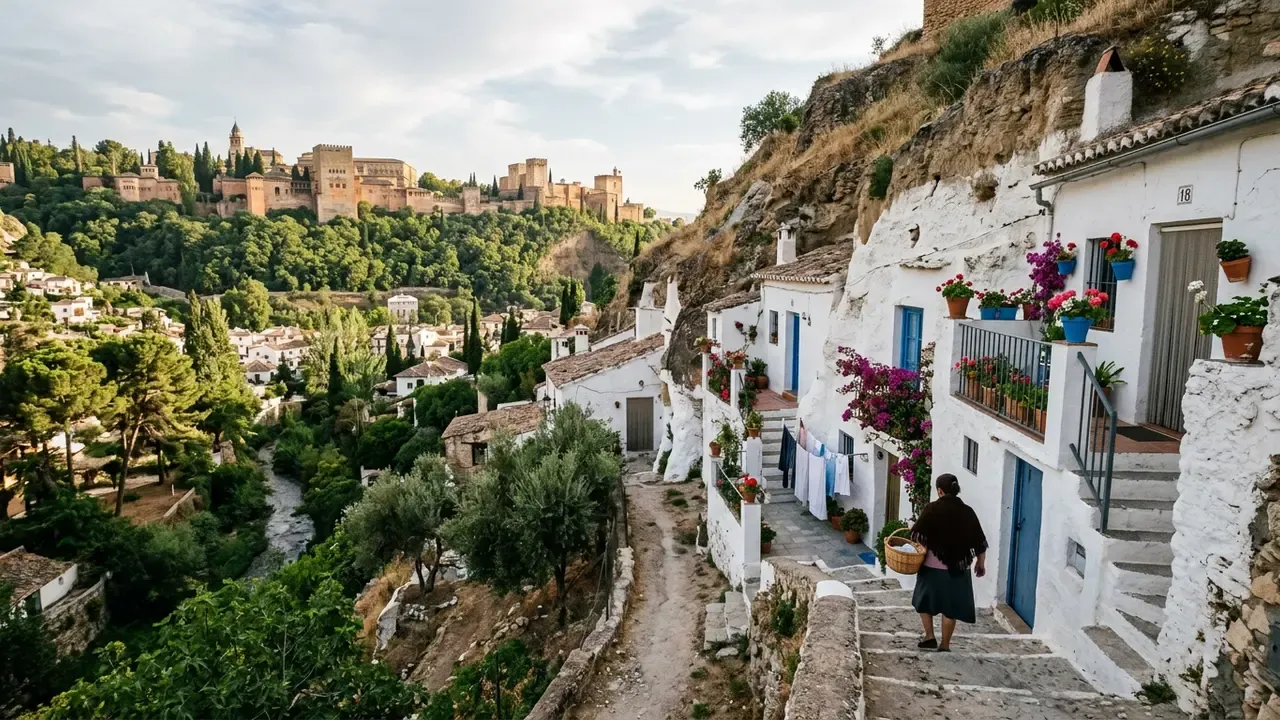
Cave houses of Sacromonte: how Granada carved its hillside
James Walker
Sacromonte's cave houses were dug from Alhambra conglomerate after 1492: Romani history, the 1963 floods, the museum, the abbey, and how to stay in one.
Read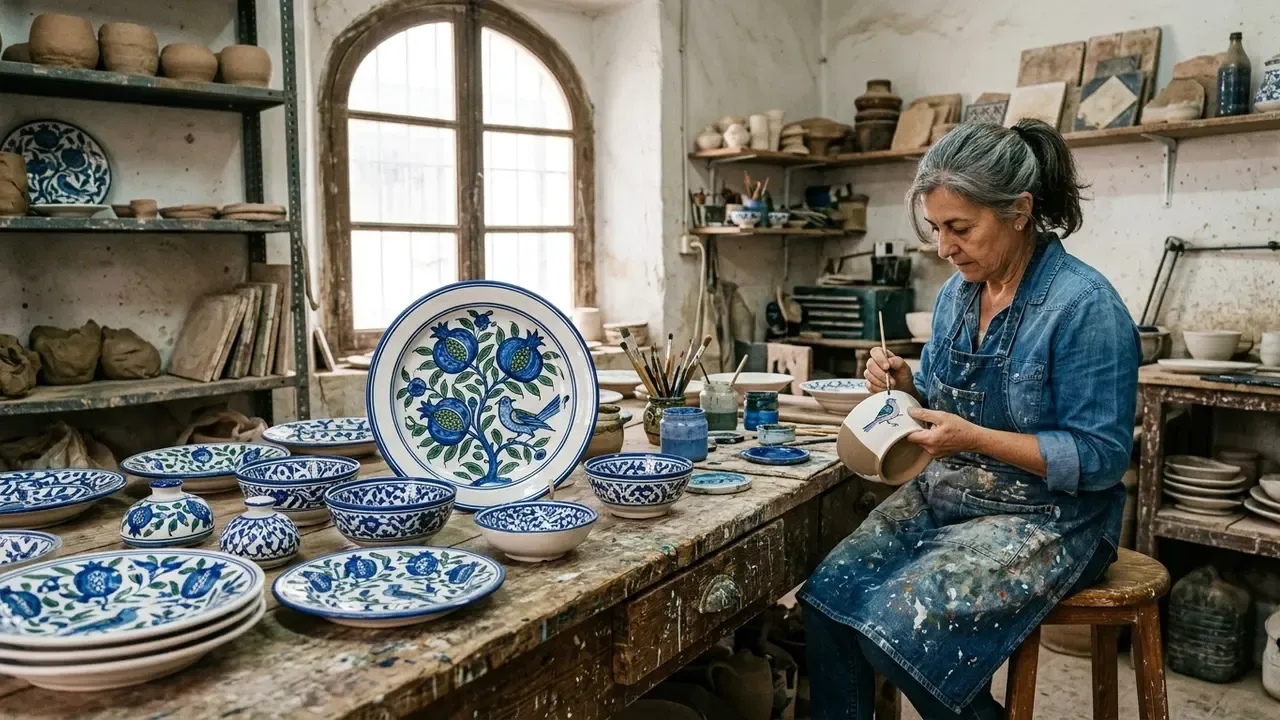
Fajalauza ceramics: Granada's 500-year pottery tradition
James Walker
Fajalauza ceramics are Granada's tin-glazed tradition since 1517. Cobalt blue, pomegranate motifs, and one Albaicín family still making each piece by hand.
Read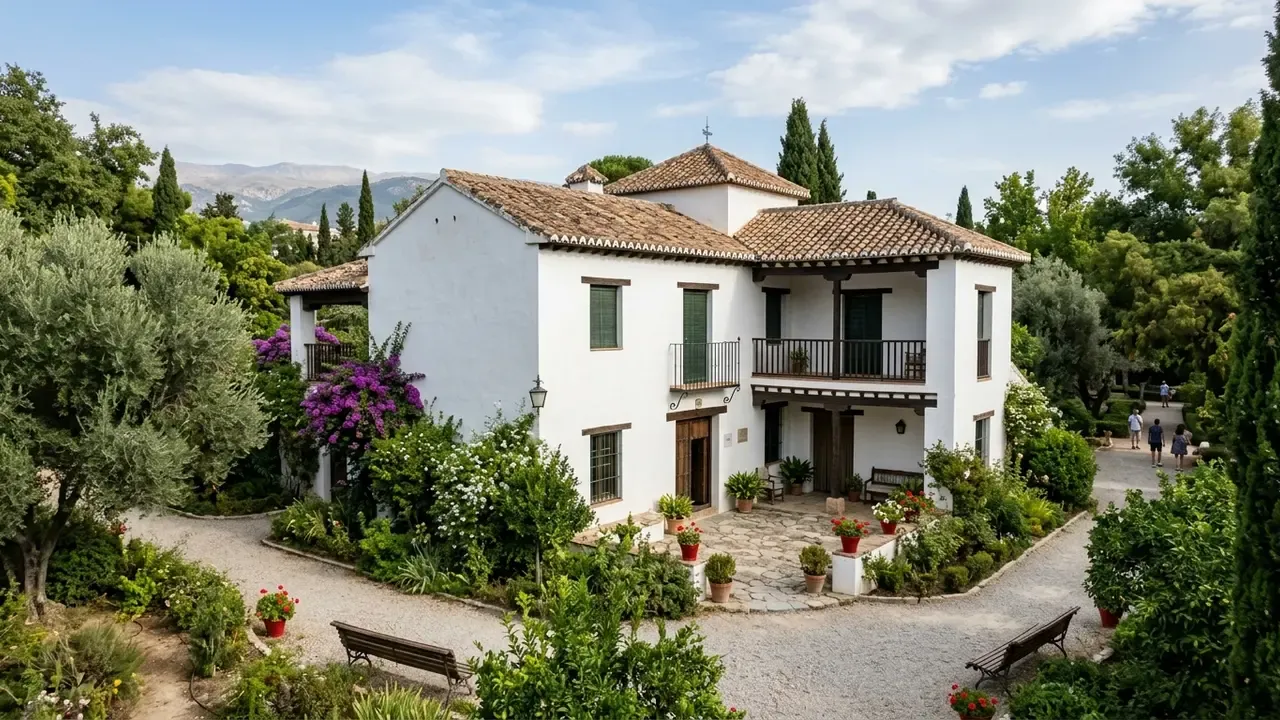
Federico García Lorca and Granada: the city that made him
James Walker
Lorca wrote his major plays in Granada, was shot nearby in 1936, and his grave has never been found. His house-museum, the grave site, and how to visit.
Read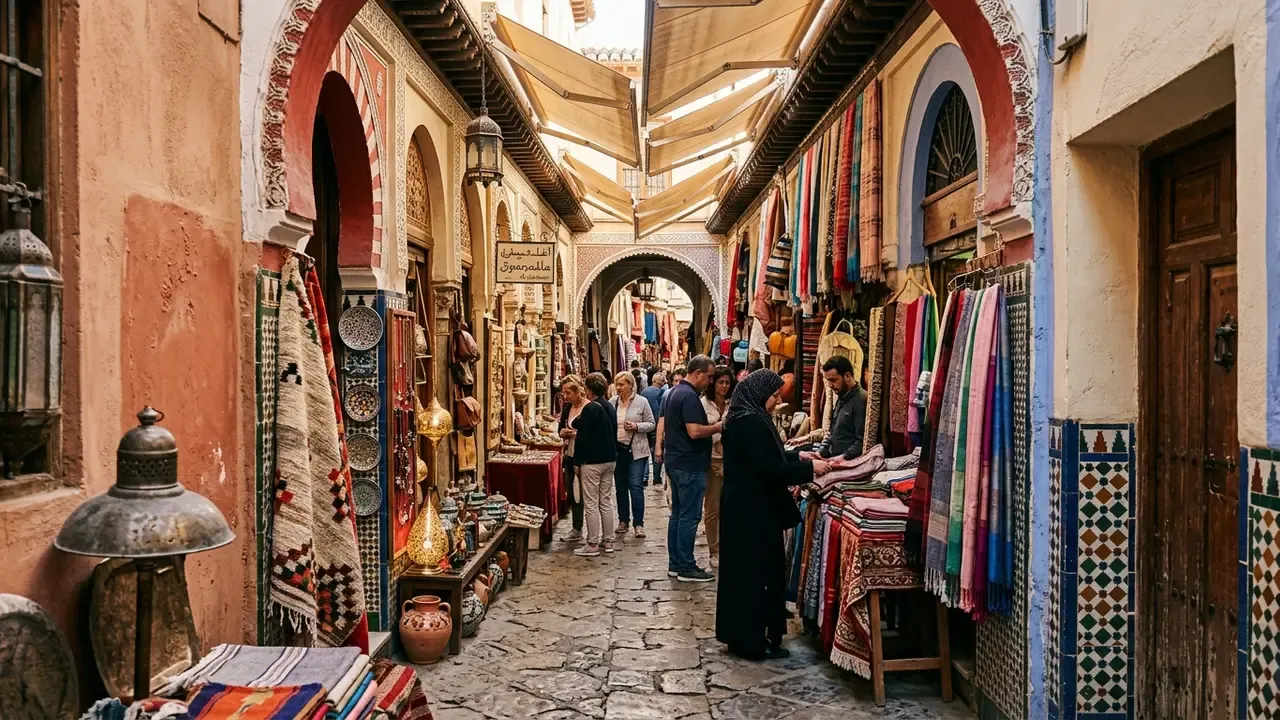
Granada Silk Road: the Alcaicería and Nasrid Silk Trade
James Walker
Granada's Alcaicería was the commercial heart of a silk empire. How Nasrid silk funded the Alhambra, reached Flanders, and was dismantled by decree after 1492.
Read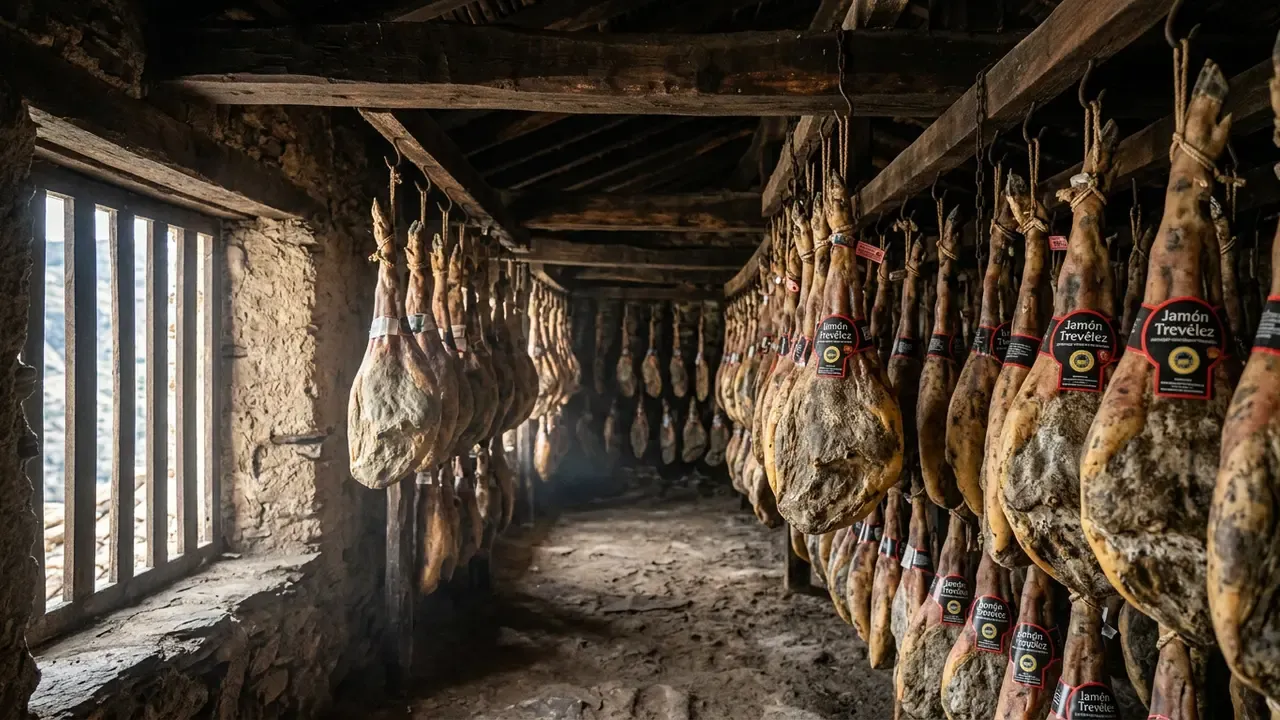
Jamón de Trevélez and Alpujarras: altitude curing
James Walker
Jamón de Trevélez IGP: cured at 1,476m in the Alpujarras by cold mountain air, not salt. How the blue/red/black seals work and where to buy in Granada.
Read