When Will the Madrid to Granada High-Speed Line Reopen?

A decade writing about Andalusian transport logistics, airport access, and independent travel through southern Spain.
- Normal trunk line traffic
- 47 trains/day
- Daily services carrying roughly 10,000 passengers on the Madrid–Seville line[1]
- Gap between 2026 crash sites
- 201 km
- Railway distance separating the January Adamuz and October Urda incidents[2]
- January 2026 Adamuz closure
- 29 days
- High-speed suspension from 19 January until service resumed on 17 February[3]
In this article
Jump to a section
Why a crash in Toledo cuts Granada off and what operator ticket blocks mean
- Renfe froze ticket sales across the Madrid–Andalusia corridor until 13 December 2026, while clarifying that the freeze does not mean rail traffic will remain suspended until that date and that service will resume if Adif restores circulation earlier[5][6][7].
- Iryo blocked ticket purchases on its website for this line until 9 November 2026[11].
- Ouigo suspended all its services until at least 2 November 2026 inclusive and informed affected travellers in a statement[12].
What has to happen at kilometre 118 near Urda before trains run again
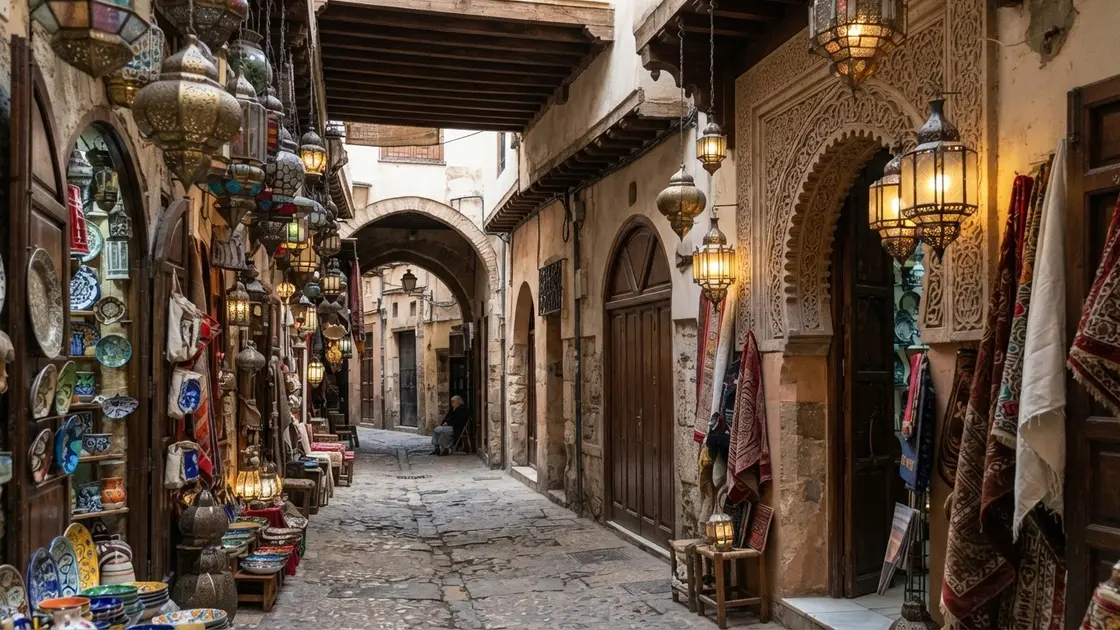
Explore nearby · Monument
Alcaicería
Granada's historic silk market, rebuilt after 1843 in Neo-Moorish style. Small shops sell ceramics, taracea woodwork, spices, and leather goods. Free to enter.
What the 29-day Adamuz closure taught Granada travellers
- 18 Jan 2026
- 22 Jan 2026
On-site rescue operations conclude
Emergency rescue work at the Adamuz crash site lasted until Thursday 22 January, pushing back early 2 February reopening hopes[22].
- 28 Jan 2026
- 17 Feb 2026
- 18 Feb 2026
Recommended tours
Tours are selected for quality, not commission. We earn a small fee if you book — at no extra cost to you.

Why two collisions in ten months put LZB signalling and delayed ERTMS under scrutiny
How a staged reopening unfolds for Granada and when to rebook vs hold your ticket

Deep dive · Article
Cancelled Train to Granada: What Renfe, Iryo and Ouigo Owe You
Cancelled train to Granada? Compare the EU refund floor with Renfe, Ouigo and Iryo rules, from the 100-minute rule to vouchers and how to claim in Spain.
Frequently asked questions
When will Madrid Andalusia high speed train reopen for Granada passengers?
Does Renfe blocking tickets until 13 December mean no trains will run before then?
Why does a train crash at Urda in Toledo stop AVE trains to Granada?
How long did it take to reopen the Madrid–Granada line after the January Adamuz crash?
Why are regional Avant trains to Granada affected when the crash happened near Madrid?
Can I cancel or change my Madrid–Granada train ticket for free during the suspension?
Sources
38 references Show Hide
- Antena 3 Noticias (31 Oct 2026) (opens in a new tab)
“La conexión entre Madrid y Sevilla registra normalmente 47 trenes diarios y mueve a unos 10.000 viajeros cada día.”
- Hosteltur (29 Oct 2026) - distance between crashes (opens in a new tab)
“Son dos puntos separados por unos 201 kilómetros de referencia ferroviaria, dentro del mismo corredor, cuya circulación ha vuelto a quedar interrumpida.”
- Diario Córdoba (16 Feb 2026) - one-month closure (opens in a new tab)
“Los trenes de alta velocidad de las tres compañías que operan en el corredor -Renfe, Iryo y Ouigo- vuelven a transitar después de casi un mes sin servicio.”
- Antena 3 Noticias (28 Oct 2026) (opens in a new tab)
“El administrador de infraestructuras ferroviarias, Adif, ha interrumpido el tráfico entre Madrid y el corredor sur "hasta nuevo aviso".”
- Ceuta TV / EFE (28 Oct 2026) - ticket freeze (opens in a new tab)
“Renfe ha paralizado la venta de billetes en el corredor de alta velocidad entre Madrid y Andalucía hasta el próximo 13 de diciembre tras la colisión de dos trenes en Urda (Toledo).”
- Ceuta TV / EFE (28 Oct 2026) - precautionary measure (opens in a new tab)
“No obstante, la compañía ha aclarado que esta decisión no significa que la circulación ferroviaria vaya a permanecer interrumpida hasta esa fecha.”
- Ceuta TV / EFE (28 Oct 2026) - earlier resumption (opens in a new tab)
“Fuentes de Renfe han indicado a la Agencia EFE que, si Adif, el gestor de la infraestructura ferroviaria, decide restablecer la circulación antes del 13 de diciembre, la operadora también retomará el servicio.”
- La Moncloa / Ministerio de Fomento AVE Dossier - distance and time (opens in a new tab)
“Estos trenes Ave emplearán entre 3 horas 5 minutos y 3 horas 19 minutos en recorrer los 568 km de alta velocidad que conectan Granada con Madrid.”
- La Moncloa / Ministerio de Fomento AVE Dossier - route stops (opens in a new tab)
“La nueva conexión entre Granada y Madrid incluye además otras ciudades andaluzas como Loja, Antequera, Puente Genil y Córdoba, así como Ciudad Real”
- Wikipedia - Madrid-Seville high-speed rail line (opens in a new tab)
“At Córdoba the Madrid–Málaga high-speed rail line leaves the line from Madrid.”
- ABC Economía (28 Oct 2026) - Iryo block (opens in a new tab)
“La web de Iryo no permite adquirir ningún viaje de esta línea hasta el próximo 9 de noviembre.”
- ABC Economía (28 Oct 2026) - Ouigo suspension (opens in a new tab)
“Ouigo ha suspendido todas sus circulaciones «hasta al menos» el próximo dos de noviembre incluido y, como ha señalado en un comunicado, todos los viajeros afectados han sido informados”
- Hosteltur (30 Oct 2026) (opens in a new tab)
“De momento, Renfe ha habilitado servicios especiales por vía convencional entre Madrid, Ciudad Real y Puertollano, en ambos sentidos, con aproximadamente 90 minutos adicionales de viaje.”
- ABC Economía (28 Oct 2026) - investigation and removal (opens in a new tab)
“La reanudación del servicio en casos como este suele tardar varias semanas. Ahora se abre además un proceso de investigación y de retirada de los convoyes afectados de la vía.”
- El Debate (28 Oct 2026) (opens in a new tab)
“En concreto, en torno a las 08:53 horas el tren AVE 2080 con salida de Madrid y destino Sevilla chocó con el tren Iryo 6076 que iba por delante y causó el descarrilamiento de los últimos dos vagones del Iryo”
- Hosteltur (29 Oct 2026) - kilometre points (opens in a new tab)
“El 18 de enero, el accidente de Adamuz (Córdoba) se produjo en el punto kilométrico 318,693 de la línea Madrid-Sevilla. El siniestro de este miércoles, 28 de octubre se sitúa en el kilómetro 118, cerca de Urda (Toledo).”
- RTVE Noticias (29 Oct 2026) - judicial secrecy (opens in a new tab)
“La magistrada ha declarado secretas las actuaciones y ha prohibido retirar elementos de la zona del siniestro, así como tomar o difundir imágenes del lugar.”
- RTVE Noticias (29 Oct 2026) - debris removal (opens in a new tab)
“La retirada de escombros continúa para tratar de levantar los vagones siniestrados y encontrar posibles víctimas. Mientras tanto, ya están en marcha las investigaciones judicial y técnica”
- RTVE Noticias (29 Oct 2026) - AITAT authority (opens in a new tab)
“Este análisis corresponde a la nueva Autoridad Administrativa Independiente para la Investigación Técnica de Accidentes e Incidentes Ferroviarios, Marítimos y de Aviación Civil (AITAT), que sustituyó el 15 de julio de 2026 a la Comisión de Investigación de Accidentes Ferroviarios (CIAF).”
- Adif Press Release (19 Jan 2026) (opens in a new tab)
“A las 19.45 h., un tren que realizaba el recorrido Malaga-Madrid descarriló en Adamuz (Córdoba), invadiendo la vía contigua. Por la vía contigua circulaba otro tren Madrid-Huelva, que también descarriló.”
- Hosteltur (29 Oct 2026) - crash mechanics (opens in a new tab)
“en Adamuz el descarrilamiento precedió al choque y en Urda el choque provocó el descarrilamiento.”
- Diario Córdoba (16 Feb 2026) - rescue until 22 Jan (opens in a new tab)
“Aunque en un principio se barajó el 2 de febrero como fecha para la reapertura de la alta velocidad, primero hubo que esperar a las labores de rescate, que se prolongaron hasta el jueves 22 de enero”
- Diario Córdoba (16 Feb 2026) - judicial clearance 28 Jan (opens in a new tab)
“Después, no se pudo trabajar en la reposición de las vías hasta que el 28 de enero Adif recibió la autorización judicial para proceder a reponer la infraestructura en el tramo del siniestro.”
- Diario Córdoba (16 Feb 2026) - 10-day estimate (opens in a new tab)
“El ministro de Transportes, Óscar Puente, anunció entonces que en un plazo aproximado de diez días naturales la alta velocidad entre Andalucía y Madrid podría estar de nuevo en funcionamiento.”
- Diario Córdoba (16 Feb 2026) - 40 Adif technicians (opens in a new tab)
“Desde el 28 de enero, un equipo compuesto por unos 40 técnicos de Adif y una veintena de vehículos especializados ha estado trabajando en el tramo afectado para retirar traviesas y carriles dañados”
- ABC Córdoba (29 Jan 2026) (opens in a new tab)
“En el ámbito de la electrificación, se han desarrollado trabajos previos para el futuro tendido de la catenaria de la vía 1, mediante la instalación de anclajes, conductores eléctricos y otros elementos asociados, como las ménsulas.”
- Diario Córdoba (16 Feb 2026) - Villanueva de Córdoba plan (opens in a new tab)
“Siete trenes diarios han realizado el recorrido entre Madrid-Puerta de Atocha y Villanueva de Córdoba, la misma cifra que en el recorrido inverso-”
- Diario Córdoba (16 Feb 2026) - staged reopening (opens in a new tab)
“La circulación de trenes alta velocidad entre Madrid, Córdoba y el resto de Andalucía (Sevilla, Málaga y Granada) reabre entre este martes, 17 de febrero, y este miércoles, 18 de febrero”
- Bolsamanía / Europa Press (18 Feb 2026) - Granada services restored (opens in a new tab)
“Renfe retomaba un día antes de cumplirse un mes de la tragedia sus circulaciones habituales en los servicios Madrid-Sevilla, Madrid-Cádiz, Madrid-Granada, Madrid-Huelva y el Alvia Madrid-Granada-Almería.”
- Bolsamanía / Europa Press (18 Feb 2026) - Málaga Antequera bus (opens in a new tab)
“En el caso de Madrid-Málaga, la compañía ferroviaria Renfe ha informado de que el servicio se recuperará desde este miércoles, aunque la conexión con la estación de Santa Ana de la localidad malagueña de Antequera será en autobús.”
- El País (30 Oct 2026) - €780M remodelling (opens in a new tab)
“Así ha sido en la remodelación integral de 780 millones de euros llevada a cabo en el corredor Madrid-Sevilla entre 2022 y 2026, con trabajos pendientes aún como el de la puesta en marcha del sistema ERTMS de seguridad.”
- El País (30 Oct 2026) - Hitachi Rail ERTMS contract (opens in a new tab)
“Este último fue adjudicado a mediados de 2021 y debía haber finalizado en abril de este 2026, tras 52 meses de obras por parte de la adjudicataria Hitachi Rail. Su activación se prevé el próximo año.”
- Ministerio de Transportes y Movilidad Sostenible (23 Jan 2026) (opens in a new tab)
“Implantación del ERTMS por importe de 104,72 millones de euros, actualmente en ejecución, siguiendo en vigor el sistema LZB.”
- El País (30 Oct 2026) - LZB failure across 63 km (opens in a new tab)
“Su caída por un fallo informático a las 8.30 del miércoles motivó que seis trenes se detuvieran en un tramo de 63 kilómetros, entre ellos el Iryo y el AVE de Renfe siniestrados.”
- Estrella Digital (30 Oct 2026) (opens in a new tab)
“A partir de esa incidencia, los trenes afectados pasaron a circular bajo el régimen denominado Bloqueo de Señalización Lateral (BSL).”
- Diario Córdoba (16 Feb 2026) - Avant S104 maintenance (opens in a new tab)
“imposibilidad de efectuar el mantenimiento habitual de los trenes S104 en las bases de mantenimiento de Los Prados (Málaga) y de Cerro Negro (Madrid), como consecuencia del corte de la línea de alta velocidad”
- ABC Economía (28 Oct 2026) - free changes and cancellations (opens in a new tab)
“Renfe e Iryo han habilitado los cambios y anulaciones gratuitos.”
- Diario Córdoba (31 Oct 2026) - Wizz Air routes (opens in a new tab)
“Wizz Air pondrá en marcha a partir del próximo 6 de noviembre dos nuevas rutas nacionales entre Madrid y Andalucía, que conectarán la capital de España con Málaga y Sevilla”