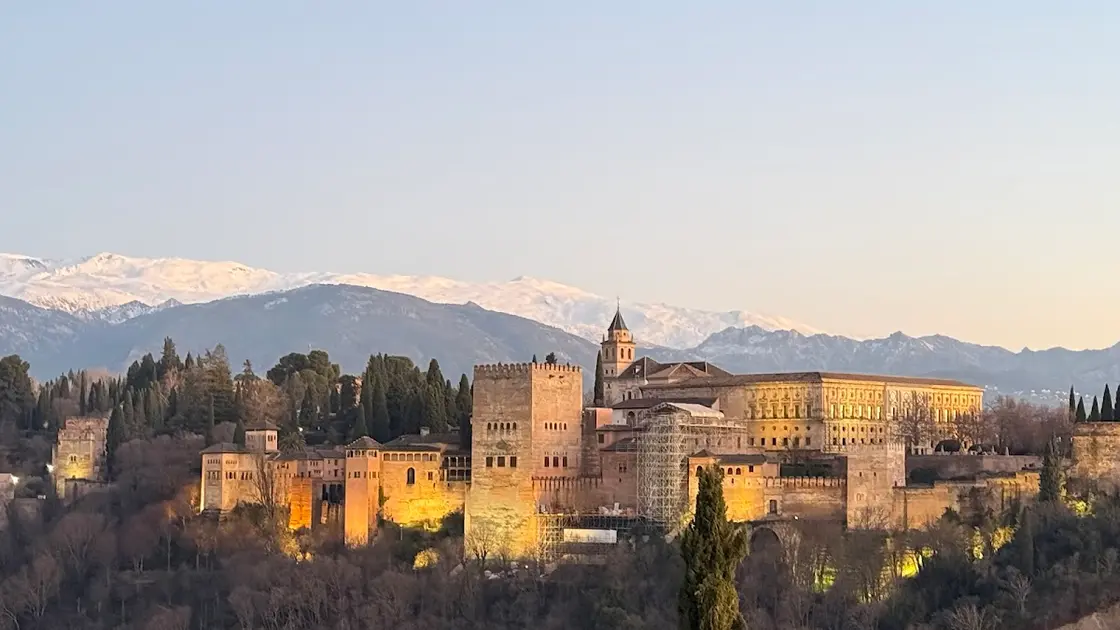
The Nasrid Palaces courtyard at the Alhambra, Granada, with horseshoe arches reflected in the central pool
Planning guide

Granada in 5 days: planning checklist and budget

The Alhambra slot is the first decision. Everything else follows from it. Here is how to book, budget, and sequence five days in Granada without the common mistakes.

Five days gives Granada room to breathe. The 3-day plan covers the essentials under time pressure; five days covers the essentials, adds a proper day trip into the landscape, and gives you a Day 5 with no urgent agenda. This page handles the logistics side: what to book before you leave home, how to sequence the days, and what a realistic budget looks like across the three common spending levels. For the day-by-day narrative — what each place feels like, where to eat, what to look at — read the 5-day discover guide.

What 5 days covers

Five days in Granada is the right amount of time for someone visiting for the first time who does not want to feel like they rushed. It is also the minimum for anyone who wants to reach the day-trip destinations — Guadix or the Alpujarras — without sacrificing time in the city itself.

What 5 days covers

  • Full Alhambra complex: Nasrid Palaces, Alcazaba, Generalife — at a pace that lets you actually look (Day 1)
  • Albaicín and Sacromonte: miradores, cave flamenco show (Day 2)
  • Cathedral quarter: Bañuelo, Royal Chapel, hidden streets (Day 3)
  • Recovery day: hammam, Realejo, whatever did not fit (Day 4)
  • Day trip: Guadix cave district or Alpujarras white villages (Day 5)

What still needs more time

  • An overnight Alpujarras stay — the villages reward sleeping there, not just passing through
  • Both Guadix AND the Alpujarras — they each need a full day; pick one
  • Costa Tropical (Nerja, Salobreña) — 40–60 minutes each way, best as an overnight
  • All four main monasteries — Cartuja, San Jerónimo, La Concepción, Santa Isabel; pick one

For the full narrative account of what each of these days feels like on the ground, read the 5-day experiential itinerary. This page stays on logistics.

Booking timeline: what to reserve and when

Book the Alhambra before you book your flights

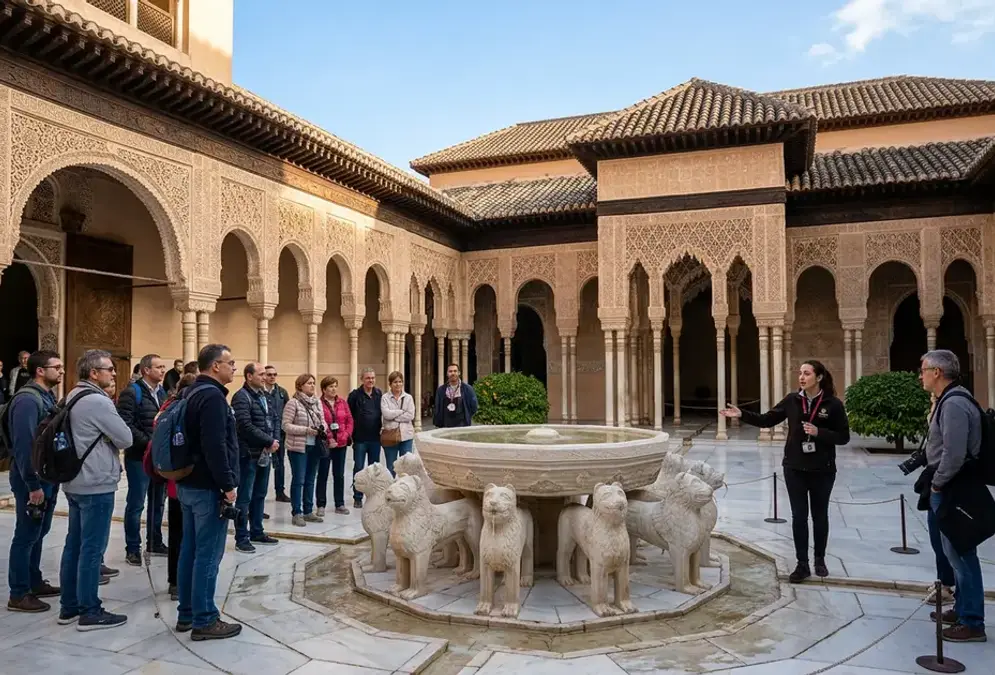
The Nasrid Palaces have timed slots that sell out two to three months ahead in spring and summer. Check tickets.alhambra-patronato.es as soon as your dates are fixed. If your date is sold out, cancellations are released nightly around midnight. Walk-up tickets for the Nasrid Palaces are not available.
2–3 months

Alhambra tickets

Nasrid Palaces timed entry. The full Alhambra pass (€19) includes the Alcazaba, Partal, and Generalife in addition to the palaces. Book on tickets.alhambra-patronato.es — third-party resellers charge a premium for the same slot. For strategy on selecting the right time slot and what to do if dates are sold out, see the Alhambra tickets planning page.

2–4 weeks

Sacromonte flamenco show (Day 2)

Cave peñas in Sacromonte seat 20–40 people in rooms carved into the hillside. In summer these fill weeks ahead. Shows typically run 21:00–22:30 and cost €15–30 for the show alone. Look at Zambra María La Canastera, Cueva La Rocío, or Cueva Los Tarantos. If one venue is sold out, try another — they do not all fill at the same rate.

1 week

Car rental for Day 5 (if doing Guadix or Alpujarras independently)

A week ahead is usually sufficient outside August. Book through a comparison site rather than direct at the desk — airport and train station desks are cheaper than paying walk-up at the city offices. You pick up the car on Day 5 morning and return it the same evening. A compact car for one day runs €25–50.

Walk-up

Everything else

Bañuelo (free, no booking), Cathedral and Royal Chapel (buy on arrival), Hammam Al Ándalus (book 48h ahead online to ensure your preferred session, from €52), Monasterio de la Cartuja (€5, usually walk-up), Carmen de los Mártires (free). None of these require advance planning weeks out.

Day-by-day logistics

Each day's rough sequence, transport needed, and cost estimate. For the narrative detail behind each day — what to look at, where to eat, what the light does at Mirador de San Nicolás — read the discover itinerary.

Day Focus Start time Transport Est. cost/person
Day 1 Full Alhambra + Realejo tapas 08:30 at the hill Walk / bus C30 €40–55
Day 2 Albaicín, miradores, Sacromonte flamenco 09:30 leisurely Walk / taxi (evening) €35–55
Day 3 Bañuelo, Cathedral, Royal Chapel, Realejo 09:00 Walk throughout €20–35
Day 4 Cartuja or hammam + free afternoon 10:00 Bus / walk €15–65
Day 5 Guadix or Alpujarras day trip 08:00–09:00 Car or bus €25–70

Day 1 — Alhambra (hardest physically)

The Cuesta de Gomérez walk up from Plaza Nueva takes 15–20 minutes and gains about 70 metres of elevation. Once inside, the full complex covers several kilometres of paths. Allow 4–5 hours for the whole complex at a pace that lets you stop. Wear proper shoes. Bus C30 or C32 from the Alhambra bus stop returns to Plaza Nueva in 15–20 minutes — take it on the way back if your legs are done. Evening: 15-minute walk to the Realejo for tapas.

Day 2 — Albaicín and Sacromonte (second hardest)

The Albaicín is uphill from Plaza Nueva throughout. Mirador de San Nicolás is about 100 metres higher than the river. Budget 2–3 hours for the hill, arrive at the mirador by 16:00 in summer. The evening flamenco show in Sacromonte runs 21:00–22:30; walk from Plaza Nueva takes 25 minutes uphill, or take a taxi (€6–8) if your legs are already tired from the day.

Day 3 — Cathedral quarter (lightest walking day)

Flat walking between the Bañuelo on Carrera del Darro, the Cathedral, Royal Chapel, and Realejo. Total distance is 3–4 km over the full day. This is the right day to book an afternoon hammam session (from €52, 90 minutes, walk down Calle Santa Ana from Plaza Nueva). Good day to eat a proper sit-down lunch rather than bar-hopping.

Day 4 — Your call

Built-in flexibility. The Monasterio de la Cartuja (2 km north of centre by bus, €5, usually empty) is the strongest option. The sacristy, built between 1702 and 1720, is churrigueresque decoration from floor to ceiling: marble inlay, gilded stucco, every surface covered. It is one of the most ornate interiors in Spain and almost never has a queue. Carmen de los Mártires gardens, next to the Hotel Alhambra Palace, are free and rarely visited: flamingos in the main pond, peacocks on the lawns, terraced garden rooms in different styles. Both together take one morning. For something more local, take the bus to Zaidín, a working residential barrio south of the centre. The Mercado de Zaidín is a daily neighbourhood market used by families, not tour groups (no admission, no performance; it is closed on Sundays). Or simply stay in the Realejo without a plan. Day 5 needs an early start — keep Day 4 evening gentle.

Day 5 — Day trip (early start required)

Leave by 08:00–09:00 for either destination. For Guadix (90 km east): the 09:00 ALSA bus departure from Granada bus station arrives before tour groups. The Barrio de las Cuevas streets are free to walk; the main formal monument is the Cathedral of Guadix (€4, baroque, 250 years to complete), and the Moorish Alcazaba above the town gives wide views over the reddish clay landscape. By car you have more flexibility, including a stop at the pottery village of Purullena (7 km from Guadix) on the return. Allow 5 hours on the ground. For the Alpujarras: a car is strongly recommended — the Pampaneira–Bubión–Capileira circuit takes 1h15m from Granada and the mountain roads between villages are not served by bus in useful frequency. Return to Granada by 18:00–19:00 for a final evening.

If checking out on Day 5: leave luggage with the hotel, pick it up before heading to the bus station or car return. See the practical tips section below.

Budget breakdown

Per person, excluding accommodation and travel to Granada. Three tiers for different spending styles.

Expense Budget Mid-range Splurge
Alhambra ticket (Day 1) €14 €19 €60–80
Budget = general; mid = full Alhambra pass; splurge = guided tour with expert commentary
Flamenco show (Day 2) €25–30 €40–60
Cathedral + Royal Chapel (Day 3) €9 €9 €9
Hammam (Day 3 or 4) €52 €75+
Day trip transport (Day 5) €8–12 €30–50 €50–80
Budget = ALSA bus to Guadix; mid = car rental for Alpujarras; splurge = guided day tour with lunch
Food across 5 days €60–80 €90–130 €150–220
Budget = free tapas evenings + menú del día lunches (€8–12); splurge = two restaurant dinners, wine with meals
5-day total €90–115 €225–300 €380–520

Accommodation adds €45–120/night depending on area and standard. For neighbourhood-by-neighbourhood comparisons and specific hotel recommendations, see the where to stay in Granada guide.

Granada's free-tapas tradition reduces food costs significantly

Every drink ordered in most Granada bars comes with a free tapa. Four rounds across two bars is a full dinner for under €15. Across five evenings, a couple using this system saves €150–200 compared to restaurant dinners. The system holds most reliably in the Realejo, lower Albaicín, and Centro — less so in the immediate tourist zone around Plaza Nueva.

Practical tips for a 5-day trip

Luggage on Day 5 if you are checking out

If your departure is Day 5 and you have a day trip planned before heading to the airport or station, ask your hotel to hold luggage. Most do this without charge until late afternoon. Leave for the day trip with a small day bag. If you are renting a car, everything can go in the boot; pick it up from the hotel on the way to the rental desk. Granada Airport (GRX) is 18 km west; allow 30 minutes from the centre by taxi or 50 minutes by bus. The train to Madrid takes 3 hours from Granada station (Camino de Ronda, 15 minutes from the centre by taxi).

Which days are physically hardest

Day 1 (Alhambra) and Day 2 (Albaicín) are the two hardest on the legs. Both involve significant uphill. Day 3 (Cathedral quarter) is flat and the lightest walking day of the five. If you know you have bad knees or are travelling with someone who tires easily, put the rest or hammam on Day 2 afternoon instead of Day 3, and keep the Albaicín walk short. Day 5 involves being on your feet for 5+ hours in Guadix or the Alpujarras villages — both have uneven surfaces, and Alpujarras cobbles are steep. Bring proper walking shoes throughout.

Rest day placement

Day 4 is deliberately the lightest scheduled day. The Monasterio de la Cartuja and Carmen de los Mártires each take under an hour; the afternoon is unstructured. Use it. By Day 4 your feet will know whether you have been walking too fast, and the free afternoon is the place to slow down before the Day 5 early start. Do not try to fill Day 4 with monuments you missed on earlier days — that is the pattern that makes the last day feel like a chore.

If Day 5 falls on a Sunday

Sunday in Granada closes or shortens hours for several sites: the Alcaicería bazaar is largely shut, smaller monuments run reduced hours, and the Mercado de Zaidín is closed. The Cathedral and Royal Chapel typically close around 13:00 on Sunday. The Alhambra and Cartuja monastery generally operate normal Sunday hours. Guadix on a Sunday is quieter — tour groups are lighter than weekends in July and August. If Day 5 is a Sunday and you are staying in the city, prioritise monuments in the morning (before 13:00) and use the afternoon for the Realejo streets and the bars.

Guadix vs Alpujarras: quick comparison

Both are full days. The key differences:

Guadix

  • • 90 km east, 1h by car or 1h15m by bus
  • • Accessible without a car (ALSA bus, €8–12)
  • • 2,000+ inhabited cave houses — unlike anything else
  • • Works well on any day of the week
  • • Town-based; mostly flat walking

Alpujarras

  • • 1h15m by car, winding mountain road
  • • Bus reaches Pampaneira but takes 2h+ each way
  • • White villages at 1,500m: Pampaneira, Bubión, Capileira
  • • Best March–May and Oct–Nov for scenery
  • • Uneven cobble paths; some steep sections

Reporter notebook

Insider tips

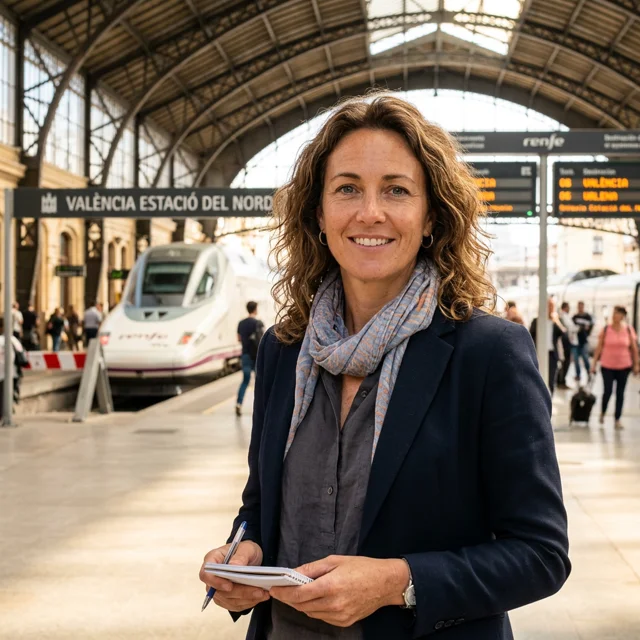
Practical observations gathered the way a local journalist would keep them: short, specific, and more useful than brochure copy.

Booking tip

Three bookings to make before anything else

In order of urgency: Alhambra Nasrid Palaces slot (2–3 months ahead in peak season), Sacromonte flamenco cave show (2–4 weeks ahead, specific venues sell out faster), car rental for Day 5 if you are doing Guadix or the Alpujarras (1 week is usually fine outside August). Everything else on a 5-day trip — the hammam, the Cathedral, Bañuelo, Cartuja — is walk-up or same-day bookable.
Crowd tip

Use Day 4 as your recovery day, not Day 3

Days 1 through 3 involve significant walking — the Alhambra path, the Albaicín climb, the cathedral quarter on foot. Most itineraries suggest a lighter Day 3, but Day 4 is the better recovery slot: by then you have the city under your feet and a slower afternoon in the Realejo or a hammam session lands differently than on Day 3 when you are still processing the Alhambra. Day 3 is better used for the things you actually need energy for — the Bañuelo, the Royal Chapel sacristy, a proper lunch without watching the clock.

What to bring

Leave luggage at your hotel on the Day 5 day trip

If you are checking out on the morning of Day 5 before heading to Guadix or the Alpujarras, ask your hotel to hold luggage until late afternoon. Most will without charge. For Guadix by car: the boot handles bags easily. For the Alpujarras: the Pampaneira car park is 15 minutes from the village centre; bring a day bag only and leave everything else in the boot. Do not attempt the Alpujarras village walk with a full suitcase — the cobble paths are steep and the car park charges.

Frequently asked questions

Frequently asked questions

When should I book the Alhambra for a 5-day trip?

Book it before you book your flights. That is not an exaggeration: Nasrid Palaces timed slots sell out two to three months ahead in spring and summer, and occasionally further. Fix your travel dates, then immediately check tickets.alhambra-patronato.es — the official site, the only source selling at face value (€14–19 depending on the pass). If your preferred date is sold out, the site releases cancellations nightly around midnight. Do not leave this until you arrive: walk-up tickets for the Nasrid Palaces have not been available for years.

Do I need a car for a 5-day trip to Granada?

Not for the first four days. The Alhambra, Albaicín, Sacromonte, Cathedral quarter, and Realejo are all walkable from the historic centre or a short taxi ride. Where a car matters is Day 5, if you choose the Guadix or Alpujarras day trip. The Guadix route is 90 km east — an hour by car, 1h15m by ALSA bus (€8–12 return). The Alpujarras are 1h15m by car; buses reach Pampaneira but take over 2 hours each way, leaving very little time in the villages. Book a rental for Day 5 only — typically €25–50 for the day. The rest of the trip, you do not need one.

How much does 5 days in Granada cost?

Per person, excluding flights and accommodation: Budget (€200–300): Alhambra general ticket €14, skip the flamenco show, Cathedral + Royal Chapel €9, rely on free tapas for evenings (€10–15/night), Day 5 by ALSA bus €8–12. Mid-range (€350–500): Full Alhambra pass €19, Sacromonte flamenco show €25–30, hammam €52, Day 5 car rental €40. Sit-down lunches €12–18. Splurge (€600+): Add guided Alhambra tour (€50–70), premium flamenco venue, two restaurant dinners, Sierra Nevada lift pass if skiing. Accommodation adds €45–120/night depending on area and standard — see the where to stay guide for neighbourhood breakdowns.

Which day should I schedule the Guadix or Alpujarras trip?

Day 5. The logic: Days 1–3 are the high-intensity city days (Alhambra, Albaicín, Cathedral). Day 4 works well as a lighter city day — the Bañuelo, Realejo, a hammam in the afternoon — so you arrive at Day 5 rested and ready for an early departure. Both Guadix and the Alpujarras require a 08:00–09:00 start. If you put either trip on Day 3 or 4, you interrupt the city sequence before you have finished it. Saving the day trip for last also gives it the feel of a reward rather than an obligation.

This page covers logistics and booking. For the day-by-day narrative — what each place feels like, where to eat, what the Alhambra and Albaicín actually look like from the ground — see the 5-day experiential guide. For a shorter trip, the 3-day plan strips this back to the essentials. Staying a full week? The 7-day Granada plan adds a second day trip, a more relaxed daily pace, and a week-long budget breakdown.