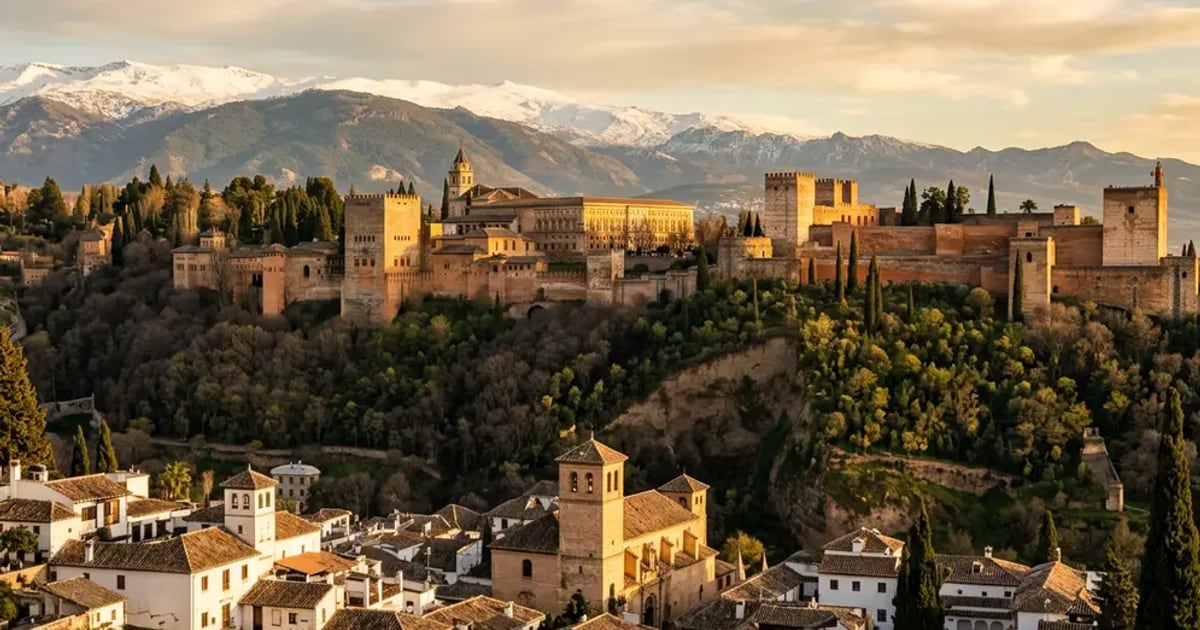

The Alhambra palace in autumn with the Sierra Nevada peaks dusted with early snow, clear sky over Granada in November
Off season guide

Granada off season

Hotels at 40–60% below summer rates. Alhambra tickets available within a week. Chestnut vendors on the Albaicín lanes in October. The city runs for locals in the off season, which is most of what makes it worth visiting.

Granada's tourist season runs from Easter to mid-September. Outside those months, the city is cheaper, quieter, and in most practical ways easier to navigate — but the gap between peak and off-season here is more extreme than in most Andalusian cities. In August, Alhambra tickets sell out months in advance, hotel prices hit their annual ceiling, and the narrow streets of the Albaicín are shoulder-to-shoulder. In November, you can book the Alhambra four days out and pay half the hotel rate.

This guide is about the economics and experience of visiting outside peak season — what the price difference actually looks like in numbers, when the best shoulder-season windows fall, what the autumn chestnut season brings to the Albaicín, and honestly what you give up by not going in June. The practical tradeoffs are real and worth knowing before you book.

For detailed coverage of the winter months specifically — including skiing at Sierra Nevada, Christmas traditions, and the Three Kings parade — the winter in Granada guide covers December through February. The best time to visit Granada compares all twelve months side by side.

The pricing reality: how much cheaper is it?

Hotel prices in Granada follow a clear seasonal pattern. The numbers below are based on mid-range city centre hotels — three-star properties in or near the centre, not budget hostels and not the Parador.

Peak season

June – August

€80–130

Per night, mid-range. Alhambra tickets: sold out 3–8 weeks ahead. Narrow lanes: crowded by 10 AM.

Shoulder season

October – November, March

€50–80

Per night, mid-range. Alhambra: 1–2 weeks advance booking. Mild weather, local atmosphere. Best value months.

Low season

January – February

€35–60

Per night, mid-range. Alhambra: sometimes available days ahead. Coldest months. Lowest prices of the year.

The saving on a four-night trip compared to August is roughly €150–280 in accommodation alone at these rates. For a couple sharing a room the saving doubles. Add cheaper flights and car hire from northern Europe in the shoulder and low seasons, and the total difference on a week-long trip can reach €400–600.

What does not change seasonally

Alhambra ticket prices are fixed year-round — the off season does not make the ticket cheaper, only more available. Restaurants and tapas bars do not have seasonal pricing; a beer in November costs the same as in August. The saving is entirely in accommodation, flights, and car hire.

The Alhambra availability advantage

The Alhambra operates on a daily visitor cap with timed entry to the Nasrid Palaces. In peak season, that cap fills weeks to months ahead. The official booking site releases tickets 90 days in advance, and the best summer dates go within hours of release. For many visitors, planning an Alhambra trip around a June or August date means committing months ahead with non-refundable travel.

Off-season booking window

  • November, December: 1–2 weeks ahead, often less
  • January 7–28: Sometimes within a few days — the quietest stretch of the year
  • February: 1–2 weeks ahead in most years
  • March: 1–3 weeks ahead; increasing demand as Easter approaches
  • Easter week: Book 4–6 weeks ahead — this is peak-season demand within the off season

What the Alhambra looks like in autumn

The Generalife gardens in October and early November have their last warmth of the year. Roses are still out through October. The cypress hedges along the Acequia del Rey hold their shape without summer's flat overhead light. The Patio de la Acequia water channels reflect the sky; the Sierra Nevada shows the first snow on the upper peaks behind the towers.

Inside the Nasrid Palaces, the light in autumn mornings is lower and more angular than summer — the carved stucco catches shadows differently and the geometric tilework looks sharper. This is one of those details that matters more than it sounds: the Alhambra was not designed for overhead summer sun.

For the complete Alhambra booking process — ticket types, the 90-day release window, general admission versus Nasrid Palaces entry — the Alhambra tickets guide covers everything you need before booking.

Autumn shoulder season: October and November

October and November are the most underrated months in Granada's calendar. Daytime temperatures stay at 15–20°C in October and 12–16°C in November — warm enough to sit outside for lunch, cool enough to walk the Albaicín lanes without stopping in the shade. The summer crowds are gone. Hotel prices are already off their peak. And two things happen in autumn that do not appear in any other season. For a complete month-by-month breakdown, the October in Granada and November in Granada guides cover what to expect week by week.

Chestnut season

From mid-October, castañas asadas vendors appear on the Albaicín streets and in the markets. They sell roasted chestnuts from small charcoal braziers in paper cones — typically €1.50–2 for a portion. The smell of wood smoke and chestnuts in the narrow lanes below the Alhambra is specific to this window; it disappears by December. This is the kind of sensory detail that makes a season feel distinct rather than just a cooler version of summer.

The main concentration of vendors is on the upper Albaicín streets — Carrera del Darro, the lanes approaching Mirador San Nicolás, and the market area off Plaza Larga. They are not marked on maps; they appear where foot traffic passes.

Autumn light on the Alhambra

The angle of October and November light across the Alhambra hill is lower than summer, which means longer golden-hour windows — the walls glow from around 4 PM until sunset rather than the brief last-light burst of summer evenings. From Mirador San Nicolás at 5:30 PM in late October, the Alhambra is fully lit in warm light while the Sierra Nevada behind it shows the first snow on the upper peaks. This combination does not exist in any other month.

The local atmosphere

University term runs from September through June. In October and November, the student population is back in full — the cafés and bars around Calle Mesones and Plaza de la Trinidad are running at local volume rather than tourist season pace. The free tapas circuit operates at its most genuine: bartenders with time to talk, plates rotating based on the day's delivery rather than pre-set tourist options. Restaurants serving the menú del día are full of students and workers, not visitors.

Spring shoulder season: March

March is the best value month in Granada's spring calendar. April and May are excellent but prices rise as Easter and then the Corpus Christi festival approach. March holds the off-season pricing while delivering increasingly good weather: afternoon temperatures reach 15–18°C by mid-month, evening light lasts until 7:30 PM by the end of the month, and the Alhambra can be booked one to two weeks ahead. The March in Granada guide has the full picture — events, weather, and what's open.

What changes in March

The Generalife gardens begin their spring flush in March — bulbs in the lower terraces, blossom on the orchard trees by the upper garden, and the first roses on the long central flower bed of the Patio de la Acequia. The almond blossom in the lower Alpujarras foothills is visible from the Alhambra hill on clear days. The light has warmth to it that January and February do not.

Easter timing

Easter week (Semana Santa) falls in March or April depending on the year. It is one of Granada's major annual events — Semana Santa processions bring visitors from across Spain and Andalusia, and hotel prices spike sharply for the Holy Week dates. If your dates overlap with Easter, check the calendar before assuming March prices apply: the week before Easter is often at near-peak rates. Book accommodation early and check the Alhambra further ahead than the standard March window. For Holy Week itself, the Semana Santa guide covers what to expect.

What you actually give up

The off-season argument is strong, but there are genuine tradeoffs worth knowing before you book on price alone.

The Generalife gardens are less spectacular

The Generalife's summer roses and flowering hedges are at their peak from late May through early July. In November and January, the garden is bare. The underlying geometry is visible and interesting, but if the gardens are a primary draw for you — the colour, the heat, the scent of jasmine — October or March are better compromises than January.

Short days in winter

Daylight in January lasts until around 6 PM. Outdoor sightseeing is a morning activity; the afternoons shift to museums, cafés, and tapas bars. This suits some visitors and frustrates others. For photography, the short days are not necessarily a disadvantage — the low angle of January light is genuinely good for the Alhambra exteriors and the Albaicín streets.

Some rooftop bars and terraces are closed

Granada's rooftop bars and terrace restaurants close from November through March. The interior alternatives are often better anyway — the heated tiled bars of Calle Navas and Campo del Príncipe are where the city actually drinks in winter — but if rooftop cocktails at sunset are on your list, plan for April through October.

Cold nights in winter

January nights drop to 2–5°C. December and February are similar. Granada's altitude (738 metres) means the cold settles fast after sunset and the stone streets hold it until noon the next day. This is not Lapland — it is manageable with proper layers — but visitors arriving from coastal Andalusia or expecting Spanish warmth in January are sometimes surprised. For the full cold-weather preparation, the winter in Granada guide covers packing and what the cold actually feels like.

The honest verdict

November is the clearest recommendation: mild weather, autumn colour and chestnuts, off-season prices, and the Alhambra available with a week's notice. January has the lowest prices but requires accepting short days and genuine cold. March is the best spring entry point before prices climb for Easter and summer. If the Generalife gardens at full bloom are on your list, May is the correct answer — but May at full capacity costs accordingly.

Frequently asked questions

Frequently asked questions

How much cheaper is Granada in the off season?

Hotel rates drop 40–60% compared to June–August peak prices. A mid-range city centre hotel at €90–110 in August typically runs €40–60 in January. Alhambra ticket prices are fixed year-round, so the ticket itself does not change — the saving is in accommodation and the time you do not spend queuing or competing for slots. Car hire and flights from northern Europe to Málaga or Seville also drop significantly for October–November and January–February dates.

Is the Alhambra easier to book in the off season?

Considerably. In June, July, and August, Alhambra tickets sell out weeks to months in advance. In November, December, January, and February, tickets are often available within a week — sometimes within a few days. The Nasrid Palace entry (the most tightly controlled part of the complex) is still on a fixed time slot, but you can usually choose your preferred morning entry rather than taking whatever remains. The caveat: the 5 January holiday window and the Reyes Magos public holiday on 6 January bring a small spike — book those specific dates at least two weeks ahead.

What is the chestnut season in Granada?

October and November bring chestnut vendors to the Albaicín streets and the markets. Castañas asadas — roasted chestnuts, sold in paper cones — appear on street corners from mid-October. The smell is part of the Albaicín experience in autumn: wood smoke and roasting chestnuts on the narrow lanes below the Alhambra. By December the vendors taper off. This is one of those seasonal details that only exists in person; it does not make the guidebooks but it stays in the memory.

What is still open in Granada in the off season?

Everything of substance. The Alhambra, the Cathedral and Capilla Real, all major museums, and the entire tapas bar circuit operate on normal schedules year-round. The main things that close are outdoor rooftop bars and terrace restaurants (typically November to March), a handful of smaller tapas bars that reduce mid-week hours in January, and some day-trip services to beach towns. The ski resort at Sierra Nevada is open from late November to late April — winter travel is not a quiet time in the mountains, only in the city.

Which off-season month is the best for visiting Granada?

November is the single best off-season month. The weather is mild (12–16°C daytime), the chestnut vendors are still out, hotel prices are at their autumn low, the Alhambra is easy to book, and the city has enough life in it — locals out in the evenings, tapas bars running normally — that it does not feel emptied. October is excellent but slightly busier (prices not yet fully off-season). January has the lowest prices and the most solitude but also the coldest weather and shortest days. March is the best spring entry point: prices still low, days lengthening, and the first almond blossom visible on the Alpujarras foothills.

Are Granada's tapas bars less good in the off season?

No — and in some ways they are better. In summer, the bars on the main tourist streets are running on tourist volume: fast turnover, pre-set tapas, little interaction. In November and January, the same bars are serving local regulars. The bartender has time to talk. The tapas rotate more based on what came in that day. Some bars that close their terraces in winter actually become more atmospheric inside — the tiled bars on Calle Navas and around Campo del Príncipe fill with Granadinos having a proper evening, not tour group stops.

Reporter notebook

Insider tips

Practical observations gathered the way a local journalist would keep them: short, specific, and more useful than brochure copy.

Money tip

The best value window is November 10 to December 10

After the half-term spike in late October and before the Christmas market crowds arrive in late November, there is a four-week window where Granada is at its quietest and cheapest outside of January. Hotel prices are at autumn lows, the Alhambra is easy to book, the weather is mild (12–16°C with sun most days), and the city is running on local rhythm rather than tourist volume. This window does not appear in any guidebook's seasonal breakdown because it falls between the usual seasonal narratives. It is the single best value period in the whole calendar.
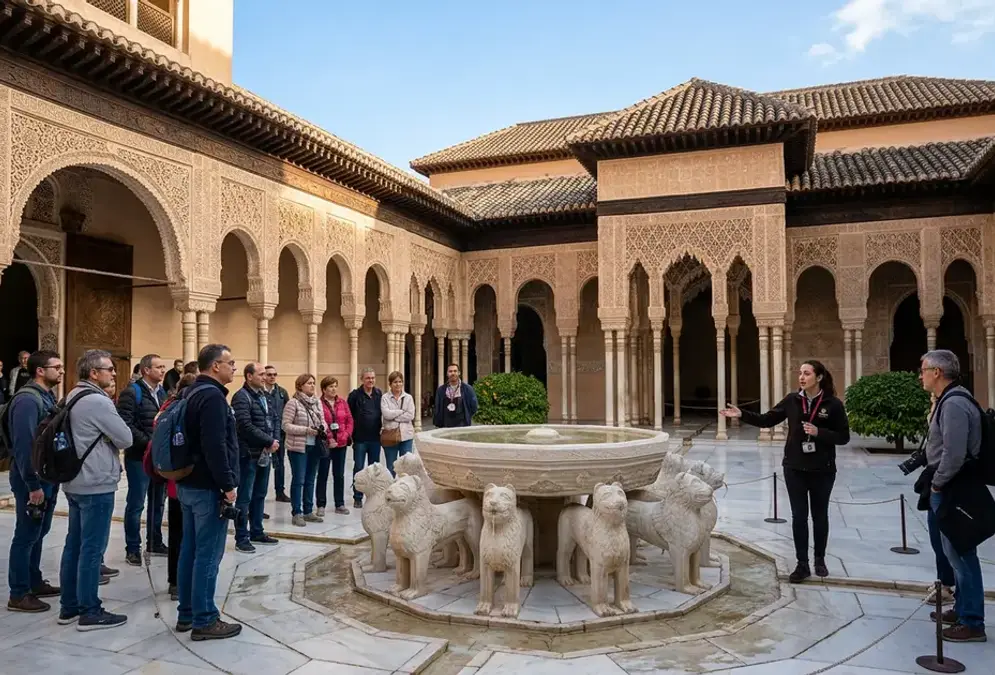
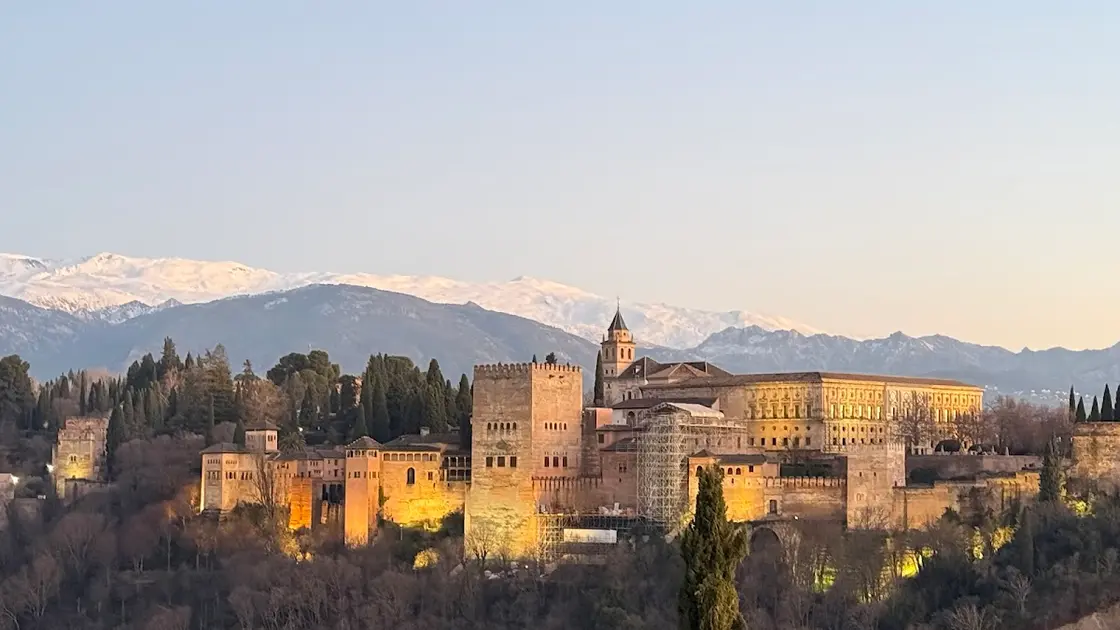
Photo spot

The Alhambra in low-season morning light

Book the first Alhambra entry slot (typically 8:30 or 9:00 AM) in October, November, or January. Off-season morning light in the Nasrid Palaces is lower and more angular than summer overhead light, which means longer shadows across the geometric tile work and the carved stucco, and a clarity to the carved muqarnas that the flat summer light does not show. The Patio de los Leones without a hundred people in it is a different room from its July equivalent. And the Sierra Nevada, snow-covered from November, sits white above the Generalife terraces in a way that is genuinely hard to photograph in any other season.

Best time

March is the spring entry point — and still affordable

By March, the days are lengthening (daylight until 7:30 PM by month end), afternoon temperatures reach 15–18°C, and the first hints of spring appear: jasmine on Albaicín walls, almond blossom on the lower Alpujarras slopes. Hotel prices are still at winter levels, not yet pushed up by the Easter spike that hits in April. The Alhambra can be booked within a week or two. The tapas bars are at full operation. March is the threshold point: everything the off season offers (availability, price, calm), with the first warmth of spring starting to register.