Solo traveller walking the cobblestone streets of the Albaicín neighbourhood in Granada, Spain
Solo traveller guide Social + independent options

Granada solo travel itinerary: 3 days, done properly

Granada's tapas bar culture is built for solo eating. The walking tour crowd is the easiest place to meet people. And the Alhambra, at your own pace, rewards solo visitors more than it rewards groups.

Granada solo travel works better than most Andalusian cities for one specific reason: eating alone at a bar counter is normal here, not something that requires explanation. Order a drink at Los Diamantes, stand at the bar, and a plate of fried fish arrives. The person next to you is in the same position. The conversation starts itself.

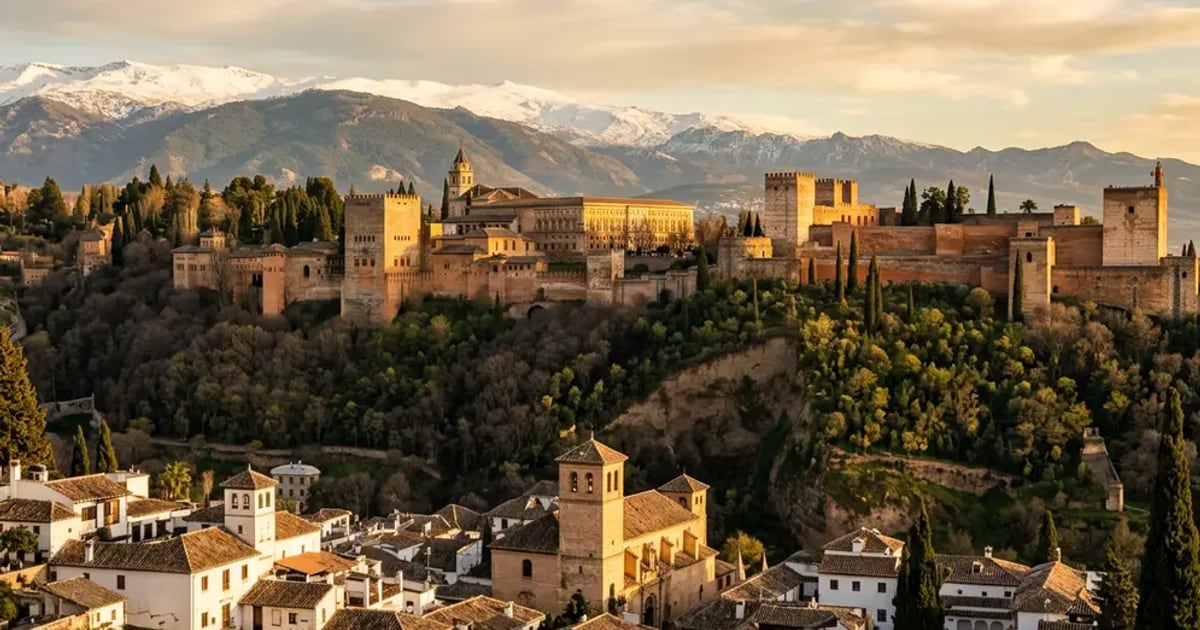
The Alhambra is better alone than with a group, because you can stop in front of the muqarnas ceiling in the Hall of the Two Sisters for as long as you want rather than being moved along. The Albaicín lanes are an obvious solo walk. And the free walking tour from Plaza Nueva is the most reliable way to meet other travellers on the first morning without it feeling forced.

This itinerary gives you the structure if you want it and the flexibility to be entirely alone if you want that instead. Day 1 is social and oriented. Day 2 is independent. Day 3 mixes both.

Why Granada is good for solo travel

What makes it work

  • Bar counter culture: eating alone at the bar is normal, not conspicuous
  • University city: large student population keeps the social atmosphere open
  • Free walking tours with 20 to 30 participants provide easy first-day social structure
  • Language exchange events run weekly in the university district
  • The Alhambra rewards the kind of slow solo exploration that group tours prevent
  • Free tapas make the solo food budget genuinely manageable

What to plan for

  • Book the Alhambra before anything else — solo travellers are not exempt from the 2 to 3 month advance booking in peak season
  • Some hostels have a social dynamic that requires energy; choose based on how much of that you want
  • The Albaicín upper streets after 22:00: stick to the lower, better-lit section
  • Flamenco cave shows book out in summer regardless of group size; reserve early

Where to stay as a solo traveller

El Granado Hostel

From ~€15 dorm

Historic building near Plaza Nueva. The hostel organizes daily activities: free walking tours, group dinners, mountain hikes, flamenco shows, yoga on the rooftop. A private WhatsApp group posts the day's schedule. This is the clearest recommendation for solo travellers who want to meet people without having to engineer it. The social dynamic is active; if you prefer independent travel and use the hostel only for sleep, Oasis is quieter.

El Patio del Buen Tiempo

From ~€18 dorm

A smaller, more relaxed hostel with a courtyard. Better for solo travellers who want some social contact but not the El Granado level of organized activity. Good reviews for cleanliness and staff helpfulness.

Oasis Backpackers Hostel

From ~€14 dorm

Rooftop terrace, central location, standard backpacker-hostel social atmosphere. Less organized than El Granado but cheaper. Good option if you want flexibility and a social common area without a structured activity schedule.

Day 1: Social hostel check-in + free walking tour

Day 1 is for getting oriented and meeting people. The walking tour does both simultaneously. Check in early if possible; drop your bags and head straight out.

Morning (09:00–11:30): Hostel orientation + neighbourhood walk

If you are staying at El Granado, add yourself to the WhatsApp group at check-in and check the day's activities. Even if you do not join any organized activity, knowing what is happening that evening is useful.

Walk from the hostel to Plaza Nueva and then along Carrera del Darro. This flat riverside street gives you the layout of the city: the Alhambra wall rising to your right, the Darro River below, the Albaicín starting on the hill above. Twenty minutes of walking at a slow pace establishes where everything is in relation to everything else.

Afternoon (11:30–14:00): Free walking tour from Plaza Nueva

Free walking tours depart from Plaza Nueva. Book online via GurúWalk or Freetour.com for the 11:00 or 11:30 departure. Tours run 2 to 2.5 hours. The guide covers the historic centre, Albaicín entry points, the Cathedral exterior, and Sacromonte context. Tip at the end: €10 to €15 is the convention.

The social function is as important as the orientation. A walking tour of 20 to 30 solo travellers is the most natural environment in Granada for meeting people. You end up walking with whoever is near you. Conversations about itineraries and recommendations start themselves. Lunch after the tour with whoever seems interesting is the obvious continuation.

Evening (19:00–22:30): Tapas bar crawl with hostel guests or solo

El Granado typically organizes a group dinner or tapas crawl on some evenings. Check the WhatsApp group. If there is nothing organized, the tapas crawl is perfectly fine alone: order a drink at Bodegas Castañeda near Plaza Nueva, stand at the bar, eat the free tapa, move on. The bar counter in a busy Granada tapas bar on a weekday evening is not a lonely place.

Day 1 cost estimate

  • Walking tour tip: €10–15
  • Afternoon tapas (3 bars): €9–15
  • Total (excluding accommodation): ~€19–30

Day 2: Alhambra solo + Dobla de Oro route afternoon

Day 2 is the independent day. The Alhambra is better alone. The Dobla de Oro route in the afternoon is a self-guided walk that keeps you moving through the city without a fixed agenda.

Morning (09:00–13:30): The Alhambra at your own pace

Take the C3 minibus from Plaza Isabel la Católica or walk up via Cuesta de Gomérez (15 to 20 minutes). For a solo independent visit, book the standard general admission ticket at tickets.alhambra-patronato.es rather than a guided group tour. Download the official audio guide app before you arrive.

09:00–09:45

Alcazaba

Start at the 9th-century fortress. The Torre de la Vela gives the city overview: Albaicín to the north, Realejo and the Cathedral to the south. Solo, you can stand at the top for as long as the view holds your attention.

09:45–11:45

Nasrid Palaces (timed entry)

Be at the Nasrid Palaces entrance 5 minutes before your slot. With no group to keep pace with, you can spend 20 minutes in front of the Court of the Lions without anyone impatient behind you. The Hall of the Ambassadors has a cedar ceiling made of 8,017 interlocking pieces; the muqarnas ceiling in the Hall of the Two Sisters has approximately 5,000 individual cells. Read about them before you go — it changes what you see. Allow 90 to 120 minutes.

11:45–13:30

Generalife gardens + Partal

Exit the Nasrid Palaces and walk east through the Partal (earliest surviving palace section, 14th century) to the Generalife. Water channels, cypress alleys, terraced gardens. Less crowded than the palace interior and easier to walk at your own pace. A good place to sit and write notes or just look at the Sierra Nevada. Allow 60 to 90 minutes.

Afternoon (14:30–18:00): Dobla de Oro self-guided route

Lunch near Plaza Nueva, then pick up the Dobla de Oro route from the tourist office on Plaza del Carmen. The route follows bronze plaques through Granada's historic centre and lower Albaicín, marking sites from the Zirí and Nasrid periods: medieval city gates, bathhouse ruins, palace foundations, the site of the original mosque. Around 4 km, 2 to 3 hours at a walking pace.

This works well for solo travellers because there is no fixed timing and no group pressure to keep moving. Stop at the Bañuelo Arab baths (free, 20 minutes) on Carrera del Darro if you have not been yet. Walk the route at whatever speed the plaques keep your attention.

Day 2 cost estimate

  • C3 minibus to Alhambra: €1.40
  • Alhambra general admission: ~€21
  • Dobla de Oro route: Free (Bañuelo entry: free)
  • Lunch + dinner tapas: €15–25
  • Total (excluding accommodation): ~€37–47

Day 3: Language exchange café + solo-friendly tapas bars

Day 3 is the social day. The language exchange event in the university district is the most natural way to meet local residents in Granada, and the evening tapas bar crawl works well solo or with whoever you have met over the previous two days.

Morning (09:00–12:00): Albaicín + Mirador San Nicolás

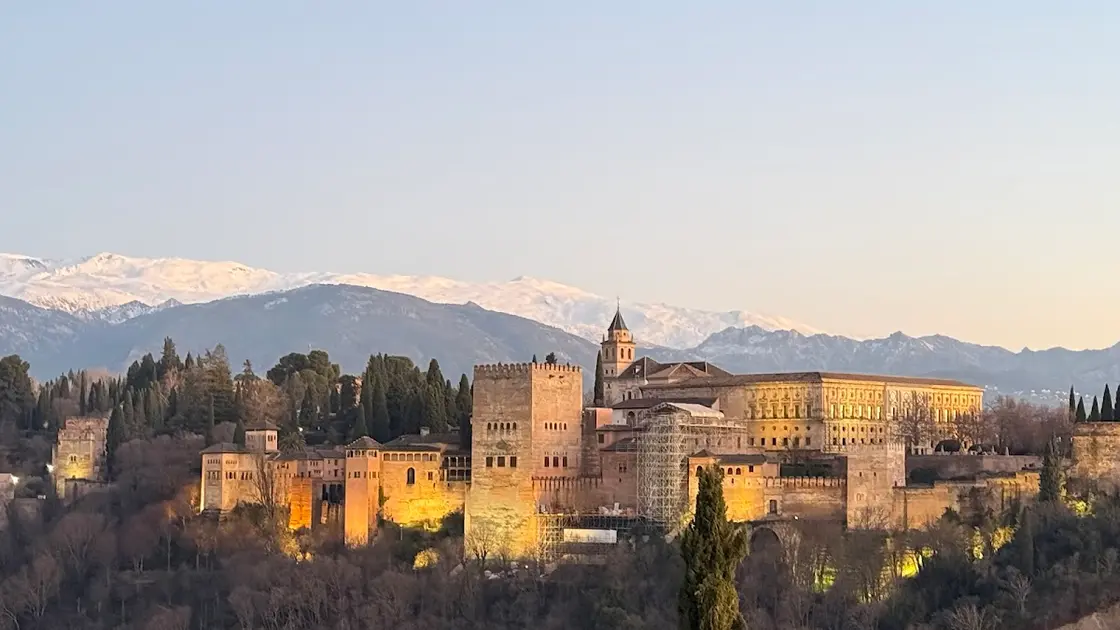
A slow Albaicín morning without a specific agenda. Walk from Plaza Nueva up through the callejas, stop at a Moroccan tea house on Calle Calderería Nueva (mint tea, almond pastries, €3 to €5), and reach the Mirador San Nicolás by 10:00. Without the sunset crowd, the mirador is considerably calmer and you can stand at the wall and look at the Alhambra without jostling.

Walk north from San Nicolás to the Granada Mosque gardens for a second Alhambra viewpoint with fewer people. Descend via the Carmen de los Chapiteles terrace, or take a taxi back from the upper Albaicín.

Afternoon (15:00–18:00): Language exchange event (if scheduled) or independent

Language exchange events in Granada's university district (Calle Pedro Antonio de Alarcón area, or whichever venue is current — check "intercambio idiomas Granada" online before you travel) typically run Wednesday and Thursday evenings. If your Day 3 falls on one of those days, this is the afternoon plan: arrive at the café-bar at the listed time, order a drink, find the language pairing table.

If no intercambio is running, the afternoon is a good time for what has been skipped: the Granada Cathedral interior (€5, 45 minutes), the adjacent Royal Chapel where Ferdinand and Isabella are buried (€5, 30 minutes), or the Alcaicería silk market bazaar (free to walk through). All three are 10 minutes from Plaza Nueva.

Evening (20:00–23:00): Solo tapas crawl or hostel flamenco night

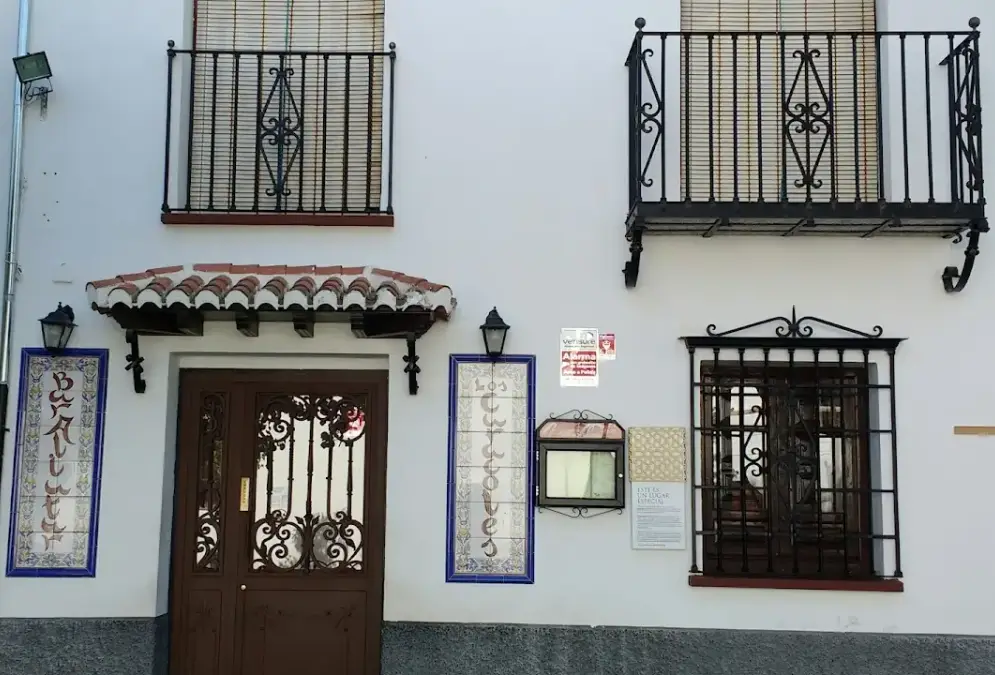
The solo tapas crawl works best on this final evening. Start at Bodegas Castañeda (Calle Elvira / corner of Calle Calderería Nueva) for house wine and montaditos. Move to Los Diamantes on Calle Navas for the fried fish tapas. A final bar on Calle Navas for the walk back.

If El Granado is organizing a flamenco show that evening, that works as well. The social logistics are handled by the hostel; you just add yourself to the group. The Sacromonte cave shows (Los Amayas and similar venues) are genuinely worth attending on any night of the three.

Day 3 cost estimate

  • Albaicín walk (tea house included): €3–5
  • Language exchange event: €3–5 (your drinks)
  • Cathedral + Royal Chapel (optional): €10 combined
  • Evening tapas (3 bars): €9–15
  • Total (excluding accommodation): ~€25–35

Safety and solo practicalities

Safety notes

  • Granada is a relatively safe city; the university population keeps the city active throughout the evening
  • Keep your phone out of sight in crowded tapas bars and on Carrera del Darro; pickpocketing is the main risk
  • The Albaicín is safe during the day and early evening; the upper residential callejas after 22:00 are better avoided alone at night
  • The lower Albaicín (Carrera del Darro, Paseo de los Tristes) is well-lit and active until late
  • Sacromonte: the cave museum area and lower Camino del Sacromonte are fine; the upper hillside tracks at night are not recommended alone

Practical solo logistics

  • Book Alhambra tickets before anything else — solo travellers are not exempt from selling out
  • Download Maps.me or Google Maps offline before arriving; the Albaicín has poor mobile coverage in places
  • A 15 to 20L day pack is sufficient; leave large bags at the hostel for all day trips
  • Tap water in Granada is safe to drink; a reusable water bottle saves €3 to €5 per day
  • The C3 minibus to the Alhambra saves the uphill walk and costs €1.40
“Solo in Granada, you eat at the bar. Three drinks, three different bars, three plates of food. It costs €12 and you have talked to at least two people by the end.”
— James Walker

Frequently asked questions

Frequently asked questions

Is Granada safe for solo travellers?

Granada is considered one of the safer Spanish cities for solo travel. Standard urban precautions apply: keep your phone out of sight in crowded areas, avoid leaving bags unattended at tapas bars, and stick to the lit main streets in the Albaicín at night rather than unlit side callejas. The university presence keeps the city lively and relatively safe throughout the evening. The Albaicín is fine to walk during the day and in the early evening up to around 22:00; later at night, the lower streets around Plaza Nueva are more advisable than the upper residential lanes.

Is Granada good for solo travel?

Yes, particularly because of the tapas bar culture. Eating alone at the bar counter is normal in Granada — you order a drink, the tapa arrives, you eat at the bar, talk to whoever is nearby, and move on. There is no social awkwardness attached to dining alone, unlike in more formal restaurant settings. The city also has a large student population from the University of Granada, which keeps a varied and accessible social atmosphere across most neighbourhoods.

What is the Dobla de Oro route?

The Dobla de Oro (Golden Doubloon) is a self-guided heritage walk through Granada's historic centre and lower Albaicín, following a route past Nasrid-era buildings, historic baths, medieval city gates, and the foundational sites of the Zirí and Nasrid dynasties. The route is marked with bronze plaques and maps are available at the tourist office on Plaza del Carmen. It covers around 4 km and takes 2 to 3 hours at a relaxed pace. Free to walk, with optional entry to specific sites along the route.

How do I meet other travellers in Granada?

The most reliable method is the free walking tour from Plaza Nueva: 20 to 30 participants in the same position as you, most of them solo or in pairs, all doing the same orientation walk. El Granado and Oasis Backpackers hostels both have organized social evenings. Language exchange events (eventos de intercambio de idiomas) run several evenings a week at cafés in the university district; a quick search for "intercambio idiomas Granada" will find the current schedule. The tapas bar counter is also genuinely social — standing at the bar, especially at busier places like Los Diamantes or Bodegas Castañeda, leads to conversations more reliably than sitting at a table.

What is a language exchange café?

Language exchange events in Granada typically run at café-bars in the university district (Calle Pedro Antonio de Alarcón, Calle Gracia area). Format: tables organized by language pairing, usually Spanish-English or Spanish-English-German, alternating 15-minute conversation sessions. Participants buy their own drinks. Free to attend. The events run weekly (Wednesday and Thursday evenings are common) and attract a mix of Spanish university students, international students on Erasmus, and travellers. They are informal and the threshold for showing up alone is very low.

Is the Alhambra worth visiting solo?

Yes. The Alhambra is one of the places that rewards solo visits more than group visits, because you can stop whenever something is interesting and move on when it isn't. With a shared-tour group, you move at the guide's pace. Solo, you can spend 20 minutes in front of the muqarnas ceiling in the Hall of the Two Sisters without anyone impatient behind you. Book a guided group tour for the context if you want it, or go independently with a good audio guide. The main logistical point: book the timed Nasrid Palace slot well in advance.

Reporter notebook

Insider tips

Practical observations gathered the way a local journalist would keep them: short, specific, and more useful than brochure copy.

Local custom

Eat at the bar, not at a table

Bar counter culture in Granada is the most efficient entry point for a solo traveller. Sitting at a table invites the social awkwardness of eating alone in a formal setting; standing at the bar counter normalizes it entirely. You are positioned to see what other people are eating, to ask the bar staff what the tapa of the day is, and to start a conversation naturally. Los Diamantes on Calle Navas is deliberately designed as a counter bar — there are almost no tables. That crowd, standing at the counter with small plates of fried fish, includes both locals and tourists and is easier to enter than anywhere with assigned seating.

Best time

Book the Alhambra before you book your accommodation

The Alhambra has more than 8,000 daily visitors but the Nasrid Palaces are rationed to timed slots. Solo travellers often make the mistake of being flexible about travel dates before booking the Alhambra, then realizing that flexibility is irrelevant if no slots are available on any of those dates. Decide your approximate travel window, check Alhambra availability first, and book your flights and accommodation around the available slot dates. In spring and summer, this means working 2 to 3 months ahead.

Crowd tip

The language exchange scene is easier to enter than you expect

The intercambio events in Granada's university district run weekly and have a deliberately low social barrier. You turn up, buy a drink, find the language pairing you want (usually marked on tables), and start talking. The format removes the awkwardness of introducing yourself: the activity is already defined. For solo travellers who want local interaction beyond tourist conversations, these events are more reliably productive than hostel common rooms or tourist-facing activities. Search for the current schedule at 'intercambio idiomas Granada' the day before you want to go.

Further reading

Sources

  1. Alhambra Patronato: Ticket booking (opens in a new tab)

    Official Alhambra ticketing — timed Nasrid Palace slots, audio guide options, and cancellation policy.

  2. GurúWalk Granada: Free walking tours (opens in a new tab)

    Pay-what-you-wish walking tours from Plaza Nueva — the best first-morning activity for solo travellers arriving without a group.