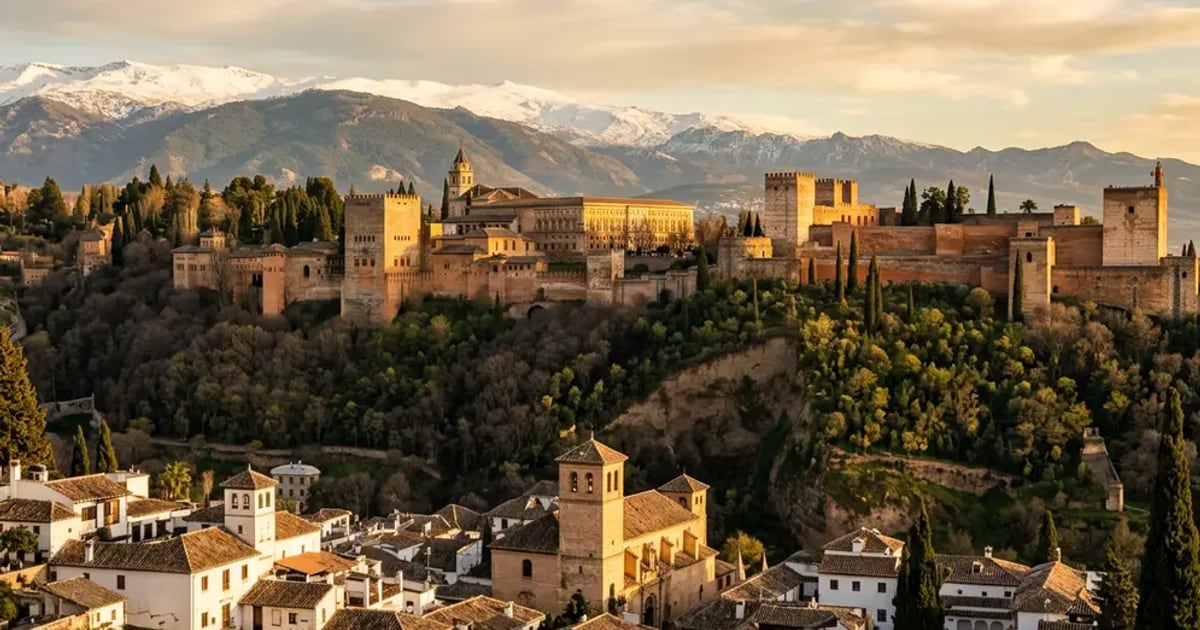

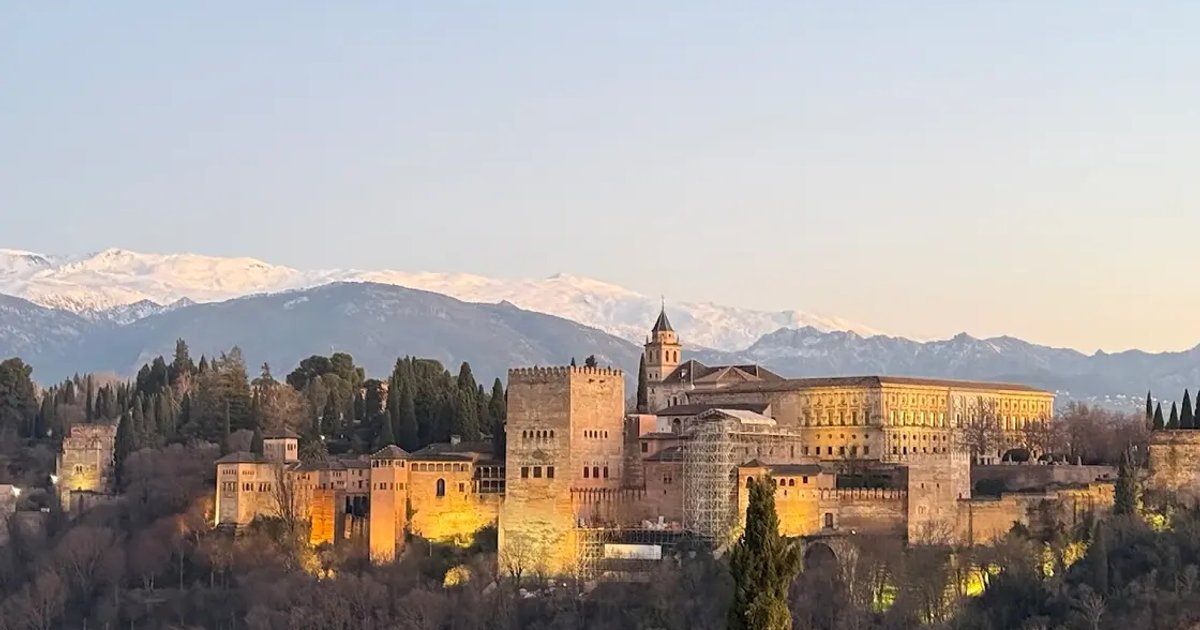
The Alhambra palace and the Albaicín neighbourhood viewed from across the Darro valley, Granada
Discovery guide

Things to do in Granada

Two UNESCO sites, Spain's free tapas capital, and the original cave flamenco scene. Granada is compact enough to walk but deep enough to fill a week.

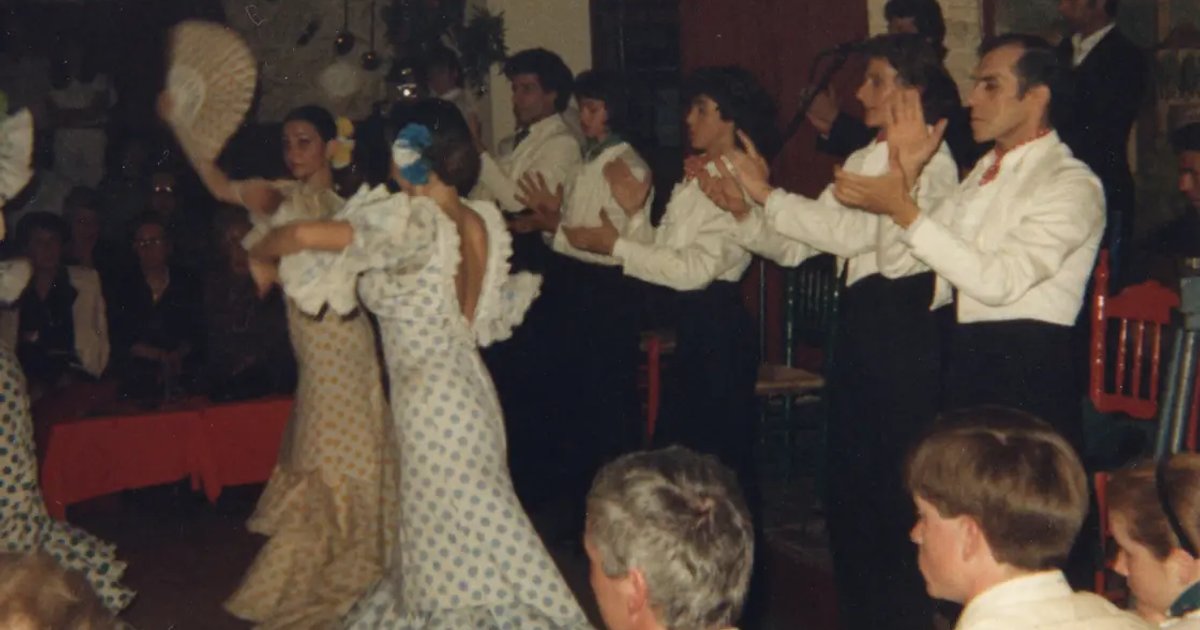
Granada's credentials are not subtle. The Alhambra and the Albaicín share a UNESCO listing: the only urban site in Spain where a medieval Moorish palace faces a medieval Moorish neighbourhood across a river gorge. The city was the last Nasrid sultanate in Western Europe, holding out until Ferdinand and Isabella rode in on 2 January 1492. Those 254 extra years of Moorish rule are why the Alhambra's carved stucco survived intact, why the Albaicín's street plan stayed Moorish, and why hammam culture persisted in some form well past the Reconquista. Granada is also Spain's free tapas capital. In Sacromonte, the hillside cave neighbourhood above the Albaicín, the Romani community developed zambra flamenco; it's still performed there.

This guide organises what to do by category and by traveller type. Each section links to the dedicated pages where prices, opening hours, and logistics are covered in full. Minimum visit: two days. Comfortable: three to four. For hidden experiences off the main circuit, see the hidden gems guide.

Historic monuments

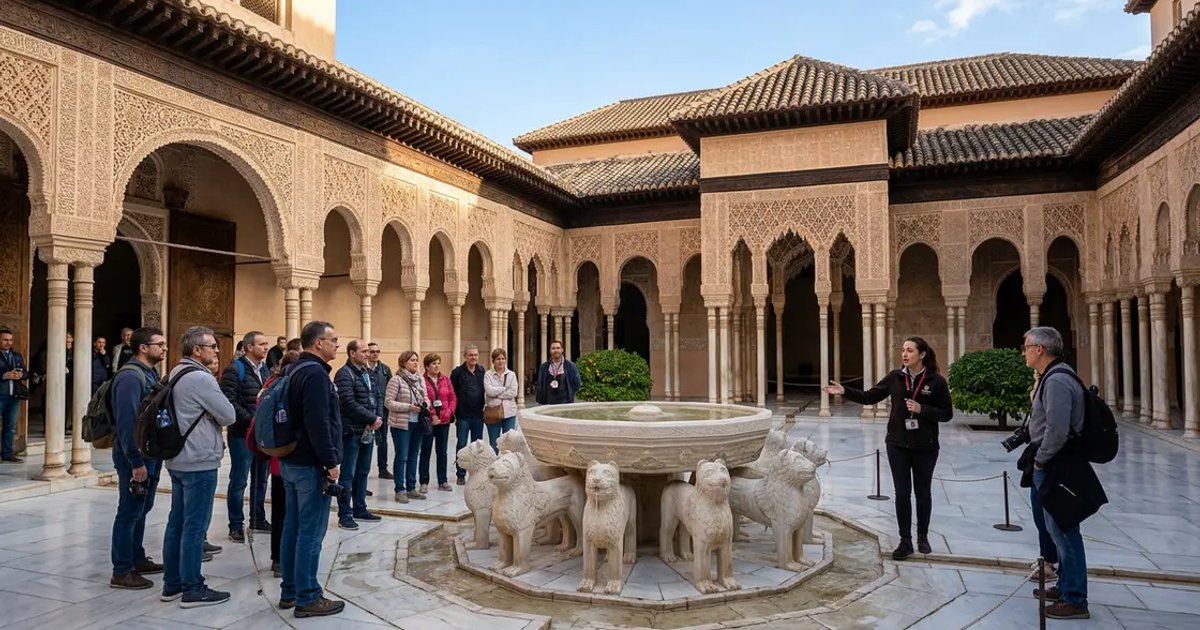
Granada's monument list is short but extraordinarily dense. The Alhambra alone requires half a day; most people wish they had longer. Book it before everything else. The Cathedral cluster in the city centre can fill a relaxed morning.

Neighbourhoods to explore

Granada's neighbourhoods are its best free attraction. The Albaicín alone justifies the trip for many visitors. None of the three below costs anything to walk.

Experiences and activities

If time is limited and you need to rank: the Alhambra is non-negotiable and needs to be booked first, often months ahead. The Albaicín sunset walk is free and takes two hours. The free tapas crawl is dinner sorted for €12. Cave flamenco in Sacromonte is the one experience that is genuinely impossible to replicate elsewhere. The hammam at Calle Santa Ana is a good afternoon on day two or three. The Sierra Nevada makes a full-day add-on if you have the time.

Food and drink

Granada is the last city in Spain where every drink comes with a free tapa. Order a beer or a glass of wine and the bar sends out a plate. The dish is the bar's choice, not yours. Working through six bars costs about what you'd pay for a sit-down lunch elsewhere.

The free tapas bars to know

Bodegas Castañeda — jamón and montaditos, one of Granada's oldest bars
Los Diamantes — seafood tapas on Calle Navas, always packed
La Tana — exceptional wine list, old-city atmosphere
Bar Poe — modern interpretations, younger crowd, Realejo
See all Granada bars →

Granada's tapas tradition is strongest in the streets around Plaza Nueva and Calle Navas, and in the Realejo. The Albaicín has Moroccan tea rooms and restaurants if you want something different. For local dishes (habas con jamón, tortilla de Sacromonte, pionono pastries from Santa Fe), the restaurant pages have the specifics.

By traveller type

Granada works for almost every kind of trip. Here is how to prioritise depending on what you're after.

Families

  • Alhambra palace exploration — children find the tile patterns and fountains engaging
  • Albaicín wandering and mirador views
  • Parque de las Ciencias science museum and biodome (Zaidín district)
  • Carrera del Darro riverside walk from Plaza Nueva
  • Free Carmen de los Mártires gardens, 5 minutes from the Alhambra

Couples

  • Sunset at Mirador de San Nicolás — crowded, but the view is as good as the postcards suggest
  • Hammam Al Ándalus — the afternoon couples session
  • Cave flamenco in Sacromonte — evening, book early
  • Wine bar crawl through the Realejo starting at La Tana
  • Guided night visit to the Nasrid Palaces — available certain evenings

History buffs

Budget travellers

  • All miradores — free, best views in the city
  • Free tapas bar circuit: spend €12–15 on drinks, eat for free
  • Carmen de los Mártires gardens — free, near Alhambra
  • Sacromonte hiking trails — free Alhambra views without the entry fee
  • Carrera del Darro and Paseo de los Tristes — free riverside walk

Day trips from Granada

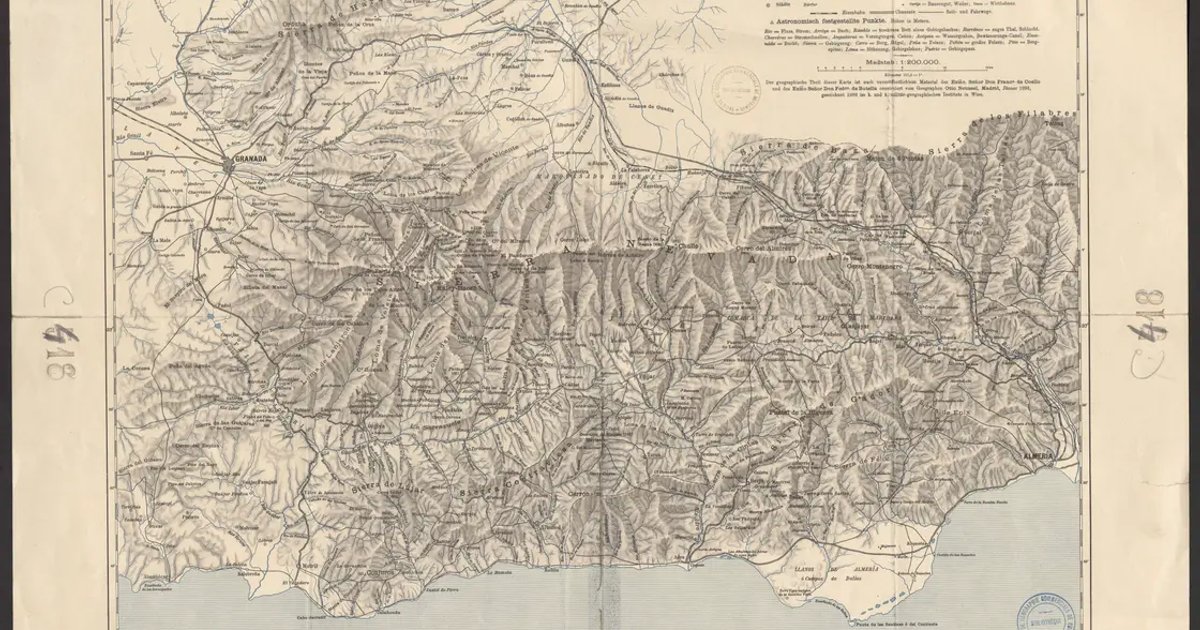
The Sierra Nevada is 30 minutes from the city centre by bus. The Alpujarras take an hour by road. None of these requires a car if you're happy to work around bus schedules.

Sierra Nevada

Spain's highest road-accessible mountain range, 30 minutes from the city centre by bus (around €10). Skiing from December to April; hiking and cycling trails the rest of the year. The views back down to Granada on clear days are good.

Las Alpujarras

A series of Moorish villages on the southern slopes of the Sierra Nevada, largely unchanged since the 15th century. Pampaneira, Bubión, and Capileira are the best starting points. Full-day trip; organised tours run from Granada bus station.

Guadix cave houses

A town 55km east of Granada where around 2,000 families still live in cave dwellings dug into the soft tufa hillsides. Reachable by train in under an hour. Half-day is enough; the cave house museum is worth the entry.

What to skip

A guide to Granada is only useful if it is honest about what does not justify the time.

  • The Alcaicería market near the Cathedral. The covered souk-style market looks atmospheric and contains almost no local goods. Mass-produced souvenirs sold across Spain. Browse it for five minutes to see the structure; do not plan shopping around it.
  • Bars on Calle Navas (the far end). The first two-thirds from Plaza Nueva still work. The far end has largely dropped the genuine free tapas practice and now charges separately. Go to the Realejo or follow a local recommendation rather than defaulting to the pedestrian strip.
  • The 15-minute hammam massage add-on. Too short to do anything meaningful after 60 minutes of thermal pools. Either do the circuit alone from €52 or book the 30-minute treatment as a deliberate choice.
  • Arriving at Mirador de San Nicolás exactly at sunset. The crowd peaks in the last 20 minutes before the sun drops: buskers, tour groups, no room to move. Arrive 45 minutes early and the terrace is half-empty. Walk on to Mirador de San Miguel Alto afterward — higher on the hill, most visitors miss it entirely.

Book guided experiences in Granada

Tours are selected for quality, not commission. We earn a small fee if you book — at no extra cost to you.

Alhambra with a guide, Albaicín evening walks, and Granada food tours — the three experiences worth booking ahead

Frequently asked questions

Frequently asked questions

How many days do I need in Granada?

Two days covers the essentials: the Alhambra on day one, the Albaicín and city centre on day two. Three to four days is more comfortable and lets you add Sacromonte, a flamenco show, the hammam, and the monasteries without rushing. Four or five days works if you want to take a day trip to the Alpujarras or Sierra Nevada.

What can I do for free in Granada?

Quite a lot. Wandering the Albaicín costs nothing; the miradores — including Mirador de San Nicolás — are all free. The Carmen de los Mártires gardens near the Alhambra are free. So are the riverside Paseo de los Tristes and the Sacromonte hiking trails. Granada's famous free tapas tradition means that every drink you order comes with a complimentary plate, making bar-hopping one of the most budget-friendly ways to eat well.

What is the best time of year to visit Granada?

March to May and September to November are the sweet spots: mild temperatures, fewer crowds than summer, and the Alhambra gardens at their best. Spring brings the Alhambra's roses into bloom. Summer is hot (30–40°C in July and August) but Granada's university population keeps the city lively and evening tapas crawls are pleasant once the sun drops. Winter is the insider choice: quieter, cheap, and the Sierra Nevada ski resort is open from December.

What makes Granada different from Seville or Córdoba?

Granada was the last Moorish kingdom in Spain, holding out until 1492 while the rest of Andalusia had already been reconquered. That 250-year head start produced the Alhambra palace complex — nothing in Seville or Córdoba approaches it for scale and preservation. Granada also has the free tapas tradition (you don't get that in Seville), the Sacromonte cave flamenco scene, and the Sierra Nevada on its doorstep. It's smaller and more compact than Seville, which most visitors prefer.

Do I need a car to do day trips from Granada?

Not necessarily. Buses run to the Sierra Nevada (around €10 each way), and organised tours handle the Alpujarras villages. Guadix cave houses are reachable by train in under an hour. A car helps if you want to explore the Alpujarras at your own pace or combine several stops in a day, but the Granada bus station has good regional coverage.

What is overrated in Granada?

The far end of Calle Navas has largely dropped genuine free tapas in favour of €4 plates of olives. The Alcaicería market near the Cathedral is atmospheric but sells mass-produced goods found across Spain. And the 15-minute massage upgrade at the hammam — too short to mean anything after an hour in thermal pools. None of the above is worth the time it takes to discover that for yourself.

What is the best way to spend an evening in Granada?

Reach Mirador de San Nicolás 45 minutes before sunset — the Alhambra walls are already warming to orange and the terrace is not yet packed. Walk back down through the Albaicín lanes and stop at a bar around Plaza Nueva for a first drink. The evening rhythm is: sunset view, tapas from 21:00, move bars rather than stay. A cave flamenco show in Sacromonte at 21:00 makes a full evening — book the family venue Cueva de la Rocío or Los Amayas in advance.

Reporter notebook

Insider tips

Practical observations gathered the way a local journalist would keep them: short, specific, and more useful than brochure copy.

Booking tip

Book the Alhambra before you book your flights

The Nasrid Palaces time slots sell out months ahead in summer. If you are visiting between April and October, check availability at tickets.alhambra-patronato.es before you commit to travel dates. The ticket window opens three months in advance at midnight. Trying to buy on arrival or from street touts is how people miss the Alhambra entirely.

Best time

Visit the Albaicín on a Tuesday or Wednesday morning

Mirador de San Nicolás draws large groups every sunset. The views are the same at 9am on a weekday — without the crowd or the loud guides. Walk up from the Carrera del Darro, stop at a tea room on Calle Calderería Nueva, and have the mirador almost to yourself. Save the sunset for Mirador de San Miguel Alto, which fewer people find.

Local custom

Order a drink, not a dish

Granada's free tapas system means every drink comes with a plate of food chosen by the bar. You don't order tapas here — you order a beer or a glass of wine and see what arrives. The locals' move is to order a "tinto de verano" (red wine with lemon seltzer) rather than sangria, drink slowly, then move to the next bar. Three drinks at three bars costs around €12 and covers dinner.