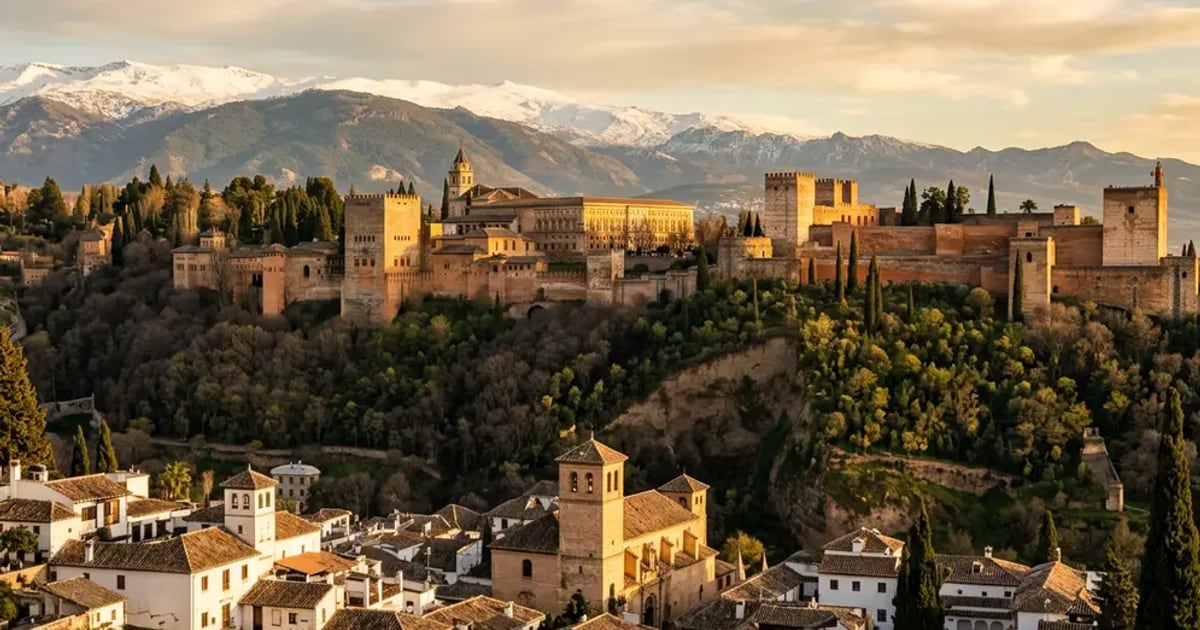

Morning coffee at a local café in Granada's Realejo neighbourhood, terrace tables on a quiet street with the Alhambra hill visible in the background
Long-stay guide

Slow travel Granada

A month in Granada costs €1,200–1,800 all-in. Rent a flat in Realejo, eat the menú del día every day, and let the intercambio circuit do its work. What a proper stay here actually feels like.

A week in Granada is enough to see the Alhambra, eat through the tapas circuit, and walk the Albaicín properly. A month is something different. By the second week you have a café where they know your order, a bar where the tapas arrive without discussion, and a sense of what the city sounds like on a Tuesday morning versus a Saturday evening. The slow travel version of Granada is one of the best-value sustained stays in Spain.

The numbers work. A comfortable month — furnished flat in Realejo, daily lunch out, occasional dinners — costs €1,200–1,800 total. That is lower than Seville, around half of Barcelona, and less than many smaller Spanish cities that offer far less in return. The University of Granada's 60,000 students keep prices genuinely low in ways that tourist demand in smaller cities does not: there are hundreds of bars competing for student lunch trade, dozens of cafés that need the turnover to justify open Wi-Fi, and a rental market geared toward people staying months rather than nights.

This guide covers the honest cost breakdown, which neighbourhood to rent in, how the language exchange culture works, what the daily rhythm of a slow stay here looks like, and the practical business of finding a flat. If you are considering two weeks or more, the digital nomad guide covers coworking spaces and the Spain Digital Nomad Visa for those working remotely.

What a month in Granada actually costs

These are real 2025 numbers, not guidebook estimates. The range reflects the difference between a furnished flat in Realejo at the top and a room in a shared flat in Zaidín at the bottom.

Housing

  • Furnished flat, Realejo/centre: €600–900/month
  • Furnished flat, Zaidín: €450–650/month
  • Room in shared flat: €200–350/month
  • Short-term premium (1–2 months): add 20–40%

Food

  • Menú del día (3 courses, drink): €10–13
  • Morning café con leche + tostada: €2.50–3.50
  • Evening tapas (2 drinks): €4–6, food free
  • Total food budget, monthly: €200–350

Transport

  • City bus card: ~€30/month
  • Most of the centre: walkable — no transit needed
  • Day trip to Alpujarras: €10–15 by bus return
  • Bus to Málaga airport: €14–18 return

All-in monthly total

€1,200–1,800

Comfortable stay with furnished flat, one lunch out daily, occasional evening tapas. Budget option (shared room, more home cooking) runs €750–1,000.

The menú del día is the budget anchor

Granada's three-course lunch — starter, main, dessert, bread, and a drink — for €10–13 is the cheapest proper meal in any Spanish city. Eating this way for your main meal each day keeps the food budget low without any sacrifice in quality. The best menús are on streets away from the main tourist corridors: Calle Navas, Calle Elvira, and the streets between the market and Plaza de la Trinidad.

Best neighbourhoods for a long stay

For a stay of two weeks or more, the neighbourhood matters more than it does for a three-day visit. You want walkable daily logistics, access to cafés that are not tourist traps, a flat that is genuinely habitable rather than a short-stay decoration, and ideally some sense of neighbourhood rather than a hotel-zone atmosphere.

Realejo — best all-round

The old Jewish quarter sits south of the cathedral, 10 minutes on foot from the main landmarks and 5 minutes from the Alhambra hill. The neighbourhood has its own café and bar circuit — you do not need to go to the centre for everything. Arts spaces, independent bookshops, and a bohemian atmosphere that holds even when the tourist quarter is busy.

Furnished flats rent for €600–900 per month. The terrain is slightly elevated compared to the low centre, which means a gentle uphill walk home after dinner — a minor trade-off for good air and a calmer street feel. The Alhambra is visible from some streets and rooftops.

Zaidín — cheapest and most local

South of the centre, Zaidín is where Granadinos live rather than where visitors stay. One-bedroom flats run €450–650. The neighbourhood has its own market (Mercado de Zaidín), local bars, and a residential calm that Realejo no longer quite has.

The centre is a 20–25 minute walk or a short bus ride. For a long stay where you want to genuinely live inside Granadan daily life rather than near it, Zaidín delivers that better than anywhere else. The Alhambra and the tourist quarter feel appropriately distant.

Centro — convenient but noisier

The city centre puts you within five minutes of everything: coworking spaces, markets, the best café concentration, and all transport. Rents are highest here (€650–950 for a one-bedroom) and the streets around the cathedral are noisy with tourist foot traffic. Worth it for stays of two weeks or less; for a month, Realejo's calm is worth the slight premium.

Avoid the Albaicín as a slow travel base

The Albaicín is Granada's most beautiful neighbourhood and a poor long-term base. Wi-Fi in its cafés is patchy. The steep terrain makes daily errands genuinely tiring. Flats are premium-priced for short-stay tourists. Moving groceries or luggage uphill on cobblestone lanes loses its charm by week two. Visit it daily if you are staying nearby; do not rent there.

Language exchange and the university culture

Granada has one of the most active language exchange cultures in Spain, and it is not marketed as a feature — it simply operates as part of university life. The Universidad de Granada draws several hundred Erasmus students each semester who want conversation practice in English; long-stay foreign visitors want Spanish practice. The two populations find each other quickly.

Bar intercambio evenings

Several bars in the centre run intercambio (language exchange) evenings during term, typically on Tuesday and Wednesday nights. The format: sit with a partner for 20 minutes in each language, then rotate. No formal registration, no fee. Check noticeboards at the Faculty of Translation (near Plaza de la Trinidad), cafés around Calle Mesones, and the university's international office for current venues and times.

Apps: Tandem, HelloTalk, Intercambio

Tandem is the most used in Granada for one-on-one language exchange. Set your location to Granada and specify which language you are learning; you will find Spanish-speaking partners within hours. HelloTalk is more text-based if you want to practise writing before committing to conversation. The app called Intercambio is specifically designed for the exchange format and has a reasonable Granada user base.

For genuine immersion, the bar evenings work better than apps in the early weeks — you meet multiple people in one evening and the social energy is harder to replicate in a café with one partner.

UGR language programmes

The Universidad de Granada's Centro de Lenguas Modernas (CLM) runs intensive and semi-intensive Spanish courses for foreigners throughout the year, from two-week summer courses to semester programmes. These are structured courses with grammar instruction and conversation practice, not just exchange. The UGR's international student network also opens access to university events, sports facilities, and the social infrastructure of a 60,000-student institution.

The daily rhythm: coffee, paseo, tapas

Granada runs on a schedule that takes about a week to stop fighting and another week to genuinely appreciate. The morning belongs to the first coffee, around 9–10 AM. Lunch is at 2–3 PM and is the main meal of the day. The afternoon paseo — the slow walk through the city that serves no purpose except the walk itself — happens around 7 PM. Tapas bars fill from 8:30 PM onward.

The morning coffee ritual

The default order at any local bar: café con leche with a tostada con aceite — toasted bread rubbed with tomato and drizzled with olive oil, sometimes with jamón on request. Cost: €2.50–3.50 for the full setup. Some bars still serve the Granada specialty leche frita as the morning pastry alongside coffee.

The non-tourist café strips are around Plaza de la Trinidad, Calle Mesones, and the streets west of Gran Vía. Arrive between 9 and 10 AM and you share the bar with builders, market workers, and students rather than other tourists. The bartenders have conversations; you do not stand in a queue.

The free tapas system

Granada's free tapas culture is the most underrated social infrastructure in any Spanish city. Every drink you order at a bar comes with a free plate of food — the choice of plate belongs to the bar. At traditional bars the tapa rotates with each round; at better bars you can choose. Two drinks across two bars means two small meals at no extra charge. The system makes evening socialising extremely cheap: four drinks total, two people, €10–12, two proper tapas each. For the specific bars and streets where the system works best, see the free tapas guide.

The paseo

The evening walk has no English translation that captures it. Around 7 PM, Granadinos of all ages appear on the main streets and simply walk — Gran Vía, Calle Mesones, the streets between Puerta Real and Plaza Nueva. No phones, no destinations, no particular purpose. The paseo is the social fabric of the city made visible. After two weeks in Granada you will find yourself doing it without deciding to.

Practical matters: finding a flat

The rental search is the main logistical challenge of a long stay. Granada has enough supply for medium-term renters, but the process rewards patience and some knowledge of how the market works.

Search portals

Idealista and Fotocasa are the two main portals. Filter for amueblado (furnished) and set the minimum stay to one month. Both have English-language versions but the Spanish-language listings are more comprehensive. Facebook groups "Pisos Granada" and "Alquiler Pisos Granada" carry listings not found on the main portals, often for better prices.

Timing the search

The best window for month-to-month availability is September through June. July and August sees student flats convert to short-term holiday lets at higher prices. If you want to arrive in October, start searching in August — the September student rush competes for the same furnished flats you want. A one-week margin between your arrival and your first night in a flat (staying in a hotel while you search) costs a bit but often secures a significantly better deal.

What to expect in the contract

For stays under three months, many landlords use informal arrangements rather than a standard lease. For longer stays, a standard rental contract (contrato de arrendamiento) is the norm. Deposit is typically one month's rent. Agencies charge a month's commission — landlords advertising directly on portals avoid this. Utilities (luz, agua, internet) are sometimes included in the rent and sometimes separate; confirm before signing.

If you plan to work remotely during your stay, the digital nomad guide covers the coworking scene, café Wi-Fi quality, and the Spain Digital Nomad Visa in detail.

Frequently asked questions

Frequently asked questions

How much does a month in Granada cost?

A realistic all-in budget for a comfortable month-long stay: €1,200–1,800. Rent for a furnished flat runs €600–900 per month in Realejo or the centre; €400–600 in Zaidín. Food costs around €200–350 per month if you eat one proper lunch out daily (the menú del día is €10–13 for three courses) and cook breakfast and dinner yourself. Transport is almost zero if you stay in the centre — the city is walkable — though a bus card costs around €30. Budget stays in shared flats start from €200 for a room, which pushes the total well under €1,000 if you are careful.

Which neighbourhood is best for a month-long stay in Granada?

Realejo is the best all-round choice: central, walkable, good café density, and quieter than the main tourist streets. Rents run €600–900 for a one-bedroom flat. Zaidín is cheaper (€400–600) and more residential — you live alongside Granadinos rather than tourists, which is part of the slow travel appeal, but the city centre requires a 20-minute walk or a bus ride. Avoid the Albaicín as a base: the Wi-Fi in cafés is inconsistent, the terrain is hard on daily errands, and flats are priced for the tourist rental market rather than month-long stays.

Is Granada good for learning Spanish?

Yes. The Universidad de Granada runs language courses for foreigners throughout the year, and the city has a strong intercambio (language exchange) culture. The Tandem app connects you with local partners; several bars host weekly intercambio evenings during term time where the format is informal — 20 minutes each language per partner. The Spanish spoken in Granada is standard Castilian with some Andalusian cadence; the accent is clearer than Seville's and the vocabulary more conservative. A month here with regular intercambio practice and some deliberate exposure — market conversations, reading menus in Spanish — produces meaningful gains at any level.

Can you find furnished month-to-month flats in Granada easily?

Yes, but with caveats. The main search portals are Idealista and Fotocasa — filter for amueblado (furnished) and set the minimum stay to one month. Short-term furnished flats carry a 20–40% premium over standard annual leases. Summer (July–August) is the hardest time to find a month-to-month flat because student flats are on short-term holiday rental rates; the window from September through June is far more straightforward. Facebook groups like "Pisos Granada" and "Alquiler Pisos Granada" have listings that do not appear on the main portals, often from landlords who prefer informal arrangements.

What is the morning coffee ritual in Granada?

Granada takes its morning coffee seriously. The default order at a local bar is a café con leche — half espresso, half hot milk — served with a tostada con aceite (toasted bread, olive oil, and sometimes crushed tomato) or a small pastry. The regional specialty is leche frita, a fried milk pastry that sounds strange and is genuinely good. The ritual is slow: you do not take a coffee to go. You sit, you read, the bartender refills your water glass. Budget around €2.50–3.50 for the full setup. The better local bars are on the streets away from the cathedral — around Plaza de la Trinidad, Calle Mesones, and the streets off Puerta Real.

Reporter notebook

Insider tips

Practical observations gathered the way a local journalist would keep them: short, specific, and more useful than brochure copy.

Local custom

The intercambio circuit is your social infrastructure

Language exchange evenings run most Tuesdays and Wednesdays during university term at a rotating set of bars — ask at the international students office at the Universidad de Granada or check the noticeboards at the Faculty of Translation near Plaza de la Trinidad. The format is structured enough to start conversations but informal enough to turn into friendships. Most of the long-stay foreigners in Granada will tell you the intercambio circuit is where they built their first social connections. The Tandem app works for one-on-one arrangements; the bar evenings are better if you want to meet a wider range of people quickly.
Best time

October to May is the window for slow travel

July and August price the city for short-stay tourists and push out month-to-month flats in favour of holiday lets. The student university population also disappears, which removes the cheap restaurant-and-café economy that makes slow travel here affordable. From October, the students return, the menú del día prices reset, and month-to-month flat availability opens up. The weather from October through May is excellent: cool mornings, warm afternoons, and none of the 40°C heat that makes July almost unlivable in the narrow streets.

Money tip

Negotiate your flat directly — and in Spanish

Flats listed in English on Spanish rental portals carry a tourist premium. The same flat listed in Spanish only, contacted in Spanish, often rents for 15–20% less. Landlords who market in English have priced for the short-stay market; landlords who only speak Spanish are pricing for local renters. If your Spanish is not yet functional, use a translation app for the initial message — most Granadino landlords will accommodate basic written Spanish. Once you have a viewing, a few sentences of spoken Spanish go a long way toward negotiating a better price.