Granada's flamenco tradition is not Seville's. The cave venues on the Sacromonte hillside are the original performance spaces, and the style performed in them, zambra gitana, comes from a different lineage entirely.
Seven years resident in Granada. Specialist in Nasrid architecture, Al-Andalus history, and Andalusian walking routes.
Published
Updated
Most visitors to Granada have flamenco on the itinerary. Fewer know what they're actually booking. The caves in Sacromonte are not a tourist attraction built around a performance tradition. They are the original limestone homes where Granada's Romani community has performed zambra since the 16th century. Capacity tops out at 60. No microphones. No stage lighting. The stone floor carries the footwork up through the bench you're sitting on, and the guitarist is close enough that you can see his hands.
This guide covers the full range of flamenco experiences in Granada: cave zambra shows, city tablaos, street performances, and the festival season — including venue-by-venue pricing, how to book, and how to avoid overpaying to street touts.
Why Granada flamenco is different
Flamenco in Seville is codified and polished. The great tablaos of Seville perform a formalised art with defined palos (styles), precise footwork sequences, and a concert-stage relationship between performer and audience. It is excellent. It is also a stage production.
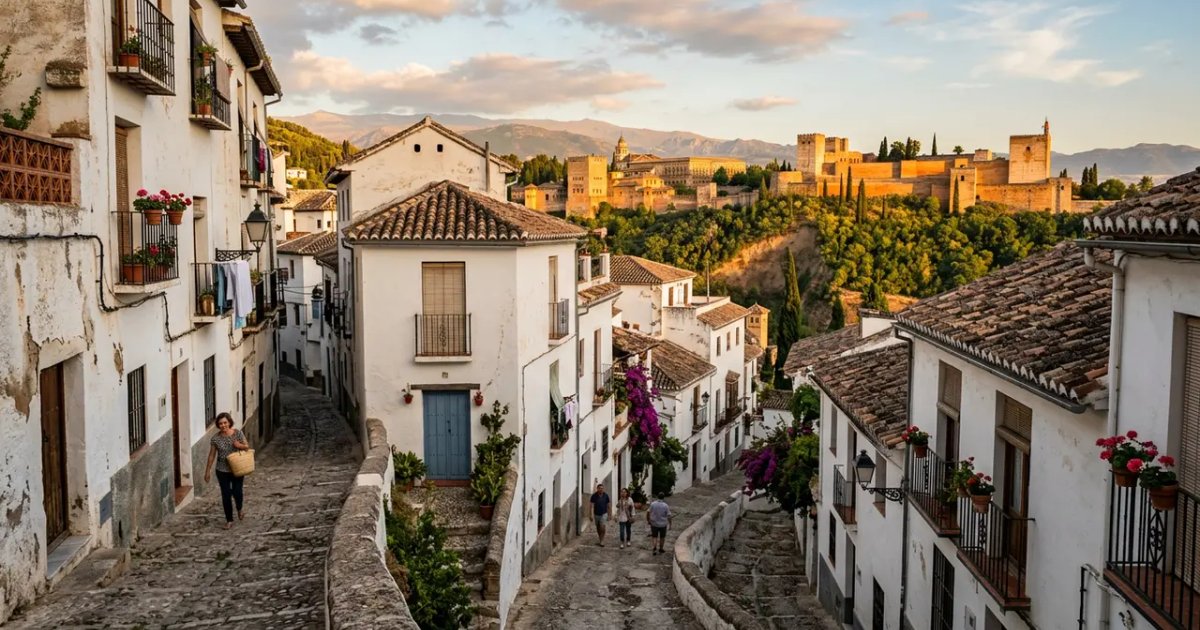
Granada's zambra gitana developed separately, in the limestone caves above the Darro valley, from Romani families who settled Sacromonte after the 1492 conquest. The roots are in Arabic ceremonial music, which gives zambra a different rhythmic character from Seville's styles. The structure is more improvisational: the guitarist often leads rather than follows, the singer and dancer respond to each other without a fixed script, and the whole thing has a looseness that a tablao performance doesn't.
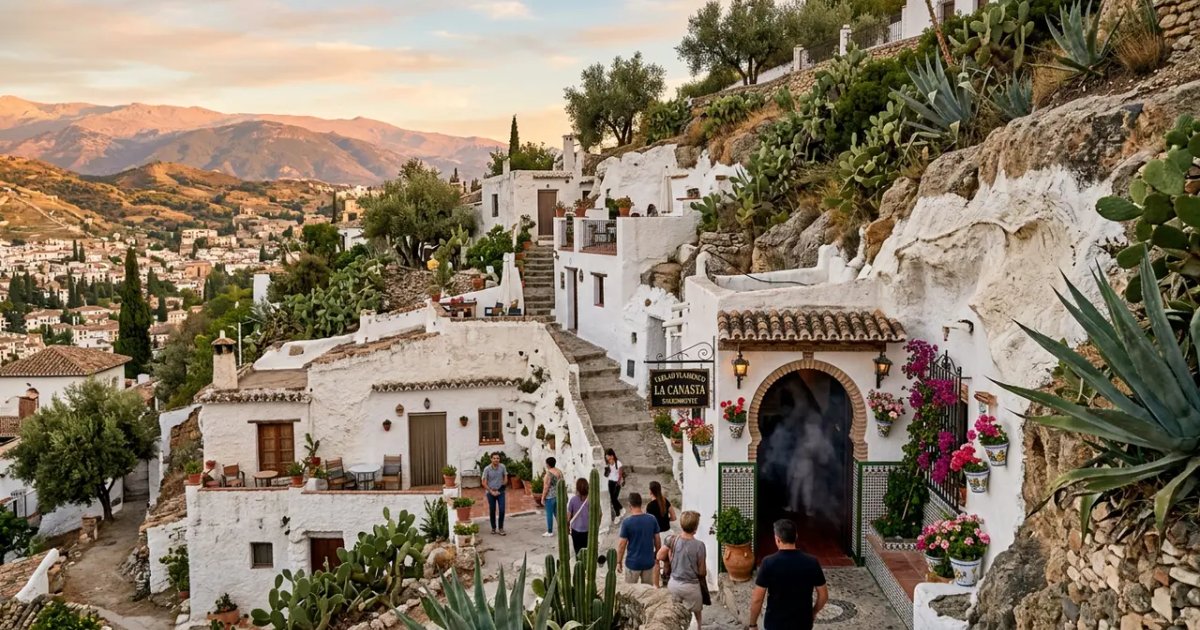
The setting enforces this. A Seville tablao is a room with a stage. A Sacromonte cave holds 20 to 60 people on benches arranged in a rough U-shape around the performers. The ceiling is low. The walls are bare rock. When the footwork starts, you feel it through the floor. There is nowhere for the performance to go except directly at you.
Granada also has city tablaos, which are closer to the Seville model: larger, more polished, more tourist-friendly. Both are worth knowing about. The cave experience is irreplaceable; the tablaos are a reasonable alternative if the caves are fully booked or the logistics of Sacromonte don't suit your plans. Visitors who want to keep the evening going after the show can find the full picture in the Granada nightlife guide, which covers the teterías of the Albaicín, the Pedro Antonio strip, and the late tapas bars that serve until well after midnight.
Zambra and UNESCO recognition
Flamenco was inscribed on UNESCO's Intangible Cultural Heritage list in 2010. Zambra gitana, the Sacromonte variant, is one of the distinct regional forms that informed that recognition. It is not a generic term for Spanish dance.
Types of flamenco experience in Granada
There are four ways to see flamenco in Granada. They suit different itineraries and different levels of interest. Visitors who want to participate rather than watch can also take a flamenco class in Granada — schools in the Realejo and Albaicín offer beginner sessions from €47 that run alongside the tablao and cave show calendar.
Cave zambra in Sacromonte
The original experience. Family-run limestone cave venues on the Camino del Sacromonte, with 20 to 60 seats, no amplification, and shows running nightly from 19:45 (21:00 in high summer). Duration: 45 to 60 minutes. Prices start at €26 for the show alone, €33 with transport, drink, and cave tour.
Best for: Anyone who wants flamenco in its native setting. Unsuitable for those who struggle with steep paths or can't manage without air conditioning. Book: At least 48 hours ahead; in July and August, popular venues sell out 3 to 5 days in advance.
Tablao shows in the city
Purpose-built performance venues in the city centre. More comfortable than the caves, with better sightlines, air conditioning, and in most cases a dinner option before the show. The performance is more structured and polished, closer to the Seville tablao model. Prices: €25–40 for the show.
Best for: Visitors who want flamenco but can't manage the Sacromonte walk, or who want a dinner-and-show evening without logistics. Drawback: The cave intimacy is not replicated.
Street flamenco (free)
Spontaneous performances around Plaza Nueva and the lower Albaicín, typically in the evenings between May and October. These are genuine musicians and dancers, not a staged tourist attraction, though they expect payment. Quality varies. The best street performances in Granada are as good as a tablao; the worst are a distraction. No booking required; arrive at Plaza Nueva around 20:00 in summer and wait.
Best for: Budget travellers, or as a warm-up before a cave show. Drawback: Completely unpredictable; might not happen.
Festival season
The La Chana Festival in summer brings high-calibre flamenco to Granada's main stages, including the Generalife Theatre in the Alhambra complex. The broader Festival Internacional de Música y Danza includes flamenco in its programme. Corpus Christi, usually in late May or early June, features performances in the streets around the Cathedral.
Best for: Visitors who want to see named performers in larger venues. Book: As soon as the programme is published; headliners sell out fast.
Cave venues in Sacromonte
The main venues are grouped along the Camino del Sacromonte, the road that winds up the hillside from the city centre. All are family-run and have been operating for decades.
Cueva de la Rocío
Best overall
Founded in 1951, one of the oldest operating zambra venues in Sacromonte. Capacity around 60, though peak-season nights fill it. The performers are family-linked to the venue's founding generation. Shows at 19:45 and 22:00. Packages from €25 (show only) to €33 (with transport, drink, and cave tour). Book directly via cuevadelarociogranada.com and ask for front-row seating by name — agencies allocate whatever remains.
Zambra María la Canastera
Named after one of the great zambra dancers of the 20th century, María la Canastera, who performed and taught in Sacromonte for decades. The venue carries her legacy and the décor reflects it: photographs, posters, copper pots on the walls. Smaller capacity than some other venues. Tends to attract visitors who have specifically researched the tradition rather than general tour groups.
Venta El Gallo
The best option if you want dinner before the show. Operates as a traditional family venta (restaurant) with the flamenco cave below the main terrace. The dinner-plus-show package runs from €65 and covers a proper Andalusian meal before the performance. The show itself is good; the food is the reason to choose this venue over others. Book the combined package at least 24 hours ahead.
Los Amayas
Family-run, capacity around 60. The space is a traditional cave home rather than a converted venue, which shows in the décor: copper pots, woven blankets, family photographs. Shows at 19:45. Listed on GetYourGuide (4.7 stars across 890 reviews). Prices and packages in line with Cueva de la Rocío. Booking direct is also possible.
Cuevas Los Tarantos
Operating since 1972, with three shows per evening at 19:00, 21:15, and 22:30 — more scheduling flexibility than most caves. Price €25, includes one drink. The 19:00 show tends to have smaller groups and is easier to book last-minute. On the Sacromonte hillside; book direct or through Civitatis and Viator.
Venta El Gallo — dinner option
The best option if you want a proper meal before the show. Operates as a traditional family venta (restaurant) with the flamenco cave below the main terrace. Dinner-plus-show packages from €65 and cover a three-course Andalusian meal — rabo de toro, berenjenas con miel, local wines. Book at least 24 hours ahead; the kitchen has limited covers.
Which seat to ask for
Cave seating is usually arranged in a U-shape around the performance area. The difference between the front bench and the fourth row in a 40-person space is significant: front row means you can hear the guitarist's breathing and feel the heelwork through the floor. Book direct and ask specifically for the front row or closest bench. Agencies allocate whatever remains.
Tablao options in the city
If the Sacromonte walk doesn't suit you, or the caves are fully booked, the city tablaos are a workable alternative. They offer a more structured performance in a more comfortable setting.
Jardines de Zoraya
Best tablao
The only flamenco tablao in Granada set in a Carmen — a traditional walled garden with Moorish architectural features. Three shows daily: 18:00, 20:00, and 22:30. Price €25 per person, show only. Dinner-and-show combos available. Central location, walkable from Plaza Nueva and the Cathedral. The 18:00 show typically has more space and is easier to book; the 20:00 is the most popular. Book via jardinesdezorayagranada.com.
Tablao Flamenco El Templo del Flamenco
City centre venue. Shows most evenings at 20:00 and 22:00. Capacity larger than the cave venues. The performance is polished and professional, closer to the Seville tablao format. Show-only tickets around €35; dinner packages available. Air-conditioned, which matters in summer.
El Corral del Príncipe
A longer-running city-centre venue in a traditional Granadino space. Similar pricing to El Templo del Flamenco. The ambience is closer to a restaurant with entertainment than a pure performance venue, which suits visitors who want a social evening rather than an intense show. Dinner and show packages from around €40.
Both city tablaos are worth visiting if the caves aren't an option. Neither replicates the Sacromonte experience, but the performances are genuine and the logistics are straightforward.
Eshavira Club de Jazz — Sunday flamenco in the Realejo
Eshavira is primarily Granada's longest-running jazz venue (open since 1989, on Calle Postigo de la Cuna in the Realejo), but it runs flamenco on Sunday nights. Quality is variable — this is a jazz club that hosts flamenco, not a specialist tablao — but on a good Sunday the intimacy of the basement room produces something closer to Peña La Platería than anything on a stage. Opens 23:00; cover €10–25 includes one drink. Cash only. For anyone already in the Realejo at midnight on a Sunday and curious about a smaller, less structured flamenco experience, it is worth knowing about.
What to expect at a zambra show
The show runs 45 to 60 minutes. You arrive at the cave entrance, are shown to a seat, and given a brief explanation of what you're about to see, either by the host or a short printed card. The cave is cool regardless of outside temperature, around 18 to 20°C, because limestone regulates temperature naturally. If you arrive in summer shorts, you'll want a layer within ten minutes.
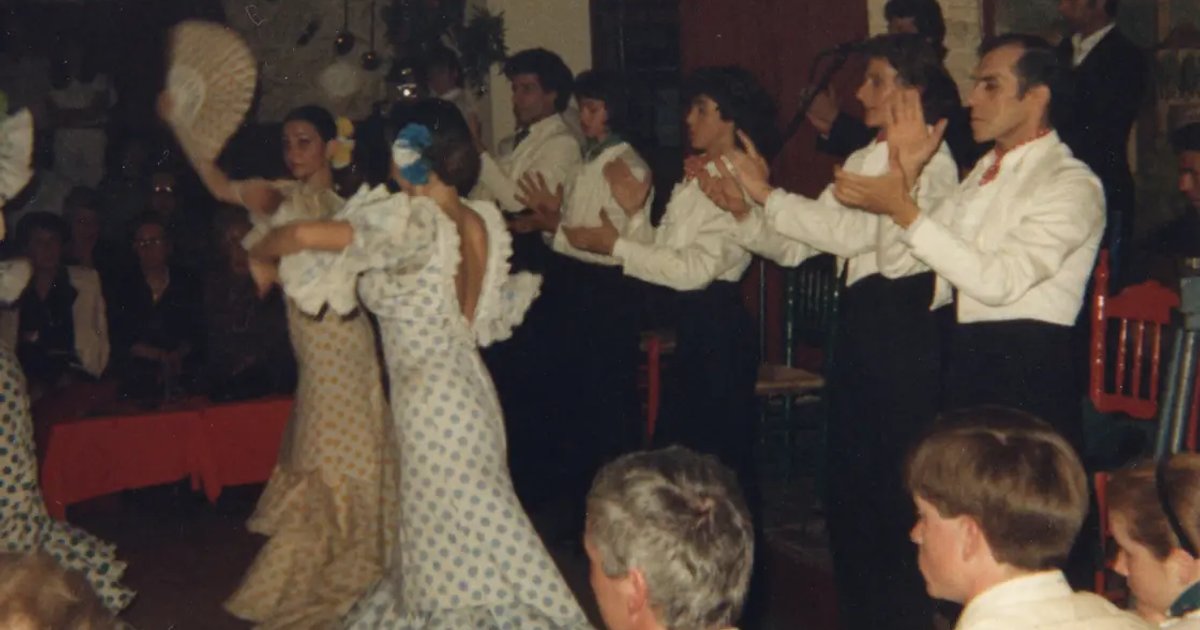
The performance is typically a guitarist, a singer, and two to four dancers. There is no fixed programme: the performers respond to each other and to the room. In a small cave on a good night, this produces something that feels more like a conversation than a show. In a large cave at full capacity on a Thursday, it can feel like a restaurant performance. The venue and the night matter.
Photography policy varies. Most venues allow photographs before and after the performance, not during. The low light in the caves makes flash photography disruptive, and most hosts will ask you to stop if you use it. Phones on silent throughout.
Practical summary
Duration45 to 60 minutes
Start times19:45 most venues; 21:00 in high summer
SeatingBenches, U-shaped around the performance area
DrinksIncluded in the €33 package; available to buy separately
PhotographyBefore and after; not during (varies by venue)
Temperature18–20°C inside the cave; bring a light layer in summer
LanguageNo spoken dialogue; universal
After the show, most venues offer a short tour of one of the neighbouring cave homes before you leave. This is included in the €33 package and gives context for how the cave quarter was actually lived in: the same rooms used for sleeping, cooking, and storing goods now used for zambra shows every evening.
Prices and what you get
The price range for flamenco in Granada is €25 to €68. What changes across that range is not the quality of the performance — it is what is included around it.
Package
Price
Includes
Show only
€25–28
60-min performance, seating
Show + drink
€25–30
Show, one drink on arrival
Full package
€33
Show, drink, cave tour, C34 bus both ways
Dinner + show
€45–68
Three-course dinner, show, wine or drink
The €33 package is worth it on a first visit
The full package includes the C34 minibus both ways, a drink on arrival, and a brief walk through one of the neighbouring cave homes after the show. That context — seeing how the caves were actually lived in — makes the performance more interesting. On a second visit, show-only is fine; on a first, the package handles everything.
How and when to book
The cave venues hold between 20 and 60 people. That is the entire audience. In high season, July and August, popular venues sell out 3 to 5 days ahead of the show. The standard advice is 48 hours' advance booking; in practice, booking on arrival in Granada in summer means choosing from whatever is left.
Book direct with the venue
Most cave venues have a phone number or email on their website. Booking direct gets you better seat selection (ask specifically for the front row or closest bench) and avoids the platform fee added by agencies. You also get to confirm the show is actually running on your night, which is worth doing with smaller venues.
Booking through GetYourGuide or Viator
GetYourGuide and Viator both list the main Sacromonte venues. The advantage is the review record: you can read what 200 previous visitors say about a specific cave before committing. The disadvantage is you pay a platform fee and get allocated seating rather than choosing. For the €33 package at Cueva de la Rocío, the GetYourGuide listing is a reasonable option if you want the review trail.
Peak season timing (May to October)
Peak season runs May through October, with July and August the most crowded. If your dates fall in this window, book the cave show before you book your accommodation. Thursday evenings are the busiest; Tuesday and Wednesday have better availability and typically smaller groups.
Street touts — avoid entirely
Touts work the area around Plaza Nueva, Calle Reyes Católicos, and near the Cathedral. They sell tickets for "authentic cave shows" at €30 to €40 per person. The experience they deliver ranges from overcrowded restaurant shows to venues described in ways that have no relationship to what you actually see. Some sell tickets to shows that no longer run. Book direct with the venue, or through GetYourGuide, Viator, or Civitatis. The €2 to €5 platform fee is worth paying.
Getting there and back at night
Getting to Sacromonte in the evening takes planning. The C34 minibus handles the uphill journey; the walk back down is one of the best things to do in Granada after dark.
C34 minibus up
Runs from Plaza Isabel la Católica (near Plaza Nueva) to Sacromonte. Included in the €33 package. Journey around 10 minutes. Frequency drops after 22:00 — check the last departure before leaving if you are on a late show.
Walk up
20 to 30 minutes from Plaza Nueva up Camino del Sacromonte. Uphill on limestone path. Wear flat shoes with grip. Pleasant in the early evening; harder after a late show.
Walk back down
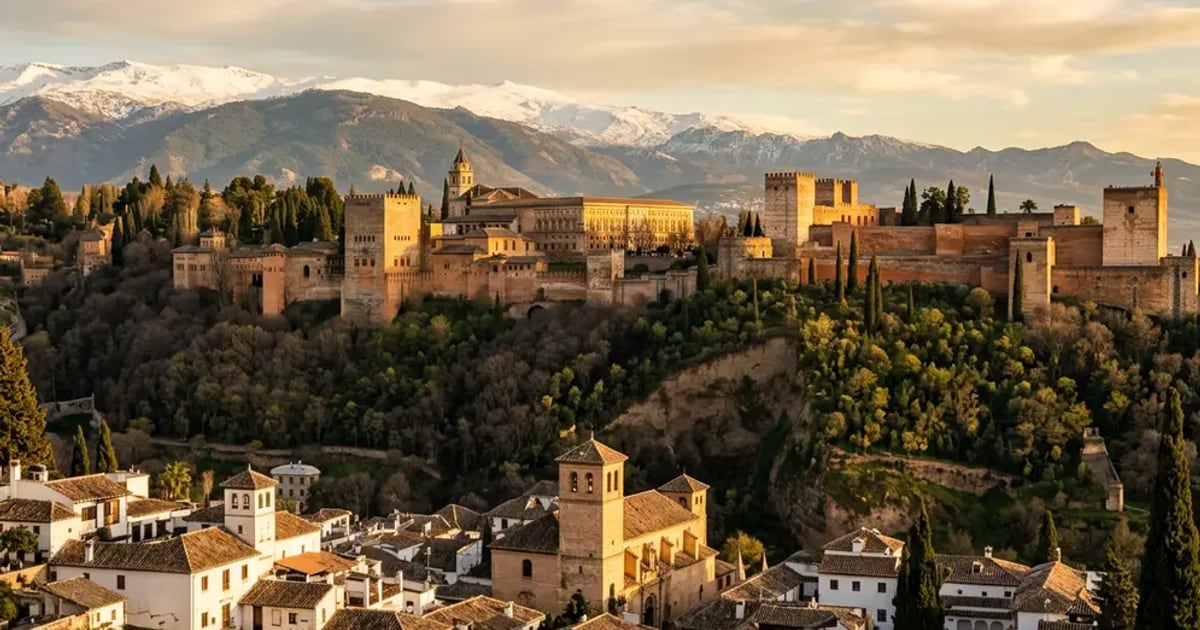
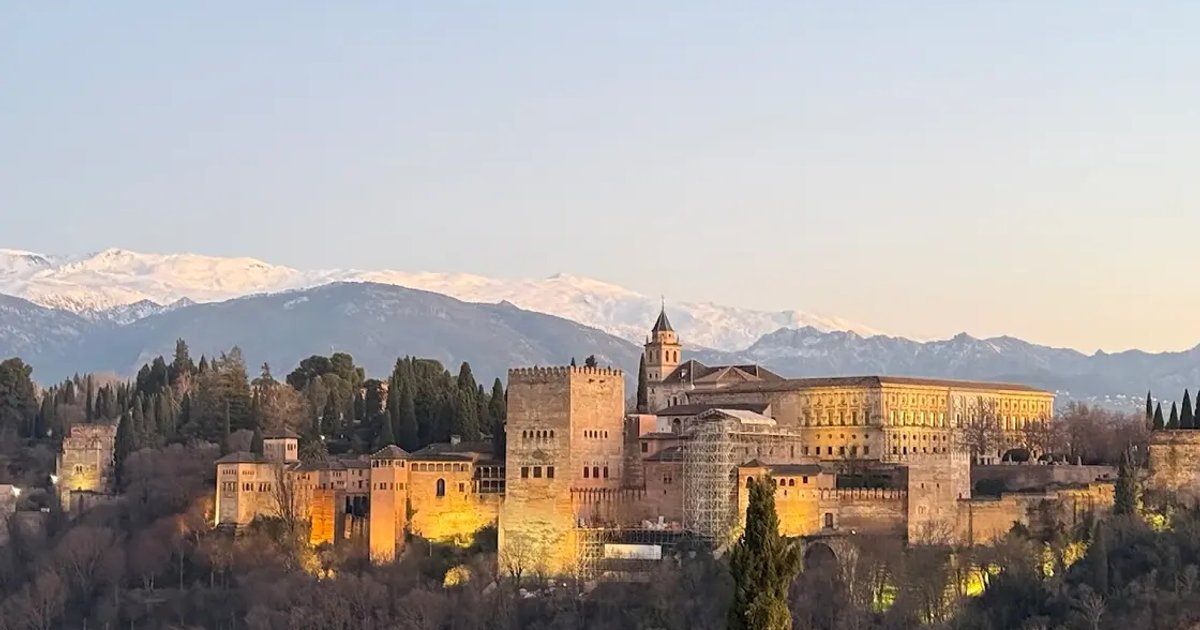
The route from the cave quarter down through the Darro valley and along Carrera del Darro to Plaza Nueva takes 30 to 40 minutes. The Alhambra is lit above you, the river reflects it, and the path is well-lit. This is the best part of a Sacromonte evening. Wear shoes with grip near the top where the limestone is uneven.
Taxi back
After a 22:00 show, the C34 runs infrequently. A taxi from Sacromonte to the centre runs €6 to €8. Ask the venue host to call one before the show ends — they know the local drivers and can have one waiting at the cave entrance when you come out.
Late shows and transport
The 22:00 show ends around 23:00 to 23:15. At that hour, the C34 runs every 30 to 45 minutes. If you are with a group or don't want to walk, arrange the taxi through the venue before the show starts. It takes two minutes to ask; considerably longer once 60 people are trying to leave at once.
Flamenco history in Granada
The Romani community settled the hillside caves of Sacromonte in the late 15th and early 16th centuries, following the 1492 conquest of Granada and the subsequent displacement of populations across Andalusia. The caves were practical shelter; the hillside had been the site of Roman and later Moorish habitation before them.
The zambra style that developed there drew on Arabic ceremonial music that had been part of Nasrid Granada's court culture, mixed with the Romani musical tradition that the community brought with it. The word zambra itself comes from the Arabic zamra, a form of ceremonial music and dance. By the 19th century, the Sacromonte caves had become a known destination for travellers on the Grand Tour, who reported the performances in travel writing that helped cement the area's reputation.
Federico García Lorca grew up in the Granada area and was deeply influenced by the Romani flamenco he heard in Sacromonte. His family home, the Huerta de San Vicente, is now a museum open to the public in the Realejo neighbourhood. The full Granada Lorca guide covers his literary trail, the Centro Federico García Lorca in the city centre, and how to visit the key sites connected to his life and work. In 1922, Lorca and composer Manuel de Falla co-organised the Concurso de Cante Jondo in the Alhambra's Plaza de los Aljibes, a festival designed to document and preserve the deeper flamenco traditions at a time when they were being displaced by more commercial forms. That event directly informed the academic and artistic attention that eventually led to UNESCO recognition.
The cave community continues on the same hillside today. Some families have been performing zambra for four or five generations. The venues that operate now are, in several cases, the same physical spaces that 19th-century travellers described. The main change is that they now charge a fixed entrance fee.
Book flamenco shows in Granada
Tours are selected for quality, not commission. We earn a small fee if you book — at no extra cost to you.
Cave zambra performances and guided flamenco walking tours
Yes, with a caveat. The family-run cave venues (Cueva de la Rocío, Los Amayas, and Zambra María la Canastera) have operated on this hillside for generations, and the art form itself descends from Romani traditions brought here after 1492. What you're watching in those caves is not a recreation: it is a living practice in its original setting. The caveat: some larger venues sell primarily through coach-tour operators, which inflates capacity and dilutes the intimacy. Book direct or through a smaller agency that limits group size.
How much does a flamenco show in Granada cost?
Cave zambra shows start at €26 for the show alone. The most popular package is €33, which includes the show, a drink, a brief cave tour, and transport from the city centre. If you want dinner at the cave, Venta El Gallo offers a dinner-plus-show package from €65. Tablaos in the city tend to run €25–40 for the show alone. Tablao Flamenco El Templo del Flamenco charges around €35; El Corral del Príncipe is in a similar range.
What should I wear to a flamenco show in Sacromonte?
Smart casual is appropriate, but there is no dress code. The caves hold a steady temperature of around 18–20°C regardless of outside conditions, so if you are visiting in summer, bring a light layer for inside. The path up Camino del Sacromonte is uneven limestone, so flat shoes with grip matter more than anything else. Heels are a poor idea. The show has no spoken dialogue, so language is no barrier.
Is the cave flamenco show suitable for children?
Children aged 5 and over are welcome at most venues. Ages 5 to 9 pay €20; children under 4 enter free at most venues. The show has no spoken content and the performance is visually engaging for younger audiences. One practical note: the caves run cool and the walk up from the city takes 20–30 minutes on steep terrain, so younger children benefit from a layer and sensible footwear. Evening shows start at 19:45 or 21:00, which is late for small children.
What is the difference between zambra and tablao flamenco?
Zambra is the flamenco style native to Granada's Sacromonte quarter, developed by the Romani community from Arabic ceremonial dance. It is more fluid and improvisational than the formalised tablao styles from Seville or Jerez. The guitarist drives the rhythm rather than accompanying it; the boundary between singer and dancer is less fixed. Tablao flamenco, the kind performed at city venues like El Templo del Flamenco, is more polished and structured, closer to a stage production. Both are legitimate; they are different experiences.
When is flamenco season in Granada?
Shows run year-round, but the main festival season runs May through October. The La Chana Festival takes place in summer, and flamenco performances appear in the cultural calendar around Corpus Christi in late May or June. Cave venues can sell out several days ahead in July and August. Midweek shows (Tuesday to Thursday) tend to have better availability than weekends. Thursday evenings are the busiest at most venues.
Which flamenco venue in Granada is best for a first visit?
Cueva de la Rocío in Sacromonte is the most reliable first choice: family-run since 1951, capacity around 60, and consistently strong performers. Book direct via cuevadelarociogranada.com and ask for front-bench seating specifically — agencies allocate whatever remains. If the caves are sold out, Jardines de Zoraya in the city centre is the best tablao alternative: three shows daily, €25, and the Carmen garden setting is genuinely good. You do not need to spend more than €33 for an excellent first experience.
Are the flamenco touts on the street trustworthy?
No. Street touts around Plaza Nueva and near the Cathedral sell tickets at €30 to €40 for shows described as "authentic cave zambra" that often bear no resemblance to what you actually see — overcrowded restaurant shows, venues that have closed, performances described inaccurately. Book directly with the venue website, or through GetYourGuide, Viator, or Civitatis. The €2 to €5 platform fee is worth it.
Reporter notebook
Insider tips
Practical observations gathered the way a local journalist would keep them: short, specific, and more useful than brochure copy.
Crowd tip
Avoid Thursday evenings at the most popular caves
Thursday is the busiest night of the week for most Sacromonte venues, when coach groups tend to book out the full capacity. The difference between 40 people in a cave and 60 is considerable: at full capacity the bench space is tight and the ventilation struggles. Tuesday and Wednesday shows typically have smaller groups. The performance quality is the same; the atmosphere is better with 30 people than 60.
Money tip
The €33 package is better value than show-only
The €33 package at most venues includes the show, a drink, a brief cave tour, and the C34 minibus from the city centre. Booking the €26 show-only ticket and paying for the bus separately works out to roughly the same cost, but you lose the cave tour and have to time the bus yourself. The transport package is worth the extra €7 on a first visit, particularly if you want to walk back down the Darro valley after the show.
Local custom
Walk back down through the Darro valley after the show
Most visitors take the bus back down from Sacromonte, but the walk from the cave quarter down the Camino del Sacromonte and along the Carrera del Darro is one of the best things to do in Granada at night. The Alhambra is lit above the valley, the river reflects it, and the path is well-lit and safe. Allow 30–40 minutes from the cave quarter to Plaza Nueva. Wear shoes with grip; the limestone path is uneven near the top.