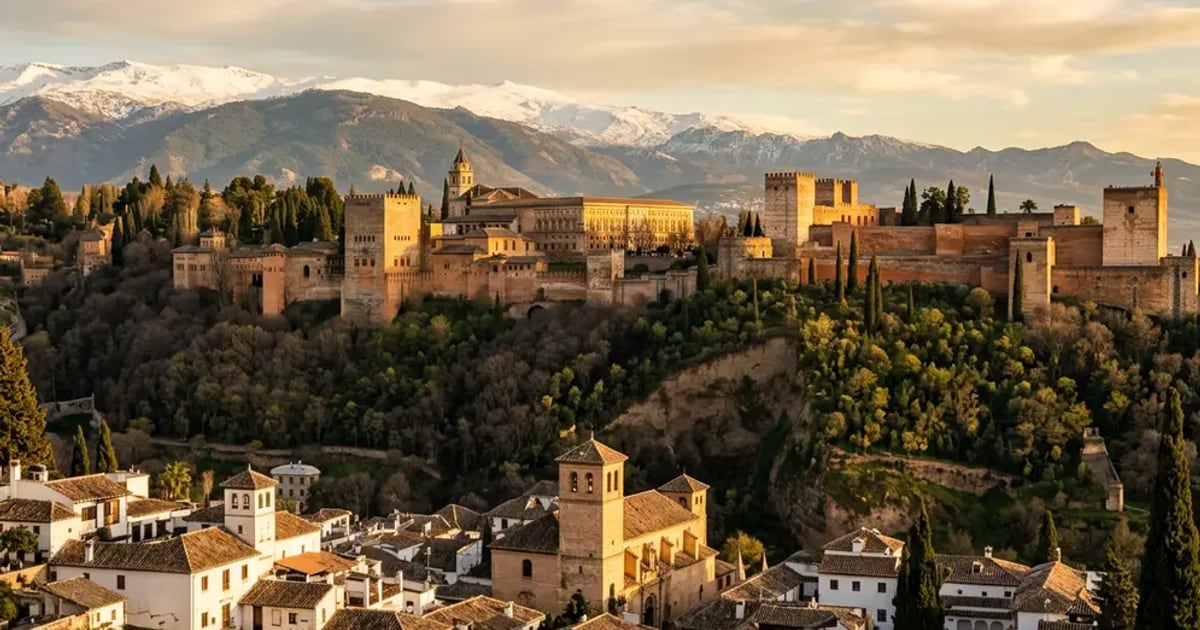
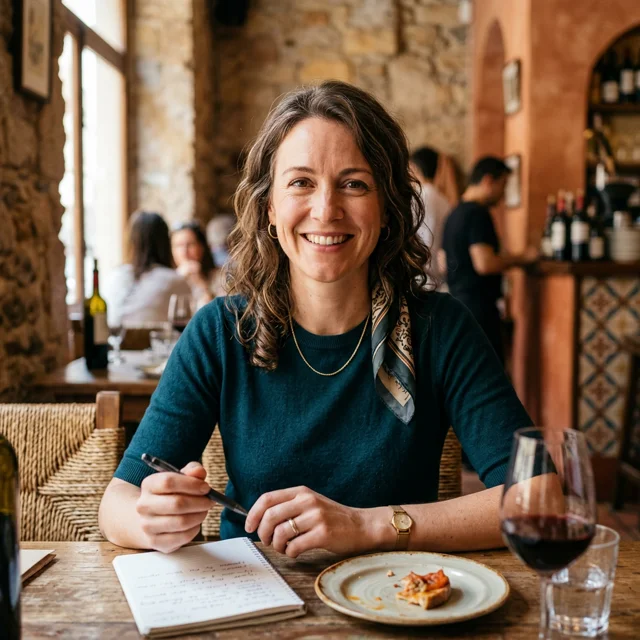
Interior of a traditional Granada bodega with wine barrels and azulejo tiles
Tapas & wine bars

Best traditional bodegas in Granada

Azulejo tiles, wine barrels stacked to the ceiling, jamón legs hanging overhead. These are the bars that haven't changed in decades and don't need to.

A traditional Granada bodega looks roughly the same whether it opened in 1917 or 1942: azulejo tiles on the walls, wine barrels stacked on shelves or used as standing tables, jamón legs hanging from the ceiling, a marble counter worn smooth by years of elbows. What makes it function is not the décor — it is the rule. Every drink you order, alcoholic or not at most places, comes with a free tapa chosen by the bar. The better the tapa, the more regulars come back. The worse it is, the bar finds out quickly.

Granada, Almería, and Jaén are the last holdouts of this tradition in Andalusia. Most Spanish cities abandoned it decades ago. Here it is not a marketing gimmick — it is how the bar economy works, and the traditional bodegas are where it runs most purely. This guide covers the seven worth knowing: what makes each one different, what to drink, and what you will likely eat when the tapa arrives. For the full background on how the free tapas custom works, including vocabulary and route ideas, see the dedicated guide.

Centro: the classic circuit

The streets around Plaza Nueva and Calle Elvira — and running south to Calle Navas — hold the densest concentration of traditional bodegas in the city. These four have been open long enough that their reputation precedes them. Each is different: one sells barrel wine by the glass at near-cost prices, one is the obvious tourist-and-local crossover, one has been feeding families since 1917. They are within a ten-minute walk of each other and make a natural first circuit for anyone learning the format.

The iconic one

Bodegas Castañeda

€3–5 per drink

Centro · Calle Almireceros 1–3 (corner with Calle Elvira) · Mon–Sun 11:30–00:30

Open since 1936 and unchanged in the ways that matter. The drink to order is calicasas: a rotating blend of whatever barrels happen to be running at any given time, stronger than a standard glass of house wine, and something no other bodega in the city makes. Ask for it by name. Bar staff pour by the glass from whichever cask is open, and they will let you taste before you commit.

Free tapas here lean toward Iberian cold-cut montaditos and jamón-and-cheese boards rather than the fried fish you get at Los Diamantes. Vermouth on tap is the other order worth making. The bar fills with tourists at 14:00; before 13:30 or after 20:00, the crowd shifts back toward regulars.

Full bar profile →
Since 1917

Los Manueles

€4–6 per drink

Centro · Calle Reyes Católicos 61 · Lunch and dinner daily

Los Manueles has been on Calle Reyes Católicos since 1917. The bodega format at larger scale than Castañeda: tall ceilings, ceramic tile columns, a long bar with stools where locals eat standing. The free tapa is the giveaway that this is serious — croquetas gigantes the size of a fist, salmorejo with jamón shavings, migas granadinas with chorizo and bacon crumbs. Walk through the main bar and there is a back room with actual tables that most people miss.

Sunday lunch here reads like an anatomy of Granada eating: three generations at one table, a child picking at the tapa while the grandparents argue about which wine. Come at 14:00 on a Sunday to see how the tradition actually works at domestic scale.

Full bar profile →
Since 1942

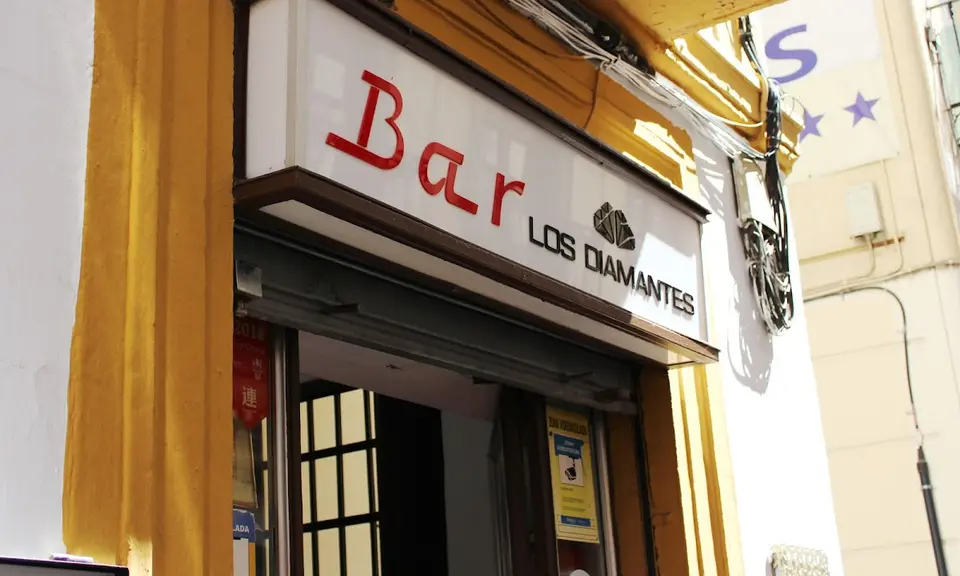
Los Diamantes

€3–5 per drink

Centro · Plaza Nueva 13 · Daily from 12:00

The free tapa at Los Diamantes is almost always fried fish — the house speciality since 1942. Boquerones fritos, chipirones, gambas pil-pil, occasionally dogfish or fried aubergine. The fish arrives lightly floured and cooked immediately. No grease residue: the oil is hot enough and the fish is fresh. Order a caña (draught beer in a frosted glass, Granada tradition) and take the standing spot at the marble counter.

The Plaza Nueva branch has the atmosphere. The Navas branch is slightly calmer at lunch. Arrive at 12:15 or 19:45 to avoid the rush; the bar fills by 13:00 and 20:30.

Full bar profile →
All-day bodega

Bodega La Antigualla

€3–5 per drink

Centro · Plaza Nueva 2 · All day, daily

On the same plaza, a classic bodega format: wine barrels on the walls, ceramic tiles, cold-cut tapas arriving with each round. Open all day, which makes it the natural first stop before climbing to the Albaicín — it sits directly at the base of the hill. The crowd is mixed tourists and locals, but the format is genuine: pay for the drink, the tapa comes with it.

Nothing here is exceptional, but the location is useful. If you are about to walk the Albaicín and want a standing drink at the base of the hill, this is the obvious stop.

Seafood specialist

Bar Cunini

€4–6 at the bar

Centro · Plaza de la Pescadería 14 · Tue–Sun (check hours)

Bar Cunini sits on what was Granada's fish market square, directly behind the cathedral. The bar has two modes: a standing counter to the right of the entrance where prices are bodega-level, and a sit-down restaurant on the left where they charge for everything separately. State clearly you want la barra when you walk in, or you will be seated and the economics change.

At the bar, the free tapa is seafood-focused and above average quality: almejas, fried fish assortments, gambas. The mariscos here are fresher than at most Granada tapas bars because this is what the kitchen does. The standing-bar section costs roughly the same as Los Diamantes but the seafood quality is a level higher.

Full restaurant guide →

Realejo: the wine-focused quarter

Granada's old Jewish quarter, south of the cathedral, draws fewer tourists than Calle Navas. The Realejo is a flat, walkable neighbourhood where the bars serve predominantly local regulars. Taberna La Tana is here — the wine-focused one that drew international attention — and the free-tapa tradition holds as firmly as anywhere in the city.

Best wine bar in Granada

Taberna La Tana

€4–7 per drink

Realejo · Placeta del Agua 3 · Opens 20:00 evenings only

La Tana won Best Wine Bar of Spain at the International Wine Challenge, which is unusual for a neighbourhood taberna that seats fewer than twenty people and has no website worth speaking of. Anthony Bourdain visited and brought it international attention. The wine list remains handwritten on a chalkboard, updated daily as bottles open or run out.

Family-run, focused on Spanish regional wines, particularly Andalusian producers and Priorat. The free tapa is a level above the standard bodega plate: proper Andalusian cooking, not bread and jamón. The kitchen also does espinacas con garbanzos (spinach with chickpeas) better than most places in Granada. Gluten-free bread available on request.

It fills within 20 minutes of opening at 20:00. Arrive at the door at opening time to get a seat; the bar counter stays available a little longer but the room is small. On weekends, showing up at 20:10 means standing outside.

Full bar profile →

The Realejo as a Friday escape

When the Centro bars on Calle Navas have people standing in the street, the Realejo is ten minutes on foot and half the crowd. The free-tapa tradition runs exactly the same here. The streets around Campo del Príncipe and Calle Molinos have several bars beyond La Tana that the tapas bar guide covers in full.

Albaicín: the hidden one

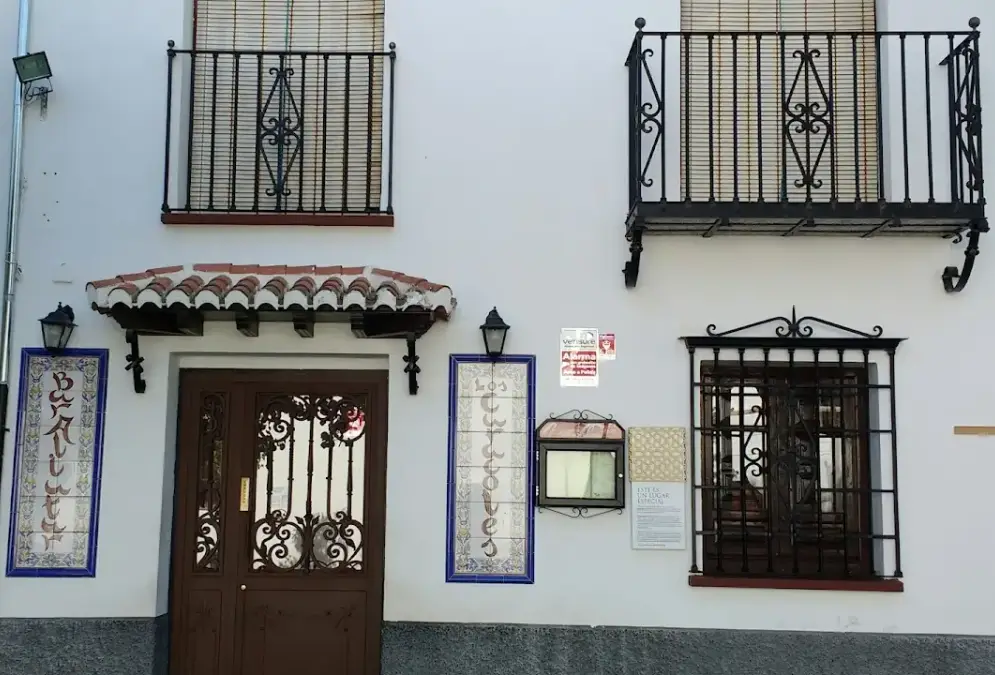
The old Moorish quarter above Plaza Nueva has fewer bars per street than Centro, and most visitors who climb it are heading for the Mirador de San Nicolás view rather than a drink. Bar Aliatar — known locally as Los Caracoles — is tucked into an upper plaza that no organised tour passes through. It has been there, serving the people who live nearby, since roughly the 1940s.

Los Caracoles

Bar Aliatar

€3–4 per drink

Albaicín · Plaza Aliatar 4 · Tue–Sat 13:00–16:00 and 20:00–23:30; Sun 13:00–16:00; closed Mon

The nickname Los Caracoles comes from the signature tapa: snails cooked in a spiced, piquant broth — caracoles in the Granadan style. Up to 170 kilos of snails on a busy weekend, according to the staff. The free tapa is almost always something from the stew pot: caracoles, chorizo al fuego, choto (baby goat stew), fried green peppers. Hot cooked food arriving with a cold beer, for €3 or €4, in a small Albaicín plaza that the Alhambra towers overlook.

This is not a bar that promotes itself. It is there because the neighbourhood needs it. Arrive by 13:00 on Sunday if you want to catch the full lunch service — it closes at 16:00 and fills completely in the first hour.

Full bar profile →

How to do a tapeo route

The local formula is called a tapeo: move between three to five bars over two hours, two drinks each, eat what arrives with them. The cost lands around €15–20 per person including all food. You do not sit down for a single long dinner — you eat gradually, standing, across different bars, and the cumulative result is a full meal.

An evening circuit starting at Plaza Nueva

  • 19:45 — Bodega La Antigualla (Plaza Nueva 2): first drink, cold-cut tapa, base of the Albaicín hill
  • 20:10 — Los Diamantes (Plaza Nueva 13): caña frosted, fried fish tapa, standing room at the marble counter
  • 20:40 — Bodegas Castañeda (Calle Almireceros 1–3): calicasas from the barrel, Iberian meat tapa
  • 21:15 — Los Manueles (Calle Reyes Católicos 61): house wine, croqueta or salmorejo tapa, see the back room

Total time: 90 minutes. Total cost: roughly €12–16 per person. A fifth stop at Bar Cunini (Plaza de la Pescadería 14) adds the seafood dimension if you are still going.

The Realejo evening extension

From the Centro circuit, add a 10-minute walk south to the Realejo for La Tana at 20:00 opening time. It shifts the evening from quantity to quality: one long stop at a wine-focused bar with a better tapa than the Centro norm. Pairs well as the last stop after the Castañeda and Los Manueles circuit.

For a dedicated tapas crawl route with neighbourhood maps, see the full free tapas guide.

Reporter notebook

Insider tips

Practical observations gathered the way a local journalist would keep them: short, specific, and more useful than brochure copy.

Best time

Go before 13:30 or after 20:00 on weekdays

Bodegas Castañeda pulls the tourist crowd at lunchtime — the calicasas queue at the bar is real by 14:00. Come before 13:30 and you get bar staff with attention to spare. The same logic applies after dinner: from 20:00 onwards the crowd at Castañeda and Los Manueles shifts toward local regulars. The tapas tend to be more generous at those hours too.
What to order

Ask for calicasas by name at Castañeda

The bartenders pour generously if you ask for calicasas directly rather than just "a glass of wine." It is a house blend of different barrel wines, stronger than it reads, and costs the same as a standard glass. Locals know to ask. Tourists get the regular house red. Say calicasas and you will be served the proper version.

Local custom

Ask to taste from the barrel before ordering

At any genuine bodega, you can ask to taste the wine before committing to a glass. Say "puedo probar?" and the bar staff will draw a small pour from the tap or barrel. This is standard practice, not a special request. It is how wine has been sold in Spanish bodegas for a century and nothing about it is awkward.

Crowd tip

La Tana fills within 20 minutes of opening

Taberna La Tana in the Realejo opens at 20:00. By 20:20 the six tables are gone. The bar counter stays available longer, but if you want to sit, arrive at opening. This is true on weekdays as much as weekends — it has drawn a regular crowd since before any international press, and the regulars show up on time.

Frequently asked questions

Frequently asked questions

Do you really get free tapas with every drink in Granada?

Yes, and it is not a tourist gimmick — it is the norm. Order any alcoholic drink at a traditional bodega or taberna and the bar sends out a free tapa. The bar chooses it; you do not. The quality of that tapa is the bar's reputation on a plate: poor tapas means fewer regulars, so the better bars take it seriously. For the full background on how the tradition works, see the free tapas guide.

What is the difference between a bodega and a restaurant in Granada?

A bodega is a wine cellar and bar — wine from barrels or the tap, a standing counter, free tapas with drinks, no table service. A restaurant takes reservations, runs a printed menu, and charges separately for food. Some bodegas like Los Manueles have a back dining room that functions as a restaurant, but the bodega bar at the front operates on entirely different logic: you drink, you eat what arrives, you pay for the drinks only.

What should I drink at a traditional Granada bodega?

The house wine poured from the barrel — ask for "vino de la casa" or "del barril." At Bodegas Castañeda, order the calicasas specifically: a blend of different house wines, strong and cheap, and something you will not find anywhere else. Vermut (vermouth) on tap is the other classic order — served at room temperature with a curl of orange peel, not chilled. A draught beer (caña) in a frosted glass works at any of them.

Is it rude to stand at the bar rather than find a table?

At a traditional bodega the bar counter is the right place to stand. Tables are secondary — often barrel-top surfaces rather than proper tables. Standing at the bar is how locals drink. You are more likely to get faster service, fresher tapas, and better conversation with the bar staff from there.

Do traditional bodegas in Granada take card payments?

Most now accept cards, but carry cash. At the older and cheaper bodegas — Bodegas La Mancha, Bar Aliatar in the Albaicín — cash is still the practical option. A round of drinks for two people rarely exceeds €10, so a €20 note covers most stops.